How a Chow Chow Grieves Its Person
It’s heartbreaking to watch your beloved Chow Chow struggle after losing a family member, whether it's a human companion or another pet. Many owners worry if their Chow Chow even can grieve, given their famously independent and sometimes aloof nature. But beneath that stoic exterior, Chow Chows form deep, often singular bonds, and when those bonds are broken by loss, their world can be profoundly shaken, leading to observable signs of sadness and distress that can leave you feeling utterly helpless. This guide will help you understand how a Chow Chow processes grief, how their unique personality influences this process, and most importantly, how you can support your beloved companion through such a difficult time.
Recognizing the Subtle Signs of Grief in Your Chow Chow
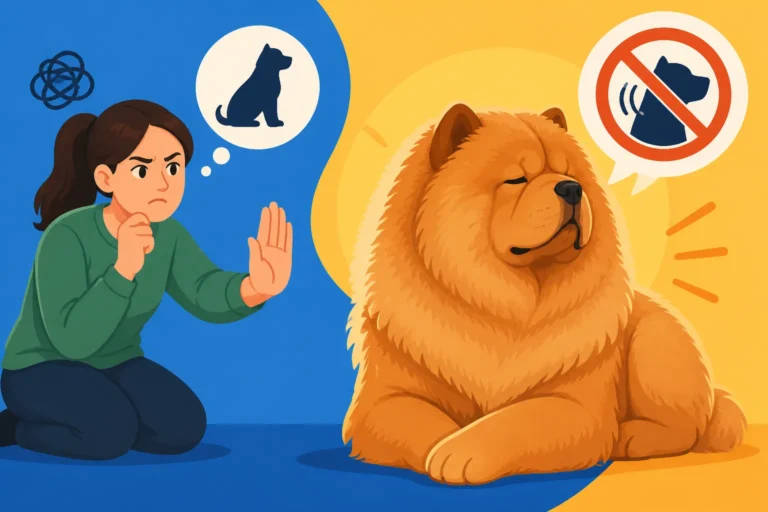
Chow Chows aren't known for outward displays of emotion. They aren't typically the kind of dog to wail inconsolably or visibly mope around with their head down for weeks on end. This reserved nature can make it incredibly difficult for owners to recognize when their Chow Chow is truly grieving. You might mistakenly believe they're unaffected, which can add to your own distress, feeling like your pet doesn't care. However, their grief often manifests in more subtle, yet equally potent, behavioral shifts that are easy to miss if you're not looking closely.
Changes in Appetite and Eating Habits
One of the most common indicators that something is amiss with a grieving Chow Chow is a change in their eating habits. It’s not always a complete refusal of food, which would be an obvious red flag. Sometimes, it’s a more gradual decrease in interest. Your Chow Chow might pick at their meals, leave half of it, or simply not finish it as quickly as they used to. They might even stop asking for treats or showing excitement for meal times, which for many Chows, is a highlight of their day. This isn't just about sadness; stress can directly impact their digestive system, making food less appealing or even causing mild upset. If your Chow Chow suddenly becomes a fussy eater, or what you might describe as "not himself" around meal times, it's worth considering grief as a potential underlying cause, especially after a significant loss. Always ensure they have access to fresh water, as dehydration can quickly complicate matters for any stressed dog.
Altered Sleep Patterns and Lethargy
A grieving Chow Chow might also exhibit noticeable changes in their sleep patterns. This could go one of two ways. Some Chows become far more lethargic, sleeping excessively throughout the day, often in places associated with the lost individual. They might seem to lack energy, be less enthusiastic about walks, or even resist playtime, which is already a somewhat measured activity for many Chows. This profound disinterest in their usual routine can be a clear sign of depression. On the other hand, some grieving Chows experience restlessness. They might pace at night, have trouble settling down, or wake up more frequently. This could be due to anxiety or a search for their missing companion. You might find them lying near the door for extended periods, as if waiting, or curling up with an item that belonged to the lost person or pet. It’s a quiet longing, often mistaken for just "being lazy" or "getting old," when in reality, it's a sign of a troubled mind.
Increased Clinginess or Withdrawal
While Chow Chows are famous for being independent, their grief can sometimes lead to a shift in their typical social interactions. Some Chows, especially if the lost individual was their primary person, might become unusually clingy to the remaining family members. They might follow you from room to room more than usual, seek out more physical contact, or even exhibit mild separation anxiety when you leave. It's their way of seeking comfort and reassurance when their familiar world has been disrupted. Conversely, another Chow Chow might withdraw entirely. They might retreat to a quiet corner, show less interest in interaction, or even become more aloof than their usual baseline. This withdrawal can be particularly concerning because it aligns with their naturally reserved personality, making it harder to distinguish from their normal behavior. Observing a subtle increase in their existing aloofness, or a significant decrease in their usual (even if minimal) signs of affection, can be a key clue. How a Chow Chow Shows Affection can give you a baseline of what to look for.
The Depth of a Chow Chow's Bond
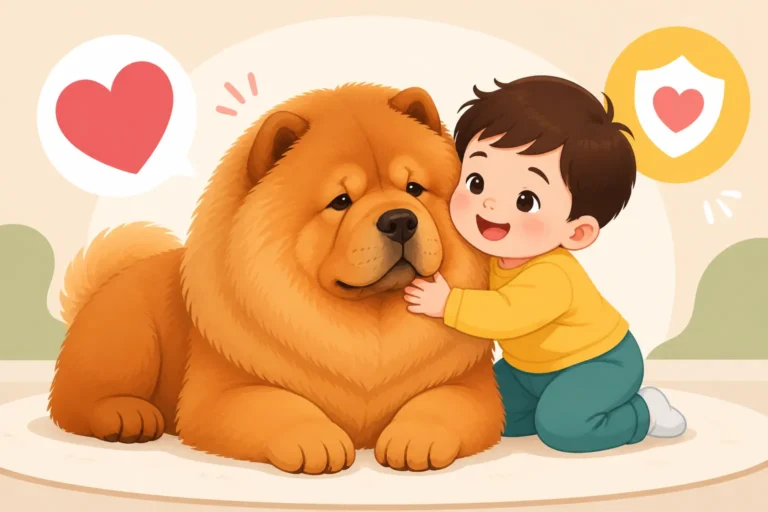
It’s easy to misunderstand a Chow Chow's affection. They aren't generally effusive or overtly demonstrative, leading some to believe they don't form strong attachments. This couldn't be further from the truth. A Chow Chow’s bond is often profound, loyal, and incredibly deep, albeit expressed in their own unique, dignified way. When a loved one is lost, that bond, even if quietly maintained, leaves a gaping hole in their life.
The "One Person" Phenomenon
Many Chow Chow owners will tell you their dog has a "one person" mentality. This means they often choose a single individual in the household as their primary person, showering them with subtle signs of devotion while tolerating, and perhaps mildly enjoying, the presence of others. This isn't to say they don't love everyone in the family, but the intensity and nature of their bond with their chosen person are often unparalleled. If this "person" is the one who is lost, the impact on the Chow Chow can be devastating. They might spend days searching for them, waiting by their usual spots, or becoming despondent when their presence isn't restored. How a Chow Chow Chooses Its Person delves deeper into this unique aspect of their personality, highlighting just how significant this bond can be. The routine they shared, the quiet moments, the unspoken understanding – all of it is suddenly gone, and a Chow Chow, much like a human, can struggle immensely with that profound absence.
Grief for Another Animal Companion
Grief isn't exclusively reserved for human loss. Chow Chows can, and often do, grieve the loss of another animal companion, especially if they had a close relationship. Perhaps they grew up together, or shared a special bond as playmates, or even just lived harmoniously side-by-side for years. When that companion is no longer there, the surviving Chow Chow might show signs of distress. They might search the house for their friend, refuse to play with toys they once shared, or lose interest in shared activities like walks or car rides. I've heard stories of Chows lying by the empty bed of their departed feline friend for weeks, or carrying their deceased dog's favorite toy around the house. It's a testament to the powerful connections they forge within their animal family unit.
The Impact of Routine Disruption
Beyond the emotional bond, Chow Chows are creatures of habit. Their lives are often structured around routines: meal times, walks, specific cuddle times, or even just the predictable presence of certain individuals in certain rooms. A loss often shatters this routine completely. If the lost person was responsible for feeding, walking, or their evening brush, the absence of these rituals can be deeply unsettling. Even if another family member steps in, the change itself can trigger stress and a sense of instability. The Chow Chow might anticipate the return of the lost individual at these routine times, leading to confusion and disappointment when they don't appear. This disruption, combined with the emotional void, compounds their grief, making it harder for them to adjust to the new normal.
Supporting Your Grieving Chow Chow
Watching your Chow Chow grieve can be incredibly painful, especially when you're likely grappling with your own sorrow. But you are the key to helping them navigate this difficult period. Your patience, understanding, and consistent support can make all the difference in their healing process.
Maintaining Routine and Consistency
While the loss itself disrupts routine, establishing a new, consistent schedule is paramount for a grieving Chow Chow. Even if it feels strange or painful to perform old rituals without the lost loved one, try to maintain as much normalcy as possible. Stick to regular feeding times, walk schedules, and bedtime routines. This predictability provides a sense of security and helps anchor your Chow Chow in a world that suddenly feels uncertain. If the lost person was the primary caregiver for certain activities, try to fill that role as consistently as you can. For example, if walks were always at 7 AM, try to continue that, even if you feel like delaying it. The more reliable their daily rhythm becomes, the sooner they might start to feel safe again.
Offering Comfort and Gentle Reassurance
Chow Chows may not be lap dogs, but they absolutely appreciate comfort and reassurance, especially when they're vulnerable. Instead of trying to force affection, offer it gently on their terms. Sit quietly beside them, speak in a soft, soothing voice, and offer gentle strokes if they are receptive. Some Chows might prefer simply being in the same room as you, finding comfort in your presence without direct interaction. Don't underestimate the power of simply being there. Familiar scents can also be comforting. If appropriate, allow them access to an item that belonged to the lost person, like an old t-shirt or blanket. The familiar smell can be incredibly reassuring. Avoid overly dramatic displays of your own grief around them, as dogs are highly attuned to human emotions and your distress can add to theirs. While it’s natural to grieve, try to maintain a calm demeanor when interacting with your Chow Chow.
Re-engaging with Positive Activities
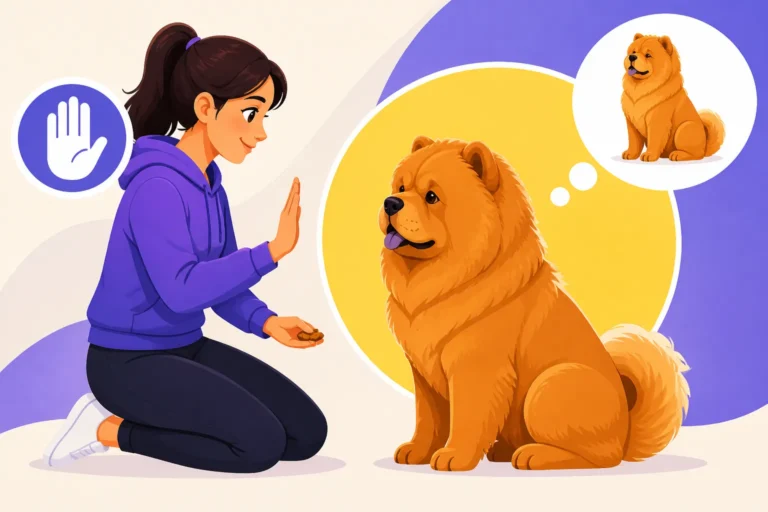
Slowly reintroducing positive activities can help lift your Chow Chow's spirits and remind them of the joys in life. This doesn't mean forcing them into boisterous play if they're not ready. Start small. Offer a favorite toy, go for a short, leisurely walk in a familiar, quiet place, or engage in a brief training session using high-value treats. Even something as simple as a puzzle feeder can provide mental stimulation and a distraction from their sadness. New experiences, introduced gently, can also be beneficial. Perhaps a trip to a new, dog-friendly park or a different walking route could spark some curiosity. If you usually use positive reinforcement for training, resources like BAXTER & Bella offer online puppy and dog training programs that could provide structured, positive engagement, helping to rebuild their confidence and routine in a gentle way. Remember, the goal isn't to replace the lost one, but to show your Chow Chow that there's still goodness and connection in the world.
Considering a New Companion
This is a decision that requires careful consideration and timing, and it’s certainly not for everyone. Introducing a new pet too soon can sometimes complicate the grieving process or even be unfair to the new animal. However, for some Chow Chows, especially those who lived with another dog, the presence of a new companion can eventually help fill the void. This should never be about "replacing" the lost pet, but rather about enriching the surviving Chow Chow's life with new companionship. If you do consider this path, look for a calm, well-matched personality that won't overwhelm your grieving Chow. Consider fostering first, if possible, to see how your Chow Chow adjusts. It's crucial that your Chow Chow shows signs of coming to terms with their loss before you introduce a new family member.
When to Seek Professional Help for Your Grieving Chow Chow
While many Chow Chows will eventually adapt to their loss with your support, some may struggle intensely, and their grief can manifest in ways that impact their health or quality of life. Knowing when to reach out for professional help is crucial.
Persistent Changes in Behavior or Health
If your Chow Chow's symptoms of grief—such as lack of appetite, extreme lethargy, or withdrawal—persist for an extended period (more than a few weeks) or worsen, it's time to consult your veterinarian. While grief is emotional, it can have very real physical consequences. A sustained lack of eating can lead to nutritional deficiencies, and chronic stress can suppress the immune system, making them more susceptible to illness. Your vet can rule out any underlying medical conditions that might be contributing to their symptoms and offer advice on managing their emotional state. They might suggest temporary appetite stimulants, anti-anxiety medications, or supplements to help them through the acute phase of grief. How a Chow Chow Hides Pain is a good read to understand why Chow Chows often don't show discomfort overtly, which can make diagnosing issues even harder.
| Symptom of Grief | Potential Intervention | When to Consult Vet |
|---|---|---|
| Reduced Appetite | Offer high-value treats, hand-feed, maintain meal routine. | If not eating for 24+ hours or significant weight loss. |
| Excessive Lethargy | Gentle walks, quiet playtime, comforting presence. | If unresponsive, extreme weakness, or difficulty moving. |
| Withdrawal/Hiding | Create a safe, quiet space, offer gentle interaction. | If isolated for days, refusing all interaction. |
| Restlessness/Pacing | Consistent bedtime routine, calming supplements. | If pacing continuously, inability to settle, vocalizing excessively. |
| Destructive Behavior | Increased exercise, mental stimulation, chew toys. | If new destructive behaviors are severe or dangerous. |
| Excessive Licking | Distraction, bitter sprays (if licking wounds). | If skin irritation or hot spots develop. |
Behavioral Consultations and Canine Grief Counseling
For more severe or complex cases of grief, particularly those involving aggression, profound anxiety, or complete shut-down, a veterinary behaviorist or certified professional dog trainer specializing in behavior can be invaluable. These professionals can assess your Chow Chow's specific situation, understand the nuances of their behavior, and develop a tailored plan to help them cope. They might recommend specific behavioral modification techniques, environmental changes, or even medication in conjunction with behavioral therapy. Resources often suggest looking into online programs, and while BAXTER & Bella is primarily for puppy training, their positive reinforcement philosophies can be adapted to help re-engage a depressed dog, and they often have resources or community forums where you might find advice on specific behavioral challenges, or at least a path to finding a certified professional in your area. Such professionals understand that grief isn't a quick fix and often requires a multi-faceted approach. They can also provide support and guidance to you, the owner, which is equally important during this challenging time.
The Role of Patience and Time
Ultimately, grieving is a process, not an event, and it takes time. Every Chow Chow will grieve differently, and there's no set timeline for healing. Some may show signs of improvement within weeks, while others might take months, or even a year, to fully adjust to their loss. Be patient with your Chow Chow, and with yourself. There will be good days and bad days. Continue to offer love, consistency, and a sense of security. Recognize that their bond was real and important, and validate their feelings by providing the support they need. Over time, with your unwavering care, your Chow Chow will likely begin to find joy in life again, remembering their lost companion with a quiet dignity that is so characteristic of the breed.
Disclaimer
This article is for general informational purposes only and does not constitute professional advice. Laws, prices and regulations vary by location and change over time. Consult a qualified professional for guidance on your specific situation.