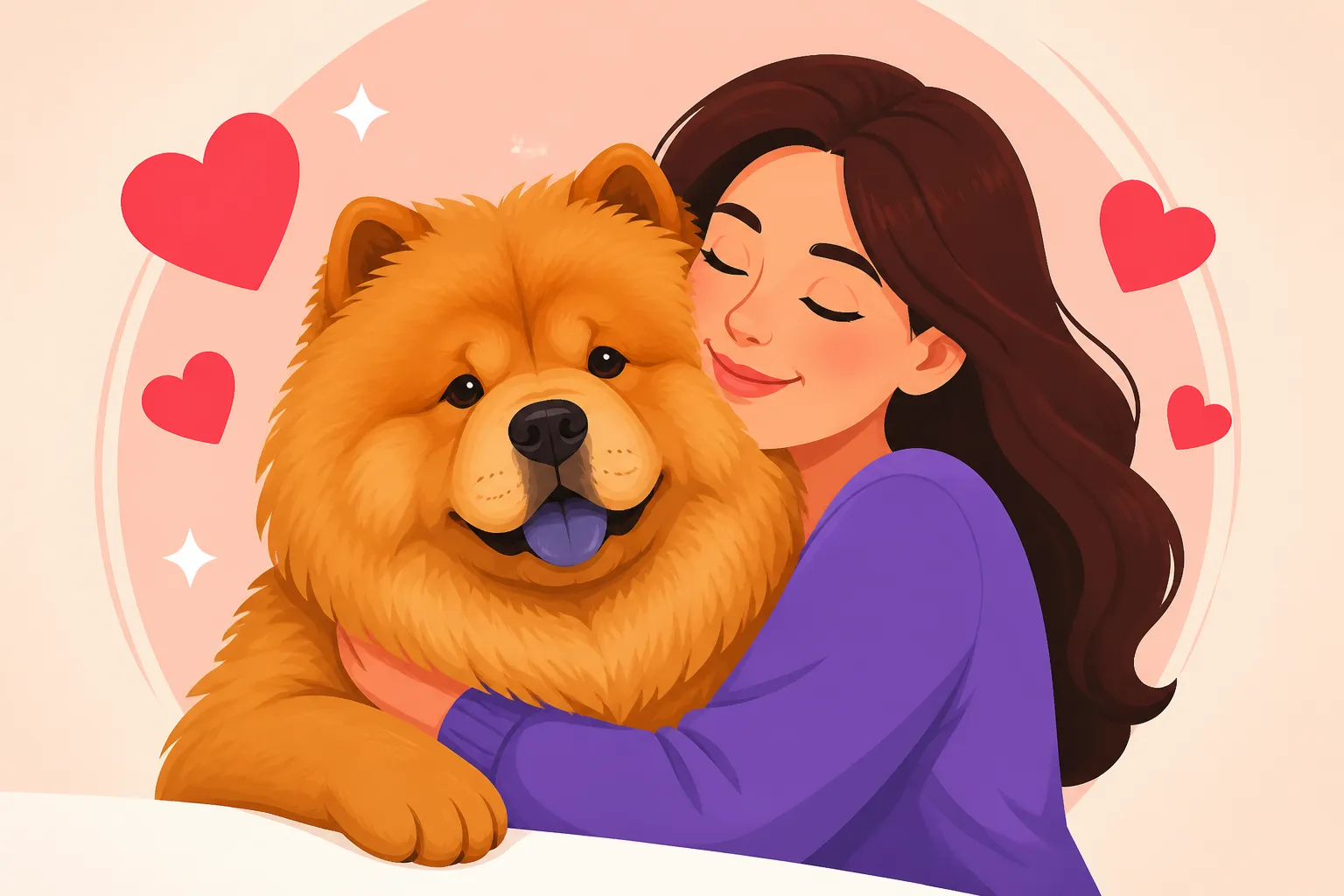
How a Chow Chow Shows Affection
One of the most common frustrations for new Chow Chow owners, or even those just admiring the breed from afar, is trying to understand just what "affection" means to a Chow. They aren't your typical Golden Retriever, ready to shower everyone with slobbery kisses and tail wags. This can leave people wondering if their Chow Chow even likes them, or if the dog is truly happy. This guide will delve deep into the unique and often subtle ways a Chow Chow shows affection, helping you decode their nuanced language of love and build an even stronger bond with your stoic, lion-like companion.
Understanding the Nuances of Chow Chow Affection
The Chow Chow has a reputation, and let's be honest, it often precedes them. People often hear they are aloof, independent, or even "cat-like," which can lead to the misguided assumption that they aren't affectionate at all. This couldn't be further from the truth, but it’s crucial to understand that their affection operates on a different frequency than many other breeds. If you're expecting a dog that constantly demands attention or flops into your lap at every opportunity, you might miss the quiet, profound ways your Chow is expressing its love.
Dispelling the Myth of the Unaffectionate Chow Chow
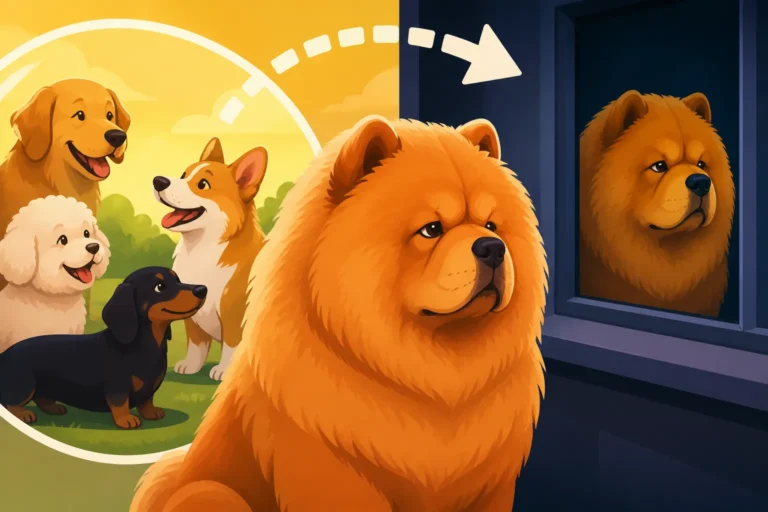
It's a myth perpetuated by those who don't truly understand the breed. A Chow Chow isn't unaffectionate; they are selectively affectionate, and their displays are often subtle rather than exuberant. Their independent nature, which is a hallmark of the breed, is often mistaken for a lack of caring. But independence simply means they don't need constant validation or physical contact to feel secure in their bond with you. They are perfectly content to be near you, in the same room, without necessarily being on top of you. This presence is their comfort, their acknowledgment of your bond.
Imagine you have a friend who prefers quiet conversations and meaningful gestures over loud parties and dramatic displays. That's your Chow Chow. They aren't cold; they're simply reserved, valuing quality over quantity in their interactions. They choose their person, and once that bond is formed, it's incredibly deep and loyal, even if it doesn't manifest in the same ways you might be used to from other dogs. Many Chows will bond to one person and tolerate the rest of the family, and this is a key aspect of their personality that influences how their affection is displayed.
Why Their Affection Looks Different
Compared to the boisterous enthusiasm of a Labrador or the cuddly clinginess of a Cavalier King Charles Spaniel, a Chow Chow’s demonstration of love can feel almost invisible if you don’t know what to look for. Their deep-set eyes, characteristic scowl, and sometimes stiff gait can further mask their internal feelings, making their expressions harder to read. It's not that they don't feel affection; it's that their breed history and inherent temperament have shaped a different communication style.
Their ancient lineage suggests a dog bred for guarding and companionship, not for fawning. They were often working dogs, requiring a certain level of self-sufficiency. This ingrained independence translates into a less demonstrative approach to affection. Instead of a full-body wiggle, you might get a soft gaze. Instead of demanding pets, they might just settle their head on your foot. These are significant gestures from a Chow, representing a profound level of trust and comfort. Understanding How a Chow Chow Shows Affection really means learning to appreciate the understated.
Common Ways a Chow Chow Shows Love to Its Chosen Person
For the person they’ve truly claimed, a Chow Chow will reveal a softer side, showing their affection in ways that are deeply personal and meaningful once you learn to recognize them. These aren't always big, flashy gestures, but rather quiet affirmations of their bond.
The "Lean" and Proximity Seeking
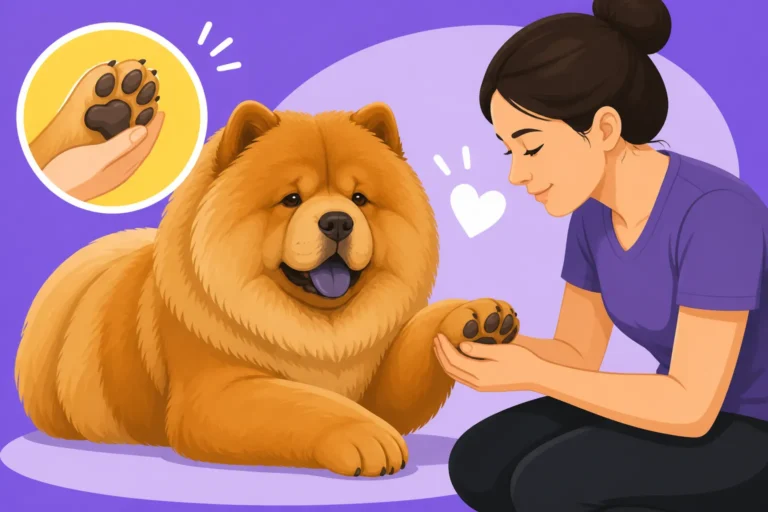
One of the most common and clear signs of affection from a Chow Chow is the "lean." Your Chow might walk up to you while you're standing and just lean their full weight against your legs. Or perhaps, when you're sitting on the sofa, they’ll hop up and press their body firmly against yours, often with their back to you, presenting a solid, comforting mass. This isn't just about physical contact; it's a declaration of trust and security. They're saying, "I choose to be here, close to you, and I feel safe in your presence." It's a quiet intimacy, a grounding presence that speaks volumes without a single bark.
Beyond the direct lean, proximity seeking is a huge tell. While they might not be in your lap, a truly affectionate Chow will often choose to be in the same room as you, just a few feet away. They might settle under your desk, lie on the rug while you watch TV, or even follow you from room to room, Why a Chow Chow Does Not Follow You Room to Room being a common misconception they will always remain aloof. This "shadowing" is their way of participating in your life, even if silently. They're enjoying your company, finding comfort in your presence, and silently asserting their bond. It’s a very different type of "velcro dog" behavior.
Subtle Tail Wags and Ear Positions
Forget the wild, propellor-like tail wags you see on many breeds. A Chow Chow's tail wag is often far more subtle, a gentle swish or even just a slight tremor at the tip of their tightly curled tail. It might be accompanied by a soft body wiggle that barely registers, but it's there. You might only notice it when they greet you after you've been away, or when you offer a favorite treat. This nuanced tail movement, combined with a relaxed body posture, is their version of pure joy and recognition. It's a controlled expression, reflecting their dignified nature.
Their ears are also fantastic indicators of their mood and affection. While they typically have small, rounded ears that sit high on their head, a Chow that is feeling affectionate and comfortable might soften their ear set slightly, letting them relax back a bit. If you’re talking to them and you see a slight head tilt, or their ears pivot towards you, they are engaged and receptive to your voice. This subtle attention, particularly when coupled with a soft gaze, indicates they are soaking in your presence and appreciating the interaction. Pay close attention to these tiny shifts, as they are profound in the world of a Chow.
The "Chow Grin" and Play Bows
While not every Chow Chow does it, some owners are lucky enough to witness the famous "Chow grin" – a unique facial expression where they might pull back their lips slightly to show their front teeth, sometimes accompanied by a low growl that sounds more menacing than it is. This is often misinterpreted as aggression, but it’s actually a sign of extreme happiness and excitement, usually reserved for their most beloved person during moments of intense greeting or play. It’s their equivalent of a big, goofy smile, and it’s truly something special to behold.
Play bows are another clear sign of affection and an invitation to engage, especially if your Chow Chow is typically reserved. When they drop their front end, with their rear high in the air and tail possibly giving those subtle wags, they're not just being playful; they're showing you they trust you enough to let their guard down and want to share a joyful moment. This is particularly meaningful as Chow Chows aren't typically known for being boisterous playmates with just anyone. If your Chow is inviting you to play, even with a brief, stiff-legged pounce, they are expressing a deep comfort and affection. It's a precious thing, often seen when they are puppies, but carried into adulthood for their special people. How a Chow Chow Shows Affection is truly in these unique gestures.
Affection Towards Family Members and Others
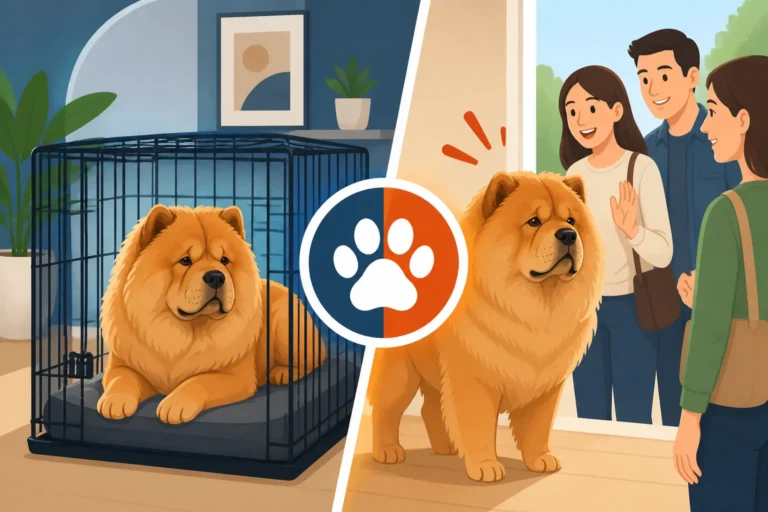
While the primary bond of a Chow Chow is typically with one specific person, their relationship with other family members and trusted individuals in their lives isn't without its own forms of affection, though it tends to be more reserved. It’s important to distinguish between the deep, personal bond they form with their chosen person and the respectful, sometimes tolerant, affection they extend to others.
Reserved Tolerance vs. Deep Bond
For other family members, a Chow Chow’s affection often manifests as a "reserved tolerance" rather than the deep, personal bond they share with their primary person. They might allow family members to pet them, often for a limited time, and may even solicit a brief head scratch or ear rub. This acceptance of touch and presence from others is a significant sign of their comfort within the household. It means they view these individuals as part of their pack, worthy of their trust and protection, even if not the object of their deepest devotion.
Signs of acceptance include allowing themselves to be handled for grooming (especially if you've taught them Teaching a Chow Chow to Be Brushed from a young age), or quietly accepting a treat from someone other than their primary owner. They might settle near another family member if their primary person isn't available, or even offer a soft nudge with their head. These might seem small, but for a Chow, they are meaningful gestures of inclusion. They recognize you as part of their world and are willing to share their space and a degree of comfort with you.
The "Guardian Gaze" and Quiet Presence
A Chow Chow’s love for their family often expresses itself through their protective instincts. They are natural guardians, and their deep-seated desire to keep their loved ones safe is a profound form of affection. You might notice them watching over children playing, or keeping an eye on the front door when visitors arrive. This "guardian gaze" is not a sign of aggression, but rather vigilant care. They are saying, "I am here, and I will protect you." This inherent trait is tied to What a Chow Chow Guards and Why, and it's a powerful, if unspoken, form of love.
Their quiet presence, even if they aren’t actively seeking physical contact, is another form of affection for family members. They might choose to sleep in a hallway where they can keep an eye on multiple rooms, or settle in a spot where they have a good vantage point of the family's activities. They are choosing to be near you, to be aware of your movements, and to be available if needed. This consistent, watchful presence is a comfort to them, and by extension, a quiet affirmation of their bond with the entire household. It’s a subtle assurance that you are safe under their watchful eye.
Building a Receptive Relationship
Understanding how a Chow Chow expresses affection is just the first step; building a relationship where they feel comfortable showing it is equally important. This breed thrives on respect, consistency, and a clear understanding of boundaries. They aren't dogs you can coerce into affection; you must earn it, and then nurture it.
Respecting Their Boundaries
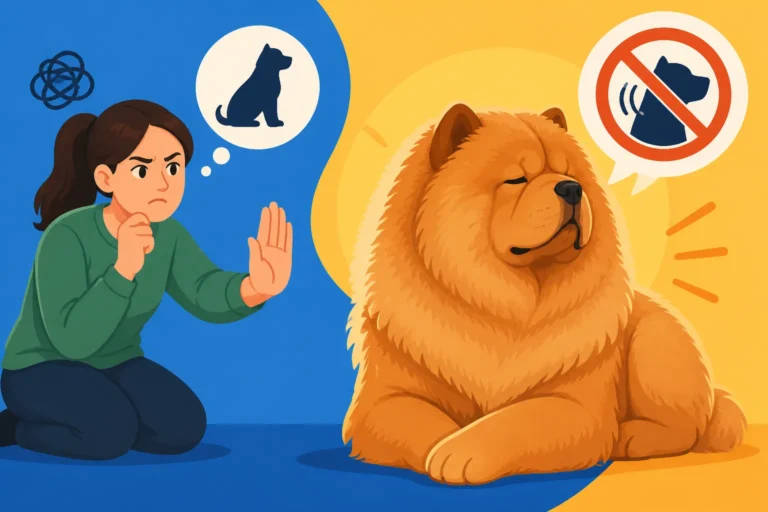
One of the most critical aspects of fostering affection in a Chow Chow is respecting their boundaries. Unlike some breeds that crave constant physical interaction, a Chow often prefers to initiate contact on their own terms. Forcing hugs, prolonged petting, or invading their personal space when they're not receptive can actually erode trust and make them withdraw. Pay attention to their body language: if they turn their head away, stiffen their body, or move away, they are telling you they need space. Learn How Much a Chow Chow Wants to Be Petted and Why a Chow Chow Dislikes Being Hugged. It's not a rejection of you, but a communication of their comfort level.
Instead, invite affection rather than demanding it. Offer a gentle scratch under the chin or behind the ears, and then let them decide if they want more. When they lean into you or offer a soft head nudge, reciprocate with quiet praise and a brief, gentle touch. High-value treats, perhaps some salmon or liver treats available on Amazon, can also be a wonderful way to reinforce positive interactions without being overly intrusive. These small, respectful gestures build a foundation of trust that allows their natural affection to blossom. They will appreciate being given the autonomy to choose when and how they interact, which ultimately strengthens the bond.
The Importance of Routine and Consistency
Chow Chows are creatures of habit, and they thrive on routine and consistency. A predictable schedule for meals, walks, and playtime helps them feel secure and understood. This predictability, in itself, is a form of care and affection for a Chow. When they know what to expect from you, their trust deepens, and they are more likely to let their guard down and show their softer side. Inconsistent behavior, on the other hand, can create anxiety and make them more reserved.
Consistency also extends to training and expectations. Clear, calm, and consistent communication during training sessions helps a Chow feel confident in their role and understanding of your desires. While they may not be as eager to please as some other breeds, positive reinforcement and a structured approach work wonders. Resources like BAXTER & Bella, which offer online puppy training programs focusing on positive reinforcement, can be particularly helpful for setting a strong foundation and fostering good habits, which in turn nurtures a trusting and affectionate relationship. Consistency in these interactions makes them feel safe and valued, which is paramount to a Chow Chow’s expression of love.
Signs of Chow Chow Affection: Overt vs. Subtle
To further clarify, here's a quick comparison of what you might typically see in more overtly affectionate breeds versus the subtle, yet deeply meaningful, signs from your Chow Chow:
| Affectionate Behavior Category | Overt Breed Example (e.g., Lab, Golden) | Chow Chow Equivalent (Subtle, but Significant) |
|---|---|---|
| Physical Contact | Jumping, licking face, demanding belly rubs | Leaning against legs, sitting close, nudging head on foot |
| Greeting | Full body wiggle, loud barking, retrieving toy | Gentle tail swish, soft eye contact, quiet presence |
| Play Invitation | Exuberant barking, running zoomies, bringing toy | Brief play bow, "Chow grin," stiff-legged pounce |
| Seeking Attention | Pushing head under hand, whining, pawing | Following silently, settling nearby, sighing contentedly |
| Vocalization | Happy yips, playful growls, excited barks | Soft grunts, content sighs, the unique "Chow grin" growl |
| Eye Contact | Intense, direct stare demanding interaction | Soft, prolonged gaze, slow blinks, looking away then back |
Remember, your Chow Chow's affection might not come with a fireworks display, but it's a deep, unwavering loyalty that, once earned, will enrich your life in quiet, profound ways. Embrace their unique language of love, and you'll find an incredible companion.
Disclaimer
This article is for general informational purposes only and does not constitute professional advice. Laws, prices and regulations vary by location and change over time. Consult a qualified professional for guidance on your specific situation.