Why a Chow Chow Picks One Person
One of the most common things prospective Chow Chow owners hear, and often experience firsthand, is that these magnificent dogs are "one-person dogs." It can be disheartening, even frustrating, for family members who pour love and effort into their Chow to feel like they're merely tolerated while another person receives all the deep affection. This guide will explore why Chow Chows often form such an exclusive bond and offer insights into understanding and navigating this unique aspect of their loyal nature.
Understanding the Chow Chow's Unique Bond
The idea of a "one-person dog" often conjures images of aloofness or even disinterest in others, but with a Chow Chow, it's usually far more nuanced. Their devotion, though selective, is profound and unwavering, a testament to their ancient heritage and unique temperament. It’s not that they dislike other people; rather, they reserve their deepest affection and trust for a select few, and often just one.
The Instinctive Drive for Selective Affection
To truly grasp why a Chow Chow picks one person, we have to look back at their history. These dogs are one of the oldest breeds in the world, with origins tracing back thousands of years in ancient China. They weren't bred as gregarious companions for large families, but rather as versatile working dogs—guardians, hunters, and even haulers. In these roles, an intense bond with a single handler or a very small, consistent group would have been highly advantageous. Independence and wariness of strangers were traits that served them well.
This means that a Chow Chow's tendency to bond selectively isn't a flaw; it's an ingrained characteristic that has been part of their DNA for centuries. They are inherently predisposed to form strong, singular attachments. Imagine a lone guard dog overseeing a remote outpost or a hunter working in tandem with one individual—such roles demand absolute loyalty and focus on a chosen partner, rather than a broad, indiscriminate friendliness. This historical context helps explain How Aloof a Chow Chow Really Is to strangers versus their cherished person. Their early experiences, especially within the critical The Weeks That Matter Most for a Chow Chow Puppy, will heavily influence the breadth of their social acceptance, but the core tendency for selective bonding remains.
More Than Just "Aloof": A Deep, Singular Devotion
It's easy to misinterpret a Chow Chow's selective affection as coldness or aloofness, especially if you're used to breeds that are eager to please everyone. However, for the person lucky enough to be "their" human, the bond is incredibly deep and intensely loyal. A Chow Chow will often follow their chosen person from room to room, offer subtle nudges for attention, and find quiet comfort simply being in their presence. How a Chow Chow Shows Affection might not be boisterous or overtly demonstrative, but it is deeply felt and expressed in their own dignified way.
This devotion means they watch their person, anticipate their needs, and are deeply attuned to their moods. While they might politely acknowledge other family members, or even enjoy calm interactions, they generally reserve their truly intimate moments for their primary bond. This can be challenging for other members of the household, especially children, who might feel rejected if the Chow Chow doesn't respond to their overtures in the same way. Understanding How a Chow Chow Treats the Rest of the Family is crucial for managing expectations and fostering respectful relationships throughout the home. Their singular focus means that earning their trust is a significant achievement, a mark of true partnership rather than casual friendship.
Factors Influencing a Chow Chow's Choice
So, what makes a Chow Chow choose one person over another? It's not always immediately obvious, and it can be a combination of consistent care, personality alignment, and the subtle ways people interact with them. It’s rarely a conscious decision on the Chow’s part, but rather an organic development based on their experiences and instincts.
The Primary Caregiver Connection
One of the most significant factors in a Chow Chow's decision to pick "their" person often revolves around who consistently provides for their basic needs and engages in their daily care. This isn't just about feeding them, though that's a huge component; it's about the entire routine of life. Who wakes up with them, takes them out, grooms them, and is the primary person involved in their training?
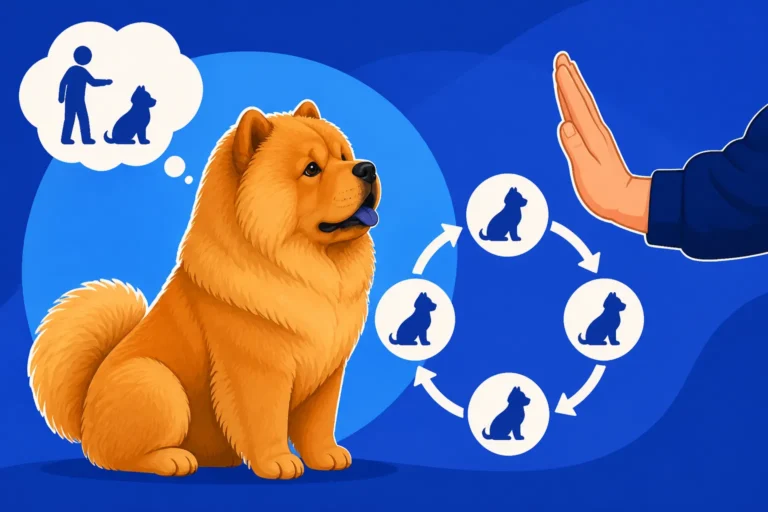
Consider the person who consistently feeds them, offering those delicious meals that are so crucial to a dog's life. Who manages their grooming, patiently working through that dense double coat, perhaps with a sturdy brush found on Amazon? Who takes them for walks, offering new sights and smells? These consistent, positive interactions build a foundation of trust and reliance. When it comes to training, the person who dedicates time to patient, consistent sessions, using positive reinforcement methods, often cements this bond. Why a Chow Chow Ignores a Cue It Knows if the delivery isn't consistent or if they don't perceive the person as a trusted leader. A structured online training program like BAXTER & Bella can be excellent for providing a consistent approach to training across a household, but the most dedicated participant will often be the one who earns the deepest bond. These regular, predictable, and positive interactions teach the Chow Chow that this person is reliable, safe, and the source of all good things.
Personality Matches and Energy Alignment
Beyond direct care, a Chow Chow often gravitates towards a person whose personality and energy levels align with their own. Chow Chows are generally calm, dignified, and somewhat reserved. They tend to respond best to people who mirror these traits—someone who is confident without being overbearing, patient without being passive, and consistent in their interactions.
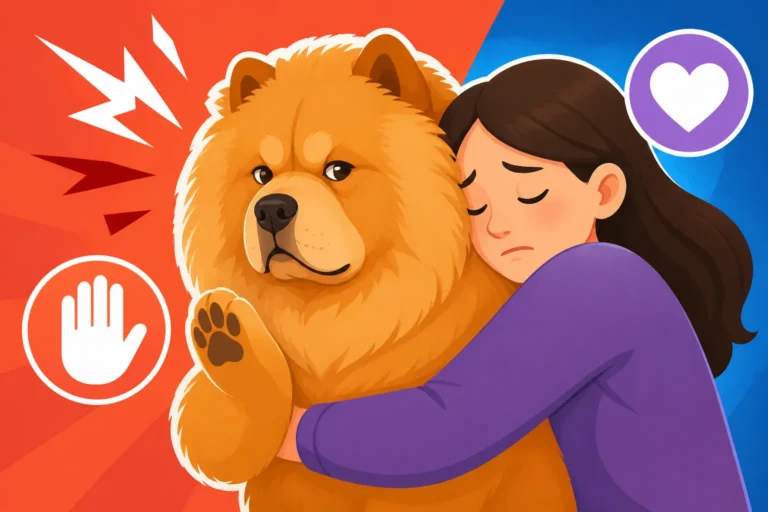
They are not typically fans of high-energy, boisterous, or overly physical displays of affection, especially from strangers or those they don't fully trust. A person who respects their boundaries, understands their subtle cues, and approaches them with a calm, quiet confidence is far more likely to win their favor. Think of a person who understands that How Much a Chow Chow Wants to Be Petted is often less than other breeds, and respects that by not forcing attention. If someone is constantly trying to hug or manhandle a Chow Chow, they are unlikely to be chosen. The person who allows the Chow to initiate contact, offers gentle reassurance, and interacts on the Chow's terms will often be the one they gravitate towards. This alignment creates a sense of comfort and predictability for the Chow, solidifying the chosen bond.
Navigating the "One Person" Phenomenon in a Household
Living with a Chow Chow can be incredibly rewarding, but if you're not the chosen one, it can also be a little perplexing. It's important for everyone in the household to understand the Chow Chow's unique nature and learn how to interact with them respectfully to foster a positive, if not equally deep, relationship.
Strategies for Family Members to Build Rapport
If you're not your Chow Chow's primary person, don't despair! While you might not achieve the same intense bond, you can certainly build a strong, respectful, and affectionate relationship. The key is consistency, patience, and understanding their communication style. Start with low-pressure interactions. Sit quietly in the same room, perhaps reading or watching TV, allowing the Chow Chow to approach you on their terms. Offer treats calmly, maybe even hand-feeding some meals if the primary caregiver allows it. Gentle, consistent grooming sessions, even just a few minutes of brushing their head or back with a soft brush, can build trust over time.
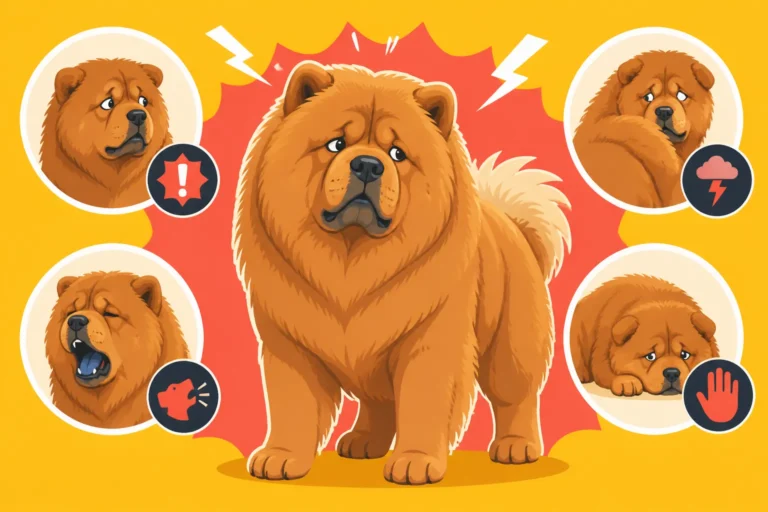
Avoid rushing them, making loud noises, or forcing physical affection. Learn to read their body language; a slight turning away, a yawn, or a lip lick can all be signs that they're uncomfortable and need space. Respect these signals. Engaging in quiet activities like short, calm walks (if they are comfortable being handled by you) or puzzle toys from Amazon can also create positive associations. Remember, Chow Chows value dignity and respect. If you want to increase your standing, a structured approach to engagement, perhaps using online training resources like BAXTER & Bella, can ensure consistent messaging and clear expectations. Consistency is far more important than intensity when building rapport with a Chow Chow.
The Importance of Early and Broad Socialization
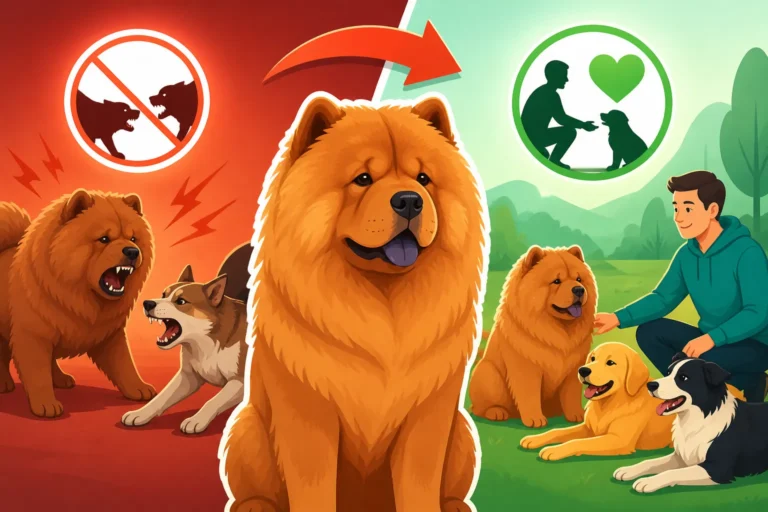
While a Chow Chow might inherently lean towards bonding with one person, proper and extensive socialization from a young age is absolutely crucial. This doesn't mean they'll become a social butterfly who loves everyone, but it helps them develop into a confident, well-adjusted adult who is tolerant and polite towards a wider circle of people and experiences. An undersocialized Chow Chow, even if deeply bonded to one person, can become overly fearful or reactive to anyone outside their immediate circle.
From the moment you bring your Chow Chow puppy home, expose them to a variety of sights, sounds, people, and experiences in a positive and controlled manner. This means meeting different types of people—men, women, children, people with hats, people with glasses—and ensuring these encounters are always pleasant. Short, positive exposures to different environments and non-threatening situations help them build confidence. While the primary bond may still be strong, a well-socialized Chow Chow will be far less likely to become anxious or aggressive when encountering new situations or when their primary person is absent. Understanding How Much Socialization a Chow Chow Puppy Needs and continuously providing these experiences is key to ensuring they are well-rounded individuals, even with their selective affection.
The Practical Implications of a Chow Chow's Loyalty
The Chow Chow's "one-person dog" trait has significant practical implications for daily life, especially concerning interactions with strangers and managing periods when their primary person isn't around. It requires thoughtful planning and management to ensure everyone's safety and the Chow Chow's well-being.
Managing Interactions with Strangers and Visitors
A Chow Chow's natural wariness of strangers, combined with their loyalty to their chosen person, means that interactions with new people must be managed carefully. Their deep-set eyes, while contributing to their iconic scowl, also limit their peripheral vision. This means they can be easily startled if approached from behind or the side, which can lead to a defensive reaction. How a Chow Chow Snaps at Someone It Did Not See highlights the importance of being aware of their visual limitations.
When visitors come to your home, it's often best to introduce them calmly and on the Chow's terms. Have your Chow Chow on a leash or behind a barrier initially. Allow visitors to ignore them at first, letting the Chow observe. Offer high-value treats to visitors to give to your Chow, but only if the Chow approaches willingly and calmly. Never force interaction. Teach guests How to Introduce a Chow Chow to a Stranger by approaching slowly, speaking softly, and allowing the dog to sniff a hand held loosely at their side. For delivery drivers or service personnel, it might be safer to keep your Chow Chow securely behind a closed door or in another room. Proactive management and education are key to preventing uncomfortable or potentially dangerous situations.
Ensuring Well-being When the Primary Person is Absent
For a Chow Chow deeply bonded to one person, that person's absence can be a source of stress or anxiety. While they are often quite independent, they thrive on routine and the presence of their chosen human. This doesn't necessarily manifest as destructive separation anxiety, but rather a subdued demeanor, reduced appetite, or general unhappiness. How Well a Chow Chow Copes Alone largely depends on their socialization and how gradually they've been accustomed to short absences.
It’s important for the primary caregiver to gradually desensitize their Chow Chow to their absence, even from a young age. Practice leaving them alone for short periods, slowly increasing the duration. Ensure other family members maintain the routine as much as possible, including feeding, walks, and playtime. Providing engaging puzzle toys, perhaps filled with delicious treats (available on Amazon), can help distract them. If the primary person will be away for an extended period, ensure the secondary caregivers are well-versed in the Chow Chow's routine, preferences, and communication signals. Their comfort with other family members, even if not as deep as with their chosen one, becomes incredibly important during these times.
| Aspect of Relationship | Primary Person's Bond | Other Family Members' Rapport |
|---|---|---|
| Affection Display | Deep, reserved, intimate | Polite, tolerant, respectful |
| Trust Level | Absolute, unwavering | Earned, conditional |
| Following Tendency | Frequent, attentive | Occasional, less intense |
| Willingness to Obey | High, responsive | Variable, dependent on context |
| Response to Touch | Welcomed, initiated | Accepted (if calm), rarely sought |
| Comfort in Absence | May show signs of longing | Provides comfort and routine |
Challenging the "One Person Dog" Stereotype (with nuance)
The "one-person dog" label, while generally accurate for Chow Chows, can sometimes be an oversimplification. It doesn't mean they are incapable of interacting positively with anyone else, nor does it imply a complete disinterest in other members of the household. It's more about a hierarchy of affection and trust, with one individual at the very top.
It's Not Always Absolute
While the primary bond is undeniably strong, it's not always an absolute, exclusionary stance. A well-socialized Chow Chow, raised in a loving home, can be perfectly polite, accepting, and even mildly affectionate towards other family members and trusted friends. They might not seek out cuddles with everyone, but they will likely enjoy calm interactions, accept treats, and participate in family life without issue. The distinction lies in the depth of the connection. For the primary person, it’s a soul-deep bond of mutual understanding. For others, it might be more akin to a respectful roommate or a cherished acquaintance.
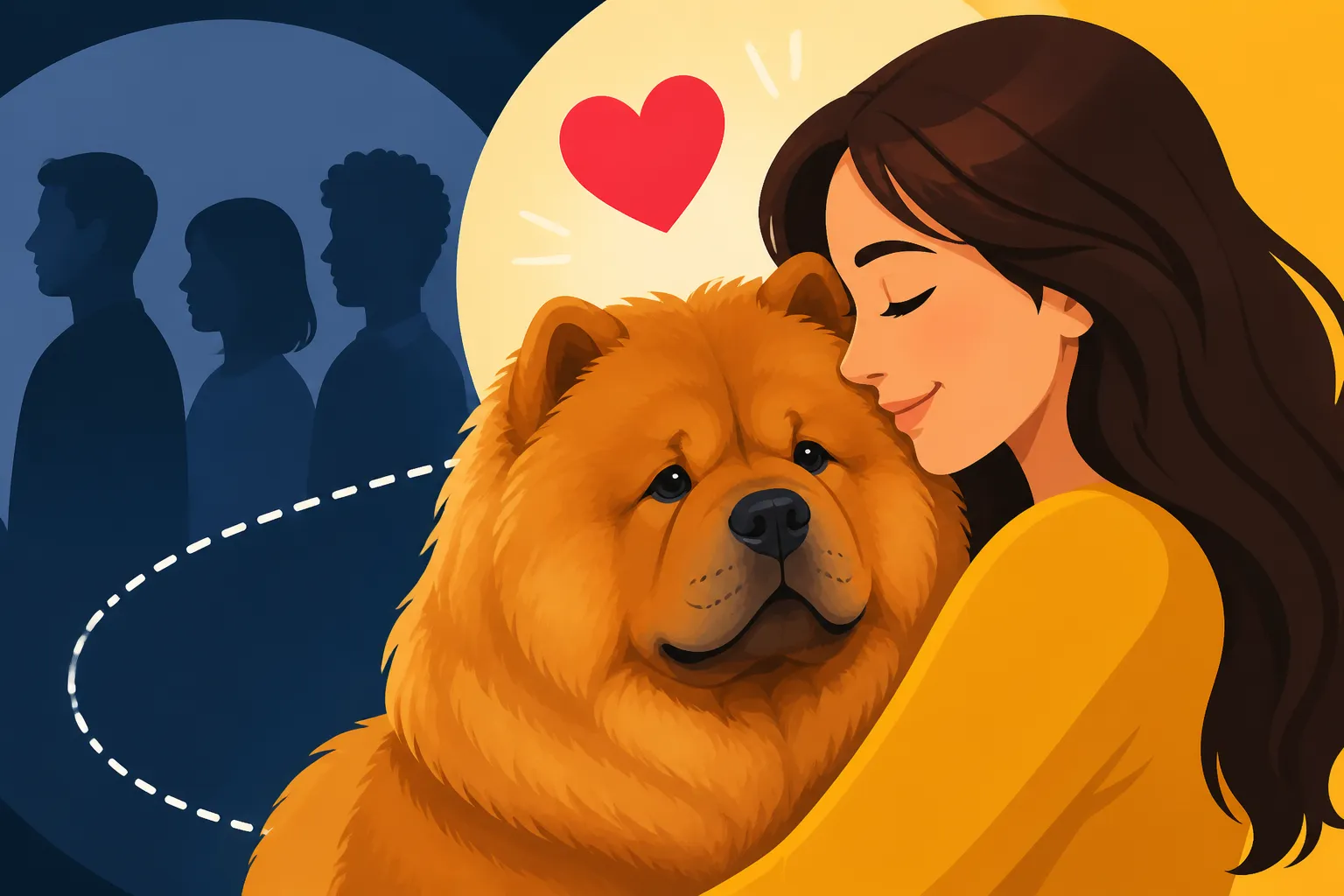
Think of it as concentric circles of trust and affection. The primary person is in the innermost circle, receiving the fullest expression of the Chow Chow's devotion. Other trusted family members reside in the next circle, enjoying a good relationship built on respect and routine. Beyond that are polite acquaintances and then, finally, strangers, who are met with dignified reserve. It's incorrect to assume that because a Chow Chow has a primary person, they are entirely unloving or unaccepting of everyone else in the family. Whether a Chow Chow Is a One Person Dog for Life depends on so many factors, including early experiences and consistent exposure to a balanced family dynamic. Many Chow Chows develop genuine affection for all members of their household, even if one person holds a special, elevated status.
The Long-Term Benefits of Their Unique Loyalty
Ultimately, the Chow Chow's selective loyalty, while sometimes puzzling, is one of their most endearing and deeply rewarding traits. For the person who earns that coveted primary spot, it is a testament to an incredibly profound and unwavering commitment. This isn't a dog whose affection is easily given; it is hard-won, cherished, and deeply felt. There is immense satisfaction in knowing you have earned the absolute trust and devotion of such a dignified and discerning animal.
Their unique way of bonding means that when a Chow Chow chooses you, they truly choose you. They offer a loyalty that is as steadfast as it is deep, creating a bond that enriches daily life in quiet yet powerful ways. Their presence is a constant, calming force, and their subtle expressions of affection are all the more meaningful because they are so thoughtfully given. In a world full of fleeting connections, the unwavering loyalty of a Chow Chow to its chosen person is a beautiful, enduring thing to behold. How a Chow Chow Chooses Its Person is a journey of mutual understanding, and the destination is an unbreakable bond.
Disclaimer
This article is for general informational purposes only and does not constitute professional advice. Laws, prices and regulations vary by location and change over time. Consult a qualified professional for guidance on your specific situation.