How a Chow Chow Reacts When You Leave
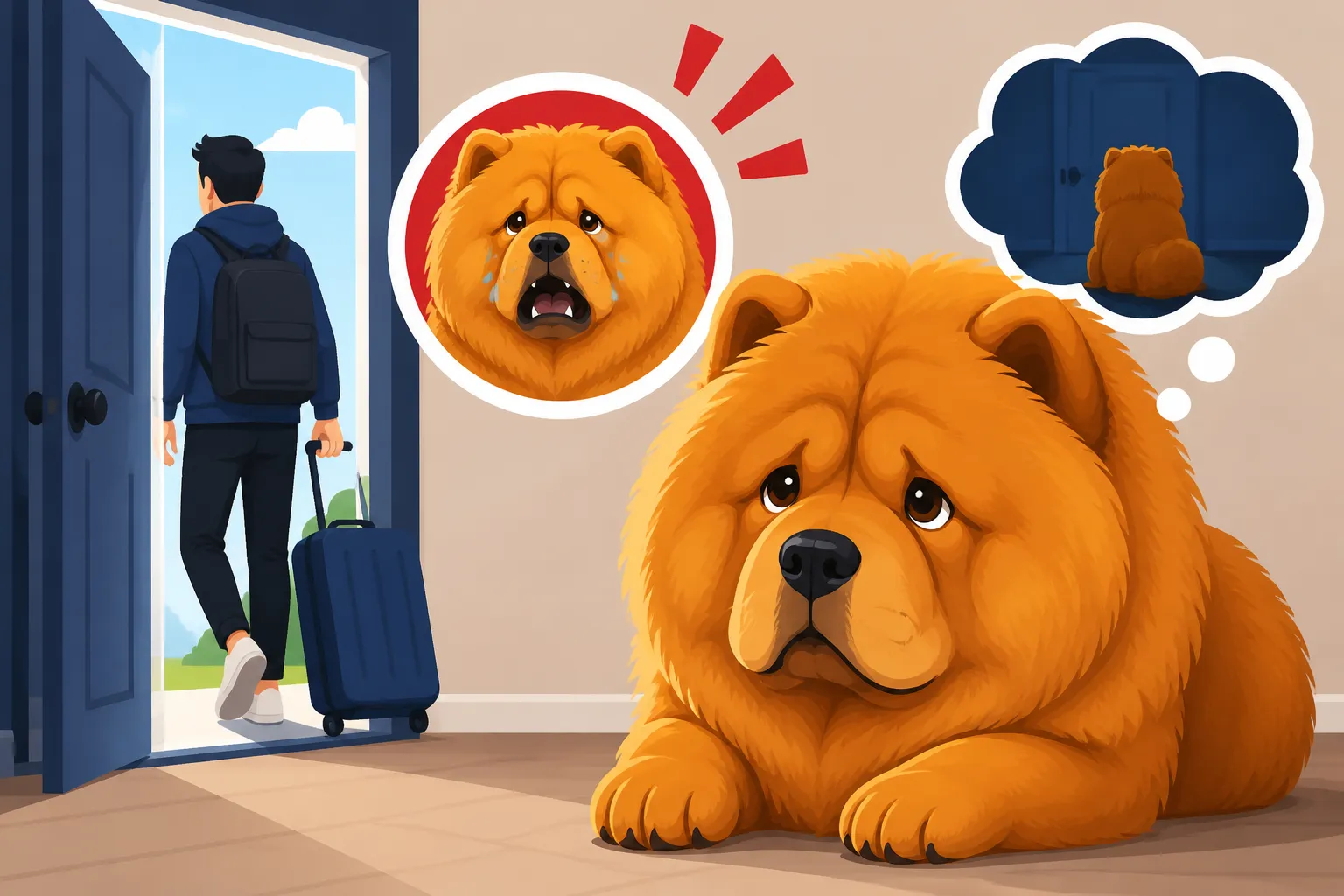
It's a common worry among Chow Chow guardians: what exactly does my beloved fluffball do when I close the door and head out? Do they pine by the window, howl mournfully, or simply curl up and nap until I return? The truth is, how a Chow Chow reacts when you leave can be a spectrum, from quiet indifference to genuine distress, and understanding their unique personality is key to ensuring their well-being. This guide will help you decipher your Chow's signals, understand the root causes of their behavior, and equip you with strategies to foster a calm and confident companion, even when you're not around.
The Independent Nature of the Chow Chow
Chow Chows are often described as "cat-like" in their demeanor, a comparison that resonates deeply when you consider their approach to companionship and solitude. Unlike some breeds that thrive on constant human interaction and visibly struggle with separation, many Chows possess a dignified independence that can sometimes mask their true feelings or make their reactions subtle.
Understanding Their "Cat-Like" Independence
This breed isn't one to typically follow you from room to room, leaning on your leg for constant reassurance or demanding endless belly rubs. They appreciate your presence, certainly, but often from a respectful distance. This isn't a sign of disinterest; rather, it's an expression of their self-possessed character. They might be perfectly content watching the world go by from a comfortable perch, or snoozing in a sunny spot, even when you're home. Because they don't always shadow your every move, it can be easy to assume they won't even notice when you leave. However, that's not quite accurate. They do notice. Their reaction simply isn't always as outwardly dramatic as a Golden Retriever or a Labrador. It's often more internalized, or expressed in ways that are easily misinterpreted by us humans. This inherent aloofness means that while they might not show overt signs of panic the moment you grab your keys, it doesn't mean they aren't processing your departure in their own way. Why a Chow Chow Does Not Follow You Room to Room delves deeper into this characteristic.
The Chow Chow's Chosen Person and Others
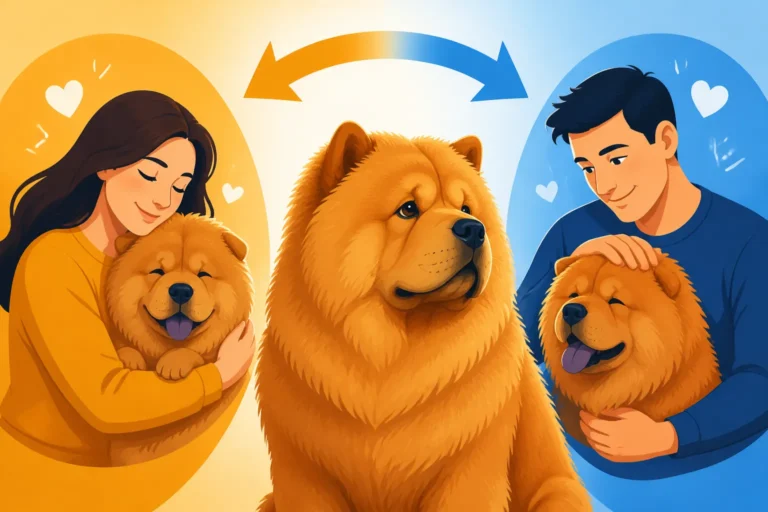
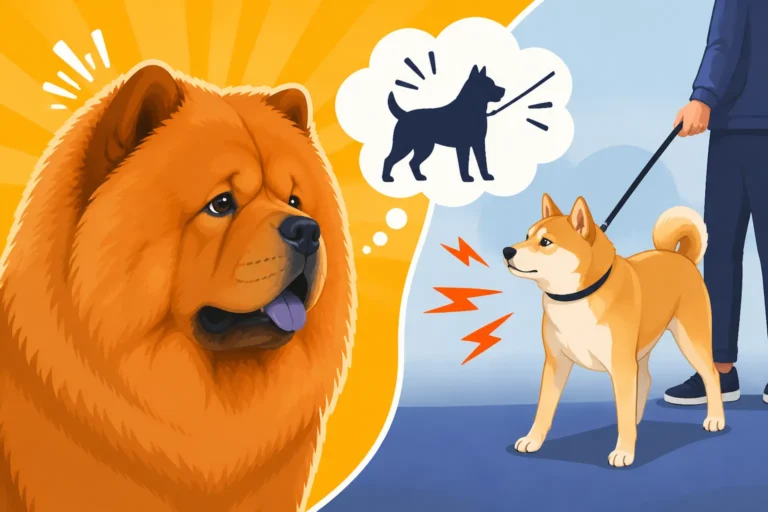
One of the most defining traits of a Chow Chow is their tendency to bond intensely with one primary person. While they are usually tolerant of other family members, and certainly polite to carefully introduced guests, that deep, unspoken connection is often reserved for their chosen human. This singular bond significantly influences how they react when that specific individual departs. If you are "their person," your absence might elicit a more noticeable response than if another family member leaves. They might track your movements more intently, or their subtle signs of discomfort might be more pronounced when it's you walking out the door. The other members of the household might be seen as secondary providers of comfort and security, but not necessarily the main source of their emotional world. It’s crucial for every member of the household to understand this dynamic, as it shapes the dog’s daily interactions and their response to departures. The Chow Chow Bonds to One Person and Tolerates the Rest provides more insight into this fascinating aspect of their temperament.
Common Reactions When a Chow Chow Is Left Alone
So, what does that quiet, dignified Chow Chow actually do when you're gone? Their reactions can vary widely, ranging from simply chilling out to showing signs of genuine stress. It's all about learning to observe the subtle clues.
The Quiet Observer
For many Chow Chows, their reaction to being left alone is surprisingly calm. They might watch you go, maybe even follow you to the door with a calm, discerning gaze, and then, once you're out of sight, simply find a comfortable spot to rest. These are the Chows who might just nap the hours away, occasionally shifting position or getting a drink of water. When you return, they might offer a tail wag or a deep, rumbling "woof" of acknowledgment, but it's rarely an over-the-top, excited greeting. This doesn't mean they don't love you or missed you; it simply aligns with their independent and reserved nature. They've processed your departure and decided to wait it out patiently. Owners of such Chows might even use a pet camera to confirm this calm behavior, finding their Chow peacefully sleeping or occasionally patrolling their territory. This is the ideal scenario, reflecting a confident and well-adjusted dog. How Well a Chow Chow Copes Alone further explores this aspect of their temperament.
Signs of Mild Discomfort or Boredom
Even the most stoic Chow Chow might exhibit subtle signs of discomfort or boredom if left alone for too long, or if their environment isn't stimulating enough. These aren't necessarily full-blown separation anxiety, but rather hints that they're feeling a bit restless or wish you were home. Look for behaviors like:
- Pacing: A repetitive walk around the house or a specific area.
- Whining or Soft Barks: Not incessant barking, but perhaps an occasional soft whine or a single "woof" directed at the door or window.
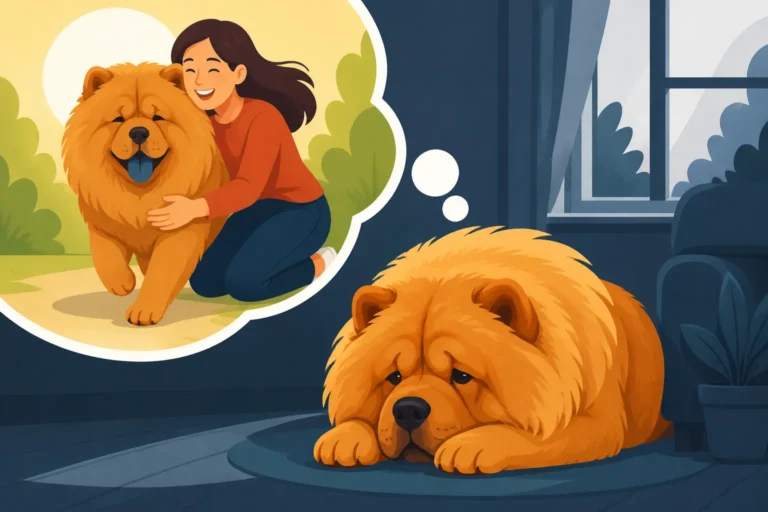
- Lying by the Door/Window: Choosing to sleep or rest in a spot where they can best anticipate your return.
- Minor Chewing: Perhaps gnawing on a blanket or a toy that isn't typically their favorite, indicating mild boredom.
- Restlessness: Changing sleeping spots frequently, unable to settle into a deep slumber.
These signs are often easier to miss without a camera or careful observation of your home upon return. A great way to combat boredom is to provide engaging toys. Brands available on Amazon offer a vast selection of puzzle toys and durable chew items that can keep a Chow Chow's mind occupied. Think about a KONG filled with frozen peanut butter or a snuffle mat for their meals; these can turn alone time into an enriching experience.
Dealing with Destructive Behavior or Vocalization
When a Chow Chow moves beyond mild discomfort and starts exhibiting destructive behaviors or excessive vocalization, it's a clear signal that they are genuinely distressed by being left alone. This isn't "acting out" or being spiteful; it's a manifestation of anxiety or even full-blown separation anxiety.
Common behaviors might include:
- Excessive Barking or Howling: Continuous, loud vocalizations that disturb neighbors or are clearly audible on a camera.
- Destructive Chewing: Targeting furniture, doors, door frames, or other household items, often around exit points.
- Inappropriate Urination or Defecation: Even a perfectly housetrained Chow Chow might have accidents indoors when distressed, which is not a cleanliness issue but an anxiety response.
- Escaping Attempts: Scratching at doors, digging at carpets, or trying to chew through crates in an attempt to get out.
- Panting, Drooling, or Trembling: Visible signs of physical stress, sometimes even without exertion.
These behaviors indicate a Chow Chow who is genuinely struggling with your absence. It's a heartbreaking situation for both dog and owner, and it requires a thoughtful, consistent approach. Punishing these behaviors will only increase their anxiety, as they don't understand why they are being punished for what is essentially a panic attack. Instead, the focus needs to be on helping them feel safe and secure when you're not there.
Strategies for Positive Departures and Alone Time
The goal isn't just to stop undesirable behaviors, but to build your Chow Chow's confidence and comfort with being alone. This requires a multi-faceted approach, focusing on routine, enrichment, and gradual desensitization.
Creating a Safe and Engaging Environment
Making your Chow Chow's solo time enjoyable starts with their environment. Their designated "safe space" should be a place where they feel secure and can relax. This might be a cozy crate, a specific room, or even a section of the house.
- Comfort and Security: Ensure their area is comfortable with soft bedding, access to water, and is free from drafts or excessive noise. Some Chows might appreciate a cover over their crate to create a den-like feel.
- Mental Stimulation: Boredom is a huge trigger for many dogs, including Chows. Provide a variety of mentally stimulating toys. As mentioned, puzzle toys that dispense treats can keep them engaged for extended periods. Chew toys, especially durable ones, are excellent for releasing energy and satisfying natural urges. Interactive toys that move or make sounds can also be good, but observe your Chow to ensure they don't cause overstimulation or fear. You can find a wide array of these enrichment tools on Amazon, making it easy to stock up on new and interesting options to rotate.
- Calming Aids: Some Chows benefit from calming music, white noise machines, or even dog-specific pheromone diffusers. These can create a more serene atmosphere and help mask external noises that might otherwise trigger anxiety.
- Secure Containment: For Chow Chows prone to destructive behavior or escape attempts, a sturdy crate or a dog-proofed room is essential for their safety and the integrity of your home. Ensure the crate is appropriately sized and that they are comfortable being in it before you leave them alone.
Building Tolerance for Alone Time
This is a gradual process, not a quick fix. You'll need patience and consistency to teach your Chow Chow that your departures are temporary and not a cause for panic.
- Practice Short Absences: Start small. Leave your Chow alone for just a few minutes, even just stepping out of sight into another room or going to check the mail. Return before they show any signs of distress. The idea is to make them realize you always come back.
- Vary Your Departure Cues: Dogs are smart; they pick up on routines. The jingle of keys, putting on your shoes, grabbing your bag – these all become signals that you're leaving. Practice doing these actions without actually leaving. Grab your keys, walk to the door, put them back, and sit down. This desensitizes them to the cues.
- No Fuss Arrivals and Departures: Avoid making a big deal out of leaving or returning. A dramatic goodbye or an overly excited reunion can inadvertently reinforce the idea that your departure is a significant, stressful event. Keep greetings and goodbyes calm and low-key.
- Gradually Increase Duration: Once your Chow is comfortable with short absences, slowly extend the time you're away. Increase by 5-10 minutes initially, then by longer increments as they show continued calmness.
- Use High-Value Distractions: Just before you leave, give your Chow a special, long-lasting treat or a favorite puzzle toy. This creates a positive association with your departure and keeps them occupied for the crucial first few minutes.
This process can be greatly supported by structured training programs. Many online platforms, like BAXTER & Bella, offer comprehensive puppy programs and even guides for adult dogs that include strategies for building confidence and handling alone time. Their step-by-step approach can be invaluable for Chow Chow owners seeking professional guidance to implement these practices effectively. A Chow Chow Trains by Agreement, Not Obedience highlights how Chows respond best to positive, consistent training methods.
The Role of Routine and Predictability
Chow Chows, like many dogs, thrive on routine. A predictable schedule provides a sense of security and reduces uncertainty, which can be a major source of anxiety.
- Consistent Schedule: Try to leave and return around the same times each day, if possible. Feedings, walks, and playtime should also follow a consistent pattern. When they know what to expect, they can better anticipate your return without undue stress.
- Pre-Departure Exercise: Before you leave, ensure your Chow Chow has had adequate physical and mental exercise. A good walk, some playtime, or a brief training session can help burn off excess energy and make them more inclined to rest when you're gone. How Much Exercise a Chow Chow Actually Needs explores their exercise requirements in more detail.
- Potty Breaks: Always give them a chance to relieve themselves right before you leave. This reduces the physical discomfort of holding it and eliminates a potential source of anxiety.
Consistency helps build trust and confidence. When your Chow Chow understands the rhythm of their day and that you will always come back, they are much more likely to settle calmly into their alone time.
When Independence Turns Into Separation Anxiety
While Chow Chows are known for their independence, it's a common misconception that they cannot develop separation anxiety. They absolutely can, and it's important to distinguish their natural aloofness from genuine distress.
Distinguishing Between Normal Aloofness and Distress
This is where observation becomes critical. A Chow Chow who is merely aloof or independent will often:
- Remain calm at your departure, perhaps watching you leave but not actively trying to prevent it.
- Go to sleep or engage with a toy relatively quickly after you've gone.
- Show no signs of destructive behavior, excessive vocalization, or accidents.
- Greet you calmly upon your return, with a wag of the tail or a quiet acknowledgment.
A Chow Chow experiencing true separation anxiety, however, will display much more intense and often frantic behaviors. They are not simply missing you; they are experiencing a panic attack.
Here's a comparison:
| Behavior Type | Normal Chow Chow Reaction (Aloofness/Independence) | Separation Anxiety (Distress) |
|---|---|---|
| At Departure | Observes calmly, may settle quickly into rest or light activity. | Becomes agitated, tries to prevent departure, barks/whines excessively, paces. |
| During Absence | Rests, naps, occasionally plays with toys, self-entertains. | Persistent barking/howling, destructive chewing (especially exit points), house soiling. |
| Physical Signs | Relaxed posture, normal breathing. | Excessive panting, drooling, trembling, frantic pacing, attempts to escape. |
| At Return | Calm greeting, acknowledges your presence, then resumes normal activity. | Overly frantic greeting, takes a long time to calm down, may jump or demand attention excessively. |
| Motivation for Action | Contentment, boredom. | Panic, fear of abandonment, genuine distress. |
It’s crucial not to confuse independence with indifference to your absence. While a Chow Chow might not melt into a puddle of sadness, significant signs of stress should always be taken seriously. An undersocialized Chow Chow, or one who has experienced trauma, may be more prone to developing severe anxiety. What an Undersocialized Chow Chow Becomes can shed more light on potential behavioral issues.
Seeking Professional Guidance
If you suspect your Chow Chow is suffering from separation anxiety, rather than just exhibiting typical independent behavior, it's vital to seek professional help. This is not a behavior issue that can typically be "trained out" with basic obedience commands. It's an emotional and psychological struggle for your dog.
- Consult Your Veterinarian: Rule out any underlying medical conditions that might be contributing to the behavior. Your vet might also suggest certain calming supplements or medications to help manage severe anxiety while you work on behavior modification.
- Certified Professional Dog Trainer or Behaviorist: A professional experienced in canine separation anxiety can develop a tailored behavior modification plan for your Chow Chow. This often involves very gradual desensitization, counter-conditioning, and management strategies. They can guide you through the process, which can be complex and requires consistency. Look for trainers who use positive reinforcement methods, as harsh corrections will only exacerbate anxiety in a Chow Chow. Whether a Chow Chow Needs a Professional Trainer Early emphasizes the importance of early, positive intervention.
- Online Resources and Programs: Many reputable online platforms offer courses specifically designed to address separation anxiety. While not a substitute for a live professional, they can provide structured plans and support for owners.
Addressing separation anxiety is a journey, and it requires patience, understanding, and often professional support. Your Chow Chow isn't being "naughty"; they are struggling, and with the right help, you can guide them toward a more peaceful experience when left alone.
Disclaimer
This article is for general informational purposes only and does not constitute professional advice. Laws, prices and regulations vary by location and change over time. Consult a qualified professional for guidance on your specific situation.