How Long a Chow Chow Remembers a Bad Session
It’s a frustrating, heartbreaking moment when a training session goes sideways. You're trying your best, your Chow Chow is just… not getting it, and then suddenly, things escalate. Maybe you lost your temper, or perhaps your dog just completely shut down. The immediate aftermath often leaves you wondering: did I just permanently damage our relationship? How long is my Chow Chow going to remember this negative experience? The truth is, Chow Chows are incredibly intelligent and sensitive dogs with long memories, and understanding how they perceive and retain these 'bad' moments is crucial for building a lasting, positive bond.
The Chow Chow's Unique Learning Style and Memory
Chow Chows aren't your typical eager-to-please, retrieve-a-ball-all-day kind of dog. Their independent, somewhat stubborn nature means they approach learning and interaction on their own terms, which can make training a truly unique experience.
Agreement, Not Obedience
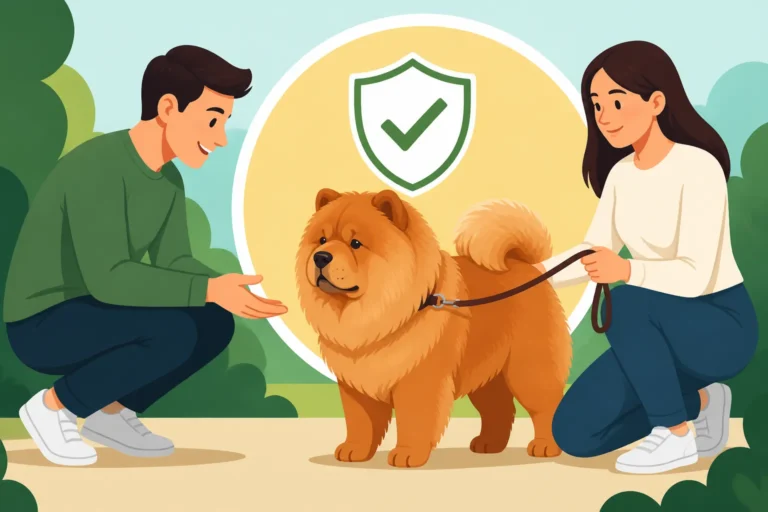
When you're working with a Chow Chow, you quickly learn that traditional "obedience" methods, which rely heavily on repetitive drills and forced compliance, often fall flat. For a Chow, training is much more about a partnership, an unspoken agreement where both parties understand and respect each other's roles. They thrive when they choose to cooperate, not when they are compelled. This means your Chow Chow needs to see the value in what you're asking, and they need to feel safe and respected throughout the process. They're weighing the pros and cons, the effort versus the reward, and your demeanor plays a huge role in their decision to engage. As we've discussed before, A Chow Chow Trains by Agreement, Not Obedience, and this fundamental understanding is key to unlocking their potential and avoiding situations that lead to negative memories.
Why Harsh Correction Backfires
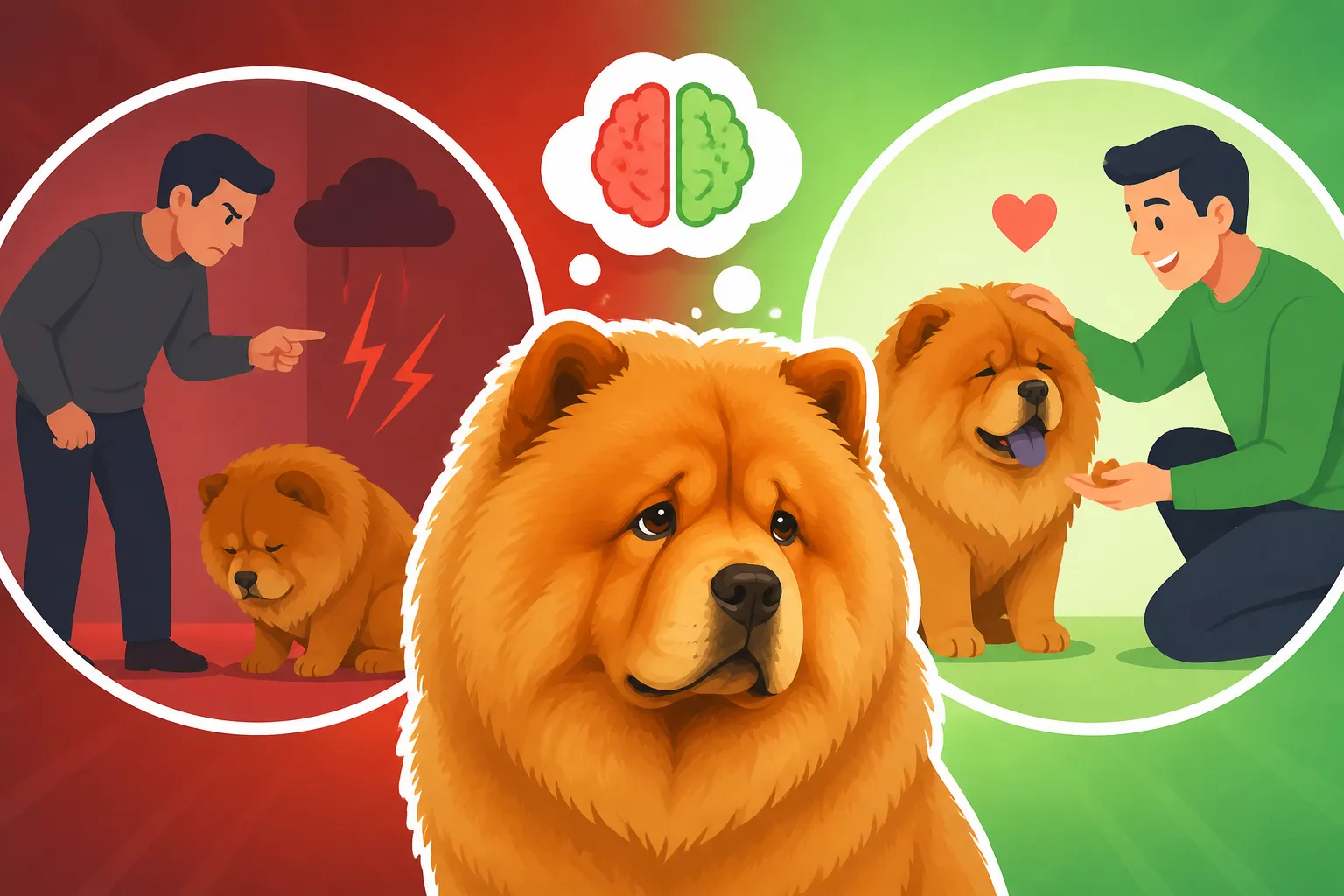
Given their independent spirit, it's probably no surprise that harsh corrections or overly stern methods are particularly counterproductive with a Chow Chow. Unlike some breeds that might shrug off a sharp reprimand and quickly re-engage, a Chow Chow is likely to internalize it. They don't forget being unfairly treated or feeling threatened. Instead of learning what you want them to do, they learn to distrust you, to avoid the situation, or simply to shut down. This isn't out of spite, but a deeply ingrained survival instinct. If they associate you or a particular training scenario with discomfort, fear, or anger, they will remember it vividly. Why Harsh Correction Backfires on a Chow Chow is a topic many Chow owners learn the hard way, as it can quickly erode the delicate trust you're working so hard to build.
How a Chow Chow Holds a Grudge
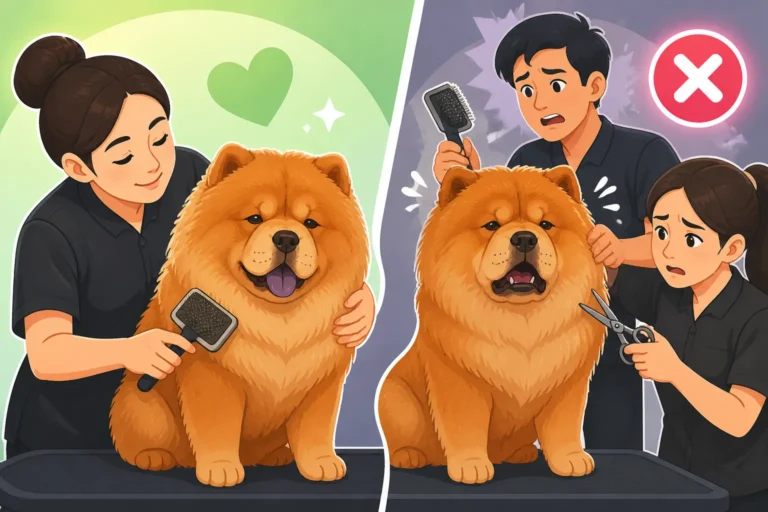
"Do Chow Chows hold grudges?" is a question often whispered among owners, usually with a knowing smile or a sigh. While it's not a human-like grudge with premeditated revenge, Chows absolutely remember negative interactions and the individuals involved. This memory isn't necessarily about malice; it's about self-preservation and learned associations. If a specific person, place, or method consistently led to an unpleasant experience, your Chow Chow will form a strong negative association with it. This isn't just for a few hours; it can be for weeks, months, or even years, influencing their future behavior. For instance, if a particular grooming tool caused pain, they might resist all grooming sessions for a long time. They don't forget the feeling of discomfort or the person who caused it. This kind of persistent avoidance or wariness is what we often perceive as "holding a grudge," and understanding How Long a Chow Chow Holds a Grudge can help you approach sensitive situations with more care.
The Lingering Shadow: How Negative Experiences Affect Your Chow Chow
A single bad training session isn't usually the end of the world, but its impact can be far-reaching, especially if it's part of a pattern or particularly traumatic.
Signs a Chow Chow Shuts Down Under Pressure
When a Chow Chow feels overwhelmed, confused, or threatened during training, their natural response isn't to try harder to please you. Instead, they often shut down. This can manifest in several ways: they might physically freeze, refuse to make eye contact, turn their head away, or move very slowly and deliberately. Some might yawn excessively or lick their lips, which are common canine calming signals indicating stress. They might simply walk away, or become completely unresponsive to cues they previously knew. This "shutdown" is their way of saying, "I'm overwhelmed, and I can't cope." Recognizing the signs of a shutdown (Why a Chow Chow Shuts Down Under Pressure) is vital because pushing them further when they're in this state will only deepen the negative association and prolong the memory of the unpleasant experience. It's like trying to force a child to learn calculus when they're already in tears over basic addition; it's just not going to work and will create resentment.
The Impact on Future Training and Trust
The lingering shadow of a bad session can make future training significantly more challenging. Your Chow Chow might approach subsequent sessions with apprehension, even if you've changed your methods or environment. They might generalize the negative feeling to all training scenarios, or even to your presence during training times. This erosion of trust is perhaps the most significant long-term consequence. A Chow Chow's trust is hard-won and easily fractured. If they feel that you are unpredictable, unfair, or a source of discomfort, they will be less likely to engage, less likely to learn, and less likely to offer you their unique brand of affection and companionship. Rebuilding this trust takes immense patience, consistency, and a completely positive approach.
How Long a Chow Chow Remembers Specific Events
While it's impossible to put an exact timeframe on a dog's memory, especially for negative events, Chow Chows demonstrate remarkable recall for experiences that elicited strong emotions. A single, highly traumatic event (like a severe fright, pain, or prolonged distress) can create a memory that lasts their entire lifetime. Less severe but consistently unpleasant experiences can also build a strong, lasting negative association.
For example, a Chow Chow that had a scary experience with a particular type of leash might always be wary of that leash. One that had a painful nail trim might refuse to let anyone touch their paws for months or years. It's not necessarily the details of the event they remember, but the feeling and the context. They associate the person, the location, or the equipment with that feeling.
Consider the following table for a general idea:
| Type of Negative Experience | Example | Potential Duration of Memory Impact |
|---|---|---|
| Mild Discomfort/Frustration | Being ignored, repetitive boring drills | Hours to a few days |
| Moderate Fear/Dislike | Unpleasant handling, loud scolding | Days to several weeks |
| Significant Stress/Pain | Forceful corrections, rough vet exam, injury | Weeks to several months |
| Traumatic Event | Severe fear, pain, abuse | Months to a lifetime |
This isn't a hard science, of course, as every individual Chow Chow is different. Some are more resilient, others more sensitive. But the general rule is: the stronger the negative emotion, the longer and more deeply the memory is imprinted.
Rebuilding Trust and Moving Forward After a Bad Session
So, you've had a bad session. It happens to the best of us. The good news is that with dedicated effort and a shift in approach, you can often mitigate the damage and begin to rebuild.
Strategies for a Positive Reset
The first step after a bad session is to stop. Immediately. Trying to push through will only make it worse. Give your Chow Chow space and time to decompress. Then, when you're both calm, here are some strategies for a positive reset:
- Take a Break: Sometimes the best thing to do is take a complete break from formal training for a day or two. Engage in fun, low-pressure activities like a leisurely walk in a favorite spot, or some gentle playtime.
- Revisit Easy Wins: When you do resume training, start with cues your Chow Chow knows perfectly and genuinely enjoys doing. Make it fun, keep it short, and end on a high note with plenty of praise and rewards. This helps rebuild positive associations with training.
- Change the Environment: If the bad session happened in a specific location, try moving to a completely different one for a while. A new setting can help break the negative association.
- High-Value Rewards: Pull out the really good stuff! The super tasty treats, the favorite squeaky toy from Amazon, or extra special praise. Make the positive experiences overwhelmingly positive. Remember How Food Motivated a Chow Chow Is – use it to your advantage to create positive associations.
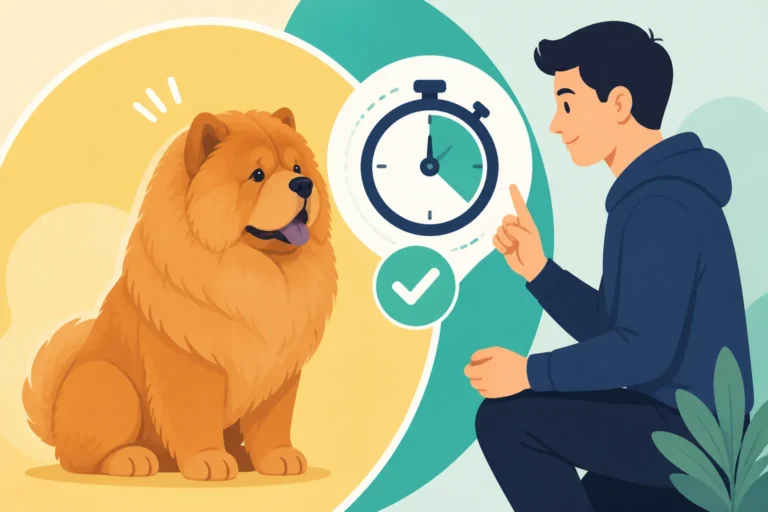
- Short, Sweet Sessions: Keep training sessions very brief – just 2-5 minutes at a time. This prevents your Chow Chow from becoming bored or overwhelmed and ensures you end before frustration sets in for either of you.
- Focus on Fun and Choice: Introduce some games that incorporate elements of training without feeling like work. Let your Chow Chow choose to participate.
Prioritizing Positive Reinforcement and Patience
With a Chow Chow, positive reinforcement isn't just a suggestion; it's essentially the only way to build a reliable, happy relationship. This means rewarding desired behaviors with something your Chow Chow values, whether that's a tasty treat, a favorite toy, or genuine praise. It’s about making them want to work with you. Avoid any methods that cause fear, pain, or intimidation. If you're struggling with a particular behavior, consider resources like BAXTER & Bella, which often emphasize positive, cooperative training techniques that align well with the Chow Chow's nature.
Patience is your absolute superpower here. Rebuilding trust takes time, sometimes weeks or months, especially if the negative experience was significant. There will be days when you feel like you're taking two steps forward and one step back. Celebrate every small success, and don't get discouraged by setbacks. Consistency in your positive approach is key. Show your Chow Chow that you are a reliable, kind, and trustworthy leader who will never intentionally put them in a bad situation again.
When Professional Help is Needed
Sometimes, a bad session can create behavioral issues that are beyond what a typical owner can manage alone. If your Chow Chow develops severe fear, aggression, or a complete shutdown response to training or handling, it's time to seek professional help.
- Certified Professional Dog Trainer (CPDT-KA): A good trainer who specializes in positive reinforcement and has experience with independent breeds like Chow Chows can assess the situation and provide tailored strategies. They can help you identify subtle stress signals and guide you in rebuilding confidence.
- Veterinary Behaviorist (Dip ACVB): For more severe behavioral issues, especially those rooted in fear or anxiety, a board-certified veterinary behaviorist is the gold standard. These are veterinarians with advanced training in animal behavior, and they can address underlying medical conditions or recommend medication if necessary, alongside behavior modification plans.
Don't be afraid to ask for help. It's a sign of a responsible owner committed to their Chow Chow's well-being. Getting an expert opinion can often provide a fresh perspective and effective tools to help you and your Chow Chow move past the negative experience and forge an even stronger bond. After all, your Chow Chow's long memory can work both ways: it can remember the bad, but it can also remember the endless patience, kindness, and love you showed to help them heal.
Disclaimer
This article is for general informational purposes only and does not constitute professional advice. Laws, prices and regulations vary by location and change over time. Consult a qualified professional for guidance on your specific situation.