The Weeks That Matter Most for a Chow Chow Puppy
Bringing home a Chow Chow puppy is an incredibly exciting time, full of fluffy cuddles and adorable grumbles. But alongside that joy often comes a whisper of anxiety: "Am I doing enough? Am I doing it right?" The truth is, the first few months of your Chow Chow's life are absolutely paramount, shaping their entire temperament and how they navigate the world. This guide dives deep into those critical weeks, helping you understand how to lay a solid foundation for a well-adjusted and confident companion.
The Crucial Socialization Window: Weeks 3-16
You've probably heard the term "socialization window" tossed around, but for a Chow Chow, understanding and utilizing this period isn't just a suggestion—it's essential. This isn't about rushing your puppy into every situation, but rather carefully orchestrating positive exposures that will teach them the world isn't a scary place.
Understanding the Window's Significance
Think of a puppy's brain as a sponge during these early weeks, rapidly absorbing information and forming associations. From about three weeks of age, up until roughly sixteen weeks, a Chow Chow puppy is incredibly open to new experiences. Their minds are wired to learn what is normal and safe in their environment. Every sound, sight, smell, and interaction they have during this period contributes to their worldview. If they primarily experience only their littermates and a limited home environment, their understanding of the wider world will be narrow, often leading to fear and anxiety when confronted with anything new later on.
For a breed like the Chow Chow, known for its reserved nature and often strong guarding instincts, missing this window can have significant long-term consequences. An undersocialized Chow Chow may grow up to be overtly fearful or even reactive towards strangers, other animals, or unfamiliar environments. It’s not about changing their inherent Chow Chow dignity and aloofness, but ensuring that their natural reserve doesn't morph into outright aggression or crippling fear. This is the time to build their confidence, teaching them that while they don't have to be everyone's best friend, they can certainly coexist peacefully and without stress.
Positive Exposure to Sights, Sounds, and Smells
During this critical window, your goal is to introduce your Chow Chow puppy to a vast array of positive stimuli. This isn't about throwing them into the deep end; it's about controlled, gentle, and overwhelmingly positive experiences. The key word here is positive. Every exposure should be paired with high-value treats, praise, or a calm, comforting presence from you.
Start simple. Introduce them to different surfaces inside your home: tile, carpet, wood, a crinkly mat. Let them walk on them, reward them for exploring. Once they have had their initial vaccinations, you can expand this to outdoor surfaces like grass, pavement, gravel, and even a small patch of sand if you have it. The world is full of textures, and helping them confidently navigate these can prevent future hesitations.
Consider sounds too. Everyday household noises like the vacuum cleaner, the dishwasher, or the television at various volumes are all opportunities. Play soft, varied music. If you live in an urban area, expose them to the sounds of distant traffic, sirens, or construction from a safe distance, again, paired with treats. For example, if you hear a loud truck drive by, immediately offer a super tasty treat like a tiny piece of cheese. This creates a positive association: "Loud noise means good things happen!" This proactive approach is crucial for Chows, who can sometimes be prone to startling. You can find many playlists online, or even some on Amazon Music, designed for desensitizing puppies to various sounds. For more on what your puppy needs, check out How Much Socialization a Chow Chow Puppy Needs.
Meeting New People and Gentle Handling
Chow Chows are not typically effusive greeters. Their loyalty usually extends to their inner circle, and they tend to be quite reserved with strangers. This is perfectly normal and part of their breed character. However, "reserved" should not mean "fearful" or "aggressive." During the socialization window, you want to introduce your puppy to a diverse group of people, ensuring every interaction is positive and respectful.
Seek out friends and family who understand canine body language and will approach your puppy calmly. Ask them to ignore the puppy at first, letting the puppy initiate contact. When the puppy does approach, they can offer a treat gently. It's vital that strangers don't lean over, grab, or force attention on your Chow Chow puppy. These early interactions will teach your puppy that new people are generally safe and don't pose a threat.
Beyond meeting people, regular, gentle handling is non-negotiable for a Chow Chow. Start from day one:
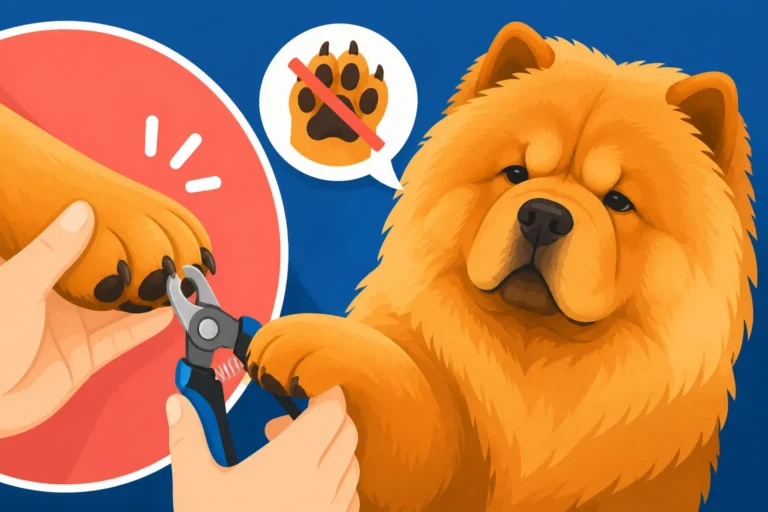
- Feet: Touch their paws, separate their toes, gently squeeze the pads. Do this while giving treats. This will make nail trims and vet exams much less stressful later on.
- Ears: Lift their ears, look inside, gently rub them.
- Mouth: Gently lift their lips, touch their gums and teeth. This is crucial for dental hygiene and vet checks.
- Tail & Hindquarters: Chows are often sensitive about their rear end. Gently touch and stroke their tail and hindquarters. This prepares them for grooming, especially around their dense "britches" area, and vet examinations.
These handling sessions should be short, positive, and frequent. They build trust and teach your puppy that being handled isn't scary. This pays dividends when it comes to professional grooming or necessary veterinary procedures. For advice on grooming, refer to Teaching a Chow Chow to Accept Being Groomed and Teaching a Chow Chow to Have Its Feet Handled. Remember, a Chow Chow's natural wariness combined with their dense coat means that vet visits can be uniquely challenging if not prepared for, as detailed in Why a Chow Chow Is Hard to Examine at the Vet.
Navigating Fear Periods and Building Confidence
Just when you think your Chow Chow puppy is gaining confidence, you might notice a sudden regression – a fear of something they previously ignored, or an increased wariness of strangers. Don't panic! These are often normal developmental stages known as "fear periods."
Identifying the First Fear Period (8-11 Weeks)
The first significant fear period typically occurs between 8 and 11 weeks of age. This is often around the time many puppies are transitioning from their breeder's home to their new families, adding another layer of change and potential stress. During this time, your puppy might suddenly become scared of an object they previously ignored, such as a garden gnome or a flapping flag. They might become more hesitant around new people or shy away from new sounds.
It's absolutely crucial how you respond during this period. Your natural instinct might be to comfort, pick them up, and shower them with pity. However, while offering gentle reassurance is fine, over-coddling can inadvertently reinforce the fear. Instead, observe their reaction. If they seem startled by something, remain calm yourself. Don't force them to confront the scary object, but gently encourage them to explore it on their own terms, always pairing it with positive reinforcement. For instance, toss a treat near the "scary" object and let them choose to approach it. If they back away, just move on. The goal is to build resilience, not to eliminate fear entirely. Understand that these periods are temporary, but the lessons learned during them can be lasting.
Continued, Controlled Exposure
Even during fear periods, the socialization process shouldn't halt; it just needs to be more carefully managed. Continue offering positive, controlled exposures to various environments, people, and objects. The key is to keep these experiences positive and short, ending before your puppy becomes overwhelmed or stressed.
Imagine taking your Chow Chow puppy to a quiet park. Instead of letting them run up to every dog or person, find a bench where you can sit and observe from a distance. Reward them for simply being calm and taking in the new sights and sounds. If a friendly, calm person walks by, they can drop a treat for your puppy without direct interaction. This type of passive exposure is highly effective for Chows, allowing them to process new information without feeling pressured.
Avoid overly boisterous environments or forcing interactions. A bad experience during a fear period can create a lasting negative association. Your role is to be a consistent, calm anchor for your puppy, showing them that the world is generally safe and you are there to protect them.
The Role of Puppy Classes and Structured Play
Once your Chow Chow puppy has completed their initial vaccination series and your vet gives the green light, puppy classes can be an invaluable tool. Look for classes that prioritize positive reinforcement, focus on controlled exposure, and understand breed-specific nuances. A good instructor will ensure that interactions between puppies are appropriate and positive, preventing any overwhelming or frightening encounters.
These classes provide a structured environment for your Chow Chow puppy to:
- Meet other puppies: Learn appropriate play behavior and canine social cues.
- Be around new people: Experience different voices, movements, and scents in a controlled setting.
- Learn basic manners: Practice fundamental cues like sit, stay, and come with distractions.
For Chows, who can sometimes be particular about their canine companions, finding the right setting for puppy play is vital. An overly rambunctious or aggressive playmate can easily create a negative association with other dogs. A well-run puppy class focuses on matching play styles and providing breaks to prevent overstimulation. While you might wonder Whether Puppy Class Suits a Chow Chow, many successful Chow Chow owners swear by the structured socialization it offers. If in-person classes aren't feasible or you prefer a more tailored approach, online puppy training programs, like those offered by BAXTER & Bella, can provide excellent guidance and structured curriculum to help navigate these crucial weeks from the comfort of your home. You'll also learn the importance of carefully chosen interactions with other dogs; for more on this, see Whether a Chow Chow Puppy Should Meet Strange Dogs.
| Age (Weeks) | Key Developmental Stage | Important Actions for Chow Chow Owners |
|---|---|---|
| 3-8 | Early Socialization/Awareness | Gentle handling, introduce household sounds, short positive interactions with family, expose to different textures. |
| 8-11 | First Fear Period/Socialization Peak | Continue positive exposure, avoid forcing interactions, respond calmly to new fears, begin short, positive training sessions. |
| 12-16 | Critical Socialization Climax | Enroll in puppy classes (if vaccinated), continue diverse positive exposures, refine handling for grooming, reinforce basic training. |
| 17+ | Continued Learning/Adolescence | Build on early foundation, maintain consistent training, navigate potential "second fear period" (often around 6-14 months). |
Laying the Foundation for Training and Grooming
While socialization is about exposing your puppy to the world, the early weeks are also the prime time to establish the routines and training foundations that will make living with your Chow Chow a harmonious experience.
Early Training Fundamentals
Chow Chows are intelligent but independent thinkers. They respond best to positive reinforcement and a strong, trusting relationship with their person. Short, fun, and highly rewarding training sessions during these early weeks will pay off immensely. Rather than drilling commands, think of it as building a positive communication system. A Chow Chow Trains by Agreement, Not Obedience, and this means making training a collaborative, enjoyable experience.
Start with very basic cues like "sit" or "watch me." Keep sessions incredibly brief – just a few minutes, several times a day. End on a positive note, even if it means asking for an easy cue they always get right. High-value treats are your best friend here. Chow Chows can be quite food-motivated, which makes positive reinforcement highly effective. Learn more about what motivates them in How Food Motivated a Chow Chow Is. These early positive interactions lay the groundwork for a dog who wants to work with you, rather than one who feels coerced. For deeper dives into how long these sessions should be, check out How Long a Chow Chow's Training Session Should Be.
Acclimating to Grooming Routines
The Chow Chow's magnificent double coat is a signature feature, but it also demands significant grooming. Starting early, while your Chow Chow puppy is small and more pliable, is absolutely essential. Make grooming a positive, regular experience from day one.
Begin with short brushing sessions using a soft slicker brush or a pin brush. Pair every stroke with a treat and praise. Focus on making it a pleasant bonding time, not a chore. Gently handle their paws, ears, and tail. Get them used to the sensation of a high-velocity dryer, even just by having it on in the room at a low setting while they eat a meal. This desensitization process will be invaluable when they are older and require more extensive grooming. You can find excellent quality brushes and combs on Amazon that are perfect for a Chow Chow's coat.
Regular nail trims are also critical, and puppies are much easier to accustom to this than adult Chows. Touch their paws, pretend to trim, then treat. Gradually introduce clippers or a Dremel. The more relaxed they are with handling their feet now, the less stressful it will be for everyone in the future. For detailed steps on getting started, refer to How to Start Brushing a Chow Chow Puppy and Teaching a Chow Chow to Have Its Ears Checked.
Housetraining Success
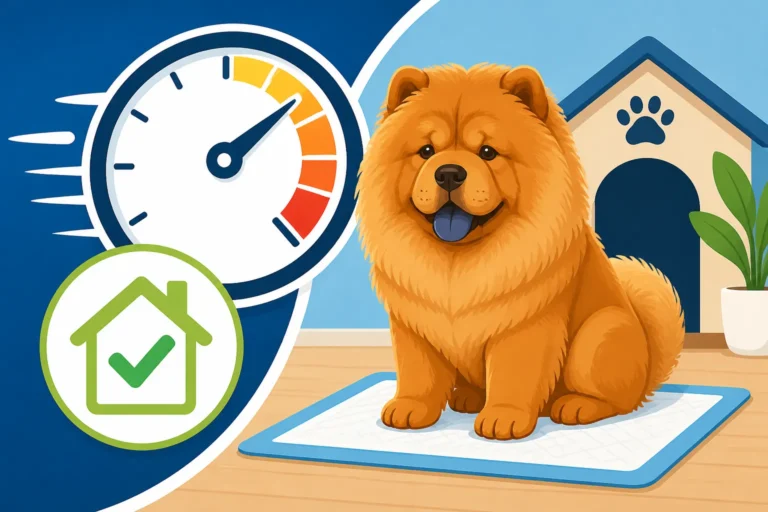
Chow Chows are often praised for being one of the easier breeds to housetrain, largely due to their naturally fastidious nature. Capitalize on this by establishing a consistent routine from the moment your puppy arrives home. Take them out frequently – after waking up, after eating, after playing, and before bed. Reward them profusely with praise and a small treat every single time they eliminate outside.
Accidents will happen, especially in a young puppy. When they do, clean them up calmly without scolding or punishing your puppy. Punishment can make a Chow Chow fearful of eliminating in front of you, leading them to hide their potty breaks or develop anxiety around housetraining. Consistency, patience, and positive reinforcement are the keys to success. By understanding Why a Chow Chow Housetrains So Quickly, you can leverage their natural tendencies for swift results.
These early weeks truly are a whirlwind of growth and learning for your Chow Chow puppy, and for you too! Embrace the journey, focus on positive experiences, and remember that every gentle interaction, every controlled exposure, and every rewarding training session is building the foundation for a confident, well-adjusted, and cherished member of your family. It's an investment of time and patience that will yield years of companionship and joy.
Disclaimer
This article is for general informational purposes only and does not constitute professional advice. Laws, prices and regulations vary by location and change over time. Consult a qualified professional for guidance on your specific situation.