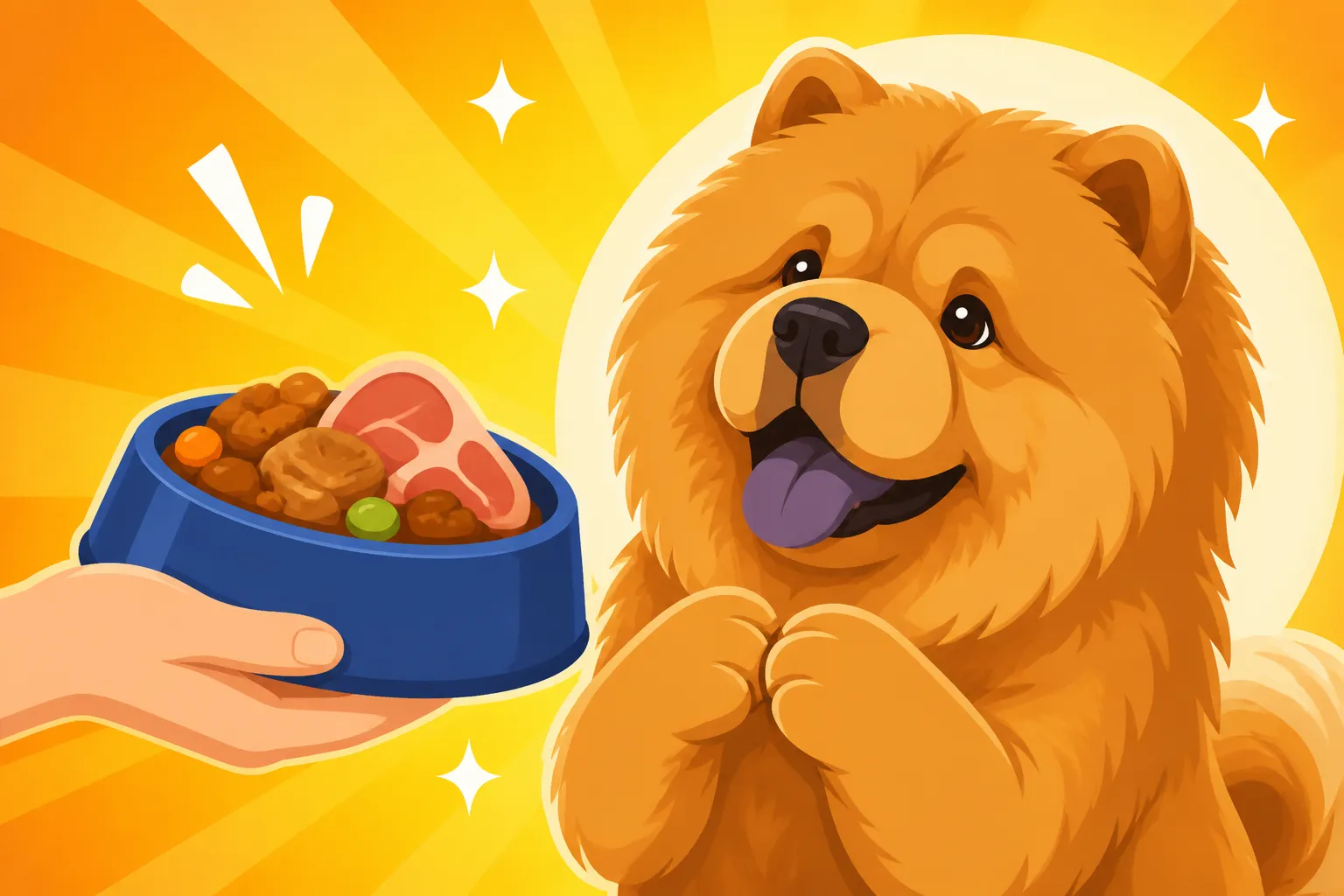
How Food Motivated a Chow Chow Is
If you've ever found yourself holding a delicious, meaty treat, trying to coax your Chow Chow into performing a simple "sit," only to be met with a regal, indifferent stare, you're not alone. Many Chow Chow owners grapple with the perplexing question of how food-motivated their fluffy companions truly are, and why their dog seems to defy all conventional wisdom about treat-based training. This guide aims to pull back the curtain on the Chow Chow's unique relationship with food, helping you understand their motivations and unlock more effective training methods.
The Myth and Reality of Chow Chow Food Motivation
It’s a common misconception that all dogs are ravenous, treat-gobbling machines, ready to perform circus acts for a crumb. While this might be true for many breeds, the Chow Chow often marches to the beat of its own drum. Their ancient origins and independent spirit play a huge role in how they perceive rewards, especially food.
Why Chows Aren't Always "Foodies" in the Traditional Sense
Unlike many working breeds bred for retrieving or herding, which are often highly driven by immediate gratification like a tasty morsel, Chow Chows historically served a different purpose. They were guard dogs, hunters, and companions in ancient China – roles that demanded independent thought, loyalty to their chosen person, and a certain self-sufficiency, rather than an eager desire to please for a snack. This deep-seated independence means they don't always view food as the ultimate motivator, especially if they don't see the immediate value or if the "work" feels beneath them.
Many new Chow Chow owners come from backgrounds with more biddable breeds, perhaps a Labrador who would climb Mount Everest for a bit of cheese, or a Border Collie who lives for the next training session and the subsequent shower of treats. Then they meet their Chow Chow, who might sniff the offered treat disdainfully and then simply walk away. This can be incredibly frustrating. You’re pouring your heart into teaching them, armed with what you thought were irresistible treats, and they act like you’re offering them stale crackers. It's not personal, truly; it's simply a reflection of their genetic predisposition towards being less inherently "needy" for external motivators. They often consider themselves your equal, and an equal doesn't necessarily perform tricks for food unless they want to.
The Spectrum of Pickiness: From Enthusiastic to Indifferent
While the stereotype of the aloof, non-food-motivated Chow Chow holds true for many, it’s also important to remember that every dog is an individual. You might find some Chow Chows who genuinely love their food and are quite keen on treats, especially when they are puppies. However, even these individuals often have very specific tastes. They might adore one brand of treat but turn their nose up at another, even if it's considered high-value for other breeds. This isn't just a quirky preference; it's often a deep-seated characteristic that requires a lot of patience and experimentation from the owner.
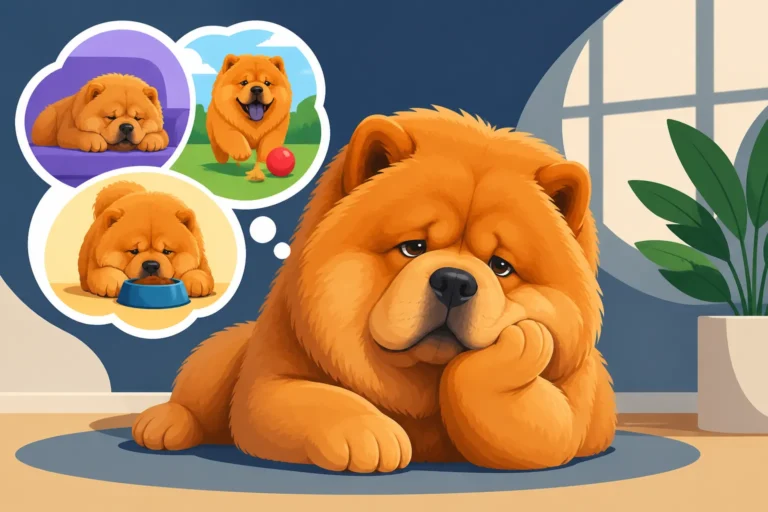
I've known Chows who would only eat freeze-dried liver, others who swore by baby carrots, and one particularly discerning lady who would only accept slivers of gourmet cheddar. Trying to train her with a regular dog biscuit was a non-starter; she'd just look at you as if to say, "Are you serious? You expect me to work for that?" The search for that magical "high-value" treat can feel like a quest, and it often leads owners through a dizzying array of pet store aisles and homemade concoctions. It's not uncommon for a Chow Chow to be highly enthusiastic about a new treat for a few days, only to become completely indifferent to it once the novelty wears off. This pickiness isn't just for training treats; many Chow Chows are also famously picky eaters when it comes to their regular meals, sometimes skipping meals entirely if the mood doesn't strike them, which can be worrying for owners. What an Adult Chow Chow Eats is often less than you'd expect, and their disinterest can extend beyond dinner.
Unlocking Your Chow Chow's Inner Treat Hound
Even if your Chow Chow isn't the most food-driven dog you've ever met, there are strategies to uncover and leverage their specific culinary preferences. It’s all about quality over quantity, and understanding their unique palate.
Identifying High-Value Treats: It's Not Always What You Think
Forget the generic crunchy biscuits and even many commercial soft training treats. For a Chow Chow, "high-value" often means something intensely flavorful, often with a unique texture or smell that grabs their attention. We're talking about the good stuff: small pieces of boiled chicken breast, lean roast beef, cheese (in tiny amounts, as some dogs are lactose intolerant), or even certain fruits and vegetables if your Chow has a sweet tooth. Freeze-dried meats are also often a hit because of their concentrated flavor and aroma. The key is to experiment widely and observe your dog's reaction. What makes their ears perk up? What do they really get excited about?
It’s often a process of trial and error. You might think salmon is a winner, but your Chow might prefer a tiny cube of hot dog. Keep a mental (or actual) list of what works. Remember, novelty can be a motivator too. Rotating through a few different high-value treats can keep your Chow Chow engaged and prevent them from getting bored with just one type. Just be mindful of caloric intake, especially with rich treats, and cut them into pea-sized pieces to prevent overfeeding and ensure quick consumption during training sessions. You can find a huge variety of these options on platforms like Amazon, from single-ingredient freeze-dried snacks to specialized training bites, giving you ample opportunity to explore.
Here's a quick comparison of treat types to help you brainstorm:
| Treat Category | Examples | Chow Chow Appeal (General) | Notes |
|---|---|---|---|
| High-Value Meats | Boiled Chicken, Roast Beef, Liver, Hot Dogs | High | Excellent for difficult tasks or new commands. Use sparingly. |
| Cheese | Cheddar, Mozzarella (small cubes) | Medium-High | Strong scent, but some Chows might be sensitive to dairy. |
| Freeze-Dried Treats | Freeze-Dried Salmon, Chicken, Beef Liver | High | Lightweight, potent flavor, good for sensitive stomachs. |
| Soft Commercial Treats | Zuke's Mini Naturals, Wellness Soft Puppy Bites | Medium | Convenient, but some Chows find them "meh." Test for preference. |
| Crunchy Biscuits | Milk-Bone, generic kibble | Low-Medium | Often ignored unless exceptionally hungry or no other option. |
| Fruits/Veggies | Baby Carrots, Apple Slices, Blueberries | Varies greatly | Healthy, but only if your Chow specifically enjoys them. |
Timing and Environment: When and Where Food Works Best
Even the most delicious treat won't be effective if your Chow Chow isn't in the right mindset or environment. Timing is everything. Try to schedule training sessions before your Chow's regular mealtime, when they are naturally a bit hungrier. A slightly empty stomach can make even a moderately appealing treat much more enticing. Offering treats right after they've just eaten their dinner, however, is likely to result in that signature indifferent stare.
Start training in a quiet, low-distraction environment, like your living room or a calm backyard. In these familiar settings, your Chow Chow can focus on you and the task at hand without being overwhelmed by external stimuli. Once they consistently perform a behavior for a treat in a calm setting, you can gradually introduce more distractions, but always be prepared for their motivation to dip initially. A bustling park with squirrels and other dogs might make that chicken breast suddenly seem far less interesting. How Long a Chow Chow's Training Session Should Be is typically short, especially if you're relying on food, to keep their interest high before they get bored.
If you're training outdoors, consider the weather. A Chow Chow is easily overheated, and discomfort significantly lowers their desire to engage in any activity, let alone perform for a treat. A cooler morning or evening walk is often better for outdoor training than the heat of midday. Always ensure they have access to fresh water.
Strategic Use of Food in Training and Behavior Modification
Once you've identified what makes your Chow Chow's tail almost wag (remember, even a slight tail flick is a victory!), you can strategically integrate these treasures into your training routine.
Integrating Treats into Positive Reinforcement Training
Positive reinforcement, using rewards to encourage desired behaviors, is the gold standard for most dog training, and it's particularly vital for a breed like the Chow Chow. Yelling or harsh corrections will inevitably backfire, as Chows tend to shut down or become more stubborn under pressure. Why Harsh Correction Backfires on a Chow Chow is something every owner quickly learns. Instead, you'll want to use your high-value treats to mark and reward the exact moment your Chow Chow performs the desired behavior. This could be using a clicker, which precisely marks the behavior, or a clear verbal marker like "Yes!" followed immediately by the treat.
For example, when teaching "sit," as soon as your Chow's rear touches the ground, click or say "Yes!" and place the treat right at their nose. Small, soft treats are ideal because your Chow can eat them quickly, allowing you to maintain momentum in your training session. You can also use "lure and reward" techniques: holding a treat near their nose and moving it in a way that guides them into the desired position (e.g., drawing it over their head to encourage a sit). Once they consistently perform the action, you gradually fade the lure, eventually relying only on the verbal cue. Remember, your Chow Chow is a thinking dog, not a robot. They respond best to fair, consistent, and rewarding interactions. A Chow Chow Trains by Agreement, Not Obedience perfectly encapsulates this approach. You're not forcing them; you're showing them what's in it for them.
Food Puzzles and Enrichment for Mental Stimulation
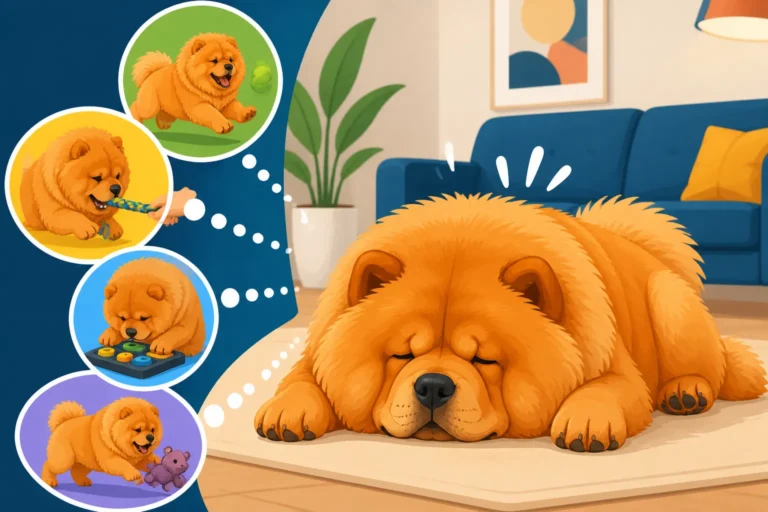
Food isn't just for formal training sessions; it's also a fantastic tool for mental enrichment. Chow Chows are intelligent, and if their minds aren't engaged, they can become bored or destructive. Food puzzles, like Kongs stuffed with peanut butter or wet food and then frozen, snuffle mats that hide kibble, or slow feeder bowls, can turn mealtime into a stimulating activity. These puzzles require your Chow to use their brain to figure out how to get their food, which can be surprisingly tiring and satisfying for them.
Using food puzzles is especially beneficial if your Chow Chow spends time alone during the day. It provides a positive outlet for their energy and prevents boredom, which can sometimes manifest as unwanted behaviors. Even if your Chow isn't highly food-motivated for training, they might still enjoy the challenge of a puzzle, especially if it's filled with their regular meal. It transforms eating from a quick gulp into a rewarding "hunt." Brands like Amazon offer a vast selection of these types of enrichment toys, from basic rubber dispensers to more intricate mazes, making it easy to find something that suits your Chow's skill level and preferences.
When Food Motivation Wanes: Troubleshooting and Alternatives
Despite your best efforts, there will be times when food simply isn't cutting it for your Chow Chow. This could be due to various reasons, from health issues to a simple preference for other forms of reward. Understanding these nuances is crucial for continued success.
Health Considerations and Dietary Preferences
If your Chow Chow, who was previously at least somewhat interested in food, suddenly loses all interest, the first step is always to rule out health issues. Dental pain can make chewing treats uncomfortable, an upset stomach can suppress appetite, or an underlying illness could be making them feel generally unwell. A sudden, unexplained change in appetite or food motivation warrants a visit to your veterinarian. Chows are notoriously stoic, and How a Chow Chow Hides Pain means you need to be extra vigilant about subtle changes in behavior.
Beyond immediate health concerns, some Chows develop very specific dietary preferences or sensitivities. They might be truly put off by certain ingredients in commercial treats, even if those treats are popular with other dogs. Their digestive systems can be particular, and a treat that causes even minor discomfort might be avoided in the future. It’s also possible they simply don’t like the texture or smell. Remember, it's not always a lack of desire for any food, but rather a disinterest in that particular food. Pay attention to what they readily accept and what they consistently refuse, and adjust your offerings accordingly. Sometimes, a limited ingredient treat or a homemade option can bypass these sensitivities.
Beyond the Bite: Harnessing Play, Praise, and Affection
What do you do if your Chow Chow genuinely isn't motivated by food, or if you've exhausted all your high-value options? It's time to explore other forms of reinforcement. Many Chow Chows, despite their independent nature, highly value specific types of interaction with their chosen person. For some, a favorite toy can be a powerful motivator. If your Chow loves to play tug or chase a specific ball, incorporating short bursts of play as a reward can be incredibly effective. A quick game of tug after a successful "stay" can be far more rewarding than any treat.
Verbal praise, delivered in an enthusiastic but calm tone, can also go a long way, especially when paired with a reward they do appreciate. A simple "Good boy!" or "Excellent!" accompanied by a gentle ear scratch (if they enjoy it) acknowledges their effort. Speaking of affection, Chows are not usually "huggers," but they often appreciate a calm, firm stroke on their favorite spot or a quiet moment sitting near you. How Much a Chow Chow Wants to Be Petted can vary wildly, but a brief, desired physical interaction can be a potent reward. Similarly, if your Chow enjoys car rides or short walks, these can sometimes be used as high-value rewards for complex behaviors or as "life rewards" – letting them choose which direction to walk for a moment, or opening the car door for a quick sniff. How a Chow Chow Shows Affection is often subtle, but learning to recognize these cues can help you understand what motivates them.
Maximizing Success: Consistency, Patience, and Realistic Expectations
Working with a Chow Chow, especially one who isn't a typical "foodie," requires a deep well of patience and a consistent approach. You're building a relationship based on trust and mutual understanding, not just treat delivery.
The Importance of a Consistent Training Routine
Chow Chows thrive on routine and predictability. They like to know what to expect, and consistent training helps them learn faster and feel more secure. Short, frequent training sessions are far more effective than long, drawn-out ones, especially for a breed that can get bored easily. Aim for 5-10 minute sessions a few times a day, rather than one intense hour-long session. This keeps their interest piqued and prevents them from becoming overwhelmed or shutting down. When your Chow Chow masters a task, move on, and integrate it into daily life. For instance, have them "sit" before receiving their meal, or "stay" briefly before you open the door for a walk. How Many Times a Chow Chow Will Repeat a Cue before boredom sets in is often limited, so keep it fresh and fun.
Involving all family members in the training, and ensuring they use the same cues and reward systems, is also critical. Inconsistency from different handlers can confuse a Chow Chow and slow down progress. They need a clear, unified message about what behaviors are desired and what the rewards will be, even if those rewards aren't always food. If one person uses treats but another just gives verbal praise, the Chow might become selective about who they'll perform for.
Professional Guidance and Advanced Training
Sometimes, despite your best efforts, you might feel stuck. Your Chow Chow might still be disengaged, or you might be struggling with a specific behavioral challenge where food doesn't seem to help. This is where professional guidance can be invaluable. A certified professional dog trainer, especially one with experience with independent or "stubborn" breeds, can provide fresh perspectives and tailored strategies. They can observe your interactions, help you identify subtle cues from your Chow, and suggest alternative motivators or training techniques you might not have considered.
Online training resources, like those offered by BAXTER & Bella, can also be a fantastic support system. They often provide structured programs, video tutorials, and even personalized coaching that can be particularly helpful for owners navigating the unique challenges of training a Chow Chow. These resources can help you build a solid foundation, especially if you have a puppy, and learn how to adapt standard training methods to suit your Chow's individual personality. Whether a Chow Chow Needs a Professional Trainer Early is often yes, not because they are difficult, but because early, consistent, and correct training is so important for their long-term behavior and social skills. If your Chow seems to ignore cues they know, a trainer can help you figure out Why a Chow Chow Ignores a Cue It Knows and how to re-engage them.
Ultimately, understanding how food-motivated your Chow Chow is—or isn't—is a journey of discovery. It requires patience, keen observation, and a willingness to adapt your methods. Your Chow Chow is a unique and magnificent companion, and with the right approach, you can build a strong, trusting relationship that makes training a rewarding experience for both of you, regardless of how much they love a good treat.
Disclaimer
This article is for general informational purposes only and does not constitute professional advice. Laws, prices and regulations vary by location and change over time. Consult a qualified professional for guidance on your specific situation.