A Chow Chow Trains by Agreement, Not Obedience
If you've ever found yourself scratching your head, wondering why your Chow Chow seems to be giving you the "side-eye" rather than immediately complying with a command, you're certainly not alone. Many Chow Chow owners experience a unique kind of training challenge that can be deeply frustrating when approached with traditional obedience methods. This comprehensive guide is here to shed light on why your majestic, lion-maned companion operates on a different wavelength and how shifting your perspective to "training by agreement" can unlock a truly harmonious relationship.
Understanding the Chow Chow Mindset: More Cat Than Dog?
One of the biggest hurdles new Chow Chow owners face is realizing that these beautiful, ancient dogs aren't wired for the eager-to-please mentality of a Golden Retriever or a Labrador. Their history as versatile working dogs in ancient China, from guarding temples to hunting, instilled in them a self-reliant and independent spirit that still runs deep today. It's not that they can't learn or don't understand; it's that they often assess whether they want to comply, and if it benefits them.
The Independent Spirit of the Chow Chow
Let's be real, a Chow Chow is truly a breed apart. They aren't going to hang on your every word, waiting for a command to spring into action with tail wagging furiously. Instead, they have an air of quiet dignity and a profound sense of self-possession. They often come across as aloof, observant, and thoughtful, preferring to process information and make their own decisions rather than blindly following instructions. This isn't stubbornness in the malicious sense; it's simply their nature.
Imagine a highly intelligent, self-sufficient individual who values their autonomy. That's essentially your Chow Chow. They excel at problem-solving on their own terms and are rarely swayed by excessive emotional appeals or relentless demands. This independent streak means that building a relationship based on mutual respect and understanding is far more effective than trying to impose your will through sheer force of command. They respect intelligence and fairness, not dominance.
This can be incredibly frustrating, especially if you've previously owned breeds that thrive on a more traditional "master-and-dog" dynamic. You might feel like your Chow is intentionally ignoring you, or worse, that they don't care. But the truth is, they're simply being a Chow, and once you accept and work with that, your training journey will become much smoother.
Why "Because I Said So" Doesn't Work
If you've ever tried to force a Chow Chow into doing something they don't want to do, you've likely met with a stone wall of resistance, or perhaps an elegant pivot and a slow walk in the opposite direction. The classic "because I said so" approach, where compliance is expected simply because you are the "owner," falls flat with these discerning dogs. Their ancient lineage means they weren't primarily bred for repetitive obedience tasks but rather for guarding and utility where independent thought was often an asset.
When faced with pushy or coercive training methods, a Chow Chow is more likely to shut down, disengage, or even become subtly resentful. They might offer a slow blink and then turn their head, signaling their refusal to participate in what they perceive as an unfair or unrewarding interaction. This isn't defiance; it's self-preservation of their independent spirit. They're not wired to simply submit.
Instead, they operate on a system of perceived value. If a command doesn't make sense to them, or if the reward isn't enticing enough, they're unlikely to see the point in performing the action. This can be a huge paradigm shift for owners accustomed to dogs who leap at the chance to please. For a Chow, the "pleasure" often needs to be tangible and immediate, or the command needs to be intrinsically rewarding in some way.
How a Chow Chow Chooses Its Person
It's a well-known characteristic of the breed that The Chow Chow Bonds to One Person and Tolerates the Rest. This isn't to say they won't interact with or appreciate other family members, but there is usually one individual they choose as their primary person, their confidante, their trusted partner. This bond is forged not through constant attention or endless treats, but through consistent, calm, and respectful interaction.
The chosen person is often the one who understands their subtle cues, respects their boundaries, and engages with them in a way that aligns with their independent nature. This individual is usually the one a Chow Chow will listen to most readily, although even then, it's rarely immediate, slavish obedience. The Chow will weigh the request, consider the source, and then decide.
For other family members, the relationship will likely be one of polite tolerance, perhaps even affection on the Chow's terms, but not necessarily the same level of deep partnership. This makes consistent training across the household crucial, as the Chow needs to understand that while their chosen person might have primary influence, everyone's requests carry weight, provided they are presented fairly and consistently. Building this trust takes time and patience, but it's the bedrock of any successful "agreement" based training with a Chow.
Building Trust and Respect: The Foundation of Agreement
When you shift from expecting obedience to fostering agreement, your entire approach to training changes. It becomes less about issuing directives and more about establishing a cooperative partnership. This foundation of trust and mutual respect is absolutely essential for a Chow Chow, as they are not easily coerced. They respond best when they feel understood, valued, and that their own agency is acknowledged.
Establishing Yourself as a Valued Partner
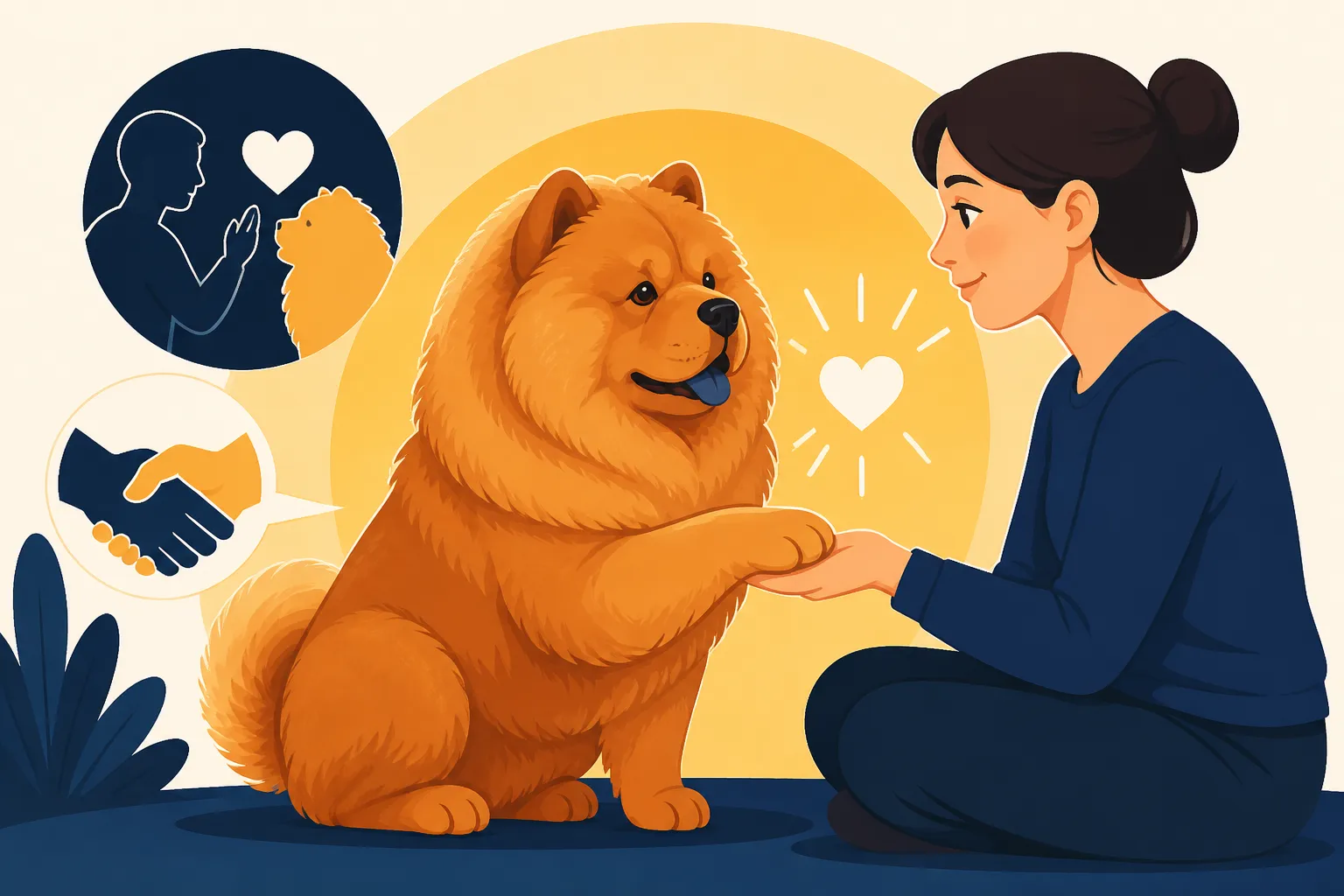
To truly connect with your Chow Chow and move towards training by agreement, you need to establish yourself not as a dictator, but as a valued partner. This means earning their trust through fair treatment, predictable interactions, and consistent boundaries. They need to know that you are reliable, that your requests are reasonable, and that engaging with you is generally a positive experience.
One of the best ways to do this is through consistent, positive reinforcement. Reward the behaviors you want to see, generously and immediately. This isn't just about treats; it's about praise, a gentle scratch behind the ears (if they enjoy it!), or the opportunity to do something they love. When your Chow understands that performing an action for you leads to something good for them, they are far more likely to "agree" to future requests. Avoid punishment or harsh corrections, as these will erode trust quicker than anything and cause a Chow to retreat or become wary. They remember negative interactions for a very long time and can How Long a Chow Chow Holds a Grudge.
Think of it like building a friendship with a somewhat reserved, intelligent person. You wouldn't yell at them to do something, nor would you constantly demand their attention. Instead, you'd show respect, offer compelling reasons, and make interactions pleasant. The same principle applies here. Your calm demeanor, clear communication, and consistent positive feedback are your most powerful tools.
The Art of Negotiation: Making Training Worthwhile
For a Chow Chow, every training interaction is a negotiation. They are constantly asking themselves, "What's in it for me?" Your job, as their trusted partner, is to make the "deal" as appealing as possible. This means understanding what truly motivates your Chow and leveraging that in your training. Is it a specific type of treat? A favorite toy? The chance to go for a walk? Access to a preferred sleeping spot?
High-value rewards are crucial. A dry, boring biscuit might not cut it for a Chow who's evaluating whether to sit or continue observing the backyard. Think small pieces of cooked chicken, cheese, or specialized training treats they absolutely adore. You might even discover Which Treat a Chow Chow Will Work Hardest For. These powerful motivators help them understand that agreeing to your request leads to a highly satisfying outcome.
Keep training sessions short and sweet, ideally no more than 5-10 minutes at a time, especially for puppies or when learning new concepts. Chows have a low tolerance for repetition and boredom, and pushing them too far will lead to them shutting down. End on a high note, even if it means asking for an easy command they know well. This leaves them feeling successful and more eager for the next session. This negotiation isn't about giving in to every whim, but about structuring interactions so that "agreement" is the most appealing option for your Chow.
Learning to Read Your Chow Chow's Signals
One of the most powerful aspects of training by agreement is developing a deep understanding of your Chow Chow's communication. Because they are often quite stoic and don't express themselves with the exuberance of some other breeds, their signals can be subtle. Learning How to Read a Chow Chow's Face, their body posture, and even their tail position (though their tightly curled tail can sometimes make this tricky!) is vital to prevent misunderstandings and build trust.
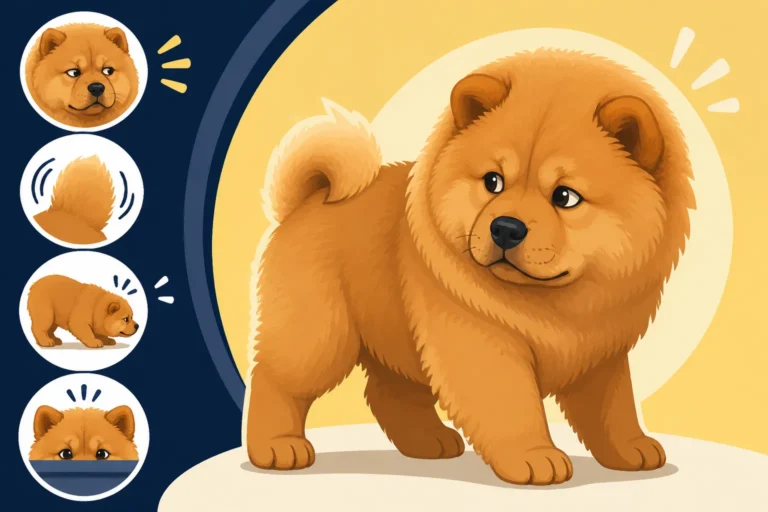
A Chow might offer a soft gaze, a slight head turn, or a slow blink to indicate discomfort or disinterest. They might stiffen slightly, give a low growl, or simply walk away when they've had enough. Pushing past these subtle cues, especially during handling or grooming, can lead to a breakdown in trust and potentially create negative associations. They need to know that you will respect their "no."
Pay attention to when they are relaxed, when they are engaged, and when they are showing signs of stress or overstimulation. If they are looking away, yawning, lip-licking, or even just appearing "blank," they might be telling you they need a break or that the situation is too much. By acknowledging these signals and adjusting your approach, you show your Chow Chow that you are listening to them, which reinforces your status as a trustworthy partner who understands their needs.
The "Agreement" Approach in Action: Practical Strategies
Putting the "agreement" mindset into practice requires a conscious shift in how you interact with your Chow Chow. It's about creating an environment where they feel empowered to make good choices, rather than simply being forced to comply. This approach will strengthen your bond and make training a more positive and effective experience for both of you.
Short, Engaging, and Reward-Heavy Sessions
Forget marathon training sessions; with a Chow Chow, less is definitely more. Their attention span for repetitive tasks can be surprisingly short, and their independent nature means they'll quickly tune out if they're bored or feeling pressured. Aim for sessions that are just 5-10 minutes long, focusing on one or two concepts, and keep them highly engaging.
Vary your rewards to keep things interesting. Don't just rely on the same old kibble. Introduce high-value treats like small pieces of cooked chicken or cheese, or even a favorite toy for a quick game of tug if that's what motivates your Chow. The goal is to make every session feel like a fun game where they win by "agreeing" to your requests. Ending each session on a positive note, even if it's just asking for an easy "sit" they always perform, ensures they're left with a good feeling and are eager for the next time. For more insights into how long you should train, check out How Long a Chow Chow's Training Session Should Be.
Think of it as micro-training throughout the day rather than dedicated long blocks. A few seconds of practice while waiting for dinner, a quick recall exercise in the backyard, or a "stay" while you grab the mail can add up to significant progress without overwhelming your Chow. This keeps their minds sharp and reinforces positive behaviors without turning training into a chore.
Harnessing a Chow Chow's Natural Desires
Instead of fighting against your Chow Chow's natural instincts, learn to work with them. For example, Chows are often fastidiously clean, which is a massive advantage when it comes to The Chow Chow Is One of the Easiest Breeds to Housetrain. They generally dislike soiling their living space, so by providing a consistent potty schedule and ample opportunities outside, they'll quickly pick up on where they are expected to eliminate. Praise and reward heavily when they go in the right spot.
Their guarding instinct, while needing careful management, can also be channeled. If your Chow naturally guards the house, you can use this by rewarding them for alerting you to strangers (a bark) and then rewarding them for being calm and quiet once you've acknowledged the arrival. This teaches them that you appreciate their alert, but you will take over from there. You can also use their natural curiosity by making walks an enriching experience, allowing them to sniff and explore within safe boundaries, rather than just forcing a structured heel for the entire walk.
Understanding their personality – their preference for routine, their desire for comfort, their independent thought – allows you to design training scenarios that align with their inherent motivations. This makes "agreement" much more likely because you're asking them to do something that already feels natural or beneficial to them, rather than something entirely counter to their instincts.
Consistency Across All Family Members
While a Chow Chow might bond most strongly with one person, it's absolutely crucial that everyone in the household is on the same page regarding rules, commands, and expectations. Inconsistent signals from different family members can be incredibly confusing for a Chow and undermine the agreement you're trying to build. If one person allows jumping on the couch but another reprimands it, your Chow won't understand what the agreement is.
Hold a family meeting and decide on a clear, consistent set of commands and house rules. Ensure everyone uses the same words for cues ("sit," not "sit down" or "plop"), and that rewards are given consistently for desired behaviors. This uniformity helps your Chow Chow understand what is expected regardless of who is giving the command. While they may still respond more readily to their chosen person, they will learn that all family members enforce the same "agreements." You can find good resources online, including from BAXTER & Bella, that provide structured approaches to family training.
Remember, even if your Chow tolerates others, their responses can vary. How a Chow Chow Treats the Rest of the Family can be influenced by how those family members interact with them. Encourage calm, respectful interactions from everyone, especially children, to ensure positive associations and a stronger overall family dynamic with your Chow. Everyone needs to understand the "agreement" for it to truly work.
Common Training Challenges and How to Adapt
Even with the best intentions and the "agreement" approach, Chow Chows can present unique training challenges. Their independent nature and reserved temperament mean that some issues require a particularly patient and tailored approach. Understanding why these challenges arise is the first step toward effectively adapting your training.
The "Selective Hearing" Phenomenon
Ah, the infamous Chow Chow "selective hearing." You've taught them "sit" a hundred times, they know it perfectly in the living room, but suddenly, at the dog park with a squirrel in sight, they look at you blankly as if you've never uttered the word before. It's frustrating, certainly, and can make you question your training abilities. But it's rarely true ignorance or malice.
For a Chow, "selective hearing" is often a cost-benefit analysis at play. Is the squirrel more interesting and rewarding than your requested "sit" followed by a treat? For many Chows, the answer is often yes. They're not deliberately defying you; they're prioritizing what they find most valuable in that moment. This is precisely Why a Chow Chow Ignores a Cue It Knows.
To combat this, practice commands in a variety of environments, gradually increasing distractions. Start in a quiet room, move to the backyard, then a quiet park, then a busier park. Always have high-value rewards ready. Make the reward for complying with your command more appealing than the distraction itself. You might also need to manage the environment, using a long line in distracting areas until their "agreement" is solid. It's about slowly convincing them that engaging with you is always the best option, no matter what else is going on.
Handling Resistance to Physical Handling
Chow Chows, with their inherent independence and sometimes wary nature, can be quite sensitive about being physically handled, especially by strangers or in vulnerable areas like their paws, ears, or rear. This can make routine grooming, vet visits, or even just a quick check for ticks a significant challenge. Trying to force handling will almost certainly backfire, leading to fear or defensive reactions.
The key here is gradual desensitization and positive association, starting from puppyhood if possible. Regularly and gently touch their paws, ears, tail, and muzzle, always pairing it with a super high-value treat. Keep these interactions brief and positive. If they pull away, stop immediately, then try again later with even gentler touch and tastier treats. The goal is to create an "agreement" that handling equals delicious rewards, not an unpleasant experience.
Consider enrolling in a virtual puppy class, like those offered by BAXTER & Bella, which often include modules on cooperative care and body handling. These programs can guide you through the process, even offering support for fearful or sensitive puppies. You can also work on teaching them to lie calmly on their side or stand still for short periods, always rewarding them generously. This builds trust and creates an agreement that being touched, even for necessary procedures, is safe and rewarding. This is a critical skill for their entire lifespan, especially for procedures like Teaching a Chow Chow to Have Its Feet Handled or for general care.
Managing Resource Guarding and Territoriality
Given their history as guardians, Chow Chows often have a natural tendency towards resource guarding (food, toys, resting places) and territoriality (their home, yard, or even their chosen person). While this is an inherent trait, it's crucial to manage it safely and effectively to prevent problems. This is What a Chow Chow Guards and Why, and understanding it is key.
For resource guarding, the "agreement" approach focuses on making you a predictor of good things, not a threat. Instead of taking things away, practice "trading." If your Chow has a high-value toy, offer an even higher-value treat in exchange. When they release the toy for the treat, immediately give them the toy back (if safe) or a different, equally good one. This teaches them that your approach means gain, not loss. Gradually, they'll learn that you are not there to steal their treasures.
For territoriality, focus on management and desensitization. When guests arrive, manage the situation by having your Chow on a leash, in another room, or in their crate with a long-lasting chew. Gradually introduce them to polite guests, rewarding calm behavior. Avoid situations where they feel they must guard, as this reinforces the behavior. Professional help from a trainer experienced with guardian breeds can be invaluable for these issues.
Socialization and Exposure: Broadening Their World on Their Terms
Socialization for a Chow Chow isn't about throwing them into every new situation imaginable. It's about carefully curating positive, controlled experiences that help them develop confidence and comfort in the world, on their own terms. Given their often reserved nature, thoughtless or overwhelming exposure can do more harm than good.
Early, Positive, and Controlled Socialization
The socialization window for puppies is critical, but for a Chow Chow, quality always trumps quantity. Why Early Socialization Decides What a Chow Chow Becomes is particularly true for this breed. Instead of forcing them to greet every stranger or interact with every dog, focus on positive exposure from a distance. Let them observe new sights, sounds, and people from a safe, comfortable distance, always pairing these experiences with high-value treats and praise.
The goal is to teach them that the world is generally a safe place, even if they don't need to interact with every single thing in it. A few positive interactions with calm, polite people and well-adjusted dogs are far more beneficial than many overwhelming or negative ones. If you have a puppy, look for specialized puppy classes that emphasize positive experiences, body language, and controlled interactions, rather than chaotic free-for-alls. Many online resources, like those offered by BAXTER & Bella, can provide guidance for at-home socialization, especially before a puppy is fully vaccinated.
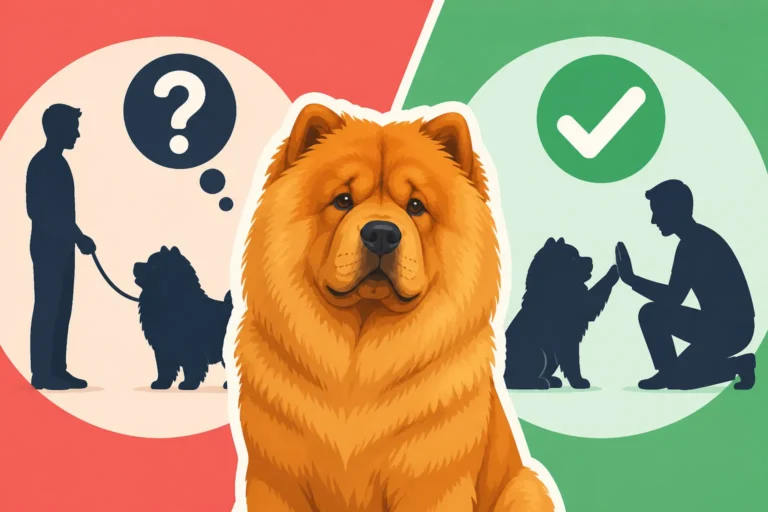
Crucially, never force a Chow Chow to greet someone or something they are wary of. This violates the "agreement" of trust and can create lasting negative associations. Respect their space and allow them to approach on their own terms, or simply observe from a distance.
Gradual Exposure to Novel Sights and Sounds
Life is full of unexpected sights and sounds – skateboards, sirens, children's laughter, construction noises. For a Chow Chow, who can be wary of the unfamiliar, gradual and positive exposure to these novelties is key. Don't wait for your Chow to react negatively; proactively introduce them to these stimuli in a controlled manner.
For example, play recordings of various sounds (traffic, babies crying, thunder) at a low volume while your Chow is relaxed and eating treats. Gradually increase the volume over days or weeks. When you encounter novel sights outdoors, like a child on a scooter or a person with an umbrella, keep a comfortable distance, offer treats, and praise your Chow for remaining calm. The goal is to build positive associations: "new thing equals tasty treat," rather than "new thing equals fear."
This systematic approach helps your Chow Chow build resilience and confidence without being overwhelmed. It's about expanding their comfort zone little by little, always ensuring they feel safe and supported by you. This proactive exposure can prevent future fear reactions and help your Chow navigate the busy human world more serenely.
The Importance of a Secure Leash and Harness
Given a Chow Chow's independent nature and potential for wariness or reactivity, a secure, comfortable leash and harness system is non-negotiable for their safety and your peace of mind. A simple collar can put too much pressure on their throat if they pull, and many Chows are masters of slipping out of ill-fitting gear.
Invest in a well-fitting, escape-proof harness that distributes pressure evenly across their chest and shoulders. Look for harnesses with multiple points of adjustment and perhaps a front clip option, which can help redirect a pulling Chow more gently than a back clip alone. Brands found on Amazon often have a good selection of durable harnesses suitable for strong, deep-chested breeds. Pair this with a sturdy, comfortable leash that gives you good control without feeling like a battle.
Practicing leash manners with your Chow Chow is essential, reinforcing the "agreement" that walking politely means a pleasant outing. Even if your Chow is generally well-behaved on leash, a secure harness and leash provide a vital safety net against unexpected events, like a sudden squirrel chase or an unforeseen encounter that might trigger a wary reaction. This equipment isn't just about control; it's about giving both you and your Chow Chow the confidence to explore the world safely.
Beyond Basic Manners: Living Harmoniously with a Chow Chow
True harmony with a Chow Chow extends far beyond knowing a few basic commands. It involves understanding and respecting their unique personality, providing appropriate mental and physical stimulation, and knowing when to seek professional guidance. It's about cultivating a lifestyle that celebrates their independent spirit while ensuring their safety and well-being.
Respecting Their Personal Space
One of the most crucial lessons for any Chow Chow owner, and especially for those interacting with them, is the importance of respecting their personal space. Chows are not typically cuddly, intrusive dogs; they value their boundaries. They might enjoy a brief pet or a gentle lean, but prolonged hugging, rough play, or uninvited close contact can make them uncomfortable. Why a Chow Chow Dislikes Being Hugged is a common trait that owners must understand.
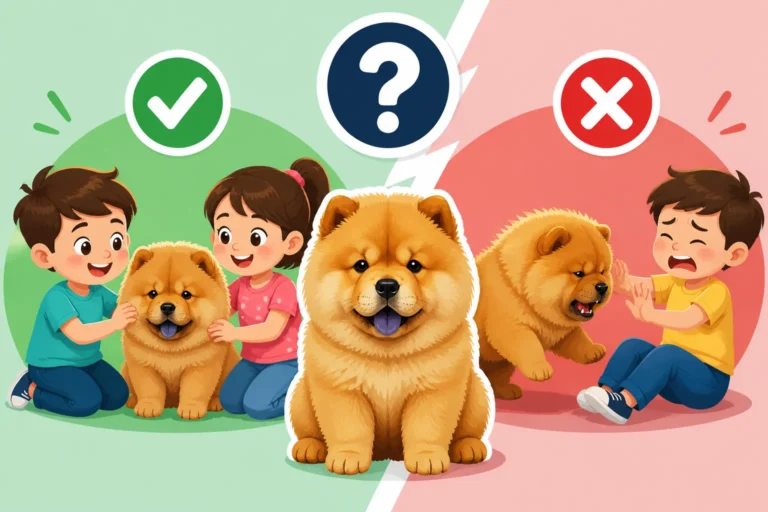
It's vital to teach everyone, particularly children, how to interact respectfully with your Chow. Supervise all interactions, showing children how to offer a gentle, open hand for a sniff, and how to pet them in preferred areas (often the chest or back), stopping if the Chow moves away. Teach children to never approach a sleeping or eating Chow, or one who is retreating. Understanding How to Teach a Child to Approach a Chow Chow can prevent many issues.
Creating safe spaces, like a crate or a designated bed in a quiet corner, where your Chow can retreat without being disturbed, reinforces this respect for boundaries. When your Chow knows their space will be honored, they are more likely to relax and feel secure, fostering a deeper sense of trust and "agreement" in the home.
The Role of Enrichment and Mental Stimulation
While Chow Chows aren't typically high-energy dogs, they are intelligent and can become bored or destructive without adequate mental stimulation. Physical exercise for a Chow is often moderate; How Much Exercise a Chow Chow Actually Needs is less than many active breeds, but mental engagement is just as important. A bored Chow can develop undesirable behaviors, which no one wants.
Incorporate puzzle toys into their daily routine, filling them with a portion of their meal or high-value treats. These require them to use their brains to "hunt" for food, which is deeply satisfying for many dogs. Interactive feeders, snuffle mats, and even hiding treats around the house for them to find can provide excellent mental workouts.
Controlled sniffing walks, where you allow your Chow to follow interesting scents and explore their environment at their own pace, are also incredibly enriching. These aren't just physical exercises; they're mental ones, allowing your Chow to engage their powerful sense of smell and process the world around them. Even short training sessions (remembering their preference for How Long a Chow Chow's Training Session Should Be) using new tricks or revisiting old ones can keep their minds sharp and engaged.
When Professional Help is Essential
Despite your best efforts and commitment to training by agreement, there may come a time when you need to seek professional help. This is not a sign of failure, but rather a responsible decision to ensure the well-being of your Chow Chow and everyone in your household. Some behavioral issues, especially those rooted in fear, anxiety, or aggression, can be complex and require the expertise of a qualified professional.
Look for trainers or veterinary behaviorists who have experience with independent, guardian-type breeds like the Chow Chow. Avoid anyone who uses harsh, punitive, or dominance-based methods, as these will be counterproductive and harmful to your Chow's trust and confidence. Seek out professionals who utilize positive reinforcement, force-free, and science-based techniques, aligning with the "agreement" philosophy.
They can help you decipher complex behaviors, develop tailored training plans, and provide strategies for managing specific challenges such as severe reactivity, resource guarding, or anxiety. A good professional will empower you with knowledge and tools, working collaboratively to strengthen the bond and understanding between you and your Chow Chow, ensuring a harmonious life together.
| Training Approach | Key Philosophy | Chow Chow Response Typically | Owner Role | Common Outcome |
|---|---|---|---|---|
| Obedience Training | Dog must comply with commands (traditional 'master-dog'). | Resistance, disengagement, fear, or shutting down. | Commander, enforces rules. | Compliance based on fear/force, or outright refusal; strained relationship. |
| Agreement Training | Dog chooses to comply because it's beneficial/rewarding. | Cooperation, willingness, trust, engagement. | Partner, provides compelling reasons/rewards. | Willing cooperation, strong bond, thoughtful responses; harmonious relationship. |
Disclaimer
This article is for general informational purposes only and does not constitute professional advice. Laws, prices and regulations vary by location and change over time. Consult a qualified professional for guidance on your specific situation.