Nails, Feet and a Chow Chow Rear That Will Not Be Touched
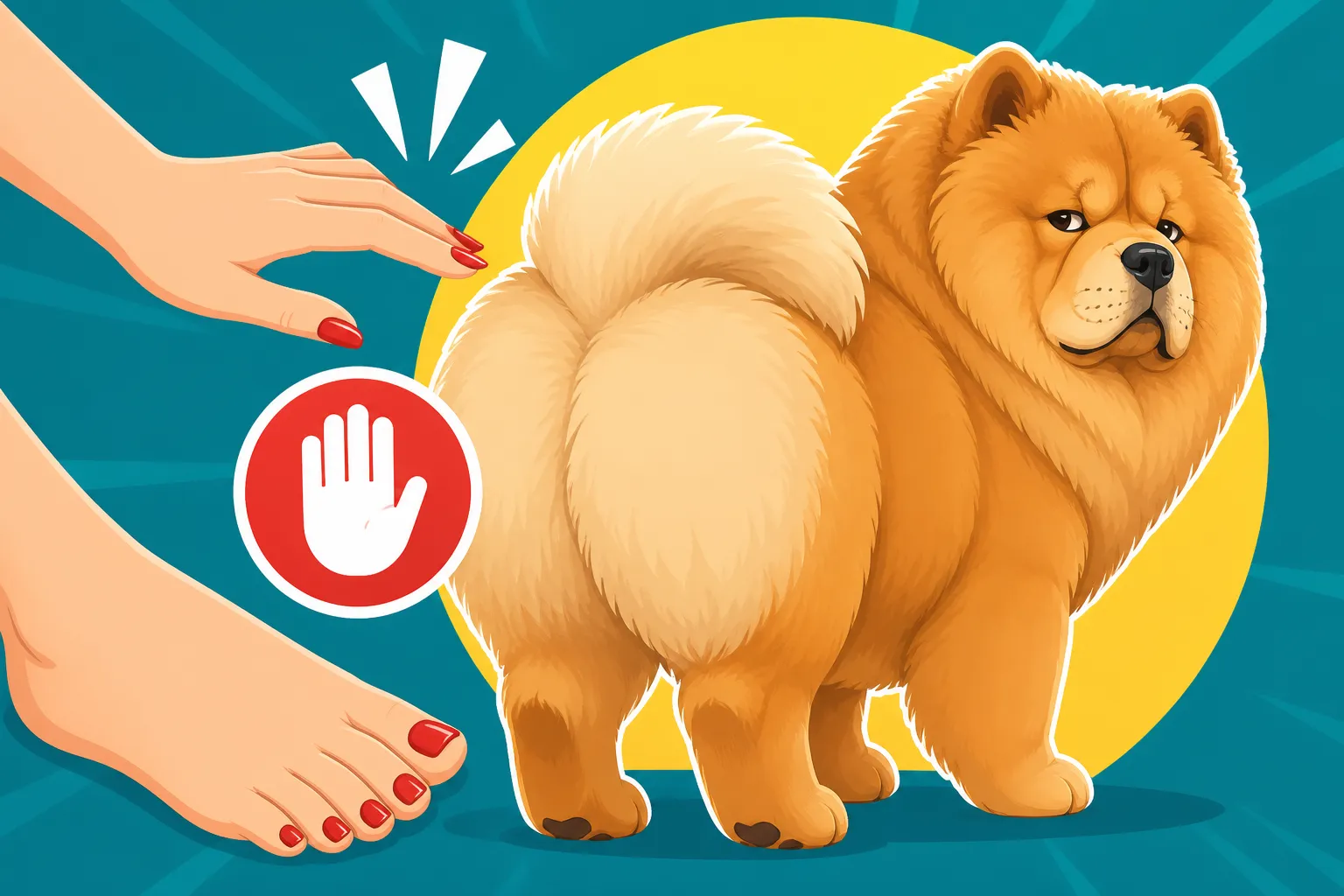
Anyone who has ever tried to trim a Chow Chow's nails, or even just inspect their paw pads, knows the struggle is real. It's often less like a routine grooming task and more like a wrestling match with a very fluffy, very opinionated bear. This guide is here to walk you through why your Chow Chow might resist having their feet and rear end touched, and more importantly, how you can make these essential grooming tasks less stressful for everyone involved.
Why Chow Chows Resist Foot and Rear-End Handling
It's not just your Chow Chow; many dogs, especially those from more independent or ancient breeds, can be incredibly sensitive about having their feet and rear end handled. For Chow Chows, with their distinct personalities and protective instincts, this can be particularly pronounced. Understanding the root causes of their resistance is the first step toward building trust and making grooming a more positive experience.
The Chow Chow's Aloof Nature and Trust
Chow Chows are known for their dignified, independent, and often aloof temperament. They aren't typically the type of dog that relishes being fussed over or having their personal space invaded by just anyone. This inherent disposition means they often reserve their trust for a select few, usually their primary caregiver. If you're not that person, or if you haven't built a strong, consistent bond, getting them to tolerate sensitive handling can be a monumental task. They see your attempts to trim their nails or check their rear end not as care, but as an imposition, a challenge to their autonomy. It's about respect, in their minds. Forcing the issue will only erode that fragile trust further, making future attempts even harder. They need to understand that your touch is benign and that you respect their boundaries, even while you're trying to help them.
This characteristic aloofness also means they might not display typical signs of discomfort as overtly as other breeds. A wagging tail and happy pant might be interpreted as compliance in another dog, but a Chow Chow might just be tolerating the situation, ready to shut down or snap if pushed too far. Their expressions can be subtle, and their deep-set eyes, while beautiful, can make it harder to read their cues. You need to be incredibly observant of their body language – a slight head turn, a tense muscle, a quick lick of the lips – to know when you're nearing their limit. Pushing past that limit can lead to a quick, unexpected correction, which can be alarming for both dog and owner, and set back your training efforts significantly.
Sensory Sensitivity and Startle Response
Beyond their personality, many Chow Chows possess a heightened sensory sensitivity, particularly around their paws and hindquarters. Think about it: a dog's paws are their primary interface with the world. They feel textures, temperatures, and vibrations through them. Suddenly, a strange object like a nail clipper or a Dremel is touching them, often accompanied by pressure or a buzzing noise. This can be genuinely startling and uncomfortable. Their thick double coat, while magnificent, can also make it harder for them to feel your hand approaching their body, especially from behind, contributing to a startle response. They might not always register your presence or intention, leading to a defensive reaction. Why a Chow Chow Snaps at Someone It Did Not See touches on this broader issue of their limited peripheral vision and how it affects their interactions.
Furthermore, the sound and vibration of a nail grinder can be incredibly unsettling for a dog not accustomed to it. Some Chows are particularly sensitive to high-pitched noises or vibrations, finding the experience overwhelming rather than just mildly annoying. Similarly, the snipping sound of clippers, especially if they’ve had a quick cut in the past (hitting the quick, which is very painful), can trigger an immediate negative association. Their rear end, often associated with vulnerable bodily functions and sometimes discomfort from things like anal gland issues, can also be a particularly sensitive area. Any perceived threat to this area can elicit a strong defensive instinct. It's not about being "bad"; it's about a dog's natural protective mechanisms kicking in.
Past Negative Experiences and Memory
Unfortunately, a single bad experience can create a lasting impression on a Chow Chow, making future grooming sessions fraught with anxiety. If they've had their quick cut during a nail trim, experienced rough handling at a groomer, or felt pain during a vet exam involving their rear, they will remember it. Chow Chows are incredibly intelligent and have long memories, especially when it comes to unpleasant encounters. This isn't just a fleeting moment of discomfort; it forms a deep-seated fear. Every time you approach with clippers or reach for their foot, they may anticipate that pain or discomfort again.
This learned aversion can generalize quickly. If they hated nail trims, they might start to dislike having their paws touched for any reason, even just a friendly pat. If a rear-end examination was painful, they might become reactive when you try to clean their sanitary area or even just when you reach over their back. Overcoming these negative associations requires immense patience, consistency, and a completely different approach. It means going back to basics, rebuilding trust from the ground up, and ensuring that every future interaction is as positive and stress-free as possible. It truly takes an empathetic hand to help them move past these previous traumas, and sometimes, the best approach involves starting over with desensitization techniques and positive reinforcement from scratch.
The Importance of Regular Nail Trims for Chow Chows
While it might feel like an uphill battle, regular nail trimming is not just about aesthetics for your Chow Chow; it's a critical component of their overall health and well-being. Neglecting this simple task can lead to a cascade of painful problems that affect their mobility, comfort, and even their long-term joint health. It's a non-negotiable part of responsible Chow Chow ownership, no matter how much they might protest.
Impact of Overgrown Nails on Gait and Joints
Imagine walking around all day with shoes that are several sizes too small, forcing your toes into an unnatural position. That's essentially what overgrown nails do to your Chow Chow's paws. When nails become too long, they push back into the nail bed, putting pressure on the sensitive soft tissues of the paw. This forces the toes to splay and changes the way your Chow Chow stands and walks. Instead of walking on their sturdy paw pads, they start putting weight on their nails, which are not designed for weight-bearing. This altered gait isn't just awkward; it causes significant discomfort and misalignment.
Over time, this constant unnatural pressure can lead to chronic pain in the paws, toes, and even higher up in the legs. The unique Why a Chow Chow Moves With a Stilted Gait due to their straighter rear angulation means their natural movement is already distinct. Adding overgrown nails to this can exacerbate any existing joint issues and even contribute to new ones, like arthritis in the toe joints or lameness. Their body tries to compensate for the discomfort, putting undue stress on other joints, including their elbows and hips. This compensation can manifest as a subtle limp, a reluctance to move, or even behavioral changes as they try to avoid painful movements. Regular trims keep their paws healthy and support their natural, albeit stilted, gait.
Risk of Injury and Pain from Long Nails
Beyond affecting their gait, excessively long nails pose several direct risks of injury and pain. For one, long nails are far more prone to snagging on carpets, blankets, or even outdoor terrain. A snagged nail can partially or completely tear, ripping through the quick (the sensitive, blood-rich part of the nail) and causing excruciating pain, bleeding, and potential infection. This isn't just a minor cut; it can be a traumatic injury requiring veterinary attention and weeks of careful bandaging and medication. Imagine the pain and fear a Chow Chow would experience if this happened, further cementing their aversion to paw handling.
Moreover, if nails grow too long and curve under, they can actually grow into the paw pad itself. This is an incredibly painful condition that creates an open wound, making every step agony and creating a perfect breeding ground for bacterial infections. Ingrown nails are not uncommon in neglected paws and always require veterinary intervention to trim the nail, clean the wound, and often prescribe antibiotics. The constant pressure from long nails can also cause the nail itself to split or crack, opening pathways for bacteria and fungus. These seemingly small problems can quickly escalate into serious health concerns, emphasizing why consistent, even if challenging, nail care is so vital.
Preventing Infection and Pad Problems
Well-maintained paws are essential for preventing a host of infections and pad problems that can plague a Chow Chow. Long nails make it harder for the dog to properly clean their paws, and they also collect more dirt, debris, and moisture between the toes. This creates a warm, damp environment – ideal for the growth of yeast and bacteria. You might notice your Chow licking their paws excessively, a common sign of irritation or infection. The distinctive thick coat, which can extend between their paw pads, further complicates hygiene if nails are long.
When nails are kept short, the paw pads are better exposed to air, reducing moisture buildup and the risk of skin irritations. Regularly trimming nails also encourages you to routinely inspect your Chow Chow's paw pads, toes, and the skin between them. This allows you to catch minor issues like cuts, scrapes, foxtails, burrs, or early signs of interdigital cysts before they become severe. Early detection means simpler, less invasive treatment. It's much easier to deal with a small thorn than a raging infection. Maintaining healthy nails contributes significantly to overall foot hygiene, preventing painful conditions that would otherwise require expensive vet visits and uncomfortable treatments for your beloved Chow.
Essential Tools for Chow Chow Nail and Foot Care
Approaching nail trims without the right equipment is like trying to bake a cake without flour – it's just not going to work, or at least not well. For a Chow Chow, whose cooperation can be hard-won, having the correct, high-quality tools is paramount. The right tools can make the process more efficient, safer, and ultimately, less stressful for both you and your furry companion. Don't skimp on these essentials; they're an investment in your Chow's comfort and your peace of mind.
Choosing the Right Clippers or Grinder
This is often the first big decision for Chow Chow owners. Do you go with traditional clippers or a dremel-style grinder? Both have their pros and cons, and what works best often depends on your dog's temperament and your comfort level.
Nail Clippers: There are two main types: scissor-style and guillotine-style. For Chows, with their often thick, dark nails, sturdy scissor-style clippers with sharp blades are generally recommended. Brands like Millers Forge or Safari often get good reviews. Dull clippers will crush the nail rather than cut it cleanly, which is painful for the dog and makes the experience worse. Always ensure your clippers are sharp and replace them regularly. Clippers are faster than grinders, which can be an advantage if your Chow has a limited tolerance for handling. However, they require precision to avoid the quick, which can be challenging if your dog has black nails where the quick isn't visible. If you're new to this, it might be worth asking your vet or a professional groomer for a quick demonstration on how to hold the clippers and make the cut.
Nail Grinders (Dremel-style tools): Grinders, like those offered by brands like Dremel itself or specialized pet versions available on Chewy, use a rotating abrasive head to file the nail down. The primary advantage here is that they allow for more gradual removal of the nail, making it easier to avoid the quick. This is especially helpful for Chows with dark nails. Grinders also smooth the nail, reducing sharp edges. The main downsides are the noise and vibration, which can be a significant deterrent for sensitive Chows. Many dogs need extensive desensitization to accept a grinder. Furthermore, grinding generates heat, so you must work quickly and in short bursts to avoid burning the quick. It also takes longer than clipping, which means your Chow needs to tolerate longer periods of paw handling.
| Feature | Nail Clippers | Nail Grinders (Dremel) |
|---|---|---|
| Speed | Faster, quick cuts | Slower, gradual filing |
| Precision | High risk of hitting quick if not experienced | Lower risk of hitting quick, easier for dark nails |
| Noise/Vibration | Minimal (snip sound) | Significant (humming, vibration) |
| Finish | Can leave sharp edges | Smooth, rounded edges |
| Skill Level | Requires confident, precise cuts | Requires patience, desensitization |
| Cost | Generally less expensive initial outlay | More expensive, but consumables (sanding bands) |
| Consumables | Blades dull over time, need replacement | Sanding bands need regular replacement |
Ultimately, the best tool is the one you and your Chow Chow are most comfortable and successful with. You might even find a combination approach works best: clipping the bulk of the nail with clippers, then finishing and smoothing with a grinder.
Styptic Powder and Emergency Supplies
No matter how careful you are, hitting the quick is an unfortunate reality that almost every dog owner experiences at some point. It's painful for your Chow Chow and can be quite alarming for you due to the bleeding. This is why styptic powder is an absolute non-negotiable item to have on hand before you even pick up clippers or a grinder. Products like Kwik Stop or similar styptic powders are designed to stop the bleeding quickly. Keep it within arm's reach.
Beyond styptic powder, consider having a small first-aid kit specifically for grooming emergencies. This could include:
- Antiseptic wipes or spray: For cleaning any nicks or minor cuts.
- Self-adhesive wrap (Vetrap): To temporarily cover a bleeding nail if the styptic powder isn't immediately effective or if you need to protect the paw for a short period.
- Plenty of high-value treats: Not for emergencies, but essential for making the next attempt less traumatic.
- A calming aid: If your Chow is particularly anxious, a calming spray or treat (consult your vet first) might help reduce stress.
Having these supplies ready will give you confidence, knowing you can handle any minor mishaps quickly and effectively, minimizing discomfort for your Chow Chow and preventing a small mistake from becoming a full-blown crisis.
Grooming Table and Secure Restraint Options
Trying to trim a Chow Chow's nails while they're squirming on the floor or trying to make a break for it can be a recipe for disaster. A dedicated grooming table, even a small, portable one, can make a world of difference. It elevates your Chow to a comfortable working height, saving your back, and often provides a non-slip surface for them to stand on. More importantly, it helps define a "grooming zone" where your Chow learns what's expected. Brands like PetEdge or Flying Pig often have suitable options available through retailers like Amazon.
For a Chow Chow who is resistant to handling, secure but gentle restraint is often necessary for safety. This isn't about force, but about creating a controlled environment.
- Grooming arm and loop: Most grooming tables come with an adjustable arm and a grooming loop that goes around your Chow's neck (or chest, for better comfort). This keeps them from jumping off the table or spinning around too much. Ensure the loop is snug enough to prevent escape but loose enough to not choke them.
- Muzzle: For some Chow Chows, especially during the initial stages of desensitization or if they have a history of snapping, a muzzle is a vital safety tool. It protects both you and your dog, preventing bites that could lead to injury or further erode trust. A basket muzzle, which allows them to pant and take treats, is generally preferred over a tight fabric muzzle, especially if the session might take a while. It's about safety, not punishment. Muzzle training for a Chow Chow is a crucial skill for many owners.
- Assistance: Sometimes, the best "restraint" is another person. Having a trusted family member or friend gently hold your Chow or distract them with treats can free up your hands and focus.
The goal isn't to tie them down, but to provide just enough gentle control to safely perform the task. Over time, with positive reinforcement, you might find you need less and less restraint, but it's always better to be prepared.
Step-by-Step: Preparing Your Chow Chow for Handling
You wouldn't expect your Chow Chow to suddenly perform a complex trick without training, and the same goes for nail trims. For a breed that often values its independence and can be sensitive to touch, preparation is everything. This isn't a quick fix; it's a gradual process of desensitization and positive reinforcement that builds trust and tolerance over time.
Early Desensitization and Positive Reinforcement
The journey to stress-free nail trims begins long before you ever pick up clippers. For Chow Chow puppies, start introducing paw handling from day one. Gently touch their paws, toes, and pads. Stroke their legs, run your hand over their rear. Keep these sessions extremely short – just a few seconds – and immediately follow with a super high-value treat and verbal praise. The goal is to create a positive association: "Paw touch equals yummy treat!" Do this multiple times a day, every day, gradually increasing the duration and intensity of the touch. How to start brushing a Chow Chow puppy offers similar advice for coat care that applies here.
For adult Chows who are already wary, this process needs to be even more patient and deliberate. Start with simply touching their leg, rewarding immediately. Then move to a quick touch of a paw, then a toe. If they pull away or show any signs of discomfort, stop, wait for them to relax, and try again with less intensity. Never force it. The idea is to incrementally expose them to the stimuli (touch, clippers, grinder) at a level they can tolerate, pairing it with something they love. This slow, consistent approach helps them realize that your touch is safe and that cooperation leads to good things. Think of it as chipping away at their resistance, one treat at a time.
Building Trust Around the Paws and Rear
Chow Chows thrive on routine and consistency, and building trust for grooming tasks is no different. Establish a specific, calm "grooming routine" that always starts with gentle massage and praise before any actual tools come out. During these sessions, focus purely on handling without any expectation of a trim. Massage their paws, gently spread their toes, and apply light pressure as if you were going to trim. You can even practice holding their foot in the position you would for clipping, without actually clipping.
Extend this trust-building to their rear end as well. Many Chows are quite protective of this area. Practice gently lifting their tail, touching around their anal area, and running your hands down their hind legs. Again, always pair this with delicious treats. If your Chow enjoys being brushed, incorporate these sensitive touches into a regular brushing session, which is already a positive experience. The key is to make these interactions predictable and consistently positive. Brands like Ollie often offer high-value, palatable treats that can be excellent motivators for such training. Your Chow needs to learn that your hands are not a threat, even when they're in sensitive areas, and that these interactions always end with something good.
Muzzle Training for Safety and Stress Reduction
While positive reinforcement is the ultimate goal, safety should always come first, especially with a breed as powerful and potentially reactive as a Chow Chow. If your Chow has ever shown aggression or extreme fear around grooming, or if you're just starting this journey, muzzle training is a responsible and humane step. This isn't about punishing your dog; it's about providing a safe barrier that prevents bites while you work on desensitization. A well-fitted basket muzzle allows your Chow to pant, drink, and most importantly, take treats, making the training process much easier than with a tight fabric muzzle.
Introduce the muzzle gradually and positively. Start by letting them sniff it, giving a treat. Then place a treat inside the muzzle and let them put their nose in to get it. Gradually increase the time they wear it, always pairing it with treats and praise. The goal is for them to associate the muzzle with positive things, not punishment. Once they are comfortable wearing the muzzle, you can introduce it during your paw handling and grooming sessions. This greatly reduces your stress and anxiety, knowing you're safe, which in turn helps your Chow feel more secure because they pick up on your calmness. Whether a Chow Chow Should Be Muzzle Trained Early emphasizes the benefits of starting this crucial training early in their life.
Strategies for a Successful Nail Trim Session
Even with all the preparation, the actual nail trimming session can still feel daunting. For Chow Chow owners, it's often a balance of patience, speed, and knowing your dog's limits. The goal is to get the job done efficiently and with minimal stress, reinforcing all that hard work you've put into building trust.
Creating a Calm Environment
The atmosphere you create directly impacts your Chow Chow's behavior during a nail trim. This is not the time for loud noises, other pets, or an audience of curious children. Choose a quiet time of day when your Chow is relaxed, perhaps after a short, calm walk or a cuddle session. Ideally, pick a dedicated grooming spot, like your grooming table, where they associate the space with this specific routine.
Before you even bring your Chow to the area, have all your tools laid out and ready: clippers or grinder, styptic powder, and most importantly, a generous supply of their absolute favorite high-value treats. These treats should be reserved only for grooming to maximize their impact. If your Chow is particularly anxious, consider playing calming music or using a dog-specific calming pheromone spray in the area. Keeping your own energy calm and confident is crucial; dogs are incredibly adept at picking up on our stress, which will only heighten their own. A relaxed handler translates to a more relaxed dog, and for a Chow Chow, that can make all the difference between a struggle and a successful trim.
The "Little and Often" Approach
This is perhaps the most crucial strategy for Chows who dislike nail trims. Instead of aiming for a full pedicure in one go, adopt a "little and often" mindset. This means trimming just one or two nails, or even just a tiny bit off one nail, and then stopping. Immediately reward with lavish praise and treats. Then, either take a break and come back later or the next day to do another one or two nails.
This approach prevents overwhelming your Chow Chow and keeps the experience positive. Each mini-session ends before they reach their threshold of discomfort, reinforcing the idea that grooming isn't a long, arduous ordeal. Over time, as their tolerance increases, you might be able to do an entire paw, and eventually all four, in one session. But if you push too far too fast, you risk undoing all your progress and setting back your training. Remember, consistency over intensity. It's far better to do two nails perfectly three times a week than to battle through all sixteen nails once a month, leaving both of you exhausted and stressed. This method is particularly effective when dealing with How many times a Chow Chow will repeat a cue or tolerate a task, as their patience often has limits.
Knowing When to Stop
Reading your Chow Chow's body language is paramount to a successful "little and often" strategy. Chows, with their stoic nature and deep-set eyes, can be subtle in their discomfort cues. Look for:
- Lip licking: Often a subtle sign of stress.
- Yawning: Another stress indicator, not necessarily tiredness.
- Head turning away: A polite refusal or attempt to disengage.
- Tightening of the mouth or furrowing of the brow: The infamous "Chow scowl" might become more pronounced.
- Shifting weight or pulling away: Clear signs they want to escape.
- Low growl or air snap: This is their final warning; stop immediately.
At the first sign of genuine discomfort or agitation, stop. Even if you've only done half a nail. The most important thing is to end the session on a positive note, even if it's just giving them a treat for tolerating the last touch. Pushing past their threshold will only create a negative association and make the next session harder. It's much better to end early and try again later or tomorrow than to create a traumatic experience. Over time, your Chow will learn that you respect their boundaries, which in turn builds more trust and makes them more cooperative in the long run.
Dealing with Difficult Situations and Professional Help
Sometimes, despite all your best efforts and patience, a Chow Chow's resistance to nail trims and handling is simply too great for an owner to manage alone. This isn't a failure on your part; it just means you need to call in the cavalry. Knowing when and how to seek professional help can save both you and your Chow a lot of stress and prevent injuries.
When to Seek Veterinary Assistance for Trims
If your Chow Chow exhibits extreme fear, aggression, or distress during nail trims, or if you simply cannot get the job done safely, it's time to involve your veterinarian. This is especially true if you've tried all the desensitization techniques and are still struggling. A vet can assess if there's an underlying medical reason for their sensitivity, such as arthritis in their paws, an old injury, or even a systemic pain issue that makes handling unbearable. They can also demonstrate proper technique, which can be invaluable.
In cases of severe anxiety or aggression, your vet can offer solutions that make the process safer and less traumatic. This might include:
- Sedation: For extremely fearful or aggressive Chows, a mild sedative prescribed by your vet can relax them enough to allow for a safe and quick trim. This is usually reserved for severe cases or when immediate action is needed, as it's not a long-term solution. Your vet can advise on Whether a Chow Chow Tolerates Anesthesia and safe sedation protocols.
- "Fear Free" techniques: Many vet clinics are adopting Fear Free protocols, which prioritize minimizing stress and anxiety during visits. They might use calming pheromones, gentle handling techniques, and positive reinforcement to make nail trims more manageable.
- Referral to a behaviorist: If the issues are deep-seated behavioral problems, a veterinary behaviorist can help devise a comprehensive training plan.
Don't feel ashamed to ask for help. Your Chow's welfare is the priority, and a professional can often achieve in minutes what might take you hours of struggle, all while keeping your dog calmer. Remember, What a Chow Chow's Sedated Exam Costs might be a factor, but ensuring their health and safety is paramount.
Finding a Fear-Free Groomer
If your Chow Chow just isn't warming up to home grooming, a professional groomer can be a fantastic resource. However, not all groomers are created equal, especially when it comes to sensitive breeds like the Chow Chow. It's absolutely crucial to find a groomer who practices fear-free techniques and has experience with Chows. Ask specific questions before booking an appointment:
- "Do you have experience with Chow Chows who are particular about their paws?"
- "What methods do you use for dogs who resist nail trims?"
- "Do you use positive reinforcement and treats?"
- "What is your protocol if a dog becomes overly stressed or aggressive?"
- "Can I stay with my dog during the nail trim?" (Many fear-free groomers allow this, at least for initial visits.)
A good fear-free groomer will take their time, use gentle handling, and prioritize your Chow's comfort over speed. They will stop if your dog shows signs of stress and might even suggest multiple short visits rather than one long, stressful one. They will likely be familiar with using basket muzzles for safety if needed, without it being a negative experience. It's worth investing the time to find a groomer who understands the unique temperament of a Chow Chow and can work with them patiently. Sometimes, just having a neutral party with professional equipment can make a huge difference. You might want to ask Whether a groomer should meet a Chow Chow first.
Addressing Underlying Pain or Anxiety
Sometimes, a Chow Chow's resistance isn't just behavioral; it can stem from underlying pain or anxiety. If your dog suddenly develops an aversion to having their paws or rear end touched, or if their resistance intensifies, a vet visit is in order.
- Pain: Arthritis, especially in the toes or ankles, can make standing for a trim or having a paw manipulated very painful. Old injuries, nerve issues, or even a hidden wound (like a foxtail between the toes) can cause acute sensitivity. A thorough physical exam and possibly X-rays might be needed to rule out medical causes.
- Anxiety: Some Chows develop generalized anxiety, which can manifest as heightened reactivity to handling. This could be triggered by changes in their environment, past trauma, or simply be a facet of their personality. Your vet can discuss behavioral modification strategies, environmental enrichment, and in some cases, medication to help manage anxiety.
Never assume a sudden change in behavior is just "being stubborn." Always investigate potential medical causes first. Resolving an underlying pain issue can dramatically improve your Chow Chow's willingness to tolerate grooming, making the process much more pleasant for everyone involved. How a Chow Chow hides pain is an important read, as they are often very stoic about discomfort.
Beyond Nails: Full Foot and Pad Health
Nail trims are just one piece of the puzzle when it comes to keeping your Chow Chow's paws healthy and comfortable. Their feet, with their thick fur and sometimes deep-set pads, require comprehensive care to prevent problems. Regular, thorough inspections should be a routine part of your grooming schedule, allowing you to catch issues before they escalate.
Inspecting Pads and Toes for Issues
Your Chow Chow's paw pads are tough, but they're not invincible. They are constantly exposed to varying terrains, temperatures, and potential hazards. Make a habit of inspecting all four paws weekly, ideally during one of your short desensitization sessions, or after a walk. Gently spread their toes and examine the pads for:
- Cuts, scrapes, or punctures: Small injuries can quickly become infected if not cleaned.
- Cracks or dryness: Especially in extreme weather, pads can become dry and cracked, which can be painful. Consider a paw balm to keep them supple.
- Foreign objects: Look for thorns, burrs, foxtails, pebbles, or even matted fur that can get wedged between the pads. These can cause irritation, infection, or lameness.
- Blisters or burns: Hot pavement can cause severe burns, while excessive running can lead to blisters.
- Changes in color or texture: Redness, swelling, or crusty patches could indicate an infection, allergy, or skin condition.
- Lumps or bumps: These could be benign growths, cysts, or in rare cases, something more serious.
Always check all sides of each toe and between the pads. Your Chow Chow's thick coat can easily hide these issues, so a thorough, hands-on inspection is vital. Early detection of any of these problems means quicker treatment and less discomfort for your Chow. This regular checking also helps with desensitization for handling.
Keeping Interdigital Spaces Clean
The spaces between your Chow Chow's toes and pads are a prime location for collecting debris and developing issues, largely thanks to their dense double coat. The fur in these areas, known as "feathering" or "tuffs," can trap dirt, moisture, burrs, and allergens. If left unchecked, this can lead to:
- Matting: The fur between the pads can mat tightly, pulling on the skin and causing pain and discomfort with every step. These mats can be difficult to remove and often require careful trimming.
- Interdigital cysts: These painful cysts can form between the toes, often due to embedded foreign material, infection, or pressure. They are prone to rupture and secondary infection.
- Yeast or bacterial infections: The warm, damp environment created by matted fur and trapped moisture is ideal for these organisms to thrive, leading to itchy, red, and sometimes foul-smelling paws. Your Chow Chow might lick or chew excessively at their feet.
- Allergies: If your Chow has environmental allergies, pollen and other irritants can become trapped in the fur between their toes, exacerbating allergic reactions and causing intense itchiness.
Regularly cleaning these spaces with a damp cloth and gently combing out any trapped debris is important. Some owners choose to keep the fur between the pads neatly trimmed, a process called "poodle feet" or "sanitary trim," to reduce the risk of matting and improve hygiene. This can be done carefully with blunt-nosed scissors or small clippers, taking extreme caution not to cut the delicate skin or pads. If you're unsure, ask your groomer to demonstrate or perform this trim for you.
Addressing Why a Chow Chow's Rear Nails Wear Unevenly
You might notice that your Chow Chow's rear nails, particularly the inner ones, tend to be longer or wear down differently than their front nails. This isn't uncommon and is directly related to their unique structure and gait. Chow Chows possess a distinct "stilted gait," which is a result of their relatively straight rear angulation. Unlike many other breeds with significant hock and stifle angulation that allows for powerful rear drive, a Chow Chow's straighter rear provides less "push-off."
Because of this unique movement, the way their rear paws interact with the ground is different. They might not lift their rear paws as high or place them with the same rolling motion as a dog with more angulation. This can lead to less natural wear on certain nails, allowing them to grow longer. Factors such as the amount and type of exercise they get also play a role. If your Chow walks primarily on soft surfaces, their nails won't wear down as much naturally compared to a dog that frequently walks on concrete or asphalt.
To compensate for this uneven wear, it's vital to give extra attention to their rear nails during trimming sessions. Don't assume all nails wear equally. Systematically check each nail on each paw, front and back, and trim as needed. The "little and often" approach is particularly beneficial here, as it allows you to address the longer rear nails without having to take off too much at once, minimizing the risk of hitting the quick. Understanding this unique aspect of their anatomy helps you tailor your grooming routine to their specific needs, ensuring all their paws remain healthy and comfortable.
Maintaining Your Chow Chow's Rear-End Hygiene
While nails and paw pads often get the most attention (and resistance!), the rear end of a Chow Chow also requires specific care. Their dense coat, deep-set tail, and characteristic body shape can make this area a magnet for debris, leading to discomfort, matting, and potential health issues if neglected.
Trimming the Sanitary Area
The fur around your Chow Chow's anus and genitals – often referred to as the "sanitary area" or "potty patch" – needs regular attention. Due to their thick coat, stool can easily get trapped in the fur around the anus, leading to matting, irritation, and a very unpleasant smell. Similarly, urine can stain and irritate the fur around the vulva in females or the prepuce in males. This matting can also block the passage of stool, making defecation painful and difficult.
A sanitary trim involves carefully trimming the fur in this area short, usually with blunt-nosed scissors or small clippers. The goal is to create a clean, neat patch of short hair that allows for easy passage of waste and prevents debris from getting trapped. It's a delicate area, so extreme caution is paramount to avoid nicking the skin. If your Chow is particularly squirmy or resistant to rear-end handling, this is definitely a task where professional help from a groomer or vet might be necessary. They are equipped with the right tools and expertise to perform this sensitive trim safely. Regular sanitary trims will keep your Chow cleaner, more comfortable, and significantly reduce the risk of skin irritations and infections in this vulnerable area.
Wiping After Potty Breaks
Even with a well-maintained sanitary trim, Chow Chows can still sometimes get a bit messy after a potty break. Their thick tail, which often curls over their back, can also contribute to trapping debris. For these reasons, it's a good practice to periodically check and, if necessary, gently wipe your Chow Chow's rear after they've done their business, especially after soft stools. This simple step can prevent dried fecal matter from matting into the surrounding fur, which can be painful to remove and lead to skin issues.
You can use pet-specific wipes, a damp cloth, or even just a warm, wet paper towel for this. Be gentle and thorough, ensuring you remove any residue. For Chows with long, dense "britches" (the fur on their hind legs and rump), this vigilance is even more important. If you notice persistent staining or irritation, it's worth consulting your vet, as it could indicate dietary issues, anal gland problems, or a urinary tract infection. Regular wiping, combined with sanitary trims, helps maintain optimal hygiene and prevents minor messes from turning into significant problems that your Chow will inevitably resist you trying to clean up later.
Dealing with Matting in the Britches
The "britches" – the long, dense fur on a Chow Chow's hindquarters and the backs of their legs – are notoriously prone to matting. This is especially true during coat blow seasons or if the coat isn't brushed regularly down to the skin. Matting in this area can be incredibly painful, pulling on the skin with every movement, restricting their range of motion, and causing skin irritation and hot spots underneath the dense felted fur.
Preventing mats in the britches requires consistent, thorough line brushing. You'll need to use a slicker brush and a sturdy comb to work through the fur in small sections, ensuring you reach all the way to the skin. Pay extra attention to the areas behind the ears, under the collar, behind the elbows, and, yes, the britches, as these are common trouble spots. Why a Chow Chow's Britches Mat First is a good resource for understanding this specific issue.
If mats do form, do not attempt to cut them out with scissors unless you are absolutely confident and experienced. The skin underneath a mat can be drawn up into the mat itself, making it incredibly easy to accidentally cut your Chow. It's almost always safer to use a mat splitter, a specialized dematting tool, or, for severe matting, to seek professional help from a groomer. A groomer can carefully shave out the mats or work them out safely. Remember, a severely matted Chow Chow may need to be shaved completely, which is not ideal for their coat health or temperature regulation, but it's often the most humane option to relieve their pain and prevent further skin issues. Early prevention through diligent brushing is always the best course of action.
| Grooming Task | Frequency | Key Tools | Common Challenges (Chow Chow Specific) |
|---|---|---|---|
| Nail Trims | Weekly/Bi-weekly | Clippers (scissor-style), Grinder (Dremel), Styptic Powder, High-Value Treats | Resistance to paw handling, thick dark nails (quick visibility), sensory sensitivity to sound/vibration |
| Paw Pad & Toe Inspection | Weekly | Fingers, Flashlight, Antiseptic Wipes | Thick fur obscuring view, potential for embedded debris, aversion to foot manipulation |
| Interdigital Fur Trim | Monthly/As needed | Blunt-nosed Scissors, Small Clippers | Risk of cutting delicate skin, mats forming between pads, Chow's aversion to prolonged handling |
| Sanitary Trim | Monthly/As needed | Blunt-nosed Scissors, Small Clippers | Extreme sensitivity of the area, risk of injury, dense fur trapping waste |
| Britches Brushing | Daily/Every other day | Slicker Brush, Undercoat Rake, Metal Comb | Rapid matting, Chow's typical dislike of rear-end handling, density of coat |
Disclaimer
This article is for general informational purposes only and does not constitute professional advice. Laws, prices and regulations vary by location and change over time. Consult a qualified professional for guidance on your specific situation.