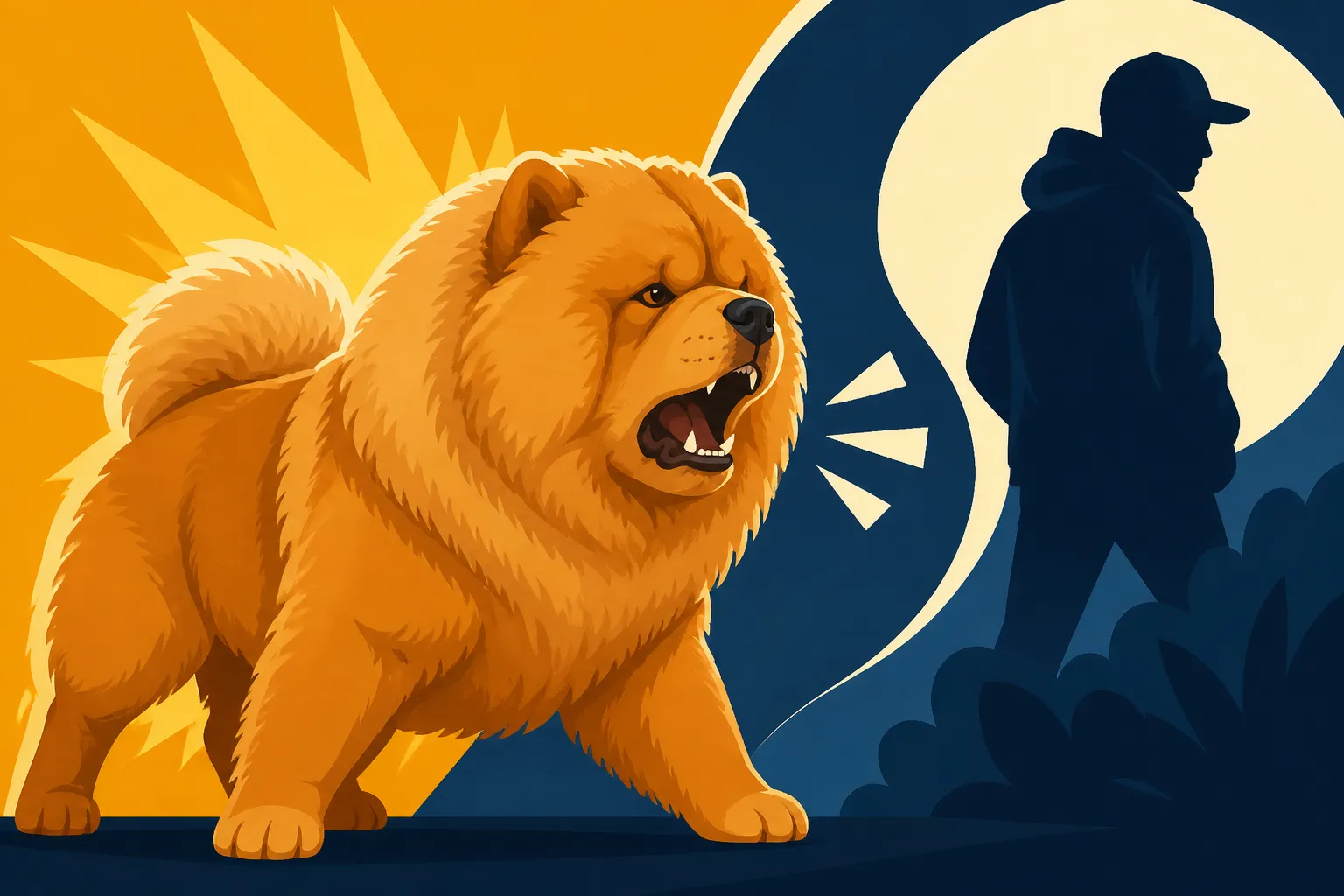
Why a Chow Chow Snaps at Someone It Did Not See
It's a common, heartbreaking scenario for many Chow Chow owners: you reach out to pet your beloved companion, perhaps while they're dozing peacefully or looking the other way, and suddenly, without warning, they spin and snap. It's not usually a full-blown attack, but a sudden, startling warning that leaves you feeling confused, hurt, and maybe a little scared. This guide is here to unravel the mystery behind why your Chow Chow might snap at someone they didn't see, explaining the unique blend of their physical traits and inherent temperament that leads to these unexpected reactions, and how you can manage it to build a safer, more understanding relationship.
The Chow Chow's Unique Visual Challenges
One of the most significant, yet often overlooked, reasons behind a Chow Chow's tendency to startle and snap is their distinctive physical build, particularly their eye placement and abundant coat. It’s not about them being intentionally rude or aggressive; it’s a genuine limitation in their visual field that makes unexpected approaches genuinely frightening.
Deep-Set Eyes and Restricted Peripheral Vision
If you take a moment to look closely at your Chow Chow, you'll notice their eyes aren't like those of many other breeds. They are quite deep-set within their skull, often nestled beneath prominent brows and surrounded by the breed's characteristic facial folds. This unique anatomy, while contributing to their distinctive "scowl," comes with a significant drawback: it severely restricts their peripheral (side) vision.
Think of it this way: most dogs have a much wider field of vision than humans, able to see a good portion of what's happening to their sides without turning their head. They're built for vigilance, for spotting movement in their environment. Your Chow Chow, however, experiences the world through a much narrower lens. Anything approaching from directly behind them, or even from a wide angle to their side, simply doesn't register in their visual field until it's much closer. This isn't them ignoring you; it's them physically being unable to see you coming. It's like you're wearing blinders, and someone suddenly appears right next to you or touches your shoulder. Your natural reaction would be to startle, and a dog's natural reaction, especially one with a strong guarding instinct, can be to snap defensively. It’s a primal "flight or fight" response triggered by sudden, unexplained proximity. You might notice this more acutely in an older Chow Chow whose senses are naturally declining. For a deeper dive into this, check out Why a Chow Chow's Deep Set Eye Causes Trouble.
This visual limitation means that mundane, everyday actions can become triggers. A family member walking quietly up behind a sleeping Chow on the sofa, a child running past them, or even simply reaching down to pet them while they're focused on something ahead can all result in that sudden, alarming snap. They don't have the luxury of seeing the slow, deliberate approach that might signal a friendly interaction. Instead, they perceive a sudden, unexpected intrusion into their personal space, and their instinct tells them to defend themselves. This is why understanding How a Chow Chow's Deep Set Eye Limits Its Vision is so crucial for every owner.
The Obscuring Power of the Ruff
Adding another layer to their visual challenge is the Chow Chow's magnificent, dense ruff – that thick, lion-like mane of fur around their head and neck. While absolutely stunning and a hallmark of the breed, this impressive coat acts much like natural blinkers, further reducing their already limited peripheral vision.
Imagine wearing a very thick, high-collared coat that partially blocks your side view, even when your head is turned slightly. That’s a bit like what your Chow Chow experiences. The sheer volume and density of the fur, especially in a rough-coated Chow, can obscure anything approaching from the immediate sides, creating blind spots that even a slight head movement won't clear. This means that if they are standing or lying still, focusing on something ahead, they are particularly vulnerable to being surprised by someone or something entering these hidden zones. The ruff, while beautiful and serving a protective purpose against cold weather and potential threats in their historical roles (you can read more about it in Why a Chow Chow's Ruff Was For in Cold Weather), inadvertently contributes to their startling tendencies in a domestic environment.
This combination of deep-set eyes and an encircling ruff means that a Chow Chow needs more space and more clear signals than many other breeds. They rely heavily on what’s directly in front of them, and anything outside that narrow tunnel is a potential surprise. This isn't a flaw in their character; it's a physical reality that owners must understand and respect to prevent those unsettling sudden reactions. When you see them jump and snap, it's often because they literally did not perceive you coming into their space until you were right there.
Understanding the Chow Chow Temperament and Startle Response
Beyond their unique physical traits, the Chow Chow's distinct personality plays a significant role in how they respond to being startled. Their historical purpose and independent nature shape their interpretation of and reaction to unexpected stimuli, often leading to what can seem like an overreaction to an unwitting owner.
Independence and Aloofness
Chow Chows are not your typical "velcro dogs" that shadow your every move, constantly seeking attention and monitoring their environment for social cues. They are renowned for their independent, dignified, and often aloof nature. This isn't to say they don't love their families – they form incredibly deep bonds, usually with one primary person – but their affection is often expressed subtly and on their own terms. If you want to know more about this, explore How Aloof a Chow Chow Really Is.
This independence means that a Chow Chow is less likely to be constantly scanning their surroundings for human interaction or potential approaches. They are perfectly content to observe, to be in their own space, and to simply exist without constant engagement. While other breeds might keep an eye on family members moving about, a Chow Chow might be completely focused on something else, or nothing at all, perfectly still and quiet. This makes them highly susceptible to being surprised. When they are not actively "tuned in" to your presence, any sudden appearance or touch becomes jarring, intensified by their visual limitations. This temperament means they aren't always looking for you, and therefore, they won't necessarily anticipate your approach or touch, making the unexpected even more unexpected. Their lack of overt, constant engagement with their surroundings means they are often caught off guard by the sudden intrusion of a person or object into their immediate space.
They also tend to bond very strongly with their primary caregiver, and while they "tolerate" the rest of the family, they might not extend the same level of trust or familiarity to them immediately. This dynamic can be explored further in The Chow Chow Bonds to One Person and Tolerates the Rest. This hierarchy can mean that secondary family members, or especially guests, are more likely to elicit a defensive startle response if they approach unwisely. It’s not personal; it’s about their deep-seated instinct to guard their space and their chosen person.
Limited Warning Signals
One of the most challenging aspects of living with a Chow Chow is interpreting their subtle, often ambiguous, body language. Unlike many other breeds that offer clear, escalating signals of discomfort – a low growl, a furrowed brow, a tucked tail – a Chow Chow's communication style is far more understated, if present at all. This lack of overt warning can make their snaps seem truly "out of nowhere."
Their characteristic "scowl," created by their facial folds and deep-set eyes, can often be mistaken for an unfriendly expression, when in reality, it's just their natural look. This makes it incredibly difficult to discern genuine irritation or anxiety from their everyday resting face. A Chow Chow might be feeling stressed or uncomfortable, but their expression might not change much. Similarly, their stiff, often formal gait and their tightly curled tail, which usually rests over their back, can mask traditional canine signals of fear or agitation, such as a tucked tail or a crouched posture. This means that a Chow might be feeling quite anxious about an approaching hand or person, but without the typical canine signals, the person continues to approach, inadvertently pushing the dog past its tolerance threshold. Delving into How to Read a Chow Chow's Face can help you better understand these nuances.
When a Chow Chow does snap, it's frequently a defensive reflex, a desperate attempt to create space and communicate "stop!" when all other, more subtle, internal warnings have been missed by the approaching party. It's often not an aggressive act driven by malice, but a deeply ingrained reaction to feeling cornered or threatened, even if the threat is unintentional. The problem is that without those clear preceding signals, the snap feels unprovoked, leading to misunderstandings and fear, further damaging the bond between owner and dog. Their lack of verbal or overt physical warnings means that their threshold for startling and reacting can appear much lower than in other breeds, simply because we don't see the precursor signs.
Common Scenarios Leading to Snapping
Understanding the physical and temperamental reasons behind a Chow Chow's startle response helps to identify the everyday situations that are most likely to lead to an unexpected snap. These scenarios often involve an unaware human inadvertently entering the Chow's blind spots or startling them with sudden movements or sounds.
Approaching from Behind or the Side
The most classic scenario for a Chow Chow's reactive snap involves someone approaching them when they are not looking directly at the person. This is directly tied to their limited peripheral vision and the obscuring effect of their ruff.
Imagine your Chow Chow is sound asleep, curled up on their favorite dog bed or stretched out in a sunbeam. They are in a deep state of relaxation, completely unaware of their immediate surroundings. A well-meaning family member, perhaps wanting to give a gentle pat, quietly walks up behind them and reaches out. In that moment of touch, the Chow Chow is instantly jolted from sleep. Having seen nothing, heard nothing, and felt a sudden touch, their primal instinct takes over. They often spin around, sometimes letting out a surprised bark or growl, and snap at the air or the hand that startled them. It's a pure reflex, a defensive flinch against an unseen "threat" that has intruded upon their vulnerable state. They aren't thinking; they're reacting.
Another common situation occurs when a Chow is focused intently on something in front of them – perhaps watching squirrels in the yard, observing people walk by, or even just gazing out a window. Their head is fixed forward, and their deep-set eyes and ruff are maximizing their blind spots to the sides and rear. If you approach them from their side or behind during this focused state and suddenly reach to pet them or call their name right next to their ear, the result is often the same. They might spin quickly, their body language stiff, and snap. They genuinely didn't perceive your presence until you were too close for comfort. This isn't them being "mean"; it's them being surprised and acting on instinct. It's a powerful reminder that their perception of "danger" is often linked to the unexpected, rather than malicious intent.
Sudden Movements or Loud Noises
Beyond just physical approaches, unexpected sensory inputs can also trigger a startle response in a Chow Chow, especially when combined with their visual limitations. Sudden movements or loud, unexpected noises can be particularly jarring for a breed that values its calm and predictable environment.
Consider a busy household with children. A child, perhaps excited about something, might suddenly dart past the Chow Chow at high speed. Or, a toy might be dropped with a clatter, a door might slam unexpectedly, or someone might let out a sudden shout of surprise or excitement. For many dogs, these events might elicit a quick glance or a jump, but for a Chow Chow, especially if they didn't visually register the source of the stimulus beforehand, it can be deeply unsettling. The sudden, intense input, combined with their already narrow visual field, can create an overwhelming sense of immediate threat. They might react by spinning, barking, and snapping at the air or the perceived source of the disturbance.
These scenarios are particularly concerning when small children are involved. Children often move unpredictably, make sudden noises, and don't understand the nuanced needs of a dog with sensory limitations. A child excitedly running towards a Chow Chow, or suddenly reaching out to hug it without prior warning, can easily trigger a defensive snap. The Chow isn't acting aggressively out of malice, but out of a legitimate feeling of being surprised and needing to protect itself from what it perceives as an unannounced, overwhelming intrusion. It underscores the importance of teaching children how to interact respectfully and predictably with dogs, especially Chows, and supervising all interactions closely.
Proactive Management: Preventing Surprise Encounters
Since a Chow Chow's tendency to snap when startled stems from genuine physical and temperamental factors, the most effective approach for owners is proactive management. This means consciously structuring their environment and interactions to minimize the chances of a surprise encounter.
Creating a Safe Environment
Establishing clear boundaries and safe spaces within your home is paramount for a Chow Chow. They thrive on predictability and appreciate having areas where they can truly relax without fear of unexpected intrusion.
Firstly, designate specific "safe zones" for your Chow where they can rest, sleep, or chew a toy undisturbed. This could be a crate, a dog bed in a quiet corner, or a room accessed only by invitation. Family members must understand and respect these boundaries, meaning no approaching, no petting, and no startling when the Chow is in their safe zone. This teaches the dog that these spaces are sacred and they can truly let their guard down. You can use baby gates to reinforce these areas, especially if you have children or frequent guests. Providing an elevated dog bed (like those found on Amazon) can also give them a better vantage point, potentially reducing some elements of surprise.
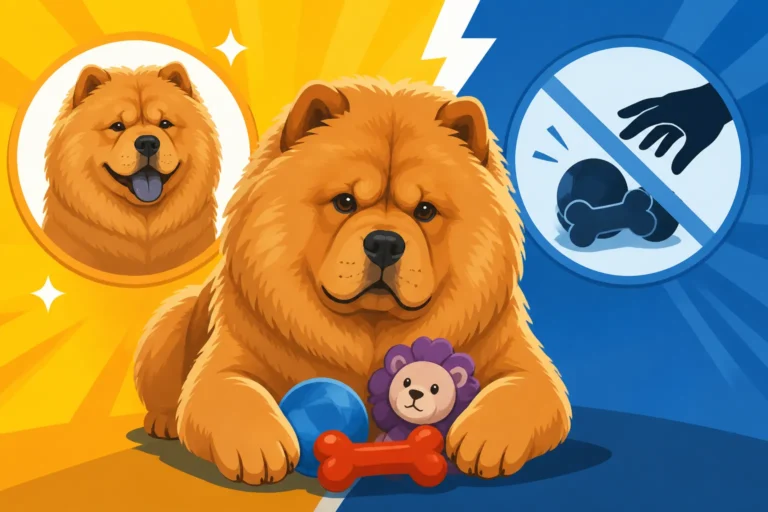
Secondly, establish clear communication rules for everyone in the household. Teach children (and remind adults) to always announce their presence verbally before approaching a Chow Chow, especially if the dog is sleeping or facing away. A simple "Hey, Chow!" or "Coming through!" can give your dog the vital seconds they need to orient themselves and avoid being startled. Avoid reaching over their heads, which can be perceived as threatening. Instead, approach from the front, offer an open hand (palm up, fingers curled in), and let them sniff you before any petting. If they seem wary or disengaged, respect that and give them space. Never approach a Chow Chow while they are eating or chewing a high-value item, as this can trigger resource guarding in any dog, compounded by the startle reflex. Discussing What a Chow Chow Guards and Why can provide additional context.
Leash Walking and Public Safety
Taking your Chow Chow out into the world, whether for a walk around the neighborhood or a visit to a park, requires heightened awareness and proactive strategies to ensure both your dog's safety and the safety of others. Public spaces are full of unpredictable elements that can easily overwhelm a Chow Chow.
Always keep your Chow Chow on a leash, and preferably a shorter one, giving you better control and allowing you to anticipate potential interactions. A well-fitting harness, rather than just a collar, can also provide better control and reduce pressure on their neck if they suddenly pull or react. When walking, constantly scan your surroundings. Be vigilant for approaching people, children, other dogs, or anything that could suddenly appear in your Chow's blind spots. If you see someone approaching, especially from behind or the side, be prepared to step between your dog and the person, or gently guide your dog to a position where they can clearly see the person. This allows your Chow to process the situation on their own terms, rather than being surprised.
It's also essential to be an advocate for your Chow Chow. Many people are drawn to their unique appearance and may rush to pet them without asking. Be firm but polite in setting boundaries. You might say, "Please don't approach from behind; he can't see you there," or "My dog is friendly but prefers to greet slowly, from the front." If your Chow is particularly reactive to strangers or easily startled, consider using a brightly colored vest or bandana that says "Give Me Space" or "Do Not Pet." These visual cues, easily found on platforms like Amazon, can be incredibly effective in communicating your dog's needs to the public without you having to constantly intervene. Remember, the goal is to prevent surprises, which in turn prevents reactive snaps. You can also explore How to Introduce a Chow Chow to a Stranger for more detailed guidance on safe introductions.
Training for Awareness and Gentle Handling
While managing their environment is crucial, actively training your Chow Chow to better tolerate unexpected touches and approaches is equally important. This involves patient, positive reinforcement techniques that help them build confidence and trust, even when their senses might be momentarily overwhelmed.
Conditioning to Touch
Teaching your Chow Chow to comfortably accept being touched from various angles, especially those that typically lead to a startle, is a gradual but rewarding process. The key is to make every touch a positive and predictable experience.
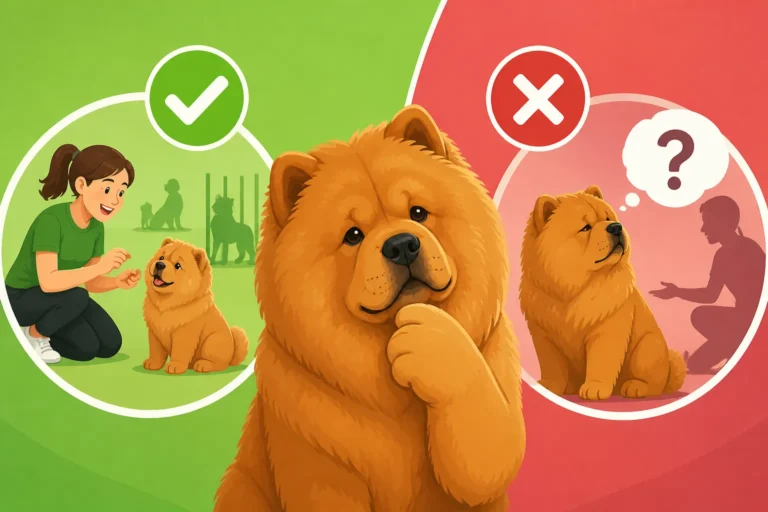
Start with very gentle, slow, and visible touches when your Chow Chow is already calm and aware of your presence. Begin by scratching their chest or under their chin, areas they usually enjoy. As you do this, offer high-value treats and praise generously. The goal is to create a strong positive association: human touch equals good things. Once they are consistently comfortable with frontal touches, you can slowly begin to introduce touches from the side, but always ensure they see your hand coming. Narrate your actions: "Good boy, here's a pet," before you touch them. Gradually, you can work towards brief, gentle touches from slightly further back, always ensuring they are aware, calm, and receiving rewards. Never force an interaction or push past their comfort zone. If they show any Signs a Chow Chow Is Uncomfortable, retreat immediately and try again later with a less intrusive approach.
Desensitization exercises are vital here. For instance, if your Chow typically startles when you approach their rear, practice walking past them repeatedly without touching, tossing a treat as you go by. Then, progress to walking by and very briefly touching their flank while immediately offering a treat, always making sure they are aware of your approach. The goal is to systematically reduce their alarm response to touch from areas they find surprising. This meticulous process helps them understand that a touch from these "blind spots" isn't a threat. This kind of consistent, positive conditioning extends to all aspects of handling, including grooming. For example, learning Teaching a Chow Chow to Be Brushed and Teaching a Chow Chow to Have Its Feet Handled will give you valuable insights into making handling a positive experience.
Teaching a "Watch Me" or "Look" Cue
A reliable "watch me" or "look" cue is an invaluable tool for any dog owner, but it's especially critical for a Chow Chow prone to being startled. This cue teaches your dog to immediately shift their focus to you, allowing you to redirect their attention before a potentially startling situation escalates.
To teach "watch me," start in a quiet environment with minimal distractions. Hold a high-value treat close to your eye level, slightly to the side of your nose. When your Chow Chow makes eye contact with you, even for a split second, immediately say "Yes!" or click a clicker, and give them the treat. Repeat this many times in short, engaging sessions. As they become consistent, add the verbal cue "Watch me!" just before they look at you. Gradually increase the duration of eye contact before rewarding. Once mastered, practice in different environments with increasing distractions. The key is to make "watch me" such a deeply ingrained, positive habit that it becomes their go-to response when they're unsure or potentially startled.
You can then use this cue proactively. If you see someone or something approaching that might surprise your Chow, use your "watch me" cue. This redirects their attention to you, allows you to verbally reassure them, and prevents them from being caught off guard. It gives you precious seconds to manage the situation, whether by moving them away, asking the approaching person to stop, or simply giving your Chow a moment to register what's happening calmly. Training resources from platforms like BAXTER & Bella can offer structured courses and guidance on teaching cues like "watch me" effectively, providing step-by-step instructions and support that can be particularly helpful for Chow Chow owners. This cue empowers both you and your dog, turning potential surprises into manageable moments of focus and trust.
The Importance of Early and Ongoing Socialization
When it comes to preventing startle-induced snaps, socialization is not just a puppy phase; it's a lifelong commitment. For a Chow Chow, whose natural inclinations can be reserved and wary, carefully managed socialization is critical to help them navigate a human-centric world without constantly feeling overwhelmed or threatened.
Broadening Their World Safely
Early socialization for a Chow Chow puppy is arguably one of the most important factors in shaping their future behavior. The window of opportunity for positive socialization is brief and closes quickly, making the experiences a puppy has during these formative weeks profoundly impactful. You can explore The Weeks That Matter Most for a Chow Chow Puppy for a detailed understanding of this critical period.
Socialization for a Chow Chow is not about forcing them into interactions or overwhelming them with novelty. Instead, it’s about controlled, positive exposure to a wide variety of sights, sounds, people, and environments. Think of it as building a mental library of "safe" experiences. Introduce your puppy to different types of people – men, women, children, people in hats, people with glasses, people with different gaits – but always from a safe distance initially. Reward calm observation. Allow them to approach on their own terms, never pushing them into an interaction they're uncomfortable with. The goal is for them to learn that these varied elements of the world are normal, not threatening. For a Chow Chow, quality of exposure far outweighs quantity. A few short, positive exposures are much more beneficial than a single, overwhelming experience that could traumatize them and set back their progress. Remember to focus on positive reinforcement during these exposures, making sure every new encounter ends with a good feeling, usually involving high-value treats. Learning How Many People a Chow Chow Puppy Should Meet can give you practical numbers and advice on this crucial step.
Crucially, this early socialization should be implemented even before your puppy has completed all their vaccinations, with appropriate caution. Carrying your puppy in a sling or specialized backpack (available on Amazon) allows them to observe the world from a safe, elevated position without being directly exposed to potential health risks on the ground. This "puppy tourism" can expose them to busy streets, skateboards, loud trucks, and various people, all while feeling secure and associating these new experiences with positive emotions, preparing them for a life where such things won't automatically trigger a defensive snap. How to Socialize a Chow Chow Before Vaccinations Finish offers excellent strategies for safe exposure.
Continued Positive Experiences
The belief that socialization ends once a dog is past puppyhood is a dangerous misconception, especially for a Chow Chow. Socialization is an ongoing process that needs to be maintained throughout their entire lives to prevent behavioral regression and ensure they remain well-adjusted.
Even a well-socialized Chow Chow puppy can become more wary or reactive as they mature if their positive exposures cease. Just like humans, dogs can get rusty if they don't practice their social skills. Regularly (but thoughtfully) expose your adult Chow Chow to new, controlled situations. This doesn't mean dog parks or crowded events, which can be overwhelming for many Chows and lead to negative experiences. Instead, focus on quiet walks in different neighborhoods, visits to pet-friendly stores during off-peak hours, or meeting new people one-on-one in a controlled setting. Always prioritize your dog's comfort and emotional well-being over forcing an interaction.
During these ongoing exposures, continuously practice reading your Chow's body language. Pay close attention to subtle signals that indicate they are becoming stressed or uncomfortable, such as lip licking, yawning, stiffening, averting their gaze, or a sudden shift in weight. If you notice any of these Signs a Chow Chow Is Uncomfortable, it's your cue to create distance or end the interaction before your Chow feels compelled to snap. The goal is to empower your dog to feel safe and confident in new situations, rather than constantly on edge. Continued positive reinforcement, using treats and praise for calm behavior in novel environments, reinforces the idea that the world is a generally safe and positive place. Remember, every positive experience builds confidence, and every negative experience can set you back. Consistency and patience are key to helping your Chow Chow develop a resilient and trusting outlook on their environment.
When Professional Help Becomes Essential
While proactive management and consistent training can go a long way in addressing a Chow Chow's startling and snapping tendencies, there are times when professional intervention becomes not just helpful, but absolutely necessary. Recognizing these moments is crucial for both your safety and the well-being of your dog.
Recognizing Escalating Behavior
It's important to differentiate between a purely startle-based snap and behavior that is escalating into true aggression. A startle snap is typically a reflex, a quick defensive action without much premeditation, often accompanied by a startled jump or yelp from the dog itself. However, if these snaps become more frequent, more intense, or start to occur even when the dog is aware of your presence, it's a sign that the behavior is deepening and becoming more concerning.
Look for patterns: Is the snapping limited to only when they are asleep or visually obstructed, or is it happening during conscious interactions? Are there growls, teeth baring, or lunging before the snap, rather than it being a sudden reaction? Any bite that breaks the skin, even if you believe it was "just a warning," is a serious incident that warrants immediate professional evaluation. If your Chow Chow is consistently exhibiting behaviors like stiffening, direct staring, refusal to move, guarding resources with increased intensity, or biting without what appears to be any provocation, you are dealing with more than just a startle reflex. These are red flags indicating a deeper behavioral issue that needs expert guidance. Ignoring these signs can lead to more serious injuries and a breakdown of the bond between you and your dog. It's a heavy burden to bear as an owner, but recognizing these signals early can prevent a much larger problem down the line.
Consulting a Veterinary Behaviorist or Certified Professional
When you observe escalating behavior, or if you simply feel overwhelmed and unsure how to safely manage your Chow Chow's startle reactions, it is time to seek professional help. This is not a sign of failure on your part, but rather a responsible and proactive step towards ensuring everyone's safety and improving your dog's quality of life.
The ideal professional for these types of complex behavioral issues is a veterinary behaviorist or a certified professional dog trainer (CPDT-KA, CDBC) who specializes in fear-based aggression and reactivity. A veterinary behaviorist is a veterinarian with advanced training in animal behavior, who can assess if there are any underlying medical conditions contributing to the behavior (such as pain, thyroid issues, or neurological problems) and can prescribe medication if necessary to help manage anxiety or reactivity. They can also provide a comprehensive behavior modification plan. A certified professional dog trainer, particularly one with specific experience with Chows or similar guarding breeds, can help you implement practical training and management strategies. When choosing a trainer, always look for someone who uses positive reinforcement methods and understands the nuances of the Chow Chow breed; avoid anyone who suggests harsh corrections or punitive techniques, as these can severely damage your Chow's trust and escalate fearful behaviors.
These professionals can observe your Chow Chow's behavior in context, identify specific triggers, and develop a tailored plan that addresses your dog's individual needs. This plan might include advanced desensitization and counter-conditioning protocols, specific exercises to build confidence, and detailed management strategies for your home and public outings. They can also offer guidance on specific training applications, like advanced clicker training or managing difficult scenarios such as Teaching a Chow Chow to Stand for an Exam. Some online training platforms, such as BAXTER & Bella, offer extensive resources and even virtual coaching that can be invaluable for owners looking for structured guidance and support from qualified trainers, especially if local resources are scarce or if you need help with foundational obedience work. Investing in professional help is an investment in a safer, happier future for both you and your Chow Chow.
| Factor | Chow Chow Tendency | Typical Dog Tendency | Impact on Startle Snapping |
|---|---|---|---|
| Eye Placement | Deep-set eyes, restricted peripheral vision | Wider field of vision, better peripheral awareness | High risk of not seeing approaches from side/rear |
| Ruff/Coat | Dense, thick ruff further obscures side vision | Varies, less obstruction for most breeds | Creates additional blind spots, heightens surprise |
| Temperament | Independent, often aloof, reserved | Often more socially vigilant, people-focused | Less likely to constantly monitor surroundings for people |
| Warning Signals | Subtle, often masked by facial structure/tail carriage | More overt and escalating (growl, lip curl, tucked tail) | Snaps can seem "out of nowhere" due to lack of precursors |
| Reaction to Surprise | Instinctive spin and snap due to perceived threat | May jump, bark, or flee; less likely to snap immediately | Higher likelihood of defensive, reactive snap |
| Need for Predictability | Thrives on routine and clear boundaries | More adaptable to varied interactions | Easily unsettled by sudden, unannounced intrusions |
Disclaimer
This article is for general informational purposes only and does not constitute professional advice. Laws, prices and regulations vary by location and change over time. Consult a qualified professional for guidance on your specific situation.