Whether Both Chow Chow Coats Appear in One Litter
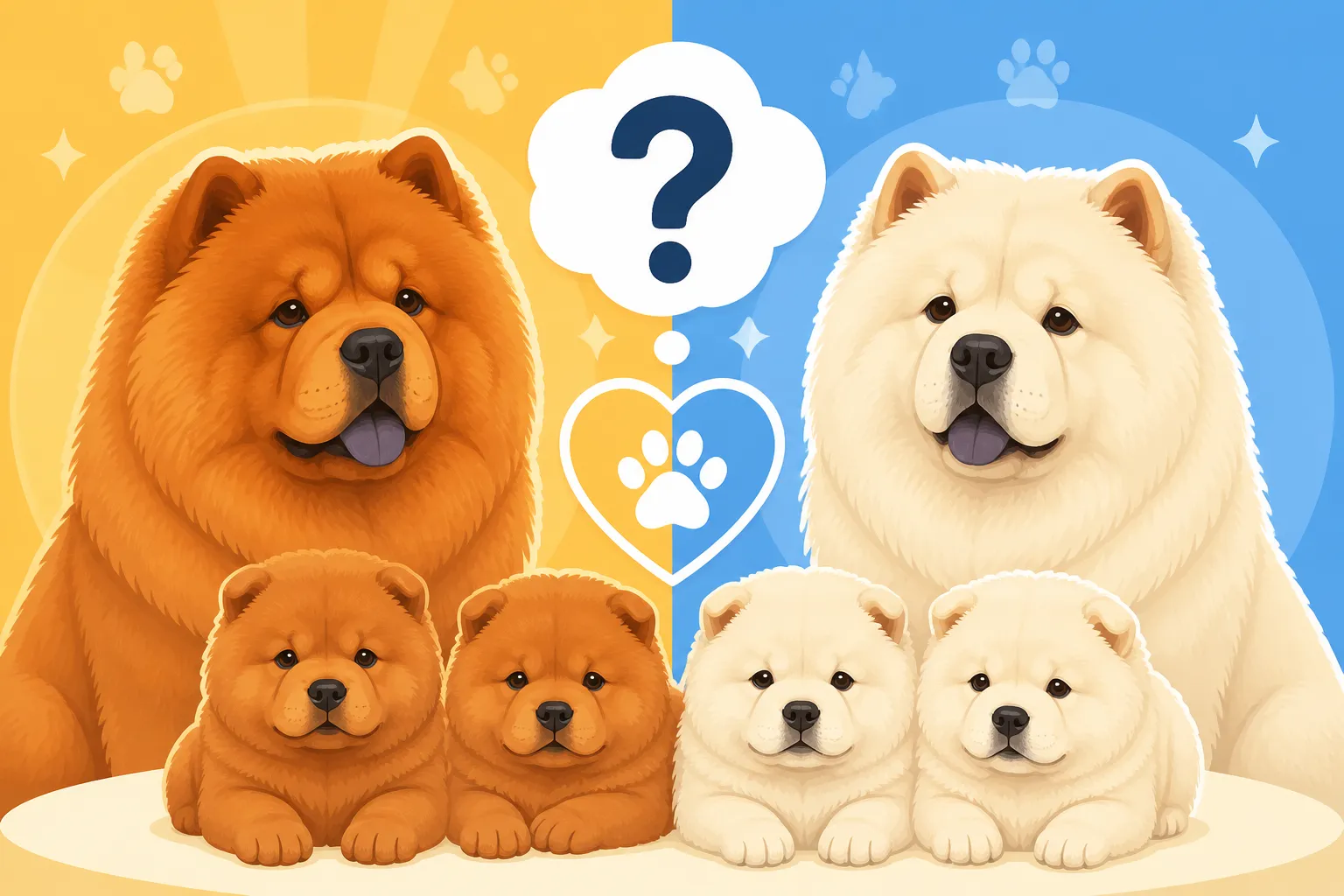
It’s a common moment of surprise for new Chow Chow owners, or even experienced enthusiasts, to look at a litter of fuzzy puppies and wonder if all those tiny bundles will grow up to have the same magnificent coat. The truth is, while we often picture a Chow Chow with that iconic lion-like mane, a single litter can indeed produce puppies with two very distinct coat types. This guide will walk you through the fascinating genetics behind Chow Chow coats and explain why you might see both rough and smooth puppies nestled together.
Understanding the Two Chow Chow Coat Types
When you picture a Chow Chow, you likely envision a regal, fluffy dog with a dense mane and luxurious feathering. This is the quintessential "rough" coat. However, the breed standard also recognizes a "smooth" coat, which is equally charming but visually quite different. Understanding both types is key to appreciating the diversity within the breed and how they can both emerge from the same parents.
The Rough Coat: The Classic Lion's Mane
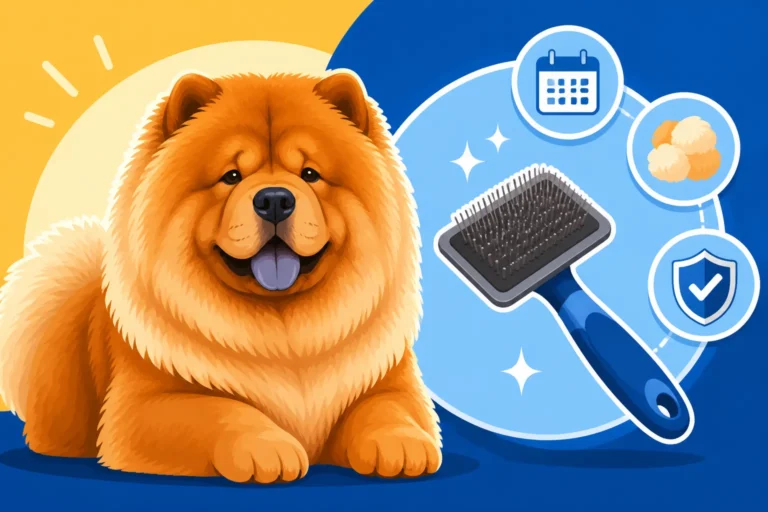
The rough coat is what most people associate with the Chow Chow. It's characterized by an abundant, dense outer coat that stands off the body, a soft, woolly undercoat, and significant feathering on the legs and tail. The most distinctive feature is the prominent ruff or mane around the head and neck, which gives the rough-coated Chow Chow its lion-like appearance. This coat type requires dedicated grooming to prevent matting and maintain its health.
Imagine trying to brush through a cloud – that's often what a rough-coated Chow Chow feels like! The longer guard hairs protect the dog from elements, while the thick undercoat provides insulation. This combination creates a striking silhouette but also means that dirt, debris, and moisture can easily get trapped close to the skin. Owners of rough-coated Chows often find themselves investing in special tools, like undercoat rakes and high-velocity dryers, to manage the shedding and ensure the coat remains healthy. Rough or Smooth: the Two Chow Chow Coats and What Each Needs delves deeper into the specific needs of each.
The Smooth Coat: Shorter but Still Dense
Often a surprise to those unfamiliar with the breed, the smooth coat is considerably shorter than the rough coat but retains the breed's hallmark density and double-coat structure. A smooth-coated Chow Chow lacks the extensive ruff, feathering, and pantaloons of its rough-coated siblings. The coat lies flatter against the body, giving these Chows a sleeker, more compact appearance. Despite the shorter length, the smooth coat still possesses a thick undercoat, meaning it provides similar insulation and also sheds.
While some might assume a smooth coat is "easier" to maintain, it still demands regular attention. The dense undercoat means smooth Chows aren't immune to shedding or needing thorough drying after a bath. They might not mat as easily as a rough-coated Chow, but neglected smooth coats can still develop skin issues or lose their healthy sheen. Many owners appreciate the slightly reduced grooming time, but it's a mistake to think a smooth Chow is a low-maintenance dog when it comes to coat care. Both varieties are beautiful and uniquely Chow. What a Chow Chow's Double Coat Is Made Of explains the structure that both coat types share.
The Genetics Behind Chow Chow Coats
Understanding why a litter can contain both rough and smooth coats boils down to basic genetics. Dog coat length is primarily determined by a gene, and in the case of the Chow Chow, it follows a simple dominant/recessive inheritance pattern. This genetic lottery is what creates the wonderful variety we see even within the same family of puppies.
Dominant and Recessive Genes at Play
The rough coat in Chow Chows is determined by a dominant gene, while the smooth coat is determined by a recessive gene. Let's think of it in simple terms:
- R represents the dominant gene for a rough coat.
- r represents the recessive gene for a smooth coat.
A Chow Chow will have two copies of this gene, one inherited from each parent. Here are the possibilities:
- RR: This dog is genetically rough-coated and can only pass on the rough gene (R) to its offspring. It will always have a rough coat.
- Rr: This dog is also genetically rough-coated because the dominant R gene overrides the recessive r gene. However, it carries the gene for a smooth coat. This dog will have a rough coat but can pass on either the R or the r gene to its puppies.
- rr: This dog is genetically smooth-coated. It will have a smooth coat and can only pass on the smooth gene (r) to its offspring.
This is the fundamental principle that explains how different coat types can appear in the same litter. If you're wondering How a Rough Chow Chow Differs From a Smooth, the genetic makeup is the core answer.
Predicting Coat Types in a Litter
Now, let's look at how these gene combinations play out when two Chow Chows are bred. The parents' genetic makeup determines the probability of what coat types their puppies will have.
Here's a breakdown of the possible pairings and their outcomes:
| Parent 1 Genetic Code | Parent 2 Genetic Code | Parent 1 Phenotype (Appearance) | Parent 2 Phenotype (Appearance) | Possible Puppy Genetic Codes | Puppy Phenotypes (Appearance) | Chance of Smooth Puppy |
|---|---|---|---|---|---|---|
| RR | RR | Rough | Rough | RR | Rough | 0% |
| RR | Rr | Rough | Rough (Carries Smooth) | RR, Rr | Rough | 0% |
| Rr | Rr | Rough (Carries Smooth) | Rough (Carries Smooth) | RR, Rr, rr | Rough, Smooth | 25% |
| RR | rr | Rough | Smooth | Rr | Rough | 0% |
| Rr | rr | Rough (Carries Smooth) | Smooth | Rr, rr | Rough, Smooth | 50% |
| rr | rr | Smooth | Smooth | rr | Smooth | 100% |
As you can see from the table, the most common scenario for both coats appearing in one litter is when both parents are rough-coated but carry the recessive gene for the smooth coat (Rr x Rr). In this pairing, there's a 25% chance that any given puppy will inherit two copies of the recessive gene (rr) and thus be born with a smooth coat.
Why Both Coats Can Appear in One Litter
The presence of both rough and smooth coats within a single litter is a beautiful illustration of recessive genetics at work. It's a key point of interest for breeders and prospective owners alike, highlighting the hidden genetic traits that might not be immediately visible in the parents.
When Rough Parents Produce Smooth Puppies
This is often the scenario that surprises people the most. You see two magnificent, fluffy, rough-coated Chow Chows, and then their litter includes one or more sleek, smooth-coated puppies. How can this be? It's simple: both rough-coated parents must be carriers of the recessive smooth gene (Rr).
When two Rr Chows are bred, each parent has an equal chance of passing on either their dominant 'R' gene or their recessive 'r' gene to their offspring.
- If a puppy gets an 'R' from both parents (RR), it's rough.
- If a puppy gets an 'R' from one and an 'r' from the other (Rr), it's also rough (because 'R' is dominant).
- But if a puppy gets an 'r' from both parents (rr), then it will have a smooth coat!
This phenomenon means that even if a breeder consistently breeds rough-coated Chows, if those Chows carry the smooth gene, smooth puppies can (and often do) pop up in litters. It’s not an error in breeding or a sign of impurity; it’s just how the genetics work. For breeders dedicated to producing only one coat type, genetic testing is crucial to ensure they don't carry the "hidden" recessive gene. Whether a Smooth Chow Chow Still Has an Undercoat discusses that even these 'surprising' smooth pups still retain that signature Chow density.
Implications for Breeders and Buyers
For breeders, understanding coat genetics is paramount. Reputable breeders will be aware of their breeding dogs' genetic makeup for coat length. Many breeders now utilize DNA tests to determine if a rough-coated Chow Chow carries the smooth gene. This allows them to make informed decisions about pairings, either to produce both coat types intentionally or to avoid producing smooth coats if their focus is solely on rough.
For prospective buyers, this information is also valuable. If you're set on a rough-coated Chow Chow, it's good to know that even from rough-coated parents, a smooth might appear, and vice-versa if you prefer the smooth. It also means that a smooth-coated puppy from a reputable breeder is just as purebred as its rough-coated siblings; it simply inherited a different genetic combination. Don't be fooled by anyone claiming a smooth Chow isn't a "real" Chow Chow. Both types are recognized and celebrated within the breed standard. When considering a puppy, ask the breeder about the parent's coat genetics. It's also worth noting that Whether a Chow Chow Puppy's Coat Type Is Obvious early on can sometimes be tricky for the untrained eye, so genetic knowledge from the breeder is extra helpful.
Caring for Both Coat Types from Puppyhood
Regardless of whether your Chow Chow puppy ends up with a rough or smooth coat, both types require consistent care and grooming from an early age. Establishing good habits when they're young makes life much easier for both you and your Chow Chow as they grow.
Early Grooming Foundation
It’s tempting to think that a smooth-coated Chow Chow will require significantly less grooming than a rough one, and while there’s some truth to that, both need a solid foundation. Introduce your Chow Chow puppy to brushing, handling, and bathing routines as early as possible. Even smooth coats benefit from regular brushing to remove loose hair and stimulate the skin. For rough coats, this early introduction is non-negotiable; their magnificent ruff and feathering will begin to develop quickly, and without early positive experiences, grooming can become a battle.
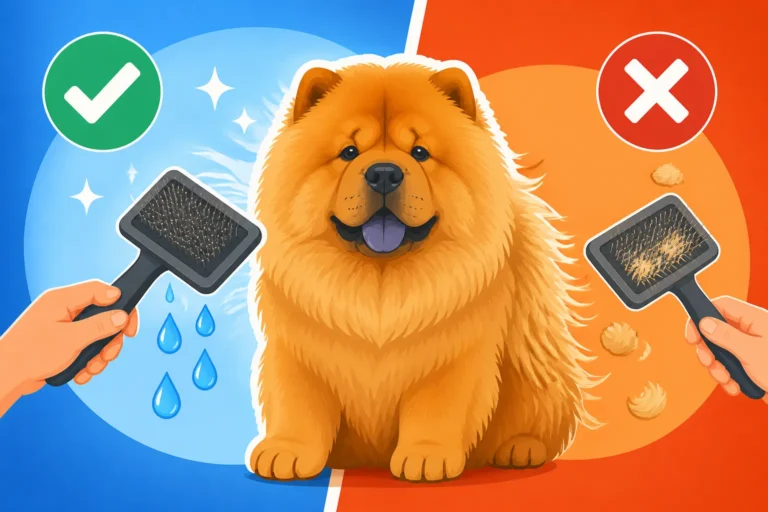
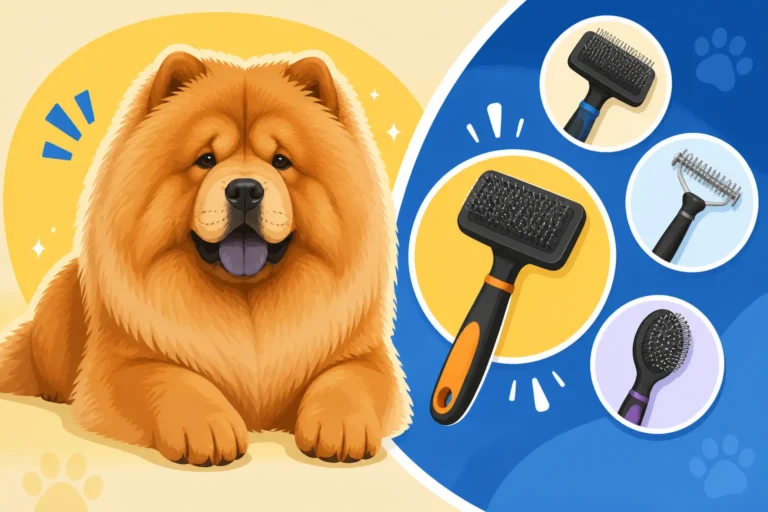
Start with short, positive grooming sessions. Use soft brushes and positive reinforcement, making it a pleasant experience rather than a chore. Familiarize them with the sound of a dryer (even if it's just a regular hairdryer on a cool setting at first) and getting their paws and face handled. Companies like Chewy offer a wide range of grooming tools specifically designed for dense coats, from slicker brushes to undercoat rakes that are essential for preventing mats. By making grooming a part of their routine from day one, you're setting them up for a lifetime of comfortable, stress-free care. How Often a Rough Coated Chow Chow Needs Brushing and How Often a Smooth Coated Chow Chow Needs Brushing both highlight the importance of consistency.
Managing Shedding and Climate
Both rough and smooth Chow Chows are double-coated breeds, which means they will shed, and they shed a lot, especially during their bi-annual "coat blows." During these periods, they shed their entire undercoat to prepare for the changing seasons. This is a time when your vacuum cleaner will earn its keep! Regular, thorough brushing becomes even more critical during these times to help remove the dead hair and prevent mats.
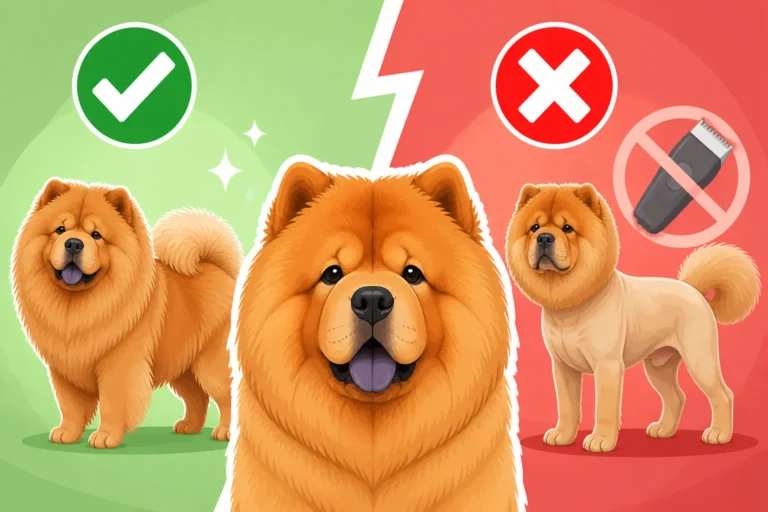
Beyond shedding, the dense double coat of both types means Chow Chows are particularly susceptible to overheating, especially in warmer climates or during summer months. Their coat acts as insulation, which is fantastic in cold weather but can be a danger when temperatures rise. Always ensure your Chow has access to plenty of fresh water and shade, and limit exercise during the hottest parts of the day. A cooling mat or a kiddie pool can be a lifesaver. Never, ever shave your Chow Chow in an attempt to cool them down; this can damage their coat and make them less able to regulate their temperature. Why a Chow Chow Must Never Be Shaved explains this in detail. For nutrition, brands like Ollie offer fresh, balanced meals that can contribute to overall coat health and manage weight, which is also important for comfortable living in heat. During warmer months, you'll find Getting a Chow Chow Through an American Summer is a crucial read for keeping your furry friend safe and happy.
Long-Term Coat Care and Health Considerations
Caring for a Chow Chow's coat, regardless of type, is a lifelong commitment. It's not just about aesthetics; a healthy coat is a sign of a healthy dog and plays a vital role in their overall well-being. Understanding the long-term needs and potential challenges will ensure your Chow Chow remains comfortable and happy.
Preventing Mats and Skin Issues
For both coat types, especially the rough, matting is a constant battle. Mats form when shed hair gets tangled with the living coat and can be incredibly painful, pulling on the skin and even leading to infections underneath. Regular line brushing down to the skin is essential. You'll need an undercoat rake and a slicker brush, perhaps even a de-matting tool for those stubborn tangles behind the ears or in the "britches" (the feathering on their rear legs). Even smooth coats can develop mats in high-friction areas or if grooming is neglected.
Beyond mats, the Chow Chow's dense coat can hide various skin issues, such as hot spots, allergies, or even more serious autoimmune conditions. This is another reason why routine grooming is so important – it gives you the opportunity to inspect their skin regularly for any redness, irritation, lumps, or unusual smells. Early detection of any skin problems can prevent them from becoming severe. If you notice persistent itching, flaky skin, or hair loss, a vet visit is always warranted. Using high-quality shampoos and conditioners, such as those available on Amazon, designed for sensitive skin or dense coats can also help maintain skin health.
The Seasonal Coat Blow and Its Management
As mentioned, Chow Chows experience significant seasonal shedding, known as a "coat blow," typically twice a year in spring and fall. During a coat blow, they shed a massive amount of their undercoat, often in clumps. It can feel like your dog is exploding! While it's a natural process, it requires intensive management. Daily, thorough brushing with an undercoat rake and slicker brush is necessary to help remove the dead hair quickly.
A high-velocity dryer can be a Chow Chow owner's best friend during a coat blow, as it helps blast out loose undercoat and significantly reduces the amount of hair floating around your home. If you're not comfortable doing this yourself, professional grooming appointments specifically for de-shedding can be incredibly helpful. Ignoring a coat blow will lead to severe matting, discomfort for your dog, and an endless flurry of hair in your house. Be prepared for this cyclical event, and your Chow (and your vacuum cleaner!) will thank you. Which Chow Chow Coat Is Easier to Keep often comes up during these periods!
Nutrition and Coat Health
A healthy, lustrous coat is often a reflection of a healthy diet. Feeding your Chow Chow a high-quality, balanced diet rich in essential fatty acids (like Omega-3 and Omega-6) is crucial for skin and coat health. These nutrients contribute to a shiny coat, help reduce dryness and flakiness, and can even support the immune system, which in turn benefits skin health. Look for dog foods where real meat is the first ingredient and that contain appropriate levels of fat and protein.
Supplements, such as fish oil, can also be beneficial for coat health, but always consult with your veterinarian before adding any supplements to your dog's diet. While a good diet won't change their coat type or stop them from shedding, it will ensure that the coat they do have is as healthy and manageable as possible. A healthy diet also supports joint health, which is particularly important for a breed like the Chow Chow, which can be prone to conditions like Elbow Dysplasia Ranks the Chow Chow Near the Top. This holistic approach to care contributes to a long, healthy life for your unique Chow Chow, no matter its coat type.
Disclaimer
This article is for general informational purposes only and does not constitute professional advice. Laws, prices and regulations vary by location and change over time. Consult a qualified professional for guidance on your specific situation.