When Queen Victoria Got a Chow Chow
It’s a common misconception that certain dog breeds have always been popular, but the truth is, many beloved companions had quite a journey to get to where they are today. For us Chow Chow enthusiasts, understanding the breed's rise to prominence in the Western world often leads us to wonder about its royal connections. Pinpointing the exact moment the majestic Chow Chow captured the attention of British royalty, specifically Queen Victoria, helps us truly grasp how this ancient breed transitioned from an exotic curiosity to a coveted canine companion. This guide will explore the fascinating story of how the Chow Chow made its way into Queen Victoria’s life and, in doing so, became an icon of Victorian high society, forever changing its status.
The Journey of the Chow Chow to British Shores
Before the Chow Chow could ever grace royal kennels, it had to make the monumental journey from its homeland in China to the distant shores of Great Britain. This wasn't a quick or easy trip, and the dogs that arrived were often viewed with a mix of wonder, suspicion, and even a touch of fear due to their unique appearance and reserved nature. Their initial presence in England was a far cry from the celebrated status they would later achieve.
Early Sightings and Exotic Appeal
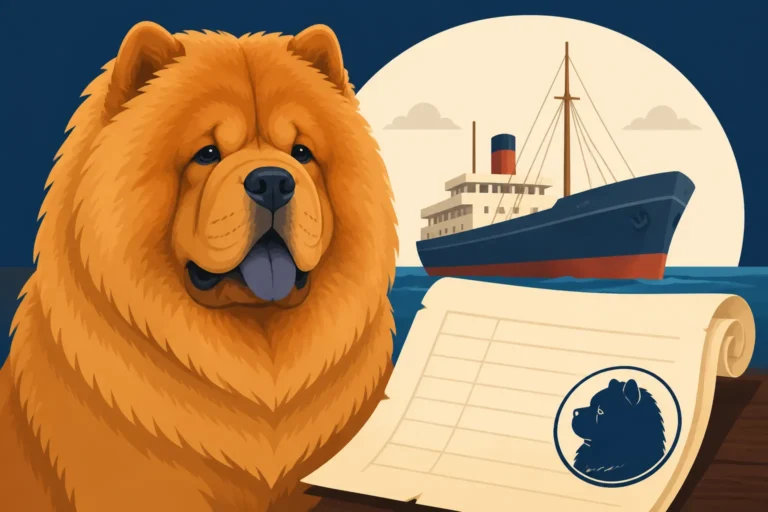
The very first Chow Chows to arrive in England were likely aboard trading ships, often listed simply as "chow-chow" in the cargo manifests – a general term for various curiosities and goods from the East. These weren't pets in the modern sense but rather exotic specimens, a testament to global exploration and trade. They would have caused quite a stir, with their lion-like manes, deep-set eyes, and distinctive blue-black tongues, unlike any dog most Europeans had ever seen. Imagine the whispers and stares as these unique canines disembarked after a long voyage, a living, breathing enigma from a faraway land. Early accounts might mention a few individuals owning them as novelties, perhaps sailors or merchants with a taste for the unusual, but they certainly weren't widespread. These initial arrivals paved the way, slowly introducing the breed to a curious public.
Initial Public Perception
For many years, the Chow Chow remained largely unknown to the general British public, occasionally appearing in exhibitions or as curiosities in zoos rather than as household pets. People didn't quite know what to make of them; their aloof demeanor, coupled with their imposing presence, didn't fit neatly into the mold of typical European dog breeds. In fact, some of the earliest recorded Chows in England were indeed displayed at the London Zoo in the 1860s, further cementing their status as exotic wildlife rather than domestic animals. Whether the London Zoo Displayed Chow Chows is an interesting detail that highlights this initial public perception. They were seen as something wild and untamed, mysterious and perhaps a little intimidating, rather than the loyal, if independent, companions we know today. This period was crucial, however, as it laid the groundwork for public recognition, even if that recognition was initially tinged with a sense of novelty.
Queen Victoria's Enduring Fascination with Dogs
Queen Victoria, whose reign spanned much of the 19th century, was renowned for her deep and abiding love for animals, especially dogs. This wasn't just a fleeting interest; her affection for her canine companions was a well-documented aspect of her personal life, offering a glimpse into the more private side of the formidable monarch. Her appreciation for dogs of various breeds created a fertile ground for the Chow Chow's eventual acceptance into royal circles.
A Lifelong Love for Canines
From childhood, Queen Victoria found solace and joy in the company of dogs. Her diary entries are full of affectionate references to her pets, detailing their antics, illnesses, and the comfort they provided. Her first beloved dog, a King Charles Spaniel named Dash, was a constant companion during her formative years. This wasn't merely a passing fancy; her attachment to Dash and successive dogs showed a genuine, profound connection that many modern pet owners can instantly relate to. She understood the unique bond between humans and dogs, valuing their loyalty and unconditional affection. This personal connection meant that when new breeds arrived in England, they weren't just seen as novelties to her, but as potential additions to her cherished animal family. She had a genuine interest in all kinds of dogs, from the smallest to the most imposing.
Her Private Kennels and Diverse Breeds
Queen Victoria maintained extensive private kennels, home to an impressive array of breeds from across the globe. She was a true dog fancier, and her collection reflected a keen interest in canine diversity and character. Among her many pets were Skye Terriers, Pomeranians (which she famously popularized), Dachshunds, Collies, and many others. Each dog had its own personality, and the Queen took a personal interest in their well-being, often visiting them herself. This royal endorsement acted as a powerful trendsetter. If the Queen owned a particular breed, it often instantly shot up in popularity among the upper echelons of society. Her willingness to embrace new, often exotic, breeds made it entirely plausible that a dog as distinctive as the Chow Chow would eventually catch her discerning eye. Her kennels were not just a collection; they were a testament to her deep appreciation for canine companionship, a sentiment shared by many pet lovers who carefully select what they feed their furry friends, perhaps even opting for specialized diets readily available from places like Chewy.
The Specifics of Queen Victoria's Chow Chow
The moment Queen Victoria acquired a Chow Chow marked a pivotal point for the breed in the Western world. It transformed the Chow from a mere curiosity to an animal of distinction, associated with the highest echelons of British society. While the exact date can sometimes be a little fuzzy in historical records, the impact of her ownership is undeniable.
The Acquisition of Her Beloved Chow
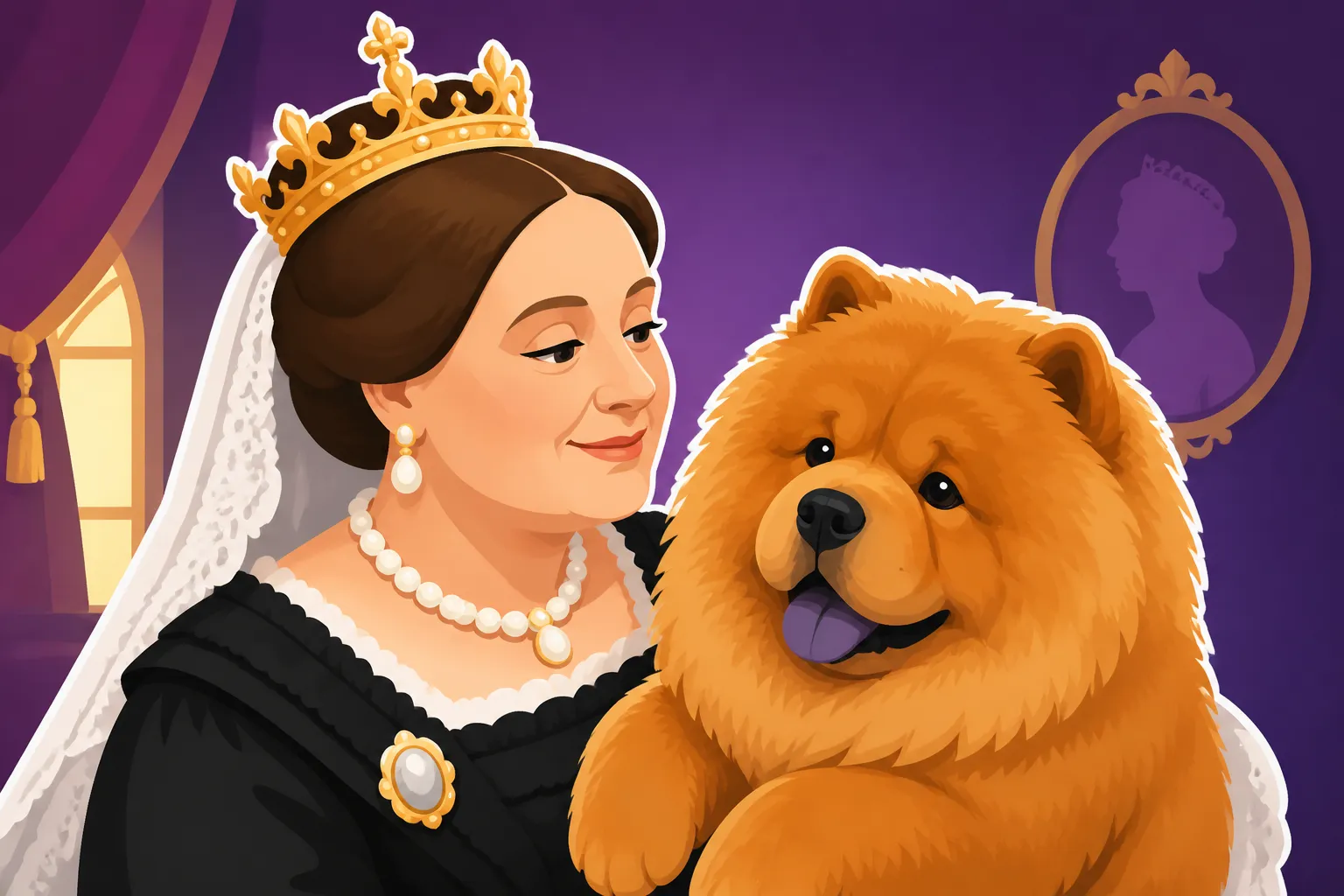
Queen Victoria reportedly acquired her first Chow Chow in the late 1800s, specifically around 1890 or shortly thereafter. This wasn't a sudden whim but rather the culmination of the breed's gradual introduction and increasing visibility in England. By this time, the Chow Chow had made appearances at dog shows and garnered attention among a niche group of enthusiasts. The Queen, always interested in new and unique breeds, would have undoubtedly heard of these "lion dogs" from China. It's believed that she was gifted or acquired a Chow Chow puppy, which she brought into her extensive kennels. The novelty of such an ancient and exotic breed appealed to her, fitting perfectly with her diverse collection of canine companions. What Queen Victoria's Chow Chow Was Called is often cited as a simple, perhaps generic, "Chow Chow," indicating that the name itself was still strongly tied to its exotic origins rather than a specific individual identity in the royal context.
"Chow-Chow": A Name of Mystery
It’s fascinating to consider that the very name "Chow Chow" itself emerged from the maritime trading slang of the 18th century. When these dogs first arrived on European ships, they were often part of a general cargo of miscellaneous goods from the Far East, lumped under the generic term "chow-chow." This phrase simply meant "mixed goods" or "curiosities," and it stuck to the breed. So, when Queen Victoria acquired her dog, she was adopting a pet whose very name was a nod to its exotic, faraway origins. This wasn't a breed with a long-established European name, but rather one whose identity was inextricably linked to its journey across continents. The name "Chow Chow" carried with it an air of the mysterious East, aligning perfectly with the Victorian era's fascination with exploration and discovery. The historical records of How the Chow Chow Got an English Name From a Ship's Manifest shed more light on this linguistic quirk.
Daily Life with a Royal Chow
While details of the day-to-day life of Queen Victoria's specific Chow Chow aren't as exhaustively documented as, say, her beloved Dash, we can certainly imagine the pampered existence it would have enjoyed. A royal dog would have lived in spacious, well-maintained kennels, attended by dedicated staff. It would have received the finest food, veterinary care, and grooming, much like any royal pet. Given the Chow Chow's naturally reserved and independent temperament, it likely wouldn't have been a lapdog, but rather a dignified presence, perhaps enjoying quiet walks on the royal estates. The Queen, known for her hands-on approach to her pets, would have undoubtedly spent time with her Chow, appreciating its unique personality. This wasn't just about owning an exotic animal; it was about integrating it into the fabric of royal life, giving it a status that transcended mere novelty.
The Royal Influence: Making the Chow Chow Fashionable
The mere fact that Queen Victoria, the most powerful monarch of her time, owned a Chow Chow had an instantaneous and dramatic effect on the breed's popularity. Her endorsement was the ultimate seal of approval, elevating the Chow Chow from an obscure import to a highly desirable status symbol among the British aristocracy and burgeoning middle class.
The Power of Royal Endorsement
In Victorian society, anything associated with the Royal Family, especially the Queen herself, carried immense prestige. When Queen Victoria acquired a Chow Chow, it was as if a spotlight was instantly cast upon the breed. No longer was it just an oddity from China; it was now a dog fit for a queen. This royal seal of approval changed everything. Suddenly, wealthy individuals and fashionable families desired a Chow Chow of their own, eager to emulate the monarch's taste. This wasn't just about owning a dog; it was about owning a royal dog, a statement piece that signified status, wealth, and an appreciation for the exotic. It's a phenomenon seen throughout history: what the royals do, society often follows. Queen Victoria Made the Chow Chow Fashionable isn't just a catchy phrase; it's a statement of historical fact and profound social impact.
Impact on Breed Popularity and Status
The Queen's ownership led to a surge in demand for Chow Chows. Breeders, who were previously catering to a very small, specialized market, suddenly found themselves with a highly sought-after commodity. This increased demand naturally drove up prices, making Chow Chows an even more exclusive acquisition. How Queen Victoria Changed Chow Chow Prices is a direct consequence of her influence; the perceived value of the breed skyrocketed. This period saw the Chow Chow transition from an exotic curio to a cherished companion animal for the elite. It became a symbol of sophistication and discernment, often depicted in portraits and photographs alongside its aristocratic owners. This shift wasn't just about numbers; it was about a fundamental change in how the breed was perceived and valued within British society, laying the groundwork for its formal recognition and establishment as a legitimate breed in the Western world.
Beyond the Monarchy: The Chow Chow's Rise in Victorian Society
Queen Victoria's endorsement was the catalyst, but the Chow Chow's journey into the heart of Victorian society didn't stop at the palace gates. Its unique characteristics, once seen as oddities, became points of fascination, leading to its wider acceptance and the formal establishment of the breed in Britain.
From Royal Kennel to High Society Drawing Rooms
Once the Queen made the Chow Chow fashionable, it wasn't long before these majestic dogs began appearing in the homes of the wealthy and influential across Britain. Owning a Chow Chow became a sign of being in the know, of having a connection to the latest trends emanating from the royal court. Imagine these dignified, lion-like dogs gracing the plush carpets of grand Victorian drawing rooms, their deep ruffs and proud carriage adding an exotic touch to the opulent surroundings. They were conversation starters, living artworks, and symbols of their owners' refined tastes. Dog shows, rapidly growing in popularity during this era, provided another platform for the Chow Chow to shine, allowing owners to exhibit their prized possessions and further fuel public interest. The demand was so significant that pet stores and specialized breeders, perhaps even early versions of pet supply companies like Chewy in spirit, would have seen an undeniable increase in interest for anything Chow Chow related.
The Emergence of Breed Clubs and Shows
The surge in popularity, driven by royal patronage, naturally led to a more organized approach to the breed. Enthusiasts and breeders, eager to promote and protect the Chow Chow, began forming dedicated clubs. The British Chow Chow Club, for instance, was founded in 1895, a clear indication of the breed's established presence and growing community of admirers. These clubs were instrumental in setting breed standards, organizing shows, and advocating for the responsible breeding and ownership of Chow Chows. This formalization was a critical step in the breed's journey, moving it beyond mere fashion and into the realm of respected purebred dogs. Exhibiting a Chow Chow at a prestigious dog show became a point of pride, with owners meticulously grooming their dogs to meet the developing breed standards. This era cemented the Chow Chow's place in British canine history, solidifying its identity and ensuring its continued legacy. When the First British Chow Chow Club Formed underscores this crucial development.
The Enduring Legacy of Royal Endorsement for the Breed
The ripple effect of Queen Victoria's ownership extended far beyond her lifetime, shaping the Chow Chow's image and trajectory in the Western world for generations to come. Her influence provided an invaluable springboard that catapulted the breed into international recognition.
A Permanent Place in Western Canine History
Queen Victoria's adoption of the Chow Chow wasn't just a fleeting moment in canine history; it carved out a permanent, prominent space for the breed in the Western consciousness. Before her, the Chow Chow was a rare, mysterious import, known only to a handful of intrepid travelers and merchants. After her, it became a symbol of discerning taste, a breed with a fascinating backstory now intimately linked to British royalty. This elevated status ensured that the Chow Chow would continue to be imported, bred, and admired, securing its future outside of China. The breed's initial exotic allure combined with royal approval created a powerful narrative that captured the imagination of dog lovers worldwide, ensuring that it was studied, categorized, and became a recognized part of the growing world of purebred dogs. This foundation was vital for the subsequent development and proliferation of the breed in Europe and America.
Understanding the Enduring Appeal
Even today, the Chow Chow's historical connection to Queen Victoria continues to lend it an air of distinction and regality. When we talk about the breed, its past as a royal favorite is often mentioned, adding to its mystique and appeal. This lineage helps us appreciate why a breed originally developed in Where the Chow Chow Comes From thousands of years ago, eventually found a place in modern homes. The Chow Chow's unique appearance, its dignified demeanor, and its ancient origins were undoubtedly part of its initial charm, but it was the Queen's stamp of approval that truly cemented its place in Western society. Her influence helped transform it from an animal valued for various purposes in What the Chow Chow Did for a Chinese Emperor to a treasured companion dog. This historical chapter serves as a testament to the powerful role cultural figures can play in shaping trends, even in the world of our four-legged friends, reminding us that sometimes, all it takes is one influential admirer to change a breed's destiny.
| Era/Event | Chow Chow Status in Britain | Public Perception | Key Figures/Impact |
|---|---|---|---|
| Pre-Victorian (Early 1800s) | Extremely rare, isolated imports | Exotic curiosity, unknown, potentially intimidating | Sailors, merchants, private collectors |
| Mid-Victorian (1860s-1880s) | Still rare, displayed in zoos | Novelty, "wild animal" from distant lands, a spectacle | London Zoo, early dog show organizers |
| Late Victorian (c. 1890) | Royal acquisition, increasing presence in high society | Fashionable, prestigious, unique, desirable status symbol | Queen Victoria, aristocracy |
| Post-Victorian (1895+) | Established breed, formal clubs, increasing popularity | Respected purebred, subject of dedicated breeding and exhibition, enduring appeal | British Chow Chow Club, prominent breeders, dog fanciers |
Maintaining the Regal Chow Chow
With the Chow Chow's royal pedigree in mind, it's clear that these are not just any dogs; they carry a certain dignified air, and their care reflects their unique heritage. Much like any prized possession, owning a Chow Chow comes with its own set of responsibilities, especially concerning their distinctive physical traits and temperament.
Grooming a Royal Coat
One of the Chow Chow's most defining features is its dense, glorious double coat – whether rough or smooth. This magnificent mane requires consistent attention to prevent matting and maintain its health and luster. Brushing is not just about aesthetics; it's about preventing skin issues and keeping your Chow comfortable, especially during their intense seasonal "coat blows." Owners should familiarize themselves with Rough or Smooth: the Two Chow Chow Coats and What Each Needs to understand the specific grooming requirements. A good undercoat rake and a slicker brush are indispensable tools. Regular brushing, perhaps even a few times a week, reaching all the way down to the skin, is crucial. If you're looking for quality grooming supplies, online retailers often have a wide selection, and it's easy to find everything you need on Chewy to keep that majestic coat in top condition.
Temperament Befitting a Monarch
The Chow Chow's temperament is often described as aloof, independent, and dignified – qualities that might have appealed to Queen Victoria's own reserved nature. They are often perceived as a "one-person dog," forming a strong bond with a single individual while being tolerant, but not overly effusive, with others. This doesn't mean they aren't affectionate, but rather that their affection is expressed in a more subtle, less demonstrative way than many other breeds. Understanding How Aloof a Chow Chow Really Is helps new owners set realistic expectations. Early socialization and consistent, positive reinforcement training are paramount to ensuring a well-adjusted Chow Chow. They respond best to mutual respect and clear boundaries, rather than harsh correction, which can make them even more withdrawn.
Health Considerations for a Noble Breed
Like all breeds, Chow Chows have certain health predispositions that owners should be aware of. Their deep-set eyes, while contributing to their iconic "scowl," can make them prone to conditions like entropion, where the eyelid rolls inward, causing irritation. Why a Chow Chow's Deep Set Eye Causes Trouble explains this in detail. Other concerns can include elbow and hip dysplasia, and certain autoimmune conditions. Responsible breeders will conduct health screenings to minimize these risks. Regular veterinary check-ups are essential, and being proactive about any changes in your Chow's behavior or appearance can make a significant difference in their long-term health. While their royal past is captivating, their future health is entirely in our hands as dedicated caregivers.
Disclaimer
This article is for general informational purposes only and does not constitute professional advice. Laws, prices and regulations vary by location and change over time. Consult a qualified professional for guidance on your specific situation.