Whether a Chow Chow Gets Melanoma
It's incredibly unsettling when you find a lump or bump on your beloved Chow Chow, especially when it's dark or appears in an area that feels "off." Their incredibly dense coats and naturally pigmented skin can make it a real challenge to spot anything unusual, leaving many owners constantly worried about what might be lurking beneath that majestic fur. This guide aims to shed light on canine melanoma in Chow Chows, helping you understand the risks, know what to look for, and navigate the journey should you ever face this diagnosis.
Understanding Melanoma in Dogs: What It Is and Why It Matters
Melanoma is a type of cancer that originates from melanocytes, the cells responsible for producing pigment (melanin) in the skin. While we often associate melanoma with sun exposure in humans, it behaves a bit differently in our canine companions. For dogs, these tumors can appear in various locations, and their presence doesn't always signal a grim outlook, though it's certainly a concern that warrants immediate veterinary attention. The critical distinction lies in whether the melanoma is benign or malignant, which dictates its potential to spread and cause harm.
The Basics of Canine Melanoma
At its core, canine melanoma involves an abnormal proliferation of those pigment-producing cells. These tumors can be found almost anywhere on a dog's body where melanocytes exist, but certain areas are far more common and concerning. Unlike human melanoma, which frequently appears on sun-exposed skin, canine melanoma often develops in areas with natural pigmentation, such as the mouth, nail beds, and around the eyes. This difference is crucial because the location often gives us the first clue about how aggressive a particular tumor might be. For instance, oral melanoma is notoriously aggressive and tends to spread rapidly, while a small, dark growth on a hairless patch of skin might be less worrisome, though still needing investigation.
When you notice a new dark spot, or an existing one changes, it can send shivers down your spine. The anxiety of not knowing if it's just a harmless beauty mark or something far more sinister is a burden many dog owners carry. Regular hands-on checks are paramount, but it's easy to miss things, especially in a breed like the Chow Chow with its luxurious, thick coat that hides so much. This is where vigilance, coupled with a good relationship with your vet, truly pays off.
Benign vs. Malignant Melanoma
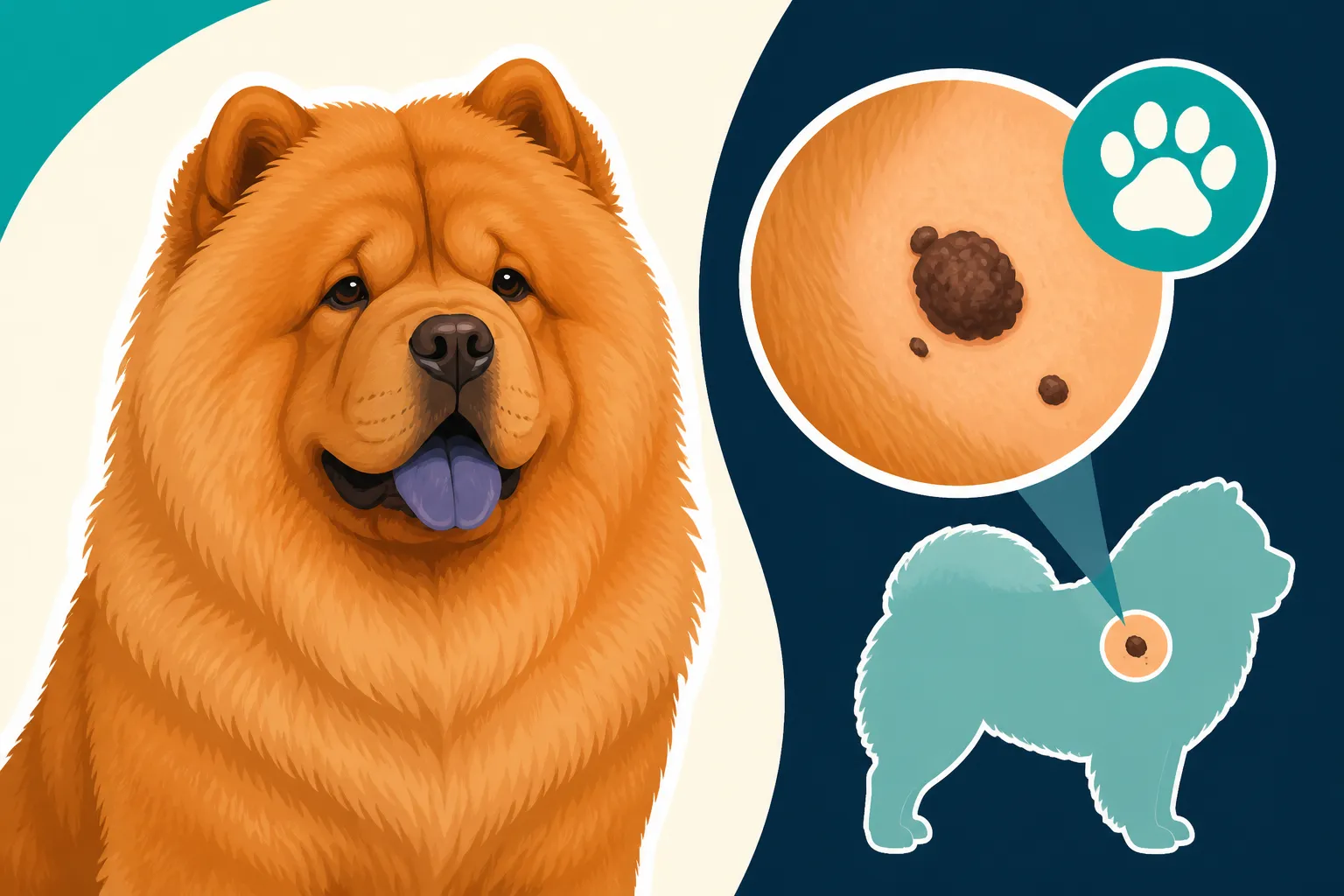
This distinction is perhaps the most critical one when discussing canine melanoma. Not all pigmented tumors are cancerous, and many are completely benign. Benign melanomas, often called melanocytomas, are typically slow-growing, don't spread to other parts of the body (metastasize), and usually pose no threat beyond their physical presence. They might just be an innocuous dark spot, perhaps on a paw pad or a patch of skin that has been there for years without changing. They tend to be well-defined, smooth, and sometimes have a consistent color.
Malignant melanoma, on the other hand, is a much more aggressive and dangerous form. These tumors have the potential to invade surrounding tissues and, most concerningly, spread to distant organs like the lungs, lymph nodes, or liver. They can be fast-growing, irregular in shape and color, and may be ulcerated or bleed easily. The prognosis for malignant melanoma varies greatly depending on its location, size, and whether it has already spread. A primary tumor that is small and caught early offers a much better chance of successful treatment than one that has already metastasized. It's the malignant variety that keeps us awake at night, knowing the clock is ticking once it's identified.
Factors Contributing to Melanoma Development
While the exact cause of melanoma in dogs isn't always clear, several factors are thought to contribute to its development. Genetics certainly play a significant role, with certain breeds showing a higher predisposition. We'll delve into the Chow Chow's specific situation shortly, but generally, breeds with naturally high levels of pigmentation, especially around the mouth and eyes, can be more susceptible. Age is another factor; older dogs tend to have a higher incidence of all cancers, including melanoma.
Beyond genetics and age, chronic irritation or inflammation in certain areas might contribute to cellular changes over time, potentially leading to tumor formation. While sun exposure isn't the primary driver for canine melanoma as it is in humans, some research suggests that in rare cases, chronic UV exposure might play a minor role in certain cutaneous melanomas. It's a complex interplay of factors, and often, there's no single identifiable "cause" for an individual dog's melanoma. Understanding these potential contributors helps us appreciate why certain breeds and individuals might be at higher risk, reinforcing the need for proactive monitoring and veterinary care.
Chow Chows and Melanoma: The Breed's Unique Predisposition
When you think about Chow Chows, their striking appearance immediately comes to mind: the lion-like mane, the deep-set eyes, and, of course, that iconic blue-black tongue. This unique pigmentation, while beautiful, is a double-edged sword when it comes to melanoma risk. Breeds with significant natural pigmentation, especially in their mucous membranes, are unfortunately more prone to developing melanoma, and the Chow Chow fits this description perfectly. Their genetic makeup, combined with their characteristic physical traits, places them in a category that requires heightened awareness from owners.
Pigmentation and Risk in Chow Chows
The Chow Chow's famous blue-black tongue, lips, and oral mucous membranes are a hallmark of the breed, a trait shared by only a few other dogs. This deep pigmentation extends to other areas as well, including their skin, especially around the eyes, nose, and paw pads. This very characteristic, while defining the breed, means they have an abundance of melanocytes in these areas. The more pigment-producing cells present, the higher the likelihood of one of these cells turning rogue and forming a melanoma. It’s not just about the color, but the cellular activity behind it.
Owners often delight in their Chow's distinctive features, but it's crucial to understand that these areas, which are naturally dark, can also be prime locations for melanoma to develop. The challenge is that a dark tumor on an already dark surface can be incredibly difficult to distinguish from normal pigmentation. This means owners must be extra diligent and proactive in examining these areas, seeking professional veterinary assessment if anything looks even slightly suspicious. It’s a sad reality that what makes our Chows so special also puts them at a higher risk for this particular type of cancer.
Common Sites for Melanoma in Chows
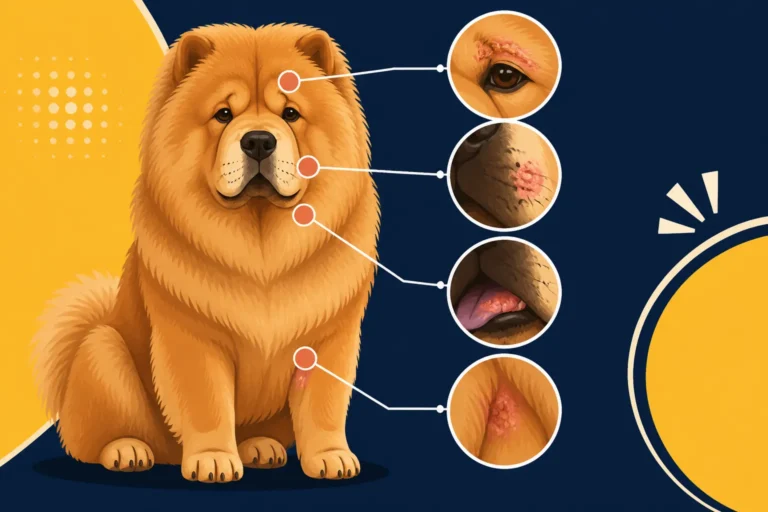
For Chow Chows, just like other predisposed breeds, melanoma tends to favor certain locations, and these are often areas with high pigmentation or friction. The most concerning site for malignant melanoma in Chows is the oral cavity. Tumors can appear on the gums, lips, palate, or even the tongue itself. These oral melanomas are often aggressive and have a high metastatic rate, meaning they spread quickly. This is why it's so important to regularly check your Chow Chow's mouth, even if they aren't fond of it. Our article, How to Check a Chow Chow's Mouth for Melanoma, provides practical steps for this often-challenging task.
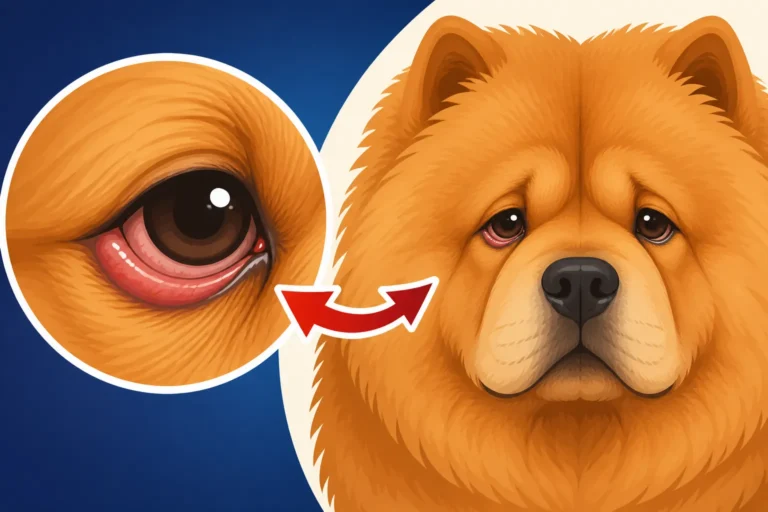
Beyond the mouth, the nail beds (or digits) are another common and serious location. Melanoma under or around the toenails can cause lameness, swelling, or even lead to the loss of a nail. These are often painful and can also be aggressive. Other areas include the mucocutaneous junctions (where skin meets mucous membrane), such as the eyelids or anus, and occasionally on the skin itself, although cutaneous melanoma is more often benign. You might also find them on paw pads, which can be easily overlooked. Because a Chow Chow's eyes are so deep-set, it can be hard to spot issues around the eyelids. Regular checks of these specific "hot spots" are critical for early detection.
Genetic Links and Hereditary Factors
Research has increasingly pointed towards a genetic component in canine melanoma, and certain breeds, including Chow Chows, appear to have a hereditary predisposition. While specific genes for Chow Chow melanoma haven't been fully identified and there isn't a DNA test for it like there might be for some other breed-specific conditions, the higher incidence within the breed strongly suggests an inherited susceptibility. This means if a Chow Chow's direct relatives (parents, siblings) have had melanoma, that individual might be at an elevated risk.
Responsible breeders are always working to produce healthy puppies, but even with the best intentions, hereditary conditions can sometimes surface. It's one of the reasons why understanding your dog's lineage, if possible, can be helpful. While you can't change genetics, knowing your Chow Chow might be genetically predisposed means you should be even more vigilant with examinations and prompt veterinary care. This proactive approach can make all the difference in catching any issues early. This inherent risk is part of a broader conversation about which health tests a Chow Chow breeder should run and what potential inherited conditions might arise.
Spotting Melanoma in Your Chow Chow: Where to Look and What to Notice
Finding any lump or bump on your dog can be alarming, but with a Chow Chow, the task is even more daunting. Their magnificent double coat, dense and often obscuring the skin, along with their naturally reserved demeanor, can make it exceptionally challenging to conduct thorough examinations. Yet, regular, careful inspections are your first line of defense against melanoma and many other health issues. Knowing what you're up against and where to focus your efforts is key.
The Challenges of Examination with a Dense Coat
Anyone who owns a Chow Chow knows their coat is a marvel – thick, luxuriant, and incredibly insulating. It’s fantastic for keeping them warm, but it’s a real headache when you need to inspect their skin. A small growth could be hidden for months, nestled deep within the fur, especially in areas like the mane, britches, or even along the back. This dense covering also means that a superficial scratch or irritation could go unnoticed, potentially leading to secondary skin issues.
Beyond the coat, a Chow Chow’s natural aloofness can make handling them for examination a bit of an art form. They aren’t always keen on being poked and prodded, especially by strangers, which makes a vet visit for a suspected lump potentially more stressful. The reality is, a Chow Chow's dense coat hides skin disease and requires patience and consistency from owners to ensure no abnormal growths are missed. It's not just the coat; their stoic nature can also mean that How a Chow Chow Hides Pain, masking early signs of discomfort associated with a developing tumor. This combination makes proactive home exams incredibly important, alongside regular professional check-ups.
Key Areas to Regularly Inspect
Given the challenges, focusing your efforts on the most common and critical sites for melanoma is essential. You need to establish a routine that goes beyond a quick pat on the head.
- Oral Cavity: This is top priority. Gently lift your Chow Chow's lips to examine their gums, the roof of their mouth, the insides of their cheeks, and their tongue. Look for any dark spots, raised lesions, or changes in existing pigmentation. Remember, your Chow Chow’s mouth is naturally pigmented, so you’re looking for anything different or new. A normal black spot should be flat and consistent. If you see something raised, irregular, or ulcerated, it needs attention. Our article on How a Chow Chow's Pigmented Mouth Hides Melanoma is invaluable for this task.
- Nail Beds and Paw Pads: Tumors here can be easily missed. When you're trimming their nails or cleaning their paws after a walk, take an extra moment to inspect between the toes, around the nail cuticles, and on the pads themselves. Look for swelling, discolored nails, lameness, or any dark growths. This area often sees significant friction, which can sometimes be a factor in tumor development.
- Eyelids and Mucocutaneous Junctions: Carefully check around their eyelids, the edges of their nostrils, and the anal/genital areas. These are sensitive areas, so be gentle. Look for any small, dark, raised masses. Because a Chow Chow's deep set eye causes trouble with vision and sometimes cleaning, this area might be even harder to inspect without careful handling.
- Skin (especially hairless areas): While cutaneous melanomas are less common and often benign, it’s still important to check. Pay special attention to the belly, armpits, and groin where the fur is thinner. Feel for any lumps beneath the coat as you brush, running your hands slowly and deliberately over their entire body.
A good trick is to combine these checks with positive reinforcement – treats and praise – so your Chow Chow associates handling with pleasant experiences. This helps them tolerate these essential examinations better over time.
Signs Beyond the Lump Itself
Melanoma isn't always just about finding a visible lump. Sometimes, other symptoms might indicate a problem, especially if the tumor is internal or has metastasized.
- Changes in Appetite or Eating Habits: Oral melanoma can make eating painful or difficult. If your Chow Chow suddenly becomes a picky eater, drops food, or shows discomfort while chewing, it could be a sign of a mouth lesion.
- Lethargy or Behavioral Changes: Any unexplained decrease in energy, increased hiding, or general changes in their usual demeanor can be a red flag for underlying illness, including cancer. Remember, How a Chow Chow Hides Pain, so you need to be tuned into subtle shifts.
- Lameness or Swelling: If you notice limping, reluctance to bear weight on a paw, or swelling in a digit, especially without a clear injury, it could point to a melanoma in the nail bed.
- Weight Loss: Unexplained weight loss, even with a seemingly normal appetite, can be a symptom of various cancers, including advanced melanoma.
- Enlarged Lymph Nodes: If the melanoma has started to spread, you might feel enlarged lymph nodes, particularly those near the site of the primary tumor (e.g., under the jaw for oral melanoma). These feel like firm, pea-sized or larger, movable lumps.
Keeping a close eye on these broader indicators, in conjunction with regular physical checks, provides the most comprehensive approach to early detection. If you notice any of these signs, don't delay in scheduling a vet visit.
Diagnosis and Treatment: What Happens When Melanoma Is Suspected
Discovering a suspicious lump on your Chow Chow is a terrifying moment, but it's crucial to act promptly and methodically. A veterinary professional is your best ally in determining what you're dealing with and outlining the necessary steps. The diagnostic process aims to not only identify the nature of the growth but also to assess its aggressiveness and whether it has spread.
The Diagnostic Process for Canine Melanoma
When you bring your Chow Chow to the vet with a suspected melanoma, the first step will typically be a thorough physical examination. The veterinarian will carefully inspect the lesion, its size, location, and texture. This initial assessment helps them determine the best course of action.
- Fine Needle Aspirate (FNA): Often, the first diagnostic test is an FNA. A small needle is inserted into the mass to collect cells, which are then examined under a microscope by a pathologist. This procedure is relatively non-invasive and can often be done in a regular exam room. While an FNA can sometimes definitively diagnose a benign melanocytoma, it's not always conclusive for malignant melanoma, especially if the sample is insufficient or difficult to interpret.
- Biopsy: For a more definitive diagnosis, particularly if the FNA is inconclusive or malignancy is strongly suspected, a biopsy is performed. This involves surgically removing a small piece of the tumor (incisional biopsy) or the entire tumor (excisional biopsy) for histopathological examination. The tissue is sent to a specialized lab where pathologists can accurately identify the cell type and grade the tumor (assess its aggressiveness). A biopsy usually requires sedation or general anesthesia, depending on the location and size of the mass. This is where pet insurance, like a plan from Healthy Paws, can be incredibly helpful in managing the costs of such diagnostic procedures.
- Staging: If malignant melanoma is diagnosed, staging becomes essential. This determines if the cancer has spread. Staging typically includes:
- Regional Lymph Node Evaluation: Often, the lymph nodes closest to the tumor site are sampled (via FNA or biopsy) to check for spread.
- Thoracic Radiographs (Chest X-rays): To check for metastatic spread to the lungs, a common site for secondary tumors.
- Abdominal Ultrasound: To check for spread to abdominal organs like the liver or spleen.
- Bloodwork: A complete blood count and chemistry panel are usually performed to assess overall health and organ function before any treatment. What a Chow Chow's Yearly Bloodwork Should Cover goes beyond cancer, but it's a critical part of a thorough health assessment.
The comprehensive nature of these tests can be daunting, both emotionally and financially. Knowing that your Chow Chow is hard to examine at the vet can also add to the stress, sometimes necessitating sedation even for a basic check-up, increasing the cost.
Treatment Options for Malignant Melanoma
Once malignant melanoma is confirmed and staged, your veterinarian will discuss treatment options. The goal is always to remove or control the cancer and improve your Chow Chow's quality of life.
- Surgery: Surgical removal is the primary treatment for most malignant melanomas, especially if the tumor is localized and has not spread. For oral melanomas, this might involve removing a portion of the jawbone or other affected tissues to achieve clear margins (meaning no cancer cells are left behind). For digit melanomas, amputation of the affected toe might be necessary. The extent of surgery depends heavily on the tumor's size and location. Early detection significantly improves the chances of successful surgical removal with wide, clean margins.
- Radiation Therapy: This can be used as a standalone treatment for tumors that are difficult to remove surgically or as an adjuvant therapy after surgery to kill any remaining cancer cells. Radiation therapy typically requires multiple sessions under general anesthesia.
- Chemotherapy: While less effective against melanoma than surgery or radiation, chemotherapy might be recommended for aggressive tumors, especially if there's evidence of metastasis or a high risk of recurrence. It's often used to slow the progression of the disease and improve quality of life.
- Melanoma Vaccine: A unique treatment option for canine oral melanoma is the ONCEPT canine melanoma vaccine. This therapeutic vaccine is designed to stimulate the dog's immune system to attack melanoma cells. It's typically used after surgery to reduce the risk of recurrence and metastasis, extending survival times for many dogs. It's a promising option, particularly for oral melanoma, though it's not a preventative vaccine and doesn't "cure" the cancer but rather manages its progression.
The choice of treatment will depend on the tumor's type, stage, your Chow Chow's overall health, and your family's circumstances. Costs associated with these treatments can be substantial, making pet insurance a valuable asset for many owners. While specific coverage for cancer treatments can vary, many comprehensive plans, like those offered by Healthy Paws, help cover a significant portion of these expenses, from diagnostics to surgery and ongoing care.
The Role of Early Intervention
The phrase "early detection saves lives" is profoundly true when it comes to malignant melanoma in Chow Chows. Because these tumors, especially oral and digit melanomas, can be aggressive and metastasize quickly, identifying them at their smallest and most localized stage dramatically improves the prognosis.
When a tumor is small and confined, complete surgical removal is more feasible, and the likelihood of achieving clear margins is higher. This reduces the chance of recurrence and spread. If the cancer has already spread to lymph nodes or distant organs, treatment becomes much more challenging and often focuses on managing the disease rather than achieving a cure. This is why regular at-home examinations are so vital, even if your Chow Chow resists. Making these checks part of your routine—perhaps during grooming sessions or after a quiet cuddle—can mean the difference between life and death. If you're wondering which cancers a Chow Chow gets, melanoma is certainly one to be aware of and proactively monitor for.
Living with a Melanoma Diagnosis: Management and Prognosis
Receiving a melanoma diagnosis for your Chow Chow is undoubtedly heartbreaking. However, it's important to remember that it's not an immediate death sentence, especially with early detection and appropriate treatment. Many dogs can go on to live fulfilling lives for a significant period after diagnosis. The journey shifts from detection to diligent management, focusing on your dog's comfort and quality of life.
Post-Treatment Care and Monitoring
After initial treatment, whether it's surgery, radiation, or a combination, your Chow Chow will need ongoing care and close monitoring. This phase is crucial for detecting any recurrence or metastasis as early as possible.
- Regular Veterinary Check-ups: Your veterinarian will establish a schedule for follow-up appointments, which might include physical exams, palpation of lymph nodes, and potentially imaging (X-rays, ultrasound) to check for new tumor growth or spread. These check-ups are vital, and adherence to the schedule is paramount.
- Home Monitoring: Your role in home monitoring remains critical. Continue your regular checks of their mouth, paws, and skin for any new lumps or changes. Pay attention to their appetite, energy levels, and any signs of discomfort or pain. If your Chow Chow received a toe amputation, ensure the stump is clean and healed. If they had oral surgery, monitor their eating and inspect their mouth for any issues.
- Medication Management: Depending on the treatment, your Chow Chow might be on medications such as pain relief, anti-inflammatory drugs, or the melanoma vaccine. Ensure these are administered exactly as prescribed. If you have pet insurance, a policy from Healthy Paws can often help cover the ongoing costs of these medications, making long-term management more feasible.
- Nutritional Support: A balanced, high-quality diet is important for supporting your Chow Chow's immune system and overall health. Your vet might recommend specific dietary changes or supplements, especially if they are recovering from surgery or undergoing chemotherapy.
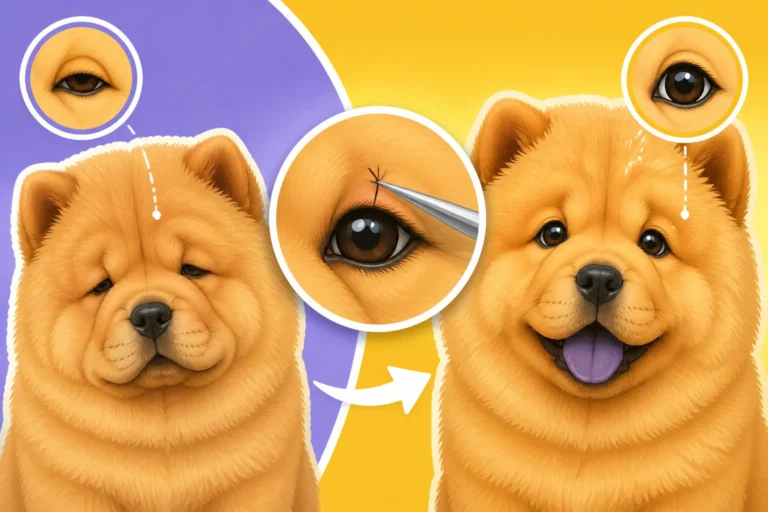
The recovery period from any surgery, especially extensive ones, can be challenging. For eye surgery, like that for entropion, recovery is specific, but general post-op care, like managing pain and preventing infection, is similar. Expect to provide a quiet, comfortable environment, and follow all instructions regarding activity restriction.
Quality of Life Considerations
The goal of all cancer treatment is not just to extend life, but to ensure that the extended life is of good quality. This means making decisions that prioritize your Chow Chow's comfort, happiness, and ability to enjoy their daily routines.
- Pain Management: If your Chow Chow is experiencing pain from a tumor or treatment, effective pain management is key. This might involve a combination of medications, and your vet can help devise a plan. Recognizing How a Chow Chow Hides Pain is important here, as you might need to look for subtle cues like reluctance to move, changes in posture, or decreased interaction.
- Comfort and Environment: Ensure your Chow Chow has a comfortable place to rest, easy access to food and water, and a low-stress environment. For dogs with oral tumors, softer food or elevated bowls might make eating easier.
- Emotional Support: Your Chow Chow relies on you for comfort and security. Spending quality time with them, offering gentle affection, and maintaining as much of their normal routine as possible can help reduce stress and improve their emotional well-being. The bond you share is invaluable during this challenging time.
- When to Say Goodbye: This is perhaps the hardest decision any pet owner faces. If the cancer progresses and your Chow Chow's quality of life significantly deteriorates, your veterinarian can help you assess their comfort and discuss humane euthanasia. It's a compassionate choice made out of love to prevent suffering.
Navigating this path requires open communication with your veterinary team and a deep understanding of your Chow Chow's individual needs and personality.
Supporting Your Chow Chow Through Illness
Living with a Chow Chow that has been diagnosed with melanoma is a journey of unwavering support, constant vigilance, and deep love. It’s about adapting to a new normal and advocating tirelessly for their health and comfort.
- Be Proactive, Not Reactive: Maintain your scheduled vet appointments, administer medications diligently, and keep up with home examinations. If you notice any changes, no matter how small, contact your vet immediately. It’s always better to over-communicate than to wait.
- Educate Yourself: Learn as much as you can about canine melanoma. Understanding the disease helps you make informed decisions and feel more empowered in your Chow Chow's care. However, be cautious of unreliable information online and always consult your vet for advice specific to your dog.
- Consider a Specialist: For complex cases, your veterinarian might recommend consulting with a veterinary oncologist. These specialists have advanced training in cancer diagnosis and treatment and can offer the most up-to-date and specialized care plans.
- Utilize Pet Insurance: As mentioned, the financial burden of cancer treatment can be immense. Having robust pet insurance coverage, perhaps through a provider like Healthy Paws, can significantly alleviate this stress, allowing you to focus on your Chow Chow's health without the added worry of prohibitive costs. Understanding what pet insurance costs on a Chow Chow at eight, or at any age, can help you plan for these possibilities.
- Don't Blame Yourself: It's natural to wonder if you could have done something differently. Cancer is a complex disease, and often, it develops despite the best care. Focus your energy on providing the best possible support and love to your Chow Chow moving forward.
Facing cancer with your Chow Chow is an emotional rollercoaster, but with knowledge, vigilance, and the right veterinary support, you can give them the best possible chance at a good quality of life.
Disclaimer
This article is intended for informational purposes only and does not constitute medical advice. Always consult with a qualified veterinarian for any health concerns or before making any decisions about your pet's health or treatment.