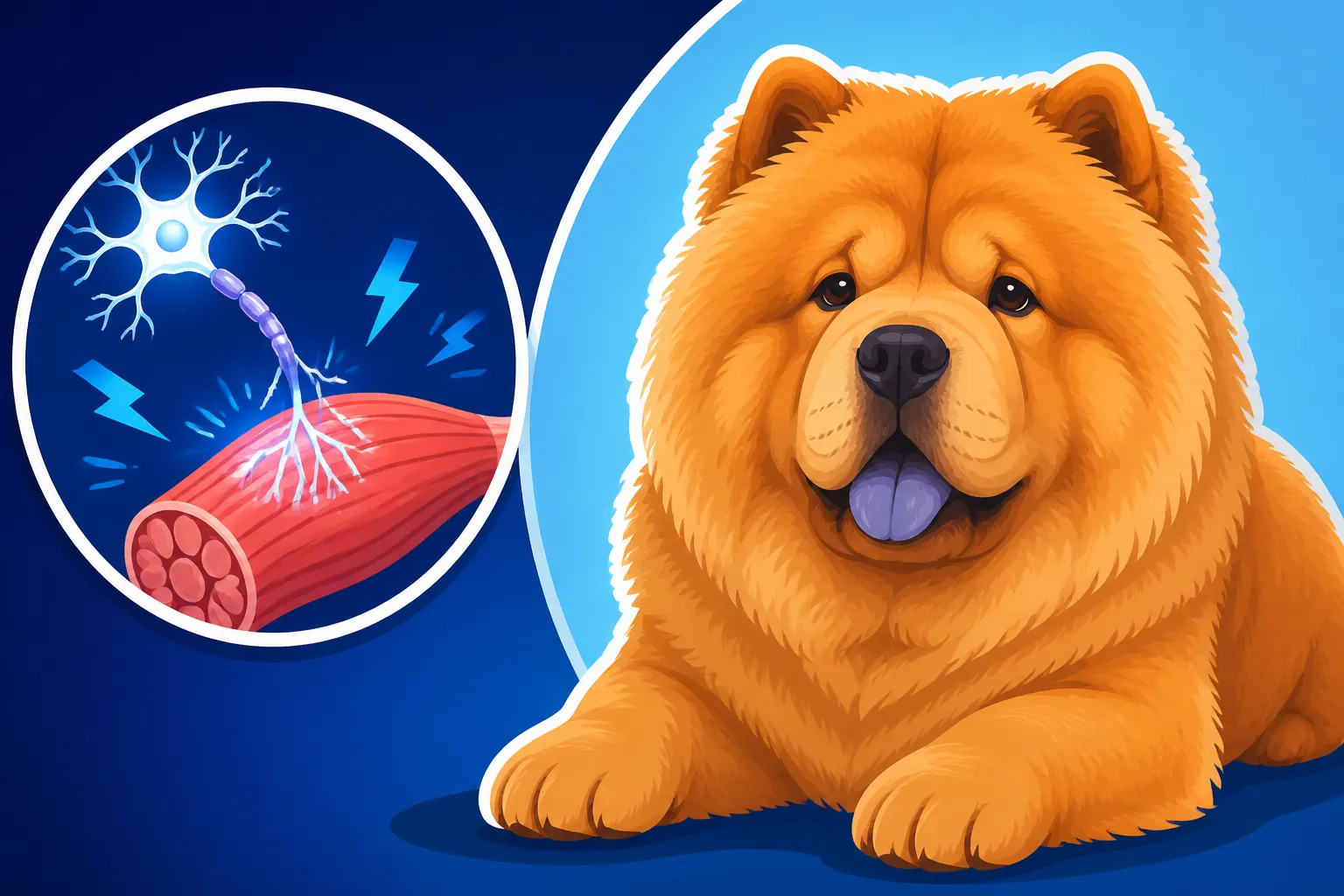
Myotonia Congenita in a Chow Chow
It's incredibly distressing to watch your beloved Chow Chow puppy struggle with what seems like stiffness or an inability to move freely, especially when they should be at their most playful. You might notice them stumbling, falling, or looking unusually rigid, and it leaves you wondering, "What on earth is going on?" This guide is here to shed light on Myotonia Congenita, a rare but significant muscle disorder that can affect Chow Chows, helping you understand its signs, diagnosis, and how to best support your furry family member if they're facing this challenge.
What Exactly is Myotonia Congenita?
When we talk about Myotonia Congenita, we're diving into the world of muscle function, or rather, dysfunction. It’s a fascinating, albeit frustrating, condition where the muscles just can’t seem to relax properly after they’ve been contracted. Imagine trying to make a fist and then being unable to open your hand for a few seconds – that’s essentially what a dog with myotonia experiences, but throughout their entire body. This isn't just a fleeting cramp; it's a persistent, sometimes severe, rigidity that can make even simple movements feel like an insurmountable task.
Understanding Muscle Stiffness and Relaxation
Normally, when your dog decides to chase a squirrel or stand up from a nap, electrical signals tell their muscles to contract. Immediately afterward, other signals tell those muscles to relax, allowing for smooth, fluid motion. It’s a beautiful, intricate dance of electrolytes and proteins happening at lightning speed. However, with Myotonia Congenita, there’s a glitch in this system, specifically within the chloride channels of the muscle cell membranes. These channels are crucial for the rapid repolarization of the muscle fiber, which is what allows it to relax. When they don't work correctly, the muscle gets "stuck" in a contracted state.
For a Chow Chow with this condition, this means that after any voluntary movement – whether it's standing up, barking, or even just turning their head – their muscles will involuntarily remain contracted for an extended period. This can make them appear "stiff as a board" or as if they're locking up. It’s a genetic neuromuscular disorder, meaning it's something they're born with, passed down through specific genes. While it doesn't cause constant pain in the way a broken bone would, the inability to move freely is undeniably uncomfortable and can lead to frustration and secondary issues over time. It's not a choice or a behavioral quirk; it's a physiological roadblock their body can't bypass on its own.
How Myotonia Congenita Affects Chow Chows Specifically
While Myotonia Congenita is observed in several breeds, including Miniature Schnauzers and Jack Russell Terriers, Chow Chows are one of the breeds specifically predisposed to an inherited form of this condition. This is particularly notable because Chow Chows already possess a naturally somewhat stilted gait and a muscular build, which can sometimes make the subtle early signs of myotonia even harder to spot or, conversely, may lead owners to dismiss initial stiffness as "just how Chows move." Their unique build, with those deep-set eyes and thick coats, adds layers to how the condition manifests and how it might be perceived.
The impact on a Chow Chow's specific build means that their characteristic broad skull and powerful neck might become even more rigid, affecting their ability to chew or swallow easily. Their naturally stiff rear leg conformation, which often contributes to their unique gait, can be exacerbated by myotonic contractions, making any kind of running or jumping incredibly difficult. It's a cruel twist when a breed known for its stoic dignity and sometimes aloof nature is burdened with a condition that makes basic movements a challenge. The dense double coat, while beautiful, also means that observing muscle tremors or atrophy can be tricky until the condition is quite advanced, adding to the diagnostic challenge. Early recognition and understanding are key to mitigating its impact on their quality of life.
Recognizing the Signs of Myotonia Congenita in Your Chow Chow
Spotting the signs of Myotonia Congenita can be tricky, especially in a breed like the Chow Chow, which already has a reputation for being somewhat deliberate in its movements. However, paying close attention to specific behaviors and physical characteristics, particularly during puppyhood, can make a huge difference in getting an early diagnosis and starting supportive care. These aren't always obvious "pain" signals, but rather indicators of muscle dysfunction.
Early Indicators in Puppies
For most Chow Chows with Myotonia Congenita, the first signs often emerge when they are very young, typically between two and three months of age. You might notice that your adorable, fluffy puppy isn't quite as agile as its littermates. They might struggle significantly with basic movements that other puppies take for granted. This could manifest as difficulty standing up after a nap, almost as if their legs are temporarily frozen. You might even observe them falling over easily when trying to play or run, struggling to regain their balance because their muscles aren't relaxing quickly enough. These pups aren't just clumsy; their muscles are genuinely locking up.
Another telling sign, though it might seem contradictory, is muscle hypertrophy, or an unusual overdevelopment of their muscles. Because the muscles are constantly contracting and struggling to relax, they often become significantly bulkier than what would be considered normal for a puppy of their age and breed. This can sometimes give a Myotonia Congenita puppy an almost "bodybuilder" appearance, making them look deceptively strong. However, this bulk is a result of constant strain, not functional strength. When you notice Signs a Chow Chow Puppy Cannot Rise or seems to have difficulty getting going after a period of rest, especially after sleep, it’s a strong signal that something more serious than puppy awkwardness is at play. Observing these early indicators is crucial for prompt veterinary attention.
Progressive Symptoms and Unique Manifestations
As a Chow Chow with Myotonia Congenita grows, the symptoms often become more pronounced and can significantly impact their daily life. The characteristic stiffness you might have noticed in puppyhood can intensify, becoming more noticeable after exercise, during moments of excitement, or even when exposed to cold temperatures. Imagine your Chow trying to greet you enthusiastically, only to freeze mid-wag, their body locked in a rigid posture. This post-exertion stiffness is a hallmark of the condition. You might observe a distinct "bunny hopping" gait when they try to run, or significant difficulty navigating stairs, jumping onto furniture, or even getting into a car. These movements become awkward and effortful, often culminating in an ungainly fall or stumble. For a better understanding of how some of these movements look, you might want to look into Why a Chow Chow Moves With a Stilted Gait.
Beyond limb stiffness, Myotonia Congenita can affect other muscle groups, leading to a range of unique manifestations. Facial muscles, for instance, can be impacted, making chewing and swallowing a challenge. Your Chow might take longer to eat, drop food, or even seem to struggle with opening their mouth fully. In some cases, this can lead to a somewhat "fixed" or less expressive facial appearance, as their facial muscles are less able to perform fluid movements. Another symptom can be muscle tremors or shaking, particularly when the dog is trying to relax after activity, a testament to the ongoing struggle their muscles endure. In more severe cases, a Chow Chow might even collapse due to sudden, widespread muscle stiffness, a frightening experience for both dog and owner. Recognizing these varied and progressive signs is vital for diagnosing and managing this complex condition effectively.
Diagnosing Myotonia Congenita: The Road to Answers
When you're faced with a Chow Chow exhibiting unusual stiffness or movement difficulties, the diagnostic journey can feel like navigating a maze. It's often a process of elimination, ruling out more common issues before pinpointing a rare condition like Myotonia Congenita. The frustration of seeing your dog struggle and not immediately knowing why is a common experience, but with careful observation and the right veterinary approach, answers can be found.
The Initial Veterinary Consultation
Your first step will naturally be a visit to your regular veterinarian. This initial consultation is incredibly important, and it can be helpful to come prepared. Many owners find it difficult to accurately describe their pet's subtle symptoms to a vet, especially when the dog might behave differently in an unfamiliar clinic environment. This is where video recordings can be your best friend. Capture your Chow Chow's stiffness after naps, their attempts at running, their difficulty with stairs, or any facial rigidity you observe in their home environment. These candid clips can provide invaluable insights that a brief examination might miss. Indeed, Why a Chow Chow Is Hard to Examine at the Vet, given their stoic nature and dense coat, makes your detailed observations even more crucial.
During this visit, your vet will perform a thorough physical examination and likely recommend initial tests. They'll be looking to rule out more common orthopedic conditions that cause stiffness or lameness, such as hip or elbow dysplasia, which are prevalent in many large breeds. They might suggest X-rays to assess joint health or blood work to check for systemic issues. While these might not immediately point to Myotonia Congenita, they are essential steps in narrowing down the possibilities and ensuring no other concurrent problems are overlooked. It’s a methodical process, and patience, though challenging, is key.
Specialized Testing and Confirmation
Once common conditions are ruled out, and if your Chow Chow's symptoms strongly suggest a neuromuscular issue, your vet will likely recommend referral to a veterinary neurologist for specialized testing. The gold standard for diagnosing Myotonia Congenita is an electromyography (EMG). This procedure involves inserting tiny needle electrodes into your dog's muscles to record their electrical activity. What an EMG reveals in a dog with myotonia is a distinctive "diving board" or "motorcycle" sound due to repetitive, high-frequency electrical discharges when the muscle is stimulated, even after the initial contraction signal has passed. This unique electrical signature is definitive for myotonia. Given the Chow Chow's temperament, Whether a Chow Chow Needs Sedation for a Checkup, especially for an invasive procedure like an EMG, is a valid consideration. Sedation is often necessary to ensure the dog's comfort and the accuracy of the test results.
In some cases, a muscle biopsy might also be performed. A small sample of muscle tissue is taken and examined under a microscope. While the primary finding won't be definitive for myotonia, it can show muscle fiber hypertrophy and potentially other changes consistent with the condition. Crucially, specific genetic testing is now available for Myotonia Congenita in Chow Chows. This DNA test looks for the specific mutation responsible for the condition in the breed. A positive genetic test provides definitive confirmation and is incredibly valuable, not just for diagnosis but also for identifying carrier animals in breeding programs. This combination of clinical signs, EMG findings, and genetic testing ultimately provides the clear answers you're seeking.
Living with Myotonia Congenita: Management and Care
Discovering your Chow Chow has Myotonia Congenita can feel overwhelming, but it's important to remember that this diagnosis is not a dead end. While there isn't a cure in the traditional sense, there are effective strategies and treatments available to manage the symptoms and significantly improve your dog's quality of life. The goal is to minimize muscle stiffness and help your Chow live as comfortably and happily as possible.
Therapeutic Approaches and Medications
The primary approach to managing Myotonia Congenita in Chow Chows revolves around alleviating the muscle stiffness and promoting better relaxation. Medications play a central role in this. The most commonly used drug is mexiletine, an antiarrhythmic drug that, in this context, helps to stabilize muscle cell membranes and improve chloride channel function, thereby reducing the persistent muscle contractions. Other medications, like procainamide, may also be considered. These drugs don't cure the underlying genetic defect, but they can dramatically lessen the severity and frequency of the myotonic episodes.
Determining the correct dosage often requires a bit of trial and error under the guidance of your veterinary neurologist. It’s a careful balance to find the dose that provides the most relief with the fewest side effects. Potential side effects can include gastrointestinal upset or, less commonly, cardiac issues, so your vet will monitor your Chow closely. Regular check-ups and potentially blood tests to monitor drug levels will be part of the ongoing management. This kind of chronic care emphasizes the importance of understanding What a Chow Chow's Yearly Bloodwork Should Cover, as baseline health is critical when introducing new medications. Managing the unexpected costs of a lifelong condition like Myotonia Congenita is where a reliable pet insurance plan, such as those offered by Healthy Paws, can become invaluable, helping to ease the financial burden of regular vet visits and medications.
Daily Life Adjustments and Supportive Care
Beyond medication, making thoughtful adjustments to your Chow Chow's daily routine and environment can make a world of difference. Controlled, gentle exercise is crucial. While strenuous activity can trigger myotonic episodes, complete inactivity can lead to muscle weakness and atrophy. Think short, regular walks on flat, stable surfaces rather than intense runs or competitive sports. Avoid sudden bursts of activity or situations that cause extreme excitement, which can exacerbate stiffness. You might find that Whether a Chow Chow Puppy Should Climb Stairs, if they have myotonia, becomes a significant challenge and should be minimized or assisted to prevent falls and discomfort.
Maintaining a warm and consistent environment is also beneficial, as cold can worsen muscle stiffness. If you live in a colder climate, ensure your Chow has a cozy, draft-free space indoors. If chewing and swallowing are affected, consider feeding softer foods or adding water to their kibble to make it easier to consume, ensuring they maintain proper nutrition and hydration. Physical therapy, including gentle massage and passive range-of-motion exercises, can help maintain muscle flexibility and comfort. Reducing stress in their environment can also contribute to their overall well-being. These supportive measures, combined with appropriate medication, are key to helping your Chow Chow lead a comfortable and fulfilling life despite their condition.
Genetic Aspects and Breeding Considerations
Understanding the genetic underpinnings of Myotonia Congenita is paramount, not just for diagnosing affected individuals, but for responsible breeding practices that aim to reduce the prevalence of this rare disorder within the Chow Chow population. This is a condition that doesn't just appear out of nowhere; it's intricately linked to the lineage of your dog.
Inheritance Pattern and Carrier Status
Myotonia Congenita in Chow Chows is inherited in an autosomal recessive pattern. This might sound like a mouthful, but it's actually quite straightforward when broken down. It means that a dog must inherit two copies of the mutated gene – one from each parent – to actually develop the disease. If a dog inherits only one copy of the mutated gene and one normal gene, they will be a "carrier." Carriers typically do not show any symptoms of Myotonia Congenita themselves because their one healthy gene is usually enough to produce sufficient functional chloride channels. However, they can pass that mutated gene on to their offspring.
This inheritance pattern highlights why genetic testing is so incredibly important for Chow Chow breeders. A carrier dog, unbeknownst to its owner, can pass the gene to half of its puppies. If two carriers are bred together, statistically, 25% of their puppies will be affected by Myotonia Congenita (inheriting two copies of the mutated gene), 50% will be carriers (inheriting one mutated gene), and 25% will be clear (inheriting two normal genes). This invisible genetic lottery makes pre-breeding screening essential to prevent the spread of the condition.
Ethical Breeding Practices and Prevention
Given the autosomal recessive inheritance pattern, ethical breeding practices for Chow Chows require a strong emphasis on genetic testing. Any Chow Chow used for breeding should be tested for the Myotonia Congenita gene mutation. Dogs that are identified as affected with the condition, or even as carriers, should ideally not be used in breeding programs. This might seem like a harsh decision, especially if a carrier dog has many desirable traits, but it is the most responsible way to safeguard the health of future generations of Chow Chows.
Responsible breeders understand this commitment to genetic health. They should be transparent about their dogs' genetic testing results and be able to provide documentation for both parent dogs. If you're considering getting a Chow Chow puppy, always ask about the parents' health clearances, including genetic tests for conditions prevalent in the breed. A reputable breeder will proactively test their breeding stock for relevant genetic disorders, demonstrating their commitment to the long-term health and well-being of the breed. For more information on what health checks to expect, it's worth reviewing What a Chow Chow Breeder Should Have Tested. Through diligent testing and careful selection, breeders can actively work towards eliminating Myotonia Congenita from Chow Chow lines, ensuring healthier puppies for all.
Prognosis and Long-Term Outlook for Chow Chows with Myotonia
While a diagnosis of Myotonia Congenita can be disheartening, it's crucial to understand that it's not necessarily a death sentence. The long-term outlook for Chow Chows with this condition largely depends on the severity of their symptoms and the consistency of their management and supportive care. With the right approach, many affected dogs can still enjoy a good quality of life.
Quality of Life and Potential Complications
For most Chow Chows with Myotonia Congenita, the condition itself is not directly life-limiting. Unlike some other genetic disorders that cause organ failure or severe systemic disease, myotonia primarily affects skeletal muscles. However, the chronic muscle stiffness and limited mobility can significantly impact their daily life and, if unmanaged, can lead to secondary complications. Difficulty with movement can result in muscle atrophy (wasting) from disuse, even if the muscles initially appear hypertrophied. This lack of use can also lead to joint stiffness and discomfort, making it important to monitor for signs like How a Chow Chow Hides Pain, which they are often very good at.
Eating can become a challenge if facial and jaw muscles are severely affected, potentially leading to weight loss or nutritional deficiencies. Falls due to sudden stiffness can result in injuries, ranging from minor scrapes to more serious orthopedic issues. Breathing might also be compromised in severe cases if the muscles involved in respiration are affected, though this is less common. Regular veterinary check-ups are essential to monitor for these secondary issues and adjust management strategies as needed. With consistent medication and supportive care, many Chow Chows with myotonia can maintain a reasonable level of mobility and comfort, continuing to enjoy their lives.
Support and Advocacy
Living with a Chow Chow affected by Myotonia Congenita requires dedication and a strong partnership with your veterinary team. While the road might have its challenges, it's entirely possible for these dogs to live fulfilling lives. There are veterinary neurologists and rehabilitation specialists who can provide expert guidance on medication protocols, physical therapy exercises, and environmental modifications tailored to your dog's specific needs. Connecting with other owners of dogs with myotonia can also provide invaluable emotional support and practical tips. Online communities and breed-specific forums often have resources and shared experiences that can make the journey feel less isolating.
Ultimately, the goal is to provide your Chow Chow with the best possible quality of life for as long as they are comfortable and happy. This means being vigilant about their health, proactive in their care, and loving them unconditionally. Even with this condition, a Chow Chow can still be a cherished family member for a significant portion of The Eight to Twelve Years a Chow Chow Gets. While managing a chronic condition adds financial considerations to pet ownership, with lifetime costs potentially increasing, services like Healthy Paws can provide crucial support in covering these ongoing medical expenses. Your commitment to their well-being ensures that Myotonia Congenita is a condition to be managed, not a life to be limited.
| Diagnostic Step | Purpose | What It Involves | Key Findings for Myotonia Congenita |
|---|---|---|---|
| Physical Exam | Initial assessment, ruling out obvious injuries, evaluating gait. | Observation of movement, palpation of muscles, neurological reflexes. | Muscle hypertrophy, stiffness after movement, stilted gait. |
| X-rays | Rule out orthopedic issues (e.g., dysplasia, fractures). | Radiographic images of joints (hips, elbows, spine). | Normal bone/joint structure (suggests non-orthopedic cause). |
| Bloodwork | Assess general health, rule out metabolic or inflammatory conditions. | Complete blood count (CBC), chemistry panel, thyroid levels. | Typically normal. |
| Electromyography (EMG) | Directly assess electrical activity of muscles. | Insertion of fine needles into muscles to record electrical signals. Usually requires sedation. | "Diving board" or "motorcycle" sounds from repetitive discharges. |
| Muscle Biopsy | Examine muscle tissue structure under a microscope. | Surgical removal of a small muscle sample. | Muscle fiber hypertrophy, central nuclei. |
| Genetic Test | Confirm presence of specific gene mutation. | DNA sample (usually buccal swab or blood). | Positive result for the CLCN1 gene mutation. |
Disclaimer
The information provided in this article is for general informational purposes only and does not constitute veterinary advice. Always consult with a qualified veterinarian or veterinary specialist for any health concerns or before making any decisions related to your pet's health and treatment.