Whether a Chow Chow Gets Stomach Cancer
It's a scary thought, isn't it? The moment you notice something just isn't right with your beloved Chow Chow, and your mind immediately jumps to the worst-case scenario: cancer. Many of us, as Chow Chow parents, have felt that knot of dread, particularly when it comes to internal issues that are so hard to spot under all that glorious fluff. This comprehensive guide will delve deep into the reality of stomach cancer in Chow Chows, what signs to look for, and how best to navigate this frightening possibility with your vet.
Understanding Cancer in Chow Chows
The sad truth is, cancer is a leading cause of death in older dogs, and our Chow Chows are no exception. While they might not be statistically at the absolute top of every "cancer-prone breed" list, they certainly aren't immune. It's a disease that affects dogs of all shapes and sizes, and understanding its general prevalence can help us be more vigilant.
General Cancer Risk in the Breed
Chow Chows, like many purebred dogs, can be predisposed to certain health conditions due to their genetics. While specific studies focusing solely on stomach cancer rates within the Chow Chow breed are sparse, what we do know is that a variety of cancers can affect them. Their lifespan, which averages around The Eight to Twelve Years a Chow Chow Gets, means that many will reach an age where cancer becomes a more significant concern. It's not about panicking, but about being informed and proactive, recognizing that any dog, including our stoic Chows, can develop neoplastic diseases. This heightened awareness is crucial because Chows are masters at hiding pain and discomfort, making early detection a true challenge.
Common Cancer Types in Chow Chows
When we talk about cancer in Chow Chows, some types tend to get more attention than others. For instance, some lines can be susceptible to lymphomas, or even mast cell tumors, which are often found on or under the skin. Osteosarcoma, a bone cancer, can also be a concern in larger breeds. However, gastrointestinal cancers, including those affecting the stomach, while less common than, say, splenic hemangiosarcoma or lymphoma, are absolutely a possibility. The question "Which Cancers a Chow Chow Gets" is broad, but it's important to remember that virtually any tissue or organ in a dog's body can develop cancer, and the stomach is no exception to this rule. It’s not necessarily a breed-specific high risk for stomach cancer, but it’s a risk present for all dogs, and our Chows are included.
Stomach Cancer in Chow Chows: The Reality
So, to answer the burning question directly: Yes, a Chow Chow can absolutely get stomach cancer. While it might not be the most frequently diagnosed cancer in the breed, it's a very real and often devastating disease when it occurs. The challenge often lies in its insidious onset, with symptoms that can easily be mistaken for less severe gastrointestinal upsets.
Types of Stomach Cancer Seen in Dogs
In dogs, several types of stomach cancer can occur. The most common type is adenocarcinoma, which originates from the glandular cells lining the stomach. This particular cancer can be aggressive and tends to spread quickly. Other less common types include lymphoma (which can affect the stomach as part of a systemic disease), leiomyosarcoma (a tumor of the smooth muscle tissue), and mast cell tumors. Each type behaves differently and may present with slightly varied symptoms, but all are serious. The difficult part for owners is that the initial signs are often quite vague – things like a decrease in appetite, occasional vomiting, or a general "off" feeling that can be attributed to many other, less serious conditions.
Specific Challenges with Diagnosis in Chows
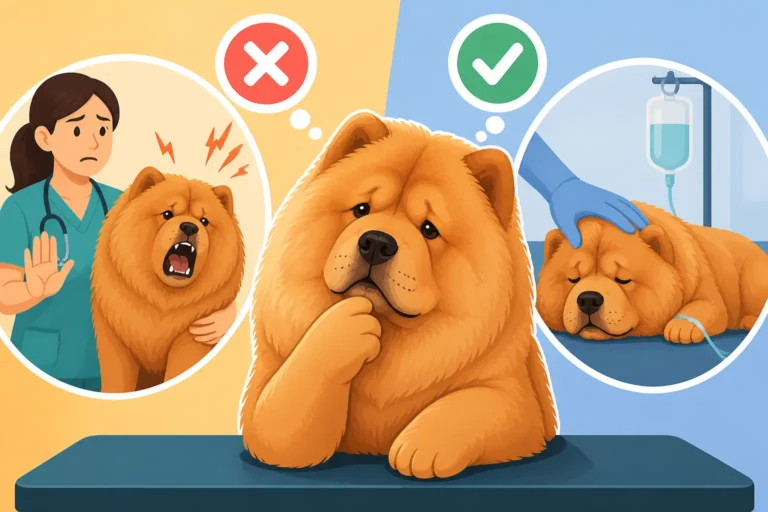
Diagnosing stomach cancer in any dog can be tricky, but with a Chow Chow, there are additional layers of complexity. First, their dense double coat can make it incredibly hard to visually assess body condition, weight loss, or even feel abdominal abnormalities during a physical exam. A Chow Chow can lose a significant amount of weight before an owner or even a vet notices it under all that fur. Second, Chows are notoriously stoic. They've been bred for centuries to be independent and often hide pain and discomfort until it becomes severe. This means that by the time overt symptoms like persistent vomiting or noticeable abdominal pain are present, the disease may have progressed significantly. Getting a comprehensive vet exam can also be a hurdle, as Why a Chow Chow Is Hard to Examine at the Vet. Many Chows require mild sedation for thorough palpation or imaging, which adds to the cost and complexity. This is where a proactive approach and keen observation skills from owners become invaluable.
Recognizing the Subtle Signs of Stomach Issues
Because our Chows are so good at being subtle about their discomfort, knowing what to look for is paramount. Don't wait for dramatic symptoms; instead, pay attention to shifts in their usual routine or demeanor, no matter how minor they seem.
Early Warning Signs and Behavioral Changes
The early signs of stomach cancer often mimic those of more benign gastrointestinal issues, making them easy to dismiss. Keep an eye out for:
- Intermittent Vomiting: It might not be daily, but if your Chow starts throwing up more often than usual, even if it's just bile or undigested food, take note.
- Changes in Appetite: Your Chow Chow might become pickier, eat less, or even refuse meals entirely. Some dogs with stomach issues might show an initial interest in food, only to walk away after a few bites.
- Weight Loss: This can be incredibly hard to spot under a Chow's thick coat, as mentioned. Regular weighing at home or at the vet is crucial.
- Lethargy and Decreased Activity: If your typically calm Chow becomes even more sedentary, or seems less enthusiastic about walks or playtime, it's a red flag.
- Changes in Stool: Diarrhea, constipation, or dark, tarry stools (melena) which indicate digested blood, are serious signs.
- Abdominal Discomfort: While they might not cry out, a dog with stomach pain might appear hunched, resist being touched on their belly, or seem restless and unable to get comfortable. Remember, a Chow Chow that hides pain (How a Chow Chow Hides Pain) makes these signs even more critical to observe.
- Drooling or Lip Licking: These can be subtle indicators of nausea.
- Increased Thirst: Though less specific, this can sometimes accompany stomach problems.
It's important to differentiate these from more common issues like Whether a Chow Chow Bloats, which is a sudden, life-threatening emergency, though both require immediate veterinary attention.
When to Seek Veterinary Attention
If you observe any of these symptoms, especially if they are persistent or worsening, it's time to call your veterinarian. Don't delay. Early detection can make a significant difference in prognosis and treatment options. When you call, be prepared to discuss:
- When symptoms started: Be as specific as possible.
- Frequency and nature of vomiting/diarrhea: Is it after eating? What does it look like?
- Changes in eating habits: How much are they eating now compared to before?
- Any visible changes: Weight loss, lethargy, changes in coat quality.
- Previous medical history: Any existing conditions or medications.
Your vet will likely start with a thorough physical exam, blood work, and possibly urinalysis. If stomach cancer is suspected, they might recommend further diagnostics such as abdominal radiographs (X-rays), ultrasound, or even endoscopy to visualize the stomach lining and obtain biopsies. Understanding What a Chow Chow's Yearly Bloodwork Should Cover can also help in early identification of subtle changes over time. Many pet parents find that having pet insurance, like a plan from Healthy Paws, can greatly reduce the stress of these unexpected diagnostic and treatment costs, allowing them to focus on their dog's care rather than the financial burden.
| Symptom Category | Common Stomach Upset (e.g., dietary indiscretion) | Potential Stomach Cancer |
|---|---|---|
| Vomiting | Acute, often resolves quickly (1-2 days), may be associated with eating something new/bad. | Chronic, intermittent but worsening, may not resolve, often unrelated to diet changes, sometimes contains blood. |
| Appetite | May be decreased for a short period, then returns to normal once upset resolves. | Persistently poor or inconsistent appetite, disinterest in favorite foods, weight loss often present. |
| Energy Level | May be a bit subdued for a day or two, then bounces back. | Progressive lethargy, reluctance to play or move, overall weakness. |
| Stool Changes | Acute diarrhea, may resolve with dietary management. | Chronic diarrhea, melena (tarry stools), or persistent constipation; often doesn't respond well to simple changes. |
| Weight | Stable or minimal, temporary loss if appetite suppressed. | Noticeable and often progressive weight loss despite adequate food intake. Difficult to spot due to coat. |
| Pain | Mild, temporary abdominal discomfort. | Chronic, subtle abdominal pain, guarding, hunched posture. Chows hide this well. |
Prognosis, Treatment, and Support for Your Chow Chow
Receiving a cancer diagnosis for your Chow Chow is heartbreaking. However, it's not always a definitive end; advancements in veterinary medicine offer various paths forward.
Diagnostic Procedures and Treatment Options
Once stomach cancer is suspected, your vet will want to confirm the diagnosis and stage the cancer to determine the best course of action. This usually involves:
- Endoscopy and Biopsy: A flexible tube with a camera is inserted down the esophagus into the stomach to visualize the lining and collect tissue samples for pathology. This is often the definitive diagnostic tool.
- Advanced Imaging: CT scans or MRI can provide more detailed information about the tumor's size, location, and whether it has spread to surrounding lymph nodes or other organs.
- Blood work and Urinalysis: These help assess overall health, organ function, and identify any secondary issues.
- Surgical Exploration: In some cases, exploratory surgery may be performed not only to confirm the diagnosis but also to remove the tumor if possible.
Treatment options for stomach cancer depend heavily on the type of cancer, its stage, and your Chow Chow's overall health.
- Surgery: If the tumor is localized and can be surgically removed with clean margins, this is often the preferred treatment. However, stomach surgery is complex and recovery can be challenging.
- Chemotherapy: For certain types of stomach cancer, or if the cancer has spread, chemotherapy may be recommended to slow progression and improve quality of life. Unlike human chemotherapy, dog chemotherapy aims more for palliation and often has fewer side effects.
- Radiation Therapy: Less commonly used for stomach cancer in dogs, but can be an option in specific cases.
- Palliative Care: If curative treatment isn't feasible, palliative care focuses on managing symptoms, controlling pain, and maintaining the best possible quality of life for as long as possible. This might include appetite stimulants, anti-nausea medications, and pain relief.
It’s worth noting that procedures like What a Chow Chow's Sedated Exam Costs for diagnostic imaging or biopsies can be significant. This is another area where a comprehensive pet insurance policy, perhaps from Healthy Paws or another reputable provider, can be a lifesaver, covering a substantial portion of these unexpected expenses.
Managing Your Chow Chow's Health and Quality of Life
Beyond medical treatments, managing your Chow Chow's day-to-day health and ensuring their quality of life is paramount. This involves a multi-faceted approach:
- Dietary Management: Your vet or a veterinary nutritionist can help formulate a diet that is easy to digest, palatable, and provides adequate nutrition, especially if your Chow Chow has a reduced appetite. Smaller, more frequent meals might be beneficial.
- Pain Management: Ensuring your Chow Chow is comfortable is crucial. This might involve prescribed pain medications, anti-inflammatory drugs, or other supportive therapies. Remember, Chows often hide their discomfort, so subtle signs of pain need to be addressed promptly.
- Comfort and Environment: Provide a calm, comfortable environment for your Chow. Ensure they have easy access to food, water, and their potty area. Keep walks short and gentle, especially if they are feeling weak.
- Emotional Support: Your Chow Chow needs your love and reassurance more than ever. Spend quality time with them, even if it's just quiet cuddling or gentle grooming.
- Regular Vet Check-ups: Even during treatment, regular visits are essential to monitor progress, adjust medications, and address any new concerns. These regular check-ups, along with understanding How Often a Chow Chow Needs a Wellness Exam, are crucial for long-term management. These ongoing costs for specialized care can quickly add up, and many pet parents find peace of mind knowing they have a plan like Healthy Paws to help with these expenses. Planning for What an Aging Chow Chow's Bills Look Like is a reality that proactive owners consider, especially when dealing with chronic conditions like cancer.
Navigating a cancer diagnosis is incredibly tough. Take things one day at a time, lean on your veterinary team for guidance, and prioritize your Chow Chow's comfort and well-being above all else.
Disclaimer
The information provided in this article is for general informational purposes only and is not intended as a substitute for professional veterinary advice, diagnosis, or treatment. Always seek the advice of your veterinarian or other qualified health provider with any questions you may have regarding a medical condition for your Chow Chow.