Whether a Chow Chow Should Air Dry
Oh, the age-old question that many Chow Chow parents wrestle with after bath time: can I just let my fluffy companion air dry? It's tempting, isn't it? You've just finished the Herculean task of bathing that dense, glorious coat, and the thought of another hour (or two!) with a noisy dryer can be utterly exhausting. But here's the honest truth: letting a Chow Chow air dry isn't just a minor convenience, it can actually lead to significant health and coat problems that no owner wants to deal with. This guide is going to dive deep into why air drying is a definite no-go for our Chows and walk you through the proper, healthier way to get them dry, comfortable, and looking their best.
The Unique Challenges of a Chow Chow's Double Coat
Understanding your Chow Chow's magnificent coat is the first step to understanding why air drying simply doesn't work for them. These aren't just any dogs with a bit of fluff; they are equipped with a highly specialized coat that requires specific care.
Understanding the Chow Chow's Coat Structure
A Chow Chow's coat is truly a marvel of natural engineering, perfectly adapted for colder climates where they originated. They have what's known as a "double coat," which means there are two distinct layers, each with its own purpose. The outer layer consists of long, coarse guard hairs. These are the hairs that give your Chow Chow that majestic lion-like mane and protect them from the elements like rain, snow, and rough terrain. Beneath this formidable outer layer lies the real insulating powerhouse: a dense, soft, woolly undercoat. This undercoat is incredibly thick and designed to trap air close to the body, providing exceptional warmth.
The problem with this brilliant design, however, is that while it's fantastic for keeping them warm and dry from the outside, it's terrible for allowing moisture to escape from the inside. When you bathe a Chow Chow, especially one with a "rough" coat, water penetrates deep into that undercoat, settling right against their skin. The guard hairs, instead of shedding water easily, can actually hold it in, creating a damp, humid environment that takes an incredibly long time to dry naturally. It's not like a dog with a single, short coat where water can evaporate quickly. For a Chow Chow, that moisture is truly trapped. If you're curious about the specifics, we have a whole article on What a Chow Chow's Double Coat Is Made Of.
Why Trapped Moisture Is a Big Problem
Imagine wearing a thick wool sweater and getting it soaking wet, then just leaving it on to dry. It would feel clammy, heavy, and eventually, it would start to smell, right? Now imagine that sweater is directly against your skin, and it could take hours, even a full day, to dry completely. That's essentially what happens to your Chow Chow when their undercoat is left damp.
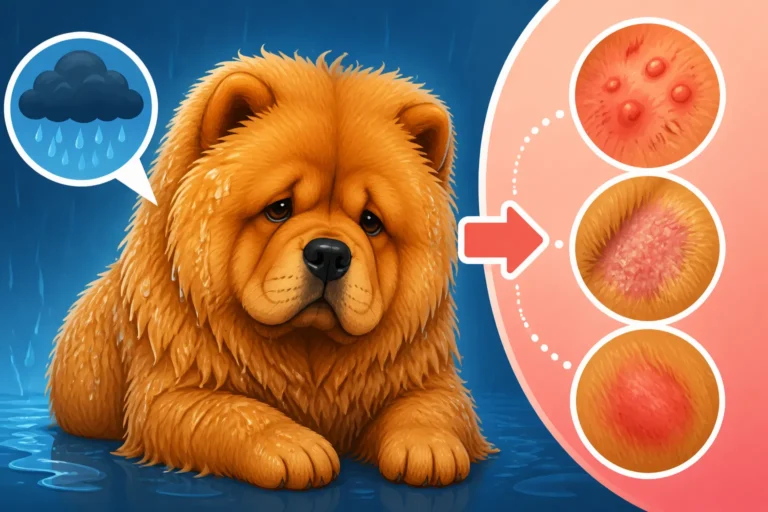
The warmth of their body combined with the trapped moisture and lack of airflow creates a perfect breeding ground for all sorts of unwelcome guests. We're talking about bacteria and yeast, which thrive in such environments. This isn't just about a "damp dog smell," which can be unpleasant enough. This is about real discomfort and potential health issues for your furry friend. Prolonged dampness can lead to skin irritations, itching, and eventually full-blown infections. It can be a truly miserable experience for them, and one that's entirely preventable with proper drying techniques. Our article on Why a Damp Chow Chow Gets Skin Trouble goes into even more detail on this exact issue.
The Risks and Realities of Air Drying a Chow Chow
The consequences of letting a Chow Chow air dry extend beyond just a lingering damp scent. They often lead to painful and expensive veterinary visits, highlighting why this practice is so strongly advised against by breeders, groomers, and veterinarians alike.
Skin Irritations and Infections
When that dense undercoat remains wet for hours, the skin underneath doesn't get to breathe. This moist, warm environment is ideal for the rapid growth of bacteria and yeast that naturally live on a dog's skin. What starts as a simple damp spot can quickly escalate into a full-blown skin infection. These can manifest as:
- Hot Spots (Acute Moist Dermatitis): These are intensely itchy, red, inflamed, and often oozing lesions that appear suddenly. Chows will lick, chew, and scratch at them relentlessly, making them larger and more painful. Hot spots can develop incredibly fast, sometimes seemingly overnight, and they are incredibly uncomfortable for your dog. You might find yourself at the vet needing antibiotics and anti-inflammatory medications. We cover this topic in depth in How Often a Chow Chow Gets Hot Spots.
- Yeast Infections: Often appearing as reddish, greasy patches with a distinct, musty odor, yeast infections (Malassezia dermatitis) are common in damp areas. They cause intense itching and can lead to thickened, discolored skin over time.
- Bacterial Pyoderma: This is a bacterial skin infection that can cause pustules, crusts, and hair loss. It often requires oral antibiotics and medicated shampoos to resolve.
It's particularly challenging with Chow Chows because their thick coat can effectively hide these problems until they become quite severe. By the time you notice the itching, the odor, or manage to part the fur enough to see the irritated skin, the infection might be well-established. It’s a frustrating situation because their amazing double coat, while protective in some ways, can also be a master of disguise when it comes to underlying skin issues. If you've ever had a Chow Chow with skin issues, you know the struggle of trying to find the source under all that fur, which is why we discussed Why a Chow Chow's Dense Coat Hides Skin Disease in another post.
Matting and Undercoat Issues
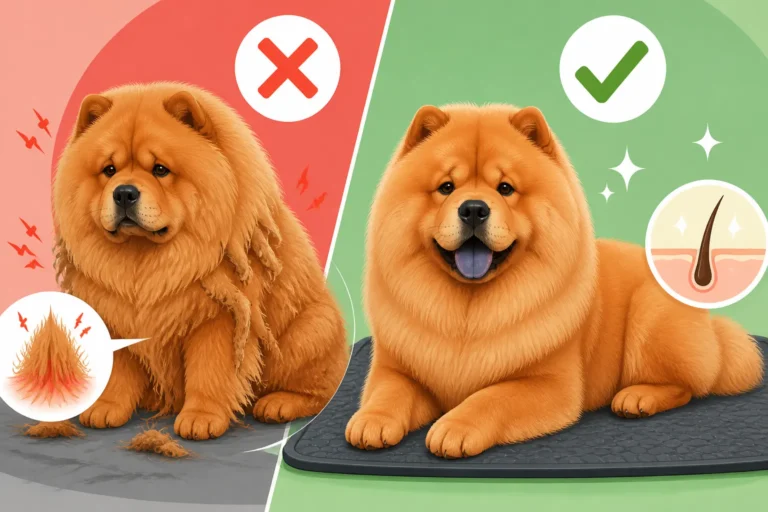
Beyond skin health, air drying wreaks havoc on the Chow Chow's coat itself, leading to severe matting. Mats are dense clumps of tangled fur that form when shed hair gets interwoven with live hair, and moisture makes this process much worse.
When a Chow Chow's coat air-dries, the individual hairs, especially the soft undercoat, shrink and curl as they lose moisture. This shrinkage pulls the hairs closer together, creating tight knots that are incredibly difficult to comb or brush out. Instead of the hair drying straight and fluffy, it becomes a tangled, felted mess, particularly in areas prone to friction like behind the ears, under the legs (the armpits), around the collar, and in their "britches" (the fur on their hindquarters). We've explored these tricky spots in Where a Chow Chow Mats First.
Severe matting is not just an aesthetic problem; it's a painful one. Mats pull on the skin, causing discomfort and irritation. They restrict movement, and if left untreated, can even cut off circulation or harbor parasites. Trying to brush out a matted Chow Chow is often agonizing for the dog and a battle for the owner. Many times, the only humane solution for a severely matted Chow Chow is to have a professional groomer carefully shave the mats out, which means a very short haircut, potentially for the entire dog, and a fresh start once the coat grows back. This is not only expensive but can also be distressing for both you and your Chow. Plus, it bypasses the function of their protective coat, potentially exposing sensitive skin to the sun. It’s truly important to understand Whether Mats Hurt a Chow Chow to grasp the severity of this issue.
The Right Way to Dry Your Chow Chow
So, if air drying is out, what's the solution? It might seem daunting, but with the right tools and technique, you can dry your Chow Chow thoroughly and safely, preventing those painful skin and coat issues.
The Importance of Towel Drying and Force Drying
The process begins even before you reach for any electrical appliances. After a bath, your first step should be to use super absorbent towels – and you'll likely need several – to soak up as much water as possible from your Chow Chow's coat. Gently squeeze and blot the fur; avoid harsh rubbing, as this can actually encourage tangles and mats. The more water you can remove with towels, the less time you'll spend with the dryer.
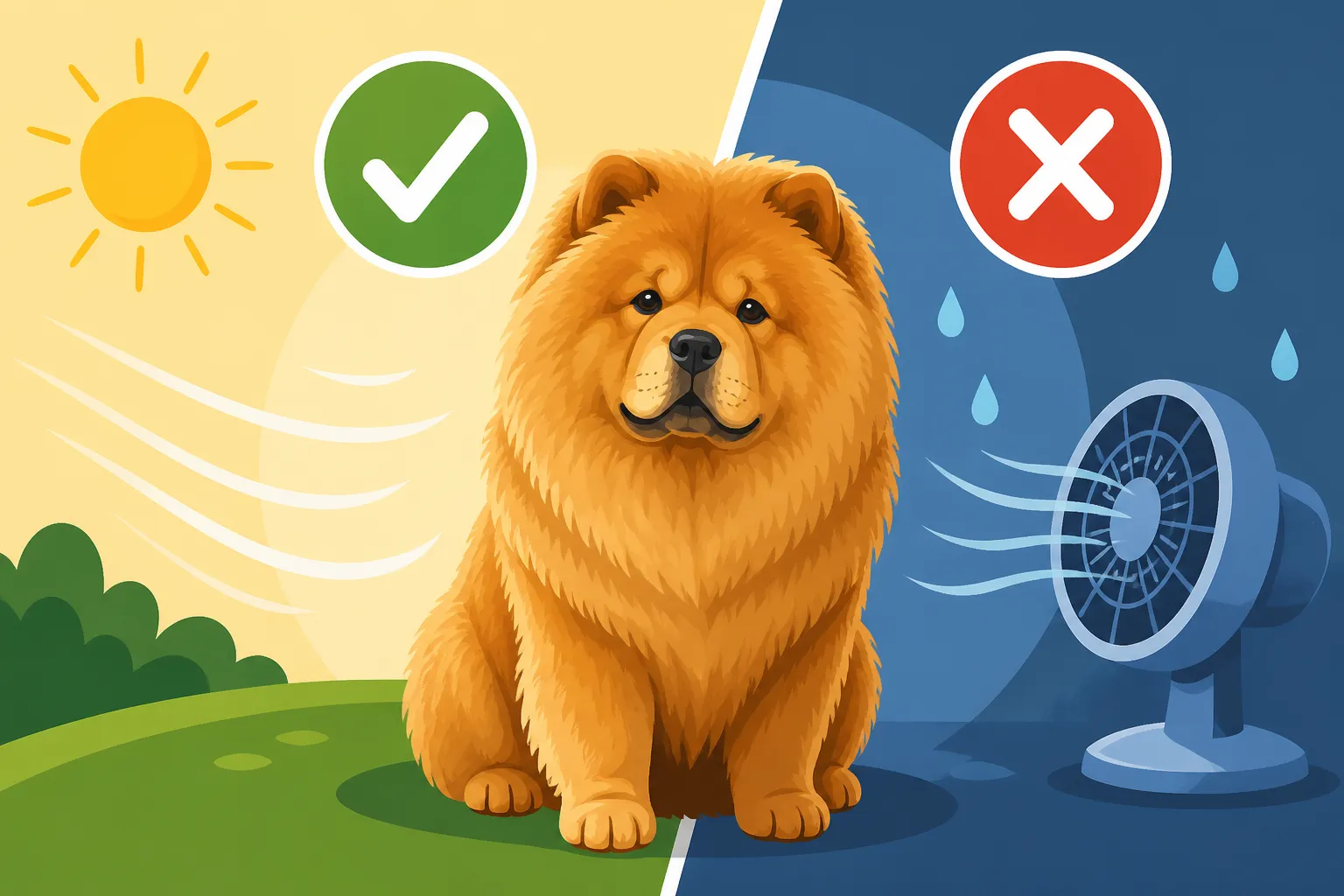
Once you've done all you can with towels, it's time to introduce your secret weapon: the high-velocity dryer, often called a force dryer. This is not a human hair dryer. Human hair dryers use heat to evaporate water, which can easily burn your dog's skin, especially considering how long it would take to dry their dense coat. A force dryer, on the other hand, works primarily with powerful, high-volume airflow to literally force the water out of the coat. It blasts the water away from the skin, separates the hairs, and helps to "fluff" the undercoat, ensuring every single layer is completely dry.
Investing in a good quality force dryer is one of the best decisions you can make as a Chow Chow owner. While it's an upfront cost, it will save you countless hours of drying time, prevent matting, and significantly reduce the risk of skin infections, saving you money on vet bills in the long run. You can find excellent options for high-velocity pet dryers on sites like Amazon, which are specifically designed for thick-coated breeds. Remember, this tool is paramount to ensuring your Chow Chow is dried to the skin, which is the ultimate goal. For more insight into the time commitment, check out How Long a Chow Chow Takes to Dry, and understand the crucial need to dry them completely in Why a Chow Chow Must Be Dried to the Skin.
Step-by-Step Drying Process
Drying a Chow Chow effectively is a methodical process, but it becomes much easier with practice and the right approach. Here’s a breakdown:
- Initial Towel Dry: As mentioned, start by thoroughly towel drying your Chow Chow. Blot and squeeze out as much excess water as you can. This will significantly cut down on the time needed for the force dryer.
- Set Up Your Drying Station: If possible, use a grooming table. This keeps your Chow Chow elevated and prevents you from having to bend awkwardly, making the process more comfortable for both of you. If you don't have a table, a non-slip mat on the floor works. Have your force dryer, brushes, and some treats ready.
- Introduce the Dryer Slowly: Many Chows are initially wary of the noise and force of the dryer. Start with the dryer on a low setting, far away from your dog, letting them get used to the sound. Offer praise and high-value treats (like those from Chewy) for calm behavior. Gradually bring the dryer closer, always starting on their rear or belly, areas they might be less sensitive about, and always keeping the nozzle moving.
- Section by Section Drying (Line Drying): This is the key to thorough drying. Divide your Chow Chow's coat into manageable sections. Using the force dryer, direct the airflow close to the skin. As you dry, use a slicker brush or a long-toothed comb to gently brush the hair outwards, from the skin up and away, following the path of the airflow. This technique is called "line drying" or "line brushing" and ensures that the air penetrates all the way to the skin. Start at the bottom of a section (e.g., a leg) and work your way up, ensuring the skin is dry before moving to the next strip of hair. We explain this technique in more detail in How to Line Brush a Chow Chow.
- Focus on Dense Areas: Pay extra attention to the areas with the densest fur, such as the ruff around their neck, the britches, and their tail. These areas are notorious for holding moisture.
- Brush While Drying: Continuously brush and comb through the coat as you dry. This helps separate the hairs, prevents mats from forming, and allows the air to reach every strand. You'll be amazed at how much undercoat comes out during this process – it's a fantastic way to manage shedding too! For an idea of the time commitment for this, particularly with a rough coat, take a look at How Long Brushing a Rough Chow Chow Takes.
- Check for Dampness: Once you think your Chow Chow is dry, do a final thorough check. Run your fingers deep into their coat, parting the fur all the way to the skin. Feel for any lingering dampness. If you find any, hit that spot again with the dryer until it's completely dry. Any damp spot is a potential hot spot waiting to happen.
When Professional Grooming Might Be Necessary
We totally get it – not everyone has the time, the space, the physical ability, or even the desire to undertake the full bath and dry routine for a Chow Chow at home. It’s a significant commitment, and there’s absolutely no shame in seeking professional help.
Professional groomers are equipped with industrial-strength force dryers and specialized tools that make the drying process much more efficient and effective. They also have the experience to handle even the most reluctant Chow Chow (though positive early experiences at home can certainly help them!). A good groomer understands the unique needs of a double-coated breed and knows how to dry them completely and prevent matting. They can also offer services like de-shedding treatments during a coat blow, which can be a lifesaver.
However, it's crucial to find a groomer who is experienced with Chow Chows. Not all groomers are comfortable with their unique temperament or their challenging coat. Don't be afraid to ask questions about their experience with the breed and their drying methods. It’s not uncommon for some groomers to refuse Chows, a topic we touch upon in Why Some Groomers Refuse a Chow Chow, so finding the right fit is key. While it's an added expense, regular professional grooming can save you headaches and vet bills in the long run, ensuring your Chow Chow's coat and skin remain in top condition.
Addressing Common Misconceptions and Concerns
It's natural to have questions and even frustrations when dealing with the demanding grooming needs of a Chow Chow. Let's tackle some common concerns head-on.
"My Chow Chow Hates the Dryer!"
This is a lament we hear often, and it's completely understandable. The noise and sensation of a high-velocity dryer can be overwhelming for some dogs, especially if they weren't introduced to it properly as puppies. However, avoiding the dryer isn't an option for a Chow Chow without risking their health. The good news is that with patience, positive reinforcement, and a structured approach, most Chow Chows can learn to tolerate, if not entirely enjoy, the drying process.
Here's how you can help desensitize your Chow Chow:
- Start Slow: Don't just blast them with the dryer. Begin by simply having the dryer in the room, turned off, and reward them for ignoring it.
- Low Settings: Turn it on the lowest setting, farthest away from your dog. Give treats and praise. Gradually bring it closer over several short sessions, always rewarding calm behavior.
- Positive Association: Pair the sound and sensation of the dryer with highly desirable treats (those Chewy treats can come in handy here!) or even a favorite toy. The goal is for them to associate the dryer with good things.
- Short, Frequent Sessions: Instead of one long, scary session, do several very short ones. Even 5-10 minutes of positive exposure can build tolerance over time.
- Consider Location: Some dogs do better in a quieter room, or with soft music playing in the background to mask some of the dryer noise.
- Ear Protection: Some Chows might benefit from dog-specific ear muffs or a snood that covers their ears, which can dampen the sound.
Consistency is key here. The more regularly your Chow Chow is exposed to the dryer in a positive way, the more likely they are to accept it as a normal part of their routine. We have some good strategies in How to Desensitize a Chow Chow to Clippers that can easily be adapted for dryer desensitization too.
The Cost and Time Commitment of Proper Drying
There's no denying that owning a Chow Chow comes with specific investments, both in terms of money and time, especially when it comes to grooming. A high-velocity dryer, while essential, represents an upfront cost. You can often find decent entry-level models, but higher-end ones can be a bit more of an investment. For a clear idea of what to expect, we've broken down What a High Velocity Dryer Costs a Chow Chow Owner in another post.
Then there's the time. Drying a fully wet Chow Chow, especially a rough-coated one, can easily take an hour, sometimes two, even with a powerful force dryer and good technique. This isn't a 15-minute job. It requires patience and dedication.
However, consider the alternative. The cost of treating severe skin infections or having extensive matting professionally shaved off can quickly exceed the cost of a good dryer or regular professional grooming. A single vet visit for a hot spot, plus medication, can be a significant expense. Furthermore, the pain and discomfort your Chow Chow experiences from preventable skin issues or mats are priceless.
Think of it this way: proper drying is not just a cosmetic chore; it's an integral part of your Chow Chow's health and well-being. It’s an investment in their comfort and your peace of mind. It's about being a responsible pet parent and ensuring your beautiful companion lives a healthy, happy life. If you're weighing the costs, don't forget to factor in What Professional Grooming Costs for a Chow Chow as a viable, often necessary, alternative to home grooming.
| Feature / Method | Air Drying for Chow Chows | Force Drying for Chow Chows |
|---|---|---|
| Drying Time | Extremely long (hours, often overnight or longer) | Significantly shorter (1-2 hours for a full coat) |
| Skin Health Risk | High risk of hot spots, yeast infections, bacterial pyoderma | Low risk when done thoroughly, promotes healthy skin |
| Matting Risk | Very high, causes severe tangles and felting of undercoat | Low, helps prevent mats by separating hairs |
| Odor Development | High risk of "damp dog" smell and musty odors from infections | Low, eliminates moisture that causes odors |
| Coat Health | Can damage coat structure, make it brittle, encourages breakage | Preserves coat health, adds volume and fluffiness |
| Dog Comfort | Prolonged dampness causes discomfort, itching, pain from mats | Dries quickly, promotes comfort, less skin irritation |
| Owner Effort | Low immediate effort, but high effort later for vet/groomer | High immediate effort and learning curve, but less later |
| Equipment Needed | None | High-velocity dryer, towels, brushes, treats |
Ultimately, the answer to "Whether a Chow Chow Should Air Dry" is a resounding no. While it might seem like the easier path after a long bath, the potential health problems and discomfort for your beloved companion far outweigh any perceived convenience. By understanding their unique double coat and investing in the right tools and techniques—or the services of a skilled professional groomer—you're ensuring your Chow Chow stays healthy, happy, and looking their magnificent best. It's a commitment, yes, but one that is absolutely worth it for these stoic and beautiful dogs.
Disclaimer
This article is for general informational purposes only and does not constitute professional advice. Laws, prices and regulations vary by location and change over time. Consult a qualified professional for guidance on your specific situation.