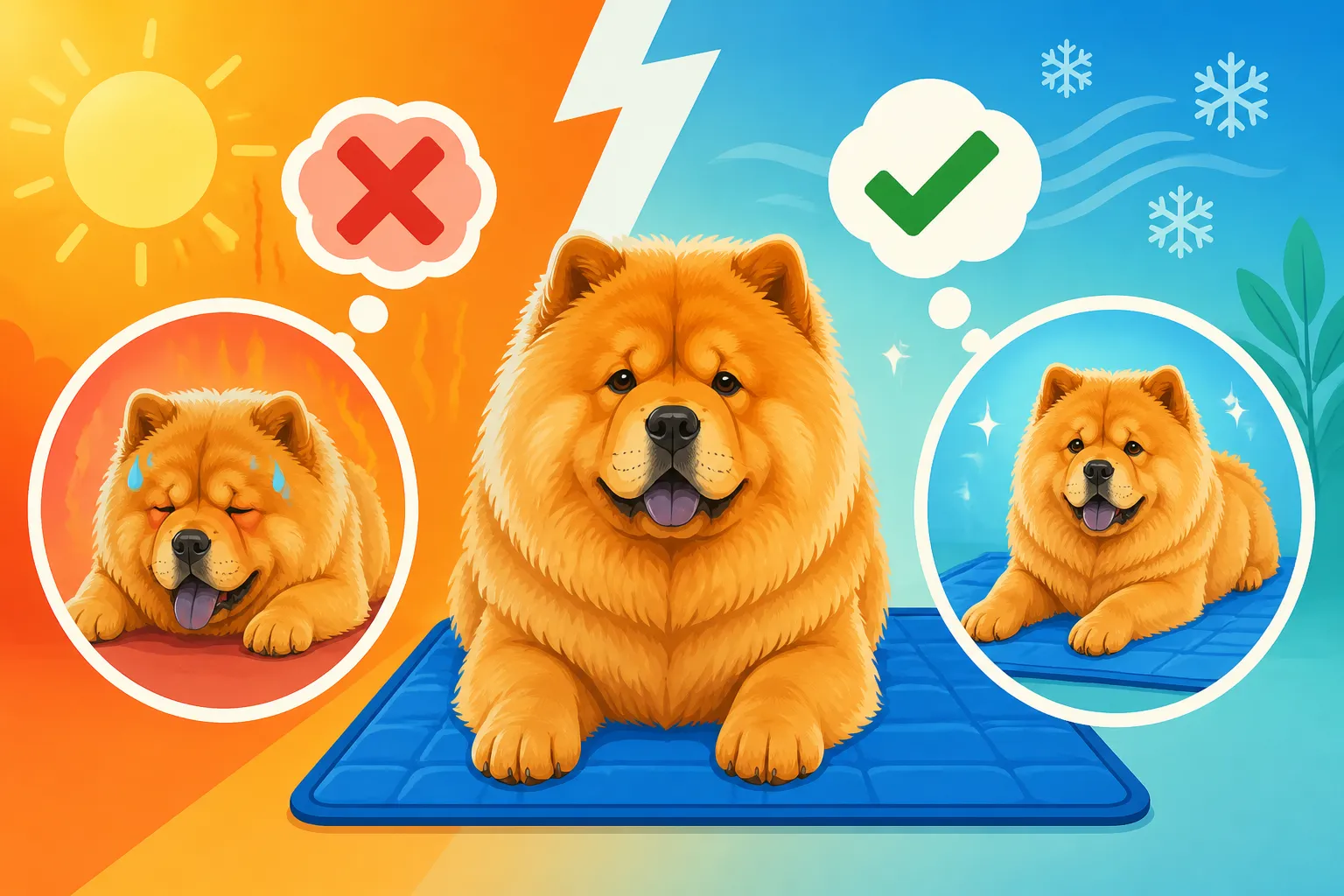
Whether a Cooling Mat Actually Helps a Chow Chow
Anyone who shares their life with a magnificent Chow Chow knows the very real struggle of keeping them comfortable when the mercury rises. It's heartbreaking to see your fluffy companion panting heavily, unable to find relief, even indoors. You've probably looked at every gadget and trick under the sun to help them cool down, and one common suggestion is a cooling mat. But does a cooling mat actually make a difference for a breed built for colder climates? This guide is here to tell you how these mats work, what to look for, and whether they can genuinely offer some much-needed respite for your heat-sensitive Chow.
Why Your Chow Chow Desperately Needs Help Staying Cool
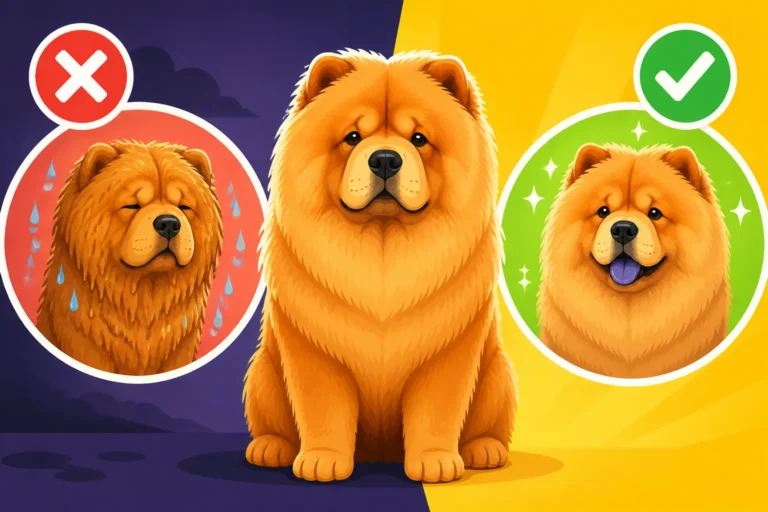
Let's be honest, our Chow Chows are walking fur coats, designed for chilly temperatures, not scorching summers. Their unique physiology makes them incredibly vulnerable to overheating, and it's a constant worry for responsible owners. Understanding why they struggle so much is the first step in effectively helping them.
Their Magnificent, Yet Challenging, Double Coat
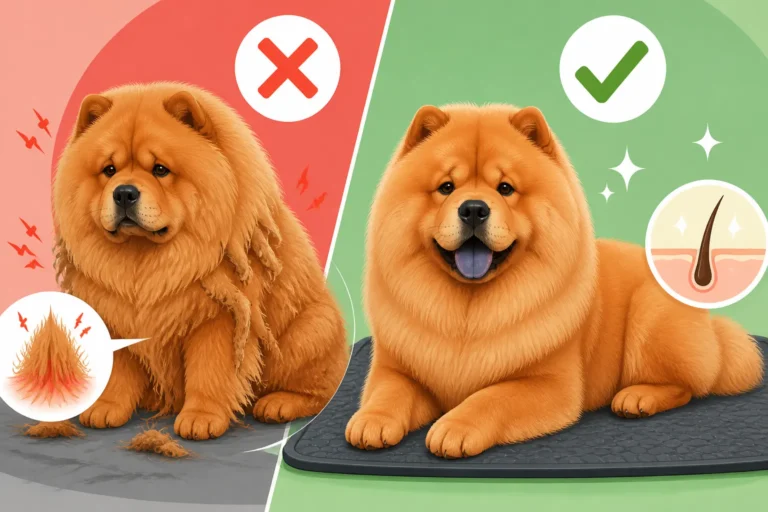
That glorious, dense coat, whether rough or smooth, is a Chow Chow's defining feature. It’s what gives them their lion-like appearance and that teddy bear softness we adore. But beneath that beautiful exterior lies a serious insulation problem in warm weather. Chows have a thick outer coat of coarse guard hairs and an even denser, soft undercoat. This combination, while fantastic for keeping them warm in freezing temperatures, traps heat against their body like a thick woolen blanket on a summer day. It's simply not designed to release heat quickly. Even with regular brushing, which is crucial for removing loose undercoat, the sheer volume of fur makes heat dissipation incredibly difficult. Why a Chow Chow's Double Coat Traps Heat is something every owner grapples with.
Picture yourself wearing a heavy wool sweater and a down jacket in 90-degree heat – that's essentially what your Chow Chow is experiencing. This isn't just uncomfortable; it's dangerous. The trapped heat elevates their core body temperature, and if not addressed, can quickly lead to more severe health issues.
The Brachycephalic Breathing Challenge
Another significant factor contributing to a Chow Chow's heat intolerance is their brachycephalic (short-nosed) facial structure. While not as extreme as some other breeds like French Bulldogs or Pugs, their flatter faces and shorter muzzles mean they don't pant as efficiently as long-nosed dogs. Panting is a dog's primary way of cooling down, as it allows for evaporative cooling through the mouth and respiratory tract.
With a shorter muzzle and potentially narrower airways, the air exchange during panting is less effective. They simply can't move as much air across their moist membranes to cool their blood as quickly. This means they have to work harder to breathe when hot, which in turn generates more heat, creating a dangerous cycle. It’s a frustrating reality for these otherwise stoic dogs. Why a Chow Chow's Short Muzzle Cools Poorly is a critical piece of information for any Chow Chow guardian.
Low Tolerance for Activity in the Heat
Because of their heavy coats and brachycephalic structure, Chow Chows have a very low tolerance for exercise in warm conditions. Even a short walk on a humid day can be enough to push them into dangerous territory. While a long-nosed, single-coated dog might happily trot along, a Chow Chow can quickly become overheated, panting excessively, and struggling to keep up.
It's not just strenuous activity either; simply being out in the sun, or even in a warm, unventilated room, can cause them distress. Signs a Chow Chow Is Overheating on a Walk are something every owner needs to recognize immediately, as early intervention can be life-saving. Their natural inclination for being somewhat reserved can also make it harder to spot the early signs of distress, as they might not outwardly complain until they are in serious trouble.
Understanding How Cooling Mats Offer Relief
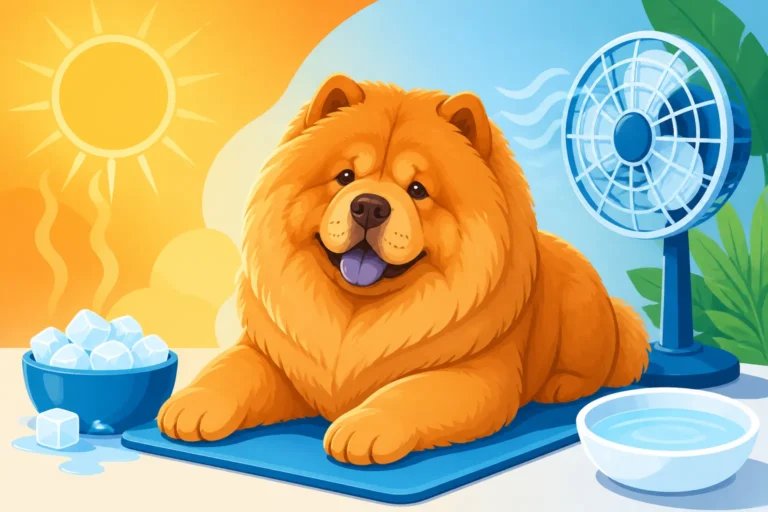
So, we know our Chows get hot. Now, how do these seemingly simple mats actually help? Cooling mats are designed to draw heat away from your dog's body, providing a cooler surface for them to rest on. They're not air conditioners, but they can be a valuable tool in your arsenal against the heat.
The Different Types of Cooling Mats
When you start looking at cooling mats, you'll notice there isn't just one kind. They generally fall into a few categories, each with its own method of providing a cool spot.
- Gel-Based Cooling Mats: These are perhaps the most common. They contain a non-toxic gel that reacts to pressure. When your Chow lies down, their weight activates the gel, causing it to absorb and dissipate body heat. They don't require refrigeration or electricity, making them very convenient. The cooling effect typically lasts for a few hours before the mat needs some time to "recharge" and return to its cooler state. Many brands offer these, and you can often find a good selection on sites like Chewy or Amazon.
- Water-Filled Cooling Mats: As the name suggests, these mats are filled with water. You typically fill them up once, and the water inside helps to absorb and radiate heat away from your dog. Some might even suggest adding a bit of ice to the water for an extra chill, but this isn't always practical or recommended for long periods, as it can be too cold. These can be quite durable but can be heavy once filled and there's always the risk of a leak if punctured.
- Phase-Change Material (PCM) Mats: These are a more advanced option. PCM mats contain a special material that solidifies and liquefies at a specific temperature, usually around 70-80°F (21-27°C). When your dog's body temperature is above this point, the PCM absorbs heat to melt, providing a sustained cooling effect. They then re-solidify as they release the stored heat into the cooler ambient air. These are often more expensive but can offer a longer-lasting cool without needing refrigeration.
- Elevated Mesh Beds: While not a "mat" in the traditional sense, elevated beds with a breathable mesh fabric are excellent for promoting airflow underneath your dog. This prevents heat from getting trapped against the floor, which can be surprisingly effective. These don't actively cool, but they significantly improve passive cooling, especially when placed in a breezy spot or under a fan. They're also incredibly durable and easy to clean.
The Science Behind the Cool Touch
The fundamental principle behind most cooling mats is simple thermodynamics: heat transfer. Heat naturally moves from a warmer object to a cooler one. When your warm Chow Chow lies on a cooling mat, the mat's cooler surface or internal material absorbs the heat from your dog's body.
- For gel mats, the gel itself is designed to have a lower temperature than your dog's body. The pressure from your dog lying down spreads the gel and facilitates this heat transfer. The mat then slowly releases this absorbed heat into the surrounding air.
- Water-filled mats work similarly, with the water acting as a heat sink. Water has a high specific heat capacity, meaning it can absorb a lot of heat before its own temperature rises significantly.
- PCM mats leverage the phase change (solid to liquid) to absorb a large amount of latent heat at a constant temperature, making them highly efficient at cooling without getting excessively cold.
Essentially, these mats create a cooler "microclimate" directly beneath your dog, allowing them to lower their body temperature by conduction.
Realistic Expectations from a Cooling Mat
It's crucial to approach cooling mats with realistic expectations. A cooling mat is a tool for comfort and supplemental cooling, not a substitute for proper temperature management or emergency care. It won't instantly drop your Chow Chow's core temperature if they are already severely overheated, and it certainly can't replace air conditioning on a sweltering day.
Think of it like this: a cool drink on a hot day feels wonderful, but it won't prevent heatstroke if you're exercising in direct sun for hours. Similarly, a cooling mat provides a refreshing spot for your Chow to rest, helping to prevent them from getting too hot, or offering relief after a brief outdoor excursion. It's an excellent addition to a multi-faceted cooling strategy, especially for a breed as heat-sensitive as the Chow Chow. It's a fantastic way to offer them a personal cool zone when they need it most.
Choosing the Right Cooling Mat for Your Chow Chow
Selecting the perfect cooling mat for your Chow Chow involves more than just picking the first one you see. Their unique build and coat require specific considerations to ensure it's both effective and safe.
Size, Durability, and the "Chow Chow Factor"
The first thing to consider is size. A Chow Chow is a substantial dog, and they need a mat large enough for them to stretch out comfortably. A mat that's too small will only offer partial relief, defeating the purpose. Look for dimensions that allow your Chow to lie fully on the surface, with their body making good contact to maximize the heat transfer. A medium-sized mat might be fine for a smaller dog, but your Chow Chow will likely need a large or even extra-large.
Durability is another non-negotiable. Chow Chows can be quite heavy, and their dense coats mean they might shift around to find the best cool spot. You need a mat with a robust, puncture-resistant outer material. If you have a younger Chow or one prone to chewing, look for reinforced edges or a tougher fabric. Some owners even place a thin, durable cover over the mat for extra protection. You wouldn't want the mat to spring a leak, especially if it's gel-based, as even non-toxic gels can cause an upset stomach if ingested.
Consider the "Chow Chow factor" – their glorious mane and dense fur can sometimes prevent direct skin contact with the mat. While it will still offer some cooling through the coat, direct contact is most efficient. Choosing a slightly firmer gel mat or an elevated bed might offer better contact than a very soft, squishy option.
Material Safety and Maintenance
Always prioritize safety. Ensure any gel or phase-change material inside the mat is non-toxic. While reputable brands almost exclusively use safe materials, it's always worth double-checking product descriptions and reviews. If the mat gets damaged and the contents are exposed, you want peace of mind knowing it won't harm your dog if they investigate with their mouth.
Maintenance is also key. A mat that’s hard to clean will quickly become unhygienic, especially with a shedding Chow Chow. Look for mats with wipeable surfaces that can be easily cleaned with a damp cloth and mild soap. Some might even have removable, machine-washable covers. For water-filled mats, consider how easy they are to drain and refill. An elevated mesh bed is often the easiest to maintain, as you can simply hose it down.
When browsing options on Amazon, for example, pay close attention to the "customer questions" section; other Chow Chow owners might have asked about durability or specific cleaning tips for their furry friends.
Portability and Versatility
Think about where and when you'll use the cooling mat. Will it primarily be for indoor use, or do you want to take it with you on trips, to the park, or even to outdoor events?
- Portability: Gel mats are often the most portable, as they don't require external power or water and fold up relatively easily. Water-filled mats can be cumbersome when full but are portable when empty. PCM mats also tend to be quite portable.
- Versatility: Can it be used in their crate, on their bed, or directly on the floor? Some mats are more rigid, while others are flexible. If your Chow has a favorite lounging spot, ensure the mat can fit there. An elevated bed is fantastic for outdoor use or on a patio, allowing maximum airflow. Having a dedicated cooling spot that they can gravitate to can make a huge difference in their comfort during warmer months.
A Quick Comparison of Cooling Mat Types
Here's a handy table to help you compare the main types of cooling mats:
| Feature | Gel-Based Mat | Water-Filled Mat | PCM Mat | Elevated Mesh Bed |
|---|---|---|---|---|
| Cooling Method | Pressure-activated gel absorbs heat | Water absorbs and dissipates heat | Phase-change material absorbs latent heat | Promotes airflow, prevents heat trapping |
| Power Needed? | No | No (but needs filling) | No | No |
| Recharge Time? | Yes, needs time to cool down after use | No, constant cooling while water is cool | Yes, needs time in cooler air to re-solidify | No, passive cooling |
| Portability | High | Medium (heavy when full, light when empty) | High | Medium to low (can be bulky) |
| Durability | Moderate (gel can be punctured) | Moderate (water can leak if punctured) | Good (material often more robust) | High (very robust, chew-resistant options) |
| Maintenance | Wipe clean | Refill/drain, wipe clean | Wipe clean | Hose down, wipe clean |
| "Chow Factor" | Good direct contact, but watch for punctures | Good direct contact, but watch for punctures | Good direct contact | Excellent airflow through coat |
| Key Advantage | Convenient, no refrigeration | Simple, effective | Sustained cooling, no extreme cold | Superior airflow, very durable |
| Key Disadvantage | Can warm up, risk of puncture | Risk of leaks, heavy when full | More expensive, can warm up | Does not actively cool, just aids airflow |
Integrating Cooling Mats into a Comprehensive Cooling Strategy
While a cooling mat is a fantastic piece of gear, it's most effective when used as part of a broader strategy to keep your Chow Chow cool and safe. Remember, these dogs are prone to overheating, so you need to be vigilant.
Optimal Placement and Encouraging Use
Where you place the cooling mat can significantly impact its effectiveness.
- Indoors: Place it in your Chow Chow's favorite resting spot, away from direct sunlight. This could be in their crate, on their regular dog bed, or a quiet corner of the living room. Near a fan or an air conditioning vent can amplify the cooling effect. If your Chow has access to the kitchen, a spot on a tile floor might already be cool, and adding a mat there can be an extra treat.
- Outdoors: If you're using it outside, ensure it's in a shaded area, preferably on a patio or deck rather than hot asphalt or concrete. Elevated mesh beds shine here, as they allow air to circulate even on warm ground.
Some Chow Chows take to a cooling mat immediately, while others might be wary. You can encourage them to use it by placing treats on it, or simply by sitting next to it and gently coaxing them. Never force them onto it, as this can create a negative association. Praise them enthusiastically when they lie on it on their own.
Beyond the Mat: Other Essential Cooling Methods
A cooling mat is just one piece of the puzzle. For a breed like the Chow Chow, you need a multi-layered approach to heat management.
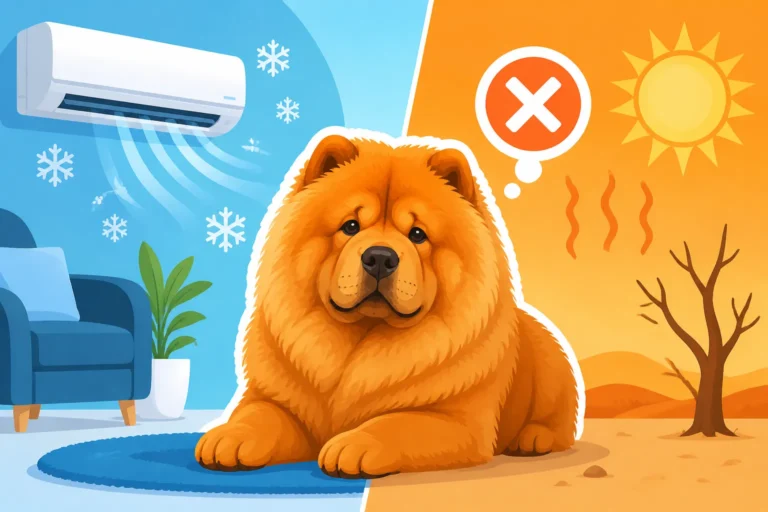
- Air Conditioning is Non-Negotiable: During warm months, especially in humid climates, Whether a Chow Chow Needs Air Conditioning isn't a question – it's a necessity. Their double coat makes them incredibly vulnerable. Keeping your home’s interior cool, ideally below 75°F (24°C), is paramount.
- Strategic Walking Times: Avoid walks during the hottest parts of the day. Early mornings and late evenings are best. Even then, keep walks short and watch for Signs a Chow Chow Is Overheating on a Walk. Remember, asphalt can be searingly hot on their paw pads.
- Plenty of Fresh Water: Always have fresh, cool water available. Consider adding ice cubes to their bowl or using a large ceramic bowl that helps keep water cooler for longer. How Much Water a Chow Chow Drinks in Summer is often more than you'd expect, so keep it topped up.
- Fans and Ventilation: Strategic placement of fans can create a cooling breeze, especially if directed towards their cooling mat or sleeping area. Good ventilation throughout your home is also important.
- Cooling Vests or Bandanas: For shorter outdoor excursions, a cooling vest or bandana (soaked in cold water) can provide temporary relief by facilitating evaporative cooling on their torso or neck.
- Kiddie Pools: Some Chows enjoy a shallow kiddie pool with a few inches of cool water. Just supervise them closely and ensure they don't ingest too much water. This can be a great way to How to Cool a Chow Chow Down Fast after a short time outdoors.
- Grooming: Regular, thorough brushing is vital to remove loose undercoat, which acts as insulation. While you should never shave a Chow Chow, maintaining a healthy, unmatted coat helps maximize what little natural cooling they have.
Recognizing When a Mat Isn't Enough: Heatstroke
Even with the best precautions, accidents can happen, or the weather can simply be too extreme. You must know the signs of heatstroke and understand that a cooling mat will not save a dog already in crisis. Signs a Chow Chow Is in Heat Stroke include excessive panting, drooling, lethargy, staggering, dark red gums, vomiting, and collapse. This is an emergency.
If you suspect heatstroke:
- Get them out of the heat immediately. Move them to an air-conditioned space.
- Apply cool (not ice cold) water to their body, especially the paw pads, armpits, and groin. A wet towel or sponge can work. Avoid ice, as it can constrict blood vessels and hinder cooling.
- Offer small amounts of cool water if they are conscious and able to drink.
- Seek veterinary attention immediately. Even if they seem to recover, internal damage can be occurring, and only a vet can properly assess and treat them. Time is of the essence.
Never leave a Chow Chow unsupervised in a hot car, even for "just a minute." Why a Chow Chow Should Never Wait in a Car is a critical lesson, as interior temperatures can skyrocket incredibly fast, putting your dog at extreme risk.
A cooling mat is a fantastic tool for comfort and preventative cooling for your beloved Chow Chow. It can give them a dedicated spot to find relief, but it must be part of a comprehensive approach to heat management. By understanding their unique needs and implementing a variety of cooling strategies, you can help your majestic companion enjoy the warmer months safely and comfortably.
Disclaimer
This article is for general informational purposes only and does not constitute professional advice. Laws, prices and regulations vary by location and change over time. Consult a qualified professional for guidance on your specific situation.