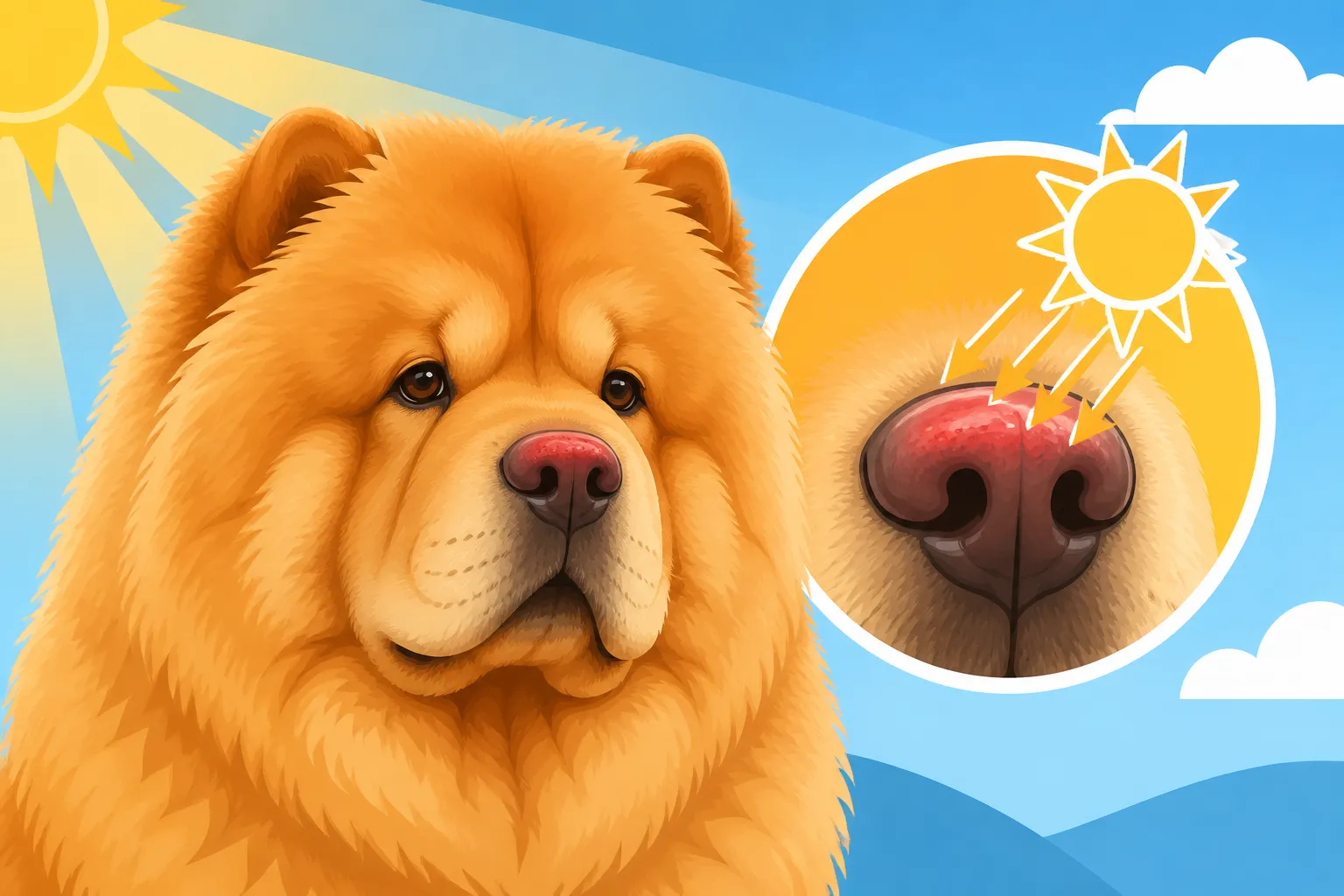
Whether a Chow Chow’s Nose Sunburns
It’s a common misconception that a Chow Chow, with their magnificent, dense coat, is impervious to the sun's harsh rays. While their fur offers incredible protection for most of their body, there's one area that remains highly vulnerable: their nose. Many owners overlook this delicate spot, leading to uncomfortable and potentially serious sunburn. This guide will dive deep into why your Chow Chow’s nose is at risk, how to spot the signs of sunburn, and most importantly, how to keep that precious truffle safe and healthy.
The Vulnerability of a Chow Chow's Nose to Sunburn
You might assume that with all that fur, your Chow Chow is just a giant fluffy cloud of sun protection. And for a good portion of their body, you're not wrong. Their double coat is an impressive barrier against the elements, but it doesn't cover everything. That adorable, usually black or slate-colored nose is wide open to the sun, and it's far more delicate than you might think. Just like our own skin, a dog's nose can suffer severe damage from prolonged UV exposure.
Why the Nose is Susceptible
Think about it: your Chow Chow's nose is constantly exposed. Whether they're sniffing around the yard, enjoying a leisurely walk, or just napping in a sunbeam, that sensitive skin isn't covered by fur. Unlike the rest of their body, which benefits from the thick, insulating layers that keep them warm in winter and surprisingly cool in summer by trapping air, the nose offers no such natural defense. It's often moist, which can even intensify the sun's effects, much like wet skin on a human can burn faster.
Furthermore, many Chow Chows have dark-pigmented noses, but this doesn't make them immune. While darker skin tones in humans offer some natural protection, a dog's nose, despite its dark color, is still sensitive skin. Some Chow Chows might even have pinker areas or spots on their nose, especially if they are a lighter color like cream or cinnamon, or if they have a "snow nose" where the pigment lightens in winter. These lighter areas are even more susceptible to burning. This direct exposure, day after day, adds up and can lead to significant issues.
The Dangers of Sun Exposure to a Chow Chow's Nose
Sunburn isn't just a minor discomfort for your Chow Chow; it carries genuine health risks. Acute sunburn is painful, causing redness, tenderness, and sometimes peeling or blistering. Imagine having a bad sunburn on your own face, and then imagine trying to sniff everything with it. It’s no fun. But beyond the immediate discomfort, chronic sun exposure to the nose can lead to more serious, long-term problems. Just as in humans, repeated sunburns can increase the risk of skin cancer, particularly squamous cell carcinoma or melanoma. While How a Chow Chow's Pigmented Mouth Hides Melanoma discusses concerns within the mouth, the nose is another area where such issues can arise.
The skin on the nose is also crucial for your dog's sense of smell and overall comfort. Damage to this skin can impact their ability to comfortably explore their world. In severe cases, the skin can become permanently thickened, scarred, or discolored. It's not just about aesthetics; it's about preserving their health and quality of life. Owners often focus on making sure their Chow Chow doesn't Why a Chow Chow Overheats So Easily in the summer, but sometimes forget about direct skin exposure.
Recognizing Sunburn on a Chow Chow's Nose
Catching sunburn early is key to preventing worse complications. Because Chow Chows are notoriously stoic and can be masters at How a Chow Chow Hides Pain, you might not immediately see overt signs of discomfort. It’s up to us, as their dedicated caretakers, to be vigilant and know what to look for, even if they aren't complaining.
Early Warning Signs of Nasal Sunburn
The first signs of a sunburned nose might be subtle. You might notice the skin on the top of their nose appears redder than usual, especially on lighter-pigmented areas. If your Chow Chow has a black nose, this redness might manifest as a slight purplish tint or simply look inflamed. The nose might also feel warm to the touch, similar to how your skin feels after spending too much time outdoors. Your dog might also start licking their nose more frequently than usual, a subtle attempt to soothe the irritation.
Another indicator could be sensitivity. If your Chow Chow usually enjoys a gentle nose rub, they might pull away or shy away from your touch if their nose is sunburned. You might also notice a slight dryness or a barely perceptible peeling of the outer layer of skin. This isn't usually something you'd typically see, so any change in the texture or color of their nose warrants closer inspection. Keep an eye out for these minor changes after any prolonged sun exposure, even if you thought it wasn't particularly hot that day, because it's the UV rays, not just the heat, that cause the burn.
Advanced Symptoms and Complications
If the sunburn is more severe or goes unnoticed, the symptoms can escalate. The redness will become much more pronounced, and the skin might even appear swollen. Blistering can occur, which is a significant concern because these blisters can rupture, leading to open sores. These open sores are highly susceptible to bacterial infections, which can be painful, slow to heal, and require veterinary intervention. A severely burned nose might also start to peel in larger flakes, revealing raw, tender skin underneath.
In very serious cases, prolonged and intense sun exposure can even lead to crusting and scabbing on the nose. This indicates significant tissue damage and can be excruciating for your dog. They might become lethargic, lose their appetite, and avoid going outside altogether. If you see signs like blistering, significant peeling, or open sores, it's a clear indication that veterinary attention is needed immediately. These are not minor issues and can compromise your Chow Chow's health and comfort significantly.
Protecting Your Chow Chow's Nose from the Sun
Prevention is always better than treatment, especially when it comes to sunburn. There are several proactive steps you can take to ensure your Chow Chow's nose stays healthy and protected, even during the sunniest months. It’s all about being mindful of their exposure and providing the right safeguards.
Sunscreen for Dogs: What to Look For and How to Apply
Yes, dog sunscreen is a real thing, and it can be a lifesaver for vulnerable areas like your Chow Chow's nose. However, you can't just grab your own SPF 50 and slather it on. Human sunscreens often contain zinc oxide or para-aminobenzoic acid (PABA), which are toxic to dogs if ingested. Since dogs will inevitably lick their noses, it's crucial to use only pet-specific sunscreen. Look for products clearly labeled for dogs, free of zinc oxide, PABA, and fragrances. You can find dog-specific sunscreens at reputable pet retailers like Chewy or on large online marketplaces like Amazon. Just be sure to read reviews carefully and choose a trusted brand.
When applying, focus on the top of the nose, avoiding the nostrils and eyes. A small amount goes a long way. Gently rub it in until absorbed. Reapply every few hours, especially if your Chow Chow has been licking or rubbing their nose, or after they've been swimming (if your Chow Chow enjoys water, which isn't always common for the breed!). It's a simple step that can make a huge difference in protecting that sensitive skin.
Behavioral and Environmental Protections
Beyond sunscreen, adjusting your Chow Chow's routine and environment is paramount. The simplest way to prevent sunburn is to limit direct sun exposure during peak UV hours, typically between 10 AM and 4 PM. This is also important for preventing them from getting too hot, as When a Chow Chow Should Be Walked in Summer emphasizes avoiding the hottest parts of the day. Schedule walks for early mornings or late evenings when the sun's rays are less intense.
If your Chow Chow spends time in the yard, ensure they have ample access to shade. This could be a large tree, a shaded patio, or even a doghouse. Consider portable shade options for your yard, or if your Chow Chow must be outside for short periods, a cooling vest could offer some protection, available from retailers like Amazon. Even inside, be aware of sunbeams streaming through windows where your Chow Chow might like to nap. Curtains or blinds can help block direct sunlight. Remember that Why a Chow Chow's Double Coat Traps Heat means they are already prone to overheating, so managing sun exposure helps with multiple health concerns at once. Creating a cool and shaded environment is essential for their overall well-being.
When to Seek Veterinary Care for Nasal Sunburn
While minor sunburns might resolve with careful home care, there are definite instances when professional veterinary attention is a must. Knowing the difference can prevent long-term complications and ensure your Chow Chow gets the relief they need. Don't hesitate to reach out to your vet if you're unsure; it's always better to be safe than sorry.
Home Care vs. Professional Help
For very mild cases of sunburn, characterized by slight redness and tenderness without blistering or peeling, you can try some gentle home care. Keep your Chow Chow indoors and out of the sun. You can apply a cool, damp cloth to their nose for short periods to provide some relief. Using a veterinarian-approved, pet-safe aloe vera gel (ensure it’s 100% pure and doesn't contain any additives or alcohol) can also be soothing. Continue to monitor the area closely for any signs of worsening.
However, if you notice blisters, open sores, significant swelling, deep redness, or any signs of pain that go beyond mild discomfort (such as excessive licking, pawing at the nose, lethargy, or loss of appetite), it's time to call your vet. They can properly assess the severity of the burn, clean any open wounds to prevent infection, and prescribe appropriate medications like antibiotics for infection or pain relief. These situations are beyond simple home remedies and require a professional touch to heal correctly and prevent lasting damage. A yearly check-up, as detailed in What a Chow Chow's Yearly Exam Costs, can also be a good time to discuss any ongoing skin sensitivities with your vet.
Long-Term Consequences of Repeated Sunburn
Ignoring or repeatedly allowing your Chow Chow's nose to get sunburned isn't just about temporary discomfort; it can lead to serious health issues down the line. Chronic sun exposure and repeated sunburns significantly increase the risk of skin cancer. Squamous cell carcinoma and melanoma are types of skin cancer that can develop on a dog's nose, especially in areas of repeated sun damage. These cancers can be aggressive and may require extensive treatment, including surgery, radiation, or chemotherapy. Early detection is crucial for the best prognosis, and regular checks of your dog’s nose are just as important as knowing How to Check a Chow Chow's Mouth for Melanoma for other types of cancer.
Beyond cancer, repeated damage can lead to permanent changes in the skin's texture and pigment. The nose might become chronically dry, cracked, or discolored. It could also lose its natural resilience, making it even more susceptible to future burns and minor injuries. This can impact your Chow Chow's overall comfort and health for the remainder of their The Eight to Twelve Years a Chow Chow Gets. Therefore, consistent prevention and prompt treatment of any sunburn are vital investments in their long-term well-being. Ensuring they stay cool and comfortable, perhaps even with a Whether a Cooling Mat Actually Helps a Chow Chow, is part of a holistic approach to their care, preventing issues like skin fold infections (Whether a Chow Chow's Skin Fold Gets Infected) and general discomfort.
Disclaimer
This article is for general informational purposes only and does not constitute professional advice. Laws, prices and regulations vary by location and change over time. Consult a qualified professional for guidance on your specific situation.