Whether Chow Chows Pulled Sleds in Mongolia
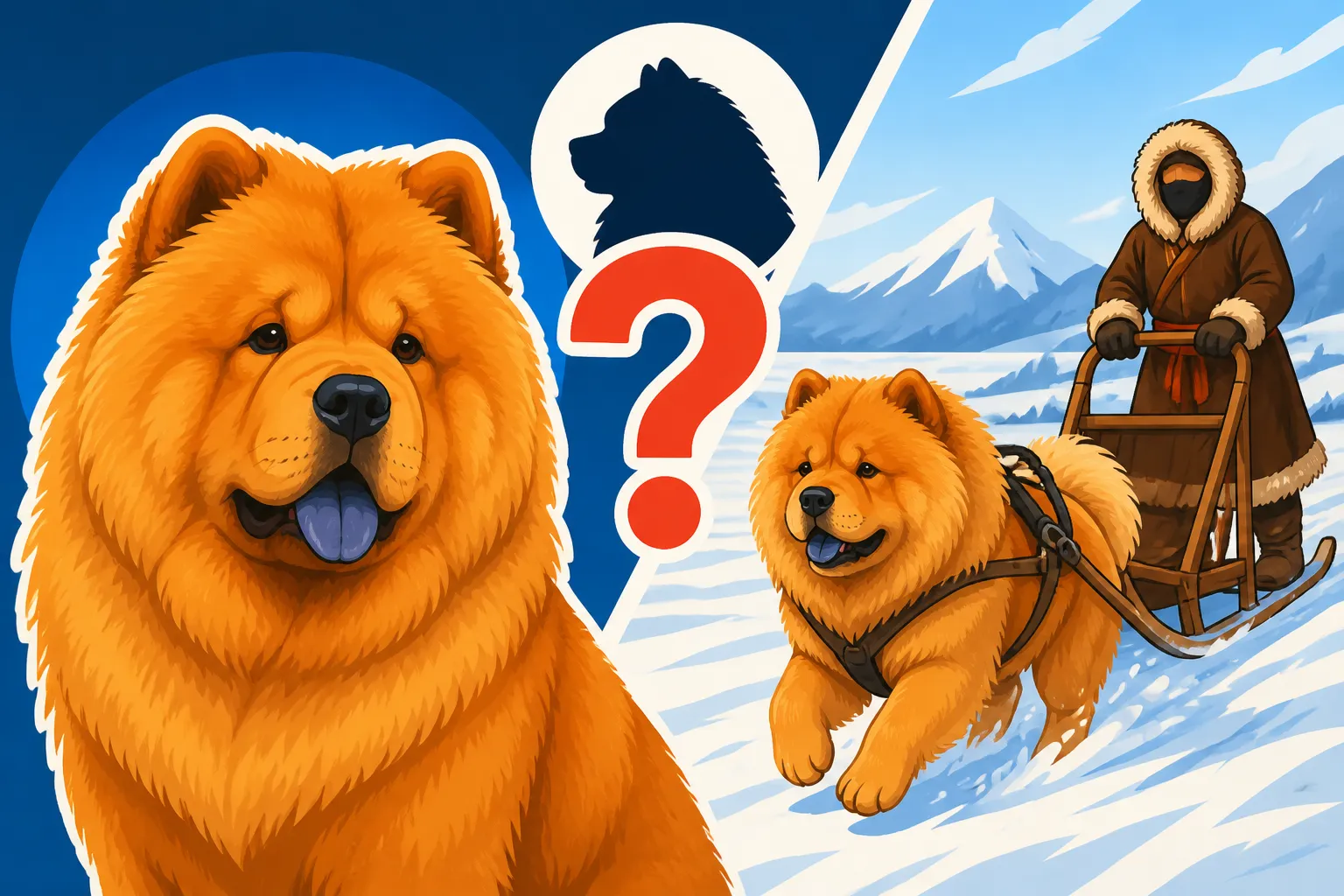
It’s a truly fascinating question, isn't it? When you look at a majestic Chow Chow, with their dense fur, sturdy build, and powerful presence, it’s easy to imagine them as a dog built for endurance and work in harsh climates. Many people wonder if these stoic, lion-like dogs were historically used to pull sleds, perhaps across the vast, windswept plains of Mongolia. While it’s a romantic image that fits their ancient heritage, the reality of the Chow Chow's historical roles is a bit different from the typical sled dog you might envision. This guide will delve into the Chow Chow's actual origins, physical attributes, and documented working past, to shed some light on this intriguing query.
The Chow Chow's Ancient Roots and Diverse Roles
When we think about the Chow Chow, we’re truly looking back into the mists of time. This isn't a modern breed; it’s one of the oldest in the world, with a history deeply intertwined with ancient cultures. Understanding where they came from is key to understanding what they did.
Tracing the Breed's Origins in China
The prevailing historical evidence, backed by archaeological finds and ancient texts, places the Chow Chow’s origins firmly in China. This isn't just a theory; we have tangible proof, like Han Dynasty pottery, showing dogs strikingly similar to the Chow Chow. They weren't just pets; they were integral to daily life in various capacities. The breed’s lineage is often traced back thousands of years within Chinese borders, with their distinct characteristics developing over centuries in this specific region. It's a rich history that tells a story of utility and adaptation to a particular environment and societal needs. The Chow Chow Is One of the Oldest Breeds in the World is no exaggeration; their history predates many modern nations.
While popular lore might sometimes place their ancestors in more northern climes, the bulk of their documented history and development as a distinct breed comes from China. This doesn't mean there wasn't any movement of dogs and people between China and neighboring regions like Mongolia, but the breed’s specific development and established roles are consistently linked to Chinese civilization. Their resilience, double coat, and territorial nature were traits honed for life within China's diverse geography, from the colder northern areas to more temperate zones, but always within a specific context that wasn't primarily focused on vast distances of sled pulling.
Beyond the Companion: Early Working Roles
In ancient China, Chow Chows were true multi-purpose dogs, fulfilling a range of vital functions for their human companions. They were far from mere ornamental pets. Their powerful build and often formidable demeanor made them excellent guard dogs, protecting homes, property, and even temples. Imagine a Chow Chow, with its natural aloofness and keen senses, standing watch over an ancient dwelling; it’s a perfect fit for their temperament. They were also used for hunting, particularly larger game, utilizing their strength and courage to track and corner prey. What a Chow Chow Hunted in China speaks volumes about their historical capabilities.
Their robust physique and endurance also lent themselves to herding. It’s not the flashy, fast-paced herding you might associate with a Border Collie, but rather a strong, steady presence that could help manage livestock. They were valued for their protective instincts and ability to work independently. While they were undoubtedly working dogs, these roles — guarding, hunting, and herding — are distinct from the sustained, long-distance draft work associated with sled pulling. They were about power, protection, and focused tasks, not necessarily hauling heavy loads over immense stretches of icy terrain. Whether Chow Chows Guarded Temples highlights another facet of their significant duties.
Understanding the Chow Chow's Physical Build and Gait
To truly understand why the Chow Chow wasn't a traditional sled dog, we need to look closely at their unique anatomy. Every breed’s physical structure is a testament to the work it was bred to do, and the Chow Chow is no exception.
The Chow's Unique Anatomy for Movement
One of the most defining physical characteristics of the Chow Chow is its distinctive rear leg structure. Unlike many other breeds, which have a pronounced angle at the hock (the joint just above the paw on the rear leg), the Chow Chow possesses a remarkably straight rear leg. This anatomical feature significantly impacts their gait and how they move. The Straight Rear Leg No Other Breed Has is a statement that underscores how truly unique this characteristic is. This straightness contributes to a more upright posture in the rear and influences the mechanics of their stride.
This unique angulation, or lack thereof, gives them a rather stiff, stilted, or "choppy" walk. It's not a fluid, ground-covering trot seen in breeds designed for endurance running or sustained pulling. Their deep-set eyes also give them a somewhat limited peripheral vision, contributing to their sometimes startled reaction to approaches from the side or behind. While their dense double coat is fantastic for insulation against cold, it's their skeletal and muscular structure that truly dictates their movement efficiency.
How the Build Influences Working Capabilities
The Chow Chow's straight rear leg, while conferring a certain dignity to their appearance, isn't optimized for sustained, powerful pulling over long distances. A dog built for sledding typically has well-angulated rear legs that act like powerful springs, allowing for maximum push-off and efficient forward momentum. This angulation helps absorb shock and propels the dog forward with minimal energy expenditure over many miles. In contrast, the Chow Chow’s stilted gait, while strong, is less efficient for covering vast stretches of ground or maintaining a steady pulling pace for hours. Why a Chow Chow Moves With a Stilted Gait is a direct result of this unique structure.
Imagine the difference between a long-distance runner and a powerlifter. Both are strong, but their physiques are specialized for different types of exertion. The Chow Chow’s build is more akin to the powerlifter – strong bursts of power, robust guarding, and agility for hunting in varied terrain, but not the relentless, rhythmic endurance needed for consistent sled pulling. Trying to make a Chow Chow perform this kind of work would be inefficient and could lead to undue stress on their joints, especially over varied terrain. Why a Chow Chow's Straight Rear Leg Limits Running further clarifies this point.
Mongolia's Indigenous Sled Dog Breeds
When we talk about sled dogs in Mongolia, we're actually talking about a different set of canine athletes, breeds specifically developed over millennia for that very challenging task.
The True Powerhouses of the Steppe
Mongolia is a land of vast steppes, harsh winters, and a nomadic way of life where dogs have always played a critical role. The dogs that historically pulled sleds and carts, or aided in herding in these regions, were often indigenous landraces adapted specifically for such work. These dogs, sometimes broadly referred to as Mongolian Bankhar or similar types, possess characteristics perfectly suited for the environment and the demands of their tasks. They are typically larger, incredibly resilient, with powerful musculature, deep chests for lung capacity, and paw structure designed for traction on snow and ice.
These breeds were developed for endurance, their bodies built for sustained effort, not just short bursts of activity. They have thick, weather-resistant coats, but their skeletal and muscular conformation is entirely different from a Chow Chow's, favoring a flowing, efficient stride that can maintain pace for many hours. They are the marathon runners of the dog world, capable of working in extreme cold and over vast, featureless landscapes, a stark contrast to the Chow Chow's typical roles. If you're looking for sturdy dog beds for large breeds or high-quality leashes for strong pullers, brands like Chewy often carry a good selection of gear suited for these powerful working dogs, which can be useful for any owner considering a dog's specific needs.
Why Specific Breeds Excel at Sledding
The traits that make a dog excellent at sledding are a precise combination of physical and mental attributes. Physically, they need powerful hindquarters for propulsion, strong shoulders and forelegs for pulling, and deep chests for maximum lung capacity to endure sustained exertion in cold, thin air. Their paws are often large, well-padded, and webbed to provide better traction on snow and ice, preventing them from sinking too deeply. Mentally, true sled dogs exhibit an incredible drive to pull, a strong pack mentality for teamwork, and resilience against harsh weather conditions.
Their coats are designed for extreme insulation, often with a dense undercoat and a protective outer coat, but crucially, their body mechanics allow them to move efficiently despite that coat. Breeds like Siberian Huskies, Alaskan Malamutes, and various northern Spitz types are prime examples of dogs bred for this specific purpose. The Chow Chow simply doesn't share this combination of traits. While robust, their straight rear leg and compact build don't lend themselves to the unique locomotion required for effective sled pulling over vast distances. It’s a specialized job, and specialized breeds evolved to fill it.
The Historical Context of "Sled Dogs" in Asia
It's easy to project our modern understanding of "sled dogs" onto historical contexts, but the reality was often more nuanced. What one culture considered "pulling a sled" might be very different from what another did.
Beyond the Northern Sleds: Different Types of Hauling
When most people hear "sled dog," they immediately think of Arctic breeds pulling sleek sleds across vast expanses of snow and ice, a la the Iditarod. This image, while powerful, represents a very specific type of sledding. In other regions of Asia, including parts of China, dogs were certainly used for hauling. This could involve pulling smaller carts, especially in more settled agricultural communities, or transporting goods over shorter distances. However, this type of draft work, often over less extreme terrain and for shorter periods, is different from the rigorous, long-distance expeditions of northern sled teams.
Dogs were crucial for transport in many ancient societies before advanced infrastructure. They might have helped farmers move produce, or assisted traders with smaller loads. This kind of work still required strong, resilient dogs, but not necessarily the specialized gait or extreme endurance of a true Arctic sled dog. Whether a Chow Chow Was Ever a Draft Dog touches upon this broader concept of pulling work, but even in those roles, the Chow Chow's specific build would likely have been less efficient than other, more specialized local breeds.
The Lack of Evidence for Chow Chow Sledding
Despite the Chow Chow's long and well-documented history, there is a striking absence of credible historical records or archaeological evidence that specifically depicts them as primary sled dogs in Mongolia or anywhere else. While their ancestors certainly hail from northern China, where cold winters are common, their documented roles consistently lean towards guarding, hunting, and herding, not sustained draft work across the Mongolian steppes. If they had been a significant sled-pulling breed, we would expect to find artistic representations, historical accounts, or even specific breed standards that reflect this function, much as we do for other ancient working breeds.
The historical narratives and visual depictions we have of dogs in Mongolia typically feature breeds more closely related to shepherd dogs or robust types built for herding and guarding livestock against predators in extreme conditions. These dogs, while capable of pulling, were primarily valued for their protective instincts and endurance within a pastoral setting. While trade routes and cultural exchange occurred between China and Mongolia, there's no strong indication that the Chow Chow itself became a prominent sled-pulling animal in Mongolian culture. Whether the Chow Chow Came From Mongolia or China provides more context on their geographical origins.
| Characteristic | Chow Chow | Traditional Sled Dog (e.g., Husky, Malamute) |
|---|---|---|
| Origin | Primarily China (Northern regions) | Arctic/Subarctic regions (Siberia, Alaska, Mongolia) |
| Primary Historical Roles | Guarding, hunting, herding, companion | Sled pulling, hauling, hunting |
| Rear Leg Angulation | Notably straight, minimal angulation | Well-angulated, strong drive for propulsion |
| Gait | Stilted, choppy, less efficient for distance | Fluid, ground-covering, efficient for endurance |
| Endurance for Pulling | Moderate, suited for bursts or shorter tasks | High, bred for sustained, long-distance pulling |
| Coat | Dense double coat, excellent insulation | Dense double coat, excellent insulation |
| Paw Structure | Compact, "cat-like" paws | Large, well-padded, often webbed for traction |
| Temperament for Work | Independent, watchful, reserved | Eager to pull, team-oriented, high drive |
Modern Misconceptions and the Chow Chow Today
It’s completely understandable why people might make assumptions about the Chow Chow’s past roles. Their imposing appearance certainly lends itself to certain ideas, but sometimes appearances can be deceiving.
The Appeal of the "Bear Dog" Image
The Chow Chow’s physical appearance is truly striking. With their dense, lion-like mane, often solemn "scowl," and sturdy build, they strongly resemble a bear cub, especially as puppies. This "bear dog" image, combined with their sometimes aloof and independent nature, evokes a sense of ancient power and resilience. It's easy to connect this imposing look with the idea of a formidable working dog capable of enduring extreme conditions and performing heavy tasks, like pulling sleds. Their thick double coat only reinforces this image, making them seem perfectly suited for harsh, snowy environments.
This powerful aesthetic is part of their enduring appeal, and it’s why questions about their working history in challenging landscapes often arise. However, as we’ve explored, while they are indeed powerful and ancient, their specific anatomical adaptations and documented historical utility were geared toward different forms of work. The romantic notion of them pulling sleds is more a product of their visual majesty than historical fact. They are truly unique, and exploring How Old the Chow Chow Breed Is only adds to their mystique.
The Chow Chow's Role in Contemporary Life
In today's world, the Chow Chow has largely transitioned from its ancient working roles to primarily being a companion and family guardian. While they retain their strong guarding instincts and a certain independence, they thrive as cherished members of families. They are known for their loyalty to their chosen person or family, often displaying a reserved affection that is deeply rewarding for those who understand and respect their nature. Their calm demeanor and relatively moderate exercise needs, compared to many other working breeds, make them well-suited for a more domestic existence.
Modern Chow Chow owners appreciate their distinct personality, their stoic presence, and their unwavering devotion. While they may no longer hunt or herd, their ancient instincts still surface in their watchful nature and their discerning approach to strangers. They bring a piece of ancient history and a unique character into the home, enriching the lives of those who choose to share their lives with this magnificent breed. If you're looking for toys or grooming supplies for your Chow Chow, remember that Chewy offers a wide range of products tailored for their needs, from sturdy chews to specialized brushes for their unique coat. For a deeper dive into their origins and uniqueness, consider reading How a Chow Chow Differs From a Tibetan Mastiff.
Disclaimer
This article is for general informational purposes only and does not constitute professional advice. Laws, prices and regulations vary by location and change over time. Consult a qualified professional for guidance on your specific situation.