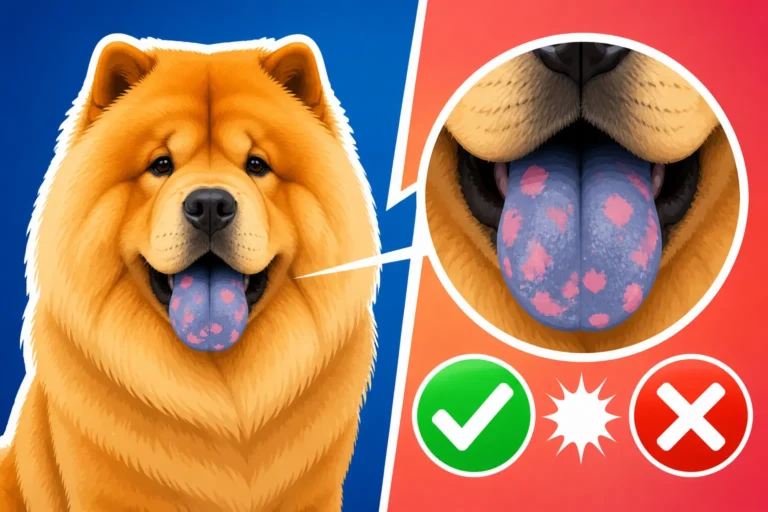
Which Five Colors the Chow Chow Standard Accepts
A Chow Chow’s coat can look dramatically different from one dog to the next, and puppy color often shifts as the coat matures. The breed standard recognizes five colors: red, black, blue, cinnamon, and cream. This guide explains what each color looks like, how much variation is normal, and how to tell standard shading from a misleading color label.
The five standard Chow Chow colors
The American breed standard accepts five colors, but each name covers a range of shades. A puppy’s coat may also change as its adult coat comes in, so the color you see early on is not always the color that appears in adulthood.
The standard describes a Chow Chow as a solid color. Shading can occur, especially on the ruff, tail, and feathering, but patches or distinct multicolored markings are not the same thing as permitted shading. For a broader overview of the breed’s palette, see Five Colors and Nothing Else: the Chow Chow Palette.
Red Chow Chows
Red is the color many people picture first. It can range from a light golden red to a deep mahogany shade. Some red Chow Chows have lighter hair beneath the tail or around the breeching, the longer coat on the back of the thighs. That kind of variation does not automatically make the dog a different color.
A red puppy may look darker or more uniformly colored than the adult dog will. As the puppy coat changes, lighter or darker areas can become more noticeable, particularly around the face and ruff. It is more useful to look at the overall coat than to expect every hair to match one exact shade.
The word “red” is a standard color name, not a promise of one particular hue. If you are comparing puppies, ask the breeder how the dog’s coat has changed over time and whether they have photos of adult relatives. Whether a Chow Chow's Color Changes as It Grows offers more detail on those changes.
Black and blue Chow Chows
A black Chow Chow should appear black, but coat exposure and normal variation can make the hair look brownish or rusty in places. Sun exposure, loose or weathered coat, and the way light falls on the fur may affect how black appears in photographs. A temporary brown cast does not, by itself, mean the dog is a different standard color.
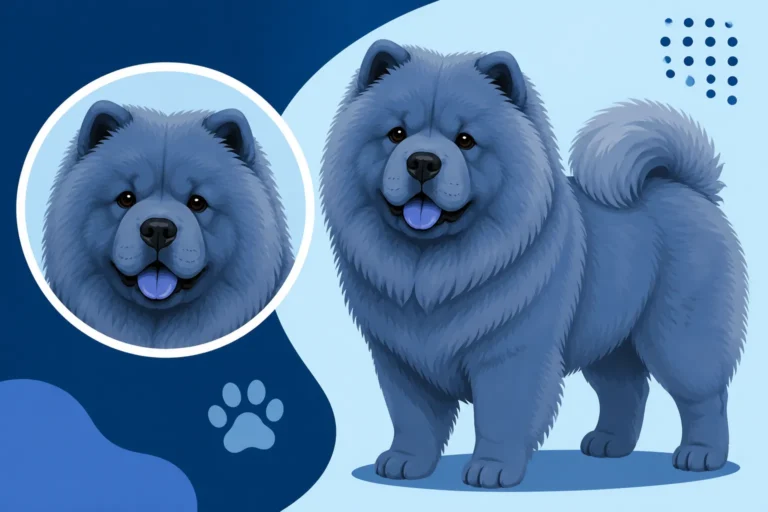
Blue Chow Chows have a slate-gray appearance. Their noses and other pigmentation can also look different from those of a black dog, but color should not be judged from one feature alone. A photo taken outdoors, for example, can make a blue coat look lighter or a black coat look warmer than it does in natural shade.
Black and blue are separate standard colors, even though both can appear darker or lighter under different lighting. If a listing uses a fashionable label that does not match the recognized color names, ask what the breeder means and request clear photographs in natural light.
Cinnamon and cream Chow Chows
Cinnamon can range from a pale fawn shade to a deeper cinnamon tone. It is often confused with red in casual conversation, particularly when the coat is young or the photo is taken in warm light. The labels describe different standard colors, but the boundary between shades can be hard for a new owner to judge from a single image.
Cream ranges from pale ivory to a richer biscuit shade. Some cream Chow Chows have darker shading around the ears or muzzle, and their coat can look nearly white in bright light. A cream dog is not automatically a “white” Chow Chow; cream is the standard color name used for this light-colored coat.
When color matters to you, ask for photos taken in more than one setting and make sure the breeder identifies the color consistently in the puppy’s records. The recognized color names are red, black, blue, cinnamon, and cream; terms such as “white” may be used informally to describe a very pale cream coat, but are not one of the five names in the standard.
What the standard means by solid color
“Solid” does not mean every hair must be identical from root to tip, nor does it mean a Chow Chow can have no lighter areas. It describes the overall coat pattern: the dog should read as one color rather than having separate, clearly defined patches of different colors.
This is why a little shading and a distinct patch should not be treated as the same thing. The coat’s length, density, and lighting can also create visual contrasts that look more dramatic in a photograph than they do in person.
Shading versus patches
The standard permits shading in areas such as the ruff, tail, and feathering. A red dog might have a lighter underside of the tail, for example, or a cream dog might have slightly deeper coloring around the ears. Those transitions can be gradual and still fit the idea of a solid-colored coat.
By contrast, distinct patches or a sharply divided pattern are not simply “shading.” If you see a puppy with large, clearly separated areas of different colors, ask the breeder to explain how the dog’s color is described and whether the pattern is consistent with the breed standard they follow.
Coat length can make this harder to assess. A Chow Chow’s thick undercoat and longer outer coat can create shadows, especially around the neck and hindquarters. Parting the coat gently and viewing it in daylight may help you tell whether you are seeing a true color difference or simply the way the fur lies.
Color names that are not standard colors
You may encounter descriptions such as “white,” “silver,” or other terms in advertisements. Some are informal descriptions of a recognized shade; others may be used to make a puppy sound unusual. The standard’s five color names remain red, black, blue, cinnamon, and cream.
An unusual label is not proof that a dog is unhealthy or that the breeder is dishonest. It is, however, a good reason to ask clear questions rather than relying on a sales description. Ask which of the five standard colors the breeder believes the puppy is, whether the color is recorded in the puppy’s paperwork, and what the adult coat may look like.
Color alone does not tell you whether a Chow Chow is a good match for your home or whether a breeder has made responsible choices. Health testing, temperament, and the conditions in which puppies are raised deserve more attention than a rare-sounding color label.
How Chow Chow coat color changes with age
Many owners are surprised when the fluffy puppy they brought home develops a different-looking adult coat. The color may seem to lighten, deepen, or become more varied as the puppy coat is replaced and the mature coat grows in. That transition is part of why early color descriptions can be imprecise.
The coat’s appearance can also change with grooming, seasonal shedding, sunlight, and the condition of the hair. These factors affect how color looks, even when the dog’s underlying standard color remains the same.
Puppy coats and adult coats
A puppy’s coat can be softer and less defined than the adult coat. As it changes, the new coat may show a different balance of tones. A puppy described as red, for instance, may develop a more golden or deeper appearance as an adult. Cinnamon and cream can also be difficult to distinguish in very young puppies.
Ask the breeder for pictures of adult dogs from the same lines, but remember that relatives do not guarantee an identical coat. Photos are most helpful when they show the dog in natural light and from several angles. A single studio image with strong lighting can make a coat look much darker, paler, or warmer than it is.
A color change does not necessarily mean the original description was wrong. It may reflect the normal transition from puppy coat to adult coat. For more on the process, see When a Chow Chow Puppy's Coat Changes.
Grooming and lighting affect appearance
The dense double coat can hide the color of the hair closest to the skin. Brushing out loose undercoat may make a coat look less dark or more textured, while a packed or damp coat can appear darker. Lighting changes things too: warm indoor bulbs can make cream or cinnamon look golden, while harsh outdoor sunlight can wash out detail.
Regular grooming is useful for coat health, not for changing a Chow Chow’s standard color. A comb that reaches through the coat and a suitable dog shampoo can help keep the coat clean and manageable. If you are shopping for routine supplies, you might compare product labels at retailers such as Chewy and choose items suited to your dog’s coat and skin rather than selecting a product based on color claims.
Avoid using dyes, bleaching products, or harsh treatments to alter a dog’s appearance. They do not change the dog’s standard color and may irritate the skin or damage the coat. For a fuller explanation of coat care, see Rough or Smooth: the Two Chow Chow Coats and What Each Needs and Brushing a Chow Chow's Mane Down to the Skin.
Choosing and caring for a Chow Chow by color
Color can be part of the joy of choosing a puppy, but it should sit behind health, temperament, and responsible breeding. A particular shade does not make a Chow Chow easier to care for, more suitable for a family, or healthier than another color.
A breeder who answers questions calmly and provides clear information about the puppy’s family, care, and health is more useful than one who relies on dramatic claims about a rare color. Keep the focus on the whole dog, not just the coat you see in a photograph.
Questions to ask a breeder
Start by asking the breeder to name the puppy’s color using one of the five recognized terms. If they use a different label, ask what it means and whether it refers to a standard color such as cream or cinnamon. A straightforward explanation is a better sign than pressure to put down a deposit before your questions are answered.
Ask whether the puppy’s coat color has changed since birth and what changes the breeder has observed in related adult dogs. Request recent photos in natural light, and ask to see the puppy with its littermates if that is possible. This gives you a more realistic sense of coat variation without treating one picture as a guarantee of adult appearance.
Color should never replace questions about health and temperament. Ask what health evaluations have been completed for the parents, how the puppies are being socialized, and what support the breeder provides after the puppy goes home. What a Chow Chow Breeder Should Have Tested and Which Questions to Ask a Chow Chow Breeder About Temperament can help you prepare.
Caring for the coat you have
Every Chow Chow color needs the same basic attention to coat care. Brush through the dense coat regularly, check for tangles where friction is common, and make sure the coat dries thoroughly after a bath. Grooming needs depend more on coat type, length, and condition than on whether the dog is red, blue, or cream.
Light-colored coats may make some dirt or tear staining easier to notice, while darker coats can hide loose debris or skin changes. That does not mean one color is inherently harder to maintain. Get into the habit of checking the skin, ears, and coat during brushing, and ask a veterinarian about persistent irritation, hair loss, or unusual skin changes.
If you need grooming tools or a gentle shampoo, Chewy is one place owners may browse, but the label and the dog’s individual needs matter more than the retailer. If your Chow Chow has sensitive skin or a history of irritation, ask your veterinarian before trying a new product. Chewy may also be convenient for comparing ordinary grooming supplies, but no coat product can turn one standard color into another.
| Standard color | Common appearance | Variation that may be normal |
|---|---|---|
| Red | Golden red through deep mahogany | Lighter hair beneath the tail or around the breeching |
| Black | Black coat | Brown or rusty-looking areas can appear with exposure or coat wear |
| Blue | Slate gray | Coat may look lighter or darker depending on light and coat condition |
| Cinnamon | Pale fawn through deeper cinnamon | Shade can be difficult to distinguish from red in young puppies |
| Cream | Pale ivory through biscuit | Slightly deeper shading may appear around the ears or muzzle |
The simplest way to remember the standard is that it recognizes five colors, while allowing some natural shading within a coat. Ask what a seller means by a nonstandard color label, view the dog in natural light, and keep the decision centered on health and temperament as well as appearance. For more on the breed’s coat, see What a Chow Chow's Double Coat Is Made Of.
Disclaimer
This article is for general informational purposes only and does not constitute professional advice. Laws, prices and regulations vary by location and change over time. Consult a qualified professional for guidance on your specific situation.