Why a Chow Chow’s Straight Rear Leg Limits Running
It's a common misconception that all dogs are built for long, strenuous runs and endless games of fetch. If you've ever owned a Chow Chow, or even just observed one, you've probably noticed their distinctive, somewhat stiff-legged gait. This unique movement isn't just a quirk; it's a direct result of their anatomy, specifically their relatively straight rear legs, which profoundly limits their ability to engage in sustained, high-impact activities like running. This guide will delve into the anatomical reasons behind this limitation and help you understand how to best exercise your majestic Chow Chow to keep them healthy and happy.
Understanding the Chow Chow's Unique Anatomy
To truly grasp why a Chow Chow isn't your ideal jogging partner, we need to first understand the physical blueprint that makes them so distinct. It's not a flaw, but a defining characteristic of the breed, one that has been deliberately preserved through generations.
The Straight Rear Leg: A Breed Standard Trait
One of the most defining physical characteristics of the Chow Chow, and certainly one that impacts their movement, is their unique rear leg angulation. Or, more accurately, their lack of it. Most dog breeds, especially those built for speed and agility like a German Shepherd or a Border Collie, possess significant angulation in their hindquarters. This means their hip, knee (stifle), and hock joints have pronounced angles, acting like springs to absorb shock and propel them forward.
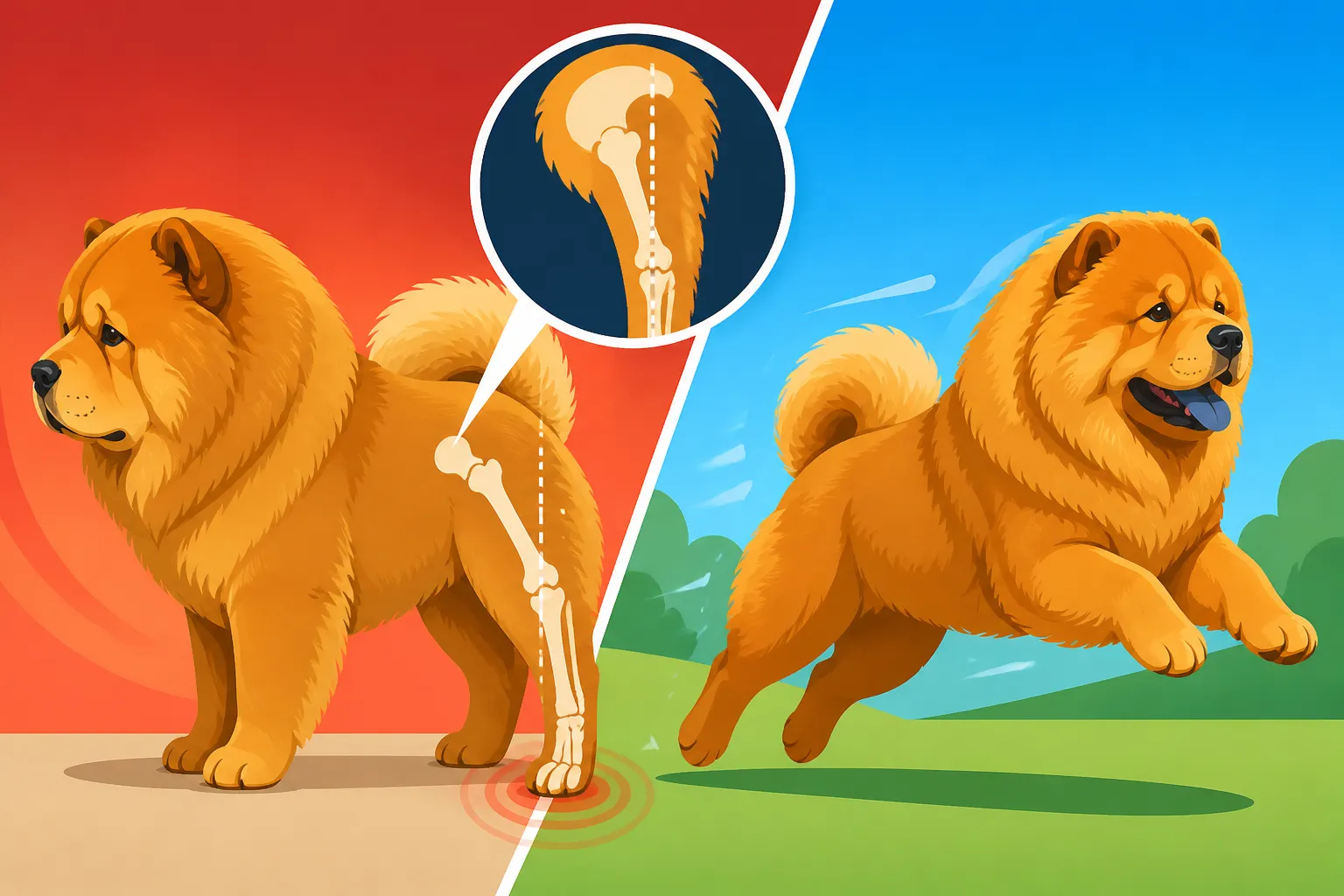
A Chow Chow, however, has what is often described as a "straight rear leg" or "straight stifle." This means the bones of their hind leg – the femur, tibia, and fibula – align in a way that minimizes those angles. Imagine drawing a line from their hip to their hock; it's much straighter than in many other breeds. This anatomical configuration isn't an accident; it's part of the breed standard and contributes to their recognizable silhouette and movement. This trait is so distinct that it's often remarked upon as The Straight Rear Leg No Other Breed Has. It’s what gives them that regal, almost bear-like posture.
This straightness means less bend, which in turn means less flexibility and spring in their step. While other dogs have a powerful, elastic push-off from their hind legs, a Chow Chow's push is more direct and less yielding. It’s important for prospective owners to understand that this is normal for the breed; it's not a sign of injury or weakness unless accompanied by pain or lameness.
The Impact of Limited Angulation on Movement
Now, let's talk about what that straight rear leg actually does to their movement. If you've ever watched a Chow Chow walk, you've likely noticed their characteristic "stilted" or "staccato" gait. They don't have the long, flowing strides of a retriever; instead, their steps are shorter, and their hind legs move almost as a single unit rather than engaging in the powerful, independent flexion and extension seen in other breeds. Why a Chow Chow Moves With a Stilted Gait explains this phenomenon in more detail.
When a dog with proper angulation runs, their powerful hindquarters drive them forward, and the angles in their joints absorb much of the impact, distributing it evenly. For a Chow Chow, with their straighter legs, this shock absorption is significantly reduced. Each step, particularly at higher speeds, sends more direct impact forces straight up their leg bones and into their joints, including their hips, knees, and spine.
Think of it like this: a springy suspension system on a car versus a rigid one. The springy system handles bumps and uneven terrain by flexing and absorbing, making for a smoother ride. The rigid system, while perhaps sturdy, will transmit every jolt directly to the passengers and the chassis. A Chow Chow's rear assembly is more akin to that rigid system when it comes to high-impact activities. This impacts everything from their ability to accelerate quickly to their capacity for sustained physical exertion. It means that what might be a comfortable trot for another dog becomes a much more impactful and potentially jarring motion for a Chow Chow.
Why This Anatomy Limits Running Prowess
So, with this unique anatomy in mind, it becomes clearer why the Chow Chow isn't built for speed or endurance running. It's not about willingness; it's about physical capability and the potential for discomfort or injury.
Reduced Efficiency and Increased Effort
Imagine trying to run a marathon with your knees locked in a slightly straighter position than normal. You'd quickly find that each step requires significantly more muscular effort, and your stride would be shorter and less efficient. This is somewhat analogous to what a Chow Chow experiences when attempting to run for prolonged periods or at high speeds.
Their "stilted gait" means that their legs don't have the same elastic recoil that generates power and conserves energy in other breeds. Instead of a smooth, energy-efficient pendulum-like swing, their movement is more of a forceful push-off that takes more muscular energy to initiate and sustain. This makes running highly inefficient for them. A short burst of play might be fine, but asking a Chow Chow to jog for miles is like asking a weightlifter to be a ballet dancer – they're built for different disciplines.
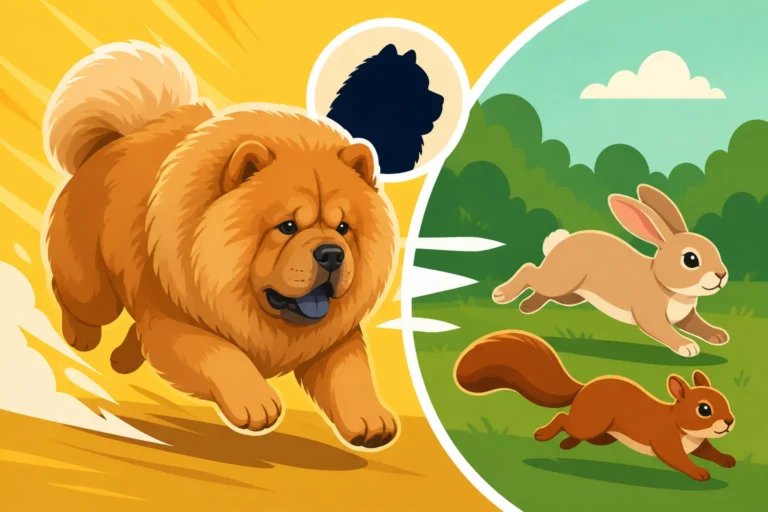
Furthermore, their body is heavy and compact, further demanding more effort for every movement. When they do attempt to run, their strides are shorter, meaning they have to take many more steps to cover the same distance as a dog with longer, more efficient strides. This compounding effect leads to rapid fatigue. You might notice your Chow Chow becoming winded or slowing down much quicker than you'd expect from a dog of its size, not because it's out of shape, but because its body is simply not designed for that kind of sustained output. They are built for a dignified, measured pace, not for dashing or sustained sprinting.
Increased Risk of Joint Strain and Injury
The most critical consequence of the Chow Chow's straight rear leg and stilted gait, especially concerning running, is the increased risk of joint strain and injury. As we discussed, their reduced angulation means less natural shock absorption. When they run, the impact forces travel directly through the bones and cartilage of their joints. Over time, or with intense, repetitive activity, this can lead to significant wear and tear.
Conditions like Hip Dysplasia in a Chow Chow and Elbow Dysplasia Ranks the Chow Chow Near the Top are already concerns in the breed. While these are often genetic, excessive or inappropriate exercise can certainly exacerbate them or hasten their onset. Running, jumping, and rapid changes in direction put immense stress on these already vulnerable joints. The continuous pounding can lead to inflammation, pain, and eventually, degenerative joint disease or arthritis. How a Chow Chow's Gait Wears Its Joints further explains the long-term implications of their movement.
A young Chow Chow might seem to handle short bursts of running without immediate issue, but the cumulative effect of improper exercise can manifest years later as stiffness, lameness, and chronic pain. For an older Chow Chow, this risk is even greater, as their joints naturally degenerate with age. Owners must be vigilant and understand that protecting their Chow Chow's joints means carefully managing their physical activity throughout their lives. It's about longevity and quality of life, not pushing them to perform like other breeds.
Appropriate Exercise for a Chow Chow
Given their unique physical build and potential for joint issues, it's crucial to tailor your Chow Chow's exercise routine to their specific needs. This isn't a breed that thrives on high-impact sports or long-distance running. Instead, their physical activity should focus on consistency, moderation, and low-impact enjoyment.
Prioritizing Walks and Gentle Activity
For most Chow Chows, regular, moderate walks are the cornerstone of a healthy exercise regimen. These walks should be at a comfortable pace for your dog, allowing them to sniff around and explore their surroundings without being rushed or pushed beyond their natural inclination. Aim for one or two daily walks, typically lasting 20 to 40 minutes each, depending on your individual Chow's age, fitness level, and the weather. On particularly warm days, even shorter strolls are advisable due to their dense coat and susceptibility to overheating, as detailed in Why a Chow Chow Overheats So Easily.
Think of these walks as opportunities for mental stimulation as much as physical. Letting them explore different scents and sights is incredibly enriching. Beyond walks, consider gentle, low-impact activities around the house or in a securely fenced yard. Light play with toys, a short game of hide-and-seek, or simply allowing them to potter about the garden can all contribute to their daily activity levels without stressing their joints.
Enrichment activities that engage their minds can also be wonderful alternatives to purely physical exertion. Puzzle toys, scent games, or even short, positive reinforcement training sessions are excellent ways to burn energy without strain. If you're looking for structured ways to engage their minds and teach manners, online training programs can be a fantastic resource. For example, BAXTER & Bella offers a comprehensive online puppy training program that focuses on positive reinforcement and engagement, providing lots of ideas for mental stimulation that don't involve heavy running. This approach helps build a well-behaved dog while respecting their physical limitations.
Recognizing Signs of Overexertion
It's absolutely vital to pay close attention to your Chow Chow for any signs that they might be overexerting themselves. Because they are often stoic and can hide discomfort, learning their cues is paramount. Overexertion can quickly lead to fatigue, heat stroke, or injury.
Look out for these common signs:
- Excessive Panting: While all dogs pant, prolonged, heavy panting, especially if it doesn't quickly subside after stopping activity, is a red flag.
- Lagging Behind: If your Chow Chow starts to slow down, falls behind you on a walk, or simply looks reluctant to continue, they're telling you they've had enough.
- Stiffness or Limping: Any sign of stiffness, a subtle limp, or favoring a leg after exercise means you've pushed them too far.
- Reluctance to Move: If they are usually enthusiastic but seem hesitant to get up or engage after a walk, their body might be sore.
- Bright Red Gums/Tongue: This can be a sign of overheating. Their normal blue-black tongue can make this harder to assess, so pay attention to gum color if visible.
- Drooling Excessively: Another common sign of heat stress.
Always err on the side of caution. If you see any of these signs, stop the activity immediately, find a cool, shaded spot, and offer water. On warmer days, consider a cooling mat or a cooling vest. You can find various cooling products for dogs on Amazon, which can be a real lifesaver for Chows in hot weather. Your Chow Chow relies on you to understand their limits, as their natural instincts might push them a bit further than their body can comfortably handle, particularly if they are enjoying themselves in the moment. Remember, a tired Chow Chow is a happy Chow Chow, but an exhausted or injured one is not.
Long-Term Joint Health and Management
Protecting your Chow Chow's joints is a lifelong commitment, especially given their predisposition to certain orthopedic conditions and their unique gait. Proactive management can significantly improve their comfort and mobility as they age.
Maintaining a Healthy Weight
Perhaps one of the most impactful things you can do for your Chow Chow's joint health is to maintain them at a healthy, lean weight. Every extra pound your dog carries puts additional stress on their joints, amplifying the impact forces that already challenge their straight rear legs. Imagine trying to carry a backpack full of bricks all day – it would wear down your knees and hips much faster. The same applies to your Chow Chow.
Despite their sturdy appearance, Chow Chows are not typically big eaters. They often require less food than dogs of comparable size. It’s a common mistake for owners to overfeed them, especially since their dense double coat can cleverly hide excess weight. You should be able to feel, but not necessarily see, your Chow Chow's ribs with light pressure. A distinct waistline should also be discernible when viewed from above. Regularly checking in with your veterinarian to assess their body condition score is an excellent idea. For more on managing their intake, you can refer to Keeping a Chow Chow at the Weight Its Elbows Can Carry.
Adjusting their diet with high-quality, appropriate-for-age food and carefully measured portions is key. Avoid free-feeding, where food is left out all day, as this often leads to overconsumption. If your Chow Chow is already carrying a few extra pounds, work with your vet to create a safe and effective weight loss plan. Even a small reduction in weight can make a massive difference in joint comfort and overall mobility.
Supportive Care and Veterinary Check-ups
Beyond diet and appropriate exercise, supportive care and regular veterinary oversight are crucial for maintaining your Chow Chow's joint health. Annual (or more frequent for seniors) veterinary check-ups are essential. During these visits, your vet can thoroughly assess your dog's gait, range of motion, and any signs of discomfort or arthritis. Early detection of issues like The Age a Chow Chow Gets Arthritis or worsening Elbow Dysplasia Ranks the Chow Chow Near the Top allows for earlier intervention and management.
Your vet might recommend joint supplements containing ingredients like glucosamine, chondroitin, or omega-3 fatty acids. While not a cure, these can help support cartilage health and reduce inflammation. Always consult your vet before adding any supplements to your dog's regimen. For Chow Chows showing signs of discomfort, your vet might prescribe anti-inflammatory medications or other pain management strategies to improve their quality of life.
Creating a joint-friendly home environment is also highly beneficial. Provide soft, orthopedic bedding that supports their body and alleviates pressure points. Consider ramps or steps to help them access furniture or vehicles, reducing the need for jumping, which is particularly hard on their joints. Keep their nails trimmed short to ensure proper footfall, and ensure they have a warm, dry place to rest, as cold and damp conditions can exacerbate joint stiffness. As your Chow Chow enters their golden years, it's wise to be prepared for What Changes in a Chow Chow After Eight, which often includes increased stiffness and potential mobility challenges. Consistent, gentle care now will pay dividends in their comfort and happiness later on.
| Activity Type | Suitability for Chow Chow | Rationale |
|---|---|---|
| Long-distance Running | Very Low | High impact, inefficient gait, high risk of joint injury and overheating. |
| High-intensity Fetch | Low | Sudden stops and starts put extreme stress on joints; risk of overheating. |
| Agility Training | Low | Involves jumping, quick turns, and speed; unsuitable for their anatomy. |
| Moderate Walking | High | Low impact, good for cardiovascular health and mental stimulation; suitable pace. |
| Gentle Play in Yard | High | Allows for self-paced activity, sniffing, and light movement. |
| Scent Work/Puzzles | High | Excellent mental stimulation, low physical impact, builds confidence. |
| Swimming (calm) | Moderate-High | Great low-impact exercise if they enjoy water and are supervised. Can be challenging to dry coat. |
| Short Hikes (easy terrain) | Moderate | Good for exploration and varied terrain, but keep it short and slow. |
Disclaimer
This article is for general informational purposes only and does not constitute professional advice. Laws, prices and regulations vary by location and change over time. Consult a qualified professional for guidance on your specific situation.