Whether Elvis Presley Owned a Chow Chow
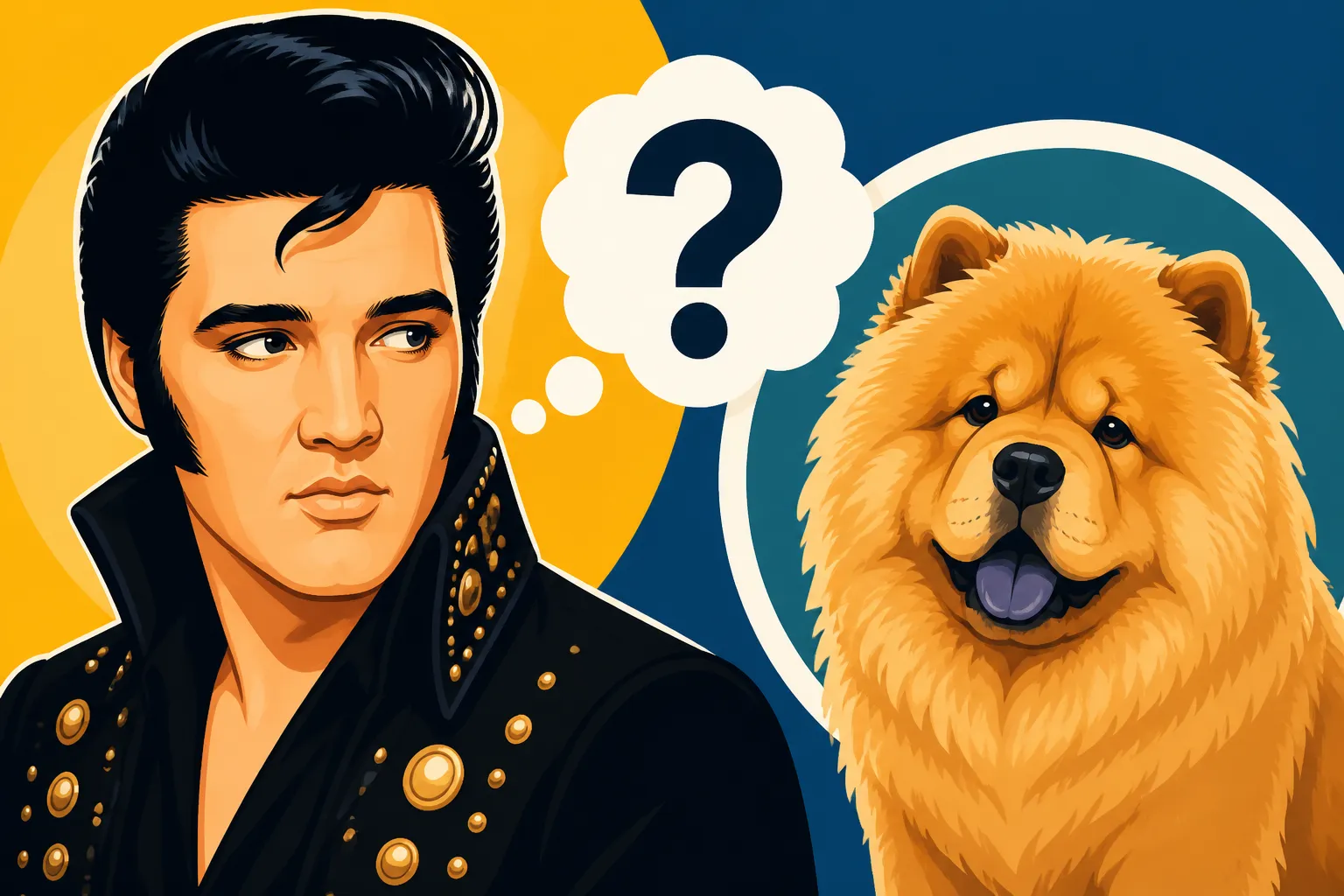
Elvis Presley is commonly said to have had a Chow Chow named Get Lo, but the story needs a little context: accounts often connect the dog to Elvis’s mother rather than describing Get Lo as Elvis’s own longtime companion. This guide separates the familiar claim from what can be said more carefully, and explains why the distinction matters.
Did Elvis Presley own a Chow Chow named Get Lo
The short answer is yes, with an important distinction
Elvis Presley is widely associated with a Chow Chow named Get Lo. The detail most often repeated is that Elvis gave the dog to his mother, Gladys Presley. That means the breed was part of the Presley family story, but it is not quite the same as saying Get Lo was Elvis’s personal dog in the sense of a constant companion who traveled and lived with him throughout his career.
That nuance is easy to lose when a short anecdote gets retold. “Elvis had a Chow Chow” is a tidy headline; “Elvis reportedly gave his mother a Chow Chow” is less tidy, but more precise. It’s reasonable to answer the question with a qualified yes: a Chow Chow named Get Lo is linked to Elvis, while the commonly told version places the dog with his mother.
The story also fits a broader history of famous people and Chow Chows. The breed has often attracted attention for its distinctive looks and reserved manner, making it memorable in celebrity and popular-culture anecdotes. For related examples, see Which Chow Chows Lived in the Coolidge White House and Whether Martha Stewart Keeps Chow Chows.
What the name Get Lo tells us and what it does not
Get Lo is the name generally attached to the Presley family’s Chow Chow. It is a striking detail, so it tends to travel with the story whenever the anecdote is repeated. However, a distinctive name alone does not tell us much about the dog’s daily life: whether Get Lo spent most of his time at Graceland, how long he lived with the family, or how involved Elvis was in the dog’s everyday care.
It helps to separate three claims that can blur together:
| Claim | What can be said carefully |
|---|---|
| Elvis was associated with a Chow Chow | Yes. A Chow Chow named Get Lo is commonly linked to him. |
| Elvis gave Get Lo to his mother | This is the version frequently repeated in accounts of the dog. |
| Get Lo was Elvis’s personal, constant companion | That stronger claim is not established by the basic anecdote alone. |
That distinction doesn’t make the story unimportant. A dog given to a parent can still be part of a family’s history, and the anecdote helps show how the breed appeared in the world around Elvis. It simply avoids turning a family connection into a more specific claim than the story supports.
Why Elvis’s Chow Chow story is easy to misstate
Celebrity pet stories often become simplified
A famous person’s pet story can pass through biographies, interviews, fan discussions, and short online profiles. Each retelling tends to compress details. A dog given to a parent may become “the star’s dog”; a family pet may be described as a personal companion; and a name may be repeated even when the surrounding details have been forgotten.
This happens with Elvis because his life is already full of memorable images and stories. People know the music, the stage clothes, Graceland, and the many animals associated with his household. A brief account about a Chow Chow can quickly become part of that larger picture, even if the original detail about who the dog belonged to is left out.
A careful reader can hold two thoughts at once: Get Lo is a recognizable part of the Presley pet story, and the often-repeated version says the dog was given to Gladys. That’s a more useful answer than either dismissing the story or presenting every popular version as confirmed biography.
“Owned” can mean several things in a family setting
When someone asks whether Elvis owned a Chow Chow, they may mean that he personally selected and cared for one, that the dog lived in his family home, or simply that a Chow Chow was connected to him. Those meanings are related, but they are not interchangeable.
Imagine a family where one person buys a dog as a gift for another. The dog may live in the shared home, appear in family photographs, and be remembered as part of the household. In everyday conversation, several relatives might say, “We had that dog.” But if a writer is trying to be exact, it matters who the gift was for and who primarily cared for the animal.
That’s why the most balanced wording is that Elvis is associated with Get Lo, a Chow Chow reportedly given to his mother. It answers the question while leaving room for the distinction between a family dog and a pet whose primary owner was Elvis himself.
What this story says about the Chow Chow
The breed has long drawn attention
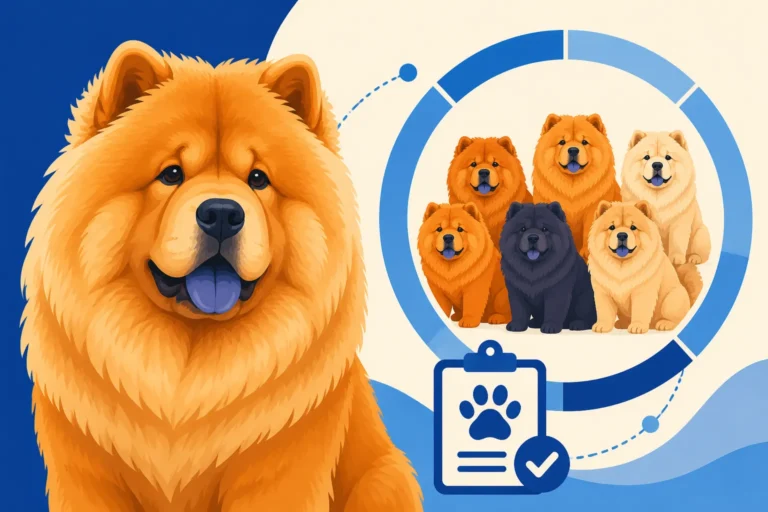
Chow Chows are recognizable for their dense coats, broad heads, small upright ears, and distinctive blue-black tongues. Their appearance can make them seem almost storybook-like, especially in photographs from an era when the breed was less familiar to many people. That visual distinctiveness likely helped the Get Lo anecdote stick in people’s memories.
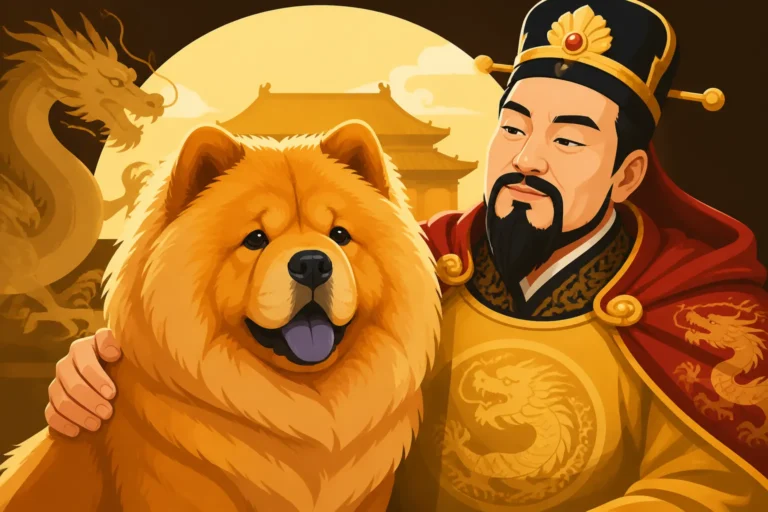
The breed also has a history that reaches far beyond celebrity ownership. Chow Chows are associated with China and have been described in historical accounts and art over many centuries. If you’re curious about that background, How the Chow Chow Reached England explores the breed’s journey into the West, while What Chow Chow Meant on a Ship's Manifest looks at a commonly discussed part of the breed’s English name.
The Elvis connection is one small chapter in that much longer story. It is interesting because it links the breed to a widely recognized American figure, but it should not be mistaken for the origin of the breed’s popularity or its defining historical importance.
A celebrity connection does not tell you what ownership is like
It’s tempting to picture a famous person’s dog as a glamorous accessory, but living with a Chow Chow involves ordinary, ongoing care. Their thick coat needs consistent attention, and grooming can be a substantial commitment. A dog’s temperament, exercise needs, health, and comfort matter far more than the fact that a celebrity once had a dog of the same breed.
For someone considering a Chow Chow today, practical questions are more useful than the celebrity anecdote: Can you make time for coat care? Can you help the dog get comfortable with handling and routine veterinary visits? Does the breed’s independent, reserved nature fit your home? Reading about the breed’s history can be enjoyable, but it cannot substitute for learning about daily care and individual temperament.
If you are comparing grooming tools or basic supplies, retailers such as Chewy can be one place to browse options, though the right choice depends on the individual dog and advice from a groomer or veterinarian. For example, an undercoat tool that works well for one dog may be uncomfortable or unsuitable for another. Chewy may also be useful for comparing routine items such as brushes and combs, but the tool’s fit and safe use matter more than the shopping destination.
How to check the Elvis and Get Lo claim responsibly
Look for the exact wording, not just the headline
When you encounter the story, pay attention to whether the account says Elvis owned Get Lo, gave the dog to his mother, or simply had a Chow Chow in the family. Those phrases imply different things. A headline may shorten the claim, while the text beneath it may provide the more careful version.
Also notice whether the account supplies details beyond the dog’s name. Does it explain who received the dog? Does it describe where the story comes from? Does it distinguish a family pet from a pet personally cared for by Elvis? When an article repeats only the name Get Lo without explaining the relationship, it may be repeating the familiar anecdote rather than establishing additional details.
A useful approach is to keep the claim modest. You don’t need to prove every detail of the dog’s life to answer the broad question. It is fair to say that Elvis is commonly linked to a Chow Chow named Get Lo and that the frequently repeated account describes the dog as a gift to his mother. Avoid adding specifics about the dog’s habits, lifespan, or daily life unless the account you are reading actually supports them.
Keep the anecdote in its cultural context
Elvis’s pets are part of the broader public fascination with the private lives of famous performers. Animals offer a glimpse of home life that can feel more personal than a concert or a photograph. That’s one reason readers keep returning to stories about celebrity pets, from well-known dogs at the White House to animals remembered through film and popular culture. Related reading includes What Coolidge Named His Chow Chows, Whether Walt Disney Gave a Chow Chow as a Gift, and Whether a Chow Chow Has Appeared in Film.
If the story has prompted you to learn about the breed rather than only Elvis’s household, make that a separate question. Explore the breed’s origins, physical traits, health concerns, and care needs rather than assuming a celebrity connection tells you whether a Chow Chow is right for you. For a new owner, practical research may include grooming equipment, food bowls, and other everyday supplies; Chewy is one retailer people may use to compare those basics, but a veterinarian or experienced groomer can help with dog-specific choices.
In the end, Get Lo is best understood as a Chow Chow associated with Elvis Presley and the Presley family, with the commonly repeated version saying Elvis gave the dog to his mother. That wording preserves the recognizable story without overstating what the anecdote tells us about who cared for the dog day to day.
Disclaimer
This article is for general informational purposes only and does not constitute professional advice. Laws, prices and regulations vary by location and change over time. Consult a qualified professional for guidance on your specific situation.