Which Chinese Dynasty the Chow Chow Is Named For
It’s a natural assumption to think that a breed as ancient and majestic as the Chow Chow would carry a name directly linked to one of China’s famed dynasties. Many new owners, or even those just admiring the breed, often wonder if their regal appearance and deep history mean they were named after a powerful imperial era. However, the true story behind the Chow Chow’s various names, both ancient Chinese and modern English, is far more intricate and often surprising than a simple dynastic attribution. This guide will delve into the rich tapestry of the Chow Chow's nomenclature, clarifying the origins of its most famous names and shedding light on its profound connection to Chinese history.
Unpacking the "Chow Chow" Name and its Surprising Origins
When we use the name "Chow Chow" in English, it evokes a sense of the exotic and ancient, leading many to believe it's a direct translation of a specific dynastic name. The reality, however, is quite different and offers a fascinating glimpse into trade, language, and cultural exchange.
The Myth of a Dynastic Name
It's entirely understandable why someone might assume the Chow Chow is named after a Chinese dynasty. After all, this remarkable breed traces its lineage back thousands of years in China, thriving through countless periods of imperial rule and societal change. You see their distinct features, their proud carriage, and you can almost feel the weight of history that they carry. Pictures of ancient Chinese artifacts, like those mentioned in Han Dynasty Pottery Shows a Dog That Looks Like a Chow Chow, often depict dogs strikingly similar to the Chow Chow, further cementing this idea of deep historical ties.
But here's the kicker: the English name "Chow Chow" doesn't actually originate from any specific Chinese dynasty. While the ancestors of today's Chow Chows certainly lived and flourished during powerful dynasties like the Han and the Tang, the name we commonly use today isn't a direct homage to these eras. This can be a bit of a letdown for those hoping for a more poetic or historically literal connection. Instead, the origins of the English name are tied to something far more prosaic: trade.
The Curious English Origin of "Chow Chow"
The story of how the breed acquired its "Chow Chow" moniker is truly an interesting one, rooted in the maritime trade between China and England in the late 18th century. Imagine the bustling docks of Canton or Shanghai, ships being loaded with all manner of goods destined for Europe. On these ships, alongside silks, spices, teas, and ceramics, there were often various miscellaneous items that didn’t fit neatly into existing categories on the ship’s manifest.
These oddities and general cargo were often grouped under the rather vague term "chow-chow." It was essentially a pidgin English term for miscellaneous goods, a bit like saying "sundries" or "bits and bobs." So, when these distinctive dogs were brought over, likely as curiosities or gifts, they ended up being lumped into this "chow-chow" category on the shipping lists. Over time, the term stuck specifically to the dogs, and that's how this ancient Chinese breed came to be known as the Chow Chow in the Western world. It's less about imperial decree and more about administrative shorthand, which makes for a great dinner party story! For a deeper dive into this historical linguistic journey, you might want to read How the Chow Chow Got an English Name From a Ship's Manifest. This humble, almost accidental naming stands in stark contrast to the breed's profound cultural significance in its homeland.
Ancient Chinese Names and Their Deeper Meanings
While "Chow Chow" is the name most familiar to us in the West, the breed has carried several evocative and descriptive names in China throughout its long history. These names offer a much more authentic insight into how the Chinese people perceived and valued these magnificent animals.
"Songshi Quan": The Puffy Lion Dog
One of the most enduring and widely recognized Chinese names for the Chow Chow is "Songshi Quan." This name, translating literally to "Puffy Lion Dog," beautifully encapsulates the breed's most distinctive and beloved physical characteristics. Just look at a well-bred Chow Chow, and you’ll immediately see why this name is so fitting. Their dense, abundant double coat, especially the majestic ruff or mane around their head and neck, gives them an unmistakable lion-like appearance. It’s this regal, almost fierce, yet undeniably adorable "puffiness" that commands attention.
The lion holds significant cultural importance in China, symbolizing strength, nobility, and protection. Think of the guardian lions that stand sentry outside temples and important buildings. By associating the Chow Chow with the lion, the name "Songshi Quan" elevates the breed beyond a mere domestic animal; it bestows upon it a status of guardian and noble companion. This connection isn't just about looks; it hints at the Chow Chow's inherent dignity, independence, and sometimes aloof nature, much like a solitary lion. It’s a powerful name that resonates deeply with the breed's aesthetic and its perceived character. When you’re browsing for grooming tools for that magnificent mane, you can find many options on Chewy that help maintain that "puffy lion" look.
"Tang Quan": The Dog of the Tang Dynasty
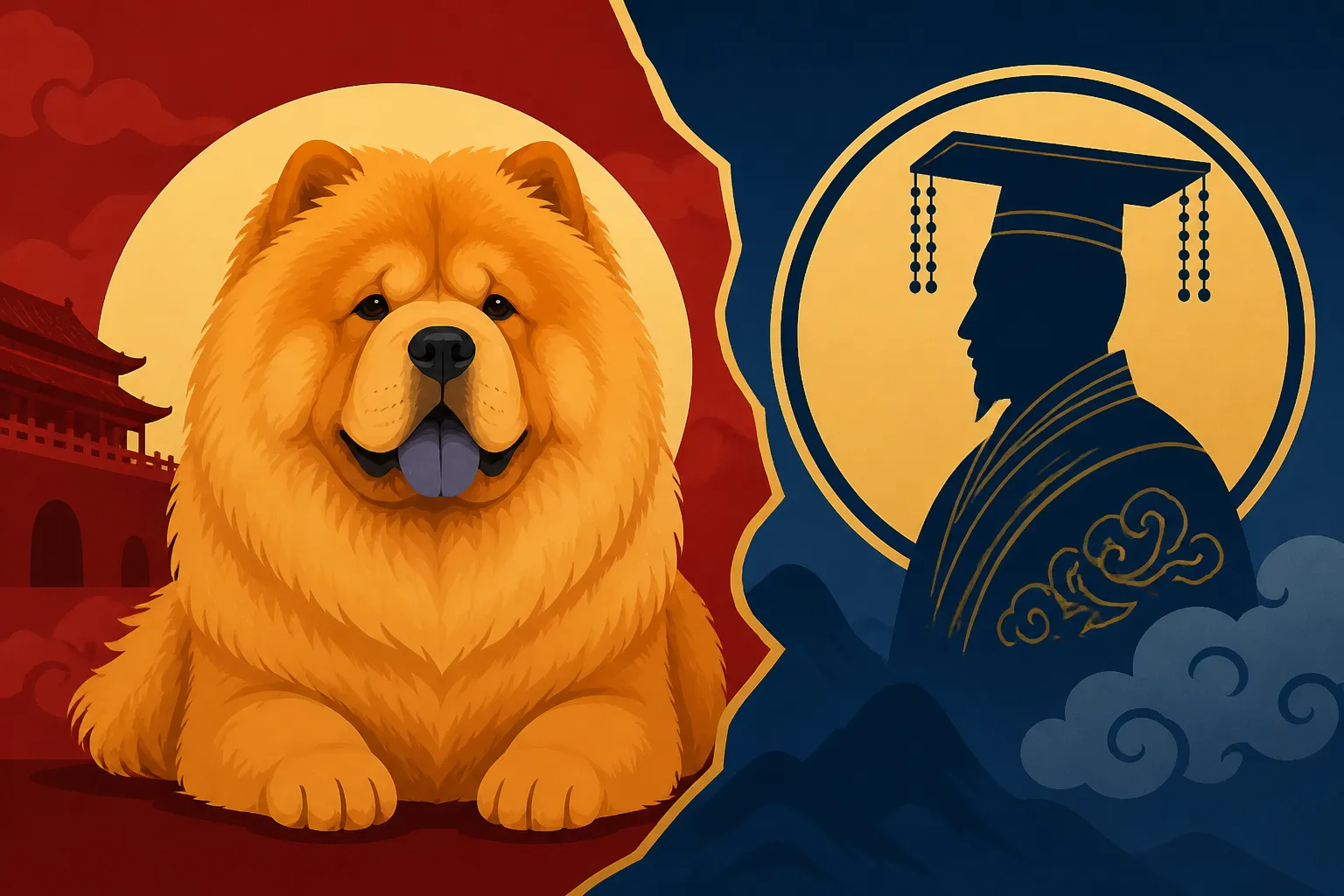
Now, if you're looking for the closest connection to a Chinese dynasty, "Tang Quan" is it. This name translates to "Tang Dog" or "Dog of Tang," and it directly links the breed to the illustrious Tang Dynasty (618-907 AD). This period is widely regarded as a golden age in Chinese history, known for its cultural flourishing, economic prosperity, and powerful imperial reach. It was an era of grandeur and sophistication, and the presence of dogs like the Chow Chow during this time is well-documented.
The use of "Tang Quan" doesn't necessarily mean the breed was named by a dynastic decree in the same way a person might be named after an emperor. Instead, it signifies a strong association, implying that the Chow Chow (or its direct ancestors) was prominent, highly valued, and characteristic of this era. During the Tang Dynasty, these dogs were not just pets; they served crucial roles. They were known to accompany nobles on hunts, guard imperial palaces, and even assist in various working capacities, as explored in What the Chow Chow Did for a Chinese Emperor. Their presence during such a prestigious period underscores their long-standing importance and high regard within Chinese society. It’s a testament to their enduring legacy that even today, the name "Tang Dog" can still be heard, recognizing their ancient pedigree and imperial connections. Whether a Chinese Emperor Kept Thousands of Chow Chows is an interesting read on the scale of imperial dog keeping.
Other Historical Monikers: Hei She Tou and Bear Dog
Beyond the "Puffy Lion Dog" and "Tang Dog," Chow Chows have been known by other descriptive names in China, each offering a unique perspective on their defining traits.
One such name is "Hei She Tou," which translates to "Black Tongue Dog." This is perhaps the most literal and undeniable descriptor, referring directly to the Chow Chow's unique blue-black or purple-black tongue – a hallmark feature that sets them apart from almost all other breeds (with the exception of a few, like the Shar Pei). This characteristic is so distinct that it became a primary identifier, and its mystique is often a point of fascination for people encountering the breed for the first time. The unusual coloration of their tongue and mouth is a key part of their breed standard and a unique genetic trait, as discussed in Why a Chow Chow's Tongue Is Blue Black.
Another common moniker was "bear dog," or sometimes "wolf dog," highlighting their robust, powerful build and dense coat. Their sturdy frame, round face, and substantial fur can indeed give them a bear-like appearance, especially the rough-coated variety. These names speak to their strength, resilience, and imposing presence. While not dynastic, these descriptive names were vital for distinguishing the Chow Chow from other dogs and for communicating their most striking physical attributes.
These ancient names, "Songshi Quan," "Tang Quan," and "Hei She Tou," provide a far richer and more culturally significant understanding of the Chow Chow's place in Chinese history than the adopted Western name. They celebrate the breed's appearance, its imperial associations, and its unmistakable physical characteristics. For anyone seeking to connect with the authentic heritage of their Chow Chow, these Chinese names offer a beautiful window into their past.
Here's a quick look at some of the prominent names and their meanings:
| Name (Pinyin) | Chinese Characters | Literal Meaning | Significance to Chow Chow |
|---|---|---|---|
| Songshi Quan | 松獅犬 | Puffy Lion Dog | Reflects their dense mane and lion-like appearance. |
| Tang Quan | 唐犬 | Tang Dog / Dog of Tang | Associates the breed with the prosperous Tang Dynasty. |
| Hei She Tou | 黑舌頭 | Black Tongue Dog | Highlights their unique blue-black tongue. |
| Xiong Gou | 熊狗 | Bear Dog | Refers to their robust build and dense coat. |
The Cultural Significance Beyond a Name
Regardless of the specific name used, the Chow Chow’s lineage is intrinsically woven into the fabric of Chinese history and culture. Their journey from ancient China to beloved modern companions is a testament to their enduring qualities and the deep connection they forged with humans.
Status and Role in Ancient China
The Chow Chow was far more than just a pet in ancient China; it was a versatile and highly valued animal that played multiple significant roles in society. From being trusted hunting companions to formidable guardians, their presence was felt across various strata of Chinese life. They were known for their keen senses, courage, and protective instincts, making them excellent watchdogs for homes and even imperial compounds. Their strength and endurance meant they could also be employed for light draft work, pulling small carts, particularly in colder regions.
Perhaps most notably, the Chow Chow often held a special place among the nobility and in imperial courts. They were companions to emperors and high-ranking officials, revered for their unique appearance and dignified demeanor. This elevated status meant they were well-cared for and their breeding was often carefully managed. This historical context illustrates that while the English name might have a prosaic origin, the breed itself was deeply embedded in the grand narrative of China's past. Their history is not just about a name; it’s about their integral participation in the daily lives, hunts, and protection of the people, from commoners to emperors. When you look at old accounts of these dogs, you understand that they were truly versatile, almost indispensable in their time. Modern Chow Chow owners, while appreciating this history, rely on resources like Chewy for everything from high-quality dog food to grooming tools that cater to their unique double coats.
Evolution of Names and Recognition
The evolution of the Chow Chow's names, from ancient Chinese descriptors to its English "chow-chow" moniker, reflects a broader historical narrative of cultural exchange and global recognition. For centuries, these dogs were known by their various Chinese names, intimately tied to their appearance, characteristics, and historical context within China. The journey of the breed to the Western world, particularly to England in the 18th century, marked a turning point. As detailed in The Chow Chow Is One of the Oldest Breeds in the World, this exposure led to the adoption of a new name that, while lacking the historical poetry of "Songshi Quan" or "Tang Quan," became universally recognized.
Today, while "Chow Chow" is the international standard, an awareness of the breed's traditional Chinese names offers a deeper appreciation for its heritage. Understanding these ancient names provides a richer context for owning a Chow Chow, much like reading a detailed breed profile on Chewy can help you understand their modern care needs. It bridges the gap between their storied past and their present-day status as beloved companions around the globe. This blend of ancient roots and modern popularity makes the Chow Chow a truly unique breed. Their journey from imperial hunting dog to beloved family member is long, but the essential care items, readily available from places like Chewy, ensure their well-being in the present day. For more on the breed's journey from its homeland, explore Where the Chow Chow Comes From.
Ultimately, while the Chow Chow is not named for a specific Chinese dynasty in the Western sense, its deepest Chinese names like "Tang Quan" tie it directly to one of China's most significant historical periods. These names, along with others like "Songshi Quan" and "Hei She Tou," offer a profound connection to the breed's true origins, celebrating its distinctive appearance, dignified character, and its esteemed place in Chinese culture.
Disclaimer
This article is for general informational purposes only and does not constitute professional advice. Laws, prices and regulations vary by location and change over time. Consult a qualified professional for guidance on your specific situation.