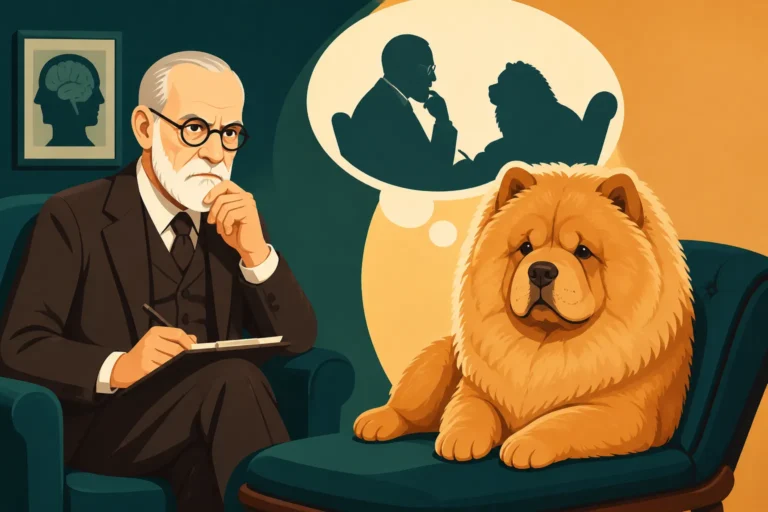
Whether a Chow Chow Has Appeared in Film
A Chow Chow’s lion-like mane and solemn expression seem made for the screen, but finding a clearly credited movie appearance can be surprisingly difficult. The short answer is yes: Chow Chows have appeared in film, though the breed is not closely tied to one famous, universally recognized movie character. Here’s how to separate confirmed breed appearances from lookalikes, celebrity-dog stories, and screen mythology.
Have Chow Chows appeared in movies
Yes, Chow Chows have appeared on screen, including in film. What’s harder to establish is a neat list of famous roles with reliable breed credits. Movie credits often name an animal character or its trainer without identifying the dog’s breed, and a fluffy dog in a scene may not be a Chow Chow at all.
That distinction matters if you’re trying to recognize a particular dog from an old movie, settle a debate, or find a film featuring the breed. A screen dog can have a Chow-like silhouette without being a purebred Chow Chow. Likewise, a film may include a Chow Chow without giving the dog a prominent or named role.
Why famous Chow Chow film roles can be hard to identify
Movies usually credit actors, directors, and other crew members in detail. Animal performers may receive less specific recognition. A dog might be listed under a character name, appear as an uncredited background animal, or be grouped with other animal performers. Even when a dog’s handler is credited, the breed may not be recorded in accessible film listings.
Older films create an extra challenge. Their records may be incomplete, and a black-and-white image can obscure features that help distinguish a Chow Chow from another thick-coated breed. The familiar mane and broad head may be visible, but details such as the dog’s build, ears, and muzzle can be difficult to judge from a brief shot.
So the most responsible answer is not that Chow Chows have a single defining movie role. It’s that they have appeared in film, but the breed is not consistently documented in a way that makes every appearance easy to verify.
A dog that looks like a Chow Chow may be another breed
A thick coat and rounded outline are not enough to identify a Chow Chow. Eurasier, Keeshond, and mixed-breed dogs can all look fluffy on screen, especially when the camera shows only a side view or a few seconds of action. A puppy’s coat can also be misleading because it changes as the dog matures.
Look for several traits together rather than relying on one dramatic feature. Chow Chows typically have small, upright ears, a broad head, and a distinctive compact appearance. Their blue-black tongue is a recognizable breed feature, but it usually won’t help in a movie scene unless the dog’s mouth is clearly visible. For more on that characteristic, see Why the Chow Chow's Tongue Is Blue Black.
Even a strong visual match doesn’t prove a dog’s pedigree. Films may use mixed-breed dogs, trained animal performers, or different dogs for different shots. A dog that looks convincing in a close-up may not be the same animal used for a running or stunt scene.
How to check whether a movie dog is really a Chow Chow
If you have a film title or scene in mind, start with the specific production rather than searching for “famous Chow Chow movies” generally. Look for credits, production notes, or interviews that identify the animal performer or trainer. A credible breed identification should connect the dog to that production, not merely show a similar-looking dog in a separate photograph.
| What you find | What it can tell you | What it does not prove |
|---|---|---|
| A film credit naming a dog character | The production included a dog in that role | The dog’s breed |
| A trainer or handler credit | Who worked with animal performers | Which dog appeared in each scene |
| A clear image of the dog | Visible features that may support identification | Purebred status or a formal breed record |
| A fan post calling the dog a Chow Chow | A possible lead for further checking | A confirmed breed identification |
| A cast or production note naming the breed | Stronger evidence tied to the film | That every similar dog in the film is the same performer |
Check the production, not just a screenshot
A still image can start the search, but it rarely finishes it. Try to identify the movie, the character, and the scene, then compare that information with film credits or production material. If the dog has a character name, search for that name alongside the title; animal performers may be easier to find through the character than through the breed.
Be cautious with posts that repeat a claim without showing where it came from. One unsourced caption can be copied across fan pages until it looks established. A useful confirmation connects the breed claim to someone involved in the production or to reliable documentation about the animal.
If the only evidence is “that dog looks like one,” describe it as a Chow-like dog rather than stating the breed as fact. That wording is fair to the film and avoids turning a visual guess into a supposed casting fact.
Distinguish a movie appearance from a television appearance
People often remember a Chow Chow from a celebrity’s home, an interview, or a television program and later associate the dog with a movie. Those are all screen appearances, but they are not the same thing. A dog shown on a talk show or in a television segment has appeared on screen without necessarily appearing in a film.
Celebrity stories can also blur together. Questions about well-known owners—including Whether Martha Stewart Keeps Chow Chows, Whether Elvis Presley Owned a Chow Chow, and Whether Walt Disney Gave a Chow Chow as a Gift—are separate from whether a particular Chow Chow acted in a movie. A famous person’s connection to the breed does not by itself establish a film credit.
Why the Chow Chow seems especially suited to movies
The breed has an immediately recognizable outline. A full mane frames the face, and the small, upright ears and sturdy body create a striking profile. In a period film, a fantasy story, or a scene meant to suggest an imposing or unusual dog, a Chow Chow’s appearance can attract attention even if the dog is only onscreen briefly.
That visual distinctiveness can also encourage mistaken identifications. Viewers may recognize the general “lion-like” look and assume the dog is a Chow Chow, even when a scene gives too little detail to tell. A memorable silhouette is not the same as a confirmed breed.
The Chow Chow’s look is only part of the story
A movie can emphasize a dog’s appearance, but it usually can’t show the everyday care and handling behind that look. Chow Chows have a dense coat that needs regular attention, and their serious expression does not necessarily tell you what an individual dog is feeling. A well-trained animal performer may also behave differently on set than a pet would in a busy living room.
The breed has a long history and a distinctive identity that reaches beyond film. If a movie appearance sends you down a breed-history rabbit hole, The Chow Chow Is One of the Oldest Breeds in the World offers broader context, while How the Chow Chow Reached England traces part of the breed’s journey into Western popular culture. That history helps explain why the breed has long attracted curiosity, but it doesn’t confirm the identity of a particular movie dog.
It’s also worth separating the breed’s public image from its individual temperament. A film may cast a dog because of its looks, but a real Chow Chow is not a costume or a character type. A dog’s comfort with strangers, noise, handling, and unfamiliar places depends on the individual and its experiences.
What movie portrayals leave out about living with a Chow Chow
A screen appearance can make the breed look effortlessly glamorous: a plush coat, a steady gaze, and a dog that seems to wait calmly for its cue. That image leaves out the practical work. The coat needs brushing down to the skin, and a dog being handled for grooming or veterinary care may need patient, thoughtful training.
If a film inspires you to learn more about Chow Chow care, start with realistic expectations rather than appearance alone. A sturdy comb, suitable brush, and a routine introduced gradually can help with coat care. Chewy is one place owners may browse grooming tools, but the right choice depends on the dog’s coat, comfort, and tolerance for handling. A groomer familiar with dense double coats can also help you understand what tools and techniques are appropriate.
For a dog who is wary of being brushed, buying more equipment won’t solve the underlying problem. Short, low-pressure practice sessions and rewards for calm behavior are often more useful than trying to complete a full grooming session at once. Owners comparing supplies on Chewy can use the process as a reminder to match tools to the dog’s needs, rather than assuming that a product marketed for a fluffy coat will suit every Chow Chow.
A film portrayal also can’t tell you whether a specific Chow Chow is suited to your home. Consider the time you can devote to socialization, grooming, training, and veterinary handling. If you’re exploring basic care items through Chewy, treat product browsing as one small part of preparation—not as a substitute for learning about the breed’s day-to-day needs.
The most accurate way to answer the film question
The answer is yes: Chow Chows have appeared in movies. But if you’re looking for one widely known film character who is unmistakably and consistently credited as a Chow Chow, the breed does not have an obvious signature role that reliably answers that question. Breed-specific records can be sparse, and lookalikes are easy to mistake for the real thing.
When checking a particular claim, use this simple sequence:
- Identify the exact film and the scene where the dog appears.
- Look for production credits or documentation about the animal performer.
- Check whether the source identifies the dog’s breed, rather than only its character name.
- Treat visual resemblance as a clue, not proof.
- Keep television appearances and celebrity pets separate from movie roles.
That approach gives you a fair answer without overstating what a still image or repeated online claim can establish. It also leaves room for the reality that many animal performers never receive the detailed public credits human actors do.
The Chow Chow’s distinctive appearance makes it memorable on screen, but its film history is less neatly documented than its look might suggest. A specific movie dog may indeed be a Chow Chow; confirming it takes production-specific evidence, not just a mane and a familiar face.
Disclaimer
This article is for general informational purposes only and does not constitute professional advice. Laws, prices and regulations vary by location and change over time. Consult a qualified professional for guidance on your specific situation.