Whether the Chow Chow Is Still Popular in Asia
A Chow Chow can feel unmistakably familiar in photographs and still be uncommon in everyday life, which makes its popularity across Asia difficult to judge. The answer depends on what “popular” means: historical importance, public recognition, pet ownership, or registered puppies. This guide separates those measures and explains why the breed’s place in Asia varies by country, city, and household.
Is the Chow Chow still popular in Asia
A historic breed can be well known without being common
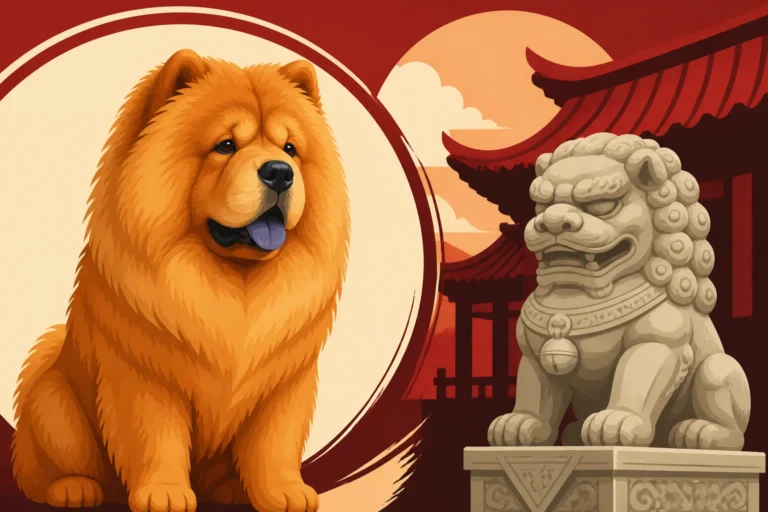
The Chow Chow is strongly associated with China, and its long history gives it a cultural and geographic connection to Asia that many breeds do not share. That connection helps explain why people may recognize the breed or feel it belongs naturally in conversations about Chinese dogs. But heritage and present-day popularity are different things: a breed can be historically significant without being a frequent sight in modern homes.
There is no single “Asian” dog market. China, Japan, South Korea, India, Thailand, and other countries have different housing patterns, climates, pet-keeping customs, and preferences. Even within one country, a Chow Chow might be more visible in a large city than in a rural community—or the reverse in a particular area. A broad claim such as “Chow Chows are popular in Asia” can therefore hide more than it reveals.
It helps to start with the breed’s background. Where the Chow Chow Comes From and How Old the Chow Chow Breed Is offer context for why the dog is so closely tied to Chinese history. That history explains its cultural footprint, but it cannot, by itself, tell us how many people keep Chow Chows now.
Popularity depends on the measure
People often use “popular” to mean several different things. They may mean that a breed is recognizable, that it appears often in social media posts, that breeders produce many litters, or that it ranks highly in registration data. Those measures can point in different directions.
For example, a striking Chow Chow in a viral video may reach a huge audience even if relatively few families nearby own one. Meanwhile, a breed with a large local population may attract less online attention because it is so familiar. Registration figures also have limits: they usually track dogs recorded by particular organizations, not every dog kept as a pet.
| Measure of popularity | What it can tell you | What it may miss |
|---|---|---|
| Breed registrations | How many dogs are recorded by a particular registry | Unregistered pets, mixed-breed dogs, and owners who use other registries |
| Breeder activity | Whether planned litters are available in a market | How many puppies stay in that area or are placed as pets |
| Social media visibility | Which breeds attract attention online | Whether the breed is common in everyday households |
| Public recognition | Whether people know the breed or its appearance | Whether they are interested in owning one |
| Local sightings | Whether the breed is familiar in a particular neighborhood | The picture in other cities, regions, or countries |
Without comparable data across countries and over time, it is safer to describe the Chow Chow as a historically prominent and recognizable breed in parts of Asia than to call it uniformly popular across the continent. A careful answer leaves room for regional differences rather than treating one city, breed club, or online trend as representative of millions of households.
How the Chow Chow’s place varies across Asia
China is central to its story, but not a single measure of modern ownership
China is the breed’s historic homeland, which naturally gives the Chow Chow a special place in discussions of Asian breeds. Yet being from a country does not guarantee that a dog remains one of its most commonly kept pets. Modern ownership is shaped by practical factors such as housing, access to veterinary care, family routines, climate, and the kind of temperament people want in a companion.
There is also a difference between cultural symbolism and household prevalence. A person may recognize a Chow Chow as a traditional Chinese breed without ever having met one. Another person may know the breed through a neighbor or local breeder but have little interest in its history. Both experiences can coexist, and neither alone establishes how popular the breed is across China.
The history of the Chow Chow’s roles is also more layered than a simple modern label can suggest. Whether Chow Chows Still Work in China and Whether Chow Chows Guarded Monasteries explore questions about the breed’s past and how people interpret it. Those stories are useful cultural context, but historical work should not be mistaken for evidence that the same roles—or the same level of ownership—continue today.
Neighboring countries can have different breed preferences
In countries such as Japan and South Korea, as in many other places, pet preferences are influenced by local living conditions and changing ideas about companion animals. A breed’s popularity may differ between dense urban neighborhoods and less crowded areas. What suits one household—size, grooming needs, energy level, or tolerance for warm weather—may not suit another.
These practical considerations matter for the Chow Chow. Its dense coat requires consistent care, and the breed’s reserved nature can make thoughtful early socialization especially important. In a busy city, an owner may need to plan carefully for grooming appointments, exercise at comfortable times, and calm introductions to visitors. Those needs do not make city life impossible, but they can make the breed a more deliberate choice than a casual impulse purchase.
Public visibility can also be shaped by media. A distinctive appearance travels well in photographs and videos, so a dog may become familiar online without being common locally. Conversely, a breed can be common among households but underrepresented in international media. This is another reason not to infer ownership numbers from what appears in a feed.
Why people choose a Chow Chow—and why others do not
Its appearance and temperament attract a particular kind of owner
The Chow Chow’s look is a major part of its appeal. The mane-like ruff, compact build, small upright ears, and distinctive expression make the breed easy to recognize. Its connection to Chinese history can add another layer of interest for people who want a dog with a strong historical identity. Whether the Chow Chow Is a Symbol in China Today considers the distinction between a breed’s cultural associations and its role in present-day life.
Temperament matters just as much as appearance. Chow Chows are often described as independent and reserved rather than instantly outgoing with everyone they meet. Some owners value that quiet, self-possessed quality. Others are looking for a dog that eagerly greets strangers, enjoys constant handling, or readily joins every group activity—and may find the Chow Chow less suited to their expectations.
A realistic match involves more than admiring photographs. An owner needs to be comfortable building trust gradually, teaching the dog to accept routine handling, and introducing it to people and environments in a calm, positive way. A reserved dog is not automatically unfriendly, but it should not be expected to enjoy every interaction simply because a person wants to say hello.
Grooming and climate can influence its appeal
A Chow Chow’s coat is beautiful, but it takes work. Regular brushing helps prevent tangles and mats, especially in areas where friction is common, such as behind the ears, under a collar, and around the hindquarters. A neglected dense coat can trap moisture and make it harder to spot skin problems. For prospective owners, the practical question is not just whether they like the coat, but whether they can keep up with its care.
Climate is another consideration. A thick double coat and warm, humid conditions can make careful heat management important. Owners need to avoid strenuous activity during the hottest parts of the day, provide shade and fresh water, and watch for signs of overheating. Climate does not determine whether a Chow Chow can live in a place, but it affects the daily routine and the care an owner must be ready to provide.
These needs can narrow the group of people who choose the breed. That does not mean Chow Chows are inherently unsuitable for urban homes or warm regions. It means a responsible owner has to plan around coat care, comfortable indoor conditions, and a measured exercise routine. Practical fit may shape local numbers as much as fashion or historical identity.
How to judge whether the breed is popular where you live
Look for several local signals instead of relying on one
If you are trying to understand Chow Chow popularity in a particular country or city, look for more than one kind of evidence. Local kennel clubs may publish registration information; breed clubs may be able to describe the community they serve; shelters and rescues may provide a different view of dogs being surrendered or rehomed. None of those sources gives a complete picture on its own, but together they can offer a more grounded impression.
It is also useful to distinguish between demand and responsible availability. A breeder listing can show that puppies are being advertised, but not whether the dogs are well bred, health screened, or placed with suitable homes. A visible online market can therefore create the impression that a breed is widespread even when the responsible breeding community is small.
When comparing information, ask what it actually counts. Does a figure include only registered purebred dogs? Does a survey cover one city or an entire country? Does a social-media trend reflect long-term ownership or a brief burst of attention? Those questions help prevent a misleading statistic or striking video from becoming a claim about a whole region.
If you are considering one, prioritize fit over fashion
For a prospective owner, the more useful question is often not “Is the Chow Chow popular here?” but “Can I meet this dog’s needs in my home and community?” Consider whether you have time for coat care, access to a veterinarian and groomer comfortable working with the breed, and a plan for warm weather. Think, too, about whether the breed’s independent style suits the way you want to live with a dog.
Meet adult Chow Chows if you can, and speak with people who have cared for them through ordinary routines—not only people who enjoy their appearance. Ask how the dog handles grooming, visitors, veterinary visits, and time outdoors. These conversations can provide a more realistic picture than popularity rankings, which say little about whether an individual dog will suit a particular household.
If you are looking at a breeder, ask about health testing, the parents’ temperaments, and what support is available after the puppy goes home. A responsible breeder should be willing to discuss the demands of the breed honestly, including grooming and heat management. For historical context, How the Chow Chow Reached England shows how the breed became familiar beyond its original setting; today, however, responsible ownership depends less on the breed’s fame than on thoughtful preparation.
The most accurate answer is that the Chow Chow remains culturally recognizable and closely associated with China, but its popularity cannot be treated as uniform across Asia. Its visibility, ownership, and availability vary by location, and each measure tells a different part of the story. For someone considering the breed, local evidence and an honest assessment of its care needs matter more than a continent-wide label.
Disclaimer
This article is for general informational purposes only and does not constitute professional advice. Laws, prices and regulations vary by location and change over time. Consult a qualified professional for guidance on your specific situation.