Whether a Chinese Emperor Kept Thousands of Chow Chows
It's easy to imagine ancient Chinese emperors living lives of unparalleled extravagance, and tales often circulate about them keeping vast kennels. For Chow Chow enthusiasts, this naturally raises an intriguing question: is it true that a Chinese emperor once commanded an army of thousands of Chow Chows? We'll dig into the historical records and practical realities to uncover the truth behind this fascinating legend.
The Storied History of the Chow Chow in Ancient China
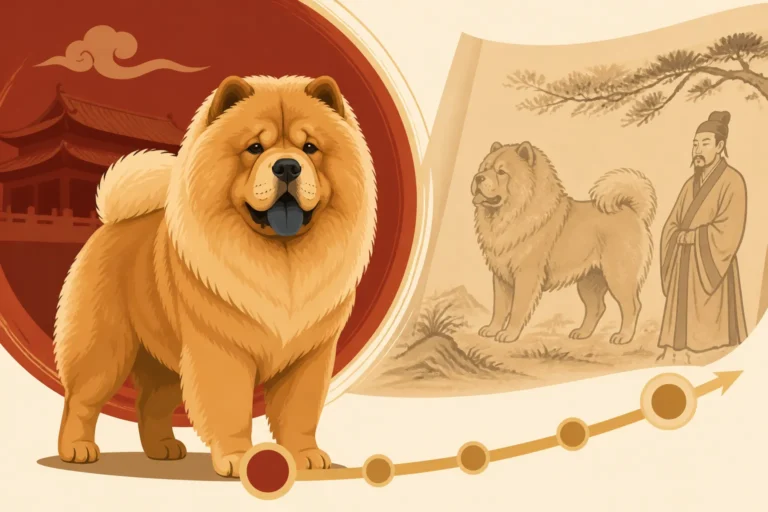
Before we delve into imperial kennels, it's crucial to understand the Chow Chow's foundational role in ancient Chinese society. These magnificent dogs weren't just decorative companions; they were highly valued working animals, deeply integrated into various aspects of life. Their history stretches back millennia, making them one of the oldest breeds in the world, with evidence suggesting their presence as far back as the Han Dynasty.
Practical Applications of the Breed
The Chow Chow, known in China by names like Songshi Quan ("puffy-lion dog") or Tang Quan ("dog of the Tang Dynasty"), served a multitude of practical purposes. They were formidable hunting partners, particularly for large game like wolves and pheasant, utilizing their strength and keen senses. Imagine an ancient hunting party, with these powerful, compact dogs coursing through the underbrush, their dense coats protecting them from the elements. They were also excellent guard dogs, their naturally reserved and territorial nature making them perfect protectors of temples, homes, and livestock. Furthermore, their strength was harnessed for utility tasks, sometimes pulling carts or acting as draft animals in colder northern regions. This was a breed built for work, not simply for show, reflecting a society where every animal had its place and purpose.
The Chow Chow as a Prized Possession
Given their versatility and capability, Chow Chows were indeed prized possessions. They weren't common street dogs; their lineage was respected, and owning one often indicated a certain status. Unlike some breeds that were bred purely for companionship or aesthetic, the Chow Chow's value was rooted in its utility and formidable presence. They commanded respect, and their aloof dignity meant they weren't dogs to be taken lightly. This deep-seated respect for the breed set the stage for their eventual presence in imperial households, not as mere trinkets, but as guardians and symbols of power. You can learn more about their history by reading The Chow Chow Is One of the Oldest Breeds in the World.
Unpacking the "Thousands of Dogs" Imperial Myth
The idea of an emperor keeping "thousands" of any dog breed, let alone Chow Chows, captures the imagination. It conjures images of endless kennels and a monumental effort in animal husbandry. While impressive, this particular claim seems to be more legend than historical fact, particularly when we look at specific numbers.
The Tang Dynasty Emperor Xuanzong and His Hounds
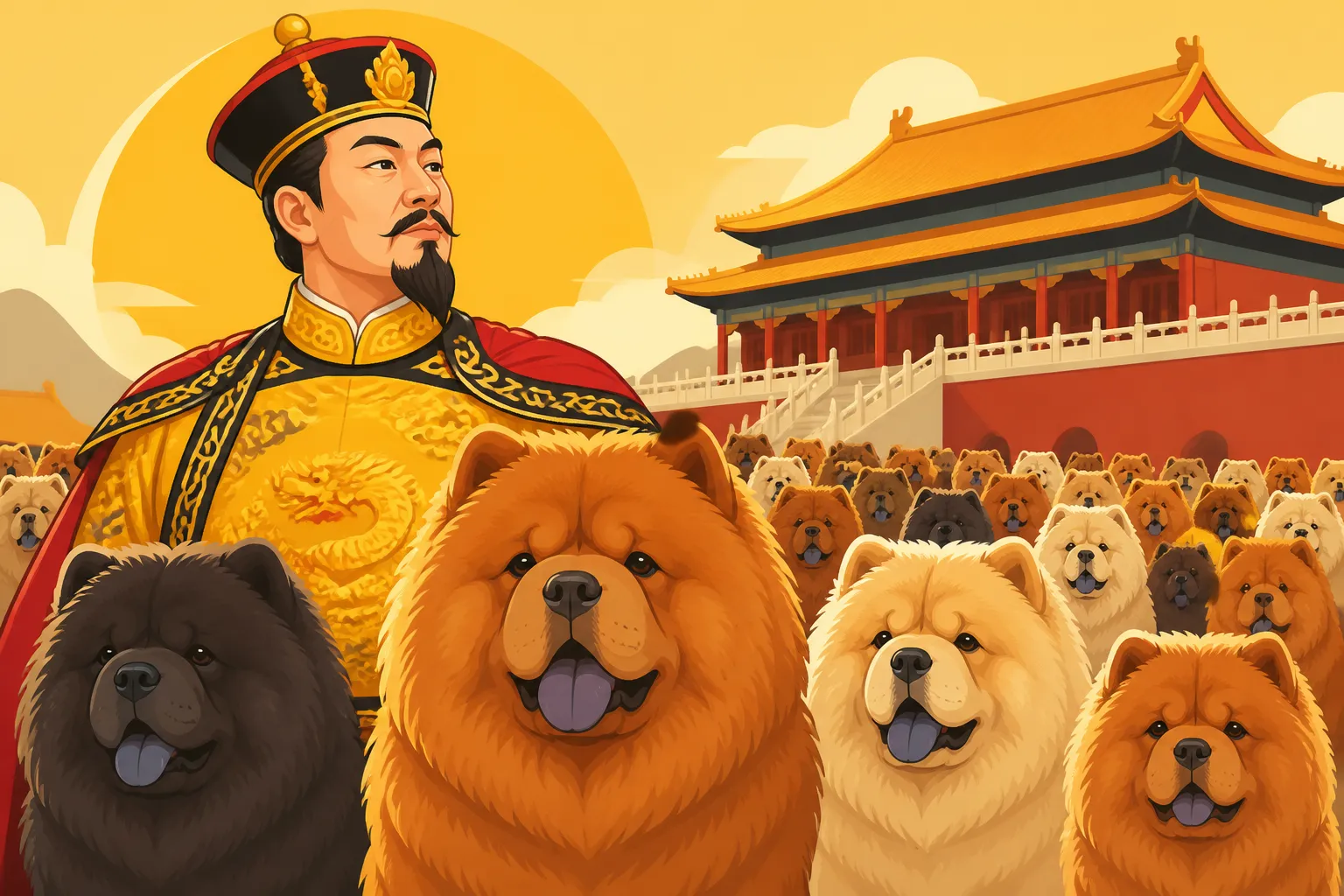
The most famous historical figure associated with large numbers of Chow Chows, or dogs resembling them, is Emperor Xuanzong of the Tang Dynasty (712-756 AD). Historical accounts suggest he maintained extensive kennels and was known for his love of dogs, using them for hunting expeditions. However, the numbers typically cited in more reliable historical texts refer to hundreds of dogs, not thousands. These collections likely included a variety of breeds, not exclusively Chow Chows, although dogs fitting the Chow Chow description were undoubtedly among them due to their hunting prowess and guarding instincts.
It's important to differentiate between general imperial collections of hunting dogs and a dedicated, purebred kennel of "thousands" of Chow Chows. Ancient records, while sometimes prone to poetic exaggeration, typically depict collections in the hundreds for practical and logistical reasons. The scale of keeping thousands of any large dog breed, even for an emperor, would have been an undertaking of staggering proportions, far exceeding even the immense resources of an imperial court.
The Logistical Nightmare of Mass Dog Keeping
Let's consider the sheer practicalities. Imagine trying to feed, house, and care for thousands of dogs in an era without modern conveniences.
- Food: A single adult Chow Chow today eats a significant amount of food daily. Multiply that by thousands. An emperor would need dedicated farms, supply chains, and enormous storage facilities just for dog food. Even acquiring bulk modern dog food from a supplier like Chewy would require immense logistical planning for a contemporary kennel with thousands of dogs, let alone in ancient times with fresh meat and grains.
- Waste Management: The waste produced by thousands of dogs is unimaginable. Sanitation would have been a constant, overwhelming battle, posing severe health risks to both the animals and the human staff.
- Housing: Each dog would need shelter, especially in the variable Chinese climate. Building and maintaining kennels for thousands would have been a massive architectural and labor investment.
- Staffing: Hundreds, if not thousands, of dedicated handlers, trainers, veterinarians (or their ancient equivalents), and kennel staff would be required. Each Chow Chow, with its distinctive temperament, demands consistent handling and attention, as explored in A Chow Chow Trains by Agreement, Not Obedience.
- Disease Control: In close quarters, diseases spread rapidly. A single outbreak could decimate an entire kennel. Without modern veterinary medicine, managing the health of thousands of animals would have been nearly impossible.
- Breeding and Social Structure: Managing the breeding of thousands of dogs to maintain quality and avoid inbreeding, while also dealing with the social dynamics and potential aggression within such a massive pack, presents endless challenges. Keeping track of temperament and health, as discussed in What a Chow Chow Breeder Should Have Tested, would have been a monumental task without modern record-keeping.
The scale suggests that while emperors undoubtedly had large and impressive kennels for hunting and status, the number "thousands" likely entered the popular imagination as a way to emphasize imperial wealth and power, rather than a literal count.
| Aspect of Care | Keeping 1-2 Chow Chows (Modern Day) | Keeping Thousands of Chow Chows (Ancient Imperial Era) |
|---|---|---|
| Food Supply | Order kibble from Chewy, local store; moderate weekly cost. | Dedicated farms, hunters, grain supply; massive daily logistics. |
| Housing | Comfortable home environment, crate, outdoor access. | Vast, purpose-built kennels requiring constant repair and cleaning. |
| Waste Mgmt. | Daily scooping, regular yard cleaning. | Overwhelming, continuous task; major sanitation and health challenge. |
| Health Care | Regular vet visits, vaccinations, modern treatments available. | Limited veterinary knowledge, high risk of epidemics, basic care at best. |
| Grooming | Regular brushing, occasional baths; home or professional groomer. | Hundreds of handlers needed; constant battle against mats and parasites. |
| Training | Dedicated owner, possibly professional trainer for specific issues. | Large staff of specialized trainers; managing consistent behavior across thousands. |
| Costs | Significant but manageable pet expenses. | Astronomical, requiring a substantial portion of the imperial budget. |
The Evolution of Historical Narratives and Folklore
The journey of the Chow Chow from ancient China to being a recognized breed globally is filled with fascinating transitions, including how its history has been interpreted and retold. The "thousands of Chow Chows" narrative is a perfect example of how historical facts can blend with folklore, especially when a culture is viewed through an external, often romanticized, lens.
The Influence of Western Introduction
When the Chow Chow first made its way to Western countries like England in the late 18th century, and later gained significant popularity in the Victorian era, it arrived as an exotic, mysterious breed from a distant and often misunderstood land. Early accounts from traders and travelers were sometimes imbued with a sense of wonder and exaggeration, contributing to the mystique. Tales of imperial extravagance, coupled with the dog's striking lion-like appearance, naturally led to grander narratives. The sheer novelty of a breed so different from European dogs made it ripe for embellishment. Think about the awe these dogs inspired when first seen; it’s not hard to imagine how stories of an emperor owning vast numbers would spread, eager listeners adding to the tale with each retelling. This kind of oral history can quickly balloon numbers from hundreds to thousands, creating a legend that's hard to shake.
Distinguishing Fact from Folklore
For modern enthusiasts, it's a fun thought experiment to imagine a Chow Chow empire, but discerning factual historical data from popular folklore is important. Many early accounts of Chinese culture, especially those translated or retold by Westerners, often took liberties or simply lacked detailed records to verify claims. Primary historical documents from China itself, such as court records or literary works from the Tang Dynasty, offer more grounded perspectives. These often celebrate the emperor's passion for hunting and his impressive kennels but rarely quantify numbers in the thousands. The actual number of dogs, while still substantial for the time, was likely within a more manageable range of hundreds. What the Chow Chow Did for a Chinese Emperor provides more insight into their specific roles and value.
The practical realities of feeding, housing, and managing such a vast collection of animals, particularly a breed as independent and sometimes challenging as the Chow Chow, further support the idea that "thousands" is likely an overstatement. Even with imperial resources, the logistical challenges would have been immense, far beyond what even a well-stocked modern pet store like Chewy could support for a private owner without a dedicated staff.
Living with a Chow Chow: A Modern Perspective on Care
While the idea of an ancient emperor managing thousands of Chow Chows is a captivating piece of folklore, it highlights just how much effort goes into caring for even a single Chow Chow. Their unique needs and strong personalities mean that modern ownership, even for one, is a significant commitment.
The Costs and Care of Many Chows Today
Imagine if you wanted to maintain a large kennel of Chow Chows today. Even with all our advancements, the costs and labor would be astronomical. From high-quality food, perhaps bought in bulk from a reputable source like Chewy, to regular veterinary check-ups, grooming supplies, and proper housing, the expenses add up quickly. A single Chow Chow needs consistent socialization and training to develop into a well-adjusted companion, as detailed in Why Early Socialization Decides What a Chow Chow Becomes. Multiply that by even a dozen dogs, and you're looking at a full-time, highly skilled operation. The idea of thousands is simply beyond the realm of practical, humane care, even now.
Welfare Considerations: Then and Now
Our understanding of animal welfare has evolved dramatically since ancient times. Modern pet ownership emphasizes individual care, health, and emotional well-being. While ancient emperors valued their hunting dogs, the concept of individualized pet care as we know it today was likely very different. The focus would have been on utility and the overall success of the hunt or the security of the palace. This historical context helps us appreciate why tales of "thousands" of dogs, while impressive, likely paint a picture of quantity over the kind of individual welfare we strive for with our Chows today. Ensuring even one Chow Chow is comfortable and cool in the summer, with plenty of water and shade, as highlighted in Why a Chow Chow Overheats So Easily, requires specific attention that would be impossible to scale to thousands.
Ultimately, while the image of a Chinese emperor surrounded by thousands of majestic Chow Chows makes for a fantastic story, historical evidence and practical considerations suggest the reality was more likely in the hundreds, and probably a mix of various formidable breeds. These dogs were revered and valuable, no doubt, but managing an actual "army" of thousands would have been a logistical marvel that stretched beyond even imperial capabilities.
Disclaimer
This article is for general informational purposes only and does not constitute professional advice. Laws, prices and regulations vary by location and change over time. Consult a qualified professional for guidance on your specific situation.