What Most Chow Chows Die Of
It's a heartbreaking truth that our beloved Chow Chows, with their majestic lion-like manes and stoic demeanors, aren't immortal. As Chow Chow parents, we constantly worry about their health, especially as they age, and often wonder what ailments might eventually take them from us. Understanding the common causes of death in Chow Chows isn't about dwelling on the inevitable; it's about empowering ourselves with knowledge, recognizing early warning signs, and taking proactive steps to ensure their lives are as long, healthy, and comfortable as possible. This guide aims to shed light on the most prevalent health issues that ultimately lead to the passing of these cherished companions, offering insights and a path forward for prevention and care.
The Harsh Reality: Understanding Chow Chow Mortality Rates
When you bring a Chow Chow into your life, you dream of years of companionship, loyalty, and quiet affection. But the reality is that all dogs have a finite lifespan, and certain breeds carry predispositions to specific health challenges. For Chow Chows, understanding these factors can help you provide the best possible care throughout their journey. It's tough to face, but preparing yourself mentally for what lies ahead is part of being a responsible pet parent.
Average Lifespan and Common Expectations
The typical lifespan for a Chow Chow generally ranges from 8 to 12 years. While some lucky individuals may sail past the 12-year mark, others, unfortunately, might face health complications that shorten their time with us. It's a broad range, and often, the quality of care, genetics, and a bit of luck play significant roles. For a deeper dive into what to expect, you might find our guide on How Long a Chow Chow Lives on Average incredibly helpful. It’s important not to let these numbers become a source of anxiety, but rather a benchmark for understanding their life stages. The frustration often comes from knowing they could live longer if certain issues weren't so prevalent.
When a Chow Chow reaches around 8 years old, they are considered senior, and just like humans, their bodies start to show signs of wear and tear. Their energy levels might decrease, their eyesight or hearing could diminish, and they might develop stiffness in their joints. Many owners describe a sense of helplessness watching their once vibrant companions slow down, especially when they hide their pain so effectively. This is where vigilant observation and regular veterinary check-ups become even more crucial.
Major Categories of Health Concerns
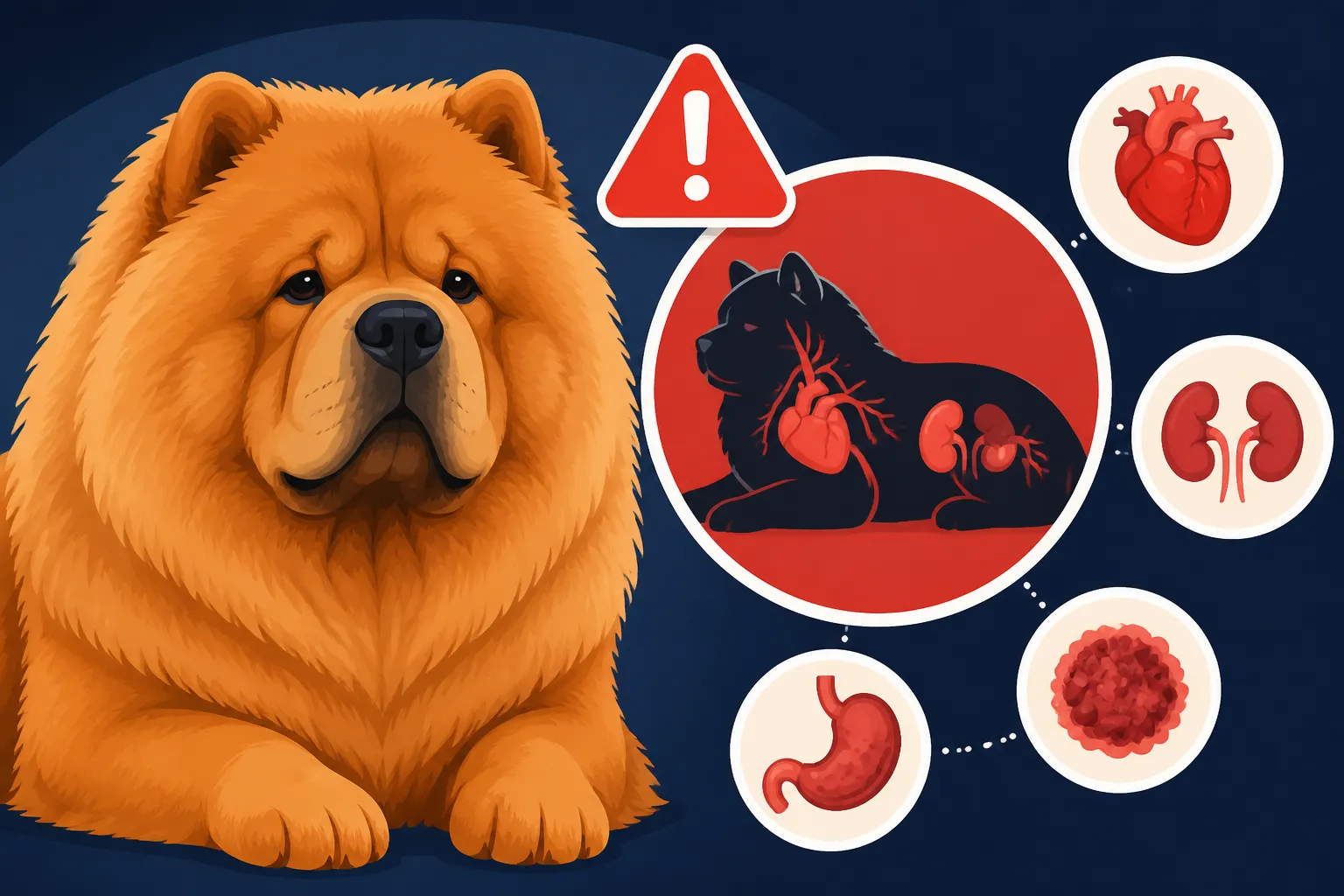
While individual cases vary wildly, most Chow Chows tend to succumb to a few primary categories of health issues. These aren't always sudden events; often, they are progressive conditions that require ongoing management. Cancer, cardiac disease, and conditions stemming from their unique anatomy, like overheating or severe orthopedic issues, frequently top the list. Gastrointestinal emergencies such as bloat also remain a terrifying and swift threat for Chow owners. It's a lot to consider, and it can feel overwhelming to navigate these potential problems, but knowing what to look for can truly make a difference. We'll delve into these in more detail, providing you with the information you need to be an advocate for your Chow Chow's health.
Cancer: The Silent Threat to Our Beloved Chows
Cancer is a word that strikes fear into the hearts of pet owners, and sadly, it's a leading cause of death in Chow Chows, much like in many other purebred dogs. The insidious nature of cancer means it often works silently, sometimes only revealing itself when it has already progressed significantly. This can be incredibly frustrating, especially for a breed known for its stoic nature and ability to mask discomfort.
Common Types of Cancer in Chow Chows
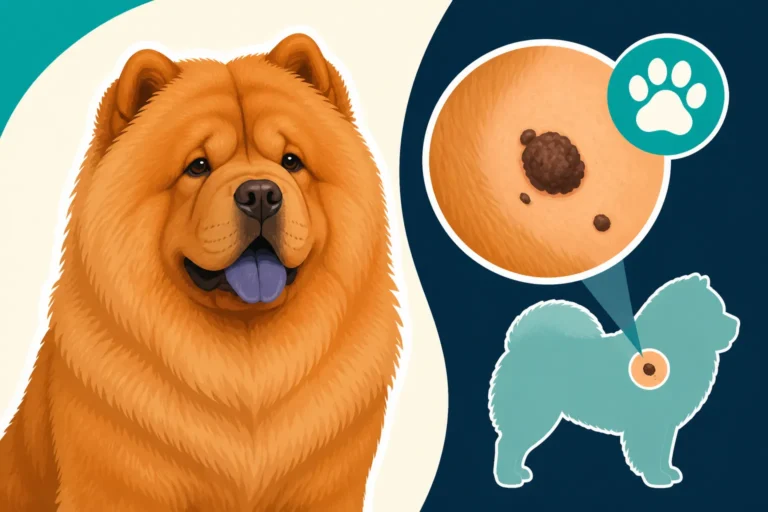
Chow Chows, unfortunately, are susceptible to several forms of cancer. Lymphoma, which affects the lymphatic system, is one common type, often presenting as swollen lymph nodes. Mast cell tumors, which can appear on or under the skin, are another frequent diagnosis. These can range from benign to highly aggressive. Hemangiosarcoma, a particularly aggressive cancer of the blood vessel lining, can affect organs like the spleen, heart, or liver, and can lead to sudden internal bleeding. Osteosarcoma, a bone cancer, is also seen in the breed. For a more comprehensive understanding of the specific types of cancer they might face, our article on Which Cancers a Chow Chow Gets offers valuable detailed information.
The challenge with these cancers isn't just their presence, but their varied presentation. A small lump might be nothing, or it could be a highly aggressive mast cell tumor. Subtle changes in behavior or appetite might be dismissed as an "off day" when they could be early signs of something much more serious. This ambiguity is what makes cancer so terrifying for us Chow Chow parents; we constantly worry about missing something critical.
Recognizing the Subtle Signs of Cancer
Because Chow Chows are masters at hiding pain and discomfort, recognizing the signs of cancer can be particularly challenging. Owners often lament that their Chow Chow gave no outward indication of illness until the disease was advanced. Look for subtle, persistent changes: unexplained weight loss despite a normal appetite, lumps or bumps that appear or change in size, lethargy that isn't typical for your dog, a persistent cough, difficulty eating or swallowing, or any changes in bathroom habits. Any new lameness that doesn't resolve quickly, or a sudden disinterest in activities they once enjoyed, should prompt a veterinary visit.
I've heard countless stories from owners who regret not acting sooner, but in reality, their Chows were simply being Chows – stoic and reserved. This isn't a failure on the owner's part; it's a testament to the breed's nature. Regular full-body checks at home, gently feeling for lumps and paying attention to their mouth and gums, can become a vital routine. Prompt action, even for seemingly minor concerns, could be crucial. This is where having pet insurance like Healthy Paws can truly alleviate the stress, allowing you to pursue diagnostics without immediately facing overwhelming financial decisions.
Prognosis and Treatment Options
The prognosis for cancer in Chow Chows varies immensely depending on the type, stage, and location of the cancer, as well as the dog's overall health. Early detection is always key to improving outcomes. Treatment options can include surgery to remove tumors, chemotherapy, radiation therapy, or a combination of these. Sometimes, palliative care focused on pain management and maintaining quality of life is the most compassionate choice, especially for advanced or aggressive cancers.
Navigating these decisions can be emotionally draining and financially challenging. Owners often feel torn between pursuing aggressive treatments that might extend life but reduce quality, or opting for comfort care. This is a deeply personal journey, and it's essential to have open and honest conversations with your veterinarian about all available options and what each entails for your Chow Chow's well-being. Having a robust pet insurance plan, such as one from Healthy Paws, can provide significant relief when faced with the high costs associated with cancer diagnosis and treatment.
Heart Disease: A Leading Cause of Decline
Cardiac conditions are another significant factor contributing to the mortality rate of Chow Chows, especially as they enter their senior years. Just like humans, dogs can develop a range of heart problems that, if left unmanaged, can severely impact their quality of life and ultimately shorten their time with us. The challenge often lies in distinguishing normal aging from the subtle onset of heart disease.
Types of Cardiac Issues Affecting Chow Chows
Chow Chows can be affected by various heart diseases. Dilated cardiomyopathy (DCM), where the heart muscle becomes thin and weak, leading to an enlarged heart and reduced pumping ability, is a serious concern. Valvular disease, particularly mitral valve disease, is more common in smaller breeds but can also affect larger dogs, where the heart valves degenerate and fail to close properly, leading to leaky valves. Arrhythmias, or irregular heartbeats, can also develop and compromise the heart's efficiency.
These conditions often progress silently for a long time before obvious symptoms appear. It's frustrating because you can't see the problem developing within their chest, and by the time you notice something is wrong, the disease might be advanced. This hidden progression underscores the importance of routine veterinary check-ups, where a vet can listen for murmurs or irregular heart rhythms that might be early indicators.
Spotting the Early Warning Signs
Because heart disease can be insidious, it's vital to be attuned to even the most subtle changes in your Chow Chow. Common signs include increased coughing, especially at night or when resting, which owners sometimes mistake for a throat irritation. A decrease in stamina or exercise tolerance, where your Chow Chow gets tired more quickly on walks or struggles to keep up, is another key indicator. You might also notice panting even when they haven't exerted themselves, a loss of appetite, unexplained weight loss, or in more advanced stages, a distended abdomen due to fluid buildup.
The unique stilted gait and reserved nature of Chow Chows can make these signs harder to interpret. Is your Chow just being aloof, or are they too tired to greet you? Is that cough just a bit of a hairball, or something more serious? This ambiguity is precisely why attentive observation is crucial. If you see any of these signs, don't hesitate to consult your veterinarian. Early diagnosis allows for earlier intervention, which can significantly improve your Chow Chow's comfort and potentially extend their life.
Management and Quality of Life
While most heart diseases in dogs are not curable, they are often manageable with medication and lifestyle adjustments. Medications can help the heart pump more efficiently, control fluid buildup, and regulate heart rhythm. Dietary changes, particularly those that are low in sodium, can also be beneficial. Regular monitoring by a cardiologist may be recommended. The goal of treatment is always to improve your Chow Chow's quality of life and slow the progression of the disease.
For many owners, the daily routine of administering medications and monitoring their Chow Chow's breathing and energy levels becomes a new normal. It can be a significant commitment, but seeing your beloved companion respond positively to treatment and regain some of their previous zest for life is incredibly rewarding. Again, the financial implications of long-term cardiac care can be substantial, and having pet insurance like Healthy Paws can offer immense peace of mind, allowing you to focus on your Chow Chow's health rather than the vet bill.
Overheating and Heatstroke: A Sudden and Deadly Danger
Perhaps one of the most immediate and terrifying threats to a Chow Chow's life is overheating and subsequent heatstroke. Their magnificent double coat and brachycephalic (short-nosed) tendencies, combined with their dense build, make them incredibly susceptible to heat-related emergencies. What might be a warm day for other dogs can quickly become a deadly situation for a Chow Chow.
Why Chow Chows Are So Prone to Heatstroke
Chow Chows possess a thick, dense double coat that is incredibly efficient at insulating them against cold weather, a trait developed in their ancestral colder climates. However, this same coat traps heat in warmer conditions, preventing their bodies from cooling down effectively. Compounding this is their somewhat shorter muzzle compared to many other breeds. While not as extreme as a Bulldog or Pug, their facial structure can make panting, their primary method of cooling, less efficient than dogs with longer snouts. For an in-depth explanation of this critical vulnerability, our guide on Why a Chow Chow Overheats So Easily is a must-read for any Chow Chow owner.
This unique combination means that even moderate temperatures can pose a risk, and vigorous exercise on a warm day can quickly turn catastrophic. Owners often feel a deep sense of dread during summer months, constantly checking the temperature and limiting their Chow Chow's outdoor time. The sheer speed at which a Chow Chow can go from "a bit warm" to "critical heatstroke" is what makes this danger so formidable.
Immediate Actions and Preventative Measures
Recognizing the signs of overheating is paramount, as every minute counts in a heatstroke emergency. Early signs include excessive panting, drooling, restlessness, and a reddened tongue and gums. As it progresses, your Chow Chow might become wobbly, vomit, have diarrhea, or even collapse. If you suspect heatstroke, immediate action is crucial. Move your Chow Chow to a cooler environment, apply cool (not ice-cold) water to their body, especially their belly, armpits, and groin, and offer small amounts of water. Crucially, seek veterinary attention immediately. Our article on Signs a Chow Chow Is in Heat Stroke can help you identify these critical indicators without delay.
Prevention is always better than treatment. During warmer months, walks should be restricted to the coolest parts of the day – early morning or late evening. Always ensure access to fresh, cool water. Air conditioning is a necessity for Chow Chows in hot climates, and a cooling mat or a kiddie pool with shallow water can provide much-needed relief. Never, ever leave a Chow Chow in a parked car, even for "just a minute," as internal temperatures can soar dangerously fast. These preventative steps are not optional; they are life-saving measures for this breed.
The Devastating Impact of Severe Heatstroke
Heatstroke isn't just about feeling hot; it's a severe medical emergency that can lead to multi-organ failure. The extremely high body temperature causes widespread cellular damage, impacting the brain, kidneys, liver, and blood clotting system. Even if a Chow Chow survives a severe heatstroke incident, they can suffer long-term complications, including kidney damage, neurological issues, or increased susceptibility to future heat-related problems.
The cost of treating severe heatstroke can be astronomical, involving intensive care, IV fluids, organ support, and close monitoring. It's a painful reminder of how quickly things can go wrong and how devastating the consequences can be. This is another area where reliable pet insurance can be a literal lifesaver, covering the emergency treatment costs when you are most vulnerable and distraught.
Orthopedic Issues and Their Long-Term Impact
While orthopedic problems might not always be a direct cause of death, they significantly impact a Chow Chow's quality of life and can contribute to other health declines, especially in their senior years. Chronic pain and reduced mobility can lead to a sedentary lifestyle, which in turn can exacerbate other health issues like obesity, diabetes, and heart disease. For a breed known for its distinctive, somewhat stiff gait, these issues are particularly poignant.
The Cumulative Toll of Joint Problems
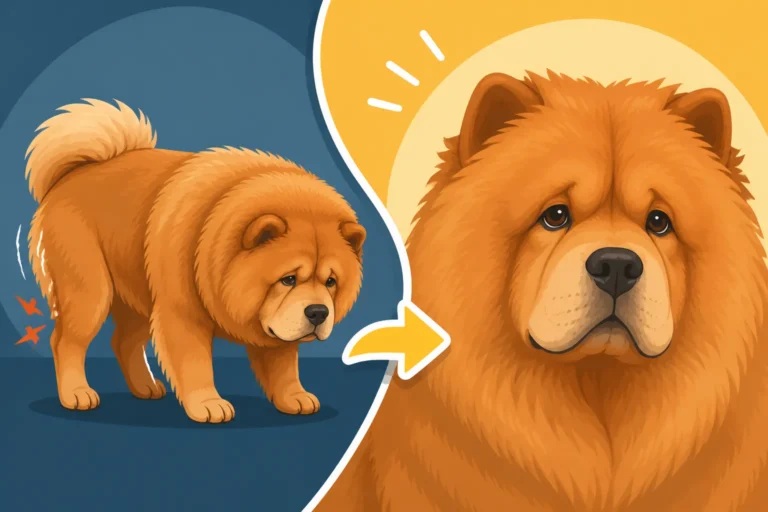
Chow Chows are unfortunately prone to several significant orthopedic conditions. Hip dysplasia and elbow dysplasia are genetically predisposed conditions where the joints don't form correctly, leading to instability, pain, and eventually arthritis. Given their strong build, the strain on these poorly formed joints can be immense. To understand the severity of this issue, you might want to read Elbow Dysplasia Ranks the Chow Chow Near the Top, which highlights just how common and debilitating this condition can be for the breed. Patellar luxation, where the kneecap slips out of place, is another concern, as are cruciate ligament tears.
These conditions often start subtly in younger dogs, perhaps with a slight limp after exercise or difficulty getting up. Over time, the cumulative wear and tear leads to debilitating arthritis. Owners often describe the heartbreak of seeing their once-agile Chow struggle with everyday movements, hesitant to jump or even climb a few stairs. The chronic pain can also lead to behavioral changes, making an already reserved breed even more withdrawn or irritable.
Managing Pain and Mobility in Senior Chows
Managing orthopedic pain and maintaining mobility is crucial for ensuring a good quality of life for a Chow Chow suffering from these conditions. Treatment often involves a multi-modal approach: anti-inflammatory medications, joint supplements (like glucosamine and chondroitin), physical therapy, and sometimes even surgery in severe cases, especially for younger dogs. Weight management is also incredibly important, as excess weight puts additional strain on already compromised joints.
As Chow Chows age, conditions like arthritis become more prevalent, and a focus on comfort and mobility takes center stage. Providing orthopedic beds, ramps for cars or furniture, and ensuring non-slip flooring can make a huge difference in their daily lives. Regular, gentle exercise helps maintain muscle mass and joint flexibility without over-stressing them. Our guide on Caring for a Chow Chow Past Eight offers more tailored advice for your aging companion. While these interventions might not cure the underlying condition, they can significantly reduce pain, improve mobility, and allow your Chow Chow to enjoy their senior years with dignity and comfort.
Other Significant Health Concerns
While cancer, heart disease, and heatstroke are major contributors to Chow Chow mortality, several other conditions can also severely impact their health and longevity. Being aware of these additional risks is part of a comprehensive approach to Chow Chow care.
Gastrointestinal Emergencies: Bloat
One of the most terrifying and sudden emergencies a Chow Chow owner can face is bloat, medically known as Gastric Dilatation-Volvulus (GDV). This life-threatening condition occurs when the stomach fills with gas (dilatation) and then twists upon itself (volvulus), trapping the gas and cutting off blood supply. It's an incredibly painful condition that progresses rapidly and can be fatal within hours if not treated immediately. For more detailed information on this scary condition, refer to Whether a Chow Chow Bloats.
Chow Chows are considered a deep-chested breed, which puts them at higher risk for bloat. The signs can include a distended abdomen, unproductive retching (trying to vomit but nothing comes up), restlessness, pacing, excessive drooling, and signs of pain. If you suspect bloat, rush your Chow Chow to the nearest emergency veterinarian immediately. There is no waiting for this condition. Surgical intervention is typically required to untwist the stomach and often to perform a gastropexy, which permanently tacks the stomach to the abdominal wall to prevent future twisting. The speed of onset and the high mortality rate, even with surgery, make bloat a perpetual worry for many Chow Chow owners.
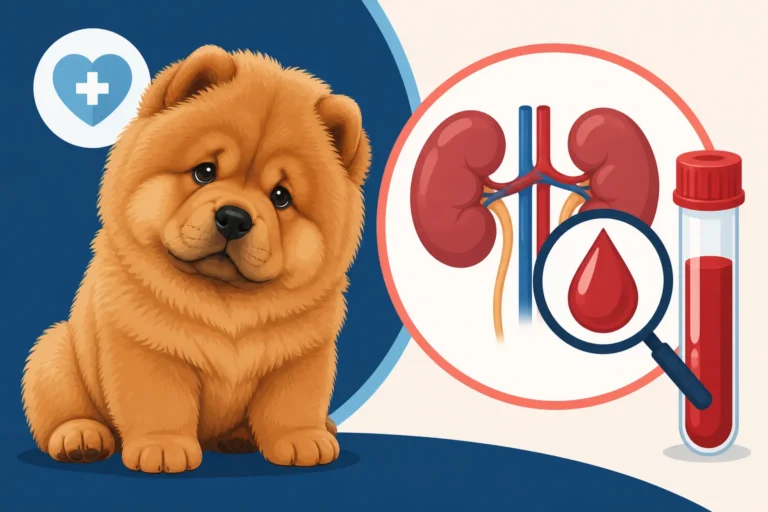
Kidney Disease
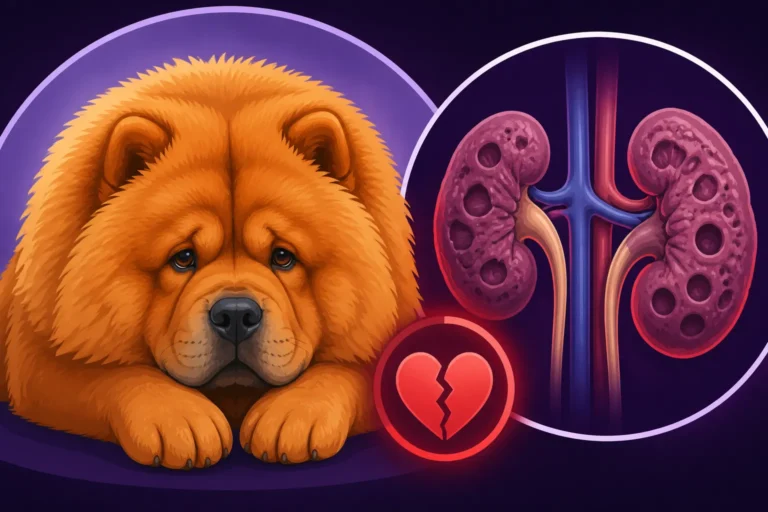
Kidney disease, particularly Familial Renal Dysplasia (FRD), is another serious health issue that can affect Chow Chows, sometimes even at a young age. FRD is a congenital condition where the kidneys don't develop properly, leading to their progressive failure. Sadly, for Chows with this condition, it often shortens their life considerably, as detailed in Familial Renal Dysplasia Kills Young Chow Chows. Other forms of kidney disease can also develop later in life, as part of the aging process or due to other underlying health issues.
Signs of kidney disease include increased thirst and urination, decreased appetite, weight loss, lethargy, and sometimes vomiting. Early detection through routine blood work can help manage the condition and slow its progression with dietary changes, medications, and fluid therapy. While kidney disease can be managed for a time, it often leads to a decline in quality of life and is a common cause of death in senior Chows.
The Role of Preventative Care and Early Detection
Proactive and preventative care is the absolute best defense against many of these life-threatening conditions. This includes regular veterinary check-ups, typically once a year for adult Chow Chows and twice a year for seniors. These visits allow your vet to perform thorough physical exams, listen to their heart and lungs, check for any lumps or bumps, and recommend age-appropriate screenings such as blood work and urinalysis.
Vaccinations, parasite prevention, and a balanced diet are also fundamental pillars of good health. Keeping your Chow Chow at a healthy weight is crucial, as obesity can exacerbate orthopedic issues, heart disease, and increase the risk of diabetes. Paying attention to your Chow Chow's behavior and habits, and not dismissing subtle changes, can lead to early detection of problems. Remember, Chow Chows are inherently stoic and often hide pain, so you need to be their advocate. Prompt attention to any concerning symptoms is key to getting an early diagnosis and potentially life-saving treatment. Having pet insurance, like a plan from Healthy Paws, can greatly reduce the financial burden of these diagnostic tests and subsequent treatments, ensuring you can always put your Chow Chow's health first.
| Cause of Death | Typical Age of Onset | Common Signs | Prevention/Management | Prognosis (Generally) |
|---|---|---|---|---|
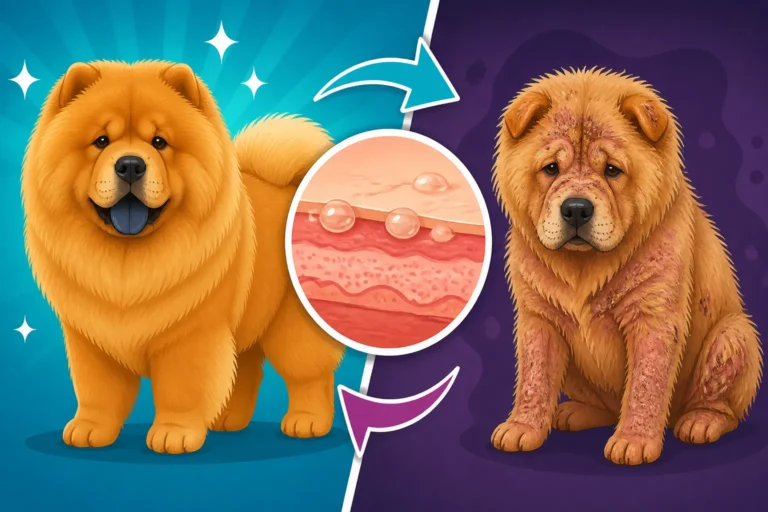
| Cancer | Mid to Senior (6+ yrs) | Lumps, unexplained weight loss, lethargy, persistent cough, lameness, appetite changes | Regular vet checks, monitor lumps, healthy diet | Varies greatly |
| Heart Disease | Mid to Senior (7+ yrs) | Coughing (especially at night), decreased stamina, panting, lethargy, fluid retention | Regular vet checks (listen for murmurs), manage weight, prescribed medications | Progressive, manageable |
| Heatstroke | Any age | Excessive panting, drooling, wobbliness, vomiting, collapse, red gums | Avoid heat/humidity, limit exercise in warm weather, fresh water, AC, never leave in car | Acute, often fatal |
| Orthopedic Issues | Puppyhood to Senior | Limping, difficulty rising, stiffness, reluctance to move, pain | Responsible breeding, controlled growth in puppies, weight management, joint supplements, pain medication, physical therapy | Chronic, manageable |
| Bloat (GDV) | Mid to Senior (2+ yrs) | Distended abdomen, unproductive retching, restlessness, pain, collapse | Smaller, frequent meals, slow feeder bowls, avoid exercise after eating, prophylactic gastropexy (surgical) | Acute, life-threatening |
| Kidney Disease | Variable (can be young with FRD, or senior) | Increased thirst/urination, decreased appetite, weight loss, lethargy, vomiting | Responsible breeding (if FRD), regular vet checks, specialized diet, fluid therapy | Progressive |
Disclaimer
This article is for general informational purposes only and does not constitute professional advice. Laws, prices and regulations vary by location and change over time. Consult a qualified professional for guidance on your specific situation.