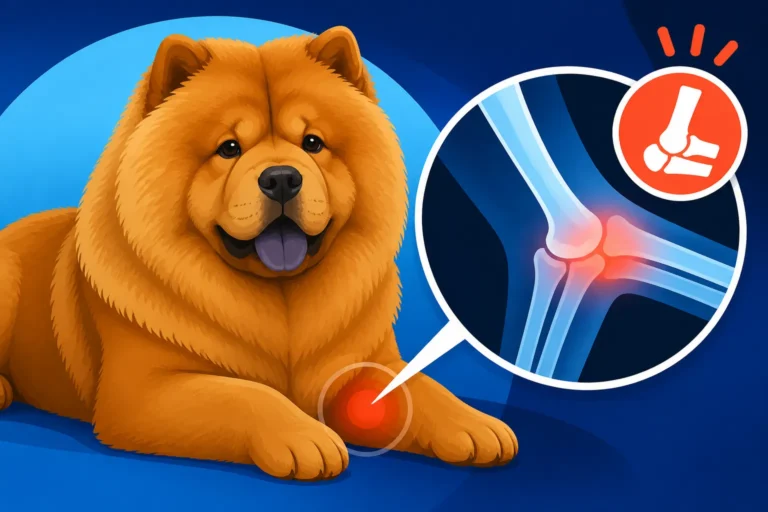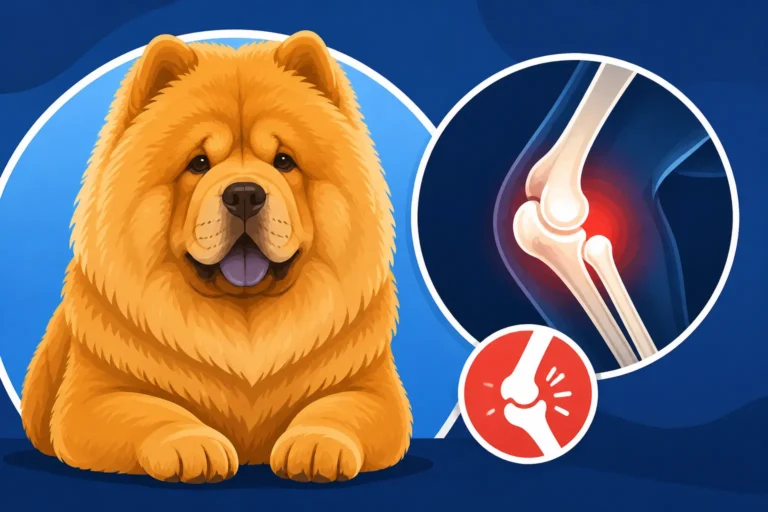
Which Eyelid a Chow Chow’s Entropion Affects
Many Chow Chow owners find themselves worried sick when their beloved furry companion starts squinting or rubbing their eyes excessively. This isn't just a minor irritation; it's often a sign of entropion, a painful condition where the eyelid rolls inward, causing eyelashes and fur to scrape against the delicate surface of the eye. Understanding which eyelid is most commonly affected can help you recognize the problem sooner and get your Chow Chow the care they need. This comprehensive guide will explore the specific eyelids prone to entropion in Chows, how to spot the signs, and what treatments are available to bring relief to your fluffy friend.
Understanding Entropion in Chow Chows
The magnificent Chow Chow possesses a unique facial structure that, while contributing to their distinctive appearance, also predisposes them to certain health challenges. Entropion is chief among these, primarily due to the intricate interplay of their eyelid anatomy, facial skin, and fur density.
The Anatomy of a Chow Chow's Eyelids and Face
The distinctive look of a Chow Chow, with its deep-set eyes and majestic lion-like mane, is undeniably charming. However, these very features, combined with the breed's unique facial structure and dense skin folds, are often at the root of entropion. Their skull shape contributes to the eye appearing somewhat recessed, and the surrounding skin and fur can create a perfect storm for the eyelid margins to turn inward. It's not just about the eyelid itself; it's a whole cascade of anatomical factors that make this breed highly susceptible to the condition. This means that a Chow Chow's deep set eye causes trouble, making them more prone to eye irritation and conditions like entropion compared to many other breeds.
Think of it like this: a Chow Chow's face often has a generous amount of loose skin, particularly around the head and muzzle. This skin can, in some individuals, be so ample that it creates folds that literally push the eyelid margin inward. The weight and texture of their thick fur, especially around the eyes, can also exacerbate the issue, acting like a constant irritant or even drawing the lid in further. It's a cruel irony that their beautiful, characteristic features can lead to such discomfort and pain for these stoic dogs.
Because of this specific facial conformation, the forces acting on the eyelids tend to favor an inward roll. The lower eyelid, in particular, is often less structurally rigid than the upper lid and is more prone to being affected by the surrounding skin and muscle tension. This predisposition is a well-known characteristic of the breed, something any responsible owner or breeder should be acutely aware of from the start. Understanding How a Chow Chow's face folds push the lid in is key to grasping the mechanics of this common issue.
Why the Lower Eyelid is Most Commonly Affected
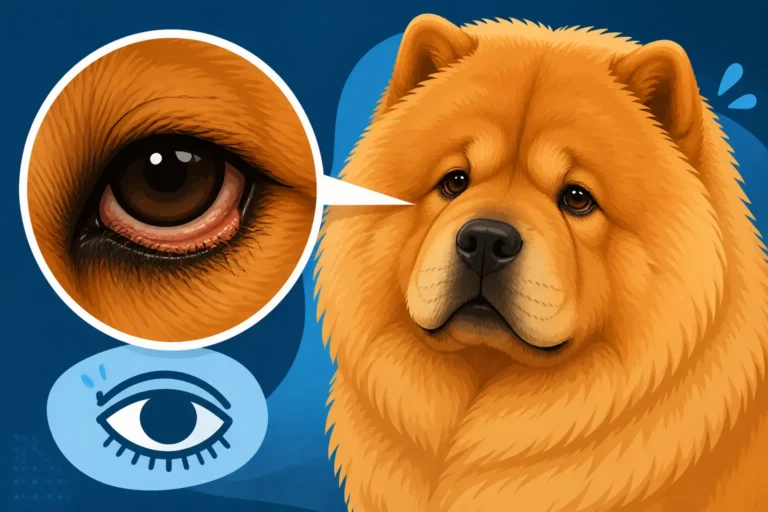
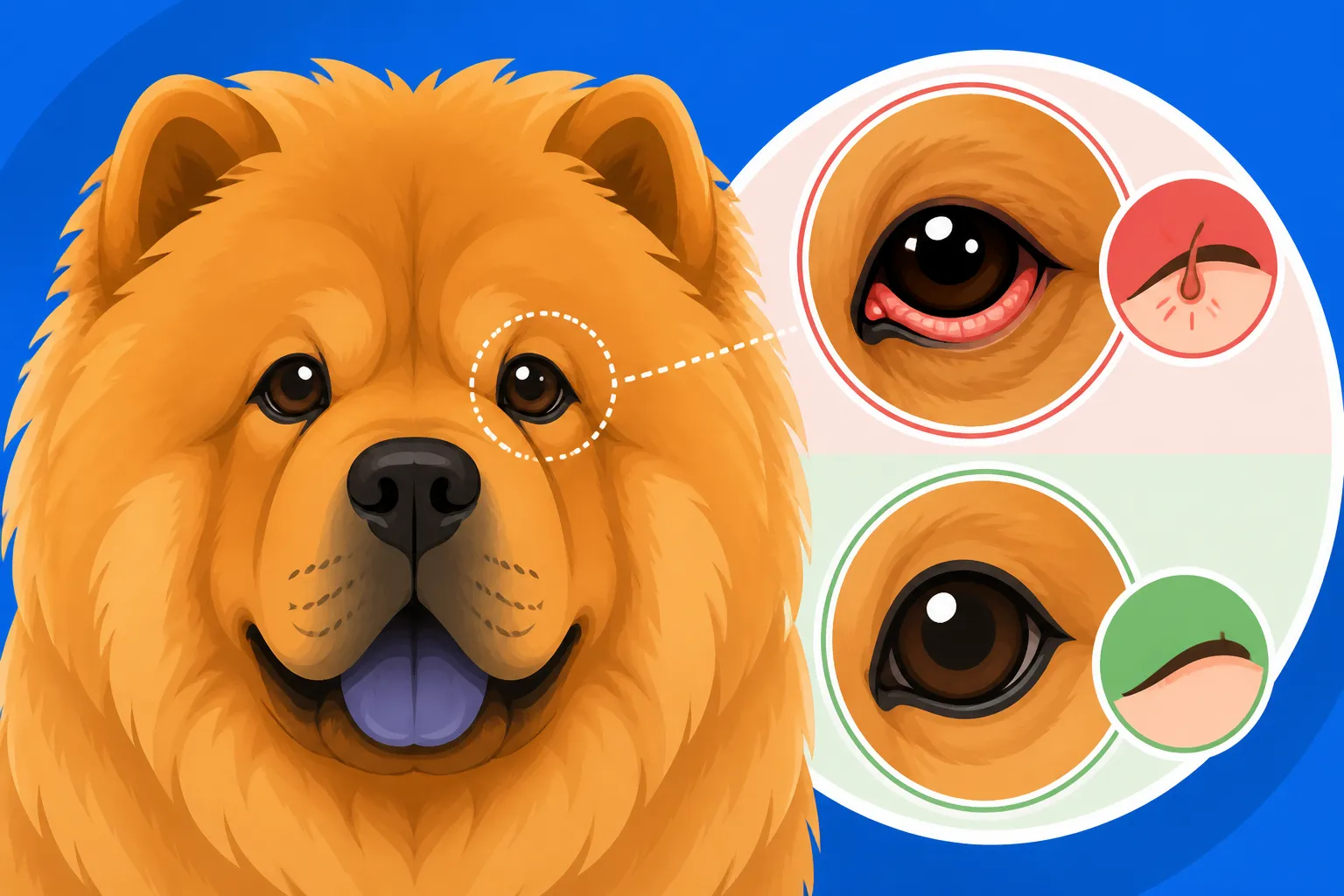
When we talk about entropion in Chow Chows, the lower eyelid is overwhelmingly the more frequent culprit. This isn't just an anecdotal observation; it's widely documented in veterinary ophthalmology. The lower lid's structure, combined with the way the Chow Chow's facial skin and muscles pull, often leads to its margin turning in towards the eye. Imagine the delicate surface of your eye constantly being scraped by coarse hairs – that's the reality for a Chow Chow with lower eyelid entropion, causing immense pain and discomfort.
This constant rubbing can cause significant pain and irritation. You might notice your Chow Chow squinting frequently, tearing up, or developing a thick, mucus-like discharge as their body tries to protect and soothe the irritated eye. Over time, this irritation can escalate, leading to more serious complications like corneal ulcers. These ulcers are not only incredibly painful but can also impair vision or even lead to blindness if not treated promptly. It's a progression from a seemingly minor annoyance to a severe health crisis if left unchecked.
The reason for the lower lid's higher susceptibility often boils down to the mechanics of the dog's face. Gravity plays a role, as does the looser skin on the lower part of the face. The muscles that control the lower lid might also be inherently weaker or simply overwhelmed by the external pressure from the surrounding skin and fur. This makes the lower lid a primary target for the inward rolling, and therefore, the primary source of discomfort for many affected Chows. This is a common problem, as How many Chow Chows get entropion highlights its prevalence in the breed.
Cases Where the Upper Eyelid is Involved
While less common than lower eyelid entropion, the upper eyelid can certainly be affected, and in some cases, both upper and lower eyelids can suffer from this condition simultaneously. When the upper lid rolls inward, it presents a similar, if not sometimes more aggressive, set of symptoms due to the larger surface area of fur and lashes potentially contacting the cornea. The irritation can be intense, causing the Chow Chow to hold its eye shut or paw at its face frequently. This can happen in one eye or both, meaning Whether a Chow Chow's entropion affects both eyes is a possibility.
Upper eyelid entropion can be particularly concerning because the upper lid covers a significant portion of the eye during blinking. If it's constantly rolled inward, the entire cornea can be subjected to continuous abrasion. In severe instances, the condition might be so pronounced that the dog struggles to open its eye fully, compounding the discomfort and vision impairment. This type of entropion can arise from congenital factors, just like lower lid entropion, but might also be influenced by other underlying issues, though this is less frequent.
Diagnosing upper eyelid entropion requires a careful veterinary examination, as the dense fur and natural "scowl" of the Chow Chow can sometimes obscure the true extent of the inward roll. A veterinarian specializing in ophthalmology will meticulously assess the eyelid margins and the movement of the lid to confirm the diagnosis. Regardless of whether it's the upper, lower, or both eyelids affected, the goal remains the same: alleviate the pain and prevent permanent damage to the eye.
Diagnosing and Recognizing Entropion
Recognizing entropion early is paramount to preventing long-term damage to your Chow Chow's eyes. Their stoic nature means they often hide discomfort, making vigilant observation crucial for owners.
Early Signs to Watch For in Puppies and Adults
Entropion can manifest at different ages in a Chow Chow, from a young puppy to an adult dog. In puppies, you might notice Signs a Chow Chow puppy's eyes are sore very early on, sometimes even before they reach 8 to 12 weeks of age. Key indicators include excessive tearing or watery eyes (epiphora), thick eye discharge that can be clear, whitish, or even yellowish, and frequent blinking or squinting. The puppy might also rub its face on furniture or paw at its eyes, trying to relieve the irritation. You may also notice Why a Chow Chow with entropion squints, trying to minimize the painful contact of fur with their cornea.
As they mature, these signs can become more pronounced. An adult Chow Chow might show a persistent red or inflamed eye, often accompanied by cloudiness or a blue haze on the corneal surface, which indicates chronic irritation or an ulcer. It's easy to dismiss these as simple allergies or a minor eye infection, but with a breed like the Chow Chow, entropion should always be high on the list of possibilities. Don't wait; if you see these signs, it's time for a vet visit.
Sometimes, the discharge from the eye can be quite telling. When a Chow Chow's eye discharge means entropion, it's typically a continuous, often thick, mucoid discharge. This is different from the occasional clear tears or crusty bits you might see in a healthy dog. The constant irritation stimulates excessive tear production and mucus to try and flush out the foreign material (the inward-rolled eyelid hairs), leading to a persistent, often goopy, mess around the eyes.
The Veterinary Examination Process
When you take your Chow Chow to the vet with suspected entropion, a thorough eye examination will be performed. This isn't just a quick peek; it's a detailed assessment. Your veterinarian will carefully observe your dog's eyelids, looking for the characteristic inward roll. They might gently manipulate the skin around the eye to see if the lid springs back into place, or if it remains inverted. Sometimes, a general practitioner might refer you to a veterinary ophthalmologist, especially if the case is complex or requires surgical intervention, such as when dealing with Entropion is the Chow Chow's signature problem.
One critical step in the examination is applying fluorescein stain to the eye. This special dye sticks to any damaged areas on the cornea, such as abrasions or ulcers, making them glow bright green under a blue light. Finding a corneal ulcer is a clear indication that the inward-rolling eyelid is causing significant trauma and necessitates immediate treatment. This test helps the vet understand the severity of the damage and guides the urgency of treatment.
They will also check for other concurrent eye issues, such as distichiasis (extra eyelashes growing from the eyelid margin) or ectopic cilia (eyelashes growing through the conjunctiva), which can also cause irritation and sometimes accompany entropion. The comprehensive nature of this exam ensures that all contributing factors to your Chow Chow's discomfort are identified and addressed, providing a clear picture of What Entropion does to a Chow Chow's eye.
How a Chow Chow's Deep Set Eye Limits Its Vision
Beyond the direct irritation, a How a Chow Chow's deep set eye limits its vision in several ways, and entropion only exacerbates this. Their eyes are already partially obscured by their facial structure and heavy brow, which contributes to their characteristic "scowl" but also means they have a reduced field of vision, particularly to the sides. When an eyelid rolls inward, the pain and discomfort often lead to further squinting, which physically narrows the visual field even more.
The constant inflammation and irritation can also cause swelling of the conjunctiva (the pink tissue lining the eyelids), further encroaching on the eye's opening. In severe cases, chronic irritation can lead to corneal scarring or pigmentation, where the clear cornea becomes cloudy or dark. What a corneal ulcer does to a Chow Chow is more than just painful; it directly impacts their ability to see clearly, potentially leading to permanent visual impairment if not treated.
Imagine trying to see through a constantly teary, irritated, and partially closed eye. It's not just uncomfortable; it's disorienting and can significantly impact a dog's quality of life, their ability to navigate their environment, and even their interaction with people and other animals. This reduced vision, combined with their naturally cautious temperament, is also a factor in why a Chow Chow might be easily startled by unexpected approaches.
Treatment Options and Management
Once entropion is diagnosed, swift action is usually recommended to alleviate pain and prevent irreversible eye damage. The specific treatment approach can vary depending on the age of the dog and the severity of the condition.
Temporary Solutions for Puppy Entropion
For young Chow Chow puppies, especially those under six months of age, surgical correction might not be the immediate first step. Their facial structure is still developing, and sometimes the entropion can resolve as they grow. In these cases, your vet might recommend temporary measures to protect the eye. One common approach is eyelid tacking, where temporary sutures are placed to roll the eyelid outward, away from the eye. When a Chow Chow puppy gets eyelid tacking, it's usually a quick procedure done under light sedation, and the sutures typically stay in for a few weeks before being removed or dissolving.
Eyelid tacking provides crucial relief by preventing the fur from scraping the cornea, allowing any existing corneal irritation or ulcers to heal. What eyelid tacking does for a Chow Chow puppy is essentially to buy time, allowing the puppy to grow and for the facial muscles and skin to mature. Often, after tacking, the issue resolves completely, and permanent surgery isn't needed. However, it's not always a guaranteed fix, and some puppies may need it repeated or eventually require full surgery.
Alongside tacking, lubricating eye drops or ointments are often prescribed to keep the eye moist and further reduce irritation. These aren't a cure for the underlying issue but provide comfort and help protect the corneal surface. Always administer these as directed by your vet, making sure you're not missing doses, especially if your puppy is showing significant discomfort.
The Surgical Repair Process
For adult Chow Chows, or puppies where temporary measures haven't worked or the condition is severe, surgical repair is the definitive treatment. This procedure, known as blepharoplasty, involves precisely removing a small, crescent-shaped piece of skin and muscle from the affected eyelid, allowing the lid margin to roll outward into its correct position. The goal is to reshape the eyelid so it no longer irritates the eye, while still maintaining the natural aesthetic of the Chow Chow's face. How entropion is repaired in a Chow Chow is a delicate balance of art and science, requiring a skilled veterinary surgeon, often an ophthalmologist.
The surgery is performed under general anesthesia, and careful measurements are taken to ensure the correct amount of tissue is removed. Too little, and the entropion might persist; too much, and the eyelid could roll outward (ectropion), which presents its own set of problems. In some complex cases, a second surgery might be needed to fine-tune the result, though this is less common with experienced surgeons. Whether a Chow Chow needs entropion surgery twice is a concern for many owners, but good surgical planning often minimizes this risk.
After surgery, you can expect some swelling and bruising around the eye. Your dog will likely wear an Elizabethan collar (e-collar) or "cone of shame" for 10-14 days to prevent them from rubbing or scratching at the incision site, which could disrupt healing. Pain medication, antibiotics, and anti-inflammatory eye drops are typically prescribed to manage discomfort and prevent infection. Most Chow Chows recover very well, and the relief from chronic irritation is often immediate and profound. Many owners worry How entropion surgery changes a Chow Chow's face, but skilled surgeons aim to preserve their natural expression.
Post-Operative Care and Recovery
Bringing your Chow Chow home after entropion surgery requires diligent care to ensure a smooth recovery. The e-collar is your absolute best friend during this period. While your dog might hate it, it's non-negotiable for preventing self-trauma to the delicate surgical site. Many owners struggle with this, feeling bad for their dog, but remember, it's for their own good! Without it, they could rub sutures out, introduce infection, or even damage their eye further. How long a Chow Chow recovers from eye surgery typically involves about two weeks of wearing the e-collar and restricted activity.
Administering medications as prescribed is crucial. This usually includes oral pain relievers, oral antibiotics, and often topical antibiotic eye drops or ointments. Make sure you understand the correct technique for applying eye drops, as it can be tricky with a wiggly Chow Chow, especially when their eye area is sensitive. If you're struggling, don't hesitate to ask your vet for a demonstration or tips.
Monitoring the incision site for any signs of infection (excessive redness, swelling, pus), or if the sutures appear to be coming undone, is important. Also, watch for any persistent squinting, increased discharge, or pawing at the eye, which could indicate a complication. Keep your Chow Chow calm and limit strenuous activity during the recovery period. Short, leashed walks are usually fine, but avoid rough play, dog parks, or anything that could cause them to bump their head or get dirt in their eyes.
Long-Term Outlook and Prevention
The long-term outlook for Chow Chows with entropion is generally excellent with appropriate treatment. However, preventing recurrence and managing the hereditary aspect are key considerations for responsible ownership.
The Impact of Untreated Entropion
Ignoring entropion in your Chow Chow is not an option; the consequences of untreated entropion are severe and can lead to irreversible damage. The constant abrasion of fur against the cornea leads to chronic irritation, which can quickly escalate. Initially, it might cause painful corneal abrasions. If these are left untreated, they can develop into deep corneal ulcers. These ulcers are excruciating, incredibly difficult to heal, and prone to infection.
In the worst-case scenarios, recurrent or deep ulcers can lead to corneal perforation, meaning a hole in the eye. This is a veterinary emergency that can result in significant vision loss or even the complete loss of the eye. Even without perforation, chronic irritation can cause pigmentary keratitis (pigment deposit on the cornea) or corneal scarring, permanently clouding the eye and impairing vision. Whether entropion can blind a Chow Chow is a legitimate concern if the condition goes unaddressed for too long. Early intervention is not just about comfort; it's about preserving their sight.
Beyond the physical damage, the constant pain and discomfort can significantly impact your Chow Chow's quality of life and even their temperament. A dog in chronic pain might become withdrawn, irritable, or even aggressive. Addressing entropion promptly improves not only their physical health but also their overall well-being and happiness.
Financial Considerations and Insurance
The cost of diagnosing and treating entropion can be a significant concern for many Chow Chow owners. The initial vet visit, diagnostic tests like fluorescein staining, medications, and potential referral to a veterinary ophthalmologist all add up. And if surgery is required, which is often the case for adult entropion, the costs can range from several hundred to a few thousand dollars per eye, depending on your location and the complexity of the case. The Entropion surgery every Chow Chow owner should budget for can be a substantial expense.
This is where pet insurance can be an absolute lifesaver. Providers like Healthy Paws offer coverage for unexpected illnesses and accidents, which often includes conditions like entropion, provided it's not a pre-existing condition. If you insure your Chow Chow as a puppy, before any signs of entropion appear, you're much more likely to have the costs of diagnosis and treatment covered. Many policies, including those from Healthy Paws, will reimburse a significant percentage of your vet bills after your deductible is met, making critical care much more affordable. It's truly a worthy investment for any Chow Chow owner. Whether insurance covers a Chow Chow's entropion is a common question, and early enrollment is the key to ensuring coverage.
It's important to read the fine print of any pet insurance policy regarding waiting periods and pre-existing conditions. Insuring your Chow Chow when they are young is the best way to ensure coverage for common breed-specific issues that may arise later. Budgeting for potential health issues, or investing in pet insurance from a reputable provider like Healthy Paws, is a responsible part of Chow Chow ownership.
Breeding Considerations for Entropion
Entropion has a strong hereditary component in Chow Chows. This means it can be passed down from parents to their offspring. Therefore, responsible breeders play a crucial role in reducing the incidence of this painful condition. What a Chow Chow breeder should have tested includes eye certifications, often done by a board-certified veterinary ophthalmologist. These exams screen for various eye conditions, including entropion.
Breeders should not breed dogs that have been diagnosed with entropion, especially if they required surgical correction. Such dogs should be removed from breeding programs to prevent passing on the genetic predisposition. While it can be a tough decision for breeders, it's essential for the long-term health and well-being of the breed. Prospective puppy buyers should always ask about the eye health of the parent dogs and request to see ophthalmology certificates. Asking Whether an entropion Chow Chow can be bred is a very pertinent question, and the answer, for ethical reasons, should be no.
Choosing a puppy from a reputable breeder who prioritizes health testing and openly discusses potential breed health issues like entropion is one of the best ways to minimize your Chow Chow's risk of developing this condition. While no guarantee exists that a puppy from health-tested parents will never develop entropion, it significantly reduces the likelihood, giving you and your future companion the best possible start. This careful approach also helps to ensure Whether entropion runs in Chow Chow lines is mitigated over time.
| Eyelid Affected | Commonality | Symptoms | Potential Complications |
|---|---|---|---|
| Lower Eyelid | Most Common | Squinting, excessive tearing, mucous discharge, rubbing eye, red/inflamed eye, visible inward roll | Corneal abrasions, corneal ulcers, pigmentary keratitis, scarring, vision impairment, infection, chronic pain |
| Upper Eyelid | Less Common | Similar to lower lid, severe squinting, difficulty opening eye, may appear more painful, visible inward roll | Corneal abrasions, corneal ulcers, pigmentary keratitis, scarring, vision impairment, infection, chronic pain |
| Both Eyelids | Rare, Severe | Combination of above, significant discomfort, nearly closed eyes, constant eye irritation | Severe corneal damage, potential for blindness if untreated, extreme pain, higher risk of infection |
Disclaimer
Please remember that the information provided here is for general educational purposes only and should not be considered a substitute for professional veterinary advice. Always consult with a qualified veterinarian for any health concerns or before making any decisions about your Chow Chow's care.