Whether a Chow Chow Mats Under the Collar
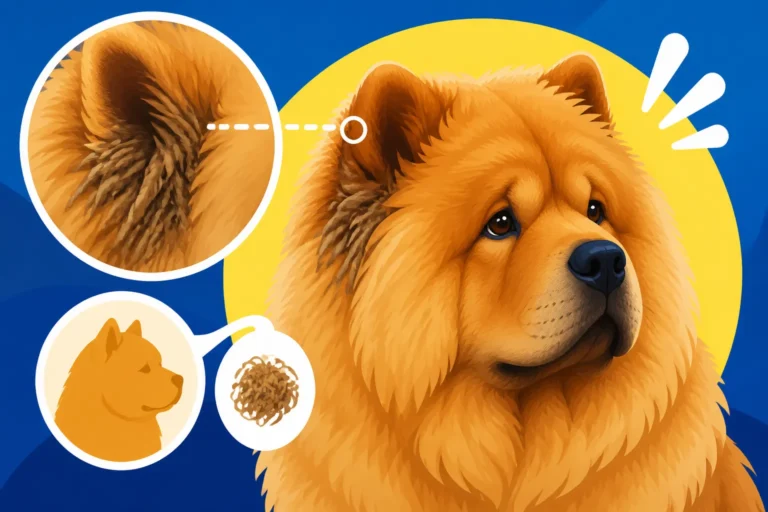
Anyone who has lived with a majestic Chow Chow knows the battle against mats, especially the sneaky ones that form right under their collar. That thick, glorious double coat, while beautiful, is a magnet for tangles and knots, turning daily walks into potential mat-forming adventures. This guide dives deep into why your Chow Chow mats under the collar and, more importantly, how you can prevent it and keep your furry companion comfortable.
The Anatomy of a Collar Mat on a Chow Chow
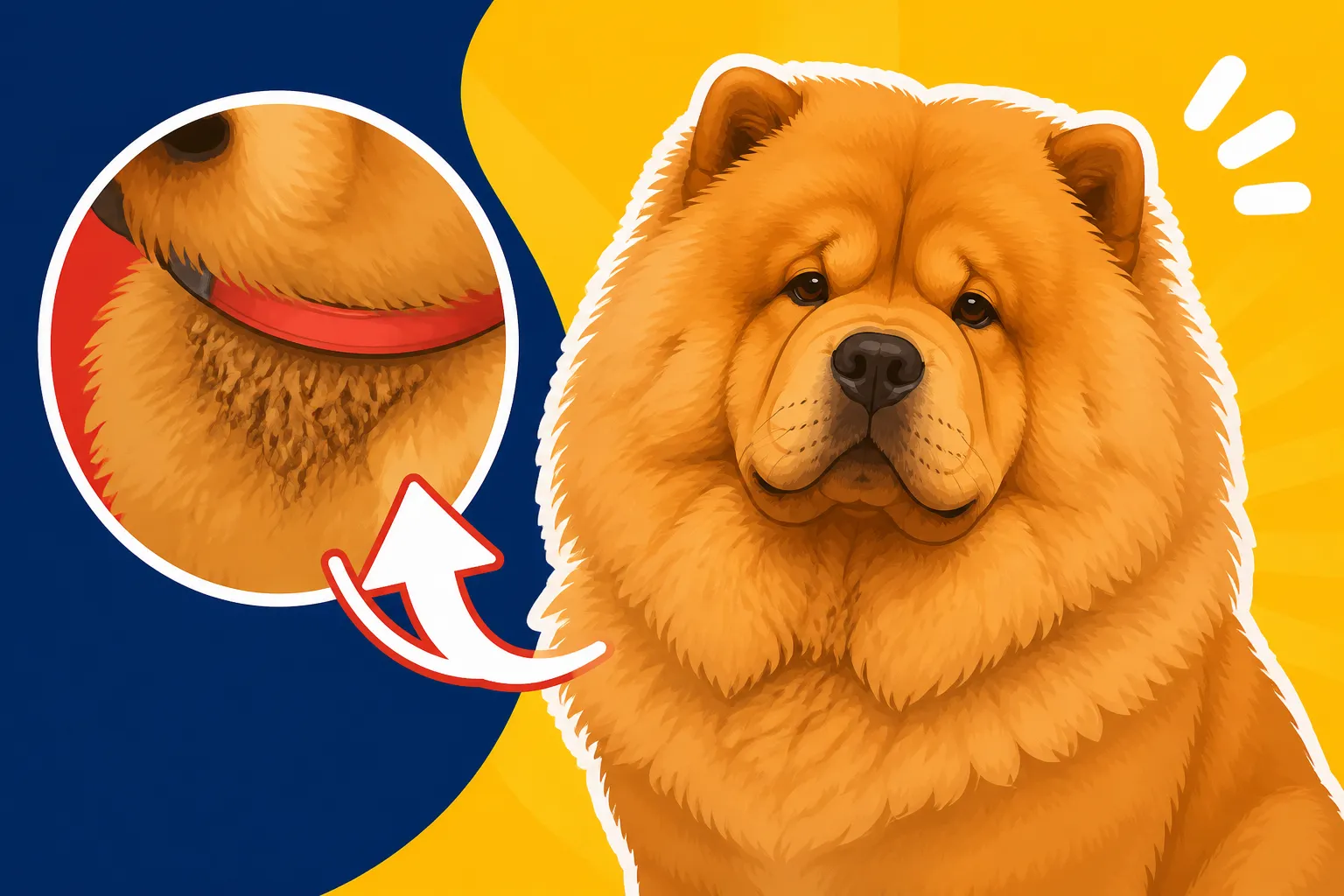
It’s disheartening to find a dense, felted mat under your Chow Chow's collar, especially when you feel like you're brushing regularly. But understanding why this particular spot is so prone to matting is the first step in winning the battle. It's not just random bad luck; there's a science to this canine coat conundrum.
Why the Collar Area Is a Mat Magnet
Your Chow Chow is blessed with a magnificent double coat, a true marvel of nature designed to protect them from extreme temperatures. This coat consists of two distinct layers: the longer, coarser outer guard hairs that shed water and dirt, and the incredibly dense, soft, woolly undercoat that provides insulation. Both layers contribute to the Chow Chow's iconic lion-like appearance, but they also create a perfect storm for matting, especially in high-friction areas.
The collar area is particularly problematic because it combines several mat-inducing factors. Constant rubbing of the collar against the fur creates friction, which is the primary culprit. This friction not only tangles the guard hairs but also compacts the soft undercoat beneath, causing it to felt together. Imagine constantly rubbing a piece of wool – eventually, it starts to bind and tighten. The same process happens with your Chow Chow's undercoat.
Furthermore, this area can trap moisture. Whether it's from a rainy walk, a quick drink of water, or even just body sweat, dampness allows fur to cling together more easily, accelerating the matting process. Once wet, that dense undercoat takes a long time to dry thoroughly, and if it's left even slightly damp under a collar, it becomes a perfect breeding ground for mats to form and tighten quickly. The lack of air circulation under the collar exacerbates this issue, preventing moisture from evaporating and keeping the conditions ripe for mat formation.
Recognizing the Early Signs of Matting
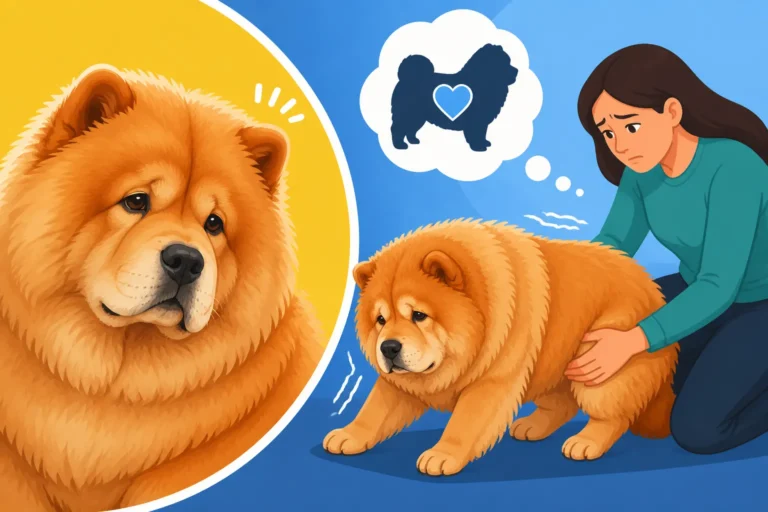
Catching mats early is crucial for preventing discomfort and costly trips to the groomer. Many Chow Chow owners are surprised by how quickly a small tangle can escalate into a severe mat, primarily because their dogs are so stoic. Your Chow Chow isn't likely to complain vocally about a small knot, as How a Chow Chow Hides Pain is a characteristic trait.
Therefore, you need to be proactive and observant. Run your fingers through their fur under the collar frequently, perhaps every day or two. You're looking for any stiffness or resistance that indicates the fur is starting to clump together. Small tangles will feel like tiny knots, almost like a piece of string caught in the fur. If you can't easily get a fine-tooth comb through the area, it's a definite red flag.
Don't just rely on surface brushing. Mats often start deep, close to the skin. Part the fur and examine the skin directly under the collar for any signs of irritation like redness, bumps, or flakiness. These can indicate that a mat is already pulling at the skin. Early intervention means a much easier and less painful detangling process for both you and your Chow Chow.
The Dangers of Neglecting Collar Mats
Ignoring those seemingly small tangles under the collar can lead to a cascade of problems for your Chow Chow, some of which are quite serious. What starts as a minor nuisance can quickly become a significant health and welfare issue. It's not just about aesthetics; it's about your dog's comfort and well-being.
As mats tighten, they pull on the skin, causing constant discomfort and pain. Imagine having a tight knot of hair constantly tugging at your scalp; now imagine that covering a large area. This constant tension can lead to severe skin irritation, known as mat burns. The skin beneath the mat can become inflamed, red, and raw, making it incredibly painful for your Chow Chow to move, scratch, or even lie down comfortably.
These damaged skin areas are highly susceptible to secondary bacterial or fungal infections, commonly known as hot spots. The trapped moisture and lack of air circulation under a mat create an ideal environment for these pathogens to thrive. Hot spots are notoriously itchy and painful, often requiring veterinary attention, antibiotics, or antifungal treatments. In severe cases, deep mats can restrict blood flow, leading to skin necrosis or permanent damage. Neglecting these issues can make routine vet examinations or emergency procedures incredibly difficult, as groomers and vets will struggle to access the skin, often necessitating full sedation for mat removal, which can be an added stress and expense.
Proactive Grooming Strategies to Prevent Collar Mats
Prevention truly is the best medicine when it comes to mats on a Chow Chow. Integrating consistent, mindful grooming practices into your routine will save you headaches, heartache, and potentially significant veterinary bills down the line. It's an investment of time that pays dividends in your Chow Chow's health and happiness.
Daily Brushing as Your First Line of Defense
Consistent brushing is non-negotiable for a Chow Chow, especially in high-friction areas like under the collar. This isn't just a quick once-over; it requires dedication and the right technique. You absolutely must get down to the skin to ensure the undercoat isn't packing down. Many owners mistakenly brush only the top layer, leaving the dense undercoat beneath to form impenetrable mats.
The most effective technique for a Chow Chow is line brushing. How to Line Brush a Chow Chow involves parting the fur down to the skin, brushing a small section at a time from the skin outwards, then moving to the next section. For the collar area, pay particular attention to brushing against the natural lay of the fur to ensure you reach the skin. This methodical approach ensures no tangles are missed and the undercoat is fluffed and free.
When it comes to tools, don't skimp. A high-quality slicker brush is excellent for working through superficial tangles and removing loose undercoat. However, the real workhorse for a Chow Chow's dense coat is an undercoat rake. This tool is designed with long, sturdy teeth that penetrate the guard hairs to reach and pull out dead undercoat before it can mat. Which Brush a Chow Chow Needs will tell you more about the importance of specific tools. Look for durable, effective grooming tools from trusted retailers like Chewy or Amazon; they often have a wide selection and customer reviews that can guide your choice. Focusing your daily brushing on the neck, chest, and behind the ears, where the collar sits, will make a world of difference.
Choosing the Right Collar for Your Chow Chow
The type and fit of your Chow Chow's collar play a significant role in mat prevention. Not all collars are created equal when it comes to managing a thick double coat. Selecting wisely can drastically reduce friction and discomfort.
A flat buckle collar made of smooth nylon or leather is a common choice, but even these can cause issues. The wider the flat collar, the more surface area for friction. Smooth materials are generally better than rough textures that can snag fur. Rolled leather collars are often recommended for long-coated breeds because their round shape minimizes contact points and reduces friction, making them a fantastic option for a Chow Chow. They glide over the fur rather than pressing it down and rubbing.
Fit is paramount. A collar that is too loose will shift and rub excessively, generating more friction and matting. One that is too tight will press the fur down, making it more prone to compacting and knotting, as well as being uncomfortable and potentially restricting airflow to the skin. You should be able to comfortably slip two fingers between the collar and your Chow Chow's neck. Regularly check the fit, especially if your Chow Chow's weight fluctuates or during seasonal coat blows when their neck circumference might change slightly due to increased undercoat density.
| Collar Type | Pros (Matting Prevention) | Cons (Matting Risk) | Notes |
|---|---|---|---|
| Rolled Leather | Minimal friction, smooth surface. | Can be pricey, requires occasional conditioning. | Excellent choice for long-coated breeds. |
| Flat Nylon/Web | Durable, easy to clean, affordable. | Higher friction, can snag hairs, less breathable. | Opt for smooth, softer webbing; check fit often. |
| Flat Leather | Durable, smooth, can be breathable. | Can be stiff, may absorb moisture, needs maintenance. | Good if smooth and well-fitted. |
| Martingale | Prevents slipping, good for training. | More material around neck, potential for increased friction. | Use only for walks; remove when not in use. |
| Breakaway | Safety feature, usually lightweight. | Often made of thinner material, may cause less friction. | Great for home use, but not for leash attachment. |
Regular Baths and Thorough Drying
While daily brushing is your frontline defense, regular bathing plays a vital role in keeping your Chow Chow's coat healthy and mat-free. A clean coat is less likely to tangle than a dirty one, as dirt, oils, and environmental debris can bind individual hairs together, creating a prime environment for mats to form.
The key, however, isn't just the bath itself but the drying process. A damp Chow Chow is an invitation to matting disaster. Their dense double coat can hold an incredible amount of water, and if not dried completely, especially down to the skin, those damp undercoat hairs will felt together almost irreversibly. Why a Chow Chow Must Be Dried to the Skin cannot be stressed enough. This is where a high-velocity dryer becomes an absolute game-changer. These powerful dryers blow water out of the coat rather than just heating it, separating the hairs and thoroughly drying the undercoat, preventing it from clumping.
Use a high-quality dog shampoo and conditioner, ideally one formulated for dense or double coats. These can help to keep the coat clean, hydrated, and easier to brush. After bathing, towel dry as much as possible, then use your high-velocity dryer while line brushing to ensure every strand is dry. Pay extra attention to the neck and collar area. Don't let your Chow Chow air dry, particularly in humid conditions, as this is almost guaranteed to result in matting.
Dealing with Existing Collar Mats (Before They Become a Crisis)
Despite your best efforts, sometimes mats just happen. Maybe you missed a brushing session, or your Chow Chow had an extra muddy adventure. The important thing is to address them quickly and correctly, before a small tangle turns into a solid, painful block of felted fur. Approaching mat removal with patience and the right technique can prevent a stressful experience for both of you.
Gentle Detangling at Home
If you find a small, superficial mat, you might be able to tackle it at home. The absolute golden rule here is patience. Never, ever pull or rip at a mat, as this will cause extreme pain and stress for your Chow Chow, potentially leading to them becoming resistant to all future grooming. Your goal is to gently separate the hairs, not to tear them apart.
Start by gathering your tools: a wide-toothed comb, a slicker brush, a detangling spray (or even some cornstarch or baby powder to help loosen the hairs), and a pair of blunt-nosed scissors (for emergencies only, and with extreme caution). Isolate the mat, gently holding the fur closest to the skin with one hand to minimize pulling on the skin. This is vital, as it protects your Chow Chow from unnecessary pain.
Spray the mat with detangling spray or sprinkle a little cornstarch and work it in. Then, using the very tips of your wide-toothed comb, or even just your fingers, start to pick at the outermost edges of the mat. Work slowly, strand by strand, from the outside in. Don't try to comb through the whole mat at once. If you encounter resistance, stop, add more spray, and continue picking. It’s a tedious process, but it’s the kindest way to do it. If the mat is too tight, too close to the skin, or if your Chow Chow is showing any signs of discomfort or aggression, it’s time to stop. Pushing through could cause injury or create a lifelong aversion to grooming.
When to Call a Professional Groomer
There are times when even the most dedicated Chow Chow owner needs to call in the professionals. Attempting to remove severe mats yourself, especially those close to the skin, can be dangerous for both you and your dog. A professional groomer has the tools, expertise, and experience to handle matted coats safely and effectively.
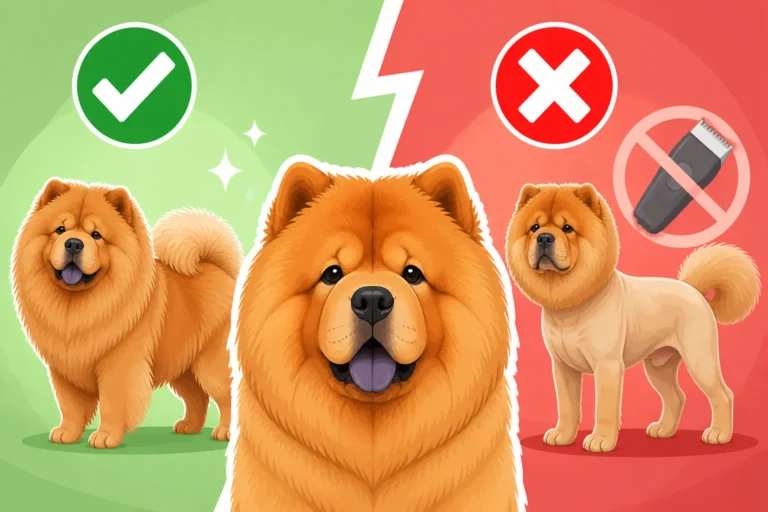
Matted fur is not just tangled; it’s often felted into a dense, solid mass that can be incredibly difficult to penetrate without causing pain or injury. If a mat is tight against the skin, if your Chow Chow is reactive to your attempts, or if the mat covers a large area, please call a professional groomer. They have specialized clippers and techniques to shave under the mat without cutting the skin. Keep in mind that Why a Groomer Charges More for a Matted Chow Chow is a real cost factor; severe matting requires extra time, skill, and careful handling, which will be reflected in the price.
Finding a groomer who understands and is comfortable with Chow Chows is also key, as their temperament and double coat require specific handling. Finding a Groomer Who Will Take a Chow Chow can be a challenge in itself, so look for groomers with experience with challenging coats or aloof breeds. Never attempt to cut out a mat with sharp household scissors, as it’s incredibly easy to accidentally cut your Chow Chow's skin, which is often tented up into the mat. Leave the severe cases to the experts.
Collar Alternatives for Matting-Prone Chows
Sometimes, despite all best efforts, the constant presence of a collar just exacerbates matting in certain Chow Chows. If your dog is particularly prone to collar mats, or if you're rehabilitating a matted area, exploring alternatives to traditional collars can be incredibly beneficial.
For walks and training, a well-fitting harness can be an excellent alternative. Harnesses distribute pressure across your Chow Chow's chest and shoulders, completely bypassing the neck and collar area. This eliminates the primary source of friction that causes collar mats. When selecting a harness, opt for one with smooth, wide straps that don't rub excessively in other areas, such as under the armpits. Avoid harnesses with too many buckles or rough stitching that could cause irritation or matting elsewhere.
When your Chow Chow is at home, especially when unsupervised, consider removing their collar entirely. If you're worried about identification, a lightweight, smooth breakaway collar worn only indoors can offer a compromise, as these are designed to snap open under pressure, preventing choking hazards. However, if matting is a major concern, going collar-free at home is the safest bet. Just ensure your Chow Chow is microchipped and that you have up-to-date tags on their harness for when they are outside. This simple change can give the delicate fur under their neck a much-needed break from constant rubbing and help prevent those stubborn mats from forming.
Long-Term Management and Lifestyle Considerations
Preventing collar mats isn't just about brushing; it's about a holistic approach to your Chow Chow's care. From what they eat to how they handle different climates, every aspect can influence their coat health and susceptibility to matting. Thinking about these bigger picture elements ensures long-lasting comfort for your furry companion.
Diet and Coat Health
You might not immediately connect what's in your Chow Chow's food bowl with the condition of their coat, but diet plays a foundational role in skin and hair health. A healthy coat, one that is strong and resilient, is less prone to breakage and, by extension, less likely to mat.
Ensure your Chow Chow is on a high-quality diet rich in essential fatty acids, particularly Omega-3 and Omega-6. These fatty acids are crucial for maintaining healthy skin and a shiny, supple coat. A dry, brittle coat is much more susceptible to matting and breakage. Look for dog foods that list sources like fish oil, flaxseed, or chicken fat as ingredients. Sometimes, adding a fish oil supplement to their diet can provide an extra boost of these beneficial omegas. Brands like Ollie often prioritize high-quality ingredients that contribute to overall health, including skin and coat condition, so exploring premium food options can be a worthy investment.
A diet lacking in proper nutrients can lead to dull, dry, and easily tangled fur, making all your brushing efforts feel like an uphill battle. Just like human hair reflects our diet, a dog's coat is a mirror of their internal health. Good nutrition supports the natural oils that keep the coat conditioned and smooth, creating a natural barrier against tangles and promoting easier detangling when they do occur.
Climate and Seasonal Shedding
Your Chow Chow's magnificent coat is designed for cooler climates, and its density means that humidity and seasonal changes can significantly impact matting. Understanding these factors will help you adjust your grooming routine accordingly.
In humid environments, fur tends to absorb moisture, becoming softer and more prone to tangling. If you live in a perpetually damp climate, you might find that mats form much more quickly than in drier regions. During these times, increasing the frequency of brushing, perhaps even to twice a day in the collar area, can be highly beneficial. The constant presence of moisture means the hairs are more likely to cling together and felt.
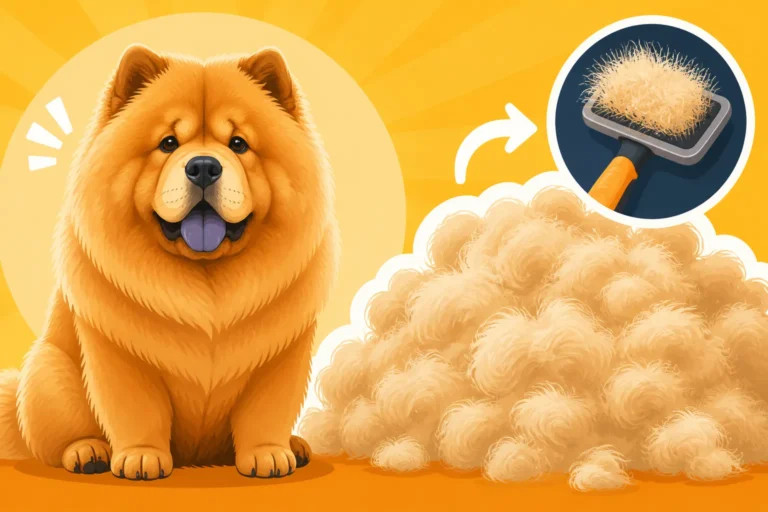
The notorious "coat blow" is another critical period for matting. Chow Chows typically blow their coats twice a year, shedding their entire undercoat to prepare for new growth. The Twice a Year a Chow Chow Blows Its Coat is a natural process, but it produces an immense amount of loose undercoat that, if not removed, will quickly compact and form massive mats. During a coat blow, your brushing efforts must intensify dramatically. You’ll need to spend more time with your undercoat rake to strip out all that dead fur. Failing to do so will almost certainly result in a severely matted Chow Chow, with the collar area often being the first and worst affected.
Training for Grooming Compliance
Let's be honest, grooming a Chow Chow can sometimes feel like a wrestling match. They are known for their independent and somewhat aloof nature, and many aren't naturally thrilled about being poked and prodded with brushes. However, a Chow Chow that tolerates, or even enjoys, grooming makes mat prevention infinitely easier.
Starting early with a puppy is ideal. Introduce brushes and combs as positive experiences, paired with high-value treats and praise. Keep sessions short and positive, gradually increasing the duration as your Chow Chow becomes more comfortable. Teaching a Chow Chow to Be Brushed is a foundational skill that will serve you throughout their life. Make sure to handle their neck and collar area frequently, associating it with pleasant interactions, so they don't develop an aversion to being touched there.
If you have an adult Chow Chow who is resistant to grooming, it's not too late, but it requires even more patience and a slow, systematic approach. Break down the grooming process into tiny steps. Just touching the brush to their fur, then giving a treat. Gradually progress to a single stroke, then a few, always stopping before they show signs of stress. Consider enrolling in a positive reinforcement training class or working with a certified professional dog trainer who specializes in cooperative care. A Chow Chow who is comfortable and cooperative during grooming will allow you to be thorough, ensuring those tricky collar mats are caught and prevented before they become a problem.
Disclaimer
This article is for general informational purposes only and does not constitute professional advice. Laws, prices and regulations vary by location and change over time. Consult a qualified professional for guidance on your specific situation.