How to Clean Around a Chow Chow’s Eyes
If you're a Chow Chow parent, you know that keeping that magnificent, plush coat clean is a full-time job. But tucked away behind all that glorious fur, those deep-set eyes often present a unique challenge: keeping them clean, clear, and free from gunk and tear stains. It's frustrating to constantly wipe at crusty bits, only for them to reappear, or to worry if that persistent tear stain is just a stain or a sign of something more serious. This comprehensive guide is here to walk you through everything you need to know about effectively and safely cleaning around your Chow Chow's eyes, understanding what causes the mess, and when it’s time to call the vet.
Understanding Why Your Chow Chow's Eyes Need Special Attention
Chow Chows are beautiful, distinctive dogs, and much of their charm comes from their unique facial structure. However, these very features, which give them their beloved "scowl" and lion-like appearance, also create challenges when it comes to eye care. It’s not just about aesthetics; cleanliness around the eyes is crucial for their comfort and long-term health.
The Unique Anatomy of a Chow Chow's Eye Area
Let's get real about those captivating Chow Chow eyes. They're often described as deep-set, and that's precisely part of the puzzle. Their eyes are recessed within their skull, often partially obscured by the thick fur and prominent brow. This deep setting can limit their peripheral vision and make it harder for natural air circulation to reach the eye, which can contribute to moisture and debris accumulation. Think about trying to keep a window clean when it's tucked deeply into an alcove – it's just not as easy as a window on a flat wall.
Compounding this is the Chow Chow's characteristic facial structure, particularly those wonderful wrinkles and folds, especially around the muzzle and eyes. These folds, while adorable, can trap moisture, dirt, and bacteria, creating a perfect breeding ground for irritation or infection. The fur itself, especially the long, rough coat, can also grow inwards, brushing against the eye or absorbing tear film like a sponge. This combination means that what might be a minor tear or piece of dust for another breed can become a persistent issue for a Chow Chow. It's a design challenge, really, and it means we, as their caregivers, have to be extra vigilant. For more on this, you might find Why a Chow Chow's Deep Set Eye Causes Trouble to be an enlightening read.
Common Causes of Eye Discharge and Staining
So, what exactly are we cleaning up most of the time? Typically, it's tear stains and a bit of discharge. Tear stains appear as reddish-brown streaks beneath the eyes, often more noticeable on lighter-coated Chows. These stains aren't just dirt; they're caused by a porphyrin compound found in tears, which turns reddish-brown when exposed to light and air. Persistent moisture in the area also encourages yeast and bacteria to grow, which can exacerbate the staining and sometimes lead to a noticeable odor.
Beyond natural tears and porphyrins, several factors can increase discharge and staining. Environmental irritants, like dust, pollen, or even certain household cleaning products, can cause eyes to water excessively. Sometimes, the issue can be as simple as an eyelash growing in the wrong direction (distichiasis) or, more concerningly, a structural issue like entropion, where the eyelid rolls inward, causing the lashes and fur to rub against the cornea. Entropion Is the Chow Chow's Signature Problem delves into this common breed-specific issue. Food sensitivities or even the mineral content in your tap water can also contribute to tear staining, making it feel like a constant battle against the elements and biology.
Gathering Your Eye-Cleaning Arsenal
Before you even think about approaching your Chow Chow with a wipe, it’s essential to have the right tools and products on hand. Trying to make do with whatever is nearest will likely lead to frustration for both of you and could potentially cause more harm than good. A little preparation goes a long way in making this a calm and effective routine.
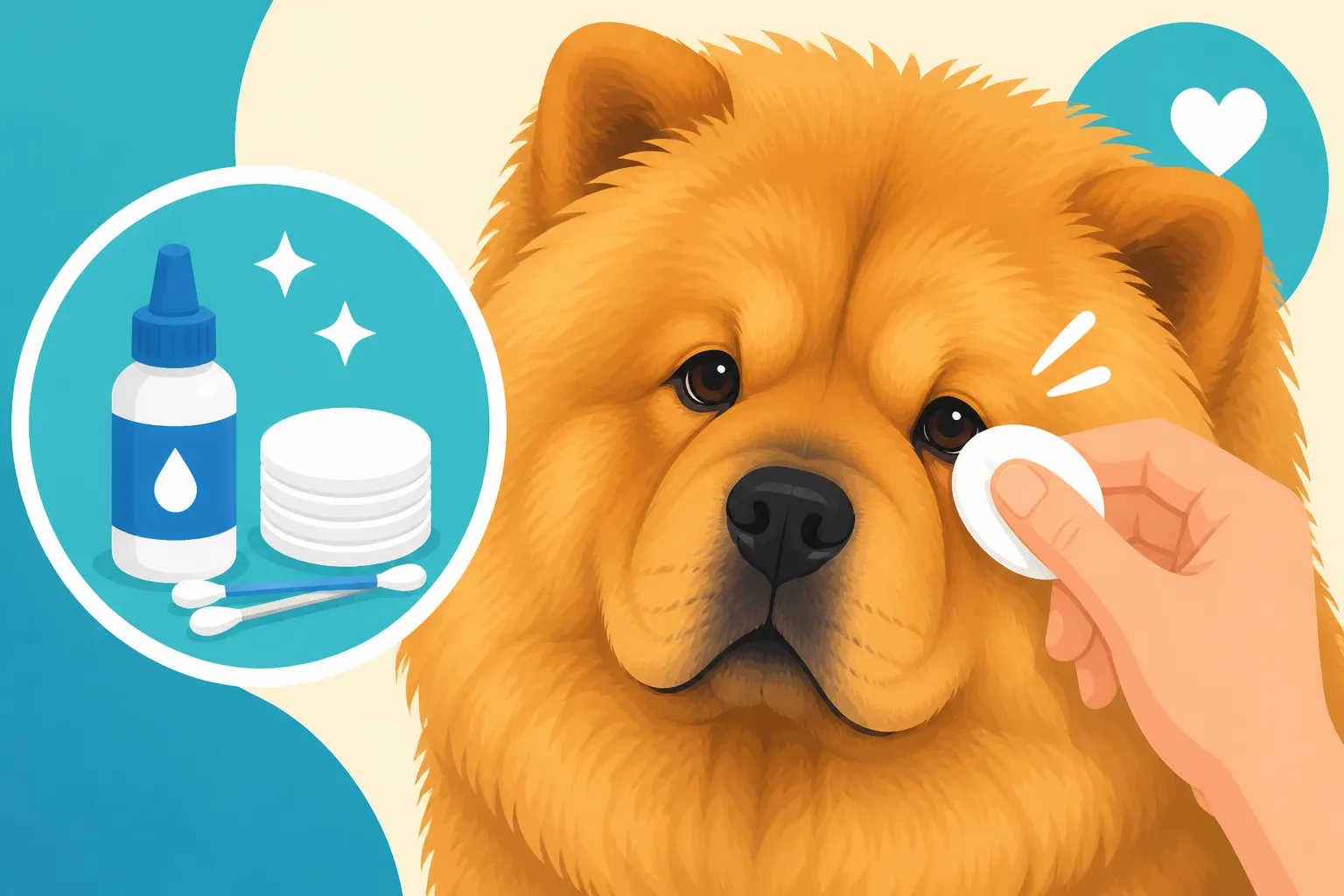
Essential Tools for Gentle Cleaning
When it comes to cleaning around your Chow Chow's eyes, gentleness is key. Their skin is sensitive, and their eyes are, well, their eyes! You'll want soft, absorbent materials. Cotton balls or cotton pads are excellent choices because they're soft and won't leave behind lint. Some owners prefer specialized eye wipes, which are pre-moistened and often contain gentle cleaning agents designed for pets. Just be sure to check the ingredients carefully to ensure they are natural and free of harsh chemicals or perfumes. You can often find a good selection of these on sites like Chewy or Amazon.
For dried crusts or particularly sticky discharge, a fine-toothed flea comb can be surprisingly effective at gently teasing out the debris from the fur without pulling. Always have a clean, soft towel nearby for drying, as leaving the area damp can encourage yeast and bacterial growth. Finally, a pair of blunt-nosed grooming scissors might be useful for carefully trimming away long hairs that consistently irritate the eye, but this should be done with extreme caution and ideally after instruction from a professional groomer or vet. Remember, safety first – no sharp points near the eyes!
Choosing Safe Cleaning Solutions
The cleaning solution you use is just as important as the tool. For general wiping and light staining, plain warm water is often sufficient. If you need something more, there are several commercially available pet-safe eye-cleaning solutions. Look for products specifically formulated for dogs and marketed for tear stain removal. Many of these contain mild antiseptics or natural ingredients like boric acid or witch hazel, which can help clean and inhibit bacterial growth.
However, always perform a patch test on a small, less sensitive area of your dog's skin first to ensure there's no adverse reaction. Never use human eye drops, hydrogen peroxide, or harsh chemicals like bleach or alcohol, as these can be extremely irritating and dangerous to your dog's eyes and skin. For persistent staining, some people have had success with specially formulated dietary supplements (available from reputable brands like Ollie, often in conjunction with specialized foods), which claim to reduce porphyrin production from within. Always consult your veterinarian before introducing any new supplements or drastic changes to your dog’s diet, especially if they have underlying health conditions.
A Step-by-Step Guide to Cleaning Your Chow Chow's Eyes
Cleaning your Chow Chow's eyes doesn't have to be a battle, but it does require patience, a calm demeanor, and a consistent routine. By breaking it down into manageable steps, you can make it a positive experience for both you and your furry friend.
Preparing Your Chow Chow for the Process
First things first: set the scene. Choose a quiet time when your Chow Chow is relaxed. Maybe after a short walk or a cuddle session, not when they're full of zoomies or just woken up grumpily from a nap. Have all your tools laid out and within easy reach so you’re not fumbling around while trying to keep your dog still. A raised surface, like a grooming table or even a sturdy kitchen counter (if your dog is comfortable with it and it’s safe), can make it easier on your back and give you better control.
Approaching your Chow Chow for eye cleaning should be a gentle, reassuring process. Start by speaking to them in a calm, soothing voice. Offer a high-value treat as a distraction and to create a positive association. Gently cradle their head in your hands, offering soft strokes or ear rubs. If they seem wary, don't force it. Take a break and try again later. It might take several short sessions over a few days to get them comfortable with the idea of you touching their face, especially around their eyes. This foundational trust is crucial, particularly because How to Read a Chow Chow's Face can be tricky, as their expressions are not always as obvious as other breeds.
The Gentle Art of Wiping Away Debris and Stains
Once your Chow Chow is settled, you can begin the actual cleaning. Dampen a clean cotton ball or pad with warm water or your chosen pet-safe eye cleaner. Gently hold your Chow Chow's head with one hand. With the other, carefully wipe away any visible discharge, working from the inside corner of the eye (near the nose) outwards. Use a fresh cotton ball for each eye to prevent transferring any potential infection or bacteria.
Be incredibly gentle, almost feather-light. Avoid touching the eyeball directly. You're primarily cleaning the fur and skin around the eye. If there's some crusty discharge that won't budge easily, don't scrub. Instead, hold the damp cotton ball over the area for a few seconds to soften it, then gently wipe. After cleaning, use a dry, soft cloth or another cotton pad to gently blot the area completely dry. This is especially important for Why a Chow Chow's Face Folds Need Wiping, as moisture trapped in those folds can lead to skin irritation and bacterial growth. A dry environment discourages yeast and bacteria that thrive in dampness, which also helps prevent future tear staining.
Dealing with Stubborn Stains and Crusts
Sometimes, simple wiping isn't enough, especially with long-standing tear stains or dried-on gunk. For those stubborn, reddish-brown tear stains that seem deeply embedded in the fur, consistency is your best friend. Daily cleaning, sometimes twice a day, is often necessary to lighten them over time. You might consider using a tear stain remover specifically designed for breaking down those porphyrins, but always read the instructions carefully and ensure it's safe for use around the eyes. Many of these products work by gently oxidizing the stain.
For very hard, dried crusts, try applying a warm, damp compress (a cotton ball soaked in warm water) to the area for a minute or two. This softens the crust, making it much easier to gently wipe away without tugging at the fur or irritating the skin underneath. If hair is matted with discharge, you can try to gently tease it apart with a fine-toothed flea comb after softening it. If the mat is too close to the eye or too tight, it's safer to have a professional groomer or vet carefully trim it rather than risk injury with scissors at home. Patience and persistence will yield results, but never at the expense of your Chow Chow's comfort or safety.
When Eye Discharge Signals a Deeper Problem
While some tear staining and mild discharge are a normal part of life with a Chow Chow, there are definitely times when what you're seeing is more than just a cleaning issue. Recognizing these warning signs can prevent minor irritations from escalating into serious health problems. Your quick observation can make all the difference.
Recognizing Signs of Infection or Irritation
So, how do you tell the difference between "just a Chow Chow thing" and "time to call the vet"? Keep an eye out for changes in the type of discharge. If it suddenly becomes thick, yellowish-green, or pus-like, that's a red flag for infection. Excessive redness in the whites of the eyes or around the eyelids, swelling, or persistent squinting are also clear indicators of discomfort and potential problems. A normally stoic Chow Chow might also paw at their face more often, rub their eyes on furniture, or show increased sensitivity to light.
Another crucial sign is if one eye is significantly more affected than the other, or if your dog seems to be in pain when you touch the area. A normally placid Chow Chow might become surprisingly snappy if their eye is hurting, so pay attention to subtle behavioral cues. Any sudden cloudiness or change in the appearance of the eye itself (beyond simple discharge) should prompt an immediate veterinary visit. Your diligence in monitoring eye discharge (Why a Chow Chow's Eye Discharge Should Be Watched) closely can truly safeguard their vision and comfort.
Conditions That Mimic Simple Eye Stains
It's easy to dismiss persistent eye issues as just "bad tear stains," but several underlying conditions can present with similar symptoms. As mentioned earlier, entropion, where the eyelid rolls inward, causing lashes to rub on the cornea, is very common in Chows. This constant irritation causes excessive tearing and can lead to painful corneal ulcers. If you notice persistent redness, a cloudy spot on the eye, or your Chow Chow is constantly squinting, these could be signs of a corneal ulcer, a serious condition described in What a Corneal Ulcer Does to a Chow Chow.
Other conditions like allergies, blocked tear ducts, or even foreign objects lodged in the eye can also cause excessive tearing and discharge. Sometimes, an autoimmune condition can even manifest with ocular symptoms. For instance, Signs a Chow Chow Has Entropion are often subtle at first but can escalate. If you've been diligently cleaning and the problem isn't improving, or if it suddenly worsens, a visit to a veterinary ophthalmologist might be in order. They have specialized equipment to examine the intricate structures of the eye and diagnose underlying issues that might not be visible to the naked eye. While the cost of specialized care can be a concern, understanding What a Veterinary Ophthalmologist Charges for a Chow Chow can help you prepare. Early diagnosis and treatment are always best.
Here's a quick comparison of normal discharge versus concerning discharge:
| Feature | Normal Tear Discharge | Concerning Eye Discharge |
|---|---|---|
| Appearance | Clear, watery, sometimes sticky, light brown | Thick, yellow, green, bloody, pus-like |
| Quantity | Mild, occasional | Excessive, constant |
| Odor | None or very faint | Foul, pungent |
| Associated Symptoms | Mild tear staining, occasional crusting | Redness, swelling, squinting, pawing, pain |
| Impact on Eye | Eye remains clear and bright | Eye appears cloudy, dull, or irritated |
| Frequency | Intermittent, especially after sleep | Persistent, worsening throughout the day |
Proactive Care for Healthy Chow Chow Eyes
Beyond the immediate task of cleaning, there's a lot you can do to proactively support your Chow Chow's eye health. A holistic approach that includes regular maintenance, careful grooming, and even thoughtful dietary choices can make a significant difference in minimizing issues and ensuring those beautiful eyes stay clear and comfortable.
Regular Maintenance for Prevention
The best defense against persistent eye issues is a good offense. Establishing a consistent daily or every-other-day eye cleaning routine is paramount. Just like brushing their teeth, it needs to be part of their normal care schedule, not just something you do when things look bad. This routine doesn't have to be long; even a quick two-minute wipe-down can prevent buildup and staining. How Often a Chow Chow's Face Folds Need Cleaning really depends on the individual dog and how much tearing they experience, but daily is a good starting point.
Beyond direct cleaning, consider their environment. Keep their living space clean and free of excessive dust. If you use strong cleaning chemicals, ensure your Chow Chow isn't present during cleaning and that the area is well-ventilated afterward. Regularly check their bedding for any debris or irritants. For dogs with long facial hair, a careful trim of the hair around the eyes can prevent it from wicking tears or poking the eye. Always use blunt-nosed scissors and, again, if you're not comfortable, have a professional groomer do it. Regular vet check-ups are also vital, as your vet can spot early signs of trouble, and you can also discuss Whether a Chow Chow Needs a Yearly Eye Exam to ensure everything is on track.
Dietary Considerations and Their Impact on Eye Health
Believe it or not, what goes into your Chow Chow's bowl can sometimes influence the severity of their tear staining. Some theories suggest that certain ingredients, particularly those that are highly allergenic or difficult for a dog to digest, can contribute to inflammation and increased tear production. Common culprits can include specific proteins or artificial additives. If your Chow Chow suffers from chronic tear staining, discuss with your vet whether a change in diet could be beneficial.
Switching to a high-quality, limited-ingredient diet might help identify and eliminate potential triggers. Some owners report success with diets that focus on fresh, whole foods, avoiding common allergens. Hydration is also key; ensuring your Chow Chow always has access to fresh, clean water is important for overall health, including eye health. Sometimes, simply switching from tap water to filtered or distilled water can make a difference in reducing mineral buildup that contributes to stains. While not a cure-all, optimizing your Chow Chow's diet for overall health can indirectly support clearer, healthier eyes.
Disclaimer
This article is for general informational purposes only and does not constitute professional advice. Laws, prices and regulations vary by location and change over time. Consult a qualified professional for guidance on your specific situation.