Whether a Chow Chow’s Tail Feathering Mats
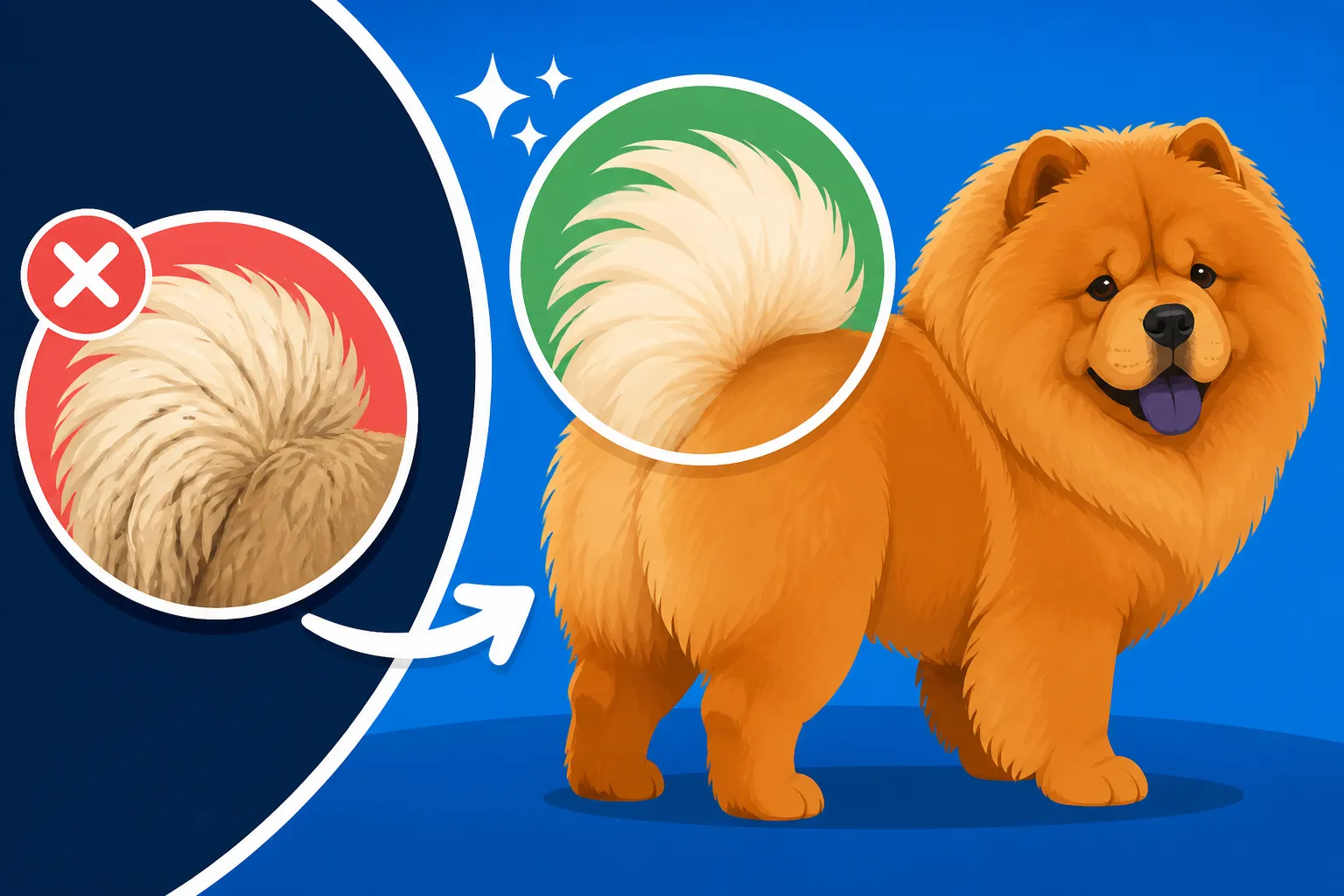
One of the most defining and admired features of a Chow Chow is its magnificent coat, and nothing says "regal" quite like that luxurious plume of a tail carried proudly over the back. However, that very beauty can become a source of frustration for owners, as the tail's dense feathering is incredibly prone to matting. This guide will delve into why this happens and what you can do to keep your Chow Chow's tail looking its best.
The Unique Structure of a Chow Chow's Tail Coat
The Chow Chow's tail isn't just a fluffy appendage; it's a carefully constructed part of its double coat, designed to protect and add to the breed's distinctive silhouette. Unlike some dogs with sparse tails, a Chow Chow's tail is abundant with hair, mirroring the density and texture of its body coat. This dense coat, whether it's the longer "rough" variety or the slightly shorter "smooth," is a defining characteristic.
The Double Coat and Tail Feathering
Every Chow Chow boasts a double coat, consisting of a harsh, straight outer coat and a soft, dense, woolly undercoat. This combination is what provides insulation against harsh weather, but it's also the primary culprit behind matting. On the tail, this translates into luxurious "feathering" – longer hairs that fan out, creating that characteristic plume. This feathering is particularly thick at the base and along the underside of the tail, making it a prime target for tangles and mats. Understanding Rough or Smooth: the Two Chow Chow Coats and What Each Needs is crucial to understanding why the tail behaves the way it does.
Think of it like this: you have two layers of hair trying to coexist. The coarser outer coat wants to lie smoothly, but the softer, crimped undercoat underneath provides bulk and warmth. When these two textures rub against each other, especially in a high-motion area like the tail, they bind together. The tail's natural curl over the back means these hairs are constantly compressing, providing the perfect conditions for friction and knot formation.
Why the Tail Is a Prime Matting Zone
The tail's location and function make it particularly susceptible to matting. It's an active part of the dog, wagging, brushing against surfaces, and gathering debris. Because it curls up and over the back, the long feathering often comes into contact with the dog's own body, creating friction points. Furthermore, when your Chow Chow sits or lies down, their tail often gets tucked or flattened underneath them, further compressing those delicate hairs.
The density of the hair on the tail is also a major factor. It's not just a few long strands; it's a thick, almost brush-like collection of hair. This abundance, while beautiful, means there's more material to tangle and knot. The longer the hair, the more leverage it has to catch on itself or external elements, leading to those frustrating little felt balls.
Common Causes of Tail Feathering Matting
It's not just the inherent nature of the Chow Chow's coat that causes tail mats; several everyday factors contribute significantly to this common grooming challenge. Understanding these can help you proactively prevent problems before they become severe.
Lack of Regular Grooming
This might seem obvious, but it's the number one reason tail feathering mats. The Chow Chow's coat, especially the tail, demands consistent attention. Skipping just a few days of brushing, particularly during shedding seasons, can turn a minor tangle into a solid mat. It's like neglecting a pile of laundry – it starts small, but soon you have a mountain. The undercoat, in particular, sheds frequently, and if these dead hairs aren't brushed out, they weave themselves into the live coat, creating an impenetrable felt. Learning How Often a Rough Coated Chow Chow Needs Brushing applies directly to the tail as well.
Many owners focus on the body and mane, but the tail often gets overlooked or rushed because it's a bit awkward to brush. However, the tail feathering has all the same characteristics as the ruff around the neck and the britches – dense undercoat, long outer guard hairs, and a propensity to gather dead hair. A quick surface brush won't cut it; you need to get deep into the coat.
Environmental Factors and Debris
Life happens, and your Chow Chow's tail is right there in the thick of it. Every time your dog goes outside, their tail becomes a magnet for whatever the environment throws at it. Burrs, twigs, leaves, mud, and even dust can get caught in the long, feathery hair. If these aren't immediately removed, they act as anchor points around which mats rapidly form.
Think about a walk through tall grass or a romp in the woods. These natural elements are fantastic for your dog's mental well-being, but they are notorious for snagging onto fluffy tails. Even just lying on a carpet can cause friction that contributes to tangling, especially if the coat isn't perfectly clean and free of dead undercoat. The tail's low-slung position when walking or sitting makes it particularly vulnerable.
Moisture and Incomplete Drying
Water is a double-edged sword for a Chow Chow's coat. While baths are essential, improper drying is a major matting culprit. If the tail feathering is left damp, especially after a bath or getting wet from rain or dew, the hairs tend to clump together as they dry. This clumping, combined with the natural movement of the tail, quickly leads to tight, stubborn mats. It’s critical that after any bath, you ensure your Chow Chow's tail is dried completely, right down to the skin. Bathing and Drying a Chow Chow's Dense Coat highlights the importance of thorough drying for the entire body, and the tail is no exception.
Even just a damp tail from a quick potty break on a dewy morning can start the matting process. The moisture causes the undercoat to soften and contract, making it easier for the hairs to felt together. Once dry, these mats become much harder to remove. This is why thorough, line brushing the tail after it gets wet is so important.
Friction from Harnesses or Leashes
While less common than other areas, poorly fitting harnesses or leashes that rub against the base of the tail can cause friction that leads to mats. If the harness is too large and slides back, or if a leash gets consistently caught around the tail base during walks, this repetitive rubbing can create hot spots for matting. It's not usually the feathering itself, but the denser hair at the very top of the tail where it attaches to the body.
Always check how your dog's equipment sits and moves with them. Ensure nothing is constantly chafing or compressing the tail's rich coat. While the Chow Chow tail curls over the back, if it ever droops or is held lower, it can also get caught in the back leg movement, creating friction against the inner thighs or hocks.
Preventing Mats in Your Chow Chow's Tail
Preventing mats is always easier than trying to remove them. With a Chow Chow, consistency is key, and adopting a proactive grooming routine will save you a lot of headache and your dog a lot of discomfort.
Daily Brushing Regimen
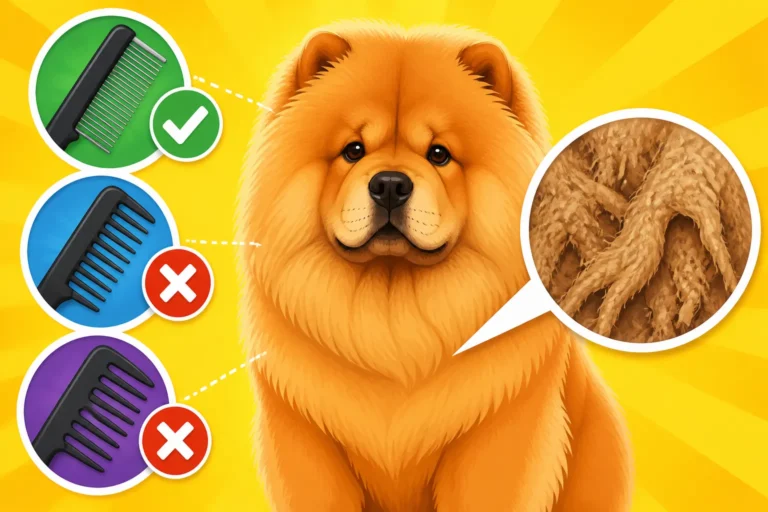
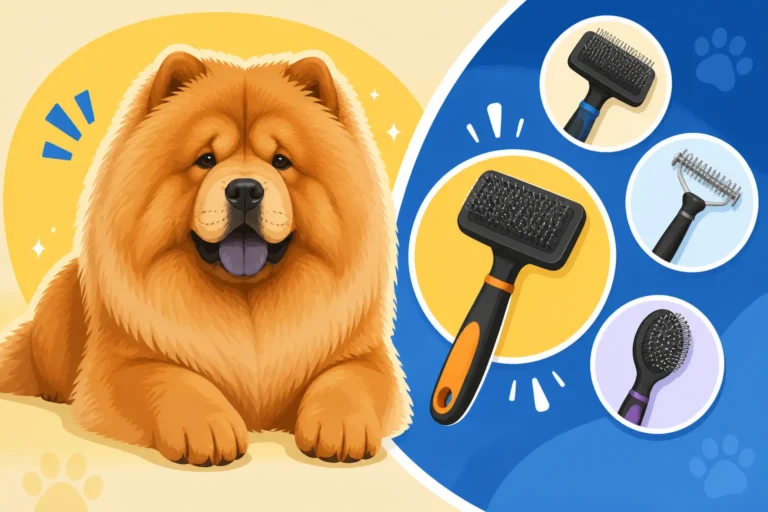
The single most effective way to prevent tail mats is a daily brushing routine. This means more than a quick once-over; you need to dedicate time to thoroughly brush the tail. Use a slicker brush and then follow up with a long-toothed metal comb to ensure you've reached down to the skin. Start at the tip of the tail and work your way up to the base, section by section. Gently hold the hair at the base of the section you're brushing to minimize pulling on the skin.
It's tempting to focus on the top of the tail because it's the most visible, but pay special attention to the underside and the very base of the tail where the hair is densest and often tucked. These are the "hidden" areas where mats silently form. For detailed instructions on how to truly get down to the skin, refer to How to Line Brush a Chow Chow. Regular brushing helps remove dead undercoat before it has a chance to bind with the live hair. You can find excellent quality slicker brushes and metal combs on Amazon or Chewy, making it easy to stock up on the right tools.
Proper Bathing and Drying Techniques
When bathing your Chow Chow, use a good quality dog shampoo and conditioner, working it gently through the tail feathering. Be careful not to agitate the hair too much, which can create tangles. After rinsing thoroughly, the drying process is paramount. Never let your Chow Chow air dry. Use a high-velocity dryer, directing the airflow down to the skin while simultaneously brushing. This method helps to straighten the hairs and separate the undercoat, preventing them from clumping as they dry.
Continue drying until the tail is completely dry, feeling cool and fluffy to the touch, not even slightly damp at the roots. A damp tail is an invitation for mats to form within hours. If your Chow Chow is not keen on the dryer, introduce it gradually and positively. Many owners swear by products found on Chewy for de-shedding shampoos and powerful pet dryers.
Utilizing Grooming Sprays and Conditioners
A good quality leave-in grooming spray or detangling conditioner can work wonders in preventing mats. Spritz the tail feathering lightly before brushing. These products coat the hair shaft, making it smoother and more slippery, reducing friction and making it harder for hairs to intertwine and form knots. They also help to moisturize the coat, preventing dryness and brittleness, which can make hair more prone to breakage and matting.
Look for sprays that are specifically designed for long-coated or double-coated breeds. Some even offer anti-static properties, which can be beneficial. These are readily available on platforms like Amazon and can be a small investment that yields big results in coat health and manageability.
Regular Health Checks and Awareness
Sometimes, mats can be a symptom of a larger issue. If your Chow Chow is experiencing skin irritation, hot spots, or excessive shedding due to an underlying health problem, their coat quality can suffer, making it more prone to matting. Always check the tail area for any redness, lumps, or unusual sensitivity during your grooming sessions. If your dog seems to be particularly resistant to having their tail touched, it might not just be a behavioral quirk; there could be discomfort.
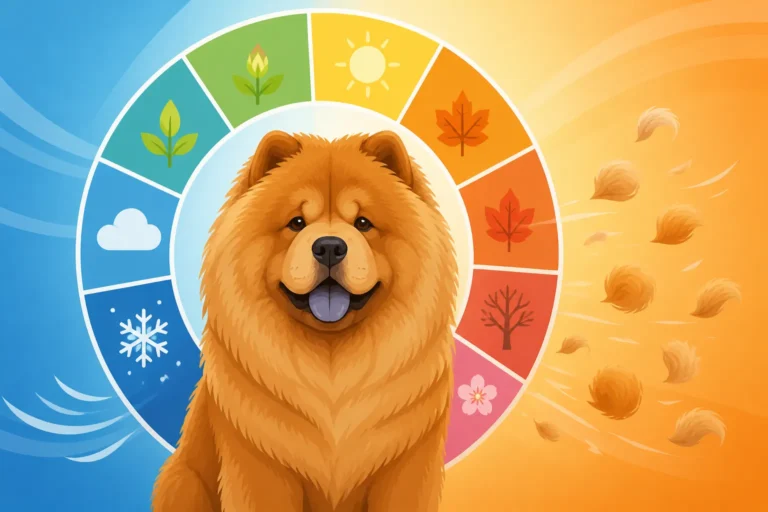
It’s also important to be aware of shedding cycles. The Twice a Year a Chow Chow Blows Its Coat is a period where matting becomes exponentially more likely, and your grooming efforts will need to increase significantly. During these times, even the most diligent owner can find themselves battling mats.
| Grooming Tool | Purpose | Frequency | Key Benefit |
|---|---|---|---|
| Slicker Brush | Detangling, removing loose topcoat & undercoat | Daily or every other day | Efficiently removes tangles and dead hair |
| Metal Comb (Long-toothed) | Checking for mats, getting to the skin | Daily, after slicker brushing | Ensures thoroughness, catches hidden mats |
| Undercoat Rake | Deep undercoat removal, especially during blow | Weekly, or more during shedding seasons | Prevents massive build-up of dead undercoat |
| Detangling Spray | Reduces friction, aids brushing | Before each brushing session, or as needed | Makes brushing easier, prevents static |
| High-Velocity Dryer | Essential for thorough drying | After every bath or significant wetting | Prevents mats from dampness, fluffs coat |
Dealing with Existing Tail Mats
Even with the best preventative measures, a Chow Chow's tail can still develop mats. When they do, addressing them gently and effectively is crucial. Ripping through mats is painful for your dog and can cause skin damage, so patience is key.
Gentle Detangling for Smaller Mats
For small, loose mats, you might be able to work them out with a detangling spray and your fingers or a comb. Liberally apply a good quality detangling spray directly to the mat. Allow it to soak in for a few minutes. Then, using your fingers, try to gently pull the mat apart into smaller sections. Once it's somewhat loosened, use the end teeth of a metal comb to tease out individual hairs from the outer edges of the mat, working your way inward.
Always work from the tip of the mat outwards, never pulling directly from the skin. Hold the hair at the base of the mat firmly against the skin to minimize pulling and discomfort for your dog. This process can be time-consuming, but it's far less traumatic than cutting or forcing the mat. Remember, Whether Mats Hurt a Chow Chow is a definitive yes, so be as gentle as possible.
When to Use a Dematting Tool or Scissors
For larger, tighter mats that resist finger-teasing, a dematting tool can be a lifesaver. These tools have sharp, inwardly curving blades designed to cut through mats with minimal effort. However, they must be used with extreme caution, as the blades are very sharp and can easily cut skin if not handled correctly. Always position the dematting tool between the mat and the skin, pulling it through the mat away from the skin.
Scissors should be a last resort and used only if you are absolutely confident in your ability to get underneath the mat safely. If you must use scissors, always insert the blades parallel to the skin and point the tips away from your dog's body. Make small cuts into the mat, never cutting straight across the hair. The safest way to cut out a mat is to use blunt-nosed grooming scissors to carefully snip into the mat from its outer edge, making several small vertical cuts that run with the lie of the hair. This breaks up the mat so it can be brushed out. Never try to insert scissors between the mat and the skin – this is how serious injuries occur. If you are unsure, do not hesitate to contact a professional groomer. When a Mat Should Be Cut Out of a Chow Chow should only be done with absolute care.
Professional Groomer Intervention
Sometimes, mats are too extensive, too tight, or too close to the skin for safe at-home removal. In these cases, it is always best to seek the help of a professional groomer. They have specialized tools, experience, and often a calm demeanor that can make the process less stressful for your Chow Chow. A groomer may need to shave parts of the tail or even the entire tail if the matting is severe, but this is always preferable to causing pain or injury during at-home attempts.
A professional groomer can also provide guidance on future prevention and suggest specific products that work well with your Chow Chow's coat type. Don't feel ashamed if you need to call in the pros; a matted coat is a common issue for many dense-coated breeds, and a good groomer is there to help. Companies like Chewy and Ollie often have resources or partnerships with local groomers that can be helpful in finding a trusted professional.
Maintaining a Healthy Chow Chow Tail
Beyond just detangling, maintaining the overall health of your Chow Chow's tail involves holistic care that supports healthy skin and coat.
Nutrition and Coat Health
What your Chow Chow eats directly impacts the quality of their coat. A diet rich in essential fatty acids (like Omega-3 and Omega-6) can contribute to a healthier, shinier coat that is less prone to dryness and matting. Look for high-quality dog foods that list meat as the first ingredient and contain these beneficial oils. Some owners supplement their Chow Chow's diet with fish oil, which can improve skin and coat health dramatically.
Consult with your veterinarian about the best diet and supplements for your individual dog. A healthy coat that is well-nourished from the inside out is naturally more resistant to matting and easier to groom.
Regular Vet Checks for Skin Conditions
Underlying skin conditions, allergies, or hormonal imbalances can significantly affect coat health, leading to dryness, excessive shedding, or a greasy coat, all of which can increase matting. Regular veterinary check-ups can help identify and address these issues early. If you notice persistent skin irritation, hot spots, or unusual changes in your Chow Chow's coat texture, it's always wise to consult your vet.
Your vet can help rule out any medical reasons for poor coat condition and recommend appropriate treatments or dietary changes. Sometimes, what looks like a simple grooming issue can actually be a sign of something more.
Creating a Positive Grooming Experience
Grooming, especially for a Chow Chow who can be quite independent, needs to be a positive experience from puppyhood. Introduce grooming tools slowly, offer plenty of treats and praise, and keep sessions short and sweet. The goal is for your dog to associate grooming with positive reinforcement, not discomfort or fear. If your Chow Chow resists having their tail handled, practice gently touching it during relaxed moments, gradually increasing the duration and pressure, always pairing it with a reward.
A calm, consistent approach makes all the difference. If grooming becomes a battle, both you and your dog will dread it, making proper coat maintenance nearly impossible. Invest in a sturdy grooming table if you can; it raises your dog to a comfortable height, saves your back, and often makes the dog feel more secure and less likely to squirm. This also helps you follow instructions like Brushing a Chow Chow's Mane Down to the Skin more effectively.
Disclaimer
This article is for general informational purposes only and does not constitute professional advice. Laws, prices and regulations vary by location and change over time. Consult a qualified professional for guidance on your specific situation.