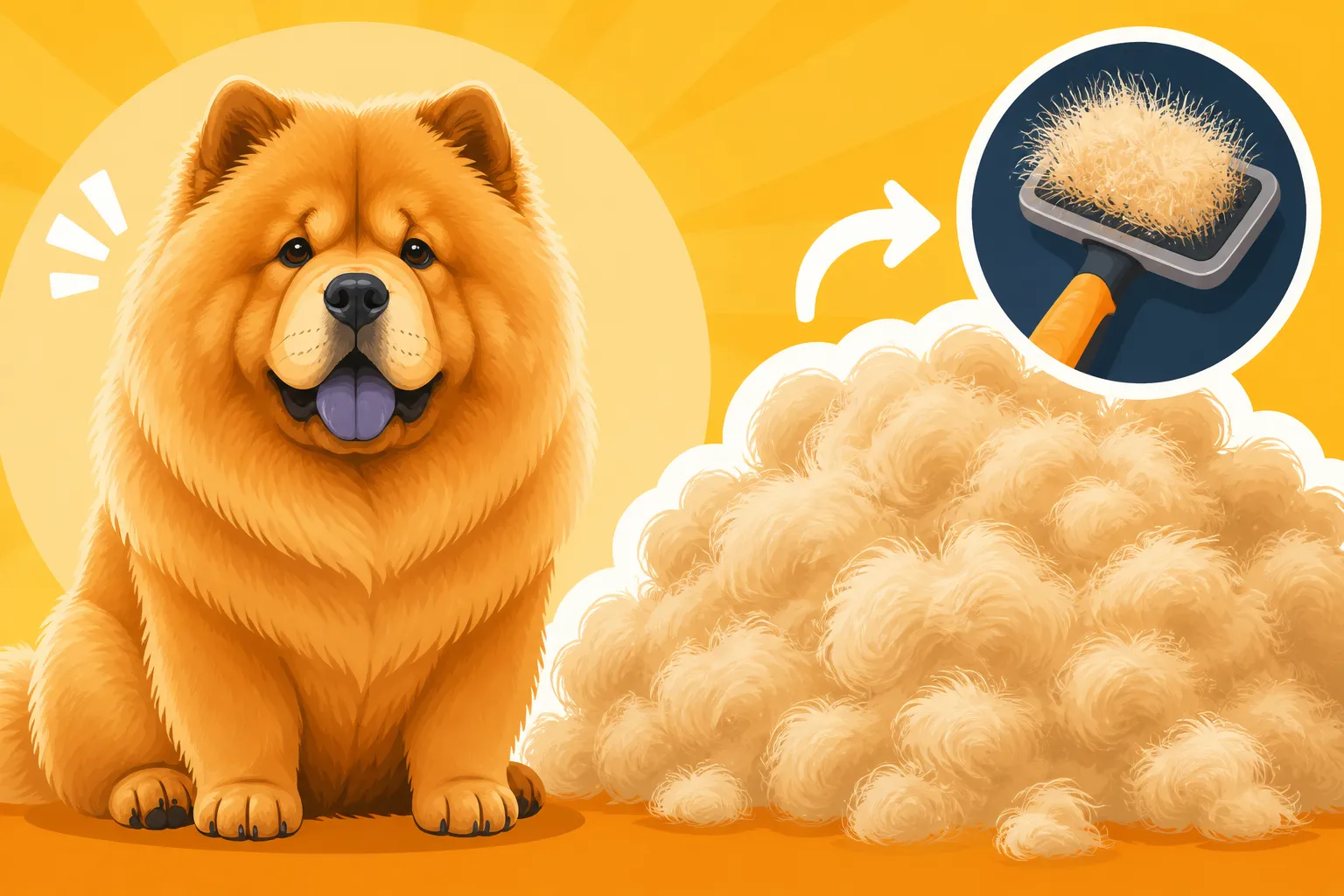
How Much Undercoat Comes Off a Chow Chow
If you've never owned a Chow Chow, you might underestimate just how much fur can come off one of these magnificent dogs. It's not just a bit of fuzz; we're talking about vast, cloud-like quantities of dense undercoat that can make you wonder if you have a second, invisible Chow Chow living in your home, constantly shedding. This guide will delve into the incredible volume of undercoat your Chow Chow will shed, why it's so much, and how best to manage it.
Understanding the Chow Chow's Majestic Double Coat
Before we can truly grasp the sheer volume of undercoat a Chow Chow sheds, it's important to understand the unique structure of their coat. These aren't your average furry friends; they come equipped with a complex, dual-layer system that is designed for extreme conditions.
The Dual Purpose of the Chow Chow's Coat
Every strand of a Chow Chow's coat serves a vital purpose, a legacy from their cold-weather origins. The outer layer consists of coarse, straight guard hairs. Think of these as the armor – they're stiff, water-resistant, and provide excellent protection from the elements, whether it's snow, rain, or harsh sun. This layer is what gives a rough-coated Chow Chow its distinctive lion-like ruff and proud silhouette.
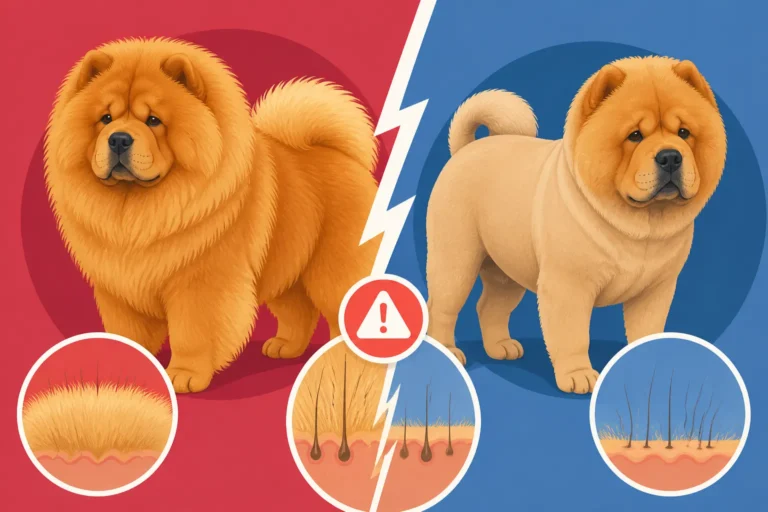
Beneath this protective shield lies the real star of our shedding saga: the undercoat. This layer is comprised of incredibly soft, dense, and woolly hair. Its primary job is insulation. It traps air close to the body, keeping your Chow Chow warm in freezing temperatures and, paradoxically, helping to insulate them from heat in warmer weather. This natural design is why you often hear that you should never shave a Chow Chow, as you'd disrupt this finely tuned temperature regulation system. You can learn more about the two coat types in Rough or Smooth: the Two Chow Chow Coats and What Each Needs.
Why the Undercoat is So Dense
The sheer volume of a Chow Chow's undercoat is astounding because of its density. Imagine a thick wool blanket, then multiply that by a hundred and weave it into a dog's skin. That's essentially what you're dealing with. This isn't just fluffy air; it's tightly packed, fine hair. Because of its insulating properties, the body needs a lot of it to be truly effective in harsh climates.
This density is also why it's so critical to groom a Chow Chow down to the skin. Simply brushing the top layer of guard hairs does almost nothing to address the undercoat that's packed underneath. If this dense undercoat isn't regularly shed and removed, it can quickly become matted. These mats don't just look unsightly; they can pull on the skin, cause pain, restrict air circulation, and create breeding grounds for skin infections. It's a prime example of why Brushing a Chow Chow's Mane Down to the Skin is a non-negotiable part of their care.
The Seasonal Deluge: When the Undercoat Blows
While Chow Chows shed year-round, there are specific periods when the amount of undercoat coming off them reaches legendary proportions. This is what we affectionately (or perhaps frantically) call a "coat blow."
The "Coat Blow" Phenomenon
A Chow Chow typically experiences a major "coat blow" twice a year, usually in spring and fall. These are the times when their body naturally adjusts its insulation for the upcoming season. In spring, they shed their heavy winter undercoat to prepare for warmer weather, and in fall, they shed their lighter summer undercoat to make way for a new, thicker winter coat.
During a coat blow, it can truly feel like your Chow Chow is disintegrating into a pile of fluff. It’s an intense period that can last for several weeks. This isn't just a bit of extra shedding; it's a dramatic expulsion of massive amounts of dead undercoat. If you've never experienced it, imagine going from light, manageable shedding to suddenly finding tumbleweeds of fur rolling across your floor every hour. It's a full-time job to keep up! For more details on this cycle, see The Twice a Year a Chow Chow Blows Its Coat.
Quantifying the Sheer Volume
So, how much undercoat actually comes off a Chow Chow? It's hard to give an exact weight in pounds, as it varies by individual dog, coat density, and how thoroughly you groom them. However, I can tell you this:
- Enough to stuff a small pillow: Easily. Many Chow Chow owners joke about making a second dog out of the fur they collect during a coat blow.
- Enough to clog multiple vacuum bags: If you have a powerful vacuum, prepare to empty it frequently. If you don't have a vacuum designed for pet hair, you might be buying a new one soon. What Chow Chow Fur Does to a Vacuum is a real concern.
- Enough to create a noticeable pile after one brushing session: A dedicated brushing session during a coat blow can yield a pile of undercoat that rivals the size of a small cat. It's truly impressive, in a slightly overwhelming way.
It’s not an exaggeration to say that during these periods, you can brush for an hour and still pull out handfuls of soft, cotton-like undercoat. The key is to keep going until no more loose hair comes out, and the comb can glide smoothly through the coat.
Year-Round Shedding, But Different
Outside of these intense coat blows, Chow Chows do shed year-round, though the amount is significantly less. This "maintenance shedding" consists of individual hairs replacing themselves, and it's generally manageable with regular, perhaps weekly, brushing. However, even this lighter shedding is still more than what many other breeds produce.
The key difference is the speed and volume. During a coat blow, the undercoat detaches in large quantities, often clinging to the guard hairs, creating a thick, loose layer. During normal shedding, it's a more gradual release. Whether it's a major coat blow or routine maintenance, managing this shedding is crucial not just for your sanity and your furniture, but also for your Chow's comfort and skin health. Ignoring it can lead to serious issues, especially since Why a Chow Chow's Dense Coat Hides Skin Disease is a very real problem.
Managing the Mammoth Undercoat: Your Grooming Strategy
Living with a Chow Chow means accepting a certain level of fur in your life, but proper grooming can drastically reduce the amount of loose undercoat floating around your home and keep your dog comfortable and healthy. It's an ongoing commitment, not a one-and-done task.
Essential Tools for Undercoat Removal
You cannot tackle a Chow Chow's undercoat with just any brush. You need specialized tools designed to penetrate the dense outer coat and reach the fuzzy under-layer. Here are the must-haves:
- Slicker Brush: This brush has fine, wire bristles that are slightly bent. It's excellent for detangling the outer coat and starting to pull out loose undercoat. Make sure to get one with a comfortable grip, as you'll be using it a lot.
- Undercoat Rake: This is your secret weapon. Undercoat rakes have long, sturdy teeth designed to go deep into the coat without damaging the guard hairs, pulling out massive amounts of loose undercoat. There are various styles, some with rotating teeth, which can be gentler. Whether an Undercoat Rake Suits a Chow Chow is a resounding yes!
- Wide-toothed Comb: A sturdy metal comb with both wide and medium-spaced teeth is essential for checking your work and ensuring you've gotten down to the skin. It helps to find any lurking mats you might have missed. Which Comb Finds a Chow Chow's Mats will tell you exactly what to look for.
- High-Velocity Dryer: While not a brush, a high-velocity dryer is an absolute game-changer. It blasts away loose undercoat and helps separate the hairs, making brushing much more effective, especially during a coat blow. It's also critical for ensuring the coat is completely dry after a bath, preventing skin issues. These can be found on sites like Amazon.
Invest in good quality tools. They will last longer and be more effective, making the grooming process easier for both you and your Chow Chow.
The Art of Line Brushing
Line brushing is the most effective technique for removing a Chow Chow's undercoat. It ensures you get down to the skin, where the undercoat originates, preventing painful mats.
- Sectioning: Start by parting the hair against the grain, exposing a small "line" of skin. You can begin at the bottom of the leg or flank and work your way up.
- Brushing the Line: Hold the hair above the line with one hand, and with the other, use your slicker brush or undercoat rake to brush down and out from the skin on that exposed line. Brush in small, gentle strokes.
- Working Upwards: Once that section feels free of loose undercoat, move your hand up a bit, exposing another small line of skin, and repeat the brushing process.
- Covering the Entire Dog: Continue this process systematically over your entire Chow Chow's body – legs, belly, chest, back, and especially the dense ruff around the neck and the "britches" on the hindquarters.
- Comb Check: After brushing a section, use your wide-toothed comb to ensure it can glide through the coat without snagging. If it snags, there's still loose undercoat or a mat hiding there.
This method sounds tedious, and it can be, especially during a coat blow. But it's the only way to truly manage their dense undercoat effectively. Learn more about the technique in How to Line Brush a Chow Chow.
The Importance of Regularity
Consistency is paramount when it comes to managing a Chow Chow's undercoat. During a coat blow, daily brushing might be necessary. At other times, a thorough line brushing session once a week might suffice for a rough coat, and perhaps less for a smooth coat, though even smooth-coated Chows have a dense undercoat.
Neglecting regular grooming, even for a short period, especially during a coat blow, can lead to severe matting. Mats are incredibly painful for your dog, restrict movement, and can lead to skin infections and hot spots because air can't circulate. Often, heavily matted Chows require professional grooming and sometimes even sedation to safely remove the mats, which can be a costly and stressful experience for everyone involved. Preventing mats is always easier and kinder than dealing with them after they've formed.
The Impact of Nutrition and Environment on Shedding
While genetics primarily determine a Chow Chow's coat type and density, certain lifestyle factors can influence the health of their coat and, consequently, the amount and quality of their shedding. A healthy coat sheds more efficiently and cleanly.
Diet's Role in Coat Health
What your Chow Chow eats plays a significant role in the condition of their skin and coat. A high-quality diet rich in essential fatty acids (like Omega-3 and Omega-6), vitamins, and minerals can promote a healthy, shiny coat and reduce excessive, unhealthy shedding. Conversely, a poor-quality diet can lead to a dull, dry coat, flaky skin, and potentially more breakage and shedding.
Look for dog foods that list real meat as the first ingredient and contain beneficial oils. Some owners opt for fresh food diets, which can be highly beneficial for coat health. Services like Ollie deliver fresh, human-grade food right to your door, and retailers like Chewy offer a wide range of premium kibble and wet food options. Discussing your dog's diet with your veterinarian can help ensure they're getting the nutrients needed for optimal coat health. Supplements like fish oil can also be beneficial for coat quality.
Environmental Factors Affecting Shedding
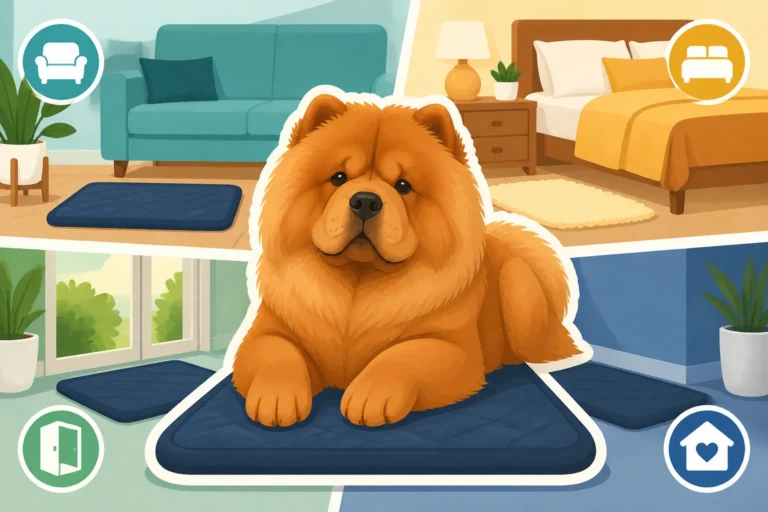
Your Chow Chow's living environment also plays a part in their shedding patterns. Dogs living primarily indoors, especially in climate-controlled homes, may experience a less pronounced seasonal coat blow. Their bodies aren't exposed to the same dramatic temperature shifts that trigger a strong, synchronized shed. This often means they shed more consistently throughout the year, rather than having two massive "dumps."
However, this doesn't mean they shed less overall, just differently. The loose undercoat still needs to come out, or it will pack in and cause problems. Air conditioning in summer and heating in winter can create an environment where the coat is always in a mild state of shedding, as the body isn't getting strong signals to grow a super thick coat or shed it all rapidly. Regardless of the environment, maintaining a consistent grooming schedule remains critical. Remember, Why a Chow Chow's Double Coat Traps Heat can make indoor temperatures feel much warmer to them.
What Happens if the Undercoat Isn't Managed
Ignoring the monumental task of managing a Chow Chow's undercoat is not an option for responsible pet parents. The consequences can range from annoying to outright dangerous for your dog.
- Matting: This is the most immediate and common problem. The dense, soft undercoat, when not removed, quickly tangles with itself and the outer guard hairs. These mats pull on the skin, are incredibly painful, and can restrict your dog's movement. They tend to form in high-friction areas like behind the ears, under the armpits, in the groin area, and on the "britches."
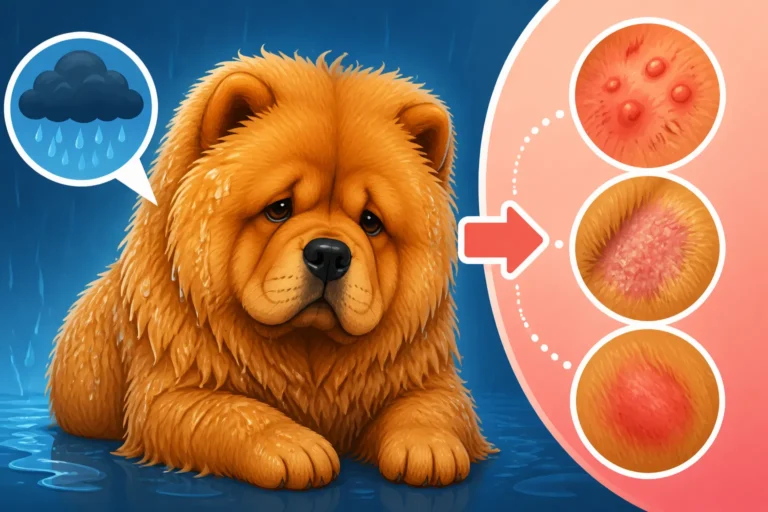
- Skin Irritation and Infections: Mats prevent air circulation to the skin. Trapped moisture and debris create a perfect breeding ground for bacteria and yeast, leading to hot spots, rashes, and other painful skin infections. You might not even see these issues until they are severe, because Why a Chow Chow's Dense Coat Hides Skin Disease.
- Overheating: That dense undercoat is designed to insulate. If it's packed in and not properly shed, it can trap excessive heat against your Chow Chow's body, making them much more susceptible to overheating, especially in warmer climates or during exercise. This is a serious concern, as Heat Is the Chow Chow's Most Immediate Danger.
- Discomfort and Behavioral Changes: A matted, uncomfortable dog is often a grumpy dog. They may become irritable, resist being touched, or even snap if you accidentally pull on a mat. Their overall quality of life diminishes significantly.
In summary, the amount of undercoat that comes off a Chow Chow is considerable and requires diligent, consistent effort. But with the right tools, techniques, and understanding, you can keep your Chow comfortable, healthy, and looking their majestic best, even if it means you'll occasionally wonder if you just groomed a small sheep.
Disclaimer
This article is for general informational purposes only and does not constitute professional advice. Laws, prices and regulations vary by location and change over time. Consult a qualified professional for guidance on your specific situation.