When a Mat Should Be Cut Out of a Chow Chow
There are few things more frustrating for a Chow Chow owner than discovering a stubborn mat in their beloved companion's luxurious coat. You try to brush it out, you pull, they yelp, and suddenly, what started as a small tangle feels like an impenetrable fortress of fur. This guide is here to walk you through exactly when it’s time to concede defeat to the brush and pick up the scissors—or, more often, call in the professionals—to safely remove mats from your Chow Chow.
Understanding the Chow Chow Coat: A Matting Magnet
Let's face it, your Chow Chow's magnificent coat is a double-edged sword. It's beautiful, it's distinctive, and it's also incredibly prone to matting if not meticulously maintained. Understanding why these mats form is the first step to knowing how to tackle them, especially when cutting becomes the only option.
The Double-Coated Challenge
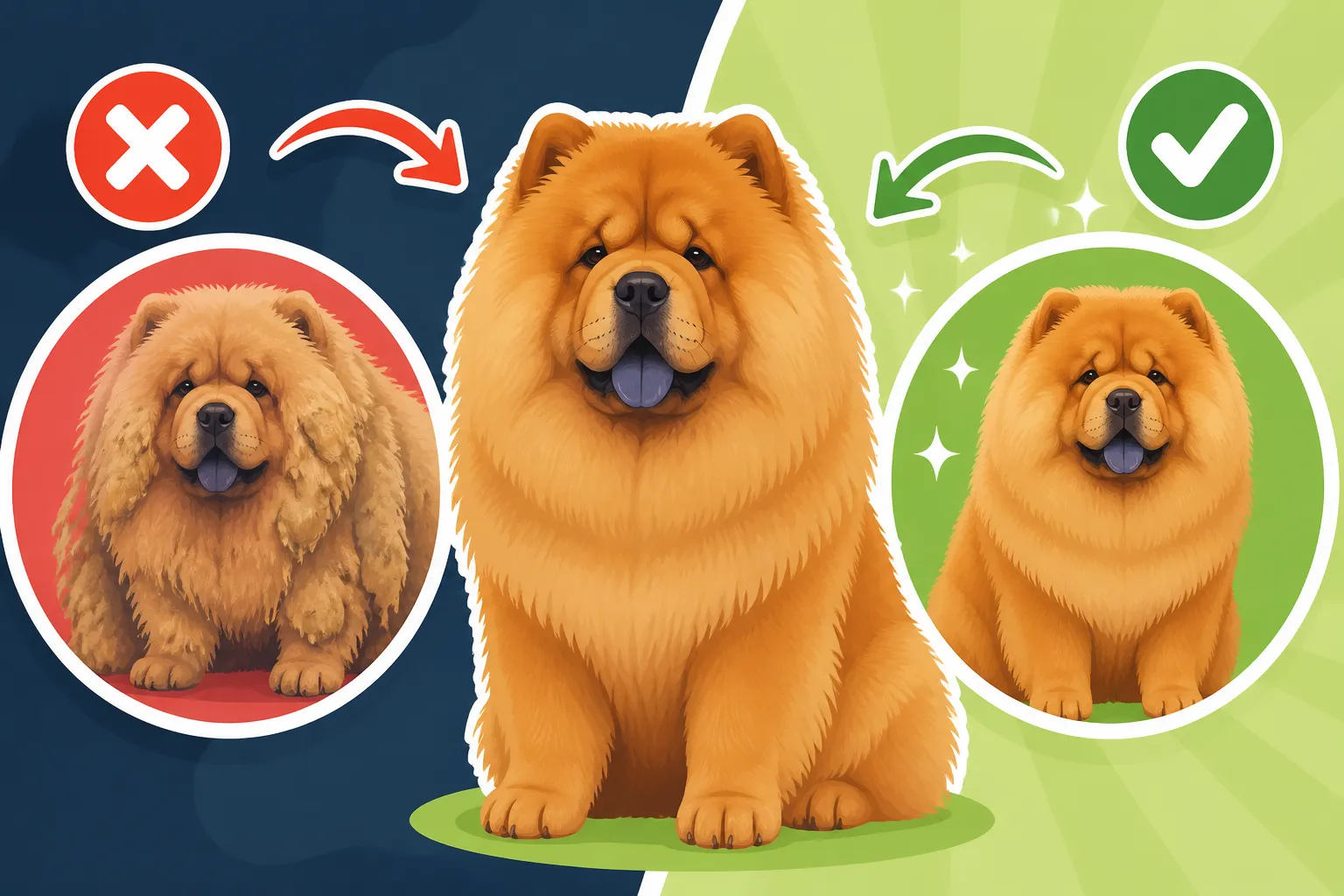
A Chow Chow possesses a dense double coat, consisting of a harsh, straight outer guard coat and a soft, thick, woolly undercoat. This combination is fantastic for insulating them in colder climates, but it’s a nightmare for tangles. The fine, soft undercoat easily traps shed hair and compacts, while the longer, coarser outer coat can weave itself into this compacted fur, creating tight, felt-like mats that adhere closely to the skin. This isn't just a surface issue; these mats can pull at the skin and become incredibly painful. You'll find these dense undercoat mats especially prevalent during their seasonal "coat blow" periods, which can feel like a never-ending blizzard of fur. The Twice a Year a Chow Chow Blows Its Coat describes this phenomenon well.
Rough Versus Smooth Coats and Matting Tendencies
While both coat types are double-coated, their matting tendencies differ significantly. The "rough" coat, with its abundant, long fur, especially around the neck forming a distinctive ruff, ears, and tail, is the most common and the most challenging when it comes to mats. Think of all that glorious fur on a rough coat – every single strand is a potential anchor for a mat. Areas like behind the ears, under the collar, in the "armpits" (behind the elbows), and the britches (the fur on the hind legs) are notorious for developing hidden mats. Where a Chow Chow Mats First will give you a better idea of these hot spots.
The "smooth" coat Chow Chow, while still having that dense undercoat, has a shorter outer coat. This makes them less prone to extreme matting compared to their rough-coated counterparts, but by no means immune. The underlying woolly undercoat can still compact and felt if not brushed regularly. So, even if you have a smooth Chow, don't assume you're entirely off the hook when it comes to matting.
Identifying When a Mat Crosses the Line
Not all tangles are created equal, and knowing the difference between a simple knot and a truly severe mat is crucial for deciding your next steps. A small tangle that can be gently worked out with a comb or a detangling spray is one thing; a mat that feels like a solid block of concrete is another entirely.
The Stages of Matting
Mats usually start small. A bit of shedding undercoat, a stray burr from a walk, or simply not getting brushed for a few days can begin the process. If caught early, these are usually manageable with consistent line brushing and the right tools. Brushing a Chow Chow's Mane Down to the Skin is essential for preventing these small tangles from escalating.
However, if left unchecked, these small tangles can quickly become larger, tighter, and closer to the skin. They'll start to pull on the skin, causing discomfort. As they grow, they can also trap moisture, leading to skin irritation and infections. You'll notice your Chow Chow might start to resist being touched in certain areas, or even snap if you try to pull at the mat. This is a clear sign that the mat has become painful and is impacting their well-being.
Signs a Mat Is Too Severe for Brushing
So, how do you know when a mat is beyond simple brushing and requires a more drastic intervention like cutting? Here are some key indicators:
- Skin Tightness: If you try to lift the mat and the skin underneath is visibly taut, pulling away from the body, it's a severe mat. This indicates it's pulling painfully on their skin.
- Felt-like Texture: The mat feels like a solid piece of felt or carpet, not just tangled hair. You can't see the skin through it, and a fine-toothed comb won't penetrate it even slightly.
- Size and Location: Large mats, especially those located in sensitive areas like the armpits, groin, behind the ears, or across the back, are often too painful and difficult to brush out safely.
- Behavioral Cues: Your Chow Chow flinches, growls, or tries to bite when you even approach the matted area. They might also lick or chew at the area excessively, indicating irritation.
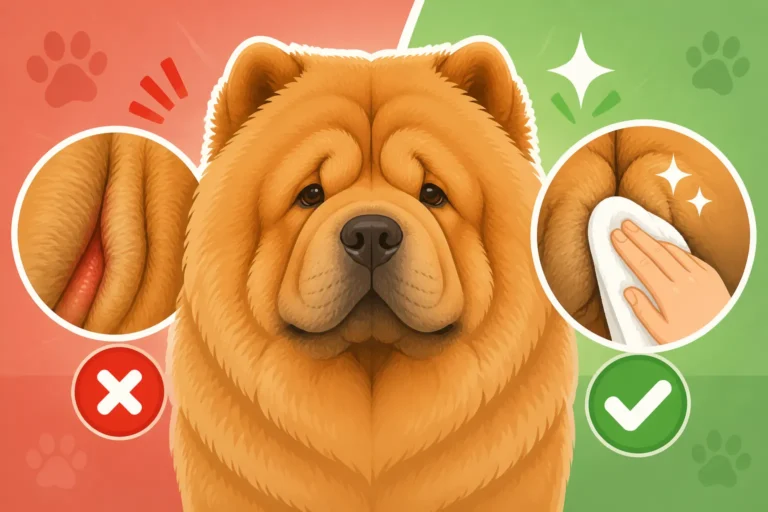
- Skin Redness or Odor: If you manage to peek under the mat (gently!), and the skin is red, inflamed, or there's an unpleasant odor, it's very likely a hot spot or skin infection has developed underneath. Whether a Matted Chow Chow Gets Hot Spots details this common problem.
When you encounter mats like these, it’s not just about aesthetics anymore; it’s about their comfort and health.
The Dangers of Neglecting Severe Mats
It's easy to feel overwhelmed by matting, especially with a breed like the Chow Chow, but ignoring severe mats carries significant health risks beyond just looking unkempt. These aren't just bad hair days; they're genuine threats to your dog's well-being.
Skin Irritation and Infections
Imagine having a constant, tight knot pulling on your skin all day, every day. That's what a mat does to your Chow Chow. This constant tension creates irritation, leading to redness, inflammation, and discomfort. Because mats trap moisture and limit air circulation, the skin underneath becomes a breeding ground for bacteria and yeast. This often results in painful skin infections, sometimes called hot spots, which can spread rapidly. The skin can become raw, itchy, and even ooze, creating a truly miserable situation for your dog.
Restricted Movement and Pain
Severe mats can physically restrict your Chow Chow's movement. Mats in the armpits or groin can make walking, running, or even lying down painful. Mats on the legs can pull at the joints, making every step an agony. Imagine trying to stretch or play when your skin is constantly being tugged and pulled – it's just not comfortable. This chronic pain can lead to changes in gait, reluctance to exercise, and a general decrease in their quality of life.
Hidden Injuries and Parasites
The dense, matted fur acts like a cloak, hiding a multitude of potential problems. Fleas, ticks, and other parasites can thrive unnoticed within the matted coat, causing further skin irritation and even transmitting diseases. Furthermore, cuts, scrapes, or other skin injuries can go completely unobserved until the mat is finally removed, potentially leading to delayed treatment and more severe complications. It’s impossible to properly inspect or clean the skin when it’s encased in a solid block of fur.
When Cutting Becomes the Only Option
Sometimes, no amount of gentle persuasion, detangling spray, or specialized combs will work. When a mat is too tight, too painful, or too close to the skin, cutting it out becomes the most humane and practical solution. This is not a failure on your part, but a necessary step to relieve your dog's suffering.
The "No-Go" Zones for Brushing
For truly severe, pelted mats, attempting to brush them out can cause immense pain and trauma to your Chow Chow. It can tear their skin, traumatize them to grooming forever, and simply isn't effective. When the mat is so tight it's pulling the skin, or if it extends over a large area, such as across their entire back or covering a significant portion of a leg, trying to comb it out is not only futile but cruel. This is particularly true for mats that have begun to tighten around joints or orifices.
The Role of Professional Groomers and Veterinarians
While the thought of cutting into your Chow Chow's beautiful coat might be daunting, professional groomers are equipped with specialized tools and experience to safely remove mats. They have high-quality clippers designed to get under dense mats without nicking the skin. They also understand the unique challenges of a Chow Chow's coat and temperament, often working patiently to minimize stress.
In cases of extreme matting, where the skin is already inflamed, infected, or there are concerns about hidden wounds, your veterinarian might be the best first stop. They can assess the underlying skin condition, provide necessary medication, and often sedate your Chow Chow for a complete shave-down if the matting is extensive and painful. This is often necessary for the dog's comfort and safety.
Here's a quick comparison of mat removal approaches:
| Mat Type | Recommended Action | Considerations |
|---|---|---|
| Minor Tangle | Gentle brushing with slicker brush and metal comb, detangling spray. | Early intervention is key. Focus on line brushing. |
| Moderate Mat | Careful use of mat splitter/dematting tool, followed by brushing. Patience is crucial. | Can be time-consuming. Risk of discomfort if not done carefully. |
| Severe, Tight Mat | Do not brush. Professional grooming with clippers. Shaving down might be necessary. | High risk of skin injury if attempted at home. May require sedation if dog is reactive or mats are painful. |
| Pelted Mat | Immediate professional grooming or vet visit. Full body shave-down usually required. | Skin likely irritated/infected underneath. Dog will be very uncomfortable. Sedation often needed. |
| Mat with Skin Injury | Veterinarian visit immediately. Mat removal by vet, treatment of underlying wound. | Never try to cut out yourself. High infection risk. |
Safely Cutting Out Mats: When You Must Do It Yourself
While a professional groomer is always recommended for severe matting, there might be times when you need to carefully cut out a small, isolated mat yourself. This should be approached with extreme caution, as the risk of accidentally cutting your dog's skin is very real, especially with a Chow Chow's loose skin and dense coat. Why a Chow Chow's Dense Coat Hides Skin Disease also means it's hard to see what's truly underneath.
Tools for the Job
First, ensure you have the right tools. Skip the household scissors; they are often too blunt and dangerous for dog fur. You'll need:
- Blunt-nosed grooming scissors: These have rounded tips, significantly reducing the risk of accidental pokes or cuts.
- A fine-toothed metal comb: Essential for isolating the mat and checking for skin penetration. You can find these readily available on platforms like Amazon or Chewy.
- Cornstarch or baby powder: Can sometimes help loosen a mat slightly and absorb moisture.
- A helper: An extra set of hands to hold your Chow Chow steady and distract them is invaluable.
Step-by-Step Cautious Mat Removal
- Locate and Isolate the Mat: Gently feel around the mat to determine its size and how close it is to the skin. Use your fingers to separate the mat from the surrounding healthy fur.
- Protect the Skin: This is the most critical step. Slide the fine-toothed metal comb underneath the mat, flush with the skin. The comb acts as a barrier, protecting your Chow Chow's delicate skin from the scissor blades. You must be able to get the comb fully under the mat. If you can't, do not proceed with scissors.
- Cut Vertically (Not Across): With the comb acting as a guard, use the blunt-nosed scissors to carefully make small, shallow cuts into the mat, moving from the outer edge towards the skin. Imagine you are slicing a loaf of bread, not chopping it in half. Cut in the direction of hair growth, never perpendicular to it. This technique helps break the mat into smaller sections, making it easier to separate.
- Work in Small Sections: Don't try to cut the whole mat out at once. Make a few small slices, then try to gently pull the mat apart with your fingers or the comb. If it doesn't give easily, make a few more small cuts.
- Never Pull: If you encounter resistance, do not pull or yank. This will only hurt your Chow Chow and make them less cooperative. Reassess the mat and make more cuts if needed.
- Check for Skin Irritation: Once the mat is removed, gently examine the skin underneath. It might be red or irritated. Apply a soothing, pet-safe balm if needed, and monitor for signs of infection.
Remember, if you have any doubt, or if the mat is large, tight, or your Chow Chow is uncooperative, stop immediately and call a professional groomer or your vet. It’s not worth the risk of injuring your companion.
Preventing Future Matting: A Proactive Approach
The best offense is a good defense, and this holds especially true for preventing mats in your Chow Chow's coat. A consistent grooming routine is your best friend.
Regular Brushing is Non-Negotiable
For rough-coated Chows, daily brushing is ideal, or at least every other day, especially during coat blows. Smooth coats can often get by with a few times a week. The key is to "line brush" – parting the fur and brushing layer by layer down to the skin. A slicker brush followed by a long-toothed metal comb is typically the best combination. How to Line Brush a Chow Chow provides a detailed guide. You'll want sturdy, high-quality brushes, which you can find on sites like Chewy or Ollie.
Regular brushing helps remove loose undercoat before it has a chance to tangle and felt, which is the primary cause of severe matting. Remember, a quick once-over on the surface simply isn't enough; you must get down to the skin to be effective. Why a Slicker Alone Will Not Reach a Chow Chow's Skin explains this further.
Bathing and Drying Habits
Proper bathing and, more importantly, thorough drying, are crucial for mat prevention. Never bathe a matted Chow Chow, as water will only tighten the mats, making them even harder to remove. Always brush out any existing tangles before bathing.
After a bath, drying your Chow Chow completely is paramount. Their dense undercoat can hold moisture for an incredibly long time, which promotes matting and can lead to skin issues. A high-velocity dryer is a game-changer for Chow Chows, as it effectively blasts water out from the undercoat. If air-drying, ensure you are continuously brushing and fluffing their coat until it is absolutely bone dry to prevent matting. Bathing and Drying a Chow Chow's Dense Coat is a must-read for Chow Chow owners.
Smart Accessories and Lifestyle Choices
Consider grooming accessories like an undercoat rake, which is excellent for gently pulling out loose undercoat without damaging the topcoat. Whether an Undercoat Rake Suits a Chow Chow will give you more information on this tool.
Additionally, pay attention to collars and harnesses. A wide, flat collar that sits snugly but comfortably can prevent friction matting around the neck better than a thin collar. Harnesses, while often necessary for walking, can also create friction mats in the armpit and chest areas, so ensure they fit well and check these spots after every walk. During wet weather or after swimming, make sure your Chow Chow is thoroughly dried as soon as possible. Regular checks of those high-friction areas will go a long way in keeping your Chow Chow mat-free and comfortable.
Disclaimer
This article is for general informational purposes only and does not constitute professional advice. Laws, prices and regulations vary by location and change over time. Consult a qualified professional for guidance on your specific situation.