Bathing and Drying a Chow Chow’s Dense Coat
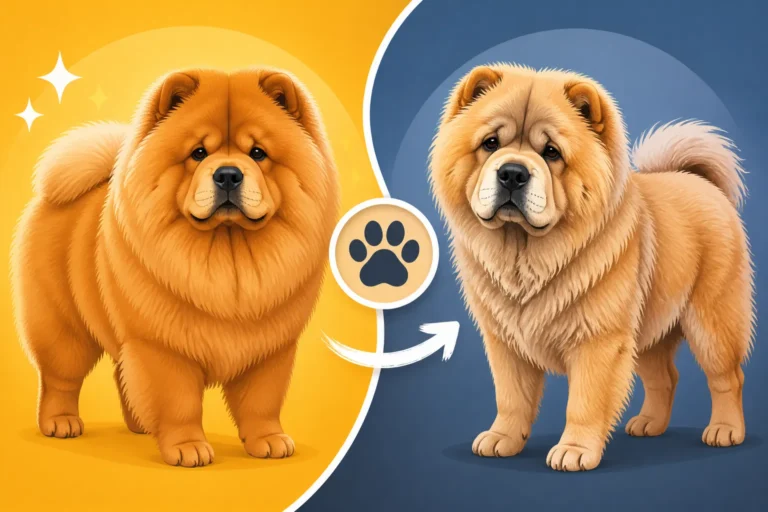
If you've ever stood in your bathroom, staring at your Chow Chow's magnificent, dense coat, and wondered how on earth you're going to get it clean and, more importantly, dry, you are absolutely not alone. Bathing a Chow Chow isn't just a quick splash and towel-off; it's an undertaking that requires patience, the right tools, and a solid plan to avoid a matted, damp disaster. This comprehensive guide will walk you through every step of giving your fluffy companion a proper bath, from pre-soak preparation to getting that beautiful coat completely dry, keeping their skin healthy and happy.
Understanding the Chow Chow's Unique Coat
Before we dive into the logistics of getting your Chow Chow wet, it's crucial to understand what you're up against: that incredible, dense double coat. This isn't just fur; it's an engineering marvel designed by nature to protect them from extreme temperatures in their ancestral homeland. Ignoring its unique structure during bathing can lead to serious skin issues and matting, making future grooming even more challenging.
The Double-Layered Challenge
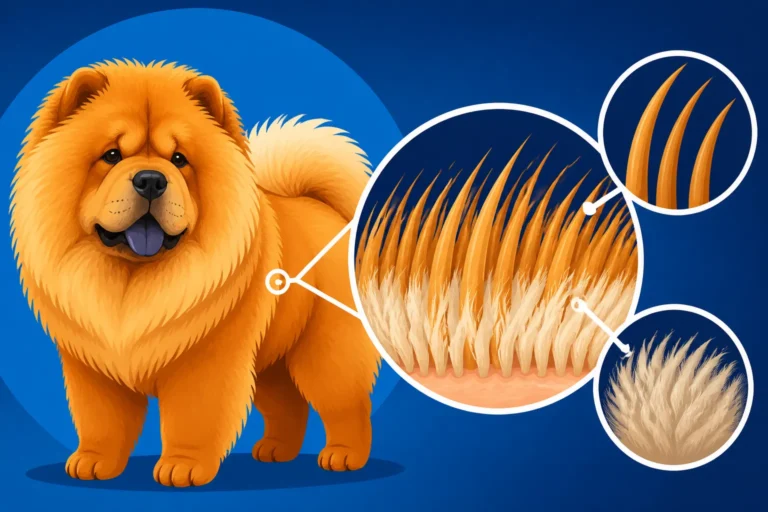
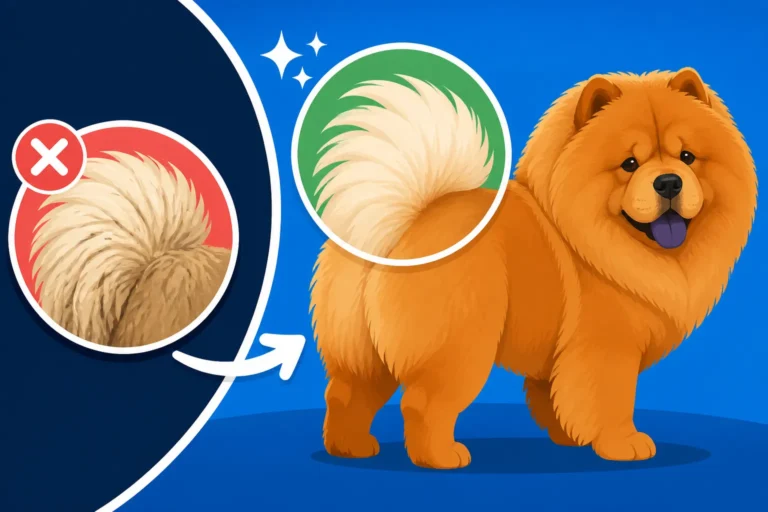
A Chow Chow's coat is primarily composed of two distinct layers: a soft, woolly undercoat and a coarser, longer outer coat. The undercoat is incredibly dense, acting like insulation, keeping them warm in winter and helping to regulate their body temperature in summer. The outer coat, or guard hairs, are longer and harsher, providing protection from moisture, dirt, and UV rays. This combination is what gives the Chow Chow its distinctive "lion's mane" appearance, especially around the head and neck, often called the ruff.
When you add water to this equation, the undercoat acts like a sponge, absorbing and holding onto moisture with surprising tenacity. If this undercoat isn't thoroughly cleaned and, more critically, thoroughly dried, it can become a breeding ground for bacteria and fungi, leading to skin infections, hot spots, and a rather unpleasant smell. It's not uncommon for owners to mistakenly think their Chow Chow is dry, only for moisture to remain trapped deep within the undercoat, causing problems later. This is why understanding What a Chow Chow's Double Coat Is Made Of is so important before you even turn on the faucet.
Why Shaving Is Not the Answer
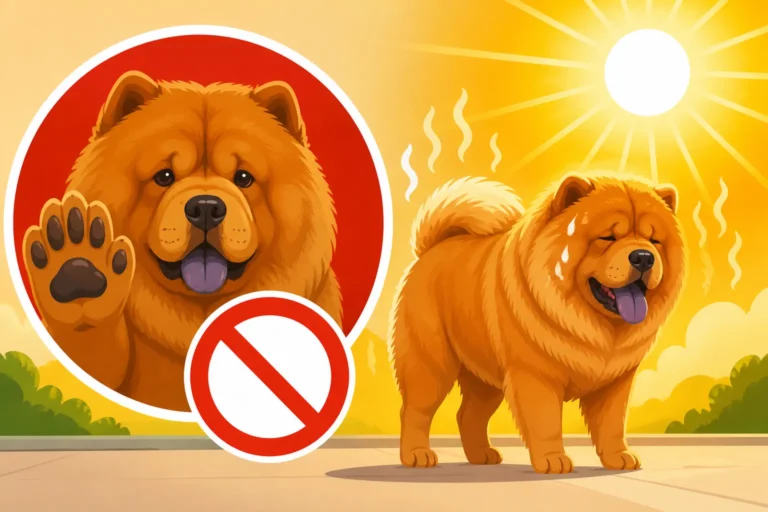
Given the density of their coat and the challenges of grooming, some owners might consider shaving their Chow Chow, especially in warmer climates, thinking it will help them stay cool or reduce grooming effort. However, this is a common misconception that can actually do more harm than good. A Chow Chow's coat isn't just for warmth; it's part of their natural thermoregulation system. The double coat creates an air pocket that insulates them from both cold and heat.
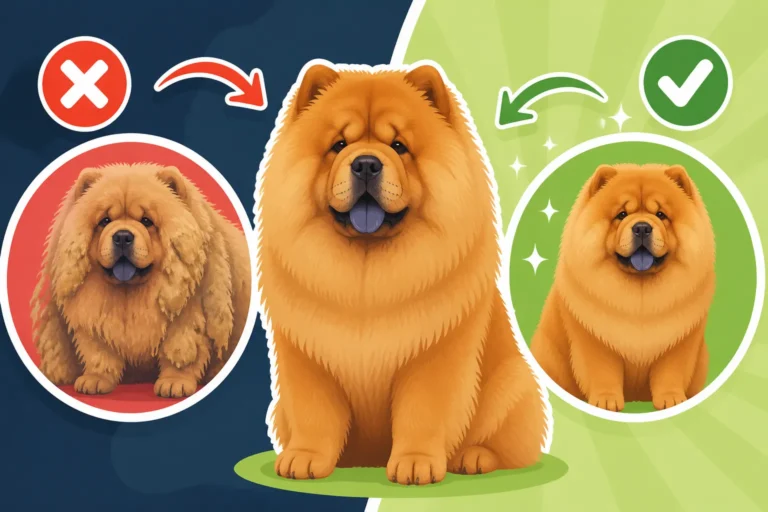
Shaving removes this protective barrier, exposing their delicate skin to sunburn, insect bites, and making them less efficient at regulating their body temperature. Furthermore, shaving can permanently damage the coat, leading to what's often called "post-clipping alopecia," where the outer guard hairs fail to grow back correctly, resulting in a patchy, uneven, and often softer texture that is more prone to matting and less protective. This is why the advice is almost universally to never shave your Chow Chow, as covered in Why a Chow Chow Must Never Be Shaved. Instead, proper brushing and bathing are the best ways to manage their coat and keep them comfortable.
Pre-Bath Preparation: The Unsung Hero
Trust me when I say that the success of a Chow Chow bath hinges almost entirely on what you do before the water even touches their fur. Skipping these crucial steps will lead to a matted mess, a frustrated owner, and potentially skin issues for your beloved companion. Think of it as laying the groundwork for a smooth operation.
Thorough Brushing and Dematting
Before you even think about bathing, your Chow Chow needs a serious, head-to-tail brush-out. This is non-negotiable. Water will tighten and worsen any existing mats, turning small tangles into impenetrable felted areas that are painful for your dog and incredibly difficult to remove without shaving. You need to get down to the skin, removing all loose undercoat and working out any mats.
Start with an undercoat rake to pull out the shed, dead undercoat. Then, follow up with a slicker brush, always brushing in layers, section by section, starting from the bottom and working your way up. Pay close attention to areas prone to matting: behind the ears, under the collar, in the "armpits" (behind the elbows), and the "britches" (the long fur on their hind legs). If you encounter mats, use a dematting comb or a mat splitter cautiously, always working with a small section at a time and holding the fur at the base to prevent pulling your dog's skin. This process might take a while, depending on the coat's condition, but it's essential. For tips on specific tools, consider Which Brush a Chow Chow Needs and for general frequency, How Often a Rough Coated Chow Chow Needs Brushing. You might find a good selection of these tools on Chewy or Amazon.
Gathering Your Tools and Creating a Safe Space
Once your Chow Chow is mat-free, it's time to gather everything you'll need. There's nothing worse than being mid-bath with a sopping-wet, antsy dog and realizing you forgot the conditioner! Having everything within arm's reach makes the process smoother and less stressful for both of you.
Here's a checklist of essentials:
| Item | Purpose | Notes |
|---|---|---|
| Dog-specific shampoo | Cleanses without stripping natural oils | pH-balanced, gentle formula. Consider oatmeal or soothing types for sensitive skin. |
| Dog-specific conditioner | Detangles, moisturizes, helps prevent mats | Crucial for the Chow Chow's dense coat. |
| Multiple towels | Initial water absorption after the bath | You'll need more than you think! Super-absorbent towels are a lifesaver. |
| High-velocity dryer | Essential for thorough drying down to the skin | Not a human hairdryer; this is non-negotiable for a Chow Chow. |
| Undercoat rake, slicker brush, comb | For pre-bath brushing and drying assistance | Keep these nearby to brush while drying. |
| Cotton balls/ear cleaner | To protect ears from water and clean afterwards | Prevent ear infections. |
| Non-slip mat | For the tub or bathing area to prevent slips and falls | Increases safety and comfort for your dog. |
| Treats | For positive reinforcement and distraction | Make it a positive experience! |
Choose a bathing location where you have good control, like a walk-in shower or a large tub. A utility sink might work for puppies, but adult Chows need space. Ensure the water temperature is lukewarm, not too hot or too cold, and that the area is free from drafts.
The Bathing Process: Getting Down to the Skin
Now that your Chow Chow is brushed and your supplies are ready, it's time for the main event. Remember, the goal isn't just to wet the topcoat; it's to thoroughly saturate and clean the dense undercoat and the skin beneath it. This takes time and a specific technique.
Wetting the Coat Completely
This is often the most challenging part. A Chow Chow's coat is naturally water-resistant, making it difficult for water to penetrate. Start by thoroughly drenching your dog with lukewarm water. Don't just pour water on their back; use a shower sprayer or a cup to work water into the coat, section by section. Begin at the neck and work your way down the body, making sure to get deep into the armpits, belly, and hind legs.
It can take several minutes of steady water application to get the entire coat soaked to the skin. You'll likely see the water bead off initially; keep working it in. You might even need to use your fingers to gently massage the water through the outer coat to reach the undercoat. Be mindful of their face and ears; avoid getting water directly into their eyes or ear canals. A damp washcloth can be used to gently wipe their face and around their eyes. For preventing ear infections, you can place cotton balls loosely in their ears, but remember to remove them immediately after the bath!
Shampooing and Rinsing Thoroughly
Once your Chow Chow is fully saturated, apply a generous amount of dog-specific shampoo. Don't just glob it on; dilute the shampoo slightly with water in a separate container first, then pour it over their coat. This helps distribute it more evenly and makes it easier to rinse out. Work the shampoo into the coat, again, section by section, ensuring it reaches the skin. Massage thoroughly with your fingertips, paying extra attention to areas where dirt accumulates. You'll be surprised how much dirt comes out of that dense fur!
The rinsing step is arguably even more critical than the shampooing. Any shampoo residue left behind can irritate the skin, lead to dryness, itching, and even skin infections. Rinse, rinse, and then rinse some more. Use the shower sprayer to methodically work through the coat, lifting sections and checking that the water runs clear and that you can't feel any slickness on the fur or skin. This can take twice as long as the shampooing itself. Many owners make the mistake of under-rinsing, leading to skin issues later.
After shampooing and rinsing, apply a good quality dog conditioner, working it through the coat in the same methodical way. Conditioner helps to detangle, moisturize, and seal the hair cuticle, making the drying process easier and reducing static. Let it sit for a few minutes as directed on the bottle, then rinse it out just as thoroughly as the shampoo. Again, absolutely no residue should remain.
The Drying Process: The Most Important Step
If bathing a Chow Chow is a challenge, drying one is an art form. This is where most people go wrong, and where problems like hot spots and skin infections can really take hold. You cannot, under any circumstances, allow a Chow Chow's undercoat to air dry. It will not dry completely, and it will lead to trouble. Getting How Long a Chow Chow Takes to Dry is a common concern, and the answer is: a long time, but with the right tools, you can do it efficiently.
Initial Towel Drying
As soon as your Chow Chow is out of the tub, grab those towels. Gently squeeze excess water from their coat. Do not rub vigorously, as this can tangle and mat the wet fur. Instead, press the towels into the coat, blotting and absorbing as much water as possible. Wrap them in a large, absorbent towel for a few minutes to soak up even more moisture. You'll probably go through several towels at this stage. Think of it as getting rid of the bulk water before you bring out the big guns.
This initial towel dry is mostly about making the next step a little less watery, but it won't get them truly dry. You might find some excellent super-absorbent dog towels on Amazon or Chewy that can make this step quicker.
The Power of the High-Velocity Dryer
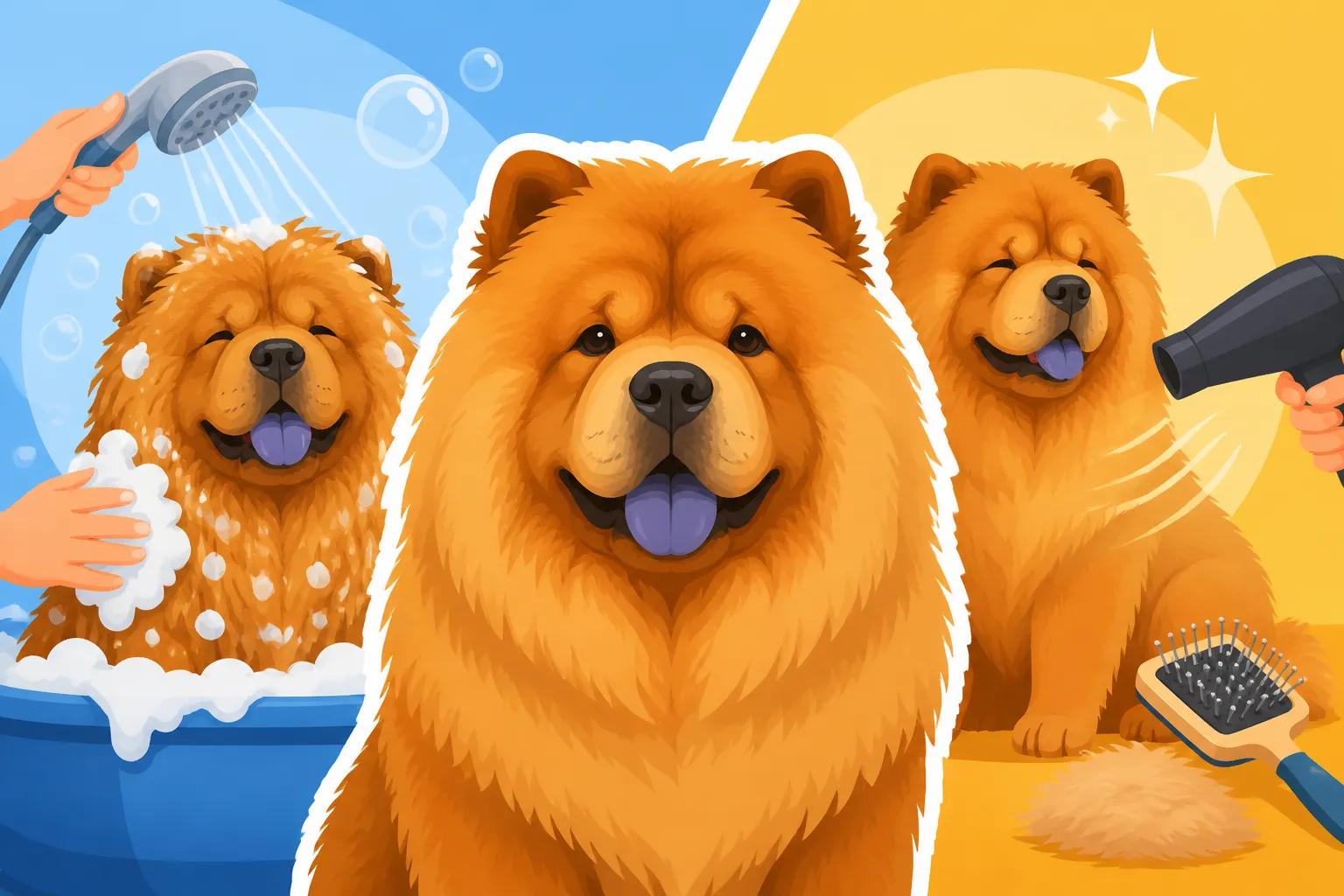
This is the non-negotiable tool for drying a Chow Chow. A human hairdryer simply isn't powerful enough and gets too hot, risking skin burns. A high-velocity pet dryer (also known as a forced air dryer or shop vac for dogs) uses sheer air power, not heat, to blast water out of the coat. This is critical for getting the undercoat dry and preventing matting.
Set up your dryer in a well-ventilated area, preferably somewhere easy to clean up loose fur. Many people use a grooming table to make this easier, but on the floor with a non-slip mat works too. Start on a low setting to get your dog used to the noise and sensation, then gradually increase the power. Work in sections, starting from the hindquarters and moving forward. Point the nozzle directly at the skin, lifting sections of fur with your free hand or a slicker brush as you go. You will literally see the water flying off their coat. This also helps to deshed any loose undercoat, which is a massive bonus! Keep the dryer moving to avoid concentrating air in one spot for too long. This entire process can take anywhere from 45 minutes to 2 hours, depending on your Chow Chow's coat density and cooperation level. Persistence is key.
Line Drying and Finishing Touches
As you dry, use your slicker brush and undercoat rake to "line dry" the coat. This technique involves parting the coat in small sections and drying the hair from the skin outwards. When you can see the skin and the hair separates easily, that section is dry. Continue this methodically over their entire body. You'll be amazed at the amount of undercoat that comes out during this process; it's practically a built-in deshedding treatment. This ensures that every single hair, right down to the skin, is completely dry. Why a Chow Chow Must Be Dried to the Skin cannot be stressed enough – trapped moisture is the enemy.
Once your Chow Chow is thoroughly dry, do a final brush-through with a comb to ensure there are no missed tangles or damp spots. Check behind the ears, armpits, and groin carefully. Their coat should feel light, fluffy, and completely dry to the touch, all the way down. Reward your Chow Chow with plenty of praise and perhaps a special treat for their patience.
Common Bathing and Drying Challenges and Solutions
Let's be real: bathing a Chow Chow isn't always a serene spa experience. There are often bumps in the road, from stubborn mats to dogs who would rather do anything but get wet. Anticipating these challenges can help you tackle them with a calmer mind and a more effective approach.
Dealing with Mats and Tangled Fur
Even with the best pre-bath brushing, sometimes a rogue mat pops up, or you discover a hidden tangle you missed. If you encounter a mat during the bath, avoid trying to brush it out while wet, as this will only tighten it. Focus on getting the area clean, conditioning it well, and then doing your best to blow it out with the high-velocity dryer. The force of the air can sometimes help to loosen mats, allowing you to gently pick them apart with your fingers or the end of a comb after it's dry.
If a mat is truly felted and impossible to work out, it's safer to carefully cut it out with blunt-nosed scissors, always pointing the scissors away from the skin and sliding a comb between the skin and the mat as a protective barrier. If you're uncomfortable doing this, or if there are multiple large mats, a professional groomer is your best bet. Remember, prevention through regular brushing is always easier than dealing with existing mats.
Water Aversion and Fear of the Dryer
Many dogs, Chow Chows included, aren't exactly thrilled about bath time. If your Chow Chow is particularly anxious around water or the dryer, patience and positive reinforcement are your greatest tools. For water aversion, start with short, positive sessions in the dry tub, giving treats. Gradually introduce lukewarm water, again, with lots of praise and rewards. Never force them; this can create a negative association.
For the high-velocity dryer, the noise and sensation can be intimidating. Start by letting them see and smell the dryer while it's off, giving treats. Then, turn it on in another room so they can get used to the sound from a distance, rewarding calm behavior. Gradually bring it closer, always pairing it with treats and praise. Start drying on the lowest setting, targeting a less sensitive area like their hindquarters, for very short periods. Build up duration slowly. Consistency is key, and making it a positive experience from a young age can make a world of difference. You might want to refer to Teaching a Chow Chow to Accept a Dryer for more in-depth strategies.
Protecting Sensitive Areas
The Chow Chow's deep-set eyes and thick facial wrinkles, combined with a tendency towards entropion (where the eyelid rolls inward), mean their eyes are particularly sensitive. Be extremely careful when rinsing their face. Use a damp cloth to wipe around their eyes rather than directing a stream of water. If you notice any redness or irritation, a quick call to your vet is always a good idea. How to Wipe a Chow Chow's Eye Folds and Whether a Chow Chow's Face Fold Traps Moisture are important reads here, as proper cleaning and drying of these areas are crucial to prevent bacterial growth and skin fold dermatitis. Similarly, ensure cotton balls are placed loosely in their ears to prevent water from entering the ear canal, which can lead to ear infections. Always remove the cotton immediately after the bath.
Post-Bath Care and Ongoing Maintenance
The bathing and drying might be over, but caring for your Chow Chow's coat is an ongoing commitment. Proper post-bath care ensures that all your hard work pays off, keeping them looking and feeling their best.
Regular Brushing Between Baths
To maintain that beautiful, fluffy coat and minimize matting, regular brushing is paramount. A Chow Chow, especially a rough-coated one, needs brushing several times a week, ideally daily during coat-blow seasons. This removes loose undercoat, prevents tangles, distributes natural oils, and helps you bond with your dog. Consistent brushing reduces the amount of work required for each bath and makes the entire process more pleasant for your Chow Chow. Remember, you're always aiming to get down to the skin with your brush.
During the intense seasonal "coat blow" periods, which typically happen twice a year, brushing might need to be a daily, lengthy affair. You'll be amazed at How Much Undercoat Comes Off a Chow Chow during these times! A good undercoat rake and a high-velocity dryer can be incredibly helpful for managing this shedding, even between baths.
Monitoring for Skin Issues
After a thorough bath and dry, take a moment to examine your Chow Chow's skin. Look for any redness, flakiness, rashes, or bumps. Their dense coat can hide a multitude of skin problems, so knowing what to look for is important. Areas that were difficult to dry, like the armpits or groin, are often prone to irritation if moisture lingers. Pay particular attention to their facial folds.
If you spot any concerns, consult your veterinarian. Early detection of issues like hot spots, yeast infections, or other dermatological conditions can save your Chow Chow a lot of discomfort and prevent minor problems from becoming major ones. The Chow Chow is prone to certain autoimmune skin diseases and general skin allergies, so vigilance is key. Whether a Chow Chow's Skin Fold Gets Infected is a relevant read to understand potential issues related to their unique anatomy.
When to Seek Professional Help
While home bathing is certainly doable, there are times when a professional groomer is worth their weight in gold. If your Chow Chow has developed severe matting, if they are extremely uncooperative during baths, or if you simply don't have the time or appropriate tools (especially the high-velocity dryer), a professional groomer can be a lifesaver.
Experienced groomers have the expertise, equipment, and often a much larger patience reserve to handle even the most challenging Chow Chow coats. They can also offer additional services like nail trims, ear cleaning, and gland expressions, all in a safe and efficient manner. Just be sure to find a groomer experienced with double-coated breeds and who uses positive reinforcement techniques. Many groomers carry a variety of shampoos and conditioners, some of which you can purchase yourself from places like Chewy.
Essential Grooming Tools for Bathing and Drying
Having the right tools isn't just a convenience; it's a necessity for successfully bathing and drying a Chow Chow. Investing in quality equipment will make the process easier, safer, and more effective for both you and your furry friend.
Brushes and Combs for Every Stage
You'll need a collection of brushes and combs to tackle that magnificent coat. For pre-bath preparation and throughout the drying process, an undercoat rake is indispensable. Its long, sturdy teeth penetrate the dense topcoat to remove loose undercoat, which is crucial for preventing mats and allowing water and air to reach the skin. A good quality undercoat rake can be found at pet stores or online retailers like Amazon.
Next, a slicker brush with firm pins is excellent for detangling the outer coat and for line drying. It helps to separate the hairs and fluff out the coat as you dry. For mats that are already forming, a dematting comb with sharp, angled blades can help carefully cut through the mat without pulling too much on the surrounding fur. Finally, a sturdy metal comb with both wide and fine teeth is perfect for checking your work and ensuring there are no hidden tangles once the coat is completely dry.
Shampoos, Conditioners, and Cleaning Solutions
Choosing the right bathing products is also important. Always use dog-specific shampoo and conditioner. Human products have a different pH balance and can irritate your dog's skin. Look for formulations designed for sensitive skin, moisturizing properties, or those that help with shedding if your Chow Chow is in a heavy coat blow. Brands often have specific lines for different coat types or skin conditions.
For cleaning around their sensitive eye folds and facial wrinkles, a gentle, veterinary-approved eye wipe or skin fold cleaner is essential. These can help prevent tear staining and keep bacteria at bay in those moist, hard-to-reach areas. For ear cleaning, a dog-specific ear cleaning solution can be used after the bath, following your vet's advice, to ensure no moisture is trapped and to prevent infections.
Drying Equipment: Your Best Friend
As mentioned, the high-velocity pet dryer is your absolute best investment for Chow Chow grooming. Forget human hair dryers; they don't have the power to blast water from a double coat and can overheat your dog's skin. A good quality pet dryer has variable speed and heat settings (though you'll mostly use cool or low heat). It will drastically reduce drying time and ensure your Chow Chow is truly dry down to the skin, preventing skin issues. Many reputable brands are available on Chewy or Amazon, and while they might seem like a significant upfront cost, they will save you countless hours and potential vet bills in the long run.
Beyond the dryer, having plenty of super-absorbent towels is a must for the initial blotting. Microfiber towels designed for pets are particularly effective at wicking away moisture. A grooming table can also make the entire drying process much more comfortable for both you and your Chow Chow, allowing you to work at an ergonomic height and keep your dog contained.
Frequency and Special Considerations
How often should you bathe your Chow Chow? It's not a one-size-fits-all answer, and there are a few special circumstances to keep in mind that might change your routine.
How Often to Bathe Your Chow Chow
For most Chow Chows, a bath every 4-8 weeks is a good general guideline, depending on their lifestyle, coat type (rough vs. smooth), and environmental factors. If your Chow Chow spends a lot of time outdoors, gets particularly dirty, or has skin allergies that benefit from therapeutic bathing, you might need to bathe them more frequently. Conversely, if they are mostly indoors and you maintain their coat with regular brushing, you might stretch it a bit longer.
The key is to avoid bathing too frequently with harsh shampoos, which can strip natural oils from their skin and coat, leading to dryness and irritation. Always use a gentle, moisturizing shampoo and follow with conditioner. And remember, the meticulous drying process is what truly dictates how often you can bathe your Chow Chow without risking skin problems.
Seasonal Considerations: The Dreaded Coat Blow
Twice a year, Chow Chows experience a phenomenon known as a "coat blow," where they shed their entire undercoat in preparation for the upcoming season. This is typically in spring as they lose their winter coat, and in fall as they shed their summer coat. During these periods, grooming efforts need to intensify significantly.
Bathing during a coat blow can actually be beneficial, as the warm water and thorough rinsing help to loosen and release the dead undercoat, making it easier to remove with brushing and the high-velocity dryer. You'll literally see handfuls of fur coming off, and it's incredibly satisfying. However, be prepared for an even longer drying session, as there's simply more fur to get wet and dry. Regular brushing, sometimes even daily, is non-negotiable during these times to prevent massive mats and keep your home from becoming a fur tumbleweed farm. You might find that How Long a Chow Chow's Coat Blow Lasts can feel like an eternity, so be patient.
Temperature and Comfort
Chow Chows are known for their susceptibility to overheating, especially during hot weather. Their dense coat, while insulating, can also trap heat if they're not properly managed. When bathing, ensure the water is lukewarm, not hot, to prevent overheating. And when drying, always use the cool or low-heat setting on your high-velocity dryer. Never use high heat.
After the bath, ensure your Chow Chow is in a cool, comfortable environment while you're drying them. Avoid bathing them on a scorching hot day if you don't have air conditioning or a cool space for drying. Keeping them cool is vital, not just during bathing, but generally, as discussed in posts like How to Cool a Chow Chow Down Fast or Whether a Chow Chow Needs a Cooling Mat. A stressed, overheated dog will be far less cooperative during a bath and dry session. Always prioritize their comfort and safety above all else.
Disclaimer
This article is for general informational purposes only and does not constitute professional advice. Laws, prices and regulations vary by location and change over time. Consult a qualified professional for guidance on your specific situation.