Whether an Undercoat Rake Suits a Chow Chow
Grooming a Chow Chow can feel like a Herculean task, especially when you're battling that incredibly dense, luxurious double coat. Many new Chow Chow owners, and even some seasoned ones, find themselves overwhelmed by the sheer volume of fur, the constant shedding, and the seemingly magical appearance of mats. It leaves you wondering if you're using the right tools, or if there's some secret weapon you're missing in your grooming arsenal. One tool that often comes up in conversations is the undercoat rake, and it's a valid question to ask: does this particular gadget actually suit a Chow Chow's unique coat, or is it just another brush destined to gather dust in the grooming bin? This guide will dive deep into the world of the Chow Chow's coat and help you understand exactly how an undercoat rake fits into its care routine.
Understanding the Chow Chow's Unique Coat
Before we even get to the tools, it's crucial to appreciate what you're working with when you have a Chow Chow. Their coat isn't just "fur"; it's a complex, multi-layered marvel designed for insulation and protection, but it demands specific care.
The Double Coat Explained
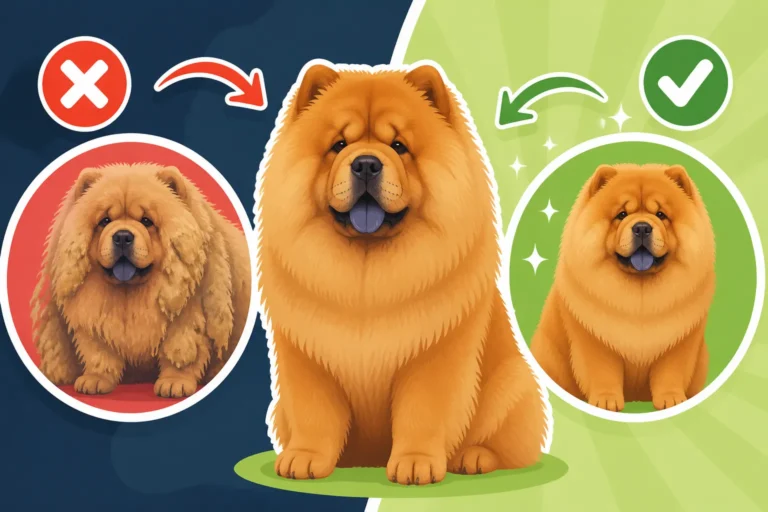
Every Chow Chow, whether it's a fluffy "rough coat" or the slightly shorter "smooth coat," boasts a magnificent double coat. Think of it as a natural, built-in winter parka.
The outer layer, often called the guard coat, consists of long, coarse, straight hairs. These hairs are designed to be weather-resistant, repelling water and dirt, and protecting the dog's skin from the elements. This is the hair that gives the Chow Chow its distinctive lion-like ruff and often frames their majestic head. It's tough, resilient, and, when properly cared for, has a beautiful sheen.
Beneath this protective outer layer lies the true challenge: the undercoat. This is where the magic (and sometimes the mayhem) happens. The undercoat is incredibly dense, soft, and woolly, packed tightly against the dog's skin. Its primary job is insulation, keeping the Chow Chow warm in freezing temperatures and, paradoxically, helping to regulate body temperature in warmer weather by trapping a layer of cool air. This undercoat sheds out constantly, and twice a year, it comes out in truly spectacular fashion during what Chow Chow owners affectionately (or perhaps frantically) refer to as a "coat blow." If this dead undercoat isn't removed, it can quickly become a tangled, matted mess. You can learn more about the two distinct coat types in Rough or Smooth: the Two Chow Chow Coats and What Each Needs.
The Challenges of Grooming a Chow Chow
Given the nature of this double coat, grooming a Chow Chow comes with its own set of distinct challenges that can test the patience of even the most devoted owner.
Firstly, matting. This is perhaps the biggest nemesis for a Chow Chow's coat. The dense undercoat, when dead and shed, doesn't just fall out. Instead, it gets trapped within the remaining coat, especially against the skin, and starts to bind together. Add a little moisture, some friction (like from a collar, harness, or lying down), and a mat forms. These mats aren't just unsightly; they can be incredibly painful for your dog. They pull on the skin, restrict blood flow, and create a breeding ground for skin infections and hot spots. Common areas for mats include behind the ears, under the collar, in the "armpits" where the legs meet the body, and especially in the "britches" (the fluffy fur on their hind legs). For specific problem areas, you might find Where a Chow Chow Mats First to be a helpful read.
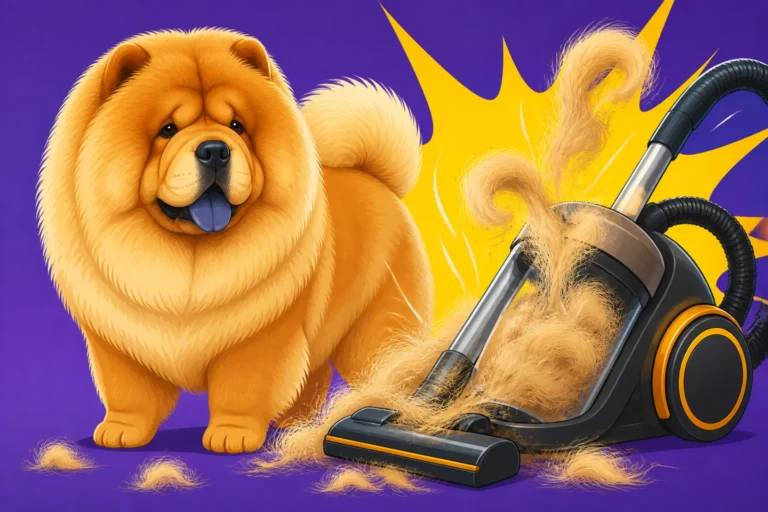
Secondly, the "coat blow." Twice a year, typically in spring and fall, your Chow Chow will go through a significant shedding period. This isn't just a few stray hairs; it's a veritable explosion of woolly undercoat. During a coat blow, it can feel like your dog is attempting to knit a whole new Chow Chow out of their own fur. Managing this period requires consistent, diligent grooming to remove the vast quantities of dead hair before it forms impenetrable mats. This is when you'll truly appreciate tools that can tackle volume. For a deeper understanding of this phenomenon, check out The Twice a Year a Chow Chow Blows Its Coat.
Finally, the sheer density and volume of the coat make thorough grooming difficult. A regular brush might glide over the top layer, but it often fails to penetrate down to the skin where the real work needs to be done. Without reaching the undercoat, you're only addressing the surface, leaving the foundation for mats and discomfort firmly in place. This is why a strategic approach and the right tools are non-negotiable for a healthy, happy Chow Chow.
What is an Undercoat Rake and How Does It Work?
Now that we understand the Chow Chow's coat, let's look at the tool in question: the undercoat rake. Is it designed to conquer those challenges?
Anatomy and Function of an Undercoat Rake
An undercoat rake isn't your average dog brush. It's specifically engineered to tackle that thick, woolly undercoat without causing undue damage to the longer, coarser guard hairs.
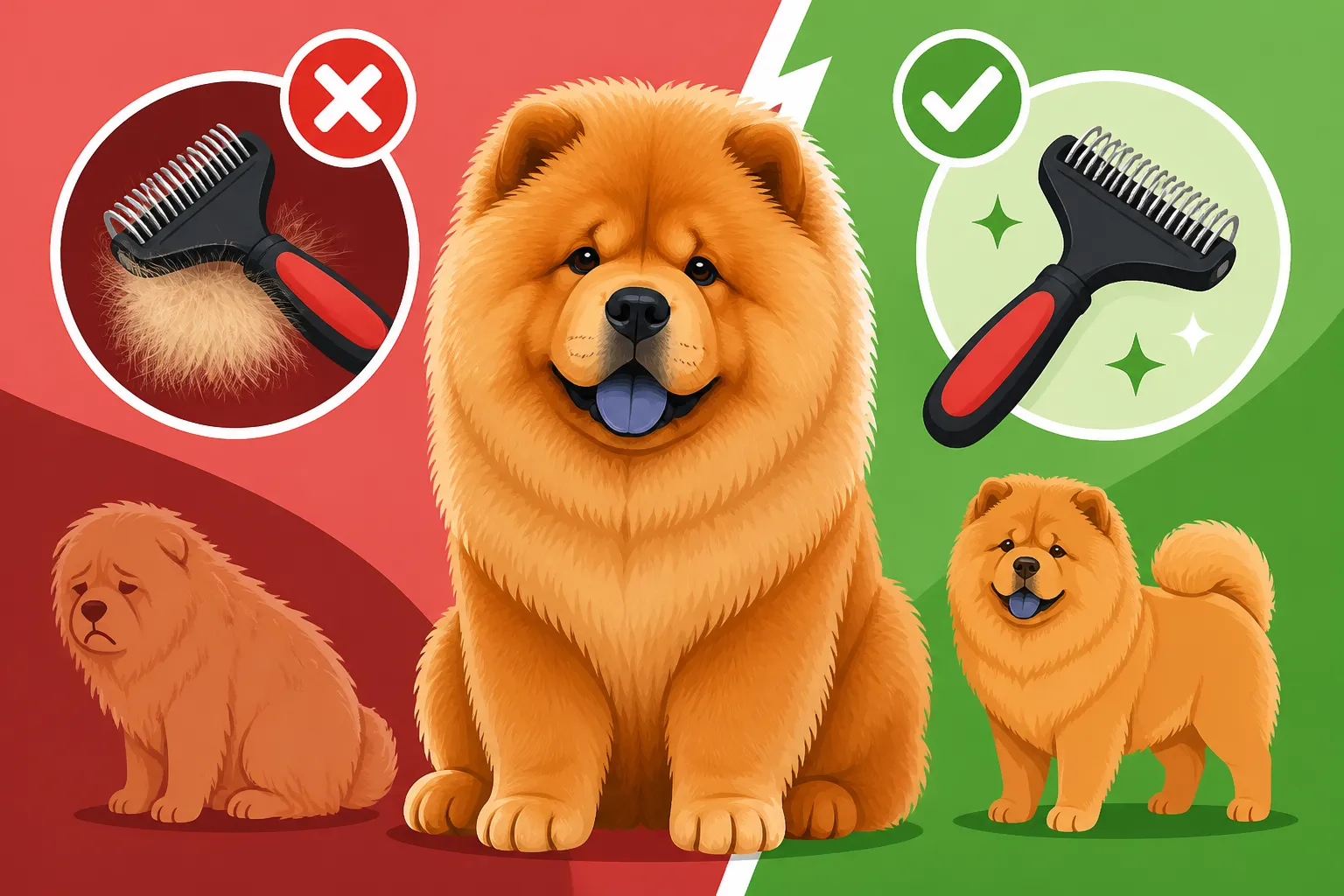
Imagine a comb, but with much longer, more widely spaced, and often curved or slightly blunted teeth. The teeth can be stationary or, on some models, designed to rotate. The handles are typically ergonomic, making it comfortable to grip during potentially long grooming sessions. Unlike a slicker brush, which has many fine wire pins that are great for detangling and removing loose topcoat, an undercoat rake's teeth are designed to plunge deep into the coat, past the guard hairs, and physically pull out the loose, dead undercoat that's trapped against the skin.
The spacing and length of the teeth are key. They allow the rake to bypass the outer coat, which you want to keep intact for its protective qualities, and instead hook into the softer undercoat that's ready to shed. As you draw the rake through the fur, it gently (if used correctly) pulls away the dead, fluffy hair, leaving the healthy live coat behind. This action is incredibly efficient at clearing out the primary culprit behind mats and excessive shedding. Think of it as a specialized excavator for your Chow Chow's fur. You can often find a good selection of these tools on platforms like Chewy or Amazon.
The Benefits of Using an Undercoat Rake on a Chow Chow
For a Chow Chow owner, the benefits of incorporating an undercoat rake into your grooming routine are substantial and make it a genuinely suitable tool.
The most significant benefit is the efficient removal of dead undercoat. This isn't just about reducing shedding around your house (though it definitely helps with that!). More importantly, by regularly clearing out the dead undercoat, you drastically reduce the chances of severe matting. Mats start with this loose, shed hair tangling and compacting. A rake gets to the root of the problem, so to speak, before it becomes a dense, painful felt pad on your dog's skin.
Furthermore, it plays a critical role in preventing mats and hot spots. Mats, especially those that form close to the skin, trap moisture and prevent air circulation. This creates an ideal environment for bacteria and fungi to thrive, leading to painful skin irritations and infections known as hot spots. By keeping the undercoat clear and aerated with regular raking, you allow your Chow Chow's skin to breathe, significantly reducing the risk of these common and uncomfortable issues. This is particularly vital given a Chow Chow's dense coat; it's easy for problems to brew unseen beneath the surface.
Lastly, yes, it dramatically reduces shedding around the house. While no brush will completely eliminate shedding in a double-coated breed like a Chow Chow, an undercoat rake is one of the most effective tools for capturing the bulk of the loose hair before it settles on your furniture, carpets, and clothes. By removing it proactively during grooming sessions, you'll notice a marked decrease in the tumbleweeds of Chow Chow fluff rolling across your floors. It's a win-win for both you and your furry companion, leading to a cleaner home and a more comfortable dog. For optimal shedding management, you might also consider complementary tools like a high-velocity dryer, discussed in What a High Velocity Dryer Costs a Chow Chow Owner, especially during a coat blow.
Proper Technique for Using an Undercoat Rake
Owning the right tool is only half the battle; knowing how to use it effectively and safely is just as important. With a Chow Chow, gentle but thorough technique is paramount.
Preparing Your Chow Chow for Raking
Before you even think about bringing the rake to fur, preparation is key for a successful and stress-free grooming session for both you and your Chow Chow.
First, create a calm environment. Chow Chows are sensitive to their surroundings and your mood. Choose a quiet time when your dog is relaxed, perhaps after a short walk or a potty break. A peaceful atmosphere will make them more cooperative. Having a dedicated grooming spot, like a sturdy grooming table (which can be a real back-saver!), helps to establish a routine and signals to your Chow Chow what's about to happen. You can put down a non-slip mat to ensure their stability and comfort.
Next, it's crucial to start with a full brush-out to remove surface tangles. An undercoat rake is designed to remove loose undercoat, not to detangle major knots. Trying to pull a rake through matted or heavily tangled fur will be painful for your Chow Chow and can damage their coat. Begin with a wide-toothed comb or a slicker brush to gently work through any larger tangles in the outer coat. You want the rake to glide relatively smoothly, not snag. This initial step ensures the rake can penetrate to the undercoat effectively without causing discomfort. You might find guidance in Brushing a Chow Chow's Mane Down to the Skin for thorough initial brushing.
Step-by-Step Raking Method
Once your Chow Chow is prepared, you can begin the raking process. Remember, patience and a systematic approach are your best friends here.
- Section the coat: Don't try to tackle the entire dog at once. Imagine dividing your Chow Chow's body into manageable sections – a shoulder, a side, a leg, the ruff, the britches. Work on one small section at a time. This prevents you from getting overwhelmed and ensures you don't miss any spots.
- Line brushing technique: This is the most effective way to ensure you're getting deep into the undercoat. With one hand, gently part the hair down to the skin, holding the top layers up and out of the way. With your other hand, use the undercoat rake on the exposed section of hair, working from the skin outwards. Once that small section is done, release a little more hair from your "parting" hand and rake again, overlapping slightly with the previously brushed area. Continue this process, essentially working in horizontal or vertical "lines" across your dog's body. This method guarantees you're reaching the skin level. More details on this technique can be found in How to Line Brush a Chow Chow.
- Gentle, short strokes: Avoid long, sweeping motions. Instead, use short, controlled strokes, following the direction of hair growth. Let the rake do the work of lifting the dead undercoat. You shouldn't need to apply excessive pressure. If the rake is catching, stop, investigate for tangles or mats, and gently work them out with a comb before continuing.
- Focus on problem areas: Pay extra attention to areas prone to matting: the ruff around the neck, behind the ears, the chest, the tummy, and especially the britches (the thick fur on the back of their hind legs). These spots collect dead hair rapidly and can become severely matted if neglected. Why a Chow Chow's Britches Mat First highlights why these areas are problematic.
Common Mistakes to Avoid
Even with the right tool, improper technique can lead to discomfort for your Chow Chow or damage to their coat.
- Pulling too hard: This is probably the most common mistake. If you meet resistance, don't just pull harder. Stop, lift the rake, and try again with a lighter touch, or switch to a comb to work out any tangles. Rough pulling can hurt your dog and teach them to dread grooming.
- Skipping sections: It's easy to focus on the fluffy parts and miss the less accessible areas like the stomach, inner thighs, or under the tail. These spots are just as prone to matting and need equal attention. A thorough, systematic approach prevents missed sections.
- Over-raking: While an undercoat rake is excellent, using it excessively in one spot or too frequently (outside of coat blow periods) can potentially irritate the skin or thin the undercoat too much, impacting its insulating properties. Use it to remove dead undercoat, not live, healthy fur.
- Using on matted fur without prior detangling: As mentioned, an undercoat rake is not a dematting tool for severe mats. Trying to force it through a solid mat will be painful and ineffective, potentially tearing out healthy hair or even damaging the skin. Always use a comb or dedicated dematting tool on existing mats first, or consider professional help for severe cases.
When an Undercoat Rake is Most Useful (and When It's Not)
Understanding the ideal scenarios for using an undercoat rake will help you integrate it effectively into your Chow Chow's overall care regimen.
Seasonal Coat Blows and Regular Maintenance
The undercoat rake truly shines during your Chow Chow's seasonal coat blows. These are the times when vast quantities of dead, woolly undercoat need to be shed out to make way for new growth or to adjust to changing temperatures. If you've ever experienced a Chow Chow shedding period, you know it can feel like a snowstorm of fur indoors. Using an undercoat rake every day or every other day during these intense periods will make a monumental difference in managing the shedding and preventing painful matting. It literally pulls out handfuls of fur that would otherwise end up tangled in the coat or coating every surface in your home. You can often see the results accumulate rapidly, filling your rake with fluffy clouds of undercoat.
Beyond the coat blows, an undercoat rake is still a valuable tool for regular maintenance. Even outside of peak shedding seasons, Chow Chows continually shed some undercoat. Using the rake once or twice a week (or as needed for your specific dog) helps to keep the coat healthy, aerated, and free of developing mats. This proactive approach is far easier than trying to fix a matted mess later. Regular grooming also familiarizes your Chow Chow with the process, making future sessions less stressful. Knowing How Often a Rough Coated Chow Chow Needs Brushing can help you set a consistent schedule.
When to Reach for Other Tools
While the undercoat rake is fantastic, it's not a one-stop solution for all grooming needs. A comprehensive grooming kit for your Chow Chow should include a few other essential tools.
- Slicker brushes for tangles: As mentioned earlier, if your Chow Chow has surface tangles or smaller knots in their outer coat, a good quality slicker brush is often better for gently working them out before the rake comes into play. It's also great for fluffing the outer coat.
- Combs for checking for missed mats: A sturdy metal comb with both wide and fine teeth is indispensable. After using your rake, run the comb through the coat, especially in sensitive areas like behind the ears or the britches. If the comb catches, it means you've either missed some undercoat or there's a developing mat that needs further attention. It's your final check for thoroughness.
- Dematting tools for existing mats: For any actual, tight mats that have already formed, a specialized dematting tool (often with sharp, guarded blades) or a mat splitter is necessary. These tools are designed to cut through mats without causing excessive pain to your dog. Never try to cut out mats with scissors unless you are absolutely certain of what you are doing, as it's incredibly easy to accidentally cut the skin, especially with a Chow Chow's loose skin.
- Professional groomer consultation: Sometimes, despite your best efforts, mats can become too severe or your Chow Chow might simply be uncooperative. Don't hesitate to seek help from a professional groomer who is experienced with double-coated breeds. They have specialized tools and techniques, and can often resolve issues more efficiently and safely, such as when A Matted Chow Chow Gets Hot Spots.
Choosing the Right Undercoat Rake
Just like there are many types of brushes, undercoat rakes come in variations. Choosing the right one for your Chow Chow can make a difference.
Consider the pin length and tooth spacing. For a very dense, rough-coated Chow Chow, you'll likely want a rake with longer, more widely spaced pins to penetrate the thick coat effectively. For a smooth coat or areas with slightly shorter hair, a rake with slightly shorter or more closely spaced teeth might be more appropriate. Some rakes have rotating pins, which can be gentler on the skin and reduce pulling. It's often a matter of trial and error to find what works best for your specific dog.
Also, consider the coat texture of your specific Chow Chow. Not all Chow Chows have identical coats; some may have a softer undercoat, others more coarse. If your dog is particularly sensitive, look for rakes with blunted or rounded tips to prevent scratching the skin. Reading reviews from other Chow Chow owners can be helpful, or simply visiting a pet supply store like Chewy or Amazon to see different models in person can help you make an informed decision. Remember, the goal is effective grooming without causing discomfort, so finding a rake that feels right in your hand and gentle on your dog is important.
In conclusion, an undercoat rake is not just a suitable tool for a Chow Chow; it's an indispensable one. When used correctly and consistently, especially during those challenging coat blows, it will be your best friend in maintaining a healthy, comfortable, and beautiful coat for your majestic companion.
Disclaimer
This article is for general informational purposes only and does not constitute professional advice. Laws, prices and regulations vary by location and change over time. Consult a qualified professional for guidance on your specific situation.