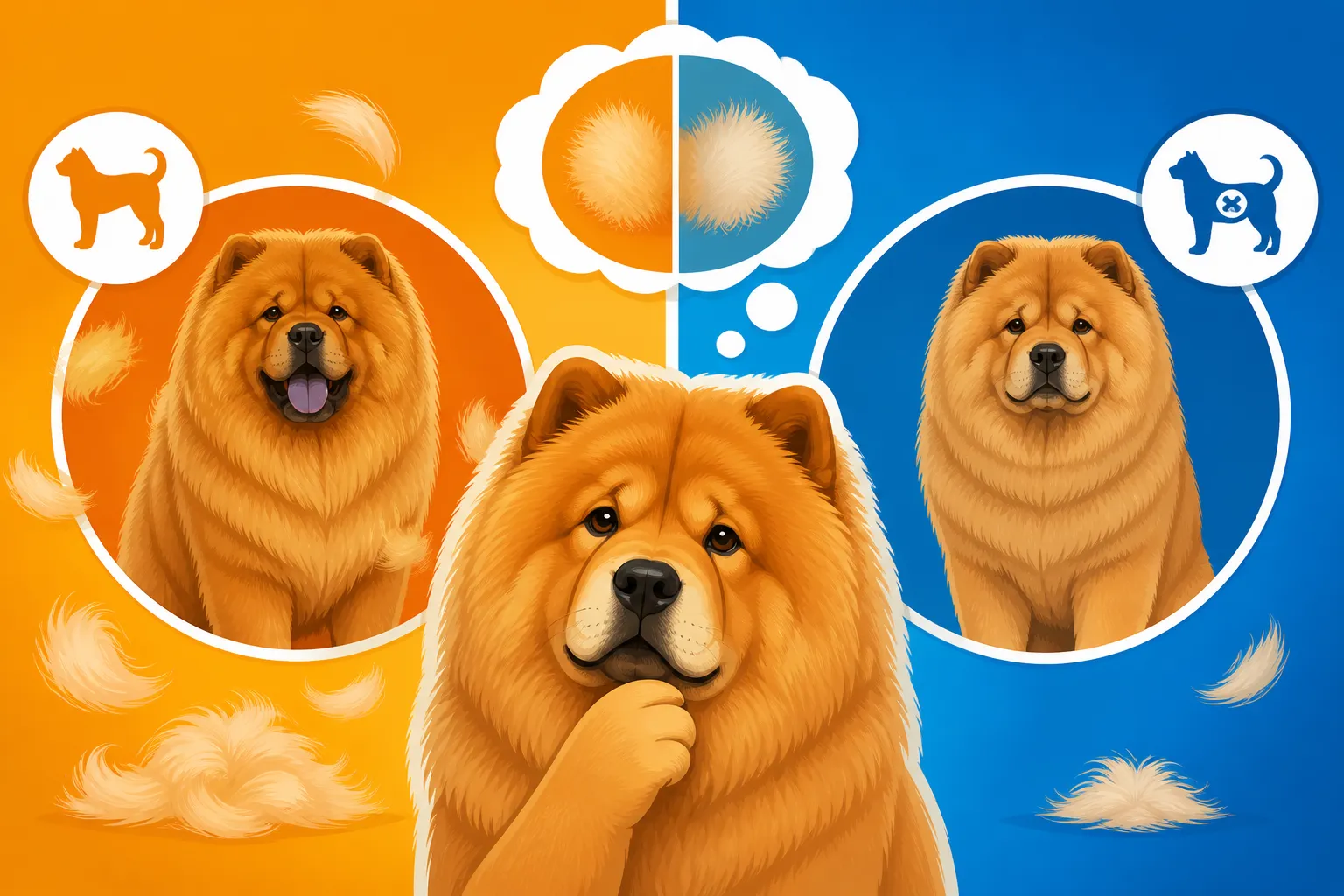
Whether a Spayed Chow Chow Blows Coat Differently
One common worry for Chow Chow owners, especially as they consider spaying their beloved companion, revolves around the majestic coat that defines the breed. Many people wonder if their fluffy friend's beautiful double coat will change after surgery, perhaps shedding more, becoming thinner, or even changing texture. It's a completely valid concern, given how much care and attention their glorious coats require! This guide will delve into the realities of how spaying can impact a Chow Chow's coat, what to expect, and how to keep it looking its best.
Understanding the Chow Chow's Natural Coat Blow Cycle
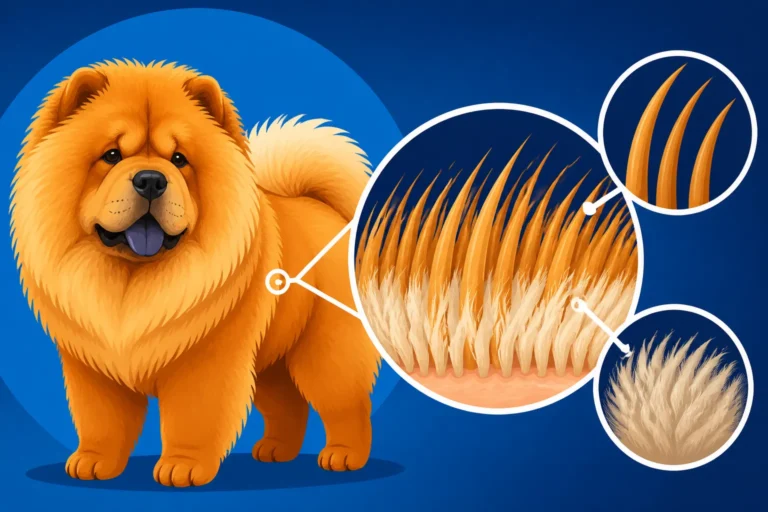
Before we dive into the specifics of spaying, let's first get a firm grasp on what a Chow Chow's coat is all about and its natural shedding patterns. This breed is renowned for its dense, luxurious double coat, which comes in two varieties: rough and smooth. Both types have a soft, woolly undercoat for insulation and a coarser, longer outer coat (guard hairs) that protects against the elements. It’s this incredible insulation that allowed them to thrive in harsh climates, but it also means a unique grooming challenge for us owners.
Chow Chows are seasonal shedders, experiencing what we affectionately call a "coat blow" twice a year. Typically, this happens in the spring as they shed their heavy winter undercoat to prepare for warmer weather, and again in the autumn as they ditch their lighter summer coat for a thicker winter one. During these periods, the amount of hair that comes off can be absolutely astounding. You'll find tumbleweeds of fur rolling across your floors, and your brush will fill up in mere seconds. This isn't just a little shedding; it's a significant process where the old undercoat detaches in large clumps, making way for new growth. This intense shedding period can last several weeks, and diligent brushing is crucial to prevent matting and keep the skin healthy. You can imagine why new Chow Chow owners are often caught off guard by the sheer volume!
The Role of Hormones in Coat Health
A dog's hormones play a massive role in maintaining the health and cycle of their coat. Estrogen and progesterone, the primary female reproductive hormones, are particularly influential. These hormones contribute to the coat's thickness, shine, and overall quality. They also regulate the hair growth cycle, influencing when hair follicles enter the resting phase (telogen) and when new hair begins to grow (anagen). When these hormone levels are stable, the coat typically follows its predictable shedding pattern.
For instance, an unspayed female Chow Chow will experience fluctuations in these hormones throughout her heat cycles. During these periods, you might notice subtle changes in her coat, such as increased shedding after a heat cycle, as the hormonal surge and subsequent drop can trigger a temporary "mini" coat blow. These natural cycles keep the hair follicles active and responsive, contributing to the overall vigor of the coat. A healthy, intact Chow Chow typically has a very robust and vibrant coat, reflecting her underlying hormonal balance. Understanding this hormonal foundation is key to appreciating how spaying can then alter the landscape.
Normal Shedding vs. Coat Blow
It's important to distinguish between normal, year-round shedding and the seasonal "coat blow." Your Chow Chow will always shed some hair, even outside of these major periods. Think of it like human hair — we lose strands every day, but it’s usually not enough to clog the drain every morning. For a Chow Chow, this normal shedding involves loose guard hairs and a smaller, more consistent release of undercoat. Regular brushing, even daily for a rough-coated Chow, helps manage this ongoing shedding. How Often a Rough Coated Chow Chow Needs Brushing is a great resource if you're curious about the routine.
The seasonal coat blow, however, is on an entirely different level. This is when the undercoat, in particular, sheds in enormous quantities. It's a fundamental part of the Chow Chow's adaptation to changing seasons. Imagine a thick wool blanket suddenly becoming loose and ready to fall off – that's what's happening with their undercoat. Owners often use specialized tools like undercoat rakes and high-velocity dryers during these times to help pull out the dead hair. Ignoring a coat blow, especially in a rough-coated Chow, is a recipe for severe matting, hot spots, and general discomfort for the dog. The amount of hair that comes off during these intense periods can fill several grocery bags! How Much Undercoat Comes Off a Chow Chow gives you a good idea of what to expect.
The Hormonal Shift: How Spaying Affects a Chow Chow's Coat
Spaying, or ovariohysterectomy, is a surgical procedure that removes a female dog's ovaries and uterus, effectively eliminating her ability to reproduce and, crucially, her primary source of estrogen and progesterone. This isn't just about preventing puppies; it's a profound change in her endocrine system that has widespread effects on her body, including her coat. Understanding this hormonal shift is essential to comprehending why and how a spayed Chow Chow's coat might change.
The immediate impact of removing the ovaries is a significant drop in circulating estrogen. Estrogen is known to promote hair growth and extend the anagen (growth) phase of the hair cycle. With less estrogen, hair follicles may spend more time in the telogen (resting) phase, or the anagen phase might shorten. This isn't an overnight change, but rather a gradual shift that can become noticeable over several months post-surgery. Many owners report that their spayed Chow Chows develop a softer, more cotton-like undercoat, sometimes referred to as "spay coat," and this change is directly attributable to the altered hormonal environment.
Reduced Estrogen and Hair Follicle Cycles
When a Chow Chow is spayed, the sudden and permanent reduction in estrogen can have a direct effect on the hair follicles. Estrogen acts as a growth promoter for hair, keeping it in its active growth phase for longer periods. Without this consistent hormonal influence, hair follicles can enter the resting phase prematurely or stay in it for extended durations. This can lead to a few different scenarios:
- Slower hair growth: The overall rate at which new hair grows might slow down.
- Increased shedding frequency: While the amount of hair lost during a coat blow might decrease, some dogs might experience more frequent, but perhaps less intense, shedding throughout the year as hair follicles cycle more erratically.
- Changes in hair texture: The guard hairs, which are typically coarser and provide protection, might become softer or less structured, blending more with the undercoat. This can make the coat feel denser and more difficult to manage.
It's not uncommon to see a spayed Chow Chow develop a coat that feels thicker, but in a less desirable way – more prone to matting because the guard hairs lose some of their stiffness and don't "protect" the softer undercoat as effectively.
The Phenomenon of "Spay Coat"
The term "spay coat" is often used to describe the changes seen in the coats of some spayed dogs, and Chow Chows are particularly susceptible due to their already dense double coats. This isn't necessarily a universal outcome for all spayed dogs, but it's prevalent enough to warrant discussion. A spay coat typically manifests as:
- Increased fluffiness and softness: The undercoat becomes significantly thicker and softer, almost cottony. This feels lovely to pet but can be a nightmare for grooming.
- Lack of distinction between guard hairs and undercoat: The outer coat, which should be coarser and stand off the body, might become softer and blend into the undercoat, losing its protective qualities and ability to shed easily.
- More frequent or prolonged shedding: While the traditional seasonal "blow" might still occur, some spayed Chows seem to shed a moderate amount of hair almost constantly, or their coat blow periods become stretched out over a longer duration.
- Increased matting potential: The softer, denser, and less structured coat becomes a prime candidate for matting, especially behind the ears, in the armpits, and around the "britches" (rear leg feathering).
For a Chow Chow, whose coat is already a major grooming commitment, "spay coat" can intensify these efforts dramatically. What was once a manageable seasonal blow might turn into a year-round battle against tangles and excessive fluff. It’s definitely one of the trade-offs owners need to consider. Whether a Chow Chow's Coat Thins After Spaying offers further insights into specific texture changes.
Potential for Coat Thinning or Patchiness
While "spay coat" often implies a denser, fluffier coat, sometimes the hormonal changes can lead to localized thinning or patchiness, particularly if there are other underlying issues. For example, if the dog develops secondary hormonal imbalances (like hypothyroidism, which can sometimes be triggered or exacerbated by the hormonal changes of spaying), you might see areas where the coat thins out.
Hypothyroidism, in particular, is known to cause dull, dry, and thinning fur, often accompanied by skin issues. If you notice significant patches of hair loss, a change in skin texture, or excessive dryness beyond just the "spay coat" effect, it’s always wise to consult your veterinarian. They can run blood tests to check thyroid function and rule out other medical causes for coat changes. It’s important to remember that while spaying can influence the coat, it’s not the only factor, and other health conditions might contribute to changes in appearance.
Recognizing and Managing Post-Spay Coat Changes in Your Chow Chow
So, you've spayed your Chow Chow, and now you're noticing changes in her coat. Don't despair! While it can be frustrating, recognizing these changes early and adapting your grooming routine accordingly is the key to keeping her comfortable and looking her best. The "spay coat" is often denser and more cottony, requiring a different approach than the pre-spay coat. You might notice her beautiful ruff becoming more compacted, or the hair on her britches feeling particularly thick and prone to tangles.
One of the biggest challenges with a spay coat is that the guard hairs, which normally provide some structure and help the undercoat shed, can become softer and less effective. This means the dead undercoat can get trapped more easily, leading to rapid matting. What used to take a quick brush-through might now require a much more thorough, section-by-section approach. Many owners describe it as feeling like a never-ending cycle of shedding, even if the actual "blows" aren't as dramatic as before.
Adapting Your Grooming Routine
If your spayed Chow Chow develops a "spay coat," your grooming routine will likely need a significant upgrade. The goal is to prevent matting and remove dead undercoat before it becomes a problem.
Here's how to adapt:
- Increase brushing frequency: What was once weekly might need to become daily or every other day, especially in areas prone to matting like behind the ears, armpits, and under the collar. You really need to get down to the skin to clear out the undercoat. How to Line Brush a Chow Chow is a technique you'll want to master.
- Invest in the right tools: A high-quality slicker brush, a metal comb with both wide and narrow teeth, and an undercoat rake are non-negotiable. For heavy coat blow or a very dense spay coat, a high-velocity dryer can be a game-changer. It blasts out loose fur and helps separate the hair, making brushing much easier. You can find these tools readily available on platforms like Amazon or Chewy.
- Focus on problem areas: Pay extra attention to the areas where mats form quickly. Gently work through any tangles with your fingers first, then use a comb to systematically clear the undercoat. Never pull or rip through mats, as this is painful and can traumatize your dog.
- Professional help: Don't hesitate to seek out a professional groomer experienced with Chow Chows. They have the tools, knowledge, and physical strength to handle a dense coat blow, especially if it's become matted or overwhelming. They can often do a "deshedding" treatment that goes far beyond what you can achieve at home.
| Aspect | Pre-Spay Chow Chow Coat | Post-Spay Chow Chow Coat (Potential "Spay Coat") |
|---|---|---|
| Shedding Pattern | Distinct seasonal "coat blows" (spring & autumn) | May be less distinct, more frequent but less intense shedding; prolonged coat blows; year-round shedding |
| Undercoat Texture | Soft, dense, but typically manageable | Thicker, softer, more cottony, sometimes "felted" |
| Guard Hair Texture | Coarser, stands off the body, provides structure | May soften, blend with undercoat, lose structure |
| Matting Potential | High during coat blow if not brushed | Very high, even with regular brushing; mats form quickly |
| Grooming Effort | Significant, intense during coat blows | Increased, often daily, requiring thorough line brushing |
| Overall Feel | Plush, firm outer coat, soft inner coat | Can feel universally softer, less resilient, more prone to clumping |
Nutritional Support for Coat Health
While grooming is paramount, diet also plays a crucial role in maintaining coat health, especially after a major physiological change like spaying. A high-quality diet provides the building blocks for healthy skin and hair. Look for foods rich in omega-3 and omega-6 fatty acids, which are essential for a shiny coat and healthy skin. Ingredients like fish oil, flaxseed, and chicken fat are good sources.
Some owners explore supplements like fish oil, biotin, or specialized skin and coat supplements to support their spayed Chow Chow's fur. Always discuss any supplements with your veterinarian to ensure they are appropriate for your dog. For those interested in fresh dog food options, brands like Ollie often formulate meals with excellent ingredients that support overall health, including skin and coat condition. Remember, a healthy coat starts from within, so don't underestimate the power of good nutrition.
When to Seek Veterinary Advice
While some coat changes are common after spaying, it's always wise to consult your vet if you notice anything unusual or concerning.
Here are some signs that warrant a veterinary visit:
- Excessive or sudden hair loss beyond normal shedding: If your Chow Chow is developing bald patches, or the hair is coming out in large clumps outside of a normal coat blow, it could indicate an underlying issue.
- Skin irritation, redness, or sores: Trapped dead coat can lead to skin problems like hot spots or infections. If you see signs of skin irritation, your vet can provide appropriate treatment.
- Dull, brittle, or extremely dry coat: This can be a sign of nutritional deficiencies, allergies, or other medical conditions.
- Lethargy, weight changes, or other systemic symptoms: If coat changes are accompanied by other health issues, it's crucial to get a full check-up. As mentioned, hypothyroidism can cause coat problems and general malaise, and it's a condition sometimes seen in spayed females.
Your veterinarian can rule out medical conditions and offer tailored advice, ensuring your Chow Chow is healthy inside and out. Signs a Chow Chow's Thyroid Is Low is a helpful read if you suspect a thyroid issue.
Long-Term Coat Care for Spayed Chow Chows
Living with a Chow Chow, whether spayed or intact, means a commitment to their magnificent coat. For spayed Chows, this commitment might even be amplified due to the potential for "spay coat" development. The long-term health and beauty of their fur depend on consistent, proactive care. It’s not just about aesthetics; a well-maintained coat prevents painful matting, skin infections, and discomfort for your furry friend. Think of it as a marathon, not a sprint – a continuous effort that truly pays off in their well-being.
One of the most valuable lessons I've learned is that an ounce of prevention is worth a pound of cure when it comes to Chow Chow coats. Letting mats form is a much bigger, more painful, and more expensive problem than consistent grooming. This is particularly true if your spayed Chow develops the cottony undercoat that is so prone to tangles. The softer texture might feel nice, but it acts like Velcro, grabbing onto loose hair and forming tight knots quickly.
Establishing a Consistent Grooming Schedule
The cornerstone of long-term coat care for a spayed Chow Chow is a consistent and thorough grooming schedule. This isn't just about occasional brushing; it's about making grooming a regular part of your dog's routine.
Here’s what that might look like:
- Daily or every-other-day brushing: For rough-coated Chow Chows with a spay coat, this is often necessary to prevent mats, especially in high-friction areas. Even smooth-coated Chows benefit from regular brushing to remove dead hair and distribute natural oils.
- Line brushing: This technique, where you brush in sections down to the skin, is vital. Simply skimming the top of the coat will leave dead undercoat trapped, leading to mats from the skin out.
- Seasonal "deshedding" intensified: Even if the blows are less dramatic, you'll still need intensive grooming sessions during seasonal coat changes. This might involve longer sessions with an undercoat rake and a high-velocity dryer. How Long Home Grooming a Chow Chow Takes Weekly can give you an idea of the time commitment.
- Regular professional grooming: Consider scheduling regular appointments with a groomer who understands Chow Chows, perhaps every 6-8 weeks, to help manage the coat and keep it in top condition. They have powerful drying equipment and specialized tools that make quick work of dense undercoats. What Professional Grooming Costs for a Chow Chow is a helpful read for budgeting.
Environmental Considerations for Coat Health
Your Chow Chow's environment can also influence their coat health, especially after spaying. While spaying primarily alters internal hormones, external factors can exacerbate or alleviate coat issues. For instance, dry indoor air, especially in winter, can make a coat more brittle and prone to breakage. Using a humidifier can sometimes help.
Furthermore, minimizing exposure to irritants can protect both skin and coat. Dust, pollen, and certain cleaning products can cause skin reactions that manifest as dullness, itchiness, or even hair loss. Pay attention to anything that causes your Chow Chow to scratch excessively, as persistent scratching can damage hair follicles and lead to further coat problems. Ensure your Chow Chow has comfortable, clean bedding to prevent matting in friction areas and to maintain overall skin hygiene.
The Never-Shave Rule (Still Applies!)
It's a common misconception that shaving a Chow Chow, especially one with a dense spay coat, will make them cooler or solve shedding problems. This couldn't be further from the truth. The Chow Chow's double coat is specifically designed to insulate them from both heat and cold. Shaving removes this natural protection, exposing their delicate skin to sunburn, insect bites, and making them less efficient at regulating their body temperature.
Beyond the immediate risks, shaving can also permanently damage the coat. The undercoat often grows back faster and coarser than the guard hairs, leading to a "fuzzy" or "cottony" texture that is even more prone to matting and less aesthetically pleasing. This condition is sometimes called "post-clipping alopecia" or "clipper alopecia." Always groom by brushing out the undercoat, not by shaving it off. Why a Chow Chow Must Never Be Shaved and What Shaving Does to a Chow Chow's Undercoat are essential reading for any Chow Chow owner considering a clipper. Embrace the brush and the high-velocity dryer instead; they are your best friends in managing that magnificent Chow Chow coat, spayed or not!
Disclaimer
This article is for general informational purposes only and does not constitute professional advice. Laws, prices and regulations vary by location and change over time. Consult a qualified professional for guidance on your specific situation.