Brushing a Chow Chow’s Mane Down to the Skin
Oh, the majestic mane of a Chow Chow! It's one of their most iconic features, a glorious ruff that gives them that lion-like appearance we all adore. But let's be real, that beautiful coat is also a serious commitment, and often, owners find themselves battling mats and tangles right at the base of the neck and behind the ears, frustrated by brushes that just seem to skim the surface. This guide is here to walk you through exactly how to brush your Chow Chow's dense mane all the way down to the skin, ensuring their comfort, health, and continued regal appearance.
The Unique Challenges of a Chow Chow's Mane
Anyone who shares their life with a Chow Chow knows their coat isn't just "fur"; it's a magnificent, dense, and often bewildering spectacle. The mane, in particular, is a source of both immense pride and frequent frustration. It’s not just about aesthetics; understanding the specific structure and inherent tendencies of this coat around the neck and shoulders is crucial for effective grooming and your Chow Chow's well-being.
Understanding the Double Coat's Structure
A Chow Chow's coat isn't a single layer; it's a sophisticated double coat, perfectly designed for insulation in their ancestral cold climates. This consists of a harsh, straight, and abundant outer coat that stands off the body, providing protection from the elements. Beneath this, almost hidden from plain sight, is an incredibly soft, dense, woolly undercoat. This undercoat is what truly provides insulation, keeping them warm in winter and helping to regulate their body temperature in warmer weather (though they are still prone to overheating). The mane, the prominent ruff around their neck and shoulders, is where both these layers are at their most profuse and longest, making it particularly challenging to manage. Imagine trying to brush through a thick woolen blanket with a light dusting of straw on top – that's somewhat what you're up against.
This dual-layer system means that a superficial pass with a brush might make the outer coat look tidy, but it does absolutely nothing for the critical undercoat beneath. The fine, downy undercoat closer to the skin is incredibly prone to shedding and tangling, especially when it's blowing its coat. If these loose hairs aren't removed, they quickly felt together, forming dense mats that pull on the skin and cause discomfort. You can learn more about What a Chow Chow's Double Coat Is Made Of to appreciate its complexity.
Why the Mane is Prone to Matting
The Chow Chow's mane is a matting magnet, and there are several reasons why this area poses such a particular challenge. Firstly, it’s the sheer volume of coat. The hairs here are longer and more abundant than almost anywhere else on their body. Secondly, the constant motion of their head and neck creates friction, which is a prime ingredient for tangles. Every time they shake their head, roll on the carpet, or even just scratch an itch, those hairs are rubbing against each other. Add to this the fact that a collar often sits right in this area, compressing the fur and creating a perfect storm for knots.
Think about it: when your Chow Chow drinks water, their mane gets damp. When they eat, bits of food might get caught, especially if they have a tendency to be a bit messy. If they play outside, dirt and debris get trapped. All these factors contribute to the undercoat clumping together. Mats often start small, a little knot here, a bit of felted undercoat there, but they quickly grow, becoming tighter and pulling at the skin, leading to pain and potential skin infections. It's a continuous battle, and it feels like as soon as you brush one out, another one decides to take its place.
The Risks of Neglecting the Mane
Neglecting the mane isn't just about your Chow Chow looking a bit scruffy; it carries serious health implications. Unattended mats act like a tight, restrictive sweater, preventing air circulation to the skin. This creates a warm, moist environment ripe for bacterial and fungal infections, commonly known as hot spots. These can be incredibly painful, itchy, and difficult to treat, often requiring veterinary intervention, antibiotics, and even shaving the affected area.
Beyond skin issues, severe matting can cause a great deal of discomfort and pain. Mats pull on the skin, restricting movement and making everyday activities like walking, playing, or even lying down painful. Imagine having your hair constantly tugged – that's what it feels like for your Chow Chow. In extreme cases, mats can restrict blood flow, leading to skin necrosis (tissue death) or even cause skin tears if they catch on something. Furthermore, mats can hide parasites like fleas and ticks, making them almost impossible to find and remove, and can conceal underlying injuries or skin conditions. It's truly not a situation you want your beloved Chow to be in, and it's why dedicated, thorough grooming, especially of the mane, is non-negotiable.
Why the Chow Chow's Mane Demands Dedicated Grooming
The Chow Chow's magnificent ruff isn't just a pretty accessory; it's a heavy, functional part of their coat that needs consistent attention. You might think a quick brush now and then is enough, but with a Chow, particularly in the mane area, that simply won't cut it. There's a fundamental difference between superficial brushing and effective grooming, and understanding this is key to your dog's comfort and health.
The Difference Between Surface Brushing and Deep Brushing
Most people, when they first get a Chow Chow, will grab a brush and run it over the top layer of fur. The Chow looks neat, the outer coat is smooth, and you feel accomplished. But here's the kicker: that kind of brushing, while it might catch some loose top hairs, does absolutely nothing for the dense undercoat or the delicate skin underneath. It’s like tidying the top of a messy pile without actually sorting through the items.
Deep brushing, or line brushing, as we’ll get into, means systematically working through the coat, section by section, starting from the skin and working your way outwards. It's methodical, it takes time, and it requires specific tools, but it's the only way to effectively remove dead undercoat, prevent mats, and ensure proper air circulation. Without it, the outer coat will simply lay over a tangled, felted mess underneath, hiding a ticking time bomb of potential skin problems and discomfort. This is precisely why How to Line Brush a Chow Chow is such an essential skill to master.
The Importance of Removing Dead Undercoat
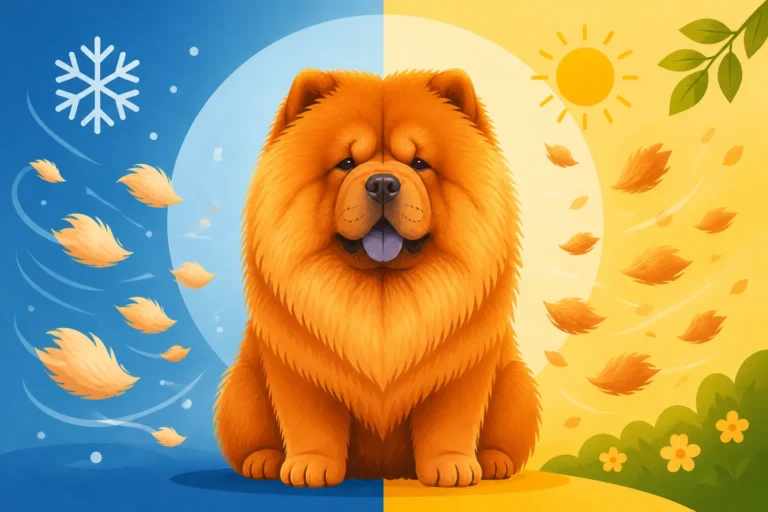
The Chow Chow's undercoat is constantly shedding, especially during their "coat blows" – those twice-yearly periods where they shed a truly astonishing amount of fur. But even outside of these major events, there's a continuous turnover of dead undercoat. If this dead fur isn't thoroughly removed, it gets trapped within the existing coat. This trapped fur is the primary culprit behind matting. It clumps together, especially when damp, and creates dense, painful knots that pull on the skin.
Think of it like a thick carpet that hasn't been vacuumed in months; all the loose fibers eventually become embedded and tangled. Removing this dead undercoat allows new, healthy fur to grow in, promotes better air circulation to the skin, and significantly reduces the risk of matting. It also helps your Chow Chow regulate their body temperature more effectively, which is particularly vital for a breed already susceptible to overheating.
Why Grooming Helps Temperature Regulation
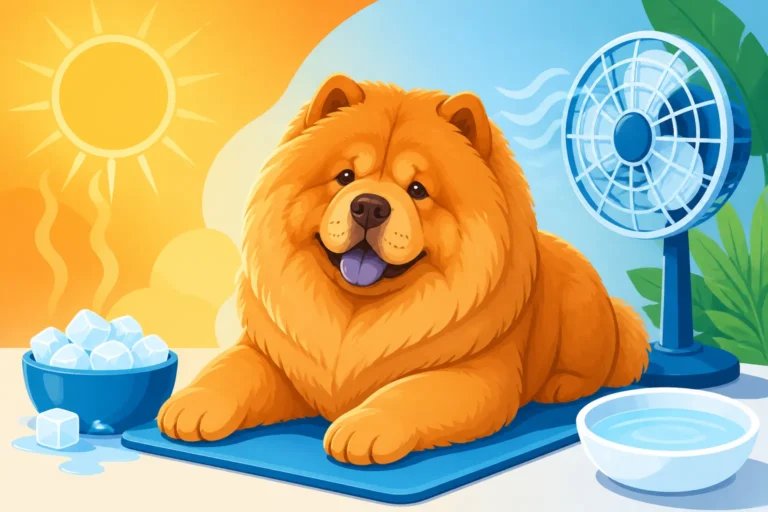
It seems counterintuitive, doesn't it? That such a heavily coated dog needs grooming to stay cool. But it's absolutely true. A thick, matted undercoat acts as a suffocating blanket. While the double coat is designed to insulate against both cold and heat by trapping a layer of air, this system only works when the coat is clean, free of mats, and properly aerated. When dead undercoat builds up and mats form, it disrupts this natural insulation. The dense, felted fur prevents air from circulating close to the skin, trapping heat rather than allowing it to dissipate.
By thoroughly brushing your Chow Chow’s mane and the rest of their body, you're removing that excess, dead undercoat. This allows air to flow more freely through the coat, reaching the skin and helping your dog to cool down more efficiently. It's similar to how a well-ventilated attic stays cooler in summer. While a Chow Chow will always struggle in extreme heat, particularly with their short muzzle, diligent grooming is one of the most effective ways you can support their natural cooling mechanisms and help prevent them from overheating. It's a key part of Getting a Chow Chow Through an American Summer.
Essential Tools for Tackling the Chow Chow Mane
You wouldn't try to build a house with a butter knife, right? The same logic applies to grooming a Chow Chow's magnificent, dense mane. Using the wrong tools, or trying to make do with inadequate ones, is a surefire way to get frustrated, hurt your dog, and ultimately fail to get down to the skin. Investing in the right grooming equipment is not an expense; it's an absolute necessity for anyone committed to keeping their Chow Chow comfortable and healthy.
The Power of a High-Quality Slicker Brush
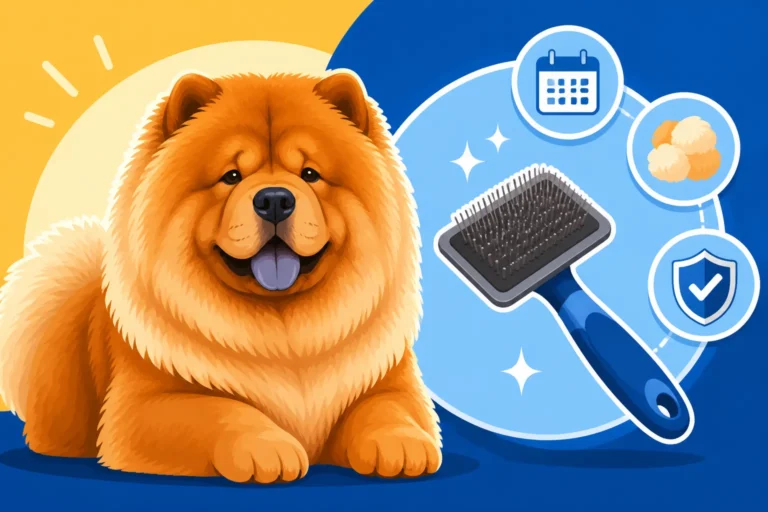
If there's one tool you absolutely cannot scrimp on when grooming a Chow Chow, it's a good quality slicker brush. Forget those flimsy, cheap ones you might find at the grocery store; they simply won't penetrate the Chow's dense coat. A proper slicker brush for a Chow Chow will have densely packed, fine wire pins that are slightly bent at the tips. The key is that these pins are strong enough to separate the undercoat but flexible enough not to scratch the skin.
When used correctly, a slicker brush is invaluable for removing loose undercoat and teasing out smaller tangles. It's designed to lift the undercoat away from the skin, allowing you to get a better reach. You'll want to look for one with an ergonomic handle for comfort, as you'll be spending a fair bit of time holding it. Brands like Chris Christensen or similar professional-grade tools found on sites like Chewy or Amazon often offer the durability and effectiveness needed for a Chow Chow's coat. Remember, you're not just brushing the top; you're working these pins through the layers, gently.
Why a Metal Comb is Your Best Friend
While the slicker brush does the heavy lifting, the unsung hero of Chow Chow grooming is undoubtedly the metal comb. Specifically, you'll want a sturdy, stainless steel comb with both wide-set and fine-set teeth. This isn't just for looking fancy; it serves a crucial purpose: confirming that you've actually brushed down to the skin and removed all tangles.
After using your slicker brush on a section, you follow up with the metal comb. Start with the wide-set teeth. If the comb glides smoothly from the skin all the way through to the ends of the fur, you've done a good job. If it snags, you know there's still a tangle or dead undercoat lurking there, and you need to go back with your slicker. The finer-toothed side can then be used for checking areas where the hair is particularly dense or fine, like behind the ears or along the edges of the ruff. This comb is your quality control, your assurance that no mat is left behind. It's also fantastic for breaking apart small knots before they become major problems. Many experienced Chow Chow owners will tell you that the comb is the ultimate indicator of a truly brushed coat – if the comb can't get through, neither can anything else. This comb is vital for finding Which Comb Finds a Chow Chow's Mats.
Other Helpful Grooming Gadgets
Beyond the slicker and comb, a few other tools can make your life significantly easier when grooming your Chow Chow's mane:
- Undercoat Rake: While controversial for some breeds, an undercoat rake can be very effective for Chows during their heavy shedding periods. It has wider, blunt teeth designed to gently pull out loose undercoat without cutting the guard hairs. Use it with caution and a light hand, always ensuring you're pulling out dead fur, not tearing healthy coat. This tool is particularly useful when you're navigating Whether an Undercoat Rake Suits a Chow Chow.
- High-Velocity Dryer: If you're serious about home grooming, especially after baths, a high-velocity dryer is a game-changer. It blasts water out of the coat incredibly efficiently and, just as importantly, helps to 'blow out' loose undercoat. This significantly reduces drying time and makes brushing much easier. It's also wonderful during a coat blow to literally blast out tons of dead fur, saving your vacuum cleaner.
- Grooming Table with Arm: For larger, denser breeds like the Chow Chow, a grooming table provides a comfortable height for you and a stable surface for your dog. The grooming arm allows you to secure your Chow with a grooming loop, preventing them from wandering off during longer sessions and keeping them safe. This is especially helpful when you're trying to work precisely on the mane.
- Detangling Spray: A good quality detangling spray can make brushing a bit smoother, especially if you encounter a few stubborn knots. Spritz a little on the matted area before gently working it out with your fingers and then the comb. Look for products designed for dense coats, often available on pet supply sites like Chewy.
- Treats! And finally, don't forget the most important "tool" of all: high-value treats! Grooming can be a long process, and positive reinforcement is crucial to making it a tolerable, even enjoyable, experience for your Chow Chow.
The Step-by-Step Guide to Line Brushing the Mane
Okay, you've got your tools, you're mentally prepared, and your Chow Chow is hopefully in a cooperative mood. Now for the nitty-gritty: the actual process of line brushing that glorious, dense mane. This isn't a race; it's a marathon, and patience is your most valuable asset. The goal is thoroughness, not speed.
Preparing Your Chow Chow and Workspace
Before you even pick up a brush, a little preparation goes a long way in making the grooming session smoother for both of you. First, choose a quiet, calm environment where you won't be interrupted. A grooming table is ideal because it brings your Chow up to a comfortable working height and can help your dog understand that this is "work time." If you don't have a table, a non-slip mat on a sturdy surface will do. Ensure you have good lighting so you can clearly see what you're doing.
Next, give your Chow Chow a chance to relieve themselves and get some energy out. A tired dog is generally a more cooperative dog. Have all your tools laid out within easy reach: slicker brush, metal comb, detangling spray, and plenty of high-value treats. If your Chow tends to be fidgety, a grooming loop on a table or having a helper to offer treats and gentle reassurance can be invaluable. This preparation sets a positive tone and minimizes disruptions. When you're ready, place your Chow on the table or mat, give them a treat, and start with gentle strokes. Teaching a Chow Chow to Be Brushed effectively begins with this positive association.
Mastering the Art of Sectioning
This is the secret weapon for brushing a Chow Chow's mane down to the skin: sectioning. You cannot, I repeat, cannot effectively brush a Chow Chow's mane by simply attacking it all at once. It's too dense. You need to break it down into manageable segments, much like a stylist sections human hair for styling or coloring.
Start by gently parting the fur. For the mane, you'll want to work from the bottom (closer to the chest) upwards towards the head, and from the outside (shoulders) inwards towards the spine. Using one hand, part a thin section of fur, maybe an inch or two wide, horizontally or vertically, along your Chow's body. Hold this upper section of fur out of the way, either with your hand or by clipping it up with a large grooming clip. You are now looking at the skin and the very roots of the hair in the section you're about to brush. This exposes the undercoat that needs the most attention.
Brushing from the Skin Out, Layer by Layer
With your section isolated, it's time to brush. Take your slicker brush and begin brushing the exposed section, starting from the skin and working your way out to the ends of the hair. Use gentle, outward strokes. The key here is to lift the fur and ensure the pins of the slicker brush are indeed reaching the skin. You should be able to see the skin as you brush. Work in small, overlapping strokes, systematically covering the entire section.
Once you feel confident that you've thoroughly brushed that section with the slicker, take your metal comb. Run the comb through the same section, again starting from the skin and pulling all the way through to the ends. If the comb glides smoothly without snagging, you know that section is clear of tangles and dead undercoat. If it snags, go back with your slicker brush and repeat the process until the comb passes through easily. Only then do you drop a little more fur from the section you've been holding, create a new thin layer, and repeat the entire process. This method, working in small, controlled sections from the skin out, is what we call "line brushing," and it's the most effective way to groom a dense double coat like the Chow Chow's. It's the only way to genuinely know How to Line Brush a Chow Chow.
This process can be time-consuming, especially for the very dense mane, but it's incredibly effective. Be patient, take breaks if your Chow Chow gets restless, and offer treats and praise frequently. You'll be amazed at how much dead undercoat you remove and how soft and fluffy their mane becomes when it's properly brushed.
Special Attention to Common Matting Zones in the Mane
While the entire mane is susceptible to matting, certain areas are notorious hotspots. These zones often experience more friction, are harder to reach, or have particularly fine, delicate undercoat that felts easily. Giving these specific areas extra attention during your grooming sessions can save you a lot of headache and your Chow Chow a lot of discomfort.
Behind the Ears: The Sneaky Mat Magnets
Ah, behind the ears – the bane of many a Chow Chow owner's existence. The fur here is often finer, softer, and more prone to tangling than the harsher outer coat elsewhere. Add to that the constant movement of the ears, which creates friction, and you have a perfect recipe for mats. These mats often start small and can quickly become incredibly tight and painful, pulling on the delicate skin around the ears. They're also often out of sight, out of mind, until they're a significant problem.
When line brushing, make sure you really isolate the fur behind the ears. Gently hold the ear forward or back to fully expose the area. Use the fine-toothed side of your metal comb here, as well as the slicker, to carefully work through any tangles. Be extra gentle, as the skin here is quite sensitive. Regular, even daily, spot checks behind the ears can prevent these "sneaky mats" from ever becoming serious issues. This area is often the first place Where a Chow Chow Mats First.
Under the Chin and Along the Jawline: The Dribble Zone
The fur under your Chow Chow's chin and along their jawline is another high-traffic area that often gets overlooked. This area is frequently subjected to moisture from drinking, food residue, and general dribbling (especially after a good drink of water!). Damp fur is much more prone to matting, and the constant friction against their chest or against the floor when they lie down exacerbates the problem.
When grooming, gently lift your Chow Chow's head to get a clear view of the fur under the chin and along the throat. Use your slicker brush and metal comb to carefully work through these hairs, ensuring no damp or sticky residue is causing tangles. Pay attention to the very base of the jaw where the mane meets the shorter fur of the neck. Regular wiping of this area after meals or drinks, perhaps with a damp cloth, can also help prevent moisture-related mats.
The Collar Line: A Friction Hotspot
Almost every Chow Chow wears a collar, whether for walks or ID tags, and while necessary, collars are also major contributors to mane matting. The constant rubbing and compression of the collar against the fur create significant friction, leading to tangles and felted areas right along the collar line. If the collar is too tight or too loose, the problem can be even worse.
During your line brushing routine, pay meticulous attention to the fur directly under and around where the collar sits. You might need to temporarily remove the collar to get full access. Brush thoroughly through this area, checking with your metal comb to ensure no compressed or matted fur remains. Consider using a wider, flatter collar, or a harness for walks, which might distribute pressure more evenly and reduce friction on the most vulnerable parts of the mane. If you use a harness, remember to check the friction points there too. Regular collar rotation or removing the collar when your Chow is relaxing at home can also help alleviate constant pressure on the fur.
Dealing with Mats and Tangles in the Mane
Even with the most diligent grooming, an occasional mat or stubborn tangle can develop in a Chow Chow's mane. These can be alarming and frustrating, but approaching them with patience and the right technique is crucial to avoid causing pain or damaging the coat. Your goal is always to detangle gently, never to rip or cut blindly.
Gentle Detangling Techniques
When you encounter a mat, your first instinct might be to pull or cut it out. Resist that urge! Instead, arm yourself with a detangling spray (often available at pet stores or online, like on Amazon), your metal comb, and your slicker brush. Start by isolating the mat; gently separate it from the surrounding healthy fur to avoid pulling unnecessary hair.
Spritz the mat lightly with detangling spray, allowing it to penetrate for a moment. Then, instead of trying to comb through the entire mat, work from the outside edges of the mat inwards, and from the ends of the hair towards the skin. Use the teeth of your metal comb (starting with the wider teeth) or even just your fingers to gently pick apart the mat, strand by tiny strand. Imagine you're unweaving a knot, rather than tearing through it. It’s a slow, painstaking process. Once you’ve loosened the outer edges, you can gradually work deeper into the mat. Use very short, light strokes with the slicker brush on the loosened sections. If the mat is particularly dense, you can hold the fur at the base of the mat with one hand to minimize pulling on the skin while you work with the other. This prevents discomfort for your Chow Chow. Remember, little by little, you'll get there.
When to Consider Shears (and When Not To)
Sometimes, despite your best efforts, a mat is just too tight, too dense, or too close to the skin to be safely picked apart. In these situations, controlled cutting might be necessary. However, this is where extreme caution is advised. Never, ever use sharp scissors or shears blindly. The skin of a Chow Chow is often incredibly thin and can be pulled up into a tight mat, making it dangerously easy to accidentally cut your dog.
If you absolutely must use shears, always use blunt-nosed grooming scissors. Slide a metal comb under the mat, between the mat and the skin. This acts as a protective barrier. Then, carefully cut above the comb, snip-snip-snip, into the mat in several places. This breaks the mat into smaller, more manageable sections, which you can then try to pick apart using your detangling spray and comb. Never try to cut an entire mat out in one go, especially if it’s close to the skin. If you can't get a comb under it, don't cut it. It's safer to leave it and seek professional help. Remember, the goal is always to prioritize your Chow's safety and comfort.
Professional Help for Severe Matting
There are times when a mat is simply beyond your home grooming capabilities, and there is absolutely no shame in admitting that. Severe, dense mats, especially those that are tight against the skin or cover large areas, are best handled by a professional groomer or your veterinarian. Trying to tackle these at home can cause significant pain, stress, and even injury to your Chow Chow.
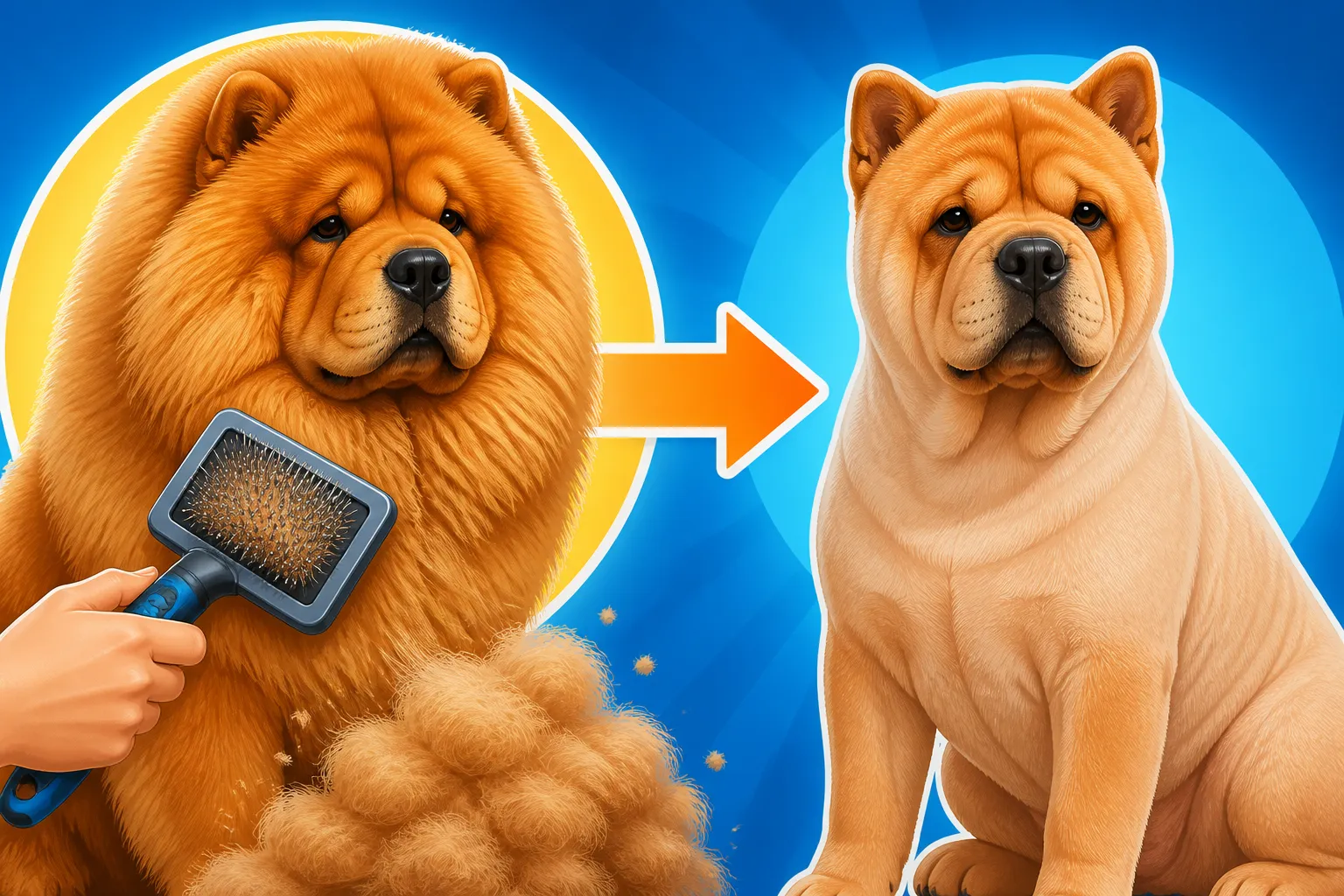
A professional groomer has specialized tools, techniques, and the experience to safely remove even the toughest mats. They might use clippers with various blade lengths to carefully shave under the mat, protecting the skin. Be prepared that if your Chow Chow is severely matted, the groomer might recommend a full shave down to prevent further discomfort and to allow the skin to breathe and heal. While this can be a shock to see your lion-like Chow Chow suddenly looking like a sleek otter, it's often the kindest and healthiest option. A matted Chow Chow in severe pain is far worse than a short-haired one. Discuss these options openly with your chosen professional groomer. It's an investment in your Chow's health and happiness.
Maintaining Mane Health Between Deep Brushes
A Chow Chow's mane, as we've established, is a full-time commitment. While a thorough, deep line brushing session might take a significant chunk of your time, maintaining its health doesn't mean you need to dedicate hours every single day. It's about consistent, smaller efforts that prevent major problems from forming, making those deeper grooming sessions much easier in the long run.
Daily Spot Checks and Quick Brushes
Think of this as preventative maintenance. You don't wait for your car to break down to check the oil, do you? Similarly, you shouldn't wait for mats to form before addressing your Chow's mane. A quick 5-10 minute session each day, or every other day, can make a world of difference. Focus on the notorious matting zones we discussed: behind the ears, under the chin, and along the collar line.
Use your metal comb to quickly check these areas. If you find any small tangles, gently work them out immediately with your fingers and a spritz of detangling spray. A light pass with your slicker brush over the entire mane can also help remove any surface debris and loose hairs before they have a chance to migrate deeper and form mats. This daily habit prevents small knots from becoming enormous, painful mats, making your deeper grooming sessions less daunting and more comfortable for your Chow. It's also an excellent way to bond with your dog and quickly identify any new bumps, scrapes, or skin irritations that might be hiding under their dense coat.
The Importance of Regular Baths and Proper Drying
Bathing a Chow Chow isn't a quick dip in the tub; it's an undertaking, but it's vital for mane health. Regular baths, typically every 4-6 weeks depending on activity and environment, help remove dirt, allergens, and loose undercoat. A clean coat is less likely to mat. However, bathing without proper technique can actually cause matting.
Before bathing, always perform a thorough brushing session to remove as much dead undercoat and as many tangles as possible. Never wash a matted Chow Chow; water will only tighten the mats, making them nearly impossible to remove. Use a good quality dog shampoo and conditioner, working it gently into the coat, rather than scrubbing vigorously, which can create tangles. The real key, though, is drying. A Chow Chow's double coat takes a long time to dry naturally, and leaving the undercoat damp is a recipe for severe matting and skin issues like hot spots. You must dry your Chow Chow thoroughly, down to the skin. A high-velocity dryer is incredibly beneficial for this, literally blasting water out and helping to separate the hair shafts, making brushing easier. If air-drying, ensure your Chow is in a warm, well-ventilated area and brush them frequently as they dry to prevent mats. It really does take How Long a Chow Chow Takes to Dry.
Nutrition for a Healthy Coat
While external grooming is paramount, what goes into your Chow Chow's body also plays a significant role in the health and manageability of their coat. A well-nourished Chow Chow will generally have a healthier, stronger coat with less breakage, which can reduce the tendency to mat. Think of it as building a strong foundation.
Ensure your Chow Chow is on a high-quality dog food appropriate for their life stage and activity level. Look for ingredients that support skin and coat health, such as omega-3 and omega-6 fatty acids. Many premium dog foods, like those you might find from Ollie, incorporate these. These essential fatty acids contribute to a shiny, healthy coat and supple skin. Supplements like fish oil (under veterinary guidance) can also be beneficial for some Chows, adding extra omega fatty acids to their diet. A healthy coat is more resilient, sheds more cleanly, and is generally easier to brush through. If you notice a dull coat, excessive shedding (outside of coat blows), or brittle hair, it might be worth discussing your Chow's diet with your vet to see if nutritional adjustments are needed.
Common Mane Mistakes to Avoid
Grooming a Chow Chow’s mane is a skill that develops over time, and like any skill, there are common pitfalls that new (and even experienced) owners can fall into. Avoiding these mistakes is just as important as knowing the right techniques, as they can lead to frustration, coat damage, and even harm to your beloved dog.
The Dangers of Superficial Brushing
This is arguably the most common and damaging mistake Chow Chow owners make. As we discussed earlier, running a brush over the top layer of the mane might make it look neat, but it does absolutely nothing for the dense undercoat beneath. This is "surface brushing," and it's a slow-motion disaster.
The danger lies in the false sense of security it provides. You think you're grooming your Chow, but in reality, the dead undercoat is accumulating, compacting, and matting closer and closer to the skin. By the time you realize there's a problem, the mats are often severe, painful, and difficult, if not impossible, to remove without professional help. Superficial brushing actively hides the problem until it's a crisis. Always remember: if your brush isn't getting down to the skin, you're not brushing effectively. This is why Why a Slicker Alone Will Not Reach a Chow Chow's Skin is a critical lesson.
Why Shaving the Mane is Never the Answer
It can be incredibly tempting, especially in warmer months or when faced with a heavily matted mane, to think about shaving your Chow Chow. After all, won't it be cooler and easier to manage? The answer, unequivocally, is no. Shaving a Chow Chow's double coat, particularly the mane, is almost universally discouraged by reputable breeders and groomers, and for very good reason.
Firstly, the double coat is designed for insulation – both from cold and heat. Shaving removes this natural protection, leaving their delicate skin exposed to sunburn and making them less efficient at regulating their body temperature, not more. Secondly, shaving can permanently damage the unique structure of the double coat. The harsh guard hairs often grow back much softer, coarser, or in patches, while the undercoat can come back even denser and more prone to matting, leading to a condition known as "post-clipping alopecia" or "clipper alopecia." It takes a very long time, sometimes years, for the coat to potentially recover its original texture and density, if it ever does. While a severely matted Chow may require shaving by a professional for health reasons, it should never be a casual choice for maintenance or cooling. You can read more about Why a Chow Chow Must Never Be Shaved.
Ignoring Warning Signs of Skin Issues
A Chow Chow's dense mane is like a beautiful, fluffy curtain, and unfortunately, it's very good at hiding problems. Ignoring subtle signs of discomfort or skin issues can allow minor problems to escalate into serious health concerns. Your Chow Chow is also naturally stoic and may not overtly show pain until a condition is quite advanced.
During your grooming sessions, always pay attention to what you see and feel. Are there any red patches, scabs, bumps, or flaky skin? Is your Chow reacting negatively to being touched in a particular spot, indicating tenderness or pain? Are you noticing any unusual smells coming from the coat or skin, which could signal an infection? Is there excessive itching or licking in the mane area? These are all warning signs that something might be amiss. Early detection is key to effective treatment. If you spot anything concerning, don't hesitate to consult your veterinarian. Their dense coats mean you have to be extra vigilant, as Why a Chow Chow's Dense Coat Hides Skin Disease is a constant challenge.
Making Grooming a Positive Experience
Let's be honest, grooming a Chow Chow's mane can be a wrestling match if not approached correctly. They are an independent, often stubborn breed, and forcing them through an uncomfortable experience is a recipe for disaster, making future sessions even harder. The key is to make grooming as positive, calm, and predictable as possible, turning it into a bonding experience rather than a dreaded chore.
Starting Early with Puppy Conditioning
The absolute best time to start conditioning your Chow Chow for grooming is when they are a puppy. Their socialization window is wide open, and they are generally more accepting of new experiences. Even before their full coat comes in, get them used to being handled all over their body – their paws, ears, tail, and especially the neck and chest area where the mane will grow.
Introduce grooming tools slowly. Let them sniff the slicker brush and comb, then gently touch their coat with it, immediately followed by a high-value treat and praise. Keep these early sessions very short, just a few minutes, focusing on positive reinforcement. Gradually increase the duration and intensity as they become more comfortable. The goal is to create a positive association: "Grooming means good things happen!" This early exposure is crucial because a Chow Chow who learns to tolerate (or even enjoy!) grooming as a puppy will be a much easier adult to work with. Whether a Chow Chow Puppy Should Visit the Groomer Early is a question many new owners ask, and the answer is a resounding yes for desensitization!
Positive Reinforcement and Patience
Chow Chows respond far better to cooperation than coercion. They aren't the kind of dog you can physically force into submission for grooming without potentially damaging your bond and risking defensive behavior. Positive reinforcement is your superpower. Every time your Chow Chow tolerates a brush stroke, sits calmly, or allows you to work on a tricky spot, reward them with a treat, verbal praise, or a gentle pet in an area they enjoy.
Break up grooming sessions into manageable chunks. If your Chow Chow gets fidgety or shows signs of stress (lip licking, yawning, turning away, tensing up), take a short break. Walk them, let them shake it off, then try again. Patience is absolutely paramount. Rushing or getting frustrated will only make your Chow Chow associate grooming with negativity, making them more resistant next time. If a particular tool or area causes anxiety, revert to simpler steps and build up again. Remember, you're building trust and a routine, not just brushing fur. Your Chow Chow will quickly learn that cooperation leads to rewards and a pleasant interaction. This strategy is also useful in Teaching a Chow Chow to Accept a Dryer.
Reading Your Chow Chow's Cues
Chow Chows are not known for being overtly expressive, but they do give subtle cues about their comfort levels. Learning to read these signals is vital for safe and positive grooming sessions. Signs of discomfort can include:
- Lip licking or yawning: Often displacement behaviors indicating mild stress.
- Turning their head away or avoiding eye contact: A signal they're trying to disengage.
- Tensing their body: A clear sign of discomfort or anxiety.
- Low growl or stiffening: Stronger warnings that you need to stop or back off.
- Swatting with a paw: A request for you to stop touching them in that spot.
If you observe these cues, especially the stronger ones, immediately stop what you're doing, reassess your approach, and give your Chow Chow a moment. Try a less invasive stroke, switch to a different area, or take a short break. Pushing past these warnings can lead to a bite, not because your Chow is "mean," but because you've ignored their attempts to communicate their discomfort. Understanding their body language builds trust and makes grooming a cooperative effort. When you respect their boundaries, they are far more likely to tolerate the necessary handling. Knowing How to Read a Chow Chow's Face and body language is an indispensable part of responsible Chow Chow ownership.
| Grooming Tool | Primary Use for Mane | When to Use | Why It's Essential |
|---|---|---|---|
| Slicker Brush | Removing loose undercoat, teasing out smaller tangles | During every deep line brushing session | Penetrates dense undercoat, separates hairs, lifts debris |
| Metal Comb | Checking for mats, breaking apart small knots | After slicker brushing each section, daily spot checks | Confirms skin-deep brushing, finds hidden tangles, invaluable for delicate areas like behind ears |
| Undercoat Rake | Expediting removal of shedding undercoat | During heavy coat blows (use with caution) | Efficiently pulls out dead, loose undercoat, reduces bulk |
| High-Velocity Dryer | Speeding up drying, blowing out loose fur | After baths, during coat blows, to help lift fur for brushing | Prevents matting from dampness, aids in removing significant amounts of dead hair, reduces grooming time |
| Detangling Spray | Loosening stubborn tangles and mats | When encountering knots that are difficult to comb through | Lubricates hair strands, makes mats easier to pick apart without breakage or pain |
| Blunt-Nosed Shears | Carefully cutting into severely matted areas | Only when mats cannot be detangled (use as last resort, with extreme care) | Breaks large mats into smaller pieces for easier removal; never for general trimming or cutting entire mats out |
Disclaimer
This article is for general informational purposes only and does not constitute professional advice. Laws, prices and regulations vary by location and change over time. Consult a qualified professional for guidance on your specific situation.