Han Dynasty Pottery Shows a Dog That Looks Like a Chow Chow
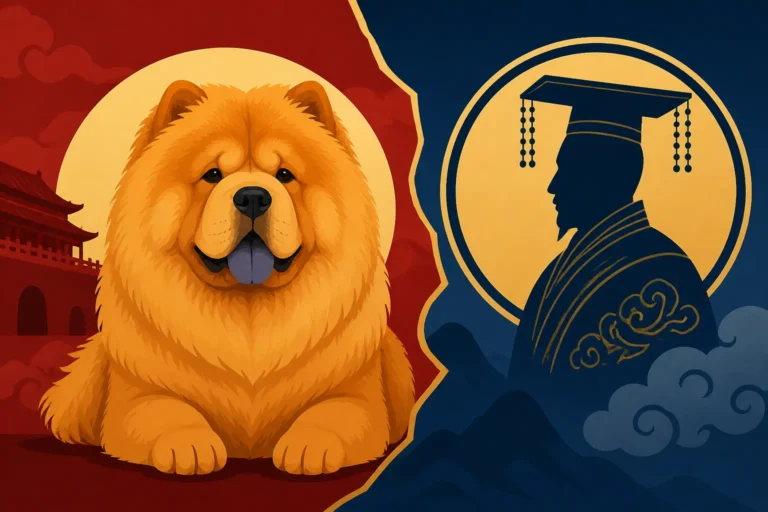
It’s easy to feel a disconnect from our beloved Chow Chows when we think about their ancient origins; the idea of a dog from "ancient times" can feel abstract, shrouded in mystery and legend. You want to understand the tangible proof, to truly grasp just how far back your furry friend's lineage stretches. This guide aims to bridge that gap, diving deep into the fascinating evidence found in Han Dynasty pottery that clearly depicts dogs bearing a striking resemblance to the Chow Chow we know and love today, offering a concrete link to their millennia-old past.
Tracing the Chow Chow's Deep Roots
The journey of the Chow Chow is not just a few centuries old; it stretches back into the mists of antiquity, making it one of the world's oldest and most enigmatic breeds. When you look at your Chow Chow, with their distinctive scowl, lion-like mane, and unique gait, you’re looking at a living piece of history. But how do we know this? How do we verify claims of such ancient lineage beyond mere folklore? The answer lies in the archaeological record, specifically in the artifacts left behind by civilizations long past.
The Enigma of Ancient Breeds
Many dog breeds boast ancient origins, but concrete proof can often be elusive. Claims sometimes rest on oral tradition, ambiguous artistic depictions, or historical texts that could refer to a variety of dog types. This lack of definitive evidence can be frustrating for enthusiasts who want to truly understand their breed's heritage. For a breed like the Chow Chow, whose very appearance seems to whisper of bygone eras, having solid evidence is incredibly important. It gives depth and meaning to their unique characteristics and helps us appreciate their resilience through time. We often wonder, when we hear stories of ancient dogs, what they truly looked like, how they lived, and if they were really anything like our modern companions. This search for tangible connections is what drives many of us to delve into history.
Bridging the Gap: From Ancient Times to Today's Chow Chow
The beauty of archaeological finds is that they provide a physical, undeniable link to the past. They allow us to move beyond speculation and see, often quite literally, the ancestors of our modern dogs. For the Chow Chow, this connection is particularly strong because of its distinctive physical traits—traits that are easily recognizable even in ancient art. Unlike many breeds that have undergone significant changes due to selective breeding in more recent centuries, the Chow Chow seems to have retained much of its original form. This consistency is part of what makes the Han Dynasty pottery so compelling: the dogs depicted share so many visual cues with today's Chows that the connection becomes almost undeniable. It's a powerful thought, realizing that the shape of your dog's head or the curl of its tail has been preserved for thousands of years. It truly helps us understand How Far Back the Chow Chow Is Recorded in China.
The Han Dynasty: A Glimpse into Ancient China
To understand the significance of these ancient depictions, we first need to appreciate the context in which they were created. The Han Dynasty (roughly 206 BCE to 220 CE) was a pivotal period in Chinese history, often considered a golden age of stability, prosperity, and cultural flourishing. It was a time of remarkable advancements in art, science, and governance, leaving behind a rich legacy that profoundly shaped Chinese civilization.
Life and Culture in the Han Dynasty
Life during the Han Dynasty was incredibly vibrant and complex. Cities bustled with trade, scholarship flourished, and intricate social hierarchies defined daily interactions. People engaged in a variety of activities, from farming and craftsmanship to scholarly pursuits and military service. The Han court was a center of power and luxury, but life for the common people was also marked by a deep connection to their land and their traditions. Art and craftsmanship were highly valued, and funerary practices, in particular, led to the creation of countless artifacts intended to accompany the deceased into the afterlife. These grave goods, ranging from practical items to elaborate sculptures, provide an invaluable window into the Han worldview, beliefs, and daily routines, including their relationships with animals.
The Role of Animals in Han Society and Art
Animals held significant importance in Han Dynasty society. They were companions, working partners, symbols of status, and even spiritual guides. Horses were crucial for transportation and warfare, oxen for agriculture, and pigs and chickens for sustenance. Dogs, however, occupied a special place. They were valued for their protective instincts, their hunting abilities, and their loyalty. It wasn't uncommon for dogs to be buried with their owners, or for ceramic figures of dogs to be placed in tombs, ensuring the deceased would have faithful companions and guardians in the spirit world. These burial figures, known as mingqi, were not just decorative; they were believed to be imbued with life-giving energy, acting as substitutes for real animals and servants. This widespread practice of creating mingqi is precisely why we have such a rich visual record of the dogs that lived during this era. They show us that the bond between humans and dogs is truly ancient, transcending cultures and millennia.
Unearthing the Evidence: Chow Chow-like Figures in Han Pottery
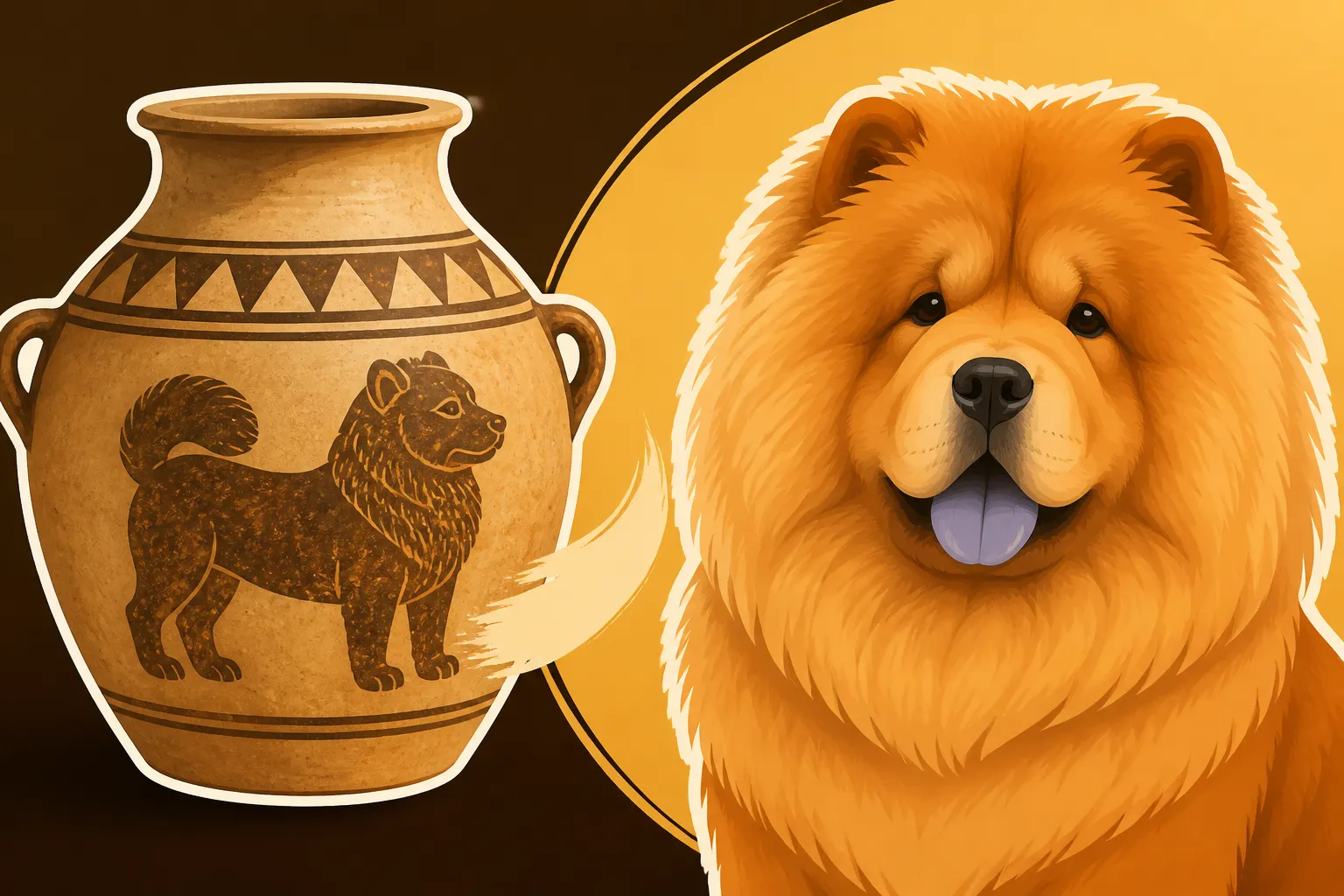
Among the myriad of mingqi unearthed from Han Dynasty tombs, certain dog figures stand out due to their unmistakable resemblance to the modern Chow Chow. These ceramic sculptures are not generic dog shapes; they possess specific, defining characteristics that immediately evoke the breed.
Distinctive Features on Clay Figures
When archaeologists discovered these pottery dogs, they noticed features that were far too specific to be coincidental. Many of these ancient clay figures exhibit the dense, fluffy double coat that is a hallmark of the Chow Chow. You can see the characteristic "ruff" or mane around the neck, giving them a lion-like appearance. Their snouts are often broad and relatively short, and their eyes are deep-set, sometimes giving the impression of the classic Chow Chow scowl. The tail is frequently depicted curled tightly over the back, another signature trait. Even the overall sturdy, compact build, with strong bones, aligns perfectly. These aren't just "fuzzy dogs"; they are recognizably Chows, even down to subtle anatomical details. It's truly fascinating how artists thousands of years ago managed to capture these distinct traits so accurately. What Han Dynasty Bas Reliefs Show confirms these visual attributes extend beyond just pottery.
The Significance of the "Furry Dog" Depictions
The consistent depiction of these specific traits across numerous finds from different Han Dynasty sites strongly suggests that this was a recognized and distinct type of dog. It wasn't just an artistic flourish; it was an attempt to represent a particular kind of canine that was common and valued enough to be included in funerary assemblages. The presence of such detailed "furry dog" figures indicates that these dogs played a significant role in Han society, whether as guardians, hunting companions, or simply cherished pets. The fact that their physical form has remained so consistent over millennia also suggests a certain stability in their breeding and function. If their appearance had changed dramatically, it would be much harder to draw such a clear line from ancient pottery to today's living breed. It offers compelling evidence that The Chow Chow Is One of the Oldest Breeds in the World.
| Feature | Ancient Han Pottery Depictions | Modern Chow Chow Characteristics |
|---|---|---|
| Coat | Dense, fluffy, often with ruff | Dense double coat, prominent ruff |
| Muzzle | Broad, relatively short | Broad, deep, moderately short muzzle |
| Eyes | Deep-set | Deep-set eyes, characteristic "scowl" |
| Tail | Curled tightly over the back | Carried curled over the back |
| Build | Sturdy, compact, strong-boned | Square, compact, powerful |
| Overall Impression | Lion-like, dignified | Lion-like, dignified, aloof |
What These Sculptures Tell Us About the Breed's Early Purpose
The details captured in Han Dynasty pottery figures go beyond mere appearance; they also hint at the roles these ancient Chow Chow-like dogs fulfilled in society. These were not simply decorative animals; they were integrated into the daily lives and functions of the people.
Guard Dogs and Companions
Many of the pottery dogs are depicted in alert, watchful postures, often with heads held high and ears pricked. This suggests a primary role as guard dogs, vigilant protectors of homes, families, and property. Their sturdy build and formidable appearance, even in clay, would have made them ideal for deterring intruders. It's easy to imagine these dogs standing watch outside a Han homestead, their deep barks warning of approaching strangers. This guarding instinct is, of course, a trait still deeply ingrained in the modern Chow Chow, known for its reserved nature and keen awareness of its surroundings. They bonded fiercely with their primary family members, but remained wary of outsiders, a behavior that resonates strongly with the Chow Chow's tendency to bond deeply to one person and be reserved with others. This strong guarding instinct also speaks to why some sources suggest Whether the Chow Chow Was Called a Bear Dog – a testament to their imposing presence.
Beyond guarding, these dogs were also undoubtedly companions. The inclusion of dog figures in tombs speaks to the affection and respect people held for them, desiring their presence even in the afterlife. They would have offered loyalty and comfort, albeit perhaps in a more independent and less overtly demonstrative manner than some other breeds. The idea that such dignified creatures shared their lives with humans for so long is truly heartwarming, showing that the human-animal bond is ancient.
Hunting and Utility Roles
While their guarding abilities are clear, historical records and the breed's physical attributes also point to other utility roles. The Chow Chow's powerful build and robust constitution would have made them excellent hunting partners. Ancient Chinese texts, which sometimes refer to the breed by names like "Songshi Quan" (puffy-lion dog) or "Tang Quan" (Dog of Tang), describe them as capable of hunting pheasant, deer, and even wolves. Their dense coat would have provided excellent protection against the elements, making them suitable for working in various terrains and climates. What a Chow Chow Hunted in China further elaborates on these historical accounts.
These dogs weren't just about the hunt, however. Their strength and endurance also suggest they could have been used for hauling small carts or carrying packs, especially in rugged areas. While not typically thought of as draft dogs in the same vein as larger Northern breeds, their compact power would have made them versatile utility animals. They were truly multi-purpose, valuable assets to their human families. This versatility is often overlooked when we consider their stoic demeanor, but it’s a crucial part of their ancient heritage.
Connecting the Past to the Present: Enduring Chow Chow Traits
The remarkable consistency between the dogs depicted in Han Dynasty pottery and today's Chow Chows isn't just a fascinating historical tidbit; it offers profound insights into the breed's enduring nature. It highlights how certain physical and behavioral traits have been preserved through careful breeding, accident, or simply their intrinsic utility.
Physical Characteristics That Persist
The physical features observed in Han Dynasty art are, quite astonishingly, still the defining characteristics of the Chow Chow today. The prominent ruff, the deep-set eyes, the broad skull, the lion-like expression, and the tail carried high over the back are all present. Even the unique stilted gait, a result of their distinct straight rear leg, is implied by the sturdy, almost stiff posture often seen in the ancient figures. These are not merely superficial resemblances; they are fundamental aspects of the breed's structure and appearance that have been passed down through countless generations. This longevity in physical type is rare and speaks volumes about the early importance and selective breeding of these dogs. What a Chow Chow Weighs and How Tall It Stands and The Straight Rear Leg No Other Breed Has highlight some of these unique physical traits. When you consider a modern Chow Chow, perhaps looking for pet supplies on Chewy, it's incredible to think that dogs just like them were around when people were making pottery.
Behavioral Echoes Across Millennia
Beyond the physical, the ancient roles of guarding and companionship suggest behavioral patterns that are still evident in Chow Chows today. Their reserved and somewhat aloof nature, their strong protective instincts, and their tendency to bond deeply with one or two individuals while remaining indifferent to strangers are all qualities that would have been highly valued in a guardian animal. This selective affection and inherent wariness are not quirks; they are deeply ingrained behaviors developed over centuries of fulfilling specific functions. Understanding this helps us appreciate why a Chow Chow behaves the way it does, rather than misunderstanding their dignified independence as unfriendliness. They were bred to be watchful and discerning, not necessarily to be effusively friendly with everyone they met. This historical context provides a crucial lens through which to understand How Aloof a Chow Chow Really Is and The Chow Chow Bonds to One Person and Tolerates the Rest.
Beyond Pottery: Other Historical Mentions and Theories
While Han Dynasty pottery provides undeniable visual evidence, the Chow Chow's history is also illuminated by other ancient sources and ongoing scientific inquiry. These broader perspectives help complete the picture of a truly ancient and influential breed.
Early Chinese Texts and Records
Historical Chinese literature, though sometimes less direct than visual art, also offers glimpses of dogs that could well be Chow Chows. Descriptions of "puffy-lion dogs" or "bear dogs" (a potential reference to Whether the Chow Chow Was Called a Bear Dog) appear in various texts, often noting their formidable appearance and loyal nature. These written accounts, alongside the visual evidence, suggest that a dog with the Chow Chow's distinctive characteristics was a known and valued part of Chinese society for a very long time. They weren't just wild dogs; they were dogs of note, worthy of mention in historical records. This linguistic evidence supports the idea that the breed was well-established. We can also see how Which Chinese Names the Chow Chow Has Carried reflect their appearance and perceived role.
Debates on Ancestry and Migration
Modern scientific research, particularly DNA analysis, has further solidified the Chow Chow's ancient status, placing it among the oldest dog breeds. Genetic studies suggest that the Chow Chow is one of the breeds most closely related to wolves, indicating a very early divergence from the ancestral canine lineage. This scientific evidence complements the archaeological findings, providing a biological confirmation of what the pottery figures hint at. There are also theories about the breed's migration, with some suggesting their ancestors may have traveled with nomadic tribes from Mongolia, eventually settling in China and evolving into the distinct breed we recognize. This rich tapestry of historical and scientific data paints a comprehensive picture of a breed with deep, fascinating roots. What DNA Says About the Chow Chow's Age provides more detail on this genetic link.
The Journey to the West and Modern Recognition
For centuries, the Chow Chow remained largely within China, a treasured national breed. It wasn't until relatively recent history that they began their journey to the Western world, captivating enthusiasts and eventually achieving international recognition.
The Chow Chow's Arrival in Europe
The first significant introduction of Chow Chows to Europe occurred in the late 18th century, primarily through British traders and explorers returning from China. Accounts from these travelers often described a unique, lion-like dog with a blue-black tongue – a trait that still fascinates people today. It was initially seen as an exotic curiosity, often displayed in menageries or private collections. However, it wasn't until the late 19th century that their popularity truly began to soar, especially after Queen Victoria acquired a Chow Chow, making the breed fashionable among the British aristocracy. How the Chow Chow Reached England explains this fascinating journey across continents. Imagine being one of those early Europeans, encountering such a distinctive dog for the first time!
Establishing the Breed Standard
As the breed gained popularity in the West, enthusiasts began working towards formal recognition and the establishment of a breed standard. This process involved defining the ideal physical characteristics and temperament traits that would be consistently bred for. The Kennel Club in England recognized the Chow Chow in the late 1800s, followed by the American Kennel Club (AKC) in the early 1900s. These official standards helped ensure the preservation of the breed's unique features, many of which echo back to those ancient Han Dynasty depictions. Today, a Chow Chow breeder still strives to produce dogs that embody this centuries-old standard, whether they're buying supplies from Chewy or attending dog shows. This formal recognition marked a new chapter for the ancient breed, bringing it into the modern world of dog breeding and showing. When the AKC Recognized the Chow Chow details this important milestone.
Preserving the Legacy: Why This History Matters Today
Understanding the Chow Chow's ancient history, from Han Dynasty pottery to modern-day DNA, is far more than an academic exercise. It profoundly impacts how we interact with, care for, and appreciate these remarkable dogs.
Understanding the Breed's Unique Nature
Knowing that your Chow Chow descends from dogs depicted thousands of years ago as watchful guardians helps you understand their reserved demeanor and independent spirit. It clarifies why they might not be the most effusive or easily trained dog, preferring to form deep bonds with a select few rather than being everyone's best friend. Their history explains their sometimes stubborn nature, their protective instincts, and their seemingly aloof charm. It's not rudeness; it's ancient wisdom and ingrained purpose. This historical context is invaluable for first-time Chow Chow owners, helping them set realistic expectations and build a stronger, more respectful relationship with their dog. When you see your Chow Chow surveying its yard, you're witnessing an echo of its ancient ancestors standing guard. This deep history informs everything, from Why the Chow Chow's Tongue Is Blue Black to its overall temperament.
Honoring a Millennia-Old Companion
Caring for a Chow Chow today is, in a way, participating in a living history. Every time you brush their dense double coat, take them for a measured walk, or respect their need for personal space, you are honoring a legacy that stretches back to ancient China. We, as modern owners, become custodians of this incredible heritage. Providing them with a balanced diet, perhaps from a trusted retailer like Chewy, ensuring they have appropriate exercise, and understanding their unique communication style are all ways we can uphold the dignity and tradition of this ancient breed. It’s a responsibility, but also an immense privilege, to share our lives with a dog whose ancestors walked alongside emperors and guarded ancient homes, their forms immortalized in clay, connecting us directly to a past that still breathes in every "puffy-lion dog" today.
Disclaimer
This article is for general informational purposes only and does not constitute professional advice. Laws, prices and regulations vary by location and change over time. Consult a qualified professional for guidance on your specific situation.