How Aloof a Chow Chow Really Is
Many prospective Chow Chow owners wonder if this beautiful, lion-like breed truly lives up to its reputation for being distant and uninterested. It's a common concern, often leading to misunderstandings and unrealistic expectations about canine companionship. This comprehensive guide will delve deep into the Chow Chow's unique personality, exploring what "aloofness" genuinely means in their world, how it manifests, and how to build a strong, respectful bond with these independent and dignified dogs.
Unpacking the Myth and Reality of Chow Chow Aloofness
The term "aloof" often carries a negative connotation, conjuring images of a dog that wants nothing to do with its family, preferring solitude over interaction. When applied to the Chow Chow, this perception can be particularly strong, leading some to believe they are cold, unemotional, or even unkind. However, the reality of Chow Chow aloofness is far more nuanced and, once understood, can be deeply appreciated by those who share their lives with these magnificent creatures. It's not a rejection of affection but a different expression of it, rooted in their ancient history and independent spirit.
What "Aloof" Truly Means for a Chow Chow
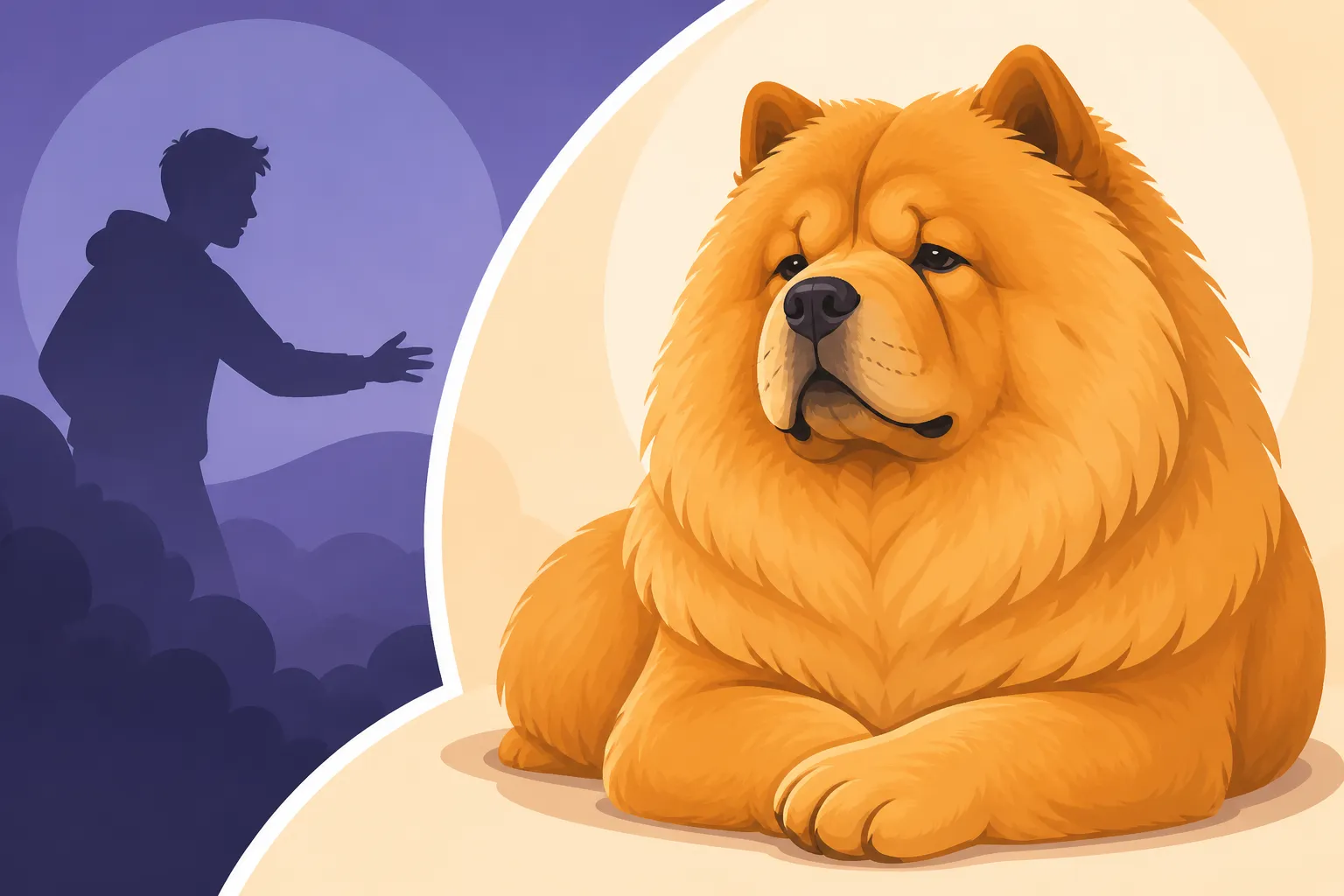
For a Chow Chow, "aloofness" generally describes a reserved, dignified, and independent demeanor. It means they aren't typically "velcro dogs" that follow your every step, nor are they usually exuberant greeters who jump and slobber all over every new person they meet. Instead, they observe, they consider, and they choose their moments for interaction. This isn't a sign of disinterest in their family, but rather a display of their self-possessed nature. They often prefer to be in the same room as you, perhaps on their own plush bed or a cool spot on the floor, rather than on your lap.
Think of it less as "I don't like you" and more as "I appreciate your presence and I'll engage when I feel it's appropriate, or when I genuinely want physical affection." They are often described as having a "cat-like" personality, a comparison that helps many people grasp their subtle approach to companionship. They value their personal space and expect others to respect it too. This reserved nature is a hallmark of the breed, not a flaw.
The Spectrum of Chow Chow Personalities
Just like people, Chow Chows aren't all cut from the exact same cloth. While the breed standard speaks to a general aloofness, individual personalities can vary significantly. Some Chow Chows might be incredibly devoted to their chosen person, seeking out quiet cuddles or leaning against them while watching television. Others might be more consistently independent, only occasionally soliciting attention on their own terms. Factors like genetics, early socialization, and consistent training all play a role in shaping how an individual Chow Chow expresses its inherent aloofness.
A well-socialized Chow Chow puppy, exposed to various sights, sounds, and gentle interactions from a young age, will likely grow into an adult that is confident in its reserved nature rather than fearful. An undersocialized Chow Chow, on the other hand, might exhibit shyness or even fear-based aggression, which can sometimes be mistaken for aloofness but stems from a completely different place. It's crucial to understand this distinction, as fear and aggression require different management strategies than simple independence. The key is to celebrate their unique qualities while ensuring they are confident and secure members of your household.
The Deep Roots of Their Reserved Demeanor
To truly understand why a Chow Chow is so often described as aloof, we need to look back at their long and storied history. This isn't a modern trait bred for aesthetics; it's a deeply ingrained characteristic that served a purpose in their ancestral roles. They are one of the most ancient dog breeds, and their original functions demanded a particular temperament that shaped the independent, dignified dogs we know today.
A History of Independence and Utility
Originating in ancient China, Chow Chows were not primarily bred as lapdogs or constant companions in the same way many modern breeds are. Instead, they served a multitude of roles that required intelligence, strength, and a high degree of independence. They were used for guarding temples, herding, hunting, and even pulling carts. Imagine a dog tasked with guarding a remote temple; it couldn't be overly dependent on human companionship or prone to constant seeking of affection. It needed to be alert, discerning, and capable of making decisions on its own.
This utilitarian background meant that traits like intense loyalty, vigilance, and self-sufficiency were highly prized. The physical and mental stamina needed for hunting or guarding also translated into a reserved temperament. They weren't bred to constantly check in with their human handlers but to perform their duties with a focused, independent mind. This historical context provides valuable insight into The Chow Chow Bonds to One Person and Tolerates the Rest and why they might approach relationships differently than, say, a golden retriever.
How Breed Purpose Shaped Their Social Style
The Chow Chow's historical purpose directly influenced the social style that persists today. Their role as guardians and hunters meant they needed to be observant and somewhat suspicious of strangers, a trait that manifests as aloofness towards those outside their immediate trusted circle. They don't typically rush to greet new people with wagging tails and sloppy kisses; instead, they might offer a polite sniff, a watchful gaze, and then retreat to a comfortable distance. This cautious approach is a genetic echo of their guardian past.
Furthermore, their hunting and working roles required a strong sense of self and the ability to work independently, sometimes at a distance from their human counterparts. This fostered a mental independence that translates into their reluctance to be constantly told what to do or to seek constant reassurance. They are intelligent dogs capable of solving problems, and they often prefer to figure things out on their own rather than being guided every step of the way. This inherent independence is a core part of How Aloof a Chow Chow Really Is.
Navigating Daily Interactions with Your Chow Chow
Understanding the Chow Chow's natural aloofness is one thing, but living with it day-to-day requires patience, respect, and a keen eye for their subtle cues. Their interactions often defy the typical "dog owner" expectations, but once you learn their language, you'll discover a deep and unwavering loyalty.
The Bond with Their Chosen Person
One of the most defining characteristics of a Chow Chow is their tendency to bond very closely with one primary person. This "chosen person" will receive the most affection, attention, and loyalty from their Chow Chow. It's not uncommon for a Chow Chow to follow their chosen individual from room to room – not constantly demanding attention, but simply wanting to be in their presence. This singular devotion is a beautiful aspect of their personality, but it can sometimes be misunderstood by other family members.
While they bond intensely with one, they are typically tolerant, if reserved, with the rest of the household. They will recognize other family members as part of their pack and may accept petting or engage in play, but it will often be on their own terms. This isn't a snub; it's just how Why a Chow Chow Picks One Person plays out in their lives. This bond is built on trust, consistency, and respecting their boundaries. Forced affection or constant demands for interaction can actually backfire, leading a Chow Chow to withdraw further.
Greetings, Strangers, and the Wider World
When it comes to strangers, the Chow Chow's aloofness truly comes to the forefront. They are not naturally effusive or overtly friendly with people they don't know well. A typical greeting from a Chow Chow might involve a brief sniff, a watchful gaze, and then a dignified retreat. They assess new individuals carefully, and their trust must be earned. They are not dogs that will enthusiastically greet every visitor at the door with a wagging tail.
This reserved nature is important for owners to understand and manage, especially when having guests over or taking their Chow Chow out in public. It's best to allow the Chow Chow to approach new people on their own terms, if at all. Never force interactions. Educate your guests on How to Introduce a Chow Chow to a Stranger safely and respectfully, by allowing the dog to initiate contact and avoiding direct eye contact or sudden movements. This protective instinct is why How a Chow Chow Greets Visitors can seem so formal.
Understanding Their Personal Space Needs
Chow Chows have a profound respect for their personal space, and they expect the same in return. Unlike some breeds that thrive on constant physical contact, many Chows prefer to have their own designated spot where they can observe the household without being disturbed. This could be a specific dog bed, a quiet corner of the room, or even just a cool patch of tile. Respecting this need for space is paramount in building a strong, trusting relationship.
When a Chow Chow seeks affection, it will usually be subtle: a gentle lean against your leg, a soft nudge of the head, or a quiet presence nearby. They generally dislike being hugged tightly or subjected to overly enthusiastic petting, especially by unfamiliar hands. Children, in particular, need to be taught to interact gently and respectfully with a Chow Chow, understanding that not all dogs enjoy constant physical attention. Think of a comfortable bed for them – you can find many durable options on Amazon that provide the necessary comfort and personal space. This understanding is key to nurturing How Much a Chow Chow Wants to Be Petted without overwhelming them.
When Aloofness Signals Something More
While aloofness is a defining trait of the Chow Chow, it's essential for owners to differentiate genuine breed typical behavior from signs of fear, aggression, or discomfort. Sometimes, what appears to be aloofness can be a masking behavior for underlying issues, particularly if a Chow Chow hasn't been properly socialized or has experienced negative interactions.
Differentiating Aloofness from Fear or Aggression
A truly aloof Chow Chow is generally calm, confident, and simply chooses not to engage with every person or situation. They might observe from a distance, but they won't typically exhibit signs of distress. Fear, on the other hand, can manifest as withdrawal, cowering, excessive panting, tail tucked, or even a sudden snap if they feel cornered or threatened. Why a Chow Chow Snaps at Someone It Did Not See highlights how their deep-set eyes can limit peripheral vision, causing them to startle easily, which can then be misinterpreted as aggression.
Aggression in a Chow Chow is a serious issue that needs professional intervention, not just dismissed as "being a Chow." It can stem from fear, resource guarding, pain, or a lack of proper socialization. If your Chow Chow is growling, snarling, lunging, or biting, it's crucial to seek guidance from a certified professional dog trainer or veterinary behaviorist. These behaviors are distinct from benign aloofness and require immediate attention to ensure the safety of both the dog and those around it.
Recognizing Discomfort and Stress Cues
Chow Chows, despite their stoic appearance, communicate their feelings through subtle body language. Learning to read these cues is vital, especially since their dense fur and "scowling" expression can sometimes make their signals harder to interpret than in other breeds. Signs of discomfort or stress can include lip licking, yawning (when not tired), turning their head away, stiffening of the body, a low or tense tail, refusal to make eye contact, or even a sudden shift in posture. These are often precursors to a more overt reaction if the source of stress is not removed.
It's particularly important to watch for these signals during interactions with children, strangers, or other animals. A Chow Chow showing these signs is asking for space, and ignoring them can lead to escalation. Understanding How a Chow Chow Hides Pain is also critical, as physical discomfort can drastically change a dog's demeanor, sometimes making them more irritable or withdrawn. Regular vet check-ups are essential to rule out any underlying health issues that might be contributing to behavioral changes.
The Impact of Early Socialization
Early socialization is perhaps the single most important factor in ensuring a Chow Chow's aloofness is a dignified trait rather than a fearful reaction. The critical socialization window for puppies closes remarkably early, around 12 to 16 weeks of age. During this time, a Chow Chow puppy needs positive, controlled exposure to a wide variety of people (different ages, genders, appearances), sounds, environments, and gentle, vaccinated dogs. This helps them learn that the world is generally a safe place, even if they choose not to interact with everything enthusiastically.
Without adequate socialization, a Chow Chow is far more likely to develop fear-based behaviors or become overly defensive. An undersocialized Chow Chow may view anything new or unfamiliar as a threat, leading to anxiety or aggression. Puppy classes, like those offered by BAXTER & Bella, which focus on positive exposure and confidence-building, can be invaluable for Chow Chows. They provide a structured environment for safe exploration and interaction, ensuring their natural reserve is balanced with confidence and appropriate coping mechanisms. What an Undersocialized Chow Chow Becomes is a compelling reason to invest in this early training.
Cultivating a Respectful Relationship with Your Reserved Companion
Living with a Chow Chow is a journey of mutual respect. They are not dogs that can be forced into submission or bullied into affection. Instead, they respond best to a relationship built on trust, clear communication, and an understanding of their unique personality.
Building Trust Through Consistent, Positive Reinforcement
Chow Chows thrive on consistency and fair treatment. Harsh corrections, intimidation, or inconsistency in rules will erode trust and can lead to a Chow Chow shutting down or becoming more resistant. Positive reinforcement methods, such as rewarding desired behaviors with treats, praise, or calm affection, are far more effective. This approach builds a foundation of trust where your Chow Chow learns that interacting with you is a positive experience.
Regular, calm routines also contribute to a Chow Chow's sense of security. Knowing what to expect reduces anxiety and allows their natural dignified temperament to shine. This doesn't mean you can't have expectations for their behavior; it simply means those expectations should be communicated kindly and clearly. A strong bond is forged not through constant physical contact, but through quiet companionship, reliable leadership, and predictable interactions.
Training Approaches for an Independent Spirit
Training a Chow Chow can be a unique experience. They are highly intelligent, but they are also known for their independence and often a strong "what's in it for me?" attitude. Repetitive drills and endless commands will quickly bore them, and they may simply decide to ignore you. Instead, training sessions should be short, engaging, and varied, always ending on a positive note. High-value treats are usually a great motivator.
Focus on practical commands that enhance safety and good manners, such as a reliable "sit," "stay," and a strong recall in controlled environments. Given their independent nature, a reliable recall is paramount, but it's important to understand that How Reliably a Chow Chow Comes When Called might vary depending on distractions. Organizations like BAXTER & Bella offer online resources and courses that cater to the intelligent but independent learner, emphasizing methods that respect a dog's natural inclinations while teaching essential skills. Remember, you're not just teaching commands; you're communicating in a language your Chow Chow understands and respects.
Respecting Their Boundaries and Communication
Perhaps the most crucial aspect of living with an aloof Chow Chow is learning to respect their boundaries. When they choose to lie quietly in their spot, let them be. When they turn their head away from a pet, don't push it. When they don't want to engage with a new person, advocate for them and prevent forced interactions. Overriding their subtle signals can lead to frustration for both of you and may escalate into unwanted behaviors.
By respecting their need for space and their unique communication style, you demonstrate that you understand and value them for who they are. This deepens the bond far more than any amount of forced cuddling ever could. Acknowledging their signals also builds their confidence, as they learn that their communications are heard and acted upon. This mutual respect forms the bedrock of a harmonious relationship with your Chow Chow, allowing them to truly be themselves within your home.
The Unique Ways a Chow Chow Shows Affection
If you're expecting a dog that constantly showers you with overt displays of affection, a Chow Chow might surprise you. Their love is deep, unwavering, but expressed in ways that are often much more subtle and dignified than many other breeds. Learning to recognize these unique expressions of devotion is key to appreciating the profound bond you can share.
Subtle Gestures of Devotion
A Chow Chow's affection rarely involves frantic tail wags, jumping, or licking. Instead, it's often seen in quieter, more profound ways. They might choose to simply lie near you, providing a comforting presence without demanding interaction. A gentle lean against your leg while you're standing, a soft nudge of their head into your hand, or even just making eye contact and then looking away can be their way of saying "I love you" or "I appreciate your presence." How a Chow Chow Shows Affection is all about these understated signs.
Sometimes, they might approach you for a brief, calm pet, and then move away once they've had enough. This isn't a rejection; it's simply them setting their boundaries. They might also "guard" you from a distance, keeping a watchful eye on you, particularly when strangers are around. These seemingly small actions are, in the Chow Chow's world, powerful declarations of loyalty and trust.
Quality Time Over Constant Closeness
For a Chow Chow, quality time often trumps constant physical closeness. This means they might prefer a quiet walk by your side, a relaxed evening sharing the same room, or a short, engaging play session over hours of intense petting. They enjoy being part of your daily life, observing your activities, and simply existing in your orbit. They are quite content with a shared presence, rather than a demanding one.
This preference for shared experiences and quiet companionship aligns with Why a Chow Chow Does Not Follow You Room to Room in a clingy way. They follow because they want to be near you, not necessarily to be on you. Understanding this difference helps owners appreciate the unique depth of a Chow Chow's affection. They offer a dignified partnership, a loyal presence, and a quiet love that, once you learn to recognize it, is truly profound and rewarding.
| Behavior Trait | Typical "Velcro" Dog (e.g., Labrador) | Chow Chow | Interpretation for Chow Chow Owner |
|---|---|---|---|
| Greeting Style | Enthusiastic, jumping, licking, tail wags | Reserved, polite sniff, watchful gaze, slow retreat | Assessing, not unfriendly; prefers calm introductions |
| Physical Affection | Seeks constant petting, cuddles, lap sitting | Accepts brief pets on own terms, leans, nudges | Values personal space; subtle displays of love |
| Following Owner | Follows closely, always underfoot | Prefers to be in the same room, observes quietly | Content with shared presence; independent companion |
| Response to Strangers | Overjoyed, seeks attention from everyone | Cautious, observant, may ignore | Naturally discerning; trust must be earned |
| Training Motivation | Eager to please, highly food/praise driven | Intelligent but independent; "what's in it for me?" | Needs engaging, short sessions; high-value rewards |
| Body Language | Expressive, obvious cues | Subtle, dignified; needs careful observation | Communicates through nuance; respect their signals |
Disclaimer
This article is for general informational purposes only and does not constitute professional advice. Laws, prices and regulations vary by location and change over time. Consult a qualified professional for guidance on your specific situation.