What Entropion Does to a Chow Chow’s Eye
It’s truly heart-wrenching to watch your beloved Chow Chow constantly pawing at their eyes, squinting, or developing a persistent, gunky discharge that just won't seem to go away. These aren't just minor irritations; they're often tell-tale signs of entropion, a painful genetic condition where the eyelid rolls inward, causing eyelashes and fur to constantly rub against the delicate surface of the eye. This guide will walk you through exactly what entropion does to a Chow Chow's eye, helping you understand the discomfort your dog faces and the severe consequences if left unaddressed.
Understanding Entropion in Chow Chows: The Root of the Problem
Entropion isn't just a random occurrence; it's a structural problem deeply tied to the Chow Chow's unique breed characteristics. Imagine having a constant grain of sand in your eye, magnified by the fact that your own eyelashes are the culprits. That's essentially what a Chow Chow with entropion experiences every single day. The breed is unfortunately known for this condition, so much so that "Entropion Is the Chow Chow's Signature Problem".
The Unique Anatomy of a Chow Chow's Face
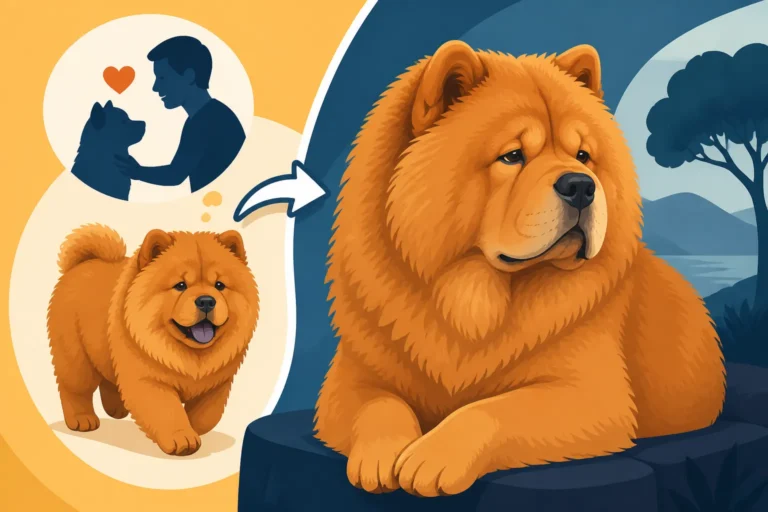
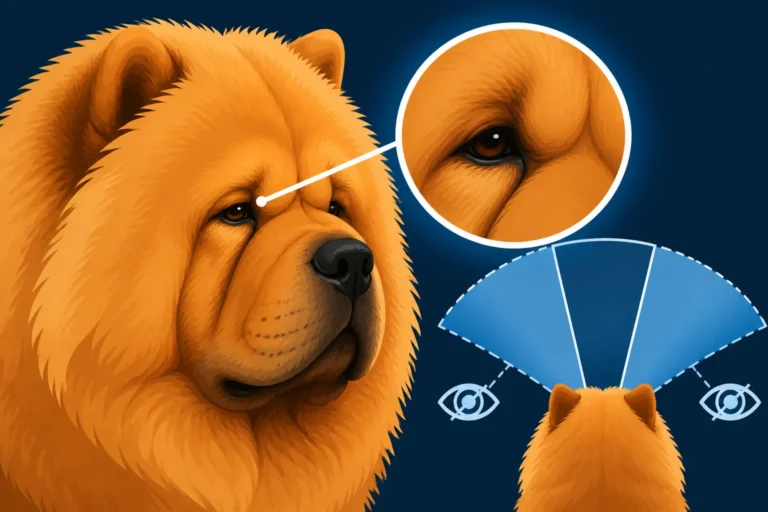
Chow Chows are undeniably magnificent with their lion-like mane and deeply set eyes, but these very features, while part of their charm, are also the architectural weaknesses that predispose them to entropion. Their skull structure, coupled with the generous folds of skin around their eyes, creates a predisposition for the eyelids to roll inward. It’s not just a superficial issue; it’s a design flaw that impacts their daily comfort and long-term health. The deep-set nature of their eyes means that even a slight inward turn of the eyelid can cause significant contact with the cornea, leading to irritation. We often hear owners wonder, "Why a Chow Chow's Deep Set Eye Causes Trouble," and entropion is a primary reason.
Furthermore, the Chow Chow's characteristic facial folds, while contributing to their distinctive "scowl," can exacerbate the issue. These folds can actually "How a Chow Chow's Face Folds Push the Lid In," applying pressure that encourages the eyelid margin to invert. It’s a cascading problem where one structural trait contributes to another, making the eye highly vulnerable. This is why a simple tear stain or squint should never be dismissed in a Chow Chow, as it often hints at something far more serious lurking beneath their dense fur.
How Eyelid Inversion Leads to Constant Irritation
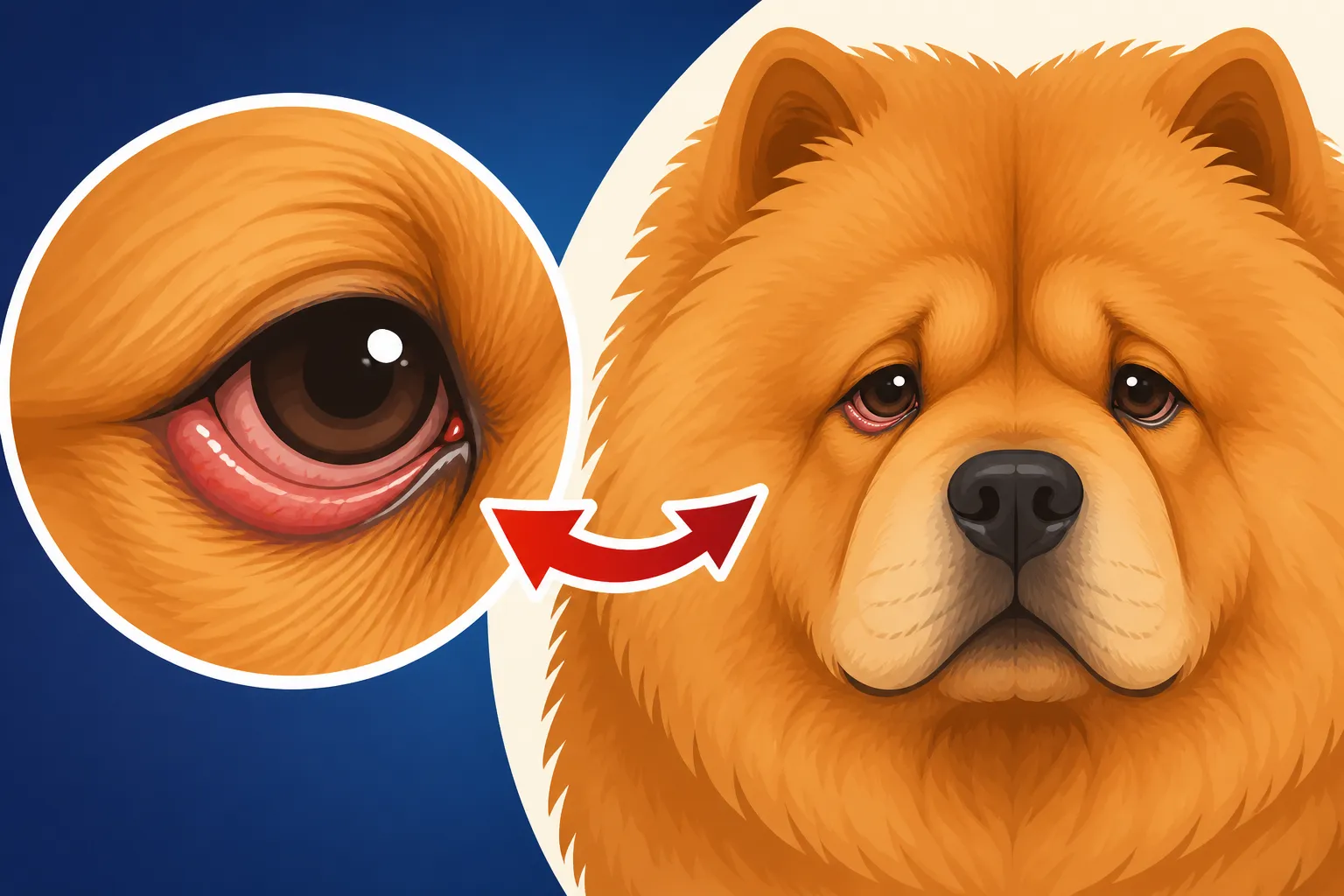
When the eyelid margin, particularly the lower lid, rolls inward, the delicate hairs on its surface, and often the eyelashes themselves, are in direct, constant contact with the cornea – the transparent outer layer of the eye. This is like having a stiff brush continually sweeping across your eye. The irritation is unrelenting, causing persistent pain and inflammation. Every blink becomes a source of friction, rubbing dirt, debris, and hairs across the eye’s surface, preventing any natural healing or relief.
This constant abrasion doesn't just feel uncomfortable; it actively damages the eye. Over time, the eye tries to protect itself by producing more tears, but this only offers momentary relief. The underlying problem remains, leading to chronic inflammation, scarring, and a host of secondary issues that can severely impact the dog's vision and overall quality of life. It's a cruel cycle where the very structure of their face turns against them.
The Immediate Impact: Pain, Redness, and Discharge
The discomfort caused by entropion is immediate and constant. If your Chow Chow is showing any signs of eye distress, it’s imperative to investigate promptly. These aren’t just cosmetic issues; they are clear indicators of significant pain and potential damage.
Why Your Chow Chow Squints and Tears Up
One of the first and most obvious signs that a Chow Chow is suffering from entropion is an increased tendency to squint or partially close the affected eye. This isn't just a cute quirk; it’s a natural, involuntary response to intense pain and irritation, an attempt to protect the eye from the foreign sensation of hairs rubbing against it. Imagine trying to keep your eye wide open while something is constantly poking it – it's impossible. This squinting is a clear "Signs a Chow Chow Puppy's Eyes Are Sore", even if you can't immediately see the inverted lid.
Accompanying the squinting is often excessive tearing, or epiphora. The eye’s natural defense mechanism kicks in, producing more tears to try and flush out the irritants. However, with entropion, the irritants (the dog's own fur and eyelashes) are ever-present. This constant tearing often leads to wetness around the eyes, staining the fur, particularly in lighter-colored Chows. It’s a vicious cycle where the tearing attempts to provide relief but can also lead to skin irritation in the facial folds and further hide the problem from plain sight. The continuous moisture also creates a breeding ground for bacterial infections, adding another layer of discomfort and health concern.
The Persistent Eye Discharge You Can't Seem to Clear
Beyond tears, entropion almost invariably leads to mucoid or purulent eye discharge. This isn't just the occasional "sleepy dust"; it's a thicker, often colored, discharge that accumulates in the corners of the eyes and mats the surrounding fur. This discharge is the result of the constant irritation and inflammation of the conjunctiva, the membrane lining the inside of the eyelids and covering the white part of the eye. The presence of bacteria, often opportunistic due to the moist, inflamed environment, can quickly escalate this into a full-blown infection, turning the discharge yellow or green.
Many owners find themselves constantly wiping their Chow Chow's eyes, only for the discharge to return within hours. This persistent, stubborn eye gunk is a clear indicator that something more profound than allergies or dust is at play. It's a painful symptom of the eye trying desperately to cope with the physical assault from the inwardly rolled eyelid, and it's a strong sign to seek veterinary attention. When you see "When a Chow Chow's Eye Discharge Means Entropion," it's time to act.
Escalating Damage: Corneal Ulcers and Vision Loss
While pain and discharge are immediate concerns, the long-term, untreated effects of entropion are far more severe and can lead to permanent damage, including blindness. The constant friction on the cornea is not something the eye can endure indefinitely without serious consequences.
The Dangerous Scratches from Inward-Rolling Eyelashes
The most immediate and dangerous consequence of untreated entropion is the development of corneal ulcers. These are open sores on the surface of the cornea, caused by the relentless scratching of fur and eyelashes. Think of it like a constant rubbing that eventually wears away the protective layers of the eye. These ulcers are excruciatingly painful for the dog and represent a serious medical emergency.
A corneal ulcer leaves the eye vulnerable to infection and can deepen rapidly, potentially leading to perforation of the eyeball. Even if the ulcer heals, it often leaves behind scar tissue, which appears as a cloudy spot on the cornea. Multiple ulcers over time can lead to widespread scarring, significantly impairing vision. "What a Corneal Ulcer Does to a Chow Chow" is not a minor issue; it's a condition that demands immediate and aggressive veterinary intervention to prevent irreversible damage. The pain alone can be debilitating for your dog, making them reluctant to open their eyes fully or engage in normal activities.
When Entropion Becomes a Threat to Sight
If left untreated, entropion can indeed lead to permanent blindness in a Chow Chow. The progression from constant irritation to corneal ulcers, and then to deep scarring or even rupture of the eyeball, is a very real possibility. Extensive corneal scarring, especially if it covers the central visual field, can completely block light from reaching the retina, rendering the eye functionally blind. In severe, chronic cases with persistent infection and deep ulcers, surgical removal of the eye (enucleation) may become the only option to relieve pain and prevent the spread of infection, a truly devastating outcome for any pet owner.
This is why understanding "Whether Entropion Can Blind a Chow Chow" is so critical. Early detection and treatment are paramount not only for your dog's comfort but for preserving their eyesight. It's not a condition that simply "gets better" on its own; it almost always progresses, causing more pain and irreparable harm over time. Pet owners considering a Chow Chow should be fully aware of this potential health challenge and factor in the possibility of veterinary care, including potential surgical costs. Many proactive owners choose pet insurance for conditions like this, with providers such as Healthy Paws offering plans that can help manage the financial burden of such extensive care.
Recognizing the Signs: What to Look For
Spotting entropion early can make a significant difference in your Chow Chow's comfort and prognosis. Because of their thick coats and deep-set eyes, sometimes the signs can be subtle or easily missed.
Early Indicators in Puppies
Entropion can manifest quite early in life. "The Age Entropion Shows in a Chow Chow Puppy" can be as young as a few weeks or months old, often becoming noticeable as their adult fur starts to come in or as they become more active and exposed to environmental irritants. Look for these early warning signs:
- Excessive Tearing: Notice if your puppy's eyes are frequently wet, even when they haven't been playing roughly or encountering dust.
- Squinting or Holding Eyes Partially Closed: Any deviation from a normal, wide-eyed look should raise a red flag. Puppies are naturally curious and should have bright, open eyes.
- Redness Around the Eye or Conjunctiva: Gently pull down the lower eyelid (if your puppy tolerates it) to check for unusual redness.
- Matted Fur Near the Eyes: The constant moisture from tears and discharge can mat the fur, particularly around the inner corners of the eyes.
- Sensitivity to Light: Your puppy might shy away from bright light, trying to keep their eyes protected.
If you suspect anything, it's always better to consult your vet. Early intervention, like "When a Chow Chow Puppy Gets Eyelid Tacking", can sometimes prevent more invasive surgery later. This temporary procedure can offer relief and allow a puppy's facial structures to develop further before a definitive decision on surgery.
Chronic Symptoms in Adult Chows
In adult Chow Chows, entropion symptoms might be more pronounced or have become chronic, leading to permanent changes in the eye. You might see:
- Chronic Eye Discharge: This is often the most persistent symptom, ranging from clear tears to thick, yellowish-green pus if infection is present.
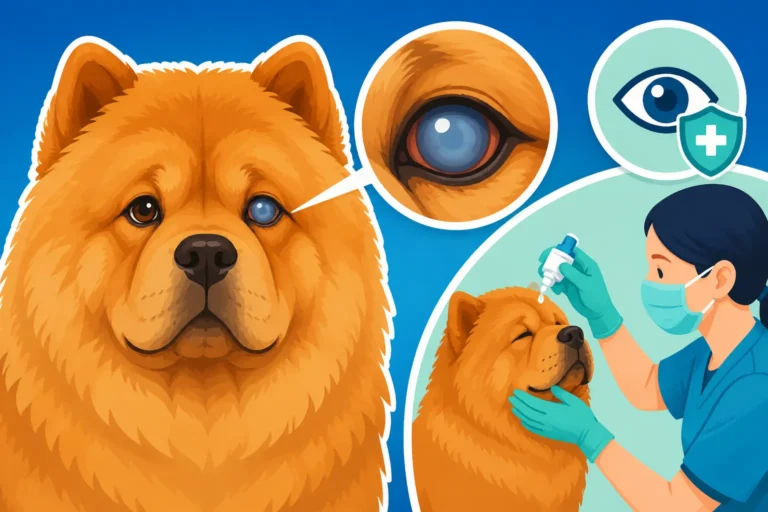
- Visible Corneal Changes: Look for cloudiness, bluish haze, or dark spots on the surface of the eye, which indicate scarring or pigmentation from chronic irritation.
- Pain Response: Your adult Chow might be reluctant to be handled around the face, flinch when touched near the eyes, or show signs of discomfort such as rubbing their face on furniture or pawing at their eyes.
- Thickening of the Eyelids: Chronic inflammation can cause the eyelid tissue itself to become thickened and scarred, making the entropion even more pronounced.
- Vision Impairment: In severe, long-standing cases, you might notice your Chow Chow bumping into objects, especially in dim light, indicating their vision has been compromised.
Owners who've had Chow Chows for years know the subtle cues, but even then, the dense fur can hide a lot. It’s important to make a habit of checking their eyes regularly, gently parting the fur to get a clear view. Any of these signs warrant a prompt visit to your veterinarian or a veterinary ophthalmologist.
The Long-Term Outlook Without Intervention
Choosing to ignore entropion in a Chow Chow isn't just about tolerating some discharge; it’s about condemning your dog to a life of chronic pain and potentially irreversible damage. This condition does not resolve itself, and its impact on a dog’s well-being is profound.
The Painful Cycle of Untreated Entropion
Without intervention, a Chow Chow with entropion is trapped in a relentless cycle of pain, inflammation, and progressive eye damage. The constant rubbing of hair on the cornea leads to ongoing irritation, which causes the dog to squint and tear. This perpetual moisture, combined with the compromised corneal surface, creates an ideal environment for bacterial infections, leading to painful conjunctivitis and even deeper, more severe corneal ulcers. Each bout of infection and ulceration adds to the discomfort and further scars the eye.
Over time, the chronic pain can affect your dog’s demeanor, making them more withdrawn, less playful, and potentially more irritable when approached. They might develop a sensitivity to light or wind, preferring to stay indoors or avoid certain activities. This isn't just a physical ailment; it's a significant drain on their emotional and mental well-being, diminishing their quality of life day by day.
Quality of Life Considerations for Your Chow Chow
Consider for a moment the profound impact chronic eye pain would have on your own life. Now imagine that for your Chow Chow, who relies so heavily on their senses, including sight, to navigate their world and interact with their family. An untreated entropion can drastically reduce their quality of life. They might struggle to see clearly, leading to anxiety or fear in unfamiliar environments. Their reduced vision, combined with discomfort, can make them less tolerant of handling, particularly around their head, affecting their relationship with their family and even their ability to be safely groomed or examined by a vet.
The inability to open their eyes fully or see properly also impacts their ability to express themselves and interact with other dogs or people. They might miss subtle visual cues, leading to misunderstandings or defensive reactions. In essence, untreated entropion transforms a potentially happy, well-adjusted Chow Chow into a dog living with constant discomfort and a compromised world view. This is why addressing the condition, often through surgical means, is not just about fixing an eye problem; it's about restoring their comfort, their sight, and their overall joy in life.
Managing and Treating Entropion: What Are the Options?
When facing entropion, it’s natural to feel overwhelmed, but the good news is that effective treatments are available to bring your Chow Chow relief and prevent further damage. The approach can range from temporary palliative care to permanent surgical correction.
Temporary Relief Measures
Before or in conjunction with a definitive solution, there are several ways to provide temporary relief to your Chow Chow. These methods aim to reduce irritation and manage secondary infections, but they do not correct the underlying anatomical problem.
- Lubricating Eye Drops or Ointments: These can help create a protective barrier over the cornea, reducing friction from the inward-rolling hairs. They need to be applied frequently throughout the day to be effective.
- Antibiotic Eye Drops or Ointments: If a secondary bacterial infection is present (often indicated by yellow or green discharge), your vet will prescribe antibiotics to clear it up.
- Eyelid Tacking (for puppies): For young puppies, temporary eyelid tacking can be performed. This procedure involves placing a few sutures in the outer skin of the eyelid to evert the margin, pulling it away from the eye. "What Eyelid Tacking Does for a Chow Chow Puppy" is to offer temporary relief while the puppy grows and its facial structure develops, often allowing a more permanent surgical plan to be devised later, or, in some cases, the problem may resolve if the facial structures mature favorably. This can be a crucial step for very young puppies whose eyes are severely affected.
While these measures offer comfort, it's vital to remember they are not cures. They manage symptoms but do not fix the structural issue causing the entropion.
Surgical Correction: The Definitive Solution
For most Chow Chows with entropion, surgical correction is the only definitive way to resolve the problem. The goal of surgery is to permanently evert the eyelid margin, ensuring that the eyelashes and fur no longer rub against the cornea. "How Entropion Is Repaired in a Chow Chow" typically involves a procedure known as blepharoplasty, where a small, crescent-shaped piece of skin and muscle is removed from the affected eyelid, allowing the lid to roll outward into its correct position.
The surgery is usually performed by a general veterinarian or, for more complex cases, a veterinary ophthalmologist. The exact technique can vary depending on the severity and location of the entropion (e.g., upper lid, lower lid, or both). Sometimes, more than one surgery may be required, particularly if the initial correction is insufficient or if the eyelid tissue changes over time. This leads to the question of "Whether a Chow Chow Needs Entropion Surgery Twice," and while it's not always the case, it's a possibility owners should be prepared for. Given the specialized nature and cost, many owners find peace of mind with pet insurance plans, like those offered by Healthy Paws, which can significantly alleviate the financial strain of such procedures.
Post-Surgery Care and Recovery
After surgery, proper post-operative care is crucial for a smooth recovery and successful outcome. Your Chow Chow will likely go home with an Elizabethan collar (e-collar) to prevent them from rubbing or scratching at the surgical site, which could disrupt the sutures or introduce infection. You'll need to administer prescribed eye drops or ointments, often antibiotics and anti-inflammatories, for several weeks.
"How Long a Chow Chow Recovers From Eye Surgery" typically involves about 2-3 weeks. During this time, activity should be restricted to prevent accidental injury. You'll need to monitor the incision site for any signs of infection or swelling and attend follow-up appointments with your vet to have sutures removed and ensure the eye is healing properly. It's a commitment, but the relief your Chow Chow experiences is immeasurable. The question of "Whether Insurance Covers a Chow Chow's Entropion" is a common one, and many pet insurance providers do cover surgical costs, especially if the policy was in place before any symptoms of the condition appeared. Investigating plans from providers like Healthy Paws proactively can save you a substantial amount, considering "What Entropion Surgery Costs on a Chow Chow" can be significant, potentially ranging from hundreds to a few thousand dollars per eye.
Entropion Symptoms and Severity
To help you better understand and identify the stage of entropion your Chow Chow might be experiencing, here’s a quick overview of symptoms and their typical severity. Remember, any of these signs warrant a veterinary visit.
| Symptom / Indicator | Mild Entropion (Early Stage) | Moderate Entropion (Developing) | Severe Entropion (Advanced) |
|---|---|---|---|
| Eyelid Position | Slight inward roll, often intermittent | Consistent inward roll, clearly visible | Significant inward roll, almost completely obscuring eye margin |
| Eye Pain/Discomfort | Occasional squinting, rubbing eyes | Frequent squinting, increased pawing at eyes | Constant squinting, holding eye shut, extreme sensitivity |
| Tearing (Epiphora) | Mild, intermittent wetness around the eye | Consistent wetness, visible tear staining on fur | Profuse tearing, often leading to skin irritation |
| Eye Discharge | Clear or slightly watery discharge | Mucoid (thick, snot-like) discharge, often sticky | Purulent (yellow/green pus) discharge, indicative of infection |
| Corneal Damage | Mild irritation, no visible damage | Superficial corneal abrasions or mild cloudiness | Visible corneal ulcers, deep scarring, blood vessels (pannus) |
| Vision Impact | Minimal to none | Mild impairment due to discomfort or cloudiness | Significant impairment, potential for permanent blindness |
| Behavioral Changes | Minor changes, perhaps less playful or slightly withdrawn | Noticeable discomfort, reluctance to play, increased irritability | Significant changes, withdrawn, avoids light, aggressive when touched |
Disclaimer
The information provided in this article is for educational purposes only and is not a substitute for professional veterinary advice. Always consult with a qualified veterinarian or veterinary ophthalmologist for any health concerns or before making any decisions about your Chow Chow's care or treatment.