How a Chow Chow’s Deep Set Eye Limits Its Vision
If you've ever owned a Chow Chow, you've probably noticed they seem to live in their own little world, sometimes startling when you approach them from the side or behind. This isn't just their famously aloof nature; it's often a direct result of their unique physical features, particularly their deep-set eyes and distinctive facial structure, which inherently limit their field of vision. This guide will walk you through the specifics of how their anatomy impacts what they see, how to spot potential problems, and what you can do to support your beloved Chow's visual well-being.
The Unique Anatomy of a Chow Chow's Eyesight
The Chow Chow's majestic, lion-like appearance is undeniably striking, but some of the very features that define their breed standard also create inherent challenges for their vision. It's a design that evolved for a specific purpose, but in a domestic setting, it means we, as their guardians, need to be extra mindful. Understanding the mechanics of their eye placement and surrounding structures is the first step to truly appreciating their visual world.
Deep-Set Eyes and Restricted Peripheral Vision
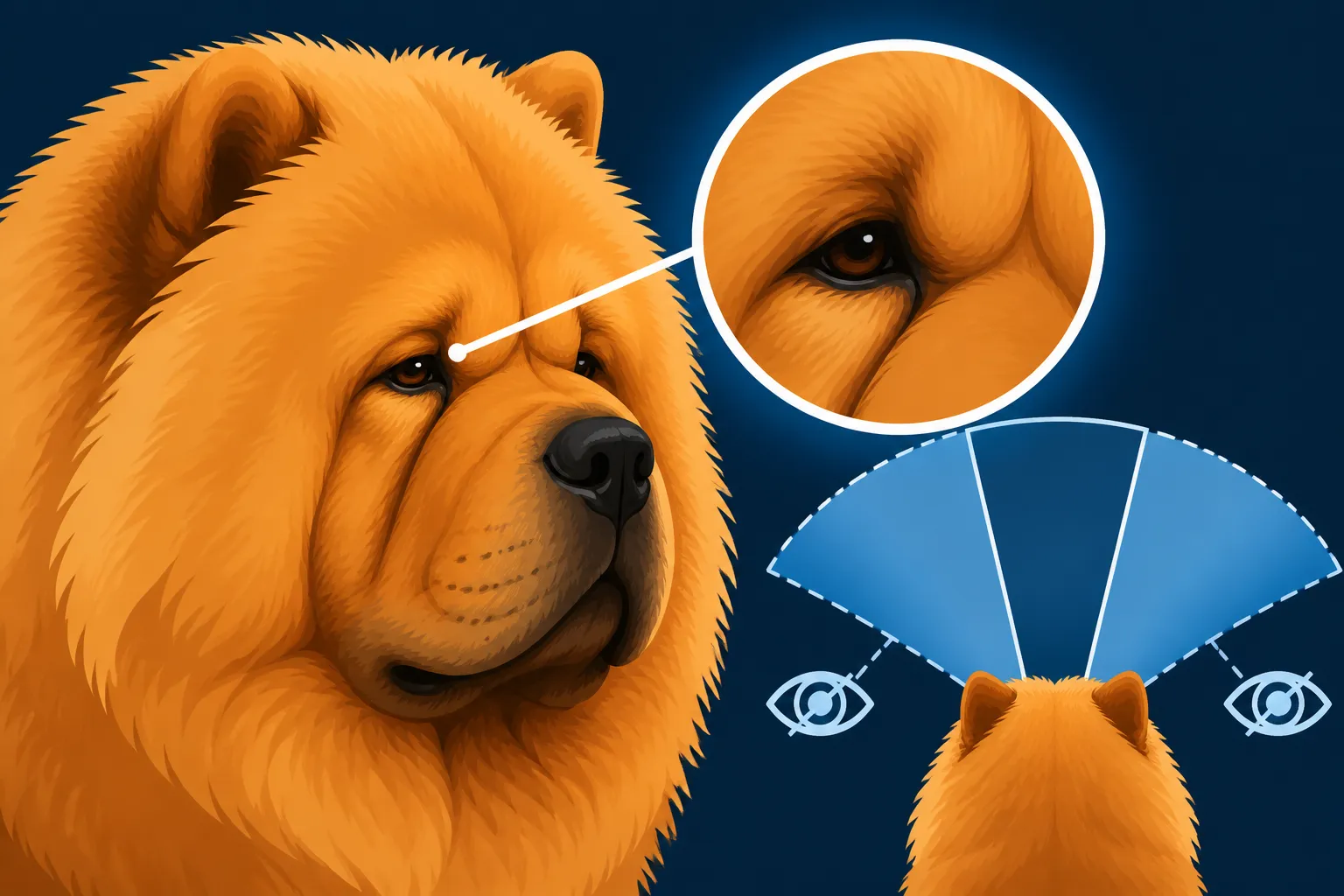
One of the most defining characteristics of the Chow Chow is their deep-set eyes. Unlike many other breeds where the eyes sit more prominently, a Chow Chow's eyes are tucked further back into the skull. This creates a natural "tunnel vision" effect. Imagine wearing a baseball cap pulled low over your brow, or perhaps even blinkers like a horse – your straight-ahead vision is fine, but your ability to see what’s happening to your sides is significantly reduced. This is essentially what your Chow Chow experiences. They simply don't have the wide peripheral view that many other dogs do.
This anatomical quirk means a Chow Chow often needs to turn its entire head to see something that's slightly to its left or right. They can't just flick their eyes; they have to reorient their whole body to get a clear picture. This can lead to them being easily startled if someone or something approaches from their blind spots. A friendly hand reaching out from the side might be perceived as a sudden, unexpected intrusion rather than a benign gesture, leading to a defensive reaction. It's not rudeness, it's a physiological reality. If you've ever wondered Why a Chow Chow Turns Its Whole Body to Look, this is precisely the reason.
Facial Folds and Eyelid Structure
Beyond the deep-set nature, the Chow Chow's famously wrinkled face and dense ruff of fur also play a significant role in how much light and visual information reaches their eyes. The breed standard calls for a characteristic "scowl" or thoughtful expression, which is often achieved by prominent brow wrinkles and heavy facial folds. While these contribute to their unique charm, they can also physically obstruct their view.
These folds can sometimes push the eyelids inward, a condition known as entropion. This is a significant problem for the breed, where Why a Chow Chow's Eyelid Rolls Inward can lead to their eyelashes or fur rubbing directly against the delicate surface of the eye. This constant irritation isn't just uncomfortable; it's incredibly painful and can lead to serious complications. It's not just about the external folds; the way How a Chow Chow's Face Folds Push the Lid In is a critical factor in understanding their eye health and vision.
When entropion occurs, it forces the dog to squint in an attempt to alleviate the discomfort, which further reduces their field of vision. In severe cases, this persistent rubbing can cause corneal ulcers and scarring, permanently affecting vision or even leading to blindness if left untreated. It's a double whammy: the inherent deep-set nature already limits their view, and then entropion adds pain and further obstruction.
Recognizing the Signs of Impaired Vision in Your Chow Chow
Because Chow Chows are often stoic and can hide pain or discomfort, recognizing the signs of vision issues can be challenging. Their independent nature and reserved demeanor might make it seem like they're just being a typical Chow, when in reality, they might be struggling to see properly. Being vigilant and attentive to subtle changes in their behavior and physical appearance is absolutely crucial.
Behavioral Clues That Suggest Vision Problems
One of the most common behavioral indicators is an increased tendency to startle. If your Chow Chow frequently jumps or reacts defensively when approached from behind or from the side, it's a strong sign that their peripheral vision is severely limited. They might bump into furniture they usually navigate easily, especially in dimly lit rooms, or hesitate when encountering new objects or entering unfamiliar spaces. This isn't them being clumsy; it's them trying to cope with reduced visual input. This is exactly Why a Chow Chow Startles When Approached From Behind.
Another clue can be changes in their confidence or social interactions. A Chow Chow with diminishing vision might become more withdrawn or even more reactive around other dogs or strangers, as they can't clearly see incoming threats or social cues. They might rely more heavily on their hearing and sense of smell, tracking sounds or sniffing extensively before approaching something new. You might notice them moving more slowly or cautiously, especially descending stairs or navigating uneven terrain. If you observe them excessively blinking, rubbing their eyes, or showing a general reluctance to engage in activities they once enjoyed, these are all red flags.
Physical Indicators to Watch For
Beyond behavioral shifts, there are definite physical signs that warrant immediate veterinary attention. Any redness, inflammation, or excessive tearing from one or both eyes is a cause for concern. Pay close attention to any cloudy appearance to the cornea, changes in pupil size, or visible signs of irritation, such as a constant squint or holding one eye partially closed. These could be early indicators of serious conditions like glaucoma, where Signs a Chow Chow's Eye Pressure Is Rising quickly, or even the tell-tale irritation of entropion.
Look closely at the eyelids themselves. If the lower or upper eyelid appears to roll inward, causing the lashes to touch the eye, that's entropion. Signs a Chow Chow Has Entropion include chronic discharge, rubbing, and a "weepy" appearance. In more advanced cases, you might even see a visible ulcer or scar on the surface of the eye, which can look like a dull spot or an uneven texture. The pigmentation of a Chow Chow's eye can sometimes make it harder to spot subtle changes, but any asymmetry between the two eyes, or a sudden change in how light reflects off their eyes, should prompt a visit to the vet. Don't dismiss a constant drip or crustiness around the eyes; sometimes, When a Chow Chow's Eye Discharge Means Entropion is the first noticeable symptom.
Managing and Supporting Your Chow Chow's Vision
Living with a Chow Chow requires a proactive approach to their eye health and a deep understanding of their visual limitations. It’s not about fixing a problem once it arises, but about preventing issues where possible and providing the best quality of life when challenges inevitably occur. Regular veterinary care, thoughtful environmental modifications, and consistent communication can make a world of difference for your furry companion.
Veterinary Care and Early Intervention
Regular veterinary check-ups are paramount for Chow Chows, with particular emphasis on eye examinations. Because of their breed-specific predispositions, it's highly recommended that they receive a comprehensive eye exam annually. A general vet can conduct initial screenings, but for concerns related to deep-set eyes, entropion, or potential glaucoma, a veterinary ophthalmologist is your best ally. They have specialized equipment to measure eye pressure, examine the intricate structures, and diagnose conditions early. Remember, Whether a Chow Chow Needs a Yearly Eye Exam isn't just a suggestion; it's a vital part of preventative care.
Early intervention is critical, especially for conditions like entropion and glaucoma. If diagnosed with entropion, How Entropion Is Repaired in a Chow Chow typically involves a surgical procedure to correct the eyelid's position, preventing further irritation and preserving vision. For glaucoma, which can blind a dog incredibly fast, immediate treatment is crucial, often involving specialized eye drops to reduce pressure. The cost of these specialized treatments and ongoing care can be substantial, which is why many Chow Chow owners find pet insurance, like plans offered by Healthy Paws, to be an invaluable investment. It can help cushion the financial blow of unexpected surgeries or long-term medication, ensuring your Chow gets the best possible care without delay.
Creating a Safe and Predictable Environment
Given their limited peripheral vision, creating a consistent and predictable home environment is essential for your Chow Chow's safety and comfort. Try to avoid frequently rearranging furniture, especially in areas where they spend a lot of time. Keeping pathways clear and well-lit can prevent them from bumping into objects. If you live in a multi-story home, consider placing baby gates at the top and bottom of stairs to prevent accidental falls, particularly if their vision is deteriorating.
When approaching your Chow Chow, always do so from the front, speaking to them calmly as you come closer. This gives them time to register your presence visually and auditorily, reducing the likelihood of them being startled. Similarly, teach children and visitors how to interact safely with your Chow, emphasizing frontal approaches and gentle handling. For outdoor activities, always keep your Chow on a leash. Their limited vision, combined with their strong prey drive, could lead them into dangerous situations if they don't see an approaching car or another animal until it's too late. Ensuring a secure, fenced yard is also non-negotiable for their safety.
Understanding Common Eye Conditions in Chow Chows
The Chow Chow's unique eye structure, while integral to its breed identity, also predisposes them to several specific ophthalmic conditions. Awareness of these is crucial for early detection and effective management, helping to safeguard your dog's vision and overall quality of life.
Entropion: The Breed's Signature Eye Problem
As touched upon earlier, entropion is arguably the most prevalent eye condition in Chow Chows. It's not just a minor annoyance; it's a painful and potentially blinding issue. The inward rolling of the eyelid causes constant irritation from hair rubbing against the cornea, the clear outer layer of the eye. This rubbing can lead to chronic pain, excessive tearing, eye discharge, and eventually, corneal ulcers and scarring. If left untreated, these ulcers can become infected, rupture, or cause permanent vision impairment, sometimes even leading to the need for eye removal.
The good news is that entropion is highly treatable through surgery. For puppies, temporary eyelid tacking can offer relief and sometimes allows the puppy to grow into their eyelids, negating the need for permanent surgery. However, for most adult Chows, a permanent surgical correction is necessary. While the prospect of surgery can be daunting, the relief it brings is immense, and it drastically improves the dog's comfort and prevents further damage to their eyes. It's important to remember that Entropion Is the Chow Chow's Signature Problem for a reason, and many, many Chows benefit from this intervention.
Glaucoma: A Swift and Serious Threat
Glaucoma is another serious eye condition that Chow Chows are predisposed to, and it's particularly insidious because of how rapidly it can progress. It's characterized by an increase in intraocular pressure (pressure within the eye), which, if not relieved quickly, can damage the optic nerve and lead to irreversible blindness. Chow Chows are often affected by primary closed-angle glaucoma, a form where the drainage angle of the eye is naturally narrow, making them more susceptible to pressure build-up. This narrow drainage angle is a critical factor in Why a Chow Chow's Drainage Angle Is Narrow.
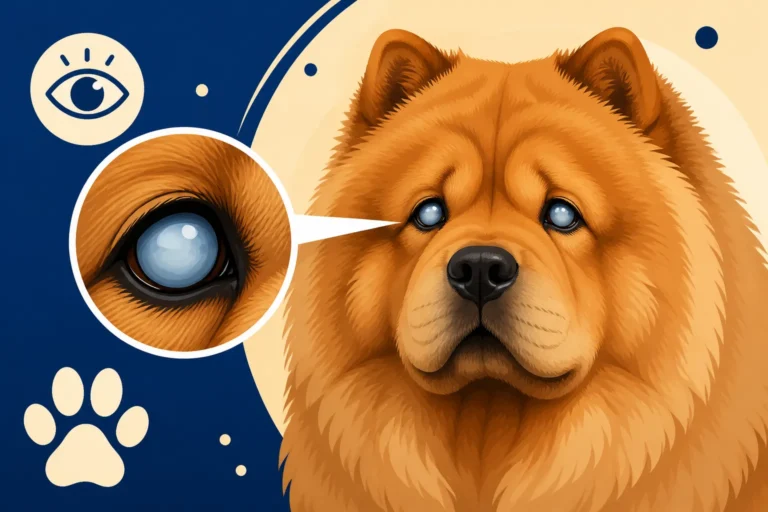
The signs of glaucoma can appear suddenly and intensely: a red, painful-looking eye, a dilated pupil, a cloudy or bluish appearance to the cornea, and often, an acute onset of pain, evidenced by squinting or rubbing the eye. Because vision loss can occur within hours or days, glaucoma is considered a veterinary emergency. If you suspect your Chow Chow has glaucoma, immediate veterinary attention is vital. Treatment typically involves medications to reduce eye pressure, but surgery or even removal of the eye may be necessary in advanced or unresponsive cases. The costs can be significant, reinforcing the value of pet insurance from a reliable provider like Healthy Paws. Understanding Glaucoma Can Blind a Chow Chow in Days underscores the urgency required.
Other Vision-Related Concerns
While entropion and glaucoma are primary concerns, Chow Chows can also be susceptible to other eye conditions. Cataracts in a Chow Chow can develop, causing cloudiness in the lens of the eye and leading to progressive vision loss. Although often associated with aging, cataracts can sometimes appear earlier due to genetics or other health issues. Another condition, distichiasis, involves extra eyelashes growing from the eyelid margin, which can also rub against the cornea and cause irritation, similar to mild entropion.
Regular check-ups allow your vet or a veterinary ophthalmologist to detect these issues early. While some conditions might be managed with medication, others may require surgical intervention. Consistent monitoring of your Chow's eyes and prompt attention to any changes are your best tools in managing these potential issues and ensuring your dog maintains the best possible vision for as long as possible.
Adapting to a Chow Chow's Unique Visual Perspective
Understanding and adapting to your Chow Chow's unique visual perspective is a testament to the bond you share. It's about more than just managing medical conditions; it's about fostering an environment of safety, trust, and clear communication. Your Chow Chow isn't intentionally ignoring you or being stubborn when they miss something; they might simply not have seen it.
| Feature | General Dog Vision | Chow Chow Vision | Implications for Owners |
|---|---|---|---|
| Eye Placement | More forward-facing, some peripheral vision | Deep-set, recessed in skull | Limited peripheral vision, requires head turn to see sides |
| Field of Vision | Wider arc (approx. 240-270 degrees) | Narrower, more "tunnel-like" (approx. 180-200 degrees) | Easily startled from sides/behind, difficulty with depth perception |
| Facial Structure | Varies, generally clear line of sight | Prominent brow, heavy facial folds | Physical obstruction of view, predisposition to entropion |
| Eye Health Risks | General canine eye issues | High risk for entropion, closed-angle glaucoma | Proactive vet care, annual ophthalmologist exams crucial |
| Behavior Impact | Reacts to visual cues from various angles | Relies more on sound/smell, cautious movement | Always approach from front, use verbal cues, consistent environment |
Communication Beyond Sight
Because your Chow Chow's vision can be a limiting factor, especially peripherally, relying heavily on verbal cues and scent information becomes paramount. Speak to your Chow Chow regularly, even when you're just moving around the house. Announce your presence clearly and calmly before you touch them. Use consistent verbal commands for everything from walks to feeding, as these auditory signals will be more reliable than visual ones.
Consider using scent markers in your home, especially if your Chow's vision is declining with age. A familiar scent on their bed, food bowl, or favorite toys can help them navigate their space. For walks, a harness can be more comfortable and safer than a collar, giving you better control and minimizing strain if they suddenly pull when startled. Patience is truly a virtue when owning a Chow Chow, and it's never more evident than when you're helping them navigate a world they don't always see clearly. It builds trust and reinforces that you are their constant, reliable guide.
The Long-Term Commitment
Caring for a Chow Chow means being prepared for potential health challenges, and eye issues are high on that list. From puppyhood, when conditions like The Age Entropion Shows in a Chow Chow Puppy to the senior years when Caring for a Chow Chow Past Eight means increased vigilance for cataracts or glaucoma, a lifelong commitment to their eye health is necessary. This commitment includes not only regular veterinary visits but also being financially prepared for potential treatments. Pet insurance options, such as those provided by Healthy Paws, can be incredibly beneficial in mitigating the often high costs associated with specialized veterinary care for eye conditions.
Understanding how a Chow Chow's deep-set eyes limit their vision fundamentally shifts how you interact with and care for them. It transforms what might seem like stubbornness or aloofness into a call for empathy and proactive support. By being informed, vigilant, and patient, you can ensure your Chow Chow lives a comfortable, happy, and fulfilling life, despite their visual peculiarities.
Disclaimer
Please remember that the information provided in this guide is for general educational purposes only and should not be considered a substitute for professional veterinary advice. Always consult with a qualified veterinarian or a board-certified veterinary ophthalmologist for any health concerns or before making any decisions related to your Chow Chow's health and treatment. Individual circumstances can vary, and a professional can provide the most accurate diagnosis and personalized care plan.