How Long a Chow Chow Lives on Average
The thought of how long our furry companions will be with us weighs heavily on any loving pet parent's heart. For those of us devoted to the majestic Chow Chow, understanding their average lifespan and the factors that influence it is crucial for providing the best possible care. This comprehensive guide will delve deep into what you can expect regarding a Chow Chow's longevity, exploring genetics, common health challenges, and essential lifestyle choices that truly make a difference.
Understanding the Average Chow Chow Lifespan
When you welcome a Chow Chow into your home, you're not just getting a pet; you're gaining a loyal, if somewhat independent, family member. Naturally, one of the first questions on any prospective or current owner's mind is, "How long will I have with them?" It’s a completely understandable concern, born from deep love and the desire to maximize every moment.
The Typical Range for Chow Chows
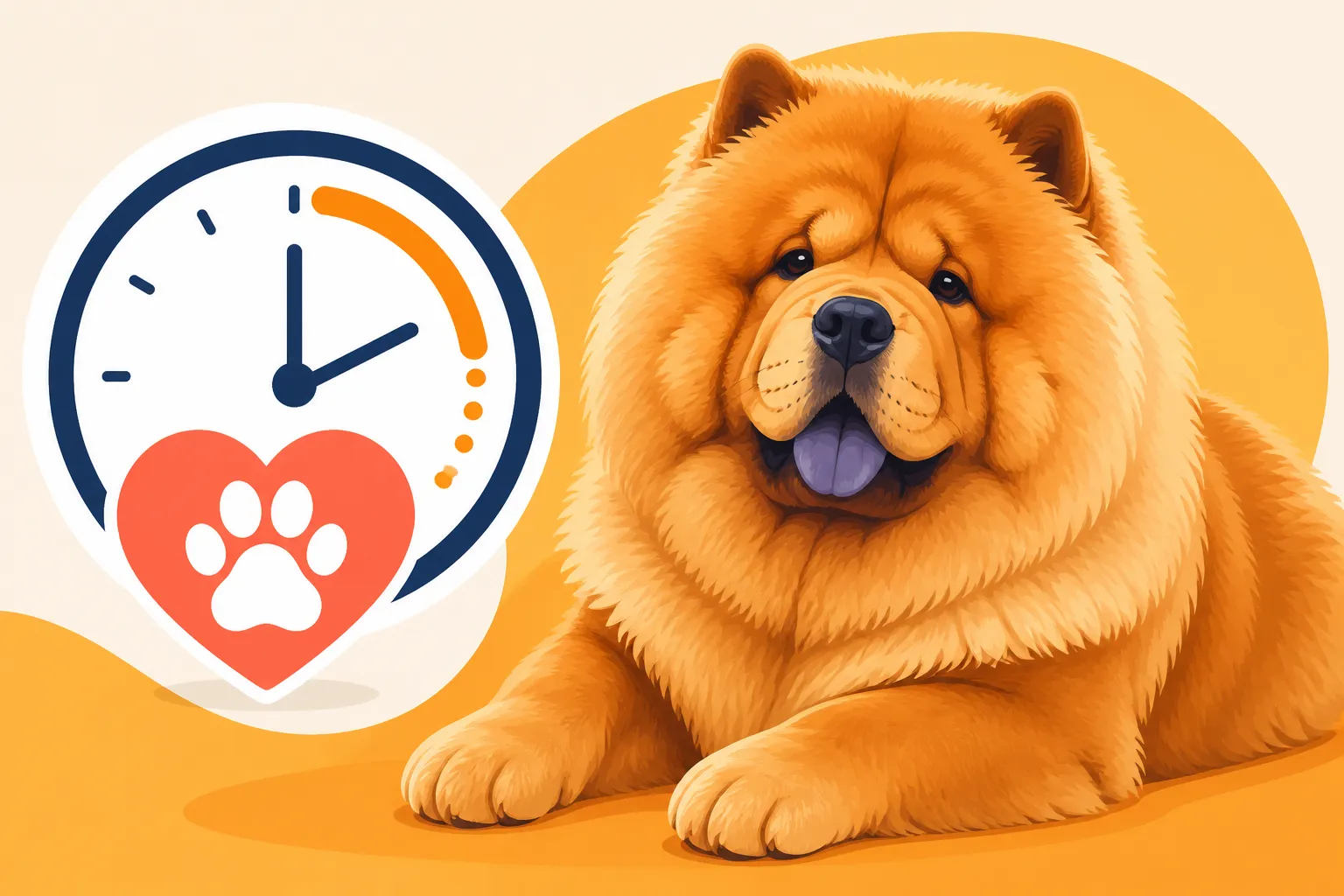
It's a bittersweet reality that many of our beloved purebred dogs have specific lifespans tied to their breed. For the stoic and dignified Chow Chow, the average life expectancy generally falls within the range of 8 to 12 years. This means that while some Chows may live closer to the decade mark, others, with exceptional care and a good dose of luck, might grace your life for a couple more years beyond that, sometimes even reaching 13 or 14. It's a spectrum, not a rigid number, and individual dogs will always defy or embody these averages based on a multitude of factors, including genetics, environment, and the quality of care they receive throughout their lives.
This timeframe, while seemingly short to us who wish for forever, is fairly standard for a medium-to-large breed dog. It’s important for prospective owners to go into Chow Chow ownership with realistic expectations about the commitment, knowing that they are likely looking at about a decade with their furry companion. Planning for their care throughout this period, from their rambunctious puppy days to their calm senior years, is essential for a fulfilling relationship for both dog and human. This includes considering everything from initial training to potential future healthcare needs.
Understanding this average also helps in making informed decisions about things like pet insurance. Knowing that a significant portion of a Chow Chow's life will fall into the "senior" category, often after the initial youth discounts expire, makes choosing a provider like Healthy Paws, which offers comprehensive coverage for illnesses and accidents, particularly important. Their policies can help manage the costs associated with age-related conditions that often surface in the later part of a Chow’s life, ensuring you can focus on their comfort rather than exorbitant vet bills.
How This Compares to Other Breeds
When we look at the broader canine world, a Chow Chow's 8 to 12-year lifespan places them squarely in the middle to lower-middle range compared to all dog breeds. Smaller breeds, for instance, often boast significantly longer lifespans, with some toy breeds routinely living into their mid-teens, or even approaching 20 years. Think of breeds like Chihuahuas or Jack Russell Terriers, who seem to defy the aging process for quite some time. Conversely, many giant breeds, such as Great Danes or Irish Wolfhounds, often have heartbreakingly shorter lives, sometimes averaging only 6 to 8 years due to their rapid growth and propensity for certain health issues like bone cancers and bloat.
This comparison highlights that breed size is often a significant predictor of longevity, though not always. The Chow Chow, being a sturdy, medium-sized dog, tends to fall into that intermediate bracket. While not as long-lived as a Chihuahua, they generally outlive a Mastiff. This perspective can help owners understand that while their time with a Chow Chow may not be as extensive as with a smaller dog, it's a respectable duration for a dog of their build and heritage, particularly considering their ancient lineage and unique physical characteristics.
It’s also worth noting that mixed-breed dogs sometimes show an advantage in lifespan, a phenomenon often attributed to increased genetic diversity, also known as hybrid vigor. However, a well-bred purebred Chow Chow from a reputable breeder who prioritizes health testing can absolutely thrive and reach the higher end of their breed's average lifespan, sometimes even surpassing it. The key is understanding that averages are just that – averages – and individual care, combined with a strong genetic foundation, plays an enormous role in determining a dog's true longevity.
Genetic Factors and Breeding Practices
The genetic blueprint of your Chow Chow is a primary determinant of their potential lifespan. While we can control many environmental factors, the inherited predispositions they carry from their parents set the stage for their overall health trajectory.
The Impact of Hereditary Conditions
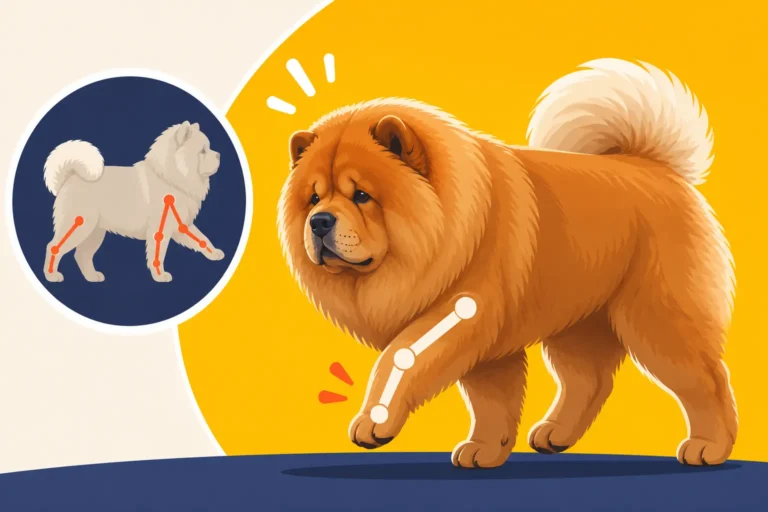
Like many purebred dogs, Chow Chows are unfortunately predisposed to certain hereditary health conditions that can significantly impact their quality of life and, in some cases, shorten their lifespan. Conditions such as Entropion Is the Chow Chow's Signature Problem are well-known within the breed, causing discomfort and potentially leading to more severe eye issues if not addressed. This painful inward rolling of the eyelid can lead to corneal damage if not surgically corrected. Similarly, orthopedic problems like Elbow Dysplasia Ranks the Chow Chow Near the Top and hip dysplasia are prevalent, leading to chronic pain and mobility issues as they age, which can reduce their desire for activity and overall wellbeing. These joint problems can manifest as a subtle limp or a reluctance to move, making their daily lives challenging.
These genetic predispositions mean that even with the best care, a Chow Chow might face health challenges that require extensive veterinary intervention. Some conditions, like certain heart ailments or Familial Renal Dysplasia Kills Young Chow Chows, can be particularly devastating and cut a dog's life short unexpectedly, often manifesting in puppyhood. It's not about blaming the breed, but about being aware of these possibilities and proactive in prevention and early detection. Understanding these risks is part of being a responsible Chow Chow owner and preparing for the potential journey ahead with your furry friend.
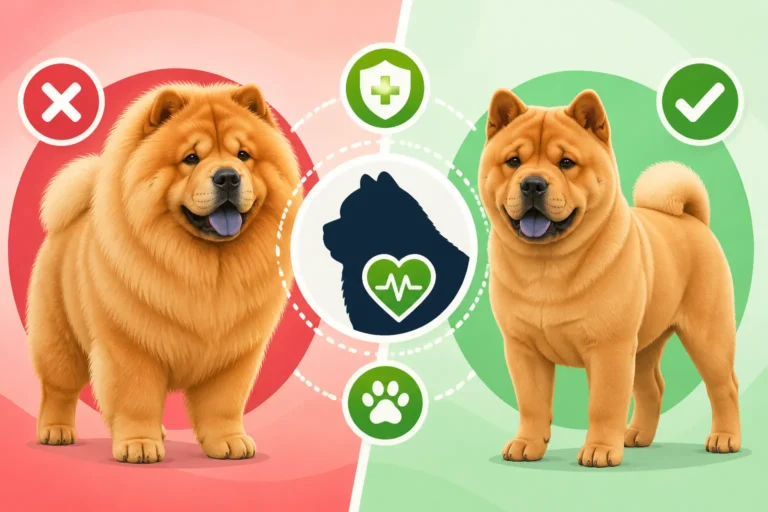
This is precisely why choosing a reputable breeder is paramount. A responsible breeder will be transparent about the health history of their breeding lines and conduct thorough health screenings on their parent dogs before breeding. They aim to minimize the risk of passing on these debilitating conditions, giving their puppies the best possible start. It’s a vital step in ensuring you bring home a puppy with the highest potential for a long, healthy life, and one that gives you a clearer picture of their genetic health predispositions.
The Role of Responsible Breeders in Longevity
The foundation of a long and healthy life for a Chow Chow often begins with the choices made by its breeder. A truly responsible breeder goes far beyond simply pairing two Chows. They meticulously research pedigrees, understand genetic health clearances, and prioritize temperament and longevity in their breeding program. They’ll proudly share the results of health tests for conditions like elbow dysplasia, hip dysplasia, patellar luxation, and eye certifications (such as those from the Orthopedic Foundation for Animals, or OFA, and the Canine Health Information Center, or CHIC numbers), ensuring their breeding stock is free from known hereditary issues that could shorten a puppy’s life or inflict significant suffering. You can read more about What a Chow Chow Breeder Should Have Tested.
This diligent approach is not just about avoiding immediate illness; it's about building a robust genetic pool that supports a longer, more comfortable life for the Chow Chow breed as a whole. Breeders who cut corners or prioritize profit over health often contribute to the proliferation of genetic diseases, leaving owners with the heartbreak and financial burden of managing serious conditions, sometimes for the entire duration of the dog's life. When looking for a puppy, asking to see health clearances and understanding the health history of multiple generations is not just recommended; it's absolutely essential to ensure you are supporting ethical breeding practices and getting a healthier puppy.
Furthermore, a responsible breeder provides proper nutrition, early socialization, and a clean, stimulating environment for their puppies, all of which contribute to a strong start. They should also be a lifelong resource, ready to answer questions and offer guidance long after you take your puppy home, demonstrating their commitment to the welfare of their dogs. This ongoing support and the initial careful breeding practices are invaluable investments in your Chow Chow's future, laying the groundwork for many happy years together.
Key Health Concerns Affecting Lifespan
Beyond genetic predispositions, specific health issues common to the Chow Chow can profoundly impact their quality and length of life. Being informed about these potential challenges empowers owners to provide proactive and timely care, mitigating their impact as much as possible.
Common Orthopedic Issues
Chow Chows, with their unique build and characteristic "stilted" gait, are prone to several orthopedic issues that can compromise their mobility and comfort, thereby influencing their overall lifespan. Hip and elbow dysplasia are unfortunately common, where the joints develop abnormally, leading to arthritis, pain, and reduced activity levels as the dog ages. A dog in chronic pain is less likely to engage in exercise, which can lead to weight gain and other secondary health problems that further shorten their life, creating a vicious cycle of discomfort and declining health.
Addressing these issues early is crucial. While genetic predispositions exist, managing a puppy's growth rate through appropriate nutrition (avoiding overfeeding and diets too high in calcium) and avoiding excessive impact exercise during their developmental stages can help mitigate the severity of these conditions. For adult Chows, treatment can range from anti-inflammatory medications and joint supplements to physical therapy or even surgery in severe cases. These interventions aim to maintain their quality of life, allowing them to remain active and comfortable for as long as possible.
The financial implications of treating orthopedic problems can be substantial. Surgeries, ongoing medications, and rehabilitation sessions with a veterinary physical therapist can quickly add up, creating a significant burden for owners. This is where pet insurance, such as a policy from Healthy Paws, can be a true lifesaver, helping to cover a large percentage of these unexpected veterinary costs, ensuring your Chow Chow receives the best possible care without you having to choose between your wallet and their well-being.
Eye Problems and Their Chronic Impact
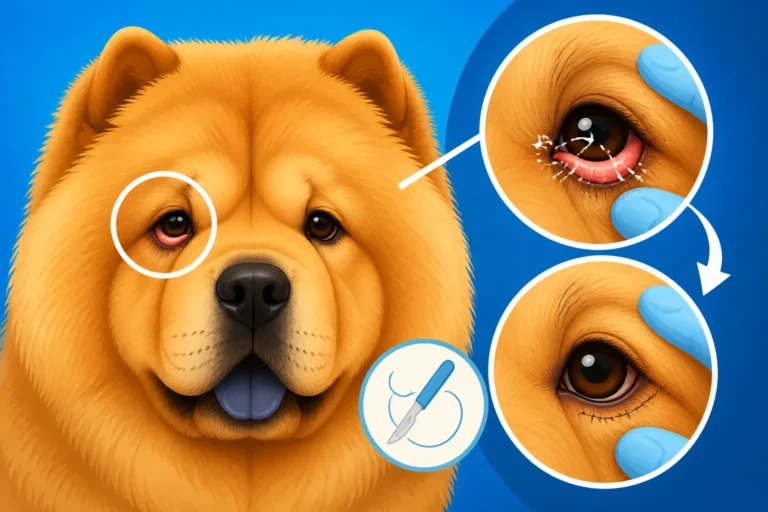
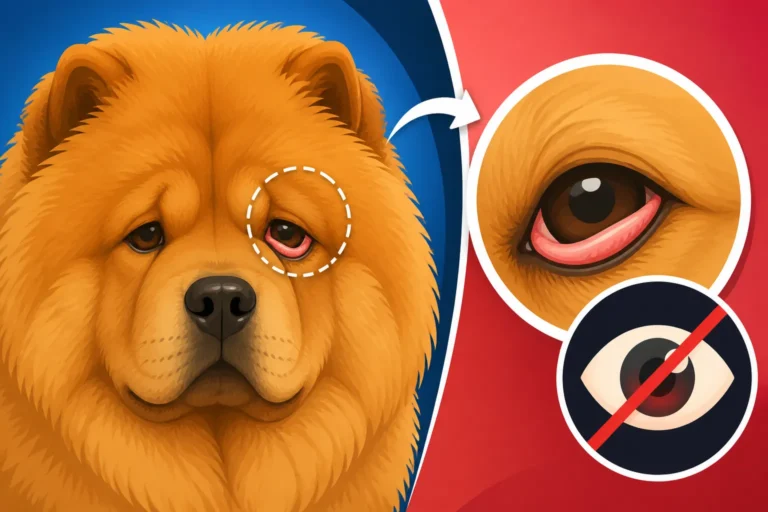
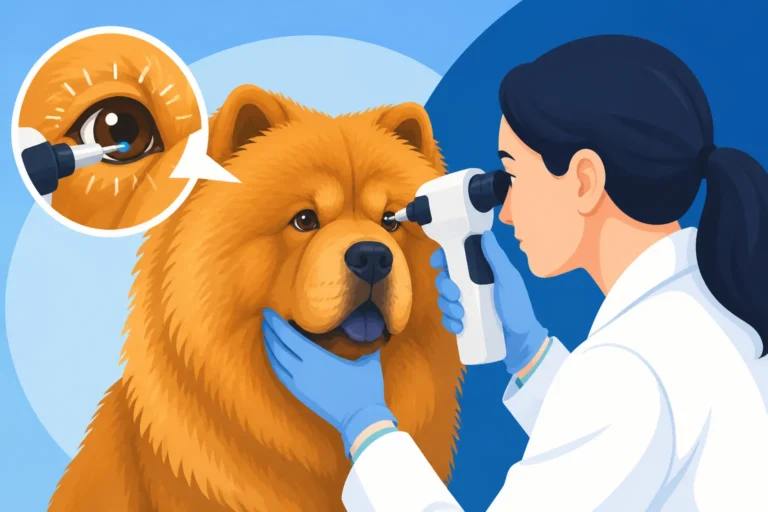
The Chow Chow’s deep-set eyes, while contributing to their distinctive scowling expression, also make them highly susceptible to a range of eye conditions that can significantly impair their vision and comfort. Entropion Is the Chow Chow's Signature Problem, where the eyelid rolls inward, causing eyelashes to rub against the cornea, is perhaps the most well-known. This constant irritation can lead to painful corneal ulcers, infections, and potentially even blindness if left untreated, making timely surgical correction essential. You can find more details on What Entropion Does to a Chow Chow's Eye.
Beyond entropion, Chow Chows are also at a higher risk for Glaucoma Can Blind a Chow Chow in Days, a severe condition characterized by increased pressure within the eye. Glaucoma is extremely painful and can lead to rapid and irreversible vision loss, demanding immediate veterinary attention, often in the form of emergency surgery or medications. Regular eye examinations, ideally with a veterinary ophthalmologist, are vital for early detection of these and other eye issues, such as cataracts or distichiasis (extra eyelashes). Proactive monitoring and swift treatment are key to preserving their sight and preventing chronic discomfort, which directly impacts their overall well-being.
Living with chronic eye pain or vision impairment can profoundly affect a Chow Chow’s quality of life. It can make them more prone to startling, increase anxiety, and limit their ability to navigate their environment safely, all of which contribute to a reduced overall well-being and potentially a shorter, less enjoyable life. Ensuring proper eye care, from daily cleaning of face folds to professional veterinary ophthalmology, is not just about their comfort, but a critical component of maximizing their healthy years.
Autoimmune and Thyroid Conditions
Chow Chows are also predisposed to certain autoimmune diseases, where the body's immune system mistakenly attacks its own healthy cells. One notable example is Autoimmune Disease in a Chow Chow, which can manifest in various ways, often affecting the skin. Pemphigus foliaceus, a common autoimmune skin disease, causes crusting and sores, particularly on the face, ears, and paw pads. While not directly life-threatening in all cases, chronic autoimmune conditions require lifelong management with immunosuppressants, which can have their own set of side effects and impact overall health, requiring careful monitoring by your vet.
Another significant concern is autoimmune thyroiditis, leading to hypothyroidism, a condition where the thyroid gland doesn't produce enough hormones. Signs a Chow Chow's Thyroid Is Low can include lethargy, unexplained weight gain despite no change in diet, symmetrical hair loss (often without itching), a dull coat, and an intolerance to cold. Undiagnosed or untreated hypothyroidism can lead to a host of health problems, including cardiac issues, neurological signs, and further complicate other conditions. Luckily, it is relatively easy to manage with daily, inexpensive thyroid hormone supplementation, making early diagnosis critical.
These conditions underscore the importance of regular veterinary check-ups and diagnostic testing, especially as your Chow Chow ages. While not always preventable due to their genetic basis, early diagnosis and consistent management are crucial for maintaining a good quality of life and preventing these issues from significantly shortening their lifespan. Being vigilant for subtle changes in their behavior or physical appearance is an essential part of caring for a Chow Chow, empowering you to seek timely veterinary intervention and ensure they receive the best possible care.
Environmental and Lifestyle Influences
While genetics lay the groundwork, the day-to-day care and environment you provide for your Chow Chow play an equally vital role in shaping their health and the length of their life. You have significant power to positively influence their longevity through intentional choices.
The Importance of Diet and Weight Management
What you feed your Chow Chow, and how much, is one of the most direct and significant ways you can influence their health and longevity. A high-quality, balanced diet appropriate for their life stage and activity level is fundamental. Avoid cheap fillers and prioritize diets rich in animal protein and healthy fats. Given the Chow Chow's propensity for orthopedic issues, maintaining an ideal body weight is absolutely paramount. Even a few extra pounds can place immense strain on their joints, exacerbating conditions like hip and elbow dysplasia, leading to pain and reduced mobility that makes their life less comfortable and potentially shorter.
Overweight Chows are also at higher risk for other serious health problems, including diabetes, heart disease, and a reduced tolerance for heat. It's often difficult to tell if a Chow Chow is overweight due to their dense double coat, so regular hands-on checks of their rib and spine areas are crucial. You should be able to feel their ribs without pressing hard, but not see them. If you're unsure, your veterinarian can help you determine their ideal weight and recommend a tailored feeding plan to get them to, or keep them at, a healthy size.
Portion control is key, and free-feeding is generally not recommended for Chows, as they can easily overeat. Instead, offer measured meals twice a day. If your Chow Chow seems to be eating less than expected, it might not be a cause for alarm, as they often consume less than their size might suggest, particularly during warmer months. However, persistent lack of appetite or sudden weight loss should always warrant a vet visit. By being proactive about diet and maintaining a lean body condition, you can dramatically improve your Chow Chow's comfort and increase their chances of living a longer, healthier life.
Managing Heat and Exercise Appropriately
The Chow Chow’s thick, luxurious double coat, while undeniably beautiful, is designed for colder climates and makes them incredibly susceptible to overheating, especially in warmer regions or during strenuous activity. Heat Is the Chow Chow's Most Immediate Danger, and understanding how to manage their environment and exercise is critical to preventing potentially fatal heatstroke. They are not built for long, vigorous runs, especially when the temperature climbs. Short, calm walks during the coolest parts of the day – early morning or late evening – are typically sufficient for their exercise needs, which can be surprisingly modest for a dog of their size.
During warmer months, air conditioning is not a luxury but a necessity for most Chow Chows living in temperate or hot climates. Providing access to cool, shaded areas, fresh water (perhaps with ice cubes), and even cooling mats or vests can make a huge difference in keeping them comfortable and safe. Never, ever leave a Chow Chow in a parked car, even for "just a minute," as interior temperatures can skyrocket rapidly to dangerous levels, leading to swift and irreversible harm. Signs of overheating, such as excessive panting, drooling, weakness, and dark red gums, require immediate action and veterinary attention.
While Chows aren't typically high-energy dogs, they still need regular, moderate exercise to maintain muscle tone and mental stimulation. A lack of activity can lead to boredom, weight gain, and muscle atrophy, all of which compromise their overall health and contribute to a shorter lifespan. Balance is key: enough activity to keep them fit without pushing them to the point of overheating or overstressing their joints. Understanding How Much Exercise a Chow Chow Actually Needs is vital for their long-term well-being and ensuring they stay healthy and happy.
The Non-Negotiable Value of Regular Veterinary Care
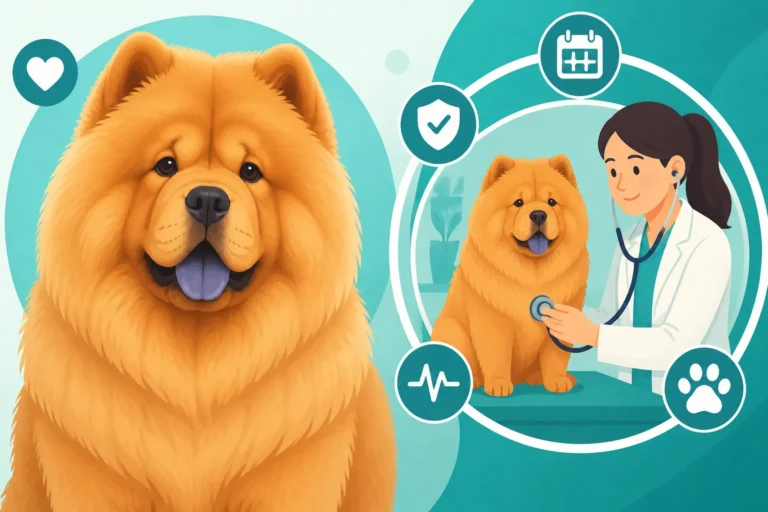
Regular veterinary care is not just about reacting to problems; it's about proactive health management that significantly contributes to a Chow Chow’s longevity. Annual wellness exams allow your vet to catch subtle changes that might indicate the onset of disease before it becomes advanced and harder to treat. These visits include thorough physical examinations, up-to-date vaccinations, parasite prevention, and discussions about diet, exercise, and behavior. These routine check-ups are especially important as your Chow Chow reaches The Age a Chow Chow Is Considered Senior, typically around eight years old, when health issues tend to become more prevalent.
Beyond the annual exam, your veterinarian will likely recommend routine diagnostic tests, such as blood work and urinalysis. What a Chow Chow's Yearly Bloodwork Should Cover often includes checks for kidney and liver function, blood cell counts, and thyroid levels, which can detect issues like hypothyroidism early, before clinical signs are obvious. Early detection of conditions like kidney disease or diabetes can mean the difference between effective management and rapid decline, potentially extending their healthy years significantly.
Pet insurance is a valuable tool in supporting consistent veterinary care without breaking the bank. Companies like Healthy Paws offer policies that can significantly ease the financial burden of unexpected illnesses or accidents. Knowing that you have support for those inevitable vet visits – whether routine or emergency – allows you to make health decisions based on what's best for your Chow Chow, rather than being constrained by cost. This peace of mind ensures your beloved companion gets the attention they need to live a full and healthy life.
Caring for a Senior Chow Chow
The journey with a Chow Chow, much like any dog, changes as they gracefully enter their senior years. This phase of life brings new considerations and opportunities to provide specialized care that ensures their comfort and preserves their dignity.
Recognizing the Signs of Aging
As your majestic Chow Chow transitions into their golden years, typically starting around the age of eight, you’ll begin to notice subtle, and sometimes not-so-subtle, changes. These signs are a natural part of the aging process, but recognizing them early allows you to adapt your care and ensure their continued comfort and quality of life. Common indicators include a decrease in energy levels, a tendency to sleep more, and a general slowing down during walks or play. They might not greet you with the same exuberance or follow you from room to room as they once did, preferring instead a quiet spot to observe.
Physical changes are also common. You might observe a graying around their muzzle, a cloudiness in their eyes (often nuclear sclerosis, which usually doesn't significantly impair vision but should still be checked by a vet to rule out more serious conditions), or an increased stiffness when getting up after rest. Joint pain and arthritis become more prevalent, making stairs or jumping onto furniture more challenging. Their dense coat might also start to change, perhaps becoming a bit coarser, thinning in certain areas, or even losing some of its vibrant color. Understanding these shifts helps you avoid attributing them to stubbornness or naughtiness and instead see them as calls for adjusted care. You can find more comprehensive information on What Changes in a Chow Chow After Eight.
Cognitive changes can also occur, though they are often gradual. Some senior Chows may experience canine cognitive dysfunction, similar to Alzheimer's in humans. This could manifest as disorientation, altered sleep-wake cycles (e.g., restlessness at night), changes in interactions with family members, or house-soiling accidents even in previously well-trained dogs. Being empathetic and patient during this phase is paramount, as these behaviors are not intentional. While it’s hard to watch our dogs age, recognizing these signs is the first step in providing the tailored support they need to navigate their senior years with dignity and comfort.
Adapting Care for Their Golden Years
Caring for an aging Chow Chow requires a thoughtful and often proactive approach, modifying routines and environments to suit their evolving needs. One of the most important adjustments involves their diet. Senior Chows may benefit from a diet formulated for older dogs, which typically contains fewer calories to prevent weight gain (as their metabolism slows and activity decreases) and often includes joint-supporting supplements like glucosamine and chondroitin. Monitoring their weight closely is crucial, as excess weight places additional stress on already aging joints, worsening conditions like arthritis.
Comfort becomes paramount. Providing soft, orthopedic beds can alleviate pressure on sore joints, and ramps or steps can help them access favorite spots without painful jumps, protecting their hips and elbows. Keeping their environment consistent and familiar can help if they experience cognitive decline, reducing stress and anxiety. Regular, gentle exercise is still important to maintain muscle mass and joint flexibility, but walks should be shorter, slower, and more frequent if needed, avoiding extreme weather. Even something as simple as a cooling mat can make a world of difference for an older Chow on a warm day, as their heat intolerance doesn't diminish with age. For more advice on this stage of life, check out Caring for a Chow Chow Past Eight.
Regular veterinary check-ups become even more critical in these years. Your vet may recommend more frequent visits (e.g., twice a year) or specific blood work to monitor organ function and catch age-related diseases early. Discussions about pain management, mobility aids (like supportive harnesses), and nutrition will be central to these appointments. Pet insurance, especially if maintained from a younger age, continues to be invaluable, covering ongoing treatments for chronic conditions that often emerge in older dogs. Companies like Healthy Paws are there to support pet parents through these complex and often costly senior care decisions, ensuring you can prioritize your Chow Chow's comfort and well-being. Focusing on their comfort, dignity, and continued connection will make their senior years truly golden.
| Average Chow Chow Lifespan (Years) | Common Health Issues Affecting Longevity | Key Lifestyle Factors for Longevity |
|---|---|---|
| 8 – 12 | Entropion, Glaucoma, Hip/Elbow Dysplasia, Hypothyroidism, Autoimmune Diseases, Heatstroke Risk | Quality Diet, Weight Management, Controlled Exercise, Heat Management, Regular Vet Care, Responsible Breeding |
Disclaimer
This guide is intended for informational purposes only and does not constitute professional veterinary advice. Always consult with a qualified veterinarian for any health concerns or before making any decisions about your Chow Chow's medical care or treatment plan.