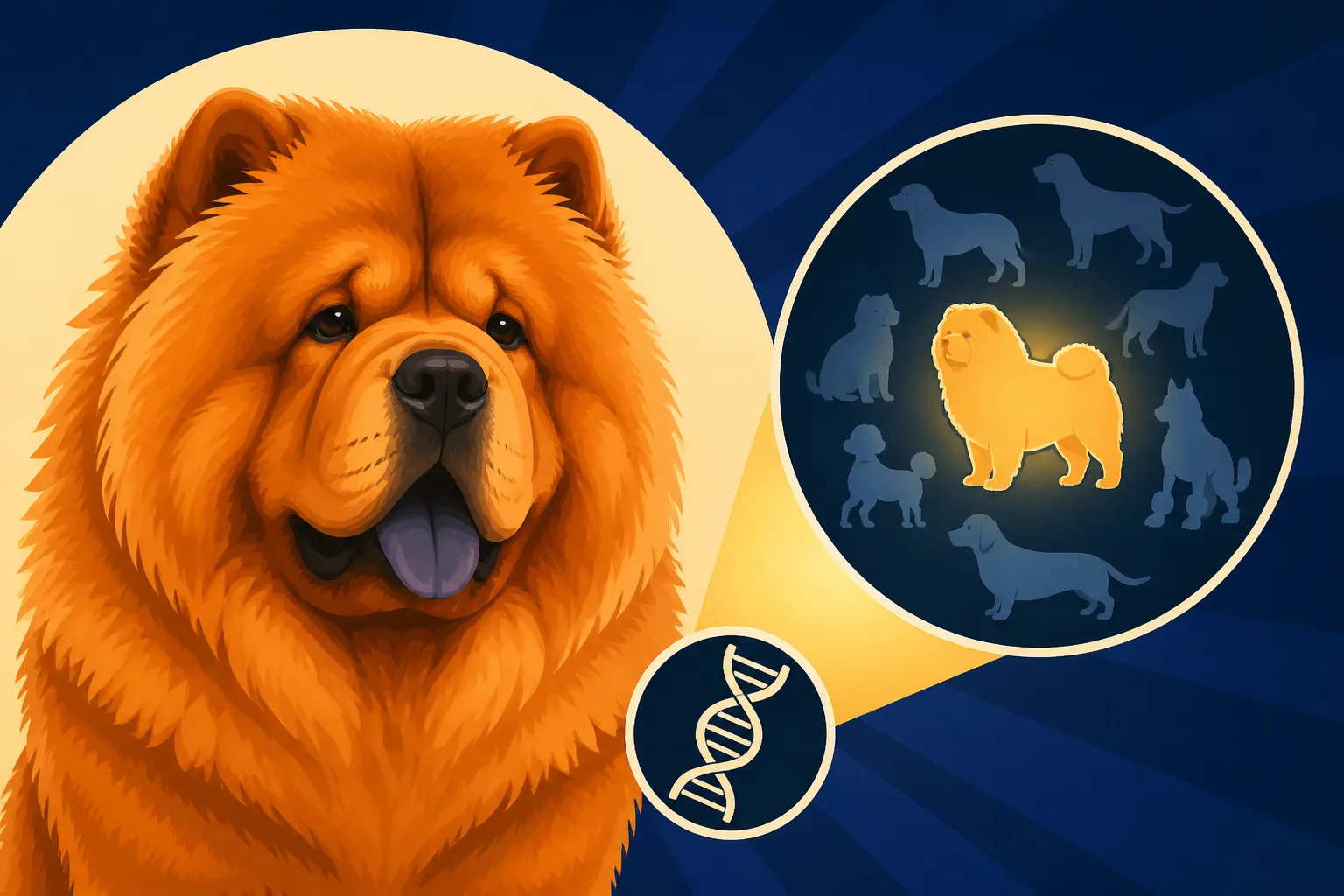
How Rare Myotonia Congenita Is in Chow Chows
When you first bring home a Chow Chow puppy, you envision years of quiet companionship and majestic presence. But sometimes, a concerning stiffness or difficulty with movement can cloud that picture, leaving you wondering what could possibly be causing your beloved furball such trouble. One such rare neurological condition that can affect Chow Chows is Myotonia Congenita, and understanding its implications is crucial for any owner facing this challenging diagnosis. This comprehensive guide will break down what Myotonia Congenita entails, its rarity within the breed, how to recognize its signs, and what life looks like for a Chow Chow living with this condition.
Understanding Myotonia Congenita: A Deep Dive
Myotonia Congenita is a fascinating and often perplexing genetic disorder that primarily impacts a dog's skeletal muscles. It's not something you hear about every day, and for good reason—it's pretty uncommon across most breeds. However, when it does surface, it presents a unique set of challenges for both the dog and its family. The core issue lies in the muscles' inability to relax immediately after contraction, leading to a temporary rigidity or stiffness. Imagine trying to open your hand after clenching it tightly, but for a moment, your fingers just won't budge—that's a bit like what these dogs experience.
What Myotonia Congenita Actually Means
At its heart, Myotonia Congenita is a channelopathy, meaning it involves a defect in the ion channels within muscle cell membranes. Specifically, it's a disorder of the chloride channels. These channels are crucial for regulating the electrical excitability of muscle fibers. In simple terms, when a muscle contracts, it's an electrical signal that tells it to do so. After the contraction, the chloride channels help repolarize the muscle membrane, allowing it to relax and prepare for the next signal. When these channels don't function correctly, the muscle cells remain depolarized for too long, causing sustained contraction and the characteristic stiffness.
This isn't a degenerative disease in the sense that the muscles waste away or progressively weaken over time, but rather a functional problem with how the muscles respond to signals. Dogs aren't in constant pain from this stiffness, but it certainly limits their mobility and comfort. The onset is typically observed in puppies, often becoming noticeable as they begin to explore and play more actively. It's a condition present from birth, hence the "congenita" in its name, even if the symptoms aren't immediately apparent at the youngest age.
How It Affects a Chow Chow's Muscles
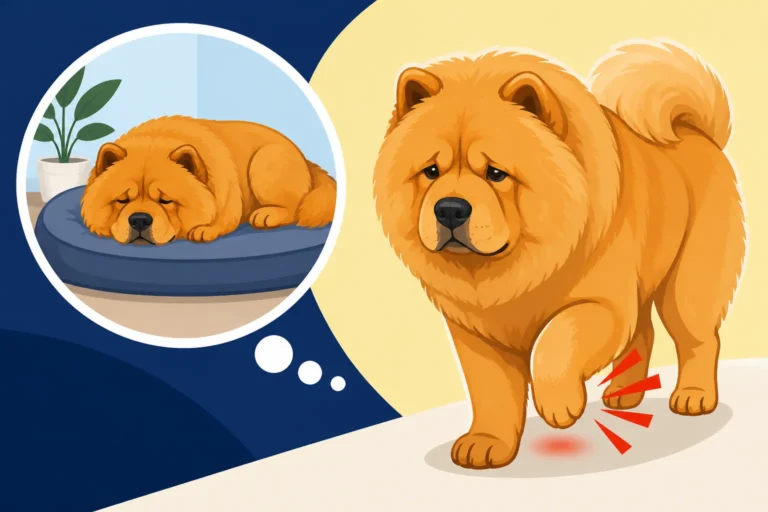
For a Chow Chow, the impact of Myotonia Congenita can manifest in several ways, primarily affecting their gait and overall muscle function. The most common sign is a generalized muscle stiffness, which is particularly evident after a period of rest or during the initial moments of activity. You might notice your puppy has difficulty standing up from a lying position, or that their first few steps are rigid and clumsy. This is because their muscles are "locking up" after being still. As they continue to move, their muscles often "warm up," and the stiffness may temporarily improve, but it rarely disappears completely.
The distinctive gait of a Chow Chow with Myotonia Congenita is a telling symptom. You might observe them moving with a stilted, somewhat bouncy walk, almost like they're walking on stilts. Their legs might appear rigid, and they struggle with fluid movements like running, jumping, or climbing stairs. The stiffness is often more pronounced in the limb muscles, but it can affect other areas too. For instance, some affected Chows might have difficulty swallowing due to pharyngeal muscle involvement, or their facial muscles could appear stiff, giving them an unusual expression. The key here is that the muscles themselves are structurally sound; it's their electrical signaling that's misfiring. This condition directly relates to How Myotonia Stiffens a Chow Chow's Muscles, providing a deeper understanding of the physical impact on these dogs.
The Rarity of Myotonia Congenita in Chow Chows
When you hear about a genetic condition, it's natural to wonder how common it truly is within a specific breed. For Myotonia Congenita in Chow Chows, the good news is that it is considered quite rare. It's not a widespread issue that plagues a large percentage of the breed, which means many Chow Chow owners will never encounter it. However, rarity doesn't mean non-existence, and for those few families who do face it, the impact is significant.
The Genetic Underpinnings and Breed Predisposition
Myotonia Congenita is an inherited condition, typically following an autosomal recessive pattern. This means that for a Chow Chow to exhibit clinical signs of the disease, they must inherit two copies of the defective gene—one from each parent. Dogs with only one copy of the defective gene are carriers; they don't show symptoms themselves but can pass the gene on to their offspring. This mode of inheritance is why responsible breeding practices, including genetic testing, are so crucial. If two carriers are bred together, there's a 25% chance with each puppy that it will be affected, a 50% chance it will be a carrier, and a 25% chance it will be clear.
While Myotonia Congenita has been identified in a few breeds, including miniature schnauzers, great Danes, and Australian cattle dogs, its presence in Chow Chows is less documented but confirmed. The specific gene mutation responsible in Chow Chows is different from those identified in other breeds, highlighting the unique genetic factors at play. This genetic specificity makes it essential for breeders to be aware of the condition and to utilize available genetic screening tests. A responsible breeder will have performed What a Chow Chow Breeder Should Have Tested for their breeding stock, which ideally includes a panel for conditions like Myotonia Congenita, even if it's considered rare.
Prevalence and Current Research Findings
Currently, Myotonia Congenita in Chow Chows is considered exceptionally rare. There isn't extensive literature or large-scale studies detailing its prevalence within the general Chow Chow population, which further supports its low incidence. Most reports in the veterinary community are case studies, highlighting individual dogs or small clusters within specific pedigrees rather than widespread occurrence. This low frequency means that many veterinarians, particularly those who don't specialize in genetics or specific breed conditions, might not immediately recognize it.
The rarity also means that diagnostic tools and research dedicated solely to Myotonia Congenita in Chow Chows are not as extensive as for more common breed-specific diseases. However, advancements in veterinary genetics are continuously being made. DNA tests for specific mutations are developed as researchers identify the genetic markers. For breeders and owners, working with genetic testing laboratories is the best way to determine carrier status or diagnose affected individuals definitively. While the condition is rare, staying informed about ongoing research and genetic testing availability is crucial for the long-term health and preservation of the breed.
Recognizing the Signs and Seeking Diagnosis
Catching the signs of Myotonia Congenita early is key to providing the best quality of life for an affected Chow Chow. Since it's a congenital condition, symptoms typically emerge during puppyhood, as the dog grows and begins to move more independently. Knowing what to look for can make all the difference in getting a timely diagnosis.
Early Indicators in Chow Chow Puppies
The most noticeable signs of Myotonia Congenita in Chow Chow puppies revolve around their movement and muscle function. You might first notice that your puppy has trouble getting up after a nap, or that when they try to run, their legs stiffen, causing them to fall or move awkwardly. They might display Signs a Chow Chow Puppy Cannot Rise easily, struggling with what should be simple actions. This stiffness is often worse in cold weather or after periods of excitement or exertion, and it tends to temporarily improve with continued movement.
Beyond locomotion, other subtle signs can appear:
- A "bunny hop" gait: Instead of a fluid run, the puppy might lift both hind legs simultaneously, resembling a rabbit's hop.
- Difficulty swallowing: In some cases, the muscles of the esophagus can be affected, leading to choking or regurgitation, especially during eating.
- Prominent musculature: Paradoxically, affected puppies might appear unusually muscular because their muscles are often held in a state of partial contraction, giving them a more defined, almost "ripped" look than their littermates.
- Enlarged tongue: Less commonly, the tongue might be stiff or slightly enlarged, impacting their ability to drink or eat normally.
- A stiff or awkward facial expression: The muscles around the face can also be affected, leading to a fixed or unusual facial appearance.
If you observe any of these symptoms in your Chow Chow puppy, it's vital to consult your veterinarian promptly. Early intervention and diagnosis can help you manage the condition more effectively.
The Diagnostic Process for Myotonia Congenita
Diagnosing Myotonia Congenita typically involves a multi-pronged approach. Your veterinarian will start with a thorough physical examination and detailed history, noting all the observed symptoms and their progression. They'll pay close attention to the specific patterns of stiffness and muscle activity.
The next crucial step is often an electromyography (EMG). This diagnostic procedure measures the electrical activity of muscles. In dogs with Myotonia Congenita, the EMG will show characteristic "dive-bomber" sounds or waxing and waning electrical activity, indicative of the sustained muscle fiber depolarization. This is usually the most definitive clinical diagnostic test.
Other tests might include:
- Muscle biopsy: While not always necessary, a muscle biopsy can reveal specific changes in muscle fiber size (hypertrophy) and structure consistent with myotonia.
- Genetic testing: This is perhaps the most precise method. If a specific genetic mutation has been identified for Myotonia Congenita in Chow Chows, a DNA test can confirm whether your dog has inherited the affected genes. Many specialized veterinary labs offer genetic testing panels, and if you have pet insurance like Healthy Paws, it's worth checking if such diagnostic tests are covered under your plan.
- Blood work: Routine blood tests are usually normal in affected dogs, but they might be performed to rule out other conditions that could cause muscle weakness or stiffness.
It's important for veterinarians to differentiate Myotonia Congenita from other conditions that might present with similar signs, such as certain orthopedic issues like Elbow Dysplasia Ranks the Chow Chow Near the Top or nutritional deficiencies that impact muscle development.
Living with Myotonia Congenita: Management and Care
While Myotonia Congenita is a lifelong condition, it doesn't mean an immediate poor prognosis for your Chow Chow. With proper management and a dedicated care routine, many affected dogs can lead relatively comfortable and happy lives, albeit with certain adjustments. The goal is to minimize the impact of muscle stiffness and ensure your dog's overall well-being.
Medical Interventions and Supportive Care
There's no cure for Myotonia Congenita, but medical management focuses on alleviating the symptoms. The primary treatment involves medications that help stabilize the muscle cell membranes and improve muscle relaxation.
- Procainamide: This antiarrhythmic drug is often the first-line treatment. It works by blocking sodium channels in the muscle, reducing excitability and allowing muscles to relax more effectively.
- Phenytoin: Another anticonvulsant medication, phenytoin, can also be used to help manage the muscle stiffness by influencing ion channels.
- Mexiletine: Similar to procainamide, mexiletine is an oral antiarrhythmic that can be effective in some cases, helping to stabilize muscle cell membranes.
The specific dosage and choice of medication will be determined by your veterinary neurologist based on your dog's individual response and tolerance. It often requires some trial and error to find the optimal regimen. Regular follow-up appointments will be necessary to monitor effectiveness and adjust treatment as needed. It's crucial to administer all medications as prescribed, even if symptoms seem to improve, to maintain consistency.
Beyond medication, supportive care is vital. This includes:
- Gentle exercise: Encouraging regular, moderate exercise can help keep muscles warm and supple, reducing the severity of stiffness. Overexertion, however, should be avoided.
- Warmth: Keeping your Chow Chow warm, especially in colder months, can help prevent muscle stiffness from worsening. A comfortable, soft bed in a draft-free area is a must.
- Dietary considerations: Ensure your dog is on a high-quality, balanced diet. While no specific diet cures the condition, good nutrition supports overall muscle health. If swallowing issues are present, softer foods or elevated feeders might be beneficial.
It's also important to consider the financial aspect of managing a chronic condition. While Myotonia Congenita in a Chow Chow is rare, the cost of diagnostics, medications, and specialist veterinary visits can add up. This is where a robust pet insurance policy, like those offered by Healthy Paws, can be incredibly helpful. Policies often cover a significant portion of diagnostic tests and ongoing treatment for unexpected illnesses, providing peace of mind for pet parents.
Prognosis and Quality of Life Considerations
The prognosis for a Chow Chow diagnosed with Myotonia Congenita is generally good with appropriate management. While they will always have the condition, many can lead a good quality of life. The muscle stiffness typically stabilizes, and with medication, the severity of the symptoms can be significantly reduced, allowing them to participate in many normal dog activities. They might not be candidates for competitive agility or marathon running, but a joyful romp in the yard or a leisurely walk can still be very much a part of their routine.
However, certain limitations will remain. You'll need to be mindful of their physical capabilities and avoid situations that could exacerbate their stiffness or lead to injury. For instance, cold weather, sudden movements, or prolonged periods of inactivity might require extra vigilance and warm-up time. Owners will need to be patient and understanding, recognizing that their Chow Chow's movements may always be a little different from other dogs.
In rare, severe cases where muscle stiffness significantly impairs basic functions like eating or breathing, the quality of life might be more severely impacted. These cases, thankfully, are less common. Most Chow Chows with Myotonia Congenita, once diagnosed and properly managed, can look forward to a lifespan that is not necessarily shortened by the condition itself. They can expect to live for The Eight to Twelve Years a Chow Chow Gets, benefiting from the love and dedicated care of their families. It emphasizes the importance of continuous veterinary oversight and a proactive approach to their care, ensuring that you're always checking for What Changes in a Chow Chow After Eight if they reach their senior years, as new challenges may arise.
In summary, while Myotonia Congenita is a rare genetic condition in Chow Chows, it's a manageable one. Early diagnosis, consistent medication, and thoughtful supportive care are the cornerstones of ensuring an affected Chow Chow enjoys a fulfilling and comfortable life.
| Feature | Healthy Chow Chow | Chow Chow with Myotonia Congenita |
|---|---|---|
| Muscle Relaxation | Normal, fluid | Delayed, stiff after contraction |
| Gait | Stilted but generally fluid (breed characteristic) | Stiff, rigid, "bunny hop" sometimes, especially starting up |
| Muscle Appearance | Well-muscled | Often appears unusually prominent/muscular due to constant partial contraction |
| Onset of Symptoms | N/A | Typically puppyhood (4-6 months) |
| Genetic Basis | Inherits two normal gene copies | Inherits two copies of the defective CLCN1 gene (autosomal recessive) |
| Response to Cold | Minimal impact on muscle stiffness | Stiffness often worsens in cold temperatures |
| Long-Term Impact | Generally healthy, normal mobility | Manageable with medication, lifelong condition, requires care adjustments |
Disclaimer
The information provided in this article is for educational purposes only and is not intended to be a substitute for professional veterinary advice, diagnosis, or treatment. Always seek the advice of your veterinarian or other qualified animal health provider with any questions you may have regarding a medical condition. Never disregard professional veterinary advice or delay in seeking it because of something you have read in this article.