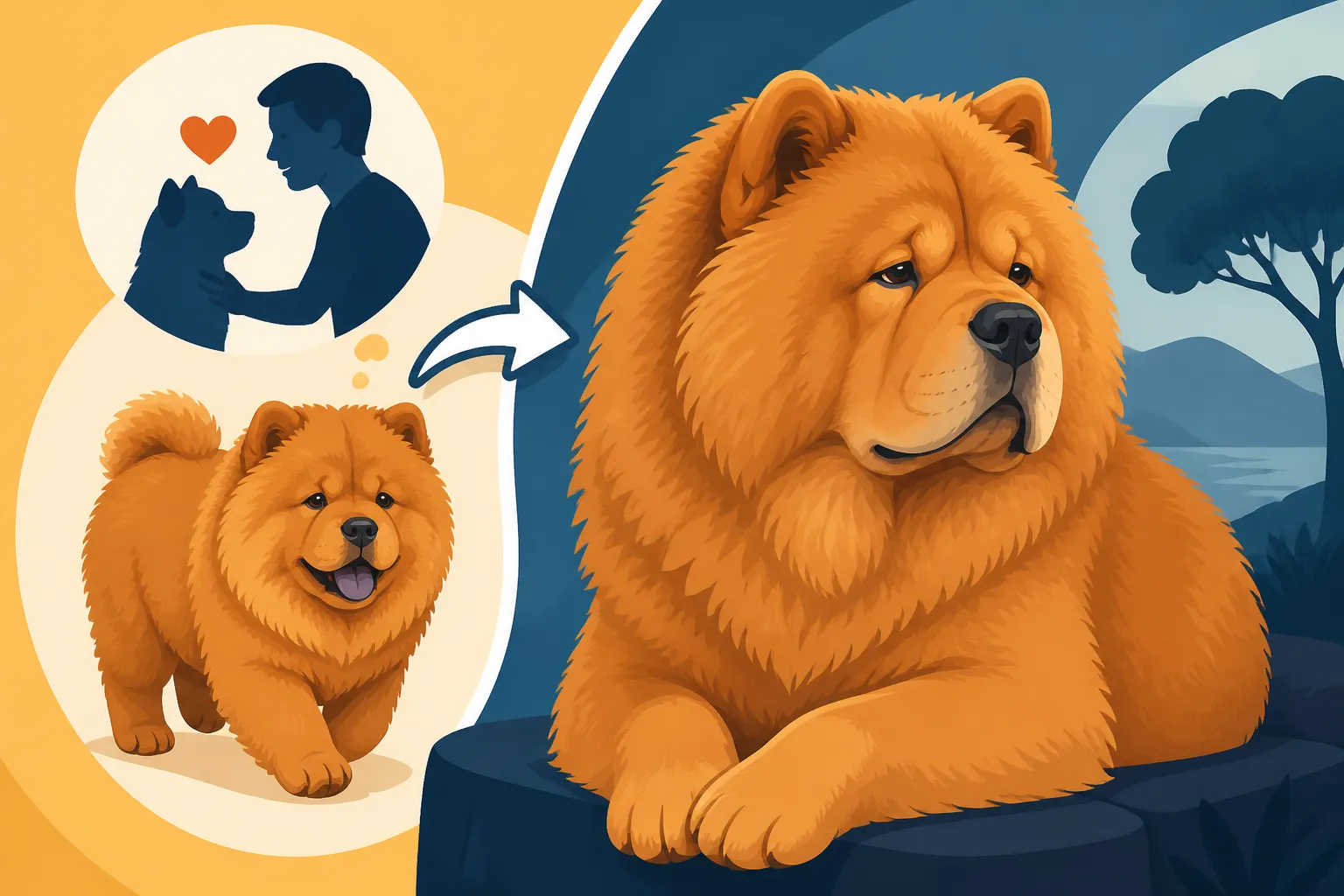
Whether an Aging Chow Chow Grows More Aloof
It’s a common worry for Chow Chow owners as their beloved companions enter their golden years: will their already independent nature lean even further into aloofness? You might find yourself wondering if that subtle bond you’ve nurtured is fading, or if new behaviors are just a normal part of aging. This guide aims to shed light on how aging can affect a Chow Chow’s demeanor, helping you understand whether changes are simply more "Chow-like" behavior or if something deeper is at play.
Understanding the Chow Chow's Natural Independence
Before we dive into how aging might change things, it's crucial to first understand the Chow Chow's inherent personality. These aren't your typical effusive, tail-wagging Golden Retrievers; they are a breed apart, known for their dignity and self-possession.
The Baseline: A Breed Apart
Chow Chows have a long history, not as eager-to-please working dogs fetching sticks, but as guardians, hunters, and companions to nobility in ancient China. This heritage instilled in them a unique blend of loyalty and independence. They aren't aloof because they don't care; they simply express their affection differently. While other breeds might jump and shower you with licks, a Chow Chow is more likely to offer a quiet presence, a gentle lean, or simply choose to be in the same room as you. This can be a source of frustration for new owners expecting a more demonstrative pet, but it's the very essence of the breed. Their reserved nature means they often don't feel the need to constantly seek attention or validation. They are confident in their bond and comfortable in their own company, and that's just part of their charm. If you've ever wondered How Aloof a Chow Chow Really Is, it's important to remember this isn't a flaw, but a defining characteristic.
People unfamiliar with the breed often misinterpret this reserve as unfriendliness or even disdain. They might try to force interaction or bombard a Chow Chow with overt affection, which can be counterproductive. A Chow Chow appreciates respect for their personal space and a more nuanced approach to bonding. It's about earning their trust and understanding their subtle cues. This deep-seated independence is part of what makes them so captivating to those who truly appreciate them – they are dogs that demand a relationship built on mutual respect rather than constant fawning. This means that any perceived shift in their senior years needs to be viewed through the lens of this baseline temperament.
A One-Person Dog's Affection
One of the most defining characteristics of the Chow Chow is their tendency to form an exceptionally strong bond with one primary person. They truly are a "The Chow Chow Bonds to One Person and Tolerates the Rest" kind of dog. This doesn't mean they dislike other family members, but their deepest connection, their most profound loyalty, is usually reserved for one individual. With their chosen person, their affection, while still reserved compared to many breeds, is palpable. They might follow you quietly from room to room, rest their head on your lap during a quiet evening, or offer a deep, contented sigh when you pet them just right. These are their declarations of love.
For the rest of the household, a Chow Chow typically offers a respectful tolerance. They will acknowledge other family members, accept food or a leash, and might even enjoy a brief, polite scratch behind the ears. However, they're unlikely to initiate prolonged cuddling sessions or seek out their attention with the same intensity they reserve for their chosen human. This distinction is crucial when considering how aging might affect their behavior. If a Chow Chow already tolerates others rather than actively seeking them out, a slight increase in reserve in their later years might be less noticeable to the secondary family members than to their primary person. It’s a nuanced dance of affection and personal space that becomes even more delicate as they navigate the complexities of old age.
How Aging Can Influence a Chow Chow's Behavior
As our Chows enter the later stages of their The Eight to Twelve Years a Chow Chow Gets, it's natural for both their bodies and minds to undergo changes. These shifts can, at times, manifest as what might appear to be increased aloofness, but it's vital to differentiate between true personality changes and responses to physical or cognitive discomfort. This is where vigilant observation and understanding your senior Chow Chow comes into play, as described in Caring for an Old Chow Chow.
Physical Changes Affecting Interaction
One of the most significant factors influencing an aging Chow Chow's desire for interaction is physical discomfort. Just like humans, senior dogs can develop aches and pains that make moving, getting up, or even being touched less appealing. Conditions like arthritis, common in older large breeds, can cause stiffness and soreness, making them hesitant to jump on the couch for a cuddle or even lean against your leg. If your Chow Chow is showing signs of How an Aging Chow Chow Stiffens, they might not be growing more aloof, but simply trying to protect themselves from pain. A gentle touch that once brought comfort might now elicit a wince or a withdrawal, not because they don't love you, but because it hurts.
Beyond general body aches, sensory impairments can also play a huge role. An aging Chow Chow might experience Deafness in an Aging Chow Chow, making them less responsive to your voice or even startled if approached from behind without warning. Similarly, their vision might decline, perhaps with Whether an Aging Chow Chow's Eyes Cloud due to cataracts or other conditions, making them more cautious and less likely to engage in activities that require keen eyesight. If a dog can't see or hear you approaching, they might appear unresponsive or even seem to ignore you, leading you to believe they're becoming more distant. It's not a lack of affection, but a change in their ability to perceive and process the world around them, requiring a more thoughtful approach from their human companions. This often means adjusting your interactions to be gentler, more predictable, and always ensuring they know you're there before reaching out.
Cognitive Decline and Changes in Personality
Just as physical health can impact behavior, so too can the natural aging process of the brain. Canine Cognitive Dysfunction (CCD), often compared to Alzheimer's in humans, is a real and often overlooked condition in older dogs. It's not just about a dog "slowing down" mentally; it involves actual changes in brain function that can alter personality, memory, and social interactions. If your aging Chow Chow seems more aloof, confused, or even irritable, it could be a sign of CCD rather than a deliberate withdrawal of affection.
Symptoms of CCD can be varied and subtle at first. You might notice your Chow becoming disoriented in familiar surroundings, staring blankly at walls, or getting "stuck" in corners. Their sleep-wake cycles might flip, leading to restless nights and excessive napping during the day. Most relevant to the feeling of aloofness, CCD can cause changes in social interaction. Your Chow might seem less interested in greetings, forget familiar commands, or even appear not to recognize family members for brief moments. This isn't them deciding they don't want to be around you; it's a neurological process affecting their ability to process and respond to social cues. It can be heartbreaking to witness, but understanding it as a medical condition rather than a personality shift is the first step toward compassionate care. A regular wellness exam, which is recommended for How Often a Chow Chow Needs a Wellness Exam, can help identify these early signs.
Distinguishing True Aloofness from Other Issues
When your senior Chow Chow starts exhibiting behaviors that seem more distant, it’s easy to jump to conclusions about them becoming more aloof. However, it's incredibly important to consider if these changes are actually a symptom of an underlying health issue rather than a conscious choice to withdraw. Chows are notoriously stoic, and they often hide discomfort very well, which can make diagnosis tricky for even the most observant owner.
Signs of Pain vs. Disinterest
Chow Chows are masters at masking discomfort. Their ancestral instincts taught them to hide weakness, so you might not see overt limping or yelping even when they're in significant pain. This is why you need to be particularly attuned to How a Chow Chow Hides Pain. A senior Chow who suddenly seems less interested in being petted, or pulls away when you reach for them, might not be growing more aloof; they might simply be hurting. They might not want to move because their joints ache, or a gentle stroke on a sensitive spot could be genuinely painful. Rather than assuming disinterest, look for more subtle indicators.
These subtle signs can include restlessness or difficulty getting comfortable, a decreased appetite, excessive licking of a specific body part, or a change in their preferred resting positions. They might be slower to rise after rest, or even develop a slightly different gait. If your Chow, who once tolerated or even enjoyed a good brush, now stiffens or tries to move away, it's worth considering if brushing is causing discomfort, perhaps due to sensitive skin or underlying joint pain, rather than them being "grumpy." Regular veterinary check-ups are paramount here. Your vet can perform a thorough physical examination, checking for tenderness, reduced range of motion, and other indicators that your Chow Chow might be silently enduring pain. This early intervention is essential, as managing pain can significantly improve their quality of life and potentially restore some of their previous interactive behaviors.
Recognizing Cognitive Changes
Distinguishing between genuine aloofness and the signs of cognitive decline requires careful observation. While a Chow Chow is naturally reserved, a senior Chow experiencing CCD will often show a constellation of symptoms beyond just a perceived lack of interest. These aren't just mood changes; they're functional shifts in their cognitive abilities. If your Chow starts forgetting routines they've known for years, such as where their food bowl is or which door leads outside, that's a red flag. Disorientation in familiar surroundings, pacing aimlessly, or getting "stuck" behind furniture are strong indicators of cognitive issues.
Furthermore, changes in sleep-wake cycles are very common with CCD. Your Chow might sleep more during the day but become restless, anxious, or vocal at night. They might also begin to soil the house even if they've been perfectly housetrained their entire lives, not out of defiance, but because they simply forget where they are or can't remember the appropriate behavior. Decreased engagement with toys or family members, or a reduced desire to participate in activities they once enjoyed, can also be signs. If you're noticing these types of changes in combination with what you perceive as aloofness, it's crucial to consult your veterinarian. They can help rule out other medical conditions and discuss strategies for managing CCD, including potential dietary changes or medications. Being proactive about recognizing and addressing cognitive decline can make a significant difference in your aging Chow Chow's comfort and quality of life.
Supporting Your Senior Chow Chow's Comfort and Connection
Watching our Chow Chows age can be bittersweet. While their youthful vigor may wane, our responsibility to ensure their comfort, dignity, and continued connection with us only grows. If your aging Chow seems to be retreating, there are many steps you can take to make their senior years as happy and engaging as possible.
Creating a Comfortable and Predictable Environment
One of the kindest things you can do for an aging Chow Chow is to create a home environment that anticipates and accommodates their changing needs. If they are struggling with mobility, for instance, consider investing in ramps for accessing favorite spots like the couch or the car. Soft, orthopedic beds placed in easily accessible, quiet areas can make a world of difference for aching joints, especially if How an Aging Chow Chow Stiffens is becoming an issue. Ensure their food and water bowls are within easy reach and that they don't have to navigate stairs frequently just to get a drink.
Establishing a consistent daily routine is also incredibly helpful for senior Chows, especially those experiencing any degree of cognitive decline. Predictability reduces anxiety and confusion. Keep feeding times, walks, and potty breaks on a regular schedule. Provide them with a safe, quiet space – perhaps a comfy bed in a corner of a less-trafficked room – where they can retreat when they feel overwhelmed or simply want to rest undisturbed. Remember, their world might be shrinking due to sensory loss or discomfort, so making their immediate environment as predictable and comfortable as possible will foster a sense of security and encourage them to relax and engage more freely when they feel up to it.
Maintaining Gentle Interaction and Veterinary Care
Even if your aging Chow Chow seems less outwardly affectionate, it's important to continue offering gentle, respectful interaction. Avoid sudden movements or loud noises that might startle a dog with diminished hearing or vision. Always announce your presence before approaching, especially if you need to touch them. Continue with gentle grooming, making sure to be extra careful around sensitive areas, as this can still be a bonding experience if done patiently and without force. Respect their boundaries; if they move away from a hug, offer a gentle scratch behind the ears instead. Think about What Changes in a Chow Chow After Eight and tailor your interactions.
Crucially, ongoing and proactive veterinary care is non-negotiable for senior Chows. Regular check-ups are essential to catch and manage age-related conditions before they significantly impact your dog's quality of life. Your vet can perform a What a Chow Chow's Yearly Bloodwork Should Cover to monitor organ function, assess for arthritis, and discuss potential medications or supplements to manage pain or cognitive decline. If you have any concerns about their eyes, be sure to ask Whether a Chow Chow Needs a Yearly Eye Exam, especially given the breed's predispositions. Addressing physical discomfort or cognitive issues medically can often bring about a noticeable improvement in your Chow's demeanor and willingness to interact. Planning for these costs is smart, and pet insurance providers like Healthy Paws can offer support for unexpected health challenges that come with aging, helping you make the best decisions for your senior companion without undue financial stress. They understand that a senior Chow Chow needs dedicated care, and having a plan in place can offer immense peace of mind.
| Behavior Type | Normal Chow Chow Aloofness | Potential Sign of Age-Related Issue |
|---|---|---|
| Greeting Family | Calm, quiet acknowledgement; maybe a gentle lean/head bump | Less response, confusion, irritation, or fear |
| Desire for Petting | Enjoys petting on their terms, for a limited duration | Actively moves away, growls, yelps, flinches when touched |
| Following You | Might follow silently, stay in the same room, observe you | Appears disoriented, gets 'stuck,' follows less, paces |
| Response to Name | May acknowledge with an ear flick, slow gaze, or no obvious sign | No response, appears confused, or startled (if hearing impaired) |
| Playfulness | Moderate playfulness, often brief and self-initiated | Complete disinterest, appears painful when moving |
| Interaction with Guests | Reserved, watchful, minimal interaction, might retreat | Increased anxiety, aggression, incontinence, or extreme withdrawal |
| Nighttime Behavior | Sleeps soundly, occasionally shifts positions | Restlessness, pacing, vocalizing, disrupted sleep |
| House Training | Reliable, rarely has accidents | Frequent accidents, loss of awareness of elimination cues |
Disclaimer
This article is for general informational purposes only and does not constitute professional advice. Laws, prices and regulations vary by location and change over time. Consult a qualified professional for guidance on your specific situation.