Whether the Chow Chow Reached China With Nomads
One of the most enduring mysteries surrounding our beloved Chow Chows is how they came to be in China in the first place. For centuries, people have pondered whether these majestic dogs were indigenous to the region or if they were brought in from afar. This guide delves deep into the fascinating theory that the Chow Chow's ancestors made their way to China alongside nomadic tribes, exploring the historical, cultural, and genetic clues that shed light on this intriguing possibility.
The Ancient Roots of the Chow Chow
It’s easy to look at a Chow Chow today, with their serene dignity and lion-like mane, and imagine them as a fixture of ancient Chinese courts. And while they certainly gained prominence there, their story likely begins much, much earlier, shrouded in the mists of prehistory. Understanding this deeper past is crucial to piecing together the puzzle of their origins.
A Deep Dive into Early Origins
The Chow Chow is undeniably an ancient breed, a fact that's often a source of pride for owners like us. In fact, many experts consider The Chow Chow Is One of the Oldest Breeds in the World. Archeological evidence suggests that dogs resembling the Chow Chow have existed in China for thousands of years. We're talking about artifacts and artwork, like those showing dogs that look strikingly like our Chows on Han Dynasty Pottery Shows a Dog That Looks Like a Chow Chow, dating back over 2,000 years. These early representations give us glimpses of their physical form, hinting at the dense coat, curled tail, and distinctive scowl that are still hallmarks of the breed today.
But even these ancient Chinese origins beg the question: where did those dogs come from? Were they always there, evolving in isolation within China's borders? Or did they arrive, perhaps gradually, from other regions? The very deep roots of the breed suggest a long history of adaptation, but don't necessarily rule out a migratory path. It's a debate that highlights how complex the history of dog breeds truly is, often intertwined with human migration and cultural exchange.
The Silk Road and Cultural Exchange
Imagine the vast, interconnected network of trade routes known as the Silk Road, stretching across Eurasia for millennia. This wasn't just a pathway for silk and spices; it was a conduit for ideas, technologies, and living creatures – including dogs. Nomadic tribes, traders, and explorers traversed these immense distances, bringing their livestock, their culture, and their loyal canine companions with them.
The sheer scale of movement along these routes makes it entirely plausible that dogs from one region could have gradually migrated and established populations in another. As goods like tea, spices, and textiles made their way from East to West, animals often traveled too, sometimes as companions, sometimes as working stock, and sometimes as novelties. The movement of people, particularly nomadic groups who didn't stay put for long, naturally facilitated the spread of their animals. This constant ebb and flow of cultures and populations provided ample opportunity for different dog types to mix, adapt, and eventually become recognized as distinct regional breeds, like our Chow Chow.
Examining the Nomadic Migration Theory
The idea that Chow Chows might have arrived in China with nomadic peoples is a compelling one, suggesting a journey from cooler, more northern climates. This theory paints a picture of resilient dogs accompanying their human companions across vast, challenging landscapes, far different from the gilded palaces they would later inhabit.
The Siberian Connection
One prominent thread in the nomadic migration theory points to a possible Siberian connection. Some researchers and enthusiasts suggest that the Chow Chow's ancestors might have originated in the colder, northern regions of Asia, perhaps Siberia or Mongolia, before making their way south into China. This isn't just a wild guess; it's often supported by the Chow Chow's physical characteristics, particularly their dense double coat and powerful build, which are perfectly suited for harsh, cold environments. Think about it: a thick ruff and undercoat are ideal for weathering freezing winds and snow, qualities you’d expect from a dog whose lineage might have included working alongside nomadic herders in vast, open steppes.
When we consider Whether the Chow Chow Came From Mongolia or China, the geographical proximity and historical ties between these regions make the nomadic migration highly plausible. Mongolia, with its history of nomadic empires and hardy dog breeds, is often cited as a potential ancestral homeland. Dogs from these regions could have accompanied nomadic tribes on their seasonal migrations, eventually settling in various parts of China and interbreeding with local dog populations. This slow, steady movement over centuries would explain how a distinctive breed could spread across such a vast territory.
Nomadic Lifestyles and Dog Roles
For nomadic tribes, dogs weren't just pets; they were essential working partners. They guarded livestock, protected encampments from predators, and provided companionship during long, solitary journeys. A dog with the Chow Chow's inherent traits would have been incredibly valuable in such a lifestyle. Their natural suspicion of strangers, combined with their formidable appearance and deep bark, would have made them excellent deterrents against both human intruders and wildlife.
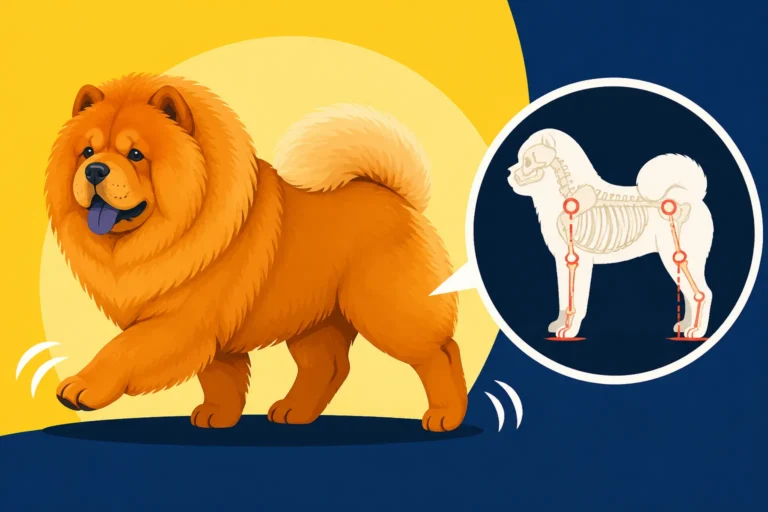
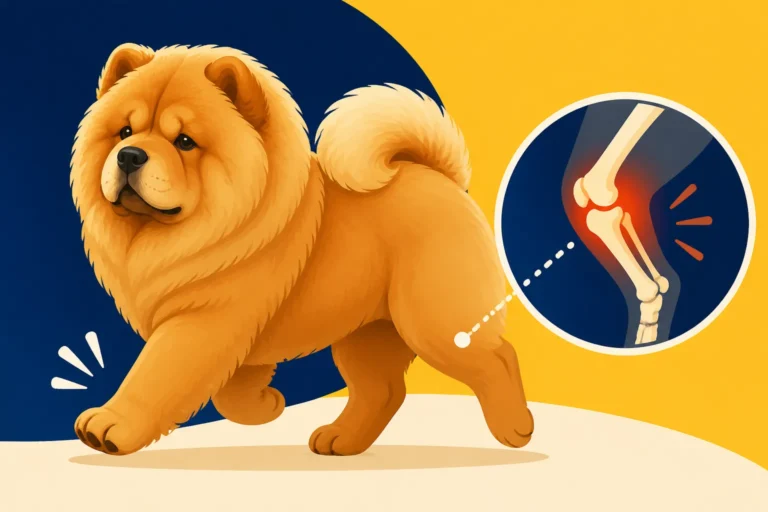
Imagine a nomadic family, their felt yurts set against a vast, stark landscape. Their Chows would be on alert, their keen senses picking up distant sounds, their thick coats shrugging off the biting cold. They wouldn't be sprinting for miles alongside galloping horses, but rather acting as vigilant sentinels, watching over the camp and its inhabitants. The Chow Chow's famously stilted gait, often attributed to their straight rear leg structure, might even be an adaptation to conserve energy during long patrols rather than for high-speed chases. This contrasts sharply with What a Chow Chow Hunted in China in later dynasties, often as a slower, more deliberate hunting companion for fowl. Their ability to thrive in challenging environments and their protective instincts align perfectly with the demands of a nomadic existence, making the theory resonate deeply.
Evidence and Speculation Around Chow Chow Migration
When we talk about ancient breed histories, we're often dealing with a blend of scientific evidence and educated speculation. For the Chow Chow, understanding their potential nomadic journey requires looking at everything from their genetic blueprint to the faint echoes in historical records.
Genetic Clues and Shared Ancestry
Modern science has opened up incredible avenues for understanding dog ancestry through DNA analysis. When we ask What DNA Says About the Chow Chow's Age, genetic studies consistently place the Chow Chow among the most ancient dog breeds, indicating a divergence from the wolf lineage thousands of years ago. More intriguingly, these studies often show genetic similarities between the Chow Chow and other northern breeds, particularly those from the Arctic and East Asia. This genetic overlap strengthens the argument for a shared ancestral pool or at least significant interaction between these populations.
Researchers have identified Which Breeds the Chow Chow Is Most Related To, often pointing to other spitz-type dogs with similar physical characteristics, double coats, and sometimes even the blue-black tongue, like the Shar Pei. The genetic markers shared with these breeds from across northern Asia suggest either a common ancestor that spread across the continent, or a flow of genetic material through repeated migrations and interbreeding. This doesn't necessarily mean a direct, single nomadic migration event, but rather a long history of interconnected populations moving and evolving. It also helps us ponder Whether the Chow Chow Descends From the Wolf Directly, with DNA suggesting they are very close to that ancient split.
Historical Records and Artistic Depictions
Pinpointing the exact moment or route of the Chow Chow's arrival in China through written historical records is incredibly challenging. Ancient texts often weren't concerned with canine breed distinctions in the way we are today, and many records have been lost to time. However, we can glean clues from broader historical contexts. The Han Dynasty, for example, which saw extensive trade and military expansion, provided opportunities for interactions with nomadic groups from the north and west. As mentioned earlier, Han Dynasty Pottery Shows a Dog That Looks Like a Chow Chow from this era, suggesting their presence was well-established by then. But these artworks don't tell us how they arrived.
What we do have are cultural narratives and the understanding of sustained interactions between sedentary Chinese empires and various nomadic groups. These interactions were sometimes peaceful, involving trade and cultural exchange, and sometimes adversarial. Dogs would have been an integral part of nomadic life, and it's logical to assume that some of these dogs would eventually find their way into Chinese settlements, either through trade, as gifts, or even as spoils of war. The story is less about a single "arrival" and more about a gradual integration over millennia.
| Feature | Chow Chow Traits | Nomadic Dog Traits (General) | Alignment with Nomadic Theory |
|---|---|---|---|
| Coat Type | Dense double coat | Thick, weather-resistant coat | High |
| Build | Robust, sturdy | Strong, durable | High |
| Temperament | Aloof, protective, independent | Independent, protective, wary | High |
| Climate Adapt. | Tolerates cold well | Thrives in varied, often cold, climates | High |
| Dietary Needs | Moderate appetite | Resourceful, efficient metabolisms | Moderate |
| Exercise Needs | Moderate, not high endurance | Moderate endurance, patrol-focused | High |
| Primary Role | Guarding, companionship (historically also hunting, pulling) | Guarding, herding, companionship, hauling | High |
When considering these traits, it's clear that the Chow Chow possesses many characteristics that would have made it an ideal companion for nomadic peoples traversing harsh landscapes.
Why the Debate Matters to Chow Chow Owners
For many Chow Chow owners, understanding the potential nomadic origins of their beloved companions isn't just an academic exercise; it offers valuable insights into their dog's personality, physical needs, and overall well-being. Knowing their history helps us appreciate them more deeply.
Understanding Breed Traits
A Chow Chow's unique personality and physical makeup make so much more sense when viewed through the lens of a nomadic past. Their independence, for instance, isn't defiance; it's a trait honed over centuries where dogs needed to make decisions without constant human direction, perhaps while guarding a flock or camp. Their famous aloofness with strangers? That's not rudeness, but the cautious vigilance of a guardian whose primary loyalty is to its immediate family, developed in environments where new faces might not always be friendly. This is why The Chow Chow Bonds to One Person and Tolerates the Rest is a common understanding of the breed today.
Furthermore, their thick, plush coat, while a beauty to behold, is also a powerful testament to their adaptability. Why a Chow Chow's Double Coat Traps Heat so effectively isn't just for show; it's a survival mechanism from colder climates. Understanding this helps us manage their comfort, especially in warmer environments. We know they are prone to overheating, and Why a Chow Chow Overheats So Easily becomes clearer when we consider their possible historical adaptations. For instance, being mindful of their coat in summer or providing cooling mats, perhaps from a brand like Chewy, becomes a logical extension of respecting their ancient heritage. Their sturdy build and moderate exercise needs also align with a role of watchful guardian rather than long-distance runner.
Appreciating a Unique Heritage
Owning a Chow Chow means being part of a living history, carrying forward the legacy of one of the world's most ancient breeds. Understanding their journey, whether it was entirely within China or involved a nomadic migration, deepens our appreciation for their resilience and the incredible bond they’ve shared with humans for millennia. Every characteristic, from their distinctive blue-black tongue to their powerful, albeit stilted, gait, tells a story of survival and adaptation.
This deep historical context also underscores the importance of responsible ownership, respecting their unique temperament, and providing an environment that caters to their needs. Knowing How Old the Chow Chow Breed Is inspires a sense of stewardship, encouraging us to preserve the health and integrity of this magnificent breed. When we consider their care, from nutrition to grooming, or even selecting the right toys and supplies from retailers like Chewy, we're not just caring for a pet; we're honoring a lineage that has traversed vast landscapes and centuries. This unique heritage is a gift, and learning about it only enriches the experience of having a Chow Chow by your side.
Disclaimer
This article is for general informational purposes only and does not constitute professional advice. Laws, prices and regulations vary by location and change over time. Consult a qualified professional for guidance on your specific situation.