What Coolidge Named His Chow Chows
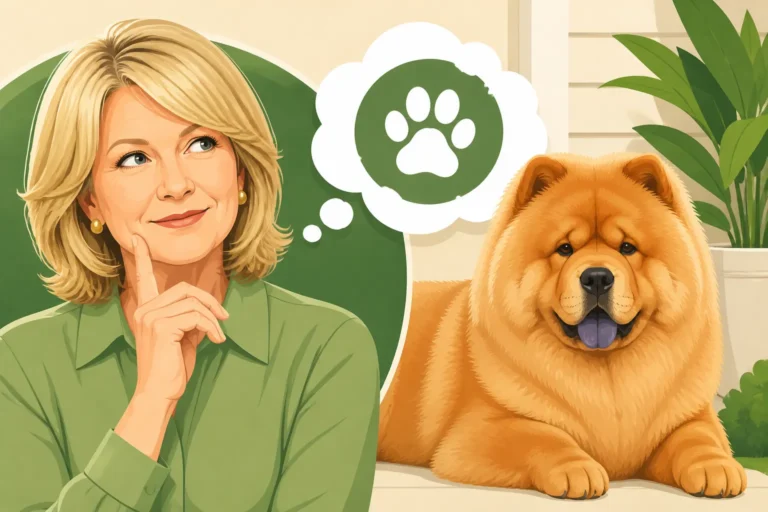
Calvin Coolidge’s Chow Chows were named Tiny Tim and Blackberry. They lived at the White House during the 1920s, when the president’s many animals drew public attention alongside his political life. This guide explains what is known about the dogs, how their names fit into the Coolidge family’s pet-filled household, and which popular stories are better treated cautiously.
The names of Calvin Coolidge’s Chow Chows
Tiny Tim and Blackberry
The names most consistently associated with the Coolidge family’s Chow Chows are Tiny Tim and Blackberry. They were among the dogs kept by President Calvin Coolidge and First Lady Grace Coolidge during their years in the White House. When people ask what Coolidge named his Chow Chows, these are the two names to know.
They were not the only animals in the family’s care. The Coolidges kept a remarkably varied collection of pets, including dogs of other breeds, cats, birds and a raccoon named Rebecca. That mix can make historical pet lists confusing: a name might be correctly linked to the Coolidge household but incorrectly assigned to one of the Chow Chows. Tiny Tim and Blackberry are the names connected specifically with the pair.
The dogs are remembered partly because the Coolidges’ pets were a visible part of life at the presidential residence. Newspaper readers and visitors were interested in the animals, and the dogs became part of the broader public image of the family. Their names survive not just as a bit of presidential trivia, but as a small, personable detail from an era when the White House’s animal residents attracted real attention.
For a broader list of the family’s animals and a closer look at the dogs who lived there, see Which Chow Chows Lived in the Coolidge White House. The names also appear in the wider history of the breed’s early American visibility, explored in Whether Calvin Coolidge Kept Chow Chows.
Was Tiny Tim named after the Dickens character?
The name Tiny Tim naturally brings Charles Dickens’s A Christmas Carol to mind. It is tempting to assume the Coolidges chose it as a literary reference, but a familiar association is not the same thing as documented evidence. Without a clear record from the family explaining the choice, it is safest to say that the name invites the comparison rather than proving the inspiration.
“Tiny Tim” was a memorable name for a substantial, fluffy dog, too. That contrast may be part of why it sticks in people’s minds: a small-sounding name attached to a distinctive breed with a dense coat and sturdy build. But that is an interpretation, not a confirmed explanation of the Coolidges’ thinking.
Blackberry is similarly easy to picture as a name inspired by the fruit or the dog’s appearance. That explanation may sound plausible, but it should not be presented as established fact unless supported by a specific record. The reliable answer to the question is the names themselves; the story behind each one is less certain.
| Chow Chow name | What is reliably associated with the name | What should be treated cautiously |
|---|---|---|
| Tiny Tim | One of the Coolidge family’s Chow Chows | That the name was definitely chosen because of Dickens |
| Blackberry | One of the Coolidge family’s Chow Chows | That the name was definitely chosen for the dog’s color or a particular personal reason |
The Chow Chows in a White House full of pets
They were part of a much larger animal household
Tiny Tim and Blackberry belonged to a household that was unusually well known for its animals. The Coolidges’ pets included dogs from several breeds as well as other kinds of animals. That matters because stories about the president’s pets are sometimes shortened until the details blur together. A dog associated with the Coolidges was not automatically a Chow Chow, and the two names most closely tied to their Chows should not be used as a complete list of the family’s pets.
For readers looking at old photographs, captions or short lists, it helps to check the breed as well as the name. The Coolidges’ collection included familiar breeds, and some dogs became more famous than others. A photograph of a Coolidge dog, for example, does not establish that the animal was one of the Chow Chows unless its identity is clearly given.
The household’s variety also helps explain why the dogs appear in broader White House pet histories rather than only in breed records. The public was interested in the president’s home life, and animals offered a softer, more approachable subject than political debates. The Chow Chows were part of that story, but they shared the spotlight with many other pets.
Why the dogs became part of breed history
The Coolidge connection gave the Chow Chow a place in public conversation at a time when the breed was attracting attention in the United States. A president keeping Chow Chows made the dogs more recognizable to people who might otherwise have known little about them. The association did not create the breed’s popularity on its own, but it gave the breed a memorable public link.
That distinction is useful. A famous owner can increase curiosity about a breed, but it does not tell us how common the breed was, how it was bred, or what everyday ownership looked like. The dogs’ White House residence is one vivid part of the story, not a complete account of Chow Chow history. For the breed’s American timeline, When the First Chow Chow Reached America provides useful background.
The Coolidge pets also sit within a longer history of the breed’s movement from China into Western countries and its changing public image. To understand that larger arc, it helps to look beyond presidential pets and consider the breed’s earlier roles and reputation. Whether the Chow Chow Was a Nobleman's Dog Only explores one question that often comes up when people trace the Chow Chow’s past.
What the names tell us and what they do not
A glimpse of everyday life, not a full biography
The names Tiny Tim and Blackberry make the dogs feel more immediate than a plain list of breeds. They give us a small glimpse of how the Coolidges referred to their pets, and they help distinguish the pair in historical accounts. Still, a name alone cannot tell us the dogs’ personalities, daily routines or relationship with each member of the family.
It is easy to imagine a presidential pet enjoying an extraordinary life, but the practical details of caring for dogs remain familiar: feeding, grooming, exercise and attention. A Chow Chow’s dense coat, in particular, requires regular care. The fact that a dog lived in the White House does not mean its everyday needs were very different from those of a Chow Chow in any other home.
Nor should a famous name be treated as proof that the breed is a perfect match for every household. A person considering a Chow Chow should learn about the breed’s temperament and care requirements, rather than choosing one because of a presidential association. Historical interest can be a lovely starting point, but responsible ownership depends on understanding the individual dog and the commitment involved.
Avoiding common mix-ups in pet lists
When researching the Coolidge dogs, look for sources that identify both the pet’s name and its breed. Short summaries can place several animals in one sentence, which makes it easy to accidentally attach the wrong breed to a name. If a list names Tiny Tim and Blackberry as Chow Chows, that is the useful distinction to retain.
It also helps to separate confirmed details from attractive guesses. The names are commonly connected with the Coolidges’ Chow Chows; explanations about why the family chose those names are a different matter. The Dickens association with Tiny Tim and the possible fruit or color association with Blackberry may be interesting, but neither should be repeated as settled history without supporting evidence.
For a fuller picture of the breed’s public standing during that period, see How Popular the Chow Chow Was in the 1920s. The Coolidge dogs are one memorable piece of that story, while the breed’s clubs, shows and owners provide additional context. When the Chow Chow Club of America Was Founded and Whether the Chow Chow Has Won Westminster offer two more ways to explore how the breed developed a public presence in the United States.
Why Tiny Tim and Blackberry are still remembered
A distinctive breed meets a famous household
Chow Chows are visually distinctive, and their presence in a presidential household made them especially easy to remember. The breed’s thick coat and recognizable outline stand out in descriptions and images, while the names Tiny Tim and Blackberry are unusual enough to linger. Put together, those details create a strong historical snapshot: two named Chow Chows living among the many animals at the White House.
This is also why the story continues to interest people who are not researching presidential history in depth. Someone might begin with a simple question about the dogs’ names and then discover a wider trail through American breed history, White House pets and the public’s fascination with unusual animals. The Chow Chows offer a personal detail within a much larger political period.
Their fame should not be exaggerated, though. They were beloved pets associated with a well-known family, not the sole reason the breed became recognized in America. Their place in history is meaningful precisely as one detail among many: a pair of dogs whose names help put a face, or at least a name, to the Coolidge household.
The short answer to remember
If you only need the direct answer, Calvin Coolidge’s Chow Chows were called Tiny Tim and Blackberry. The Coolidges kept many pets, so those names refer to the Chow Chow pair rather than every dog in the family’s household.
The story behind the names is less certain than the names themselves. Tiny Tim may remind readers of Dickens, and Blackberry may suggest a color or fruit, but those are associations rather than confirmed explanations. Keeping that distinction clear lets you enjoy the historical detail without turning a plausible guess into a fact.
For readers exploring the breed’s history, the Coolidge dogs make a memorable entry point. They connect the Chow Chow with the White House and the public life of the 1920s, while also encouraging a closer look at the breed’s earlier history, its presence in America and the many other dogs that shared the Coolidge family’s home.
Disclaimer
This article is for general informational purposes only and does not constitute professional advice. Laws, prices and regulations vary by location and change over time. Consult a qualified professional for guidance on your specific situation.