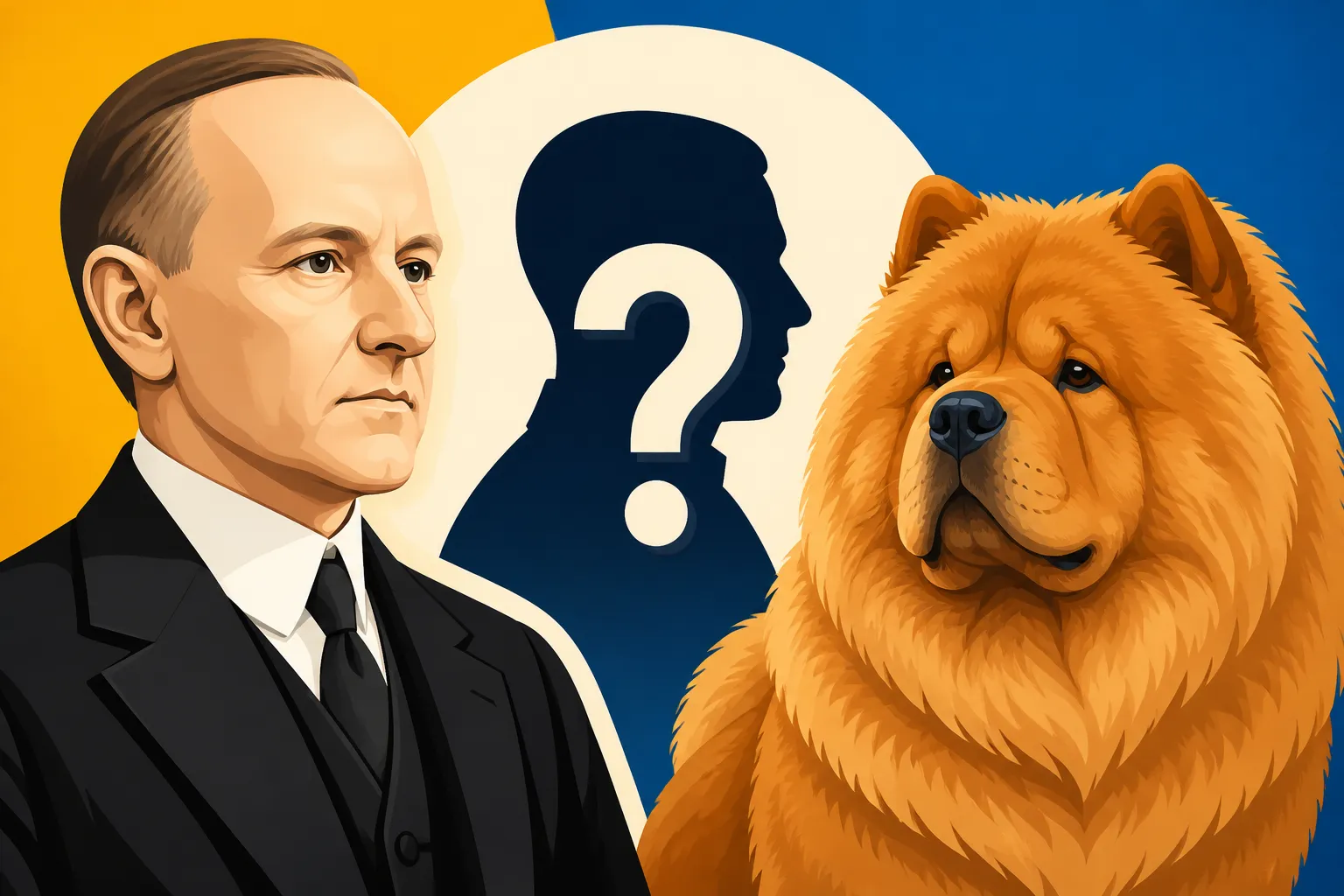
Whether Calvin Coolidge Kept Chow Chows
It’s a common bit of trivia that often pops up in discussions about famous historical figures and their canine companions: did President Calvin Coolidge, famously known as "Silent Cal," really share the White House with Chow Chows? Many people are fascinated by the intersection of presidential history and specific dog breeds, especially one as distinctive and sometimes misunderstood as the Chow Chow. This guide will delve into the fascinating story of the Coolidge administration's pets, confirming which Chow Chows indeed roamed the executive mansion and what their presence meant for the breed's burgeoning popularity in America.
A White House Full of Animals: President Coolidge's Menagerie
The White House has a long and storied tradition of housing presidential pets, but few administrations have rivaled that of Calvin Coolidge and his wife, Grace. Their time in office, from 1923 to 1929, was marked by an astonishing array of animals, reflecting both their personal affection for creatures great and small, and the cultural norms of the era. It wasn't just dogs and cats; the Coolidges had a veritable zoo on the grounds, making their White House tenure particularly memorable for animal lovers.
The Coolidges' Love for Pets
Grace Coolidge, in particular, was known for her deep affection for animals. She often said that pets brought warmth and life to the grand, sometimes formal, atmosphere of the White House. This wasn't just a political gesture; it was a genuine love for the companionship and joy that animals brought. The pets were part of the family, providing comfort and a sense of normalcy amidst the relentless demands of the presidency. For the Coolidges, their furry, feathered, and sometimes scaly friends were integral to their daily lives, a reflection of their personal values and a source of quiet pleasure. They understood that pets could provide a grounding influence, a constant in an otherwise unpredictable world.
The First Lady’s connection with the animals was particularly strong, and she often oversaw their care personally, ensuring they were well-fed, exercised, and given plenty of attention. This hands-on approach endeared her to the public and further cemented the image of the Coolidges as down-to-earth, animal-loving people. Their pets weren't just decorative; they were cherished members of the presidential household, frequently appearing in photographs and newsreels, offering a softer, more relatable side to the often-stoic President. This genuine affection set the stage for welcoming not one, but two, Chow Chows into their unique family.
The Era of Presidential Pets
The 1920s, often dubbed the "Roaring Twenties," was a period of significant cultural change and public fascination with celebrity, including political figures. The presence of pets in the White House was more than just a personal choice for the Coolidges; it was a reflection of a broader American tradition and a way for the public to connect with their leaders on a more personal level. Americans loved to see their presidents with their pets, as it humanized them and made them seem more approachable. These animals provided a harmless, often endearing, topic for newsreels and newspaper articles, diverting attention from political controversies and offering a heartwarming glimpse into the lives of the First Family.
During this era, dogs especially held a prominent place in American homes, seen as loyal companions and symbols of domestic bliss. The public eagerly followed stories about presidential pets, which often became celebrities in their own right. From canaries to raccoons, the White House menagerie became a symbol of the nation's character – diverse, lively, and full of personality. The Coolidges' collection of animals certainly contributed to this tradition, making their White House one of the most animal-filled in history. It helped shape public perception and fostered a sense of shared experience between the highest office and the average citizen who also loved their family pets.
The Chow Chows of the White House
Indeed, President Calvin Coolidge did keep Chow Chows. Not just one, but two of these magnificent, lion-maned dogs were part of his extended White House family. Their presence was a testament to the breed's growing popularity in America during the early 20th century, a trend Queen Victoria Made the Chow Chow Fashionable decades earlier in England. The Chows, with their distinctive appearance and often reserved demeanor, certainly made an impression amidst the other, more common, presidential pets.
Tiny Tim, the First Chow Chow
The first Chow Chow to join the Coolidge household was a striking red male named Tiny Tim. He arrived at the White House in 1923, a gift to Mrs. Coolidge, and quickly became a beloved member of the family. Tiny Tim wasn't "tiny" by any stretch of the imagination, a rather playful misnomer for a robust, medium-sized dog known for its powerful build and impressive coat. His regal appearance, complete with the breed's characteristic scowl and a thick ruff around his neck, made him an instant favorite with photographers and the public. He was often seen accompanying Mrs. Coolidge on her walks around the White House grounds, a majestic and somewhat aloof presence.
Tiny Tim’s unique personality, a blend of independent spirit and deep loyalty to his family, perfectly embodied the Chow Chow breed. He was not overtly effusive, but his devotion was unquestionable. His calm and dignified presence added a quiet grandeur to the presidential residence, a stark contrast to some of the more boisterous animal residents. His story, like that of many presidential pets, captured the imagination of the American public, offering a fascinating glimpse into the lives of these distinguished dogs. He helped to introduce the unique qualities of the Chow Chow to a wider audience, demonstrating that while they might be reserved, they were deeply cherished companions.
Blackberry, the Second Canine Companion
Not long after Tiny Tim settled in, the Coolidges welcomed a second Chow Chow into their home: a black female named Blackberry. She arrived as a puppy, also a gift, and quickly formed a bond with her male counterpart. Blackberry's glossy black coat and the same distinctive Chow Chow features made her an equally captivating presence. Her addition further solidified the breed's representation within the presidential menagerie and provided Tiny Tim with a canine companion of his own kind. Having two Chows allowed the Coolidges to fully experience the breed's nuances and dynamics within a family setting.
Blackberry, like Tiny Tim, enjoyed the unique lifestyle of a White House pet, often appearing in photographs alongside the First Family. Her presence highlighted the growing appreciation for the breed in the United States, showcasing them as more than just exotic imports but as cherished domestic animals. Together, Tiny Tim and Blackberry represented the Chow Chow's journey from an ancient Chinese breed to a recognized and admired presence in American homes. Their lives in the White House certainly contributed to the breed's visibility and appeal, encouraging more Americans to learn about and potentially welcome a Chow Chow into their own families. The Chow Chow Is One of the Oldest Breeds in the World, and its arrival in the US, culminating in White House residency, was a significant milestone.
Living in the Limelight: A President's Dogs
Life as a presidential pet is far from ordinary. For Tiny Tim and Blackberry, the White House was not just a home but a stage, where their daily activities were often chronicled by the press and observed by the public. This unique existence meant that their behaviors and personalities, characteristic of the Chow Chow breed, were put under an intense spotlight, influencing how Americans perceived these majestic dogs.
Public Perception and the Presidential Chow Chows
The presence of Tiny Tim and Blackberry in the White House offered a rare opportunity for the American public to form an impression of the Chow Chow breed. During the 1920s, while the breed was gaining recognition, it was still somewhat uncommon in many parts of the country. The public might have been more familiar with Retrievers or Terriers, so seeing a Chow Chow – with its lion-like mane, deep-set eyes, and blue-black tongue – was certainly novel. These White House Chows helped demystify the breed, making it more approachable to the average citizen. News articles and photographs often depicted them alongside the President or First Lady, portraying them as dignified, loyal, and indeed, cherished family members.
While the Chows' inherent aloofness might have been misconstrued in other contexts, in the White House, it often contributed to their mystique. Their calm, watchful demeanor was seen as regal, fitting for the residence of the nation's leader. This positive portrayal undoubtedly played a role in the breed's increasing popularity during this period. The public saw that even the highest office embraced these distinctive dogs, signaling that the Chow Chow was a desirable and respected companion. This exposure was invaluable in shaping a favorable public perception of the breed, emphasizing their unique qualities rather than potential challenges.
The Chow Chow's Demeanor in the White House
Chow Chows are renowned for their independent and somewhat reserved nature. They are often described as "cat-like" in their temperament, bonding deeply with one or two primary individuals while being polite but detached with others. This characteristic demeanor was likely on full display in the bustling environment of the White House. While Tiny Tim and Blackberry were undoubtedly devoted to the Coolidges, especially Grace, they probably maintained a certain dignified distance from the stream of visitors, staff, and dignitaries passing through the executive mansion. How Aloof a Chow Chow Really Is is a common question, and the Coolidges' Chows likely demonstrated this trait perfectly.
Their quiet loyalty would have been a comforting presence for the Coolidges, offering a sense of stability and unwavering affection amidst political pressures. Unlike some other breeds that might clamor for attention from everyone, the Chows' selective affection would have underscored their special bond with the First Family. This reserved nature, often coupled with a strong protective instinct, would have made them excellent, if subtle, guardians of their presidential home. Their presence served as a fascinating case study in how the unique Chow Chow temperament could thrive even in such an unusual, high-profile setting, demonstrating their adaptability while staying true to their breed characteristics.
Beyond the Chows: Other Notable White House Residents
While Tiny Tim and Blackberry hold a special place in the history of presidential pets, especially for Chow Chow enthusiasts, it's worth remembering that they were just two members of a truly astounding collection of animals that called the Coolidge White House home. The diversity of the Coolidge menagerie speaks volumes about the First Family's deep love for animals and the unique atmosphere they created.
An Eclectic Collection
The Coolidge White House was less a residence and more a living, breathing natural history exhibit. Beyond the two Chow Chows, the list of pets included an array of dogs, such as a white Collie named Rob Roy, a Shetland Sheepdog named Diana, and a Terrier named Peter Pan. But the Coolidges didn't stop at conventional pets. They also harbored a considerable number of more exotic creatures. Rebecca the raccoon, who famously enjoyed strolling around the White House on a leash, was a particular favorite, often featured in newspaper cartoons and stories. There were also various birds, including canaries and mockingbirds, adding music to the presidential halls.
The collection grew even more diverse with gifts from other nations, reflecting America's diplomatic ties. These gifts included a pygmy hippo named Billy, a lion cub, a black bear, and even a wallaby. While many of these larger animals resided in a dedicated enclosure on the White House grounds or were eventually moved to zoos, their initial presence speaks to the Coolidges' open-mindedness and genuine delight in all forms of animal life. This eclectic assembly painted a vivid picture of a presidency that embraced nature and found joy in the animal kingdom, creating a memorable chapter in White House history. The Eight to Twelve Years a Chow Chow Gets would have been spent in a truly unique environment.
The Impact of Presidential Pets
The animals of the Coolidge administration, including Tiny Tim and Blackberry, played a significant role beyond mere companionship. They served as powerful symbols, humanizing the President and making him more relatable to the American public. In an era before widespread television, newspaper photographs and newsreels of the President with his pets offered a glimpse into his personal life, softening his often reserved public persona. Grace Coolidge, in particular, was often seen with the animals, further enhancing her image as a warm and compassionate First Lady.
These pets also provided a welcome distraction during a busy and often stressful period in American history. They offered a touch of levity and charm, making headlines for their antics or unique personalities. Their stories, from Rebecca the raccoon's walks to the dignified presence of the Chow Chows, became part of the national narrative, fostering a sense of shared community and interest. Presidential pets, then as now, bridge the gap between the formal office and the everyday lives of citizens, reminding everyone that even presidents appreciate the simple, unconditional love that animals provide. Whether Calvin Coolidge Kept Chow Chows is a question that leads to a richer understanding of this historical connection.
Why Coolidge's Chows Matter to the Breed's History
The fact that two Chow Chows, Tiny Tim and Blackberry, resided in the White House during the Coolidge administration is more than just a historical footnote. It was a pivotal moment for the breed's recognition and trajectory in the United States, cementing their place in the American consciousness and influencing public perception for years to come. This high-profile exposure at the highest level of government offered an unprecedented platform for the Chow Chow.
Increasing Public Awareness
Before the Coolidge era, the Chow Chow, though recognized by the American Kennel Club (AKC) in 1903, was still a relatively niche breed in the United States. Its origins in ancient China and its distinctive appearance made it somewhat exotic. However, having two Chows in the White House provided unparalleled visibility. Suddenly, these striking dogs were appearing in national newspapers, newsreels, and public discussions. People who had never encountered a Chow Chow before were now seeing them regularly, associated with the dignity and charm of the First Family. This exposure was incredibly valuable for raising general public awareness of the breed's existence and unique characteristics.
The "presidential seal of approval," however informal, certainly contributed to the Chow Chow's growing appeal. It sent a message that these dogs were not just unusual, but worthy companions, even for the most prominent family in the nation. This increased awareness translated into greater interest, prompting more people to seek out information about the breed, attend dog shows where Chows were exhibited, and eventually, consider acquiring one themselves. The White House Chows helped normalize the breed, moving it from the periphery to a more mainstream understanding among dog lovers. When the AKC Recognized the Chow Chow was just the beginning; the Coolidges' Chows brought them into the spotlight.
The Chow Chow's Place in American Culture
The presence of Tiny Tim and Blackberry in the White House helped to firmly establish the Chow Chow's place within American culture. They became symbols, however briefly, of a certain kind of dignity, loyalty, and distinctive beauty. Their stories were woven into the tapestry of White House history, alongside other famous presidential pets. This national recognition transcended mere curiosity; it began to integrate the Chow Chow into the collective imagination of dog ownership in the country. They became part of the broader conversation about dog breeds, gaining a level of prestige that might have taken decades longer to achieve otherwise.
This period was critical for the breed's development in America. It wasn't just about sales, but about cultural assimilation. The Coolidges’ Chows showcased that while they were indeed a breed with specific needs and temperament, they could thrive as beloved family members, even in the most public of settings. This helped to dispel some misconceptions and promote a deeper appreciation for the Chow Chow's unique qualities. Their legacy lives on, not just in historical records, but in the continued fascination and affection for the breed in America. When people ask about famous Chow Chow owners, the Coolidge family will always be a prominent answer, reminding us of the breed's unique journey.
| Presidential Chow Chow | Color | Arrival Year | Role in White House | Impact on Breed |
|---|---|---|---|---|
| Tiny Tim | Red | 1923 | First Chow Chow, beloved by Grace Coolidge | Increased visibility, dignified presence |
| Blackberry | Black | ~1924 | Companion to Tiny Tim, part of the First Family | Further solidified breed's presence, showcased temperament |
Ultimately, the story of Calvin Coolidge and his Chow Chows, Tiny Tim and Blackberry, is a delightful chapter in both presidential history and the history of the breed. It underscores the profound connection humans have with their animal companions, even at the highest echelons of power, and highlights how individual choices can have a lasting impact on a breed's cultural standing.
Disclaimer
This article is for general informational purposes only and does not constitute professional advice. Laws, prices and regulations vary by location and change over time. Consult a qualified professional for guidance on your specific situation.