Whether the Chow Chow Was a Nobleman’s Dog Only
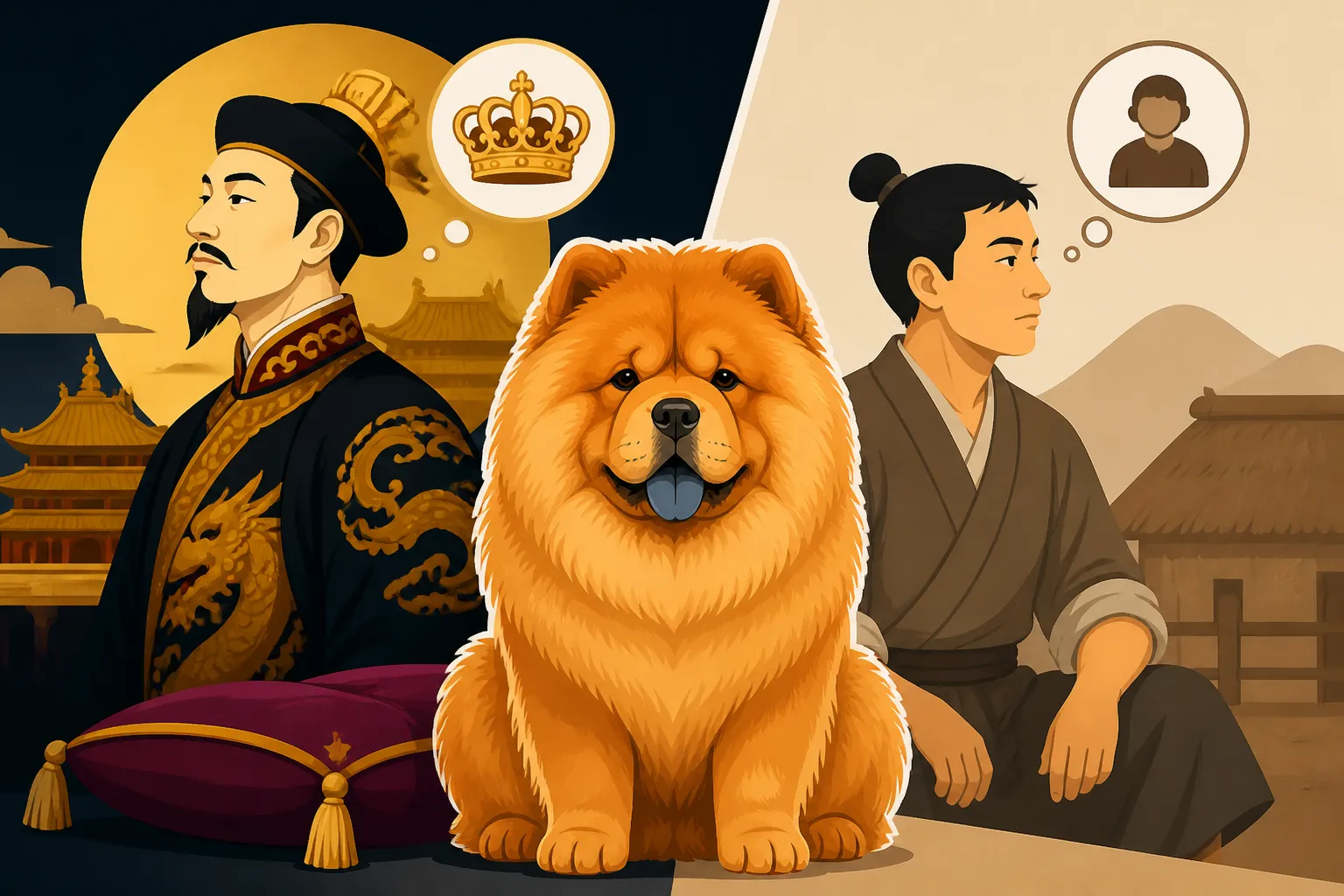
It’s easy to look at the majestic Chow Chow with their lion-like mane and regal bearing and assume they were always dogs of luxury, exclusively gracing the courts of emperors and noble families. Many people struggle with this perception, wondering if these dignified dogs ever had a life beyond opulence. This guide aims to clear up that misconception, exploring the fascinating and surprisingly diverse history of the Chow Chow, revealing that while they certainly had their time in the spotlight with the elite, their roots ran far deeper into the daily lives of everyday people in ancient China.
The Imperial and Noble Connection to the Chow Chow
For centuries, the Chow Chow, or dogs resembling them, held a special, often revered, place among China's ruling classes. Their striking appearance, coupled with their dignified and somewhat aloof temperament, made them ideal companions and symbols of prestige. It's not hard to imagine why royalty would be drawn to such a unique and impressive animal.
Early Imperial Patronage
Historical records and artistic depictions from ancient China often show dogs that bear a striking resemblance to the modern Chow Chow in the company of emperors and high-ranking officials. These magnificent canines weren't just pets; they played various roles that solidified their status within the imperial court. One of the most famous examples comes from the Tang Dynasty, where historical accounts suggest a single emperor kept thousands of dogs for hunting and protection, many of which are believed to have been ancestors of the Chow Chow. Whether a Chinese Emperor Kept Thousands of Chow Chows
Imagine the sheer spectacle: grand hunting expeditions where these powerful dogs would assist in tracking and retrieving game, not just small prey, but substantial animals. This wasn't just a leisurely pursuit; it was a demonstration of wealth, power, and control over nature. The dogs themselves, with their imposing stature and keen senses, were extensions of their owners' might. While specific breeds as we know them today weren't formalized, the characteristics that define the Chow Chow – strength, intelligence, and an impressive coat – would have been highly valued in such contexts.
Beyond the hunt, these dogs served as formidable protectors for palaces and noble estates. Their naturally reserved and watchful nature made them excellent guardians. They provided an imposing presence, deterring intruders and ensuring the security of their noble households. For an emperor, a dog that was both a capable hunter and a loyal protector was invaluable, and it certainly elevated the perceived status of the breed.
Artistic and Literary Depictions
The presence of Chow Chow-like dogs in ancient Chinese art further cements their association with the upper echelons of society. Paintings, sculptures, and pottery from various dynasties often depict these sturdy, curled-tail dogs in noble settings, sometimes alongside their human companions, sometimes guarding important structures. These artistic representations weren't mere portraits; they were symbols. The inclusion of such a dog could signify the owner's wealth, sophistication, and connection to tradition.
However, it’s important to remember that art often focuses on the grand and the opulent, reflecting the ideals and aspirations of the ruling class. While these depictions might lead one to believe the Chow Chow was exclusively a nobleman's dog, they don't necessarily tell the whole story of their prevalence among the general population. It's like looking at Renaissance paintings of royal families and concluding that only royalty existed; it simply represents a specific lens through which history is often preserved. The rich patrons of art were, by definition, the wealthy and powerful, so their pets and their lives would naturally be the subject.
Literary references, though rarer and often less direct, also hint at the esteem in which these dogs were held. Tales of loyal guardians, fierce hunters, and stoic companions often feature dogs with traits strongly reminiscent of the Chow Chow. These narratives, even if embellished for storytelling, reflect a cultural appreciation for their qualities, suggesting they were seen as more than just common mongrels. Their noble appearance and temperament lent themselves well to heroic or dignified roles in storytelling, reinforcing the idea of their elevated status.
The Chow Chow's Broader Working Roles
Despite their strong association with nobility, the Chow Chow's history in China is far more expansive, showcasing their incredible versatility and utility across all social classes. These dogs were, first and foremost, working animals, bred for practicality rather than just aesthetic appeal.
Versatile Working Dogs
In a pre-industrial society, dogs were indispensable tools for survival, and the Chow Chow was no exception. Far from being merely pampered pets, they were relied upon for a multitude of tasks essential to daily life for common folk. They were used for hunting, herding, and even as draft animals. What a Chow Chow Hunted in China For a family trying to feed itself or sustain a small farm, a dog that could help with these chores was a vital asset, not a luxury.
Imagine a farmer in a rural Chinese village, far removed from the imperial court. This farmer might own a Chow Chow to help tend a small flock of sheep or goats, their watchful eyes and protective instincts keeping predators at bay. The breed's sturdy build and immense strength also meant they could be harnessed to pull light loads, like a small cart laden with firewood or market goods. Whether a Chow Chow Was Ever a Draft Dog This wasn't about grand sled teams, but rather about practical, everyday assistance that made life just a little bit easier for families who had to work hard for everything they had. Their incredible endurance and stamina, coupled with their thick coats, also meant they could withstand harsh weather conditions, making them ideal for outdoor work year-round.
Guarding Temples and Homes
The Chow Chow's natural guarding instincts were not exclusively reserved for noble estates. Across China, these dogs served as vigilant protectors for temples, monasteries, and the homes of ordinary citizens. Their imposing appearance and deep bark were often enough to deter unwanted visitors, while their innate loyalty ensured they would defend their territory and family with unwavering devotion.
For a temple, especially one housing valuable artifacts or offering sanctuary, a quiet, watchful guardian like a Chow Chow was invaluable. They would patrol the grounds, alert to any disturbance, their presence adding a layer of security that human guards alone might not provide. Whether Chow Chows Guarded Temples Their stoic demeanor and territorial nature made them perfectly suited for this role, often seen sitting patiently at entrances, observing all who passed. It's fascinating to consider that while temple records often focus on spiritual matters, the practical necessity of canine guardians would have been a quiet, constant reality. Whether Temple Records Mention the Chow Chow
In rural and urban homes alike, a Chow Chow provided a sense of security that was crucial for families. With crime and banditry a concern, especially in less settled areas, a dog that could protect property and loved ones was a priceless possession. They weren't just guarding possessions; they were guarding the very fabric of family life. This guarding role wasn't dependent on wealth; it was a basic need for protection that transcended social strata.
Subsistence and Survival
It's a less comfortable aspect of their history, but to truly understand the Chow Chow's role in ancient China, we must acknowledge that they were also, at times, raised for their meat and fur. This practice speaks volumes about their widespread presence and utility across all segments of society, not just the wealthy. In times of scarcity, or in communities where every resource was utilized, dogs, like other livestock, provided sustenance. Whether Chow Chows Were Raised for Meat and Fur
This practice, while jarring to modern Western sensibilities, highlights the stark realities of survival in historical contexts. It means that Chow Chows were not always seen as individual companions to be pampered, but as a resource. This doesn't diminish their other roles but paints a more complete picture of their place in a complex society. If they were solely the purview of the nobility, such a practical and often grim use would have been far less common, if it existed at all. The fact that they were bred for such purposes suggests they were readily available and formed part of the general population's animal husbandry.
Social Perceptions and Utility
The varied roles of the Chow Chow illustrate how their perception and utility shifted dramatically depending on the social standing of their owners and the specific needs of the community. They were chameleons of utility, adapting to the demands placed upon them.
Status Symbol vs. Practical Asset
This dichotomy is key to understanding the Chow Chow's true historical role. For the wealthy, a Chow Chow was undoubtedly a status symbol. Their unique appearance – the dense mane, the distinctive blue-black tongue, the regal bearing – set them apart. Owning such a dog was a visible declaration of taste and affluence, much like owning a rare breed or an exotic animal today. They were displayed in opulent gardens or paraded through grand halls, admired for their aesthetic qualities.
However, for the vast majority of people, especially in more rural or less affluent areas, the Chow Chow was primarily a practical asset. Their value lay in their ability to perform tasks that contributed directly to the household's survival and security. A family wouldn't invest in feeding a large dog if it didn't provide a tangible benefit. Whether it was guarding the home, deterring wolves from livestock, or helping with transport, their utility was paramount. The fact that many Chinese families still keep Chow Chows as working dogs or guardians today, albeit in a different context, speaks to this enduring practical aspect of the breed. Whether the Chow Chow Still Works in China
This dual identity meant that the breed's characteristics, such as their aloofness and territoriality, were appreciated for different reasons. For nobility, it contributed to their dignified, unapproachable aura. For a commoner, it meant a reliable guard dog that wouldn't wander off or be overly friendly with strangers, thus protecting their livelihood. The thick double coat, while requiring significant grooming (and perhaps a good deshedding tool from a place like Chewy for modern owners!), provided essential insulation in cold northern climates, making them resilient working companions.
Regional Differences
It's also crucial to consider that China is a vast country with immense geographical and cultural diversity. The social standing and roles of Chow Chows likely varied significantly from one region to another. In the bustling imperial cities, closer to the centers of power and wealth, their association with nobility would have been more pronounced. Here, they might have been seen more as decorative or symbolic animals.
Conversely, in the remote, rugged northern regions, where harsh winters and sparse populations meant a greater reliance on self-sufficiency, the Chow Chow’s working abilities would have been far more emphasized. In these areas, they might have been an essential part of a subsistence lifestyle, helping with hunting, guarding, and even some light hauling. Their robust nature and thick coats were perfect adaptations for such climates.
For instance, a Chow Chow living on the steppes of Mongolia might have a very different "job description" than one in a wealthy estate near Beijing. This regional variation underscores the idea that their purpose was dictated by necessity and environment, not solely by a rigid class structure. The "nobleman's dog" stereotype likely originated from documented instances in the most visible centers of power, overlooking the quiet, everyday utility that the breed provided elsewhere.
The Shift to Western Nobility and Modern Perception
The journey of the Chow Chow from China to the Western world profoundly impacted how they were perceived, arguably solidifying the "nobleman's dog" image in many people's minds, even if it wasn't the full truth of their origin.
European Introduction and Royal Fascination
When Chow Chows first arrived in Europe, particularly in Great Britain during the late 18th and 19th centuries, they were exotic rarities. Explorers and traders brought them back as curiosities from the East. Their unusual appearance, from the blue tongue to the distinctive lion-like ruff, captivated the imagination of a society eager for novelties. This natural mystique immediately placed them in a different category than indigenous European breeds.
It wasn't long before these intriguing dogs caught the eye of the British aristocracy. Perhaps the most famous example is Queen Victoria, who acquired a Chow Chow in the late 1800s. When Queen Victoria Got a Chow Chow Her patronage almost single-handedly launched the breed into aristocratic fashion. When royalty takes an interest, it naturally bestows a certain cachet upon the object of their affection. Suddenly, owning a Chow Chow wasn't just about having an interesting dog; it was a sign of being fashionable, sophisticated, and connected to the latest trends amongst the elite.
This shift in ownership context dramatically altered the public perception of the Chow Chow. In China, while they served nobility, they also had widespread working roles. In Europe, however, their initial introduction and subsequent popularity among the upper classes almost exclusively painted them as dogs of luxury and status. This aristocratic embrace created a strong and lasting impression that the Chow Chow was inherently a "nobleman's dog."
From Working Dog to Companion
In the West, the Chow Chow largely transitioned from a working animal to a companion dog. While their guarding instincts were still appreciated, the need for them to hunt, herd, or pull carts diminished significantly in industrialized European and American societies. Instead, their unique appearance, dignified demeanor, and loyalty became their primary selling points.
This transition further cemented the idea that they were pets for those who could afford to keep a dog purely for companionship and show, rather than for its practical labor. Dog shows emerged, focusing on breed standards and aesthetics, and the Chow Chow, with its striking looks, became a popular participant. This pushed their image even further away from their utilitarian Chinese roots and firmly into the realm of a prestigious, ornamental breed.
So, while the initial question—whether the Chow Chow was only a nobleman's dog—can be definitively answered with a "no" when looking at their full historical scope in China, it's understandable why the perception persists. Their prominent association with emperors and nobles in their homeland, combined with their introduction to the West as an aristocratic accessory, created a powerful narrative that overshadows their equally important, but less publicized, history as the versatile, hardworking dogs of the common people. They were, and still are, remarkable animals whose story is far richer and more complex than a single social class can define.
Disclaimer
This article is for general informational purposes only and does not constitute professional advice. Laws, prices and regulations vary by location and change over time. Consult a qualified professional for guidance on your specific situation.