Signs a Chow Chow Puppy’s Elbows Hurt
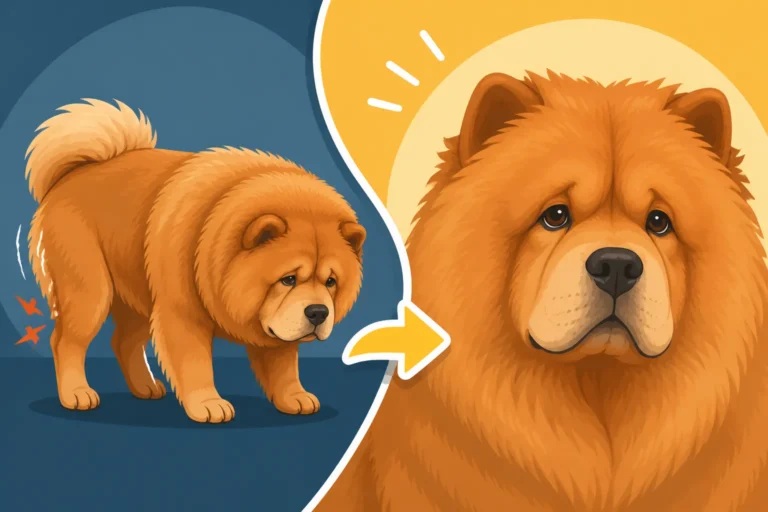
Seeing your precious Chow Chow puppy limp, hesitate during playtime, or struggle to get comfortable can send a wave of panic through any dog parent. It's heartbreaking to witness them in discomfort, and figuring out if it's just a fleeting clumsy puppy moment or something more serious, like underlying elbow pain, is a challenge many Chow Chow owners face. This comprehensive guide aims to help you recognize the subtle and not-so-subtle signs that your furry friend might be experiencing elbow discomfort, empowering you to seek timely veterinary care.
Recognizing General Signs of Puppy Pain
Puppies, especially those of larger breeds like the Chow Chow, are naturally playful and sometimes a little clumsy. They tumble, they run with reckless abandon, and occasionally, they might let out a yelp or favor a limb for a moment. But there's a fine line between typical puppy antics and genuine pain that requires attention. Learning to distinguish between the two is key to ensuring your Chow Chow's long-term health and comfort.
Subtle Changes in Movement and Behavior
One of the most telling indicators of pain in a Chow Chow puppy is a noticeable change in their normal movement patterns. A healthy puppy is usually eager to play, explore, and dart around. If you observe your puppy being less active than usual, showing reluctance to engage in games they once loved, or seeming generally subdued, it could be a red flag. Perhaps they're not jumping onto the couch anymore, or they're avoiding the stairs they once scaled with ease. These seemingly small shifts can actually be huge clues that something is amiss.
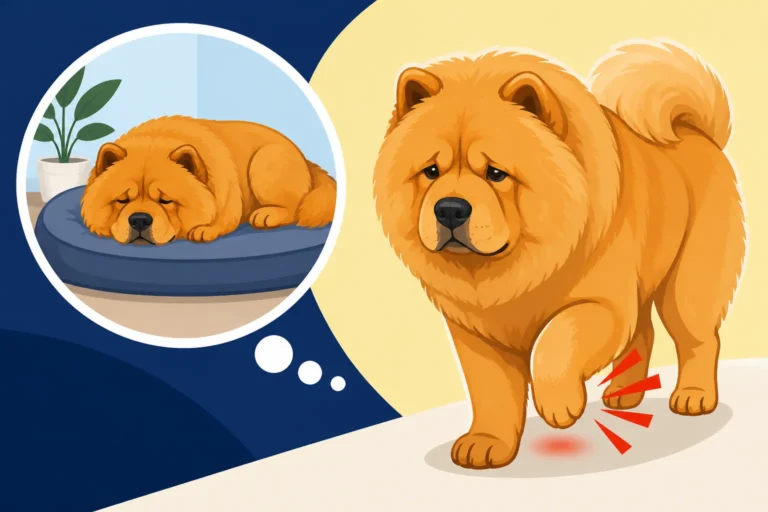
You might also notice a change in their gait. Instead of a free-flowing, happy puppy trot, they might have a stiff or stilted movement, almost as if they're walking on eggshells. They might carry one leg slightly differently, or appear to be favoring one side. Observing your puppy during and after rest is particularly crucial; a dog in pain might struggle to get up after a nap or limp more noticeably when they first start moving. This phenomenon, often referred to as "cold lameness," is a classic sign that underlying joint discomfort, possibly in the elbows, is present. Owners often overlook this or attribute it to general stiffness, but for a growing puppy, it warrants investigation.
Vocalizations and Self-Protection
While Chow Chows aren't typically a highly vocal breed, a puppy experiencing pain might vocalize in ways you haven't heard before. This could manifest as whimpering, yelping, or even a low growl when they're touched in a specific area, especially around their front legs or shoulders. Pay close attention if your normally tolerant puppy suddenly snaps or recoils when you try to pet their chest, neck, or paws. This isn't necessarily a behavioral issue; it's often a clear signal that they are anticipating pain or are already in distress.
Beyond direct vocalizations, a puppy in pain might adopt protective postures. They might try to hold an affected limb off the ground, or shift their weight continuously to avoid putting pressure on a sore elbow. Sometimes, they'll simply look uncomfortable, unable to settle into a comfortable lying position, frequently changing spots, or standing rather than lying down. This self-preservation instinct is strong in dogs, and they will go to great lengths to minimize discomfort, often by altering their posture or avoiding certain movements altogether. It's important to understand that a Chow Chow's dense coat can sometimes make it difficult to visually detect swelling or subtle changes in muscle definition, requiring owners to rely more on behavioral cues. Remember, How a Chow Chow Hides Pain is something they are naturally inclined to do, making careful observation even more critical.
Specific Signs of Elbow Pain in Chow Chow Puppies
The Chow Chow is a breed unfortunately predisposed to certain orthopedic conditions, with elbow issues being high on that list. Understanding the common presentation of these conditions can help you pinpoint if your puppy's discomfort is indeed stemming from their elbows. Many of these issues begin to manifest during the rapid growth phases of puppyhood.
Lameness and Gait Abnormalities
One of the most common signs of elbow pain in a Chow Chow puppy is lameness in one or both front legs. This can range from a subtle, intermittent limp to a severe, constant non-weight-bearing lameness. You might notice your puppy "bunny hopping" with their rear legs to compensate for front limb weakness, or their front paws might toe out slightly to reduce pressure on the inner elbow. The limp might be more pronounced after exercise or, conversely, after a period of rest. This is a classic indicator, as the joint inflammation and discomfort can worsen with activity and then become stiff when inactive.
For Chow Chows specifically, their naturally straight rear leg structure can sometimes affect how they distribute weight, making them more prone to placing increased stress on their front limbs. This can exacerbate any underlying elbow issues. Observing Why a Chow Chow Moves With a Stilted Gait is crucial, as some of this gait might be breed-specific, but an exaggerated stiffness or reluctance to fully extend the front legs during movement should raise concerns. A puppy that moves with a visibly shortened stride in its front legs or seems hesitant to fully extend its elbows when running or jumping needs a closer look.
Reluctance to Play and Exercise Intolerance
A happy, healthy Chow Chow puppy should be full of energy, eager to play tug-of-war, chase toys, and explore their surroundings. If your puppy suddenly seems less enthusiastic about these activities, or quits playtime much earlier than usual, it could be due to elbow pain. They might refuse to fetch, show disinterest in walks, or seem exhausted after even a short burst of activity. This isn't just a mood swing; it's often a physical limitation. Imagine trying to run and jump when your elbows ache – it's simply not enjoyable.
Elbow pain can also make activities that put direct strain on the front legs, such as climbing stairs or jumping off furniture, extremely difficult or painful. If your puppy actively avoids stairs or cries out when trying to ascend or descend, it’s a strong signal. Remember, Whether a Chow Chow Puppy Should Climb Stairs is often debated, but if they're already showing discomfort, it's best to minimize these activities and consult your vet. Early identification of these behavioral changes is critical, especially since conditions like Elbow Dysplasia Ranks the Chow Chow Near the Top in breed prevalence, meaning proactive monitoring is essential.
Swelling, Heat, and Pain on Palpation
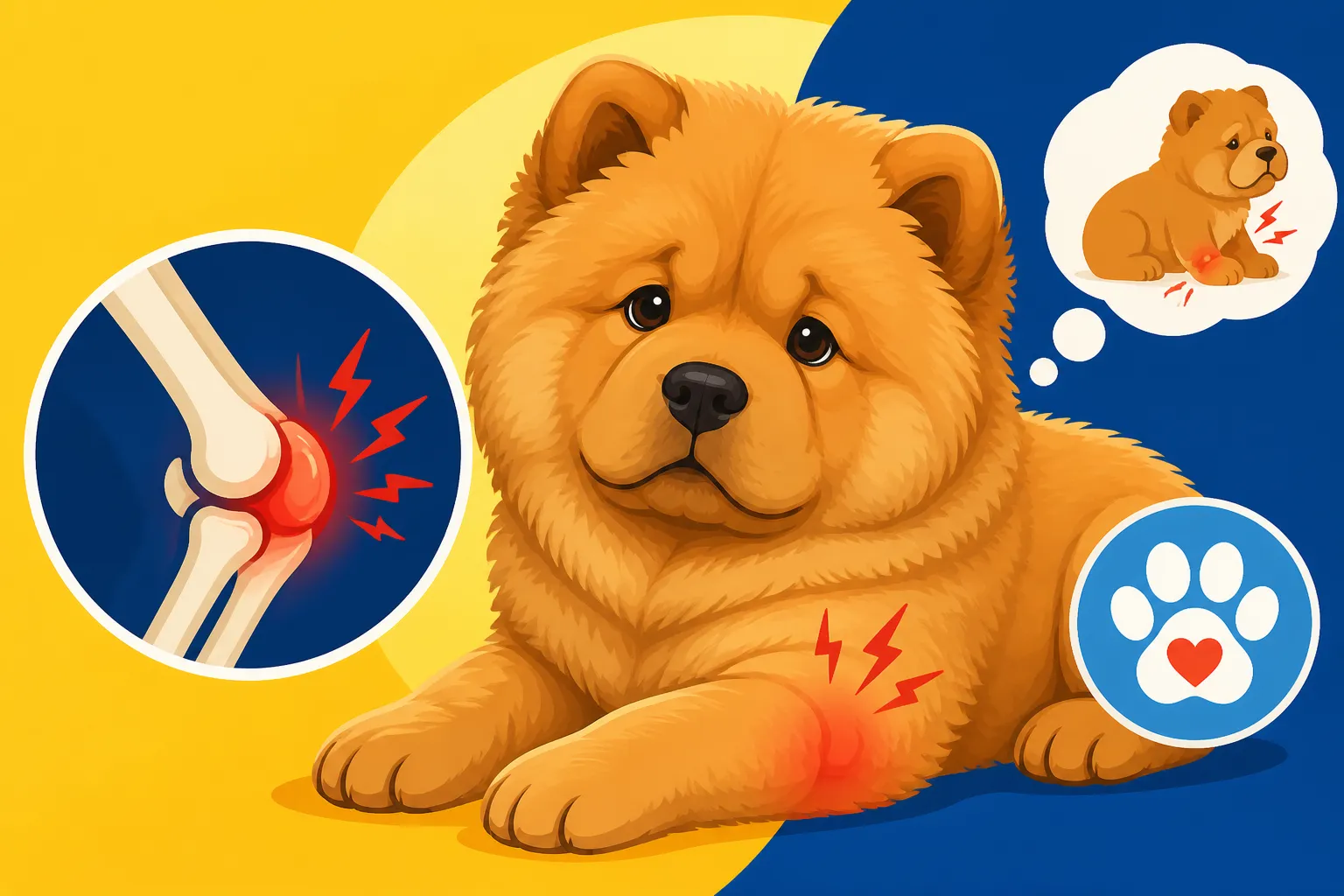
While difficult to spot under a Chow Chow's dense coat, sometimes you might be able to feel swelling or heat around the elbow joint itself. Gently feeling around the elbow area – where the upper arm bone meets the two lower leg bones – might reveal warmth compared to the opposite leg. More importantly, attempting to gently flex or extend the elbow joint might elicit a pain response from your puppy, such as a yelp, growl, or quick withdrawal of the leg. However, always exercise extreme caution when palpating a potentially painful area, as even the gentlest touch can be distressing.
It’s important to note that diagnosing elbow issues like What Elbow Dysplasia Does to a Chow Chow requires veterinary expertise and diagnostic imaging like X-rays. A vet will be able to perform specific manipulations of the joint to identify pain and instability. This is also why having pet insurance like Healthy Paws can be incredibly helpful; the diagnostic workup for these conditions can be quite expensive, and early, comprehensive care can prevent more severe problems down the line. Don't hesitate to seek professional help if you notice any of these signs.
Distinguishing Normal Puppy Stages from Serious Concerns
It’s easy to get worried every time your puppy does something a little off-kilter. Puppies are constantly growing, developing, and exploring their physical limits. Sometimes, what looks like pain might just be a clumsy growth spurt or a minor bump. However, for a breed like the Chow Chow, which can be prone to certain joint conditions, it’s always better to err on the side of caution.
The Myth of "Growing Pains"
Many dog owners hear the term "growing pains" and dismiss early signs of lameness in their large breed puppies. While true growing pains (Panosteitis) can occur, causing shifting lameness that moves from leg to leg, it's crucial not to self-diagnose. Conditions like elbow dysplasia are not "growing pains" and will not simply resolve on their own. These are structural issues that worsen over time if left untreated. How Common Elbow Dysplasia Is in Chow Chows is significant enough that any persistent or recurring lameness in a young Chow Chow should be taken seriously, regardless of whether it appears to be shifting.
A key difference is the consistency and severity. True lameness from a serious orthopedic issue tends to be more consistent on the affected limb, even if it waxes and wanes. It’s also often accompanied by the reluctance to bear weight, visible changes in gait, or vocalizations when touched. A puppy who truly has growing pains will often be bright and alert, despite a limp, whereas a puppy with significant joint pain may be more withdrawn or lethargic. Always consult your veterinarian to properly differentiate these conditions.
When to Consult Your Veterinarian
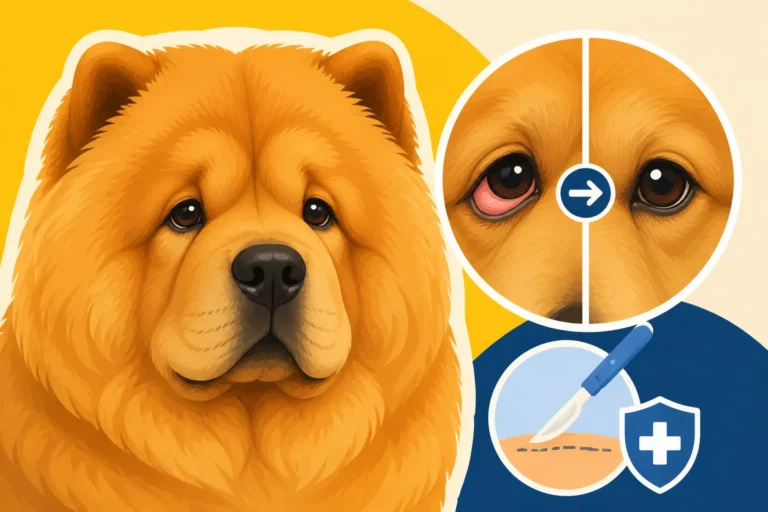
If you observe any of the persistent signs discussed above – a consistent limp, reluctance to play or move, vocalization upon touch, or changes in their usual posture and activity levels – it's time to make an appointment with your veterinarian. Don't wait hoping it will get better. Early diagnosis and intervention can dramatically improve the prognosis for many orthopedic conditions. For example, some elbow issues are best addressed surgically when the puppy is still young and has not yet developed irreversible joint changes.
Your vet will conduct a thorough physical examination, observing your puppy's gait, palpating their joints, and assessing their range of motion. They might recommend diagnostic imaging, such as X-rays, to get a clear picture of the bone and joint structure. Knowing When a Chow Chow's Elbows Should Be X Rayed is a decision your vet will make based on their examination findings and your puppy's age. The costs associated with diagnosing and treating elbow issues can be substantial, and this is where a good pet insurance plan, such as one from Healthy Paws, can be invaluable, helping you afford the best possible care for your companion.
Here’s a quick comparison to help you assess your puppy’s signs:
| Symptom / Behavior | Normal Puppy Activity & Clumsiness | Potential Sign of Elbow Pain |
|---|---|---|
| Limping | Intermittent, brief, usually after a minor stumble, quickly resolves. | Persistent, worsens with activity, noticeable after rest, or doesn't improve. |
| Playfulness | Eager to play, occasional tumbles with quick recovery. | Reluctance to play, tires easily, avoids jumping/running, appears withdrawn during playtime. |
| Movement | Fluid, active, occasional awkwardness. | Stiff gait, shortened stride in front legs, "bunny hopping," favoring a limb, difficulty climbing stairs. |
| Vocalizations | Occasional yelps during rough play or accidental bumps. | Whimpering, yelping, or growling when touched near the elbow/front leg, pain response during movement. |
| Posture/Resting | Easily settles, comfortable in various positions. | Constantly shifting weight, unable to get comfortable, standing more than lying down, abnormal sitting posture. |
| Energy Levels | High energy, requires regular exercise. | Lethargy, unusually quiet, less interested in walks or exploration. |
| Response to Touch | Generally tolerant of handling. | Resists touch, flinches, or reacts negatively when the elbow area is palpated. |
What to Do If You Suspect Your Chow Chow Puppy's Elbows Hurt
Discovering your beloved puppy might be in pain is a frightening moment, but prompt and appropriate action can make all the difference. Your role as their advocate is to ensure they receive the best care possible.
Immediate Steps at Home
If you notice signs of elbow pain, the first and most crucial step is to restrict your puppy’s activity immediately. This means no vigorous play, no jumping on or off furniture, and keeping them leashed for bathroom breaks to prevent sudden sprints. Provide a comfortable, soft bed in an easily accessible area, perhaps on the ground floor, so they don’t have to navigate stairs. Minimize any activity that puts stress on their front limbs.
While it might be tempting to give over-the-counter pain medication, never do so without veterinary guidance. Many human pain relievers are toxic to dogs, and even dog-specific medications need to be dosed precisely by a professional. Mark down all the specific symptoms you've observed: when they started, how often they occur, what makes them worse or better, and any other changes in behavior. This detailed information will be incredibly valuable for your vet.
Seeking Veterinary Consultation and Diagnosis
The next, and most important, step is to schedule an appointment with your veterinarian as soon as possible. Explain your concerns clearly, detailing all the signs you've observed. Your vet will perform a comprehensive orthopedic examination. This will involve observing your puppy walk and trot, as well as carefully manipulating each limb to assess joint health, range of motion, and pinpoint any areas of pain.
If elbow pain is suspected, your vet will likely recommend diagnostic imaging. Standard X-rays are often the first line of defense to visualize the bone structure and identify common issues like fragments of cartilage (osteochondrosis dissecans or OCD), ununited anconeal processes, or fragmented coronoid processes, all components of what's collectively known as elbow dysplasia. For more subtle issues, or if surgical intervention is being considered, advanced imaging like a CT scan might be recommended. These diagnostic procedures are vital for accurate diagnosis, and having a comprehensive pet insurance plan, like those offered by Healthy Paws, can significantly ease the financial burden associated with these necessary steps.
Managing and Treating Elbow Issues
Once a diagnosis is made, your veterinarian will discuss treatment options tailored to your puppy's specific condition and severity. Treatment plans can range from conservative management to surgical intervention. Conservative management typically involves pain medication, anti-inflammatory drugs, controlled exercise, weight management, and physical therapy. For puppies, it’s critical to manage their growth rate and ensure they are not overweight, as excess weight puts additional strain on developing joints.
In many cases of elbow dysplasia, surgery is recommended, especially for conditions like fragmented coronoid processes or ununited anconeal processes. The goal of surgery is to remove any loose fragments of cartilage or bone, smooth rough joint surfaces, and improve joint congruence. Post-surgical care often involves strict rest, medication, and a comprehensive physical rehabilitation program to help restore strength and mobility. Knowing What Elbow Surgery Costs on a Chow Chow is important, as these procedures can be expensive, reinforcing the value of pet insurance from the earliest days of puppyhood. Even if surgery isn't required, long-term management will focus on maintaining joint health and minimizing progression to The Age a Chow Chow Gets Arthritis, a common outcome of untreated elbow dysplasia.
Remember, early detection, accurate diagnosis, and consistent follow-through with your veterinarian's recommendations are paramount for giving your Chow Chow puppy the best possible chance at a comfortable, active life.
Disclaimer
The information provided in this article is for educational purposes only and is not intended to be a substitute for professional veterinary advice, diagnosis, or treatment. Always seek the advice of your veterinarian or other qualified health provider with any questions you may have regarding a medical condition. Never disregard professional veterinary advice or delay in seeking it because of something you have read in this article.