When a Chow Chow’s Elbows Should Be X Rayed
One of the most heartbreaking things a Chow Chow owner can face is seeing their beloved companion struggle with pain, especially when it comes from something as fundamental as movement. Elbow dysplasia, a complex and often debilitating condition, is unfortunately quite common in our lion-like friends. Deciding when and if to get your Chow Chow's elbows X-rayed can feel like navigating a minefield of worry and uncertainty, especially when you're trying to balance prevention, early detection, and the stress of veterinary visits. This comprehensive guide is here to walk you through everything you need to know about when to X-ray your Chow Chow's elbows, helping you make informed decisions for their comfort and long-term health.
Understanding Elbow Dysplasia in Chow Chows
Elbow dysplasia isn't just one single problem; it's a catch-all term for several developmental abnormalities that can occur in the elbow joint of growing dogs. For Chow Chows, with their unique structure and genetic predispositions, understanding this condition is crucial for proactive care. The frustration comes from knowing it’s often a genetic hand dealt to them, but also knowing that early intervention can significantly impact their quality of life.
What is Elbow Dysplasia?
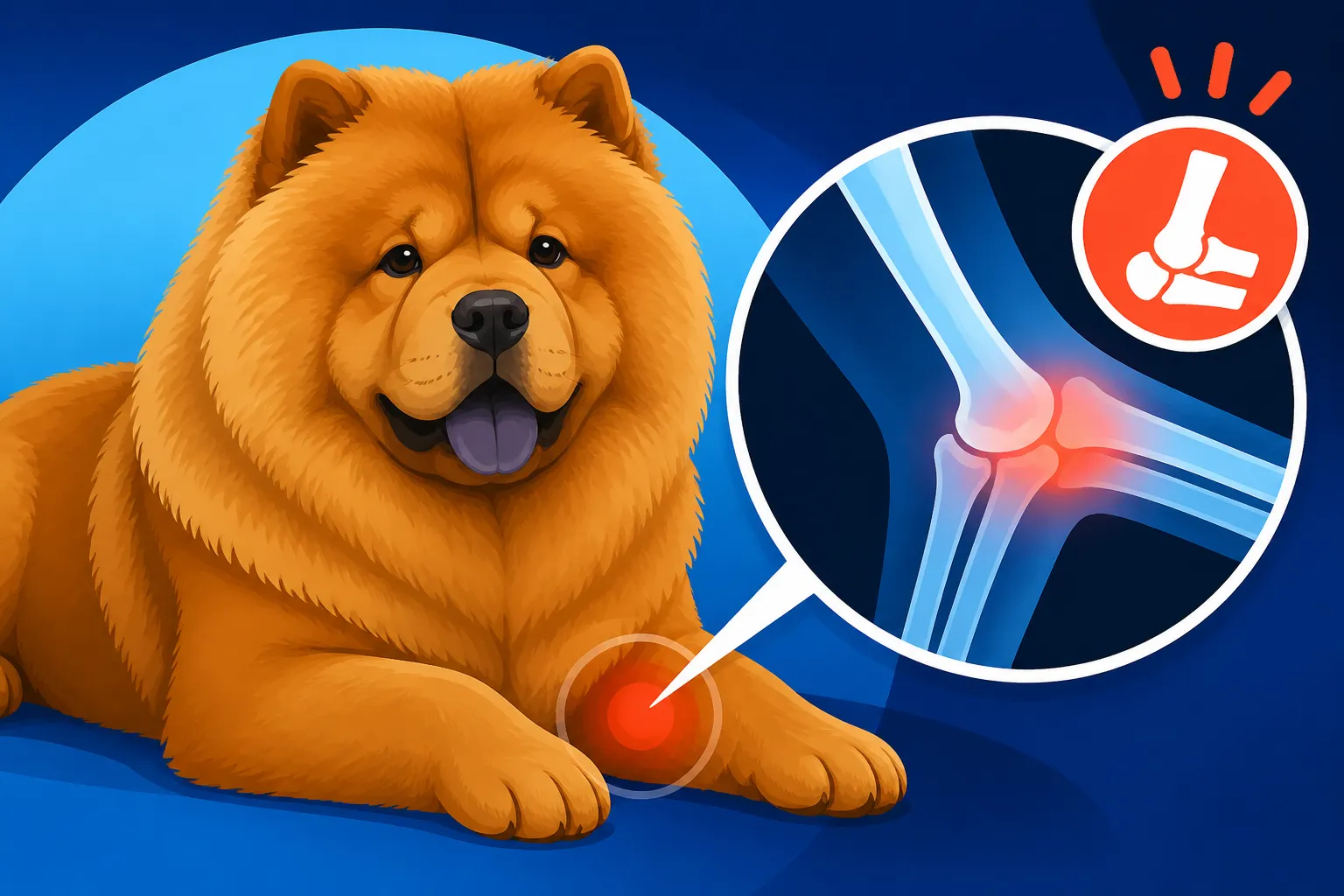
Imagine the elbow joint as a perfectly fitting puzzle where three bones meet: the humerus (upper arm bone) and the radius and ulna (forearm bones). In a dog with elbow dysplasia, one or more pieces of this puzzle don't fit quite right or develop properly, leading to instability, pain, and eventually degenerative joint disease (arthritis). It’s not just a minor ache; it’s a progressive condition that can severely limit a dog's mobility and comfort.
There are primarily four manifestations of elbow dysplasia that can occur individually or in combination:
- Fragmented Coronoid Process (FCP): This is one of the most common forms. The coronoid process is a small bony projection on the ulna. If it fragments or breaks off, it can float in the joint, causing irritation, inflammation, and damage to the cartilage. This is incredibly painful and progressive.
- Ununited Anconeal Process (UAP): The anconeal process is another small projection on the ulna that normally fuses with the rest of the ulna by about 5 months of age. If it fails to unite, it can also become a loose body, leading to joint instability and pain.
- Osteochondrosis Dissecans (OCD): This condition involves the abnormal development of cartilage on the end of the humerus. A flap of cartilage can separate from the bone, becoming loose within the joint. This can be extremely painful and lead to rapid arthritis development.
- Elbow Incongruity: This happens when the radius and ulna don't grow at the same rate, causing a mismatch in the joint surfaces. This uneven pressure can lead to chronic pain and accelerates cartilage wear, often contributing to FCP or UAP.
Each of these issues causes inflammation, pain, and, over time, irreversible damage to the joint cartilage and surrounding bone. This leads to the painful stiffness and lameness that owners often observe, drastically affecting a dog's ability to run, play, and even walk comfortably.
Why Chow Chows are Prone to Elbow Dysplasia
It’s a tough truth that some breeds, including our beloved Chows, are simply more predisposed to certain health conditions due to their genetics and conformation. The Chow Chow’s unique build, while contributing to their distinctive appearance, also places them higher on the list for elbow problems. This isn't a fault of the individual dog, but a challenge inherent to the breed that dedicated owners need to be aware of. How Common Elbow Dysplasia Is in Chow Chows is unfortunately quite well documented, making it a critical area of concern.
Several factors contribute to this predisposition:
- Genetics: This is perhaps the biggest culprit. Elbow dysplasia is considered a polygenic trait, meaning multiple genes are involved. Dogs with affected parents or ancestors are at a higher risk. Reputable breeders work diligently to reduce its incidence by screening their breeding stock, but it remains a persistent challenge in the breed.
- Rapid Growth Rate: Chow Chows, like many large and giant breeds, experience a rapid growth phase during puppyhood. This fast growth can sometimes outpace the proper development and maturation of bones and cartilage, making them more susceptible to developmental orthopedic diseases like elbow dysplasia. Nutritional factors during this period can also play a role; overfeeding or providing diets too high in calcium can exacerbate the problem.
- Conformation (Body Structure): The Chow Chow’s sturdy, heavy-boned build, combined with their characteristic straight rear legs and distinctive "stilted gait," can put extra stress on their elbow joints. Their relatively upright angulation means the joints absorb impact differently compared to dogs with more moderate angles, potentially increasing wear and tear over time. While their straight rear legs are part of their breed standard, they can contribute to long-term orthopedic challenges. Why a Chow Chow's Straight Rear Leg Causes Problems is a complex topic tied directly to their overall skeletal health.
- Weight: While not a direct cause, excess weight places additional strain on all joints, including the elbows. For a breed already prone to orthopedic issues, maintaining a lean body condition is paramount to minimizing the progression and severity of elbow dysplasia.
Understanding these factors helps explain why simply "waiting and seeing" isn't always the best approach. Proactive measures, including careful breeding, appropriate nutrition, and timely veterinary assessment, are essential for any Chow Chow owner.
Recognizing the Signs of Elbow Trouble
Chow Chows are known for their stoic nature. They are often masters at hiding pain, which can make diagnosing conditions like elbow dysplasia particularly challenging for even the most observant owner. This trait, while endearing in some ways, means that by the time you notice overt lameness, the condition might be more advanced than you think. It's a frustrating aspect of owning the breed, as you constantly feel like you're playing detective to ensure their comfort.
Subtle Early Symptoms
Before the limping becomes undeniable, your Chow Chow might give you subtle clues that something isn't quite right. These early signs often manifest as minor behavioral changes or a slight reluctance to engage in activities they once enjoyed. Recognizing these nuances is key to early intervention.
Keep a close eye out for:
- Morning stiffness or stiffness after rest: Your Chow Chow might be slower to get up after a nap or in the morning. They might "warm up" out of it after a few minutes, making it easy to dismiss as just being tired. This is a classic sign of joint discomfort. Why a Chow Chow Limps After Rest is almost always indicative of underlying joint issues.
- Reluctance to play or reduced activity levels: Has your Chow Chow, usually eager for a short walk or a romp in the yard, started declining? Are they less enthusiastic about their favorite toys? A general decrease in willingness to participate in physical activities could be a red flag.
- Changes in gait: While Chow Chows have a naturally stiff, stilted gait, subtle changes might include a shorter stride, a slight head bob, or an altered way of carrying one leg. They might try to shift weight off the painful limb. This can be hard to spot in a breed already known for its unique movement.
- Difficulty with stairs, jumping, or getting into the car: These activities require significant elbow flexion and extension. If your Chow Chow hesitates, struggles, or avoids them entirely, it's a strong indicator of elbow pain. They might start relying more on their back legs or needing a boost.
- Licking or chewing at the elbow area: Dogs often try to self-soothe pain by licking the affected area. If you notice persistent licking, especially focused on one or both elbows, investigate further.
- A more reserved or grumpy demeanor: Pain can make even the sweetest Chow Chow more irritable or less tolerant of handling. They might snap or growl if you touch their elbow, or simply withdraw from interaction. This demonstrates how adept How a Chow Chow Hides Pain can be, only showing irritation when the discomfort is significant.
These early signs are your cue to observe more closely and consult your veterinarian. Don't wait for obvious lameness if you notice these subtle shifts.
More Obvious Indicators
When elbow dysplasia progresses, the signs become harder to ignore. These are the symptoms that typically prompt a visit to the vet, but ideally, you'd be addressing the issue before it reaches this stage.
Look for these more prominent indicators:
- Persistent lameness: This is the hallmark sign. Your Chow Chow will consistently limp on one or both front legs, and it may worsen after exercise or improve slightly with rest. The limp might be subtle initially but becomes more pronounced over time. It can often fluctuate, making owners question if it's "just a sprain" or something more.
- Swelling around the joint: In some cases, you might notice visible swelling or warmth around the elbow. This indicates significant inflammation within the joint. Gently feeling the area might reveal tenderness or thickening.
- Pain upon palpation or manipulation: When your veterinarian examines your Chow Chow, they will likely manipulate the elbow joint. A dog with elbow dysplasia will often react with pain or discomfort during this examination, sometimes pulling away or vocalizing.
- Muscle atrophy: Over time, if your Chow Chow is consistently putting less weight on a painful limb, the muscles in that leg will begin to waste away. You might notice one leg looking thinner or less muscular than the other.
- Reluctance to extend or flex the elbow fully: The range of motion in an affected elbow will often be decreased. Your dog might hold the limb slightly bent or struggle to fully straighten it. This impacts their ability to walk naturally and comfortably.
Any of these more overt signs warrant an immediate veterinary consultation. Your vet will conduct a thorough physical examination, looking for signs of pain, swelling, and reduced range of motion. Based on their findings, they will almost certainly recommend diagnostic imaging, which brings us to the crucial topic of X-rays.
The Importance of Early Diagnosis and X-rays
When your Chow Chow is showing any signs of elbow discomfort, the phrase "time is of the essence" truly applies. Delaying diagnosis can have long-lasting, detrimental effects on your dog's joint health and overall well-being. This is where X-rays become not just an option, but a vital tool in understanding and managing the condition. It’s an investment in your dog’s future comfort, even if it feels like another hurdle in a long list of Chow Chow-specific considerations.
Why Timely X-rays Matter
Getting X-rays done promptly after suspecting elbow issues can dramatically alter the course of the disease and your Chow Chow's prognosis. This isn't just about identifying the problem; it's about giving your dog the best possible chance at a pain-free life.
Here’s why early X-rays are so critical:
- Preventing Further Damage: Elbow dysplasia is progressive. The abnormal mechanics and fragments within the joint continuously grind away at the cartilage, leading to irreversible arthritis. Early diagnosis allows for interventions that can slow this progression, reduce inflammation, and protect the remaining healthy joint structures. The sooner you know, the sooner you can act to mitigate the damage.
- Guiding Treatment Options: Knowing the exact nature and severity of the elbow dysplasia (e.g., FCP, UAP, OCD, or incongruity) is essential for choosing the most appropriate treatment. Some forms of elbow dysplasia respond well to conservative management, while others require surgical intervention to alleviate pain and improve joint function. Without X-rays, treatment is largely guesswork, and ineffective treatments can prolong suffering and expense. What Elbow Dysplasia Does to a Chow Chow can vary, and precise imaging informs precise treatment.
- Improving Prognosis and Quality of Life: Dogs diagnosed early and managed appropriately generally have a much better long-term prognosis. Early surgical correction, for instance, can often restore a good level of comfort and function, allowing your Chow Chow to enjoy a more active life for longer. Delaying treatment often means facing a more advanced stage of arthritis, which is harder to manage and causes chronic pain. This impacts their ability to enjoy walks, play, and even simple movements, severely diminishing their quality of life.
- Financial Planning: While no one wants to think about costs when their pet is in pain, early diagnosis can sometimes prevent more extensive and expensive treatments down the road. Furthermore, if you have pet insurance like Healthy Paws, knowing about a condition early can help ensure that potential future treatments related to the diagnosis are covered, provided it's not considered a pre-existing condition. It highlights the value of proactive health monitoring.
The X-ray Process for Elbow Dysplasia
So, you've decided to get X-rays. What can you expect during this process? It's more involved than a simple picture, and for a breed like the Chow Chow, there are specific considerations.
- Sedation is Almost Always Necessary: To get diagnostic-quality X-rays for elbow dysplasia, your Chow Chow will almost certainly need sedation or even light anesthesia. Why? Because proper positioning is absolutely paramount. Any slight movement or incorrect angle can obscure the subtle lesions indicative of elbow dysplasia, leading to misdiagnosis or inconclusive results. Trying to manually hold a Chow Chow still enough for perfect positioning is often impossible and stressful for the dog. Whether a Chow Chow Needs Sedation for a Checkup for X-rays is a resounding yes for accurate results.
- Specific Views Are Required: Unlike a general X-ray, diagnosing elbow dysplasia requires very specific radiographic projections. These typically include:
- Medial-lateral view (flexed and extended): These views help assess joint space, osteophytes (bone spurs), and the anconeal process.
- Craniocaudal view: This view is crucial for evaluating the coronoid processes and overall joint congruity.
- Oblique views: Sometimes, additional oblique views are needed to get a clearer picture of specific structures that might be hidden in standard projections.
The veterinarian will likely take multiple images of both elbows, even if symptoms are only present in one, as dysplasia often affects both limbs to varying degrees.
- Role of a Veterinary Radiologist: While your primary veterinarian can take the X-rays, often they will send the images to a board-certified veterinary radiologist for expert interpretation. These specialists have extensive training in reading radiographs and can identify subtle abnormalities that might be missed by a general practitioner. For official certifications like those from the Orthopedic Foundation for Animals (OFA), the images must be sent to a panel of radiologists for evaluation.
- What the X-rays Show: The X-rays will help identify bone fragments (like FCP or UAP), cartilage flaps (OCD), uneven joint surfaces (incongruity), and early signs of degenerative joint disease (arthritis), such as bone spurs or joint space narrowing. This detailed information is what allows your vet to formulate the best treatment plan.
The X-ray process might seem daunting, especially with the need for sedation, but it’s a non-invasive way to gain invaluable insights into your Chow Chow's joint health.
Optimal Timing for Screening X-rays
Beyond diagnosing existing lameness, there's a strong argument for proactive, preventative X-ray screening, especially for a breed like the Chow Chow. This is where dedicated breeders and responsible owners come together to try and improve the breed's health. The timing of these screenings is crucial, influencing both diagnostic accuracy and future breeding decisions.
Puppyhood vs. Adult Screening
The question of when to screen for elbow dysplasia can be a bit confusing, as there are different recommendations depending on the purpose of the X-rays (diagnosis vs. breeding certification). It’s about catching the issues at the right developmental stage, without waiting until the damage is too severe.
- Puppyhood (Early Detection): While official OFA certification typically occurs at 24 months, some veterinarians and breeders advocate for "preliminary" X-rays in puppies, particularly between 4 to 8 months of age. At this stage, while growth plates are still open, some significant abnormalities like UAP or severe FCP might be detectable. The benefit is that early detection could allow for earlier intervention, potentially reducing the severity of future arthritis. However, it's important to understand that preliminary findings aren't always definitive for breeding purposes, as the joints are still developing. The interpretation of these early X-rays requires an experienced veterinary radiologist. For breeders, understanding The Age Entropion Shows in a Chow Chow Puppy is another example of breed-specific timing that dictates early evaluation.
- Adult Screening (Official Certification): For most official certifications, such as those through the Orthopedic Foundation for Animals (OFA), Chow Chows must be at least 24 months (2 years) old for elbow evaluations. By this age, the growth plates are closed (When a Chow Chow's Growth Plates Close) and the elbow joints are considered skeletally mature. This allows for a more definitive assessment of joint health and the presence or absence of elbow dysplasia. This is the standard age for breeding dogs to be screened to ensure they are not passing on genetic predispositions. OFA offers grading from "Normal" to "Grade III Dysplasia."
For pets not intended for breeding, if symptoms arise, X-rays should be taken regardless of age. If your Chow Chow starts showing signs of lameness at 6 months, you wouldn't wait until 2 years for an X-ray; you'd get them done immediately to diagnose the issue and start treatment.
Breeder Responsibilities and Genetic Testing
Responsible breeding is the cornerstone of reducing the incidence of inherited diseases like elbow dysplasia. This isn't just a nicety; it's an ethical imperative that significantly impacts the health and longevity of future generations of Chow Chows. When you're looking for a puppy, the breeder's commitment to health testing should be one of your top considerations.
- Screening Breeding Stock: Reputable Chow Chow breeders are deeply committed to screening their breeding dogs for elbow dysplasia and other orthopedic conditions. This involves obtaining official OFA certifications (or equivalent schemes like PennHIP for hips, though OFA is standard for elbows) for both the sire and dam before they are bred. They should be able to provide documentation showing "normal" or "clear" elbow scores for both parents. If a breeder tells you they don't believe in health testing, or that their dogs "look fine," it's a major red flag. What a Chow Chow Breeder Should Have Tested absolutely includes elbow evaluations.
- Understanding OFA Grades: The OFA evaluates elbow X-rays and assigns grades:
- Normal: No evidence of elbow dysplasia.
- Grade I (Mild Dysplasia): Minimal bone changes.
- Grade II (Moderate Dysplasia): More significant bone changes.
- Grade III (Severe Dysplasia): Pronounced bone changes, significant arthritis.
Breeders should only breed dogs with "Normal" elbow scores to minimize the risk of passing on the condition.
- Transparency and Documentation: A good breeder will be transparent about their health testing results and readily provide copies of OFA certificates for both parents. They will be happy to discuss the health history of their lines. This level of honesty is crucial. When evaluating a potential puppy, always ask Which Health Tests a Chow Chow Breeder Should Run and for proof of those tests.
- Impact on the Breed: Every generation of responsible breeding helps to reduce the prevalence of elbow dysplasia in the Chow Chow population. Conversely, breeding untested dogs or dogs with diagnosed dysplasia perpetuates the problem, leading to more suffering and expense for future owners.
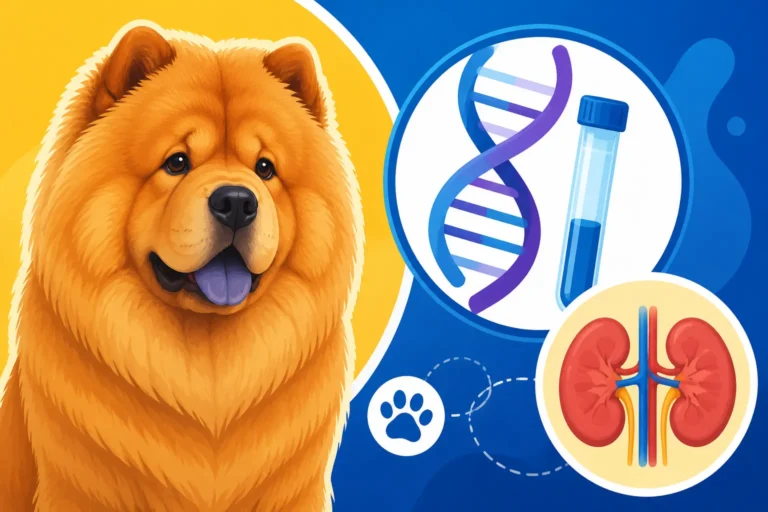
- Genetic Testing Limitations: While DNA tests exist for some genetic conditions, currently there isn't a definitive DNA test for elbow dysplasia due to its polygenic nature. This means radiographic screening of breeding animals remains the primary method of control.
Choosing a puppy from a breeder who prioritizes elbow health screening is perhaps the single most impactful decision an owner can make to reduce the likelihood of their own Chow Chow developing this challenging condition.
What X-ray Results Mean and Next Steps
Once those X-rays have been taken and analyzed, the waiting game is over, and it's time to understand the findings. This is often where the real work begins, transitioning from diagnosis to creating a management plan that prioritizes your Chow Chow's comfort and mobility. The vet's explanation can sometimes feel overwhelming, so let's break down what those results actually mean and what your options are.
Interpreting OFA and Specialist Reports
When you receive the report, whether from your primary vet or a specialist, it will typically detail the presence and severity of any elbow abnormalities. Understanding the language used is crucial for grasping the full picture of your Chow Chow's condition.
- OFA Grades (for breeding certification): As mentioned, the Orthopedic Foundation for Animals provides official grades if X-rays are submitted for certification. A "Normal" score is ideal for breeding. Anything from Grade I to Grade III indicates elbow dysplasia, with increasing severity. Even a Grade I diagnosis means the dog has elbow dysplasia, and should not be bred. These grades directly correlate to the presence of osteophytes (bone spurs) and other changes indicative of degenerative joint disease.
- Specialist Reports (for diagnostic purposes): If your Chow Chow is showing symptoms and you've had X-rays, the report from a veterinary radiologist or orthopedic specialist will be much more detailed. It will pinpoint specific issues such as:
- Presence of FCP, UAP, or OCD lesions: The report will clearly state which specific components of elbow dysplasia are present.
- Degree of elbow incongruity: It will describe if the joint surfaces don't align properly.
- Severity of degenerative joint disease (DJD)/arthritis: This is a crucial indicator of how much long-term damage has already occurred. Radiologists will look for joint space narrowing, subchondral sclerosis (increased bone density beneath the cartilage), and the presence and size of osteophytes. The more advanced the DJD, the more challenging the long-term management typically becomes.
- Unilateral or Bilateral involvement: The report will confirm if one or both elbows are affected, and to what extent. It’s not uncommon for both elbows to have some degree of dysplasia, even if one seems worse.
Your veterinarian will walk you through these findings, explaining what each aspect means for your individual Chow Chow. Don't hesitate to ask questions, no matter how basic they seem. This is your dog, and you need to understand their health picture completely.
Treatment Options Post-Diagnosis
Once elbow dysplasia is diagnosed, your vet will discuss a range of treatment options. These fall broadly into two categories: conservative (medical) management and surgical intervention. The best approach depends on the specific type and severity of dysplasia, the age of your Chow Chow, their overall health, and your family's circumstances.
Conservative (Medical) Management
This approach focuses on managing pain and inflammation, slowing the progression of arthritis, and maintaining muscle strength without surgery. It's often recommended for milder cases, older dogs, or when surgery isn't an option.
- Pain Relief: Non-steroidal anti-inflammatory drugs (NSAIDs) are a cornerstone of pain management. Brands like Rimadyl, Galliprant, or Carprofen can significantly reduce pain and inflammation, making your Chow Chow more comfortable. Your vet will determine the appropriate medication and dosage.
- Joint Supplements: Glucosamine, chondroitin, MSM, and omega-3 fatty acids are commonly recommended. While not a cure, they can help support cartilage health, reduce inflammation, and improve joint lubrication. Brands like Dasuquin or Cosequin are popular choices, but always discuss with your vet before starting any supplements.
- Weight Management: Keeping your Chow Chow at an ideal, lean body weight is absolutely critical. Extra pounds put immense stress on already compromised joints, accelerating arthritis. Keeping a Chow Chow at the Weight Its Elbows Can Carry can drastically improve their comfort and mobility. Your vet can help you devise a weight loss plan if needed.
- Controlled Exercise: Low-impact, consistent exercise is better than sporadic, intense bursts. Think short, leashed walks on soft surfaces rather than vigorous running or jumping. Hydrotherapy (swimming) is often excellent as it provides exercise without weight-bearing stress.
- Physical Therapy/Rehabilitation: A certified canine rehabilitation therapist can develop a tailored exercise program to strengthen muscles supporting the joint, improve range of motion, and reduce pain. This can include modalities like therapeutic ultrasound, laser therapy, and specific exercises.
- Environmental Modifications: Making your home more dog-friendly can help. This includes ramps for beds or cars, non-slip mats on slippery floors, and orthopedic beds for comfortable rest.
Surgical Intervention
For many forms of elbow dysplasia, especially FCP, UAP, and OCD, surgery is often the most effective way to alleviate pain and improve long-term outcomes. This typically involves an orthopedic specialist.
- Arthroscopy: This minimally invasive procedure uses a small camera (arthroscope) inserted into the joint. It allows the surgeon to visualize the joint structures, remove fragmented coronoid processes, retrieve OCD flaps, and assess cartilage damage. It's less invasive than traditional open surgery, with a faster recovery time.
- Osteotomies: For elbow incongruity, procedures like a Proximal Abducting Ulnar Osteotomy (PAUL) or Sliding Humeral Osteotomy (SHO) can be performed. These involve cutting and repositioning bones to improve joint alignment, reducing abnormal pressure and pain.
- Fusion (Arthrodesis) or Joint Replacement: These are typically reserved for end-stage, severely arthritic elbows when other treatments have failed. Elbow replacements are complex and less common than hip replacements, but they are an option for some dogs.
- Post-Surgical Care: Regardless of the surgery, a strict post-operative recovery plan is essential. This often includes crate rest, restricted activity, pain medication, and a course of physical therapy. The cost of such procedures can be substantial, which makes pet insurance like Healthy Paws a lifesaver for many owners facing these unexpected expenses. What Elbow Surgery Costs on a Chow Chow can range from a few thousand to many thousands of dollars depending on the specific procedure and location.
It's important to have an open and honest discussion with your veterinarian and potentially a veterinary orthopedic surgeon about all the available options, their potential benefits, risks, and costs. Together, you can decide on the best course of action for your Chow Chow.
Living with an Elbow Dysplasia Diagnosis
Receiving an elbow dysplasia diagnosis can be a heavy blow, leaving you wondering about your Chow Chow's future. It's natural to feel overwhelmed. However, it's not a death sentence, but rather a call to action. With dedicated care and thoughtful management, many Chow Chows with elbow dysplasia can lead fulfilling and relatively comfortable lives. It involves an ongoing commitment to their well-being, adjusting routines, and sometimes making difficult choices.
Management Strategies
Successfully managing elbow dysplasia is a long-term commitment that requires consistency and attention to detail. It's about creating a supportive environment and routine that minimizes pain and maximizes mobility.
- Strict Weight Control: We cannot stress this enough. Every extra pound your Chow Chow carries puts immense strain on already compromised elbow joints, accelerating arthritis and increasing pain. Work with your vet to determine an ideal lean body weight and stick to a feeding plan. This might mean meticulously measuring food portions and cutting back on treats. Keeping a Chow Chow at the Weight Its Elbows Can Carry is perhaps the most cost-effective and impactful strategy you can implement.
- Nutritional Support: Beyond just calorie control, consider diets that support joint health. Some prescription veterinary diets are formulated with specific ingredients like omega-3 fatty acids, glucosamine, and chondroitin to help reduce inflammation and support cartilage. Discuss these options with your vet.
- Supplements and Medications: As discussed earlier, ongoing use of veterinarian-prescribed NSAIDs and joint supplements will likely be part of your Chow Chow's daily regimen. Consistency is key here; don't skip doses or stop supplements without vet consultation. Newer treatments like Adequan injections or even newer anti-nerve growth factor injections (like Librela) can also offer significant pain relief for some dogs. These medications can add up, highlighting the benefit of a robust insurance plan like one from Healthy Paws.
- Controlled Exercise Routine: Ditch the spontaneous, high-impact activities. Instead, establish a routine of consistent, low-impact exercise. Leashed walks on soft, even surfaces (like grass or dirt trails) are ideal. Avoid activities that involve jumping, sudden stops, or quick turns. Hydrotherapy, especially swimming in warm water, is an excellent non-weight-bearing exercise that builds muscle and improves joint mobility without causing further stress.
- Comfortable Resting Places: Ensure your Chow Chow has orthopedic beds that provide good support and relieve pressure on their joints. These are much more beneficial than thin, flat beds. Place them in easily accessible, quiet areas where they can rest undisturbed.
- Home Modifications: Make your home easier for them to navigate. Use ramps for accessing cars or furniture. Place non-slip rugs on slippery hard floors to prevent falls and awkward movements that can jar their elbows. Consider raised food and water bowls to reduce strain on their neck and front limbs during meal times.
- Regular Veterinary Check-ups: Your Chow Chow will need regular vet visits to monitor their pain levels, assess joint condition, and adjust medication dosages as needed. This ongoing oversight is crucial for adapting their care as the condition evolves.
Long-term Prognosis and Quality of Life
The long-term outlook for a Chow Chow with elbow dysplasia varies greatly depending on the severity of the condition, the specific type of dysplasia, whether surgical intervention was pursued, and the dedication of the owner to lifelong management.
- Realistic Expectations: It's important to be realistic. Elbow dysplasia is a chronic, progressive condition. While treatments can manage pain and slow progression, they cannot reverse the underlying structural abnormalities or completely eliminate the risk of arthritis. Your Chow Chow may never be able to run and jump like a perfectly healthy dog, but the goal is to ensure they are comfortable and can enjoy their daily life.
- Arthritis Management: Even with successful surgery, most dogs with elbow dysplasia will develop some degree of arthritis in the affected joint over their lifetime. Managing this arthritis becomes a primary focus, especially as your Chow Chow ages. How an Aging Chow Chow Stiffens is a common concern, and proactive arthritis management can significantly mitigate it. This may involve ongoing NSAIDs, joint supplements, physical therapy, and even alternative therapies like acupuncture or cold laser therapy.
- Monitoring for Worsening Signs: Be vigilant for any signs of increased pain or lameness. Chows are stoic, but changes in appetite, demeanor, or reluctance to move could signal a flare-up or worsening of the condition. Don't hesitate to consult your vet if you notice a decline.
- Focus on Comfort and Enrichment: Your Chow Chow's quality of life isn't solely defined by their physical abilities. Provide mental enrichment through puzzle toys, gentle training sessions, and plenty of loving attention. Adapt activities to their capabilities; if they can't go on long hikes, a short, sniffy walk in the park or quiet time in the yard might be just as rewarding.
- Pet Insurance as a Lifeline: For chronic conditions like elbow dysplasia, pet insurance can be an invaluable asset. Plans from providers like Healthy Paws can cover a significant portion of diagnostic tests, medications, rehabilitation, and even expensive surgeries, helping you afford the best possible care for your Chow Chow without financial strain becoming a barrier. Look for plans that cover chronic conditions, as this will be a lifelong journey.
Ultimately, living with a Chow Chow with elbow dysplasia is a journey that requires patience, consistency, and a deep commitment to their well-being. By staying informed, working closely with your veterinary team, and adapting their lifestyle, you can ensure your beloved companion enjoys the best possible quality of life despite their challenges.
| Aspect | Puppyhood Screening (4-8 months) | Adult Screening (24 months+) | Symptom-Driven X-rays (Any Age) |
|---|---|---|---|
| Primary Purpose | Early detection of severe issues, preliminary assessment | Official certification for breeding (OFA, PennHIP) | Diagnosis of existing lameness/pain |
| Growth Plates | Usually open or partially open | Fully closed, skeletally mature | Variable, depending on age |
| Accuracy/Definitiveness | Preliminary, not definitive for breeding certification | Definitive for breeding, best for assessing long-term changes | Definitive for diagnosing current problem |
| Need for Sedation | Highly likely for proper positioning | Highly likely for proper positioning | Highly likely for proper positioning |
| What it Detects | Gross abnormalities like severe UAP/FCP | All forms of ED, degree of degenerative joint disease (DJD) | Specific cause of lameness, type and severity of ED, DJD |
| Actionable Outcome | May inform early intervention, careful monitoring | Informs breeding decisions, confirms joint health | Guides immediate treatment plan (medical or surgical) |
| Cost Implications | Initial diagnostic cost | Cost for official submission & evaluation | Diagnostic cost, often followed by treatment expenses |
Disclaimer
The information provided in this guide is intended for general informational purposes only and does not constitute veterinary advice. Always consult with a qualified veterinarian for any health concerns or before making any decisions about your Chow Chow's medical care, diet, or treatment. Every dog is an individual, and specific advice tailored to your pet's needs and medical history is essential.